

 English
 中文简体
中文简体Wholesale 100% other, 720G/M, Classic Black And White, Tweed Yarn, ML-70230021-22090
Home > Products > Tweed Yarn > 100% other, 720G/M, Classic Black And White, Tweed Yarn, ML-70230021-22090

- Introduction
- Specifications
·Classic black and white color scheme, adaptable to long-term fashion needs
·720 grams per meter grammage, providing structural stability
·Herringbone pattern, enhancing visual layering
·Smooth touch, improving comfort in use
·Composition:100% other
·Grammage: 720 g/m
·Color: Black and white interwoven
·Pattern: Herringbone design
·Touch: Smooth surface
·Applicability: Adapts to multiple textile processes
This yarn is suitable for apparel manufacturing (such as coats and knitwear)
It is recommended to hand wash or machine wash gently with neutral detergent in water below 30°C, avoiding bleach. After washing, lay flat to dry; do not wring or expose to direct sunlight. Store in a dry environment and avoid contact with sharp objects.
100% other, 720G/M.
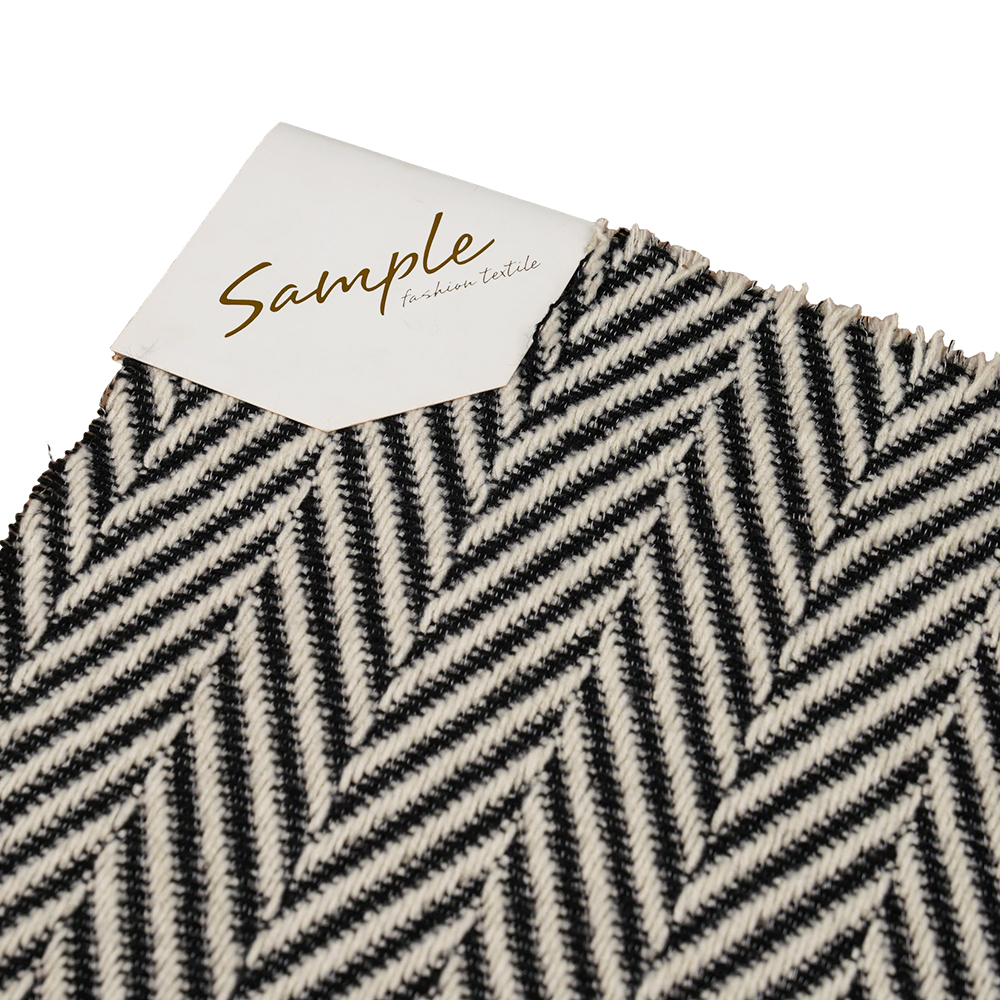
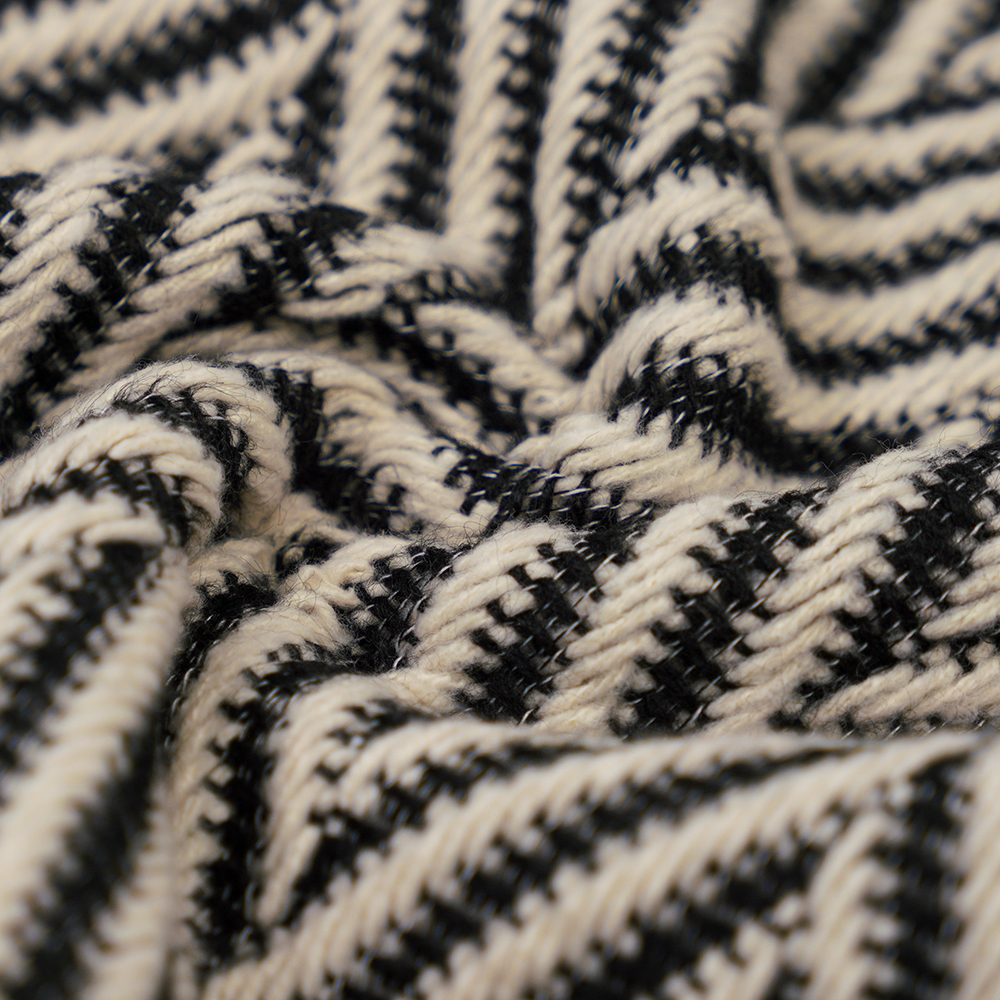
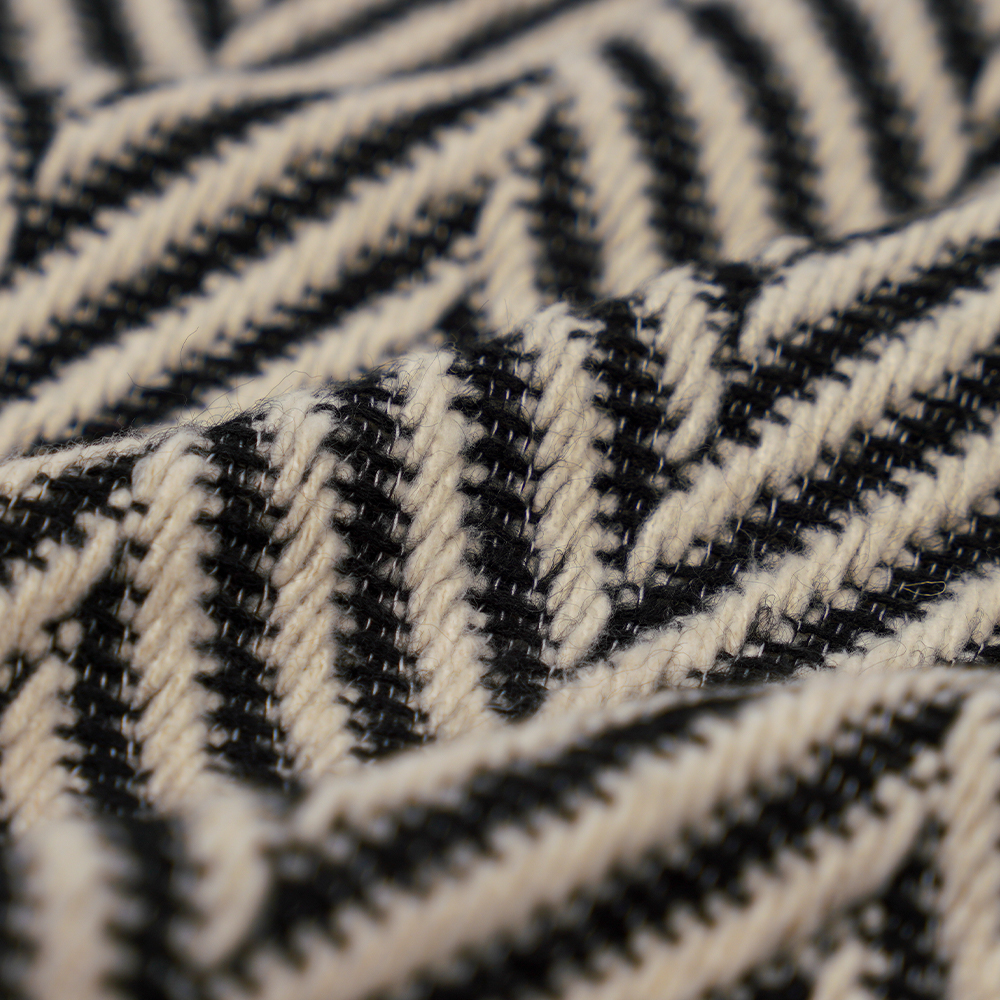
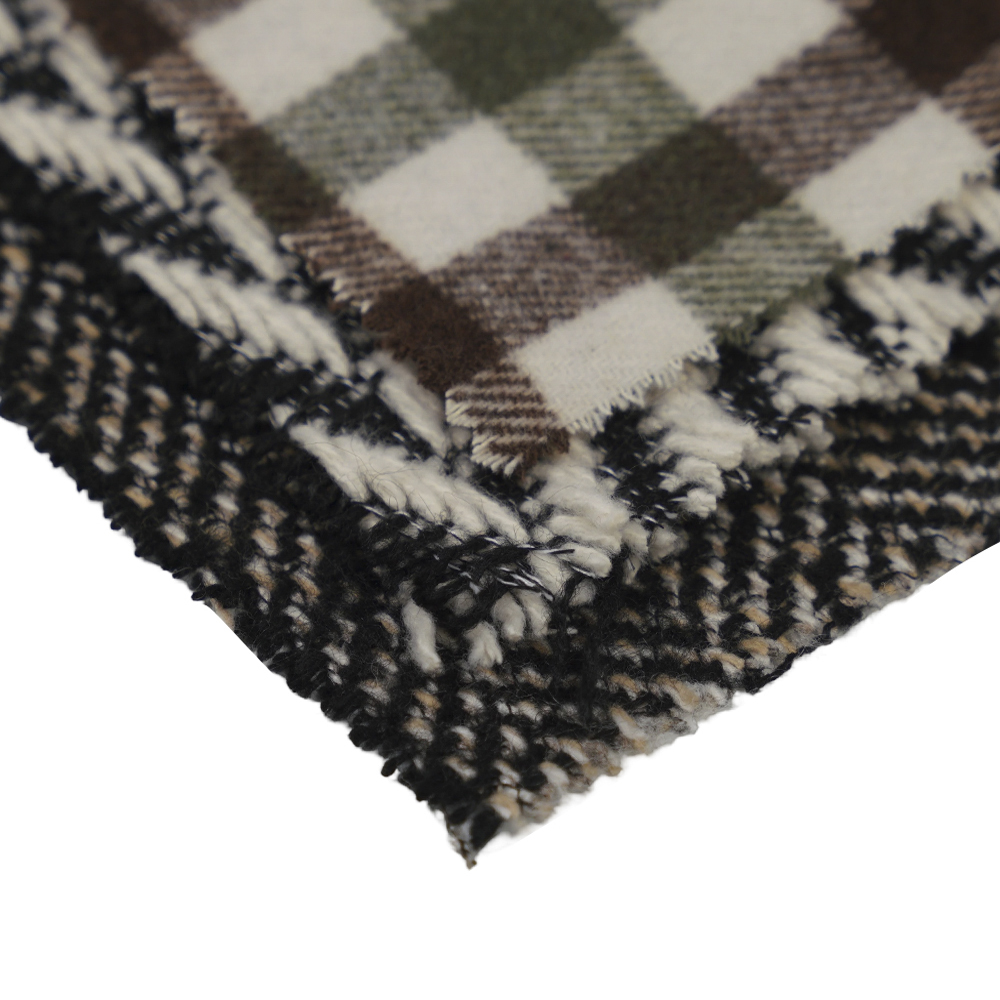
This tweed yarn features a fiber composition of 100% other fibers, engineered for structural stability and versatility across multiple textile processes. The herringbone pattern interweaves classic black and white tones to create visual layering and surface interest. The fabric weight of 720 g/m provides structural stability and a substantial hand feel suitable for garment construction.
The smooth surface finish improves comfort in use while maintaining the distinctive herringbone texture. The classic black and white color scheme adapts to long-term fashion needs and coordinates with multiple design directions. The yarn is appropriate for apparel manufacturing including coats, knitwear, and other textile applications where pattern definition and structural stability are required.
These parameters define the yarn's weight, fiber composition, and herringbone pattern for apparel and textile applications.
The classic black and white herringbone tweed yarn combines substantial weight with distinctive pattern and smooth finish. These specifications support applications in coats, knitwear, and apparel manufacturing where visual layering and structural stability are required.
For optimal performance and service life, hand wash or gentle machine wash with neutral detergent in water below 30°C is recommended. Avoid bleach and vigorous rubbing that may cause damage to the herringbone pattern. After washing, lay flat to dry in a shaded area away from direct sunlight; do not wring or twist. When ironing, use low to medium temperature on the reverse side with a pressing cloth to protect the pattern and surface finish. Store in a dry environment away from moisture and direct sunlight. Avoid contact with sharp objects that may damage the yarn structure. The herringbone pattern benefits from careful handling during manufacturing and garment assembly.
Each production batch undergoes comprehensive testing including fiber composition verification, grammage measurement, pattern consistency inspection, and construction integrity assessment. The herringbone weave is monitored for clear pattern definition, uniform density, and finish consistency across the full width. Tensile strength, dimensional stability, and surface quality tests are performed to ensure compliance with established standards. Materials are traceable to certified suppliers with documented quality records. Testing protocols follow industry standards for tweed yarn and textile products.

You are comparing a 340 gsm wool flannel with a 760 gsm melton for the same winter coat pattern. The flannel drapes and breathes; the melton feels dense and a...
When a coat factory buyer compares single-face vs double-face wool coating for a new winter line, the samples on the table may look nearly identical. Cut into...
A 760 gsm Melton shell with a 70/30 wool-polyester blend will hold its structure through a full winter of daily wear, shed light rain for roughly 20 minutes b...
On a rainy morning in a London showroom, a buyer holds two wool swatches side by side: a dense charcoal Melton and a brown herringbone tweed. Both are winter ...
A sourcing manager in a garment factory is comparing two wool coating fabrics. Both are labeled 50% wool and 40% polyester, but one weighs 560gsm and the othe...
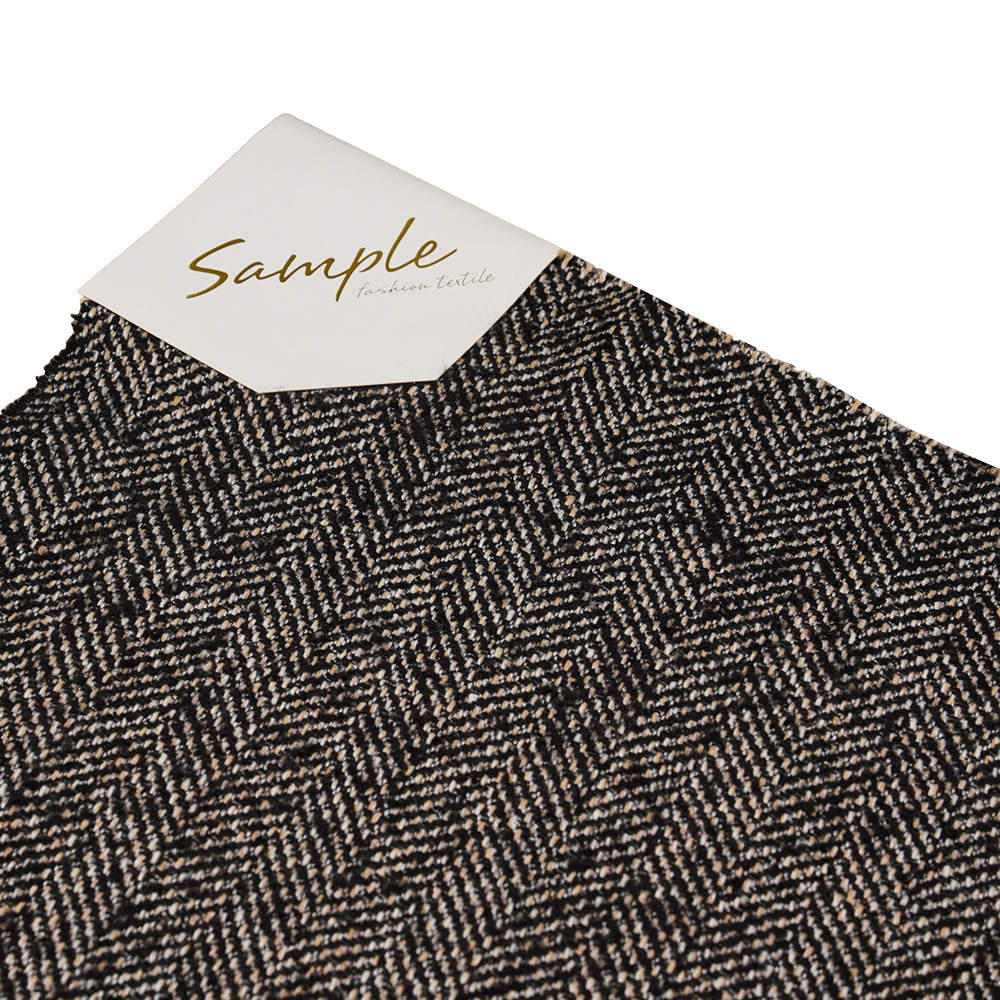
100% other, 600G/M Black, White, and Brown Fine Herringbone Yarn ML-70230073-649...
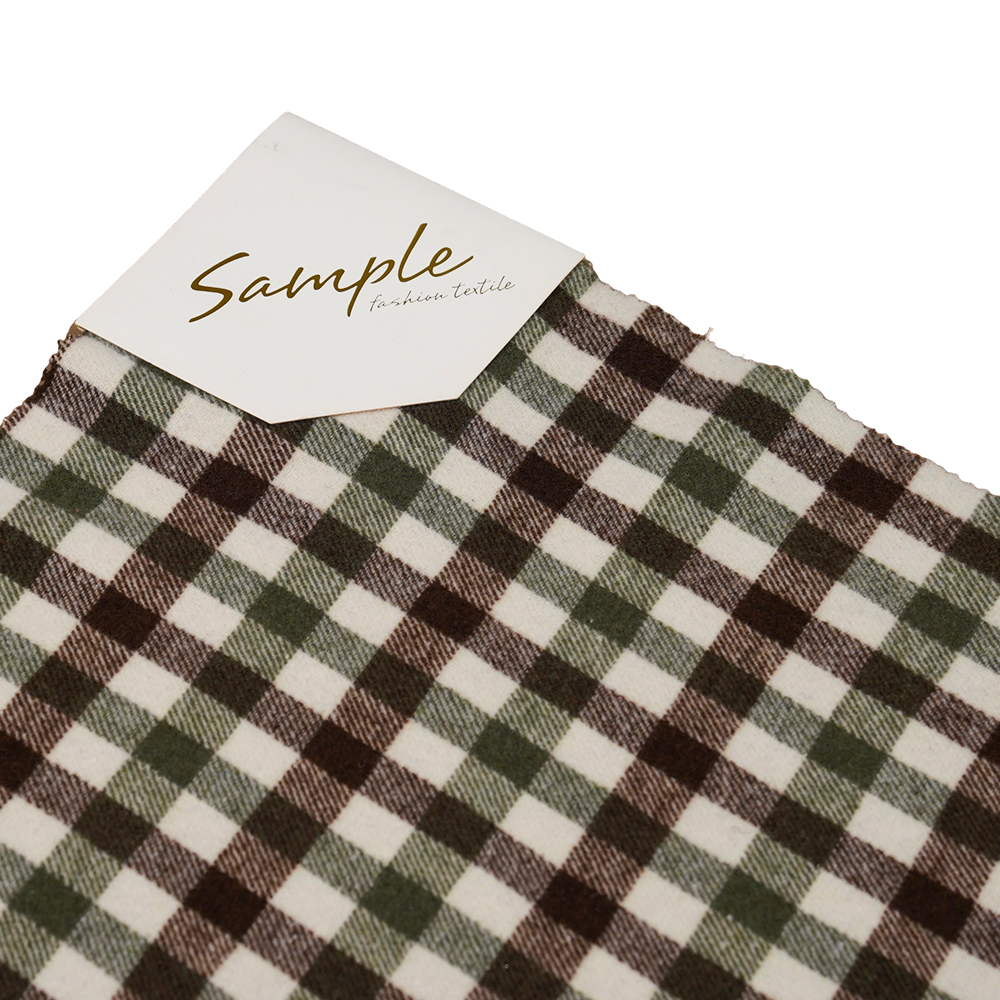
100% other, 410G/M Green-Brown-White Plaid Yarn: Vintage British Style, Natural ...
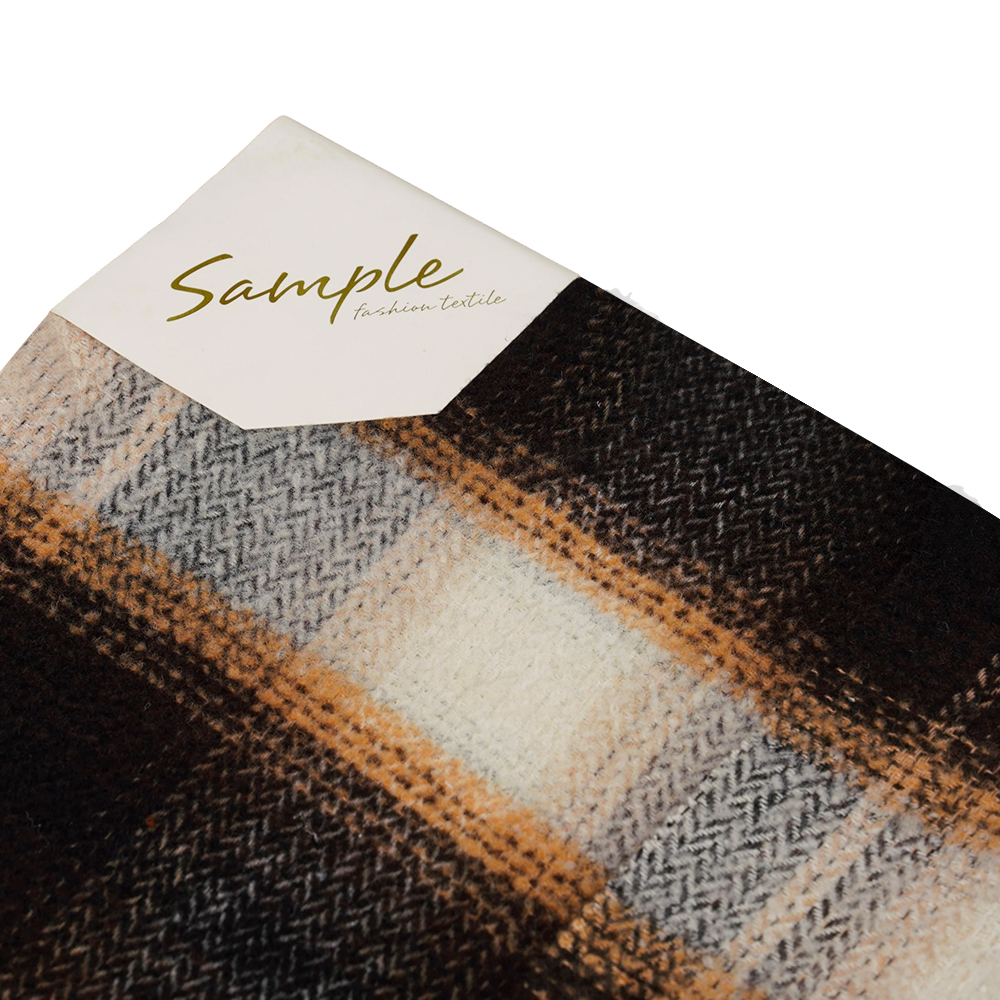
ML-8021071 Black and White Boucle Fabric: 40% Wool, 60% Polyester Blend, 540 g/m...
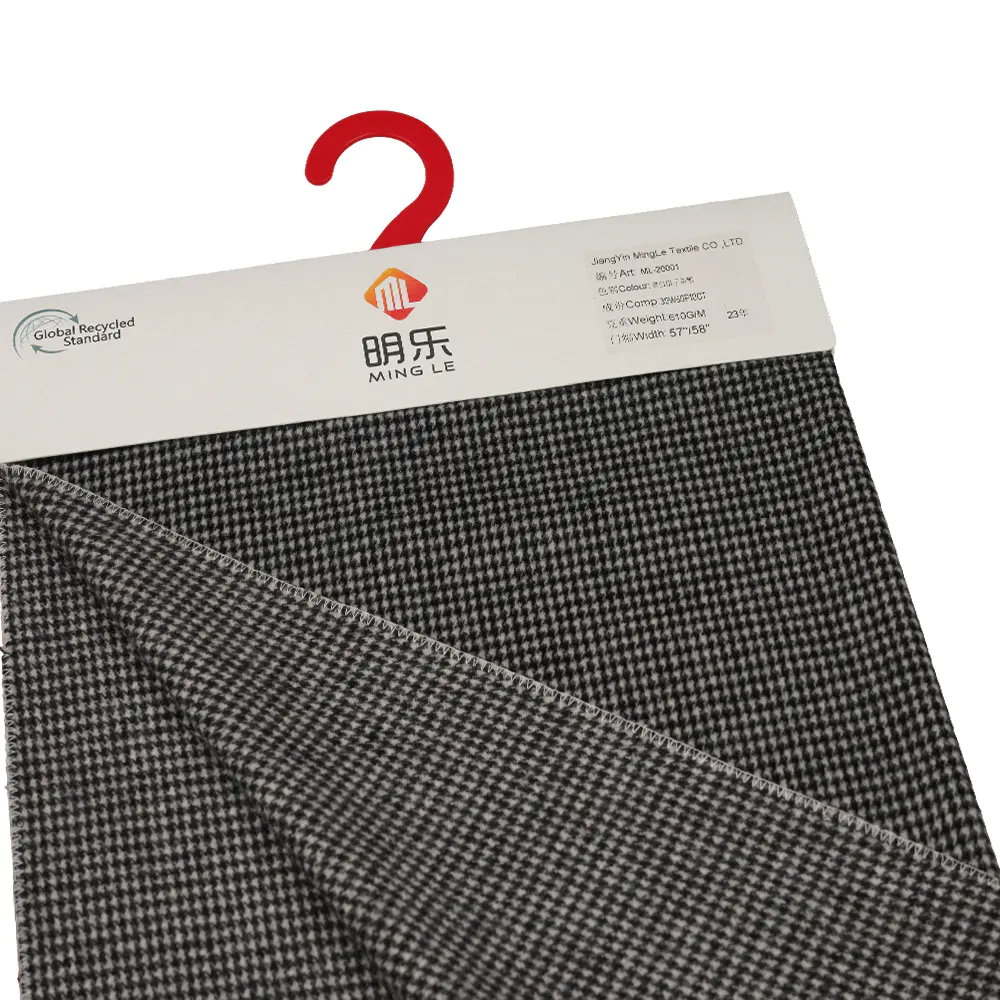
30% Wool 60% Polyester 10% other fiber610G/M Black White Plaid Single-Pile Fleec...
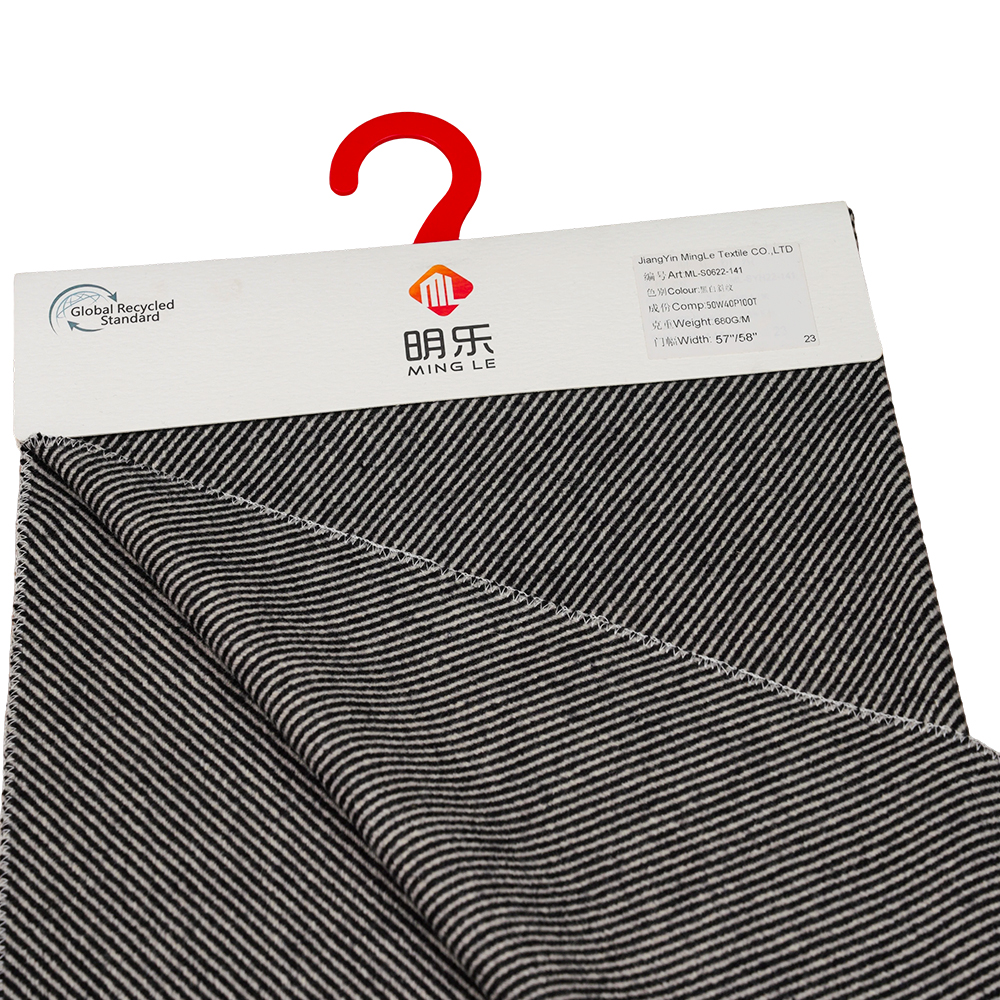
50% Wool 40% Polyester 10% other fiber680G/M Black White Twill Melton Fabric | S...
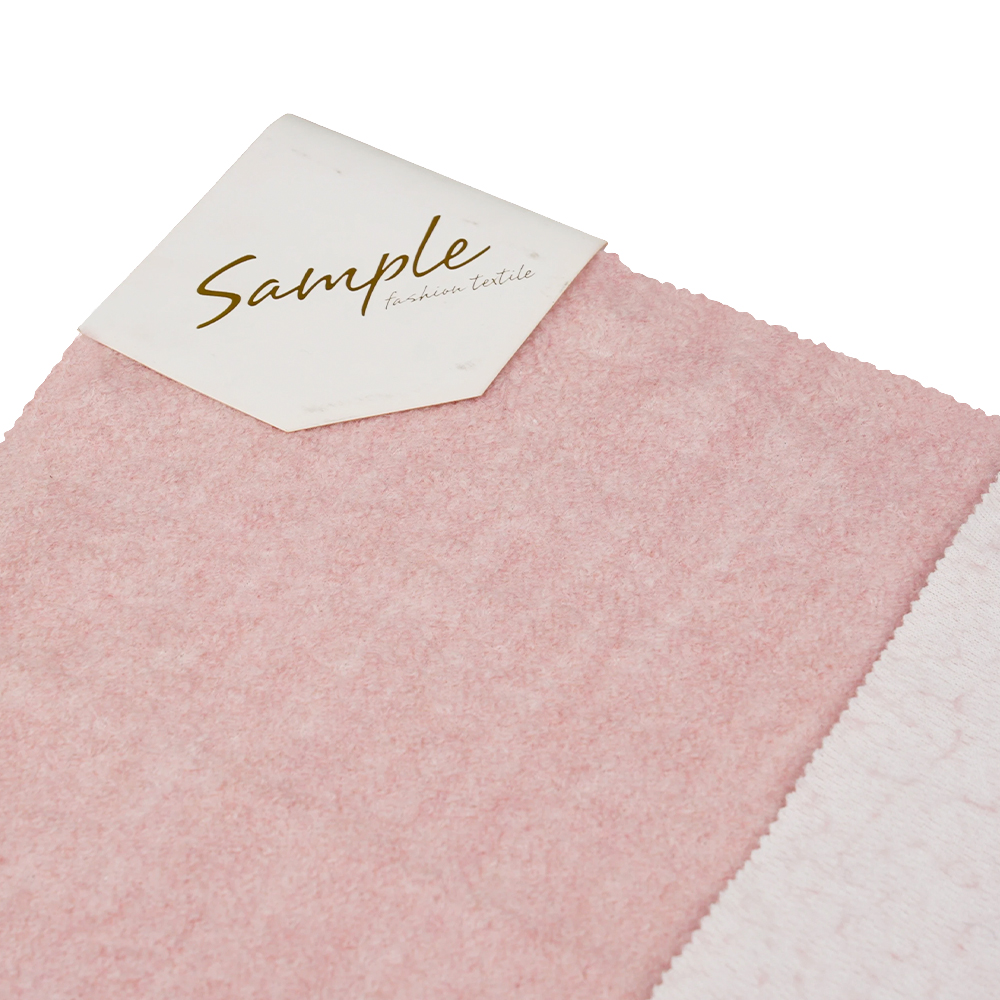
40% Wool 60% Polyester 700-740G/M Pink-White Small Fish Scale Loop Woolen Fabric...
 +86 - 510 - 86373115
 +86 - 13812129532
 No. 118, Huancun West Road, Huaxi Fifth Village, Huashi Town, Jiangyin City, Wuxi City, Jiangsu Province, China


