

 English
 中文简体
News
Home > News > Industry News > The Right Wool-Polyester Blend Fabric for Coats: Specification Checklist

Content
Two swatches of wool-polyester blend fabric for coats arrive from the same mill, both labelled 50% wool, 40% polyester, 10% other fibre, both weighed at 680 GSM. One is quoted a third higher per metre. The cheaper swatch feels heavier in the hand and looks stronger under showroom light; six weeks into a wear trial, its sleeves have bagged and the hem has crept.
Fibre percentages and grams per square metre are the two numbers buyers check first, and the two that explain the least on their own. What decides whether a coat fabric survives a winter is the relationship between blend ratio, construction, finishing and the care cycle the finished garment will actually face. The sequence below follows the specification fields a woollen coating manufacturer such as Jiangyin Mingle Textile Co., Ltd. works through when quoting winter overcoating.
A wool-polyester blend specification is complete only when it fixes fibre percentages, finished weight, construction family, usable width and post-care performance. Anything less leaves hand, drape and service life to a mill's default settings, which are tuned for production efficiency rather than for your garment.
Wool-polyester blend fabric
A woven or knitted coating cloth in which wool and polyester together form the structural majority of the fibre content, usually with 5% to 10% of other fibres added for handle, colour depth or tensile strength.
Five fields belong on every purchase line for coat fabric:
Polyester is the load-bearing fibre in most commercial coat blends. From roughly 40% upward it supplies the abrasion resistance and dimensional stability that let a 50/50 blend hold a sharp shoulder line a 90/10 blend would lose by mid-season.
Wool contributes warmth, moisture buffering and loft. Polyester contributes tensile strength, crease recovery and low moisture regain. Below 30% polyester a coat feels luxurious but demands careful handling; above 60% the cloth becomes a performance textile that is strong for uniforms and weak as a wool story at retail.
Handle sells the coat; shape retention turns into a care-instruction problem.
The commercial sweet spot for retail coats: wool surface, engineered structure.
Uniform-grade durability; the wool hand flattens and pressing marks show.
Sourcing note: polyester is the cheapest lever in the blend. A mill that raises the polyester share without changing weight, finish or price is usually describing a downgrade dressed up as a blend adjustment.
Fabric weight only means something when it is read against construction. A 680 GSM single-face overcoating and a 680 GSM melton share a number and almost nothing else: the melton is milled into a dense felted surface, while the single-face keeps a visible weave and a softer spine.
| Fabric family | Typical finished weight | Typical wool share | Main specification risk |
| Flannel | 300-420 GSM | 9-60% | Seam slippage and pressing shine at the light end |
| Single-face overcoating | 560-680 GSM | 30-55% | Soft finishing lets elbows bag within a season |
| Melton and twill melton | 560-800 GSM | 30-70% | Milling degree drifts between dye lots |
| Double-face overcoating | 720-870 GSM | 20-60% | Face bonding and splitting at the fold line |
| Upright pile | 645-860 GSM | 20-55% | Pile crushing and directional shading |
Single-face overcoating in the 600-680 GSM band is the workhorse of lined retail coats. The same weight can finish soft or firm, and the soft version will bag at the elbows. Melton holds shape better because milling mats the fibres into a felted skin, but the degree of milling drifts between dye lots and belongs in the written specification rather than in a verbal promise. For the weight question in more depth, see this mill's technical note on what GSM means for wool coating selection.
A practical benchmark in that band is a 50% wool, 40% polyester, 10% other fibre single-face overcoating at 680 GSM in beige, firm enough for tailoring without crossing into the double-face weight range.
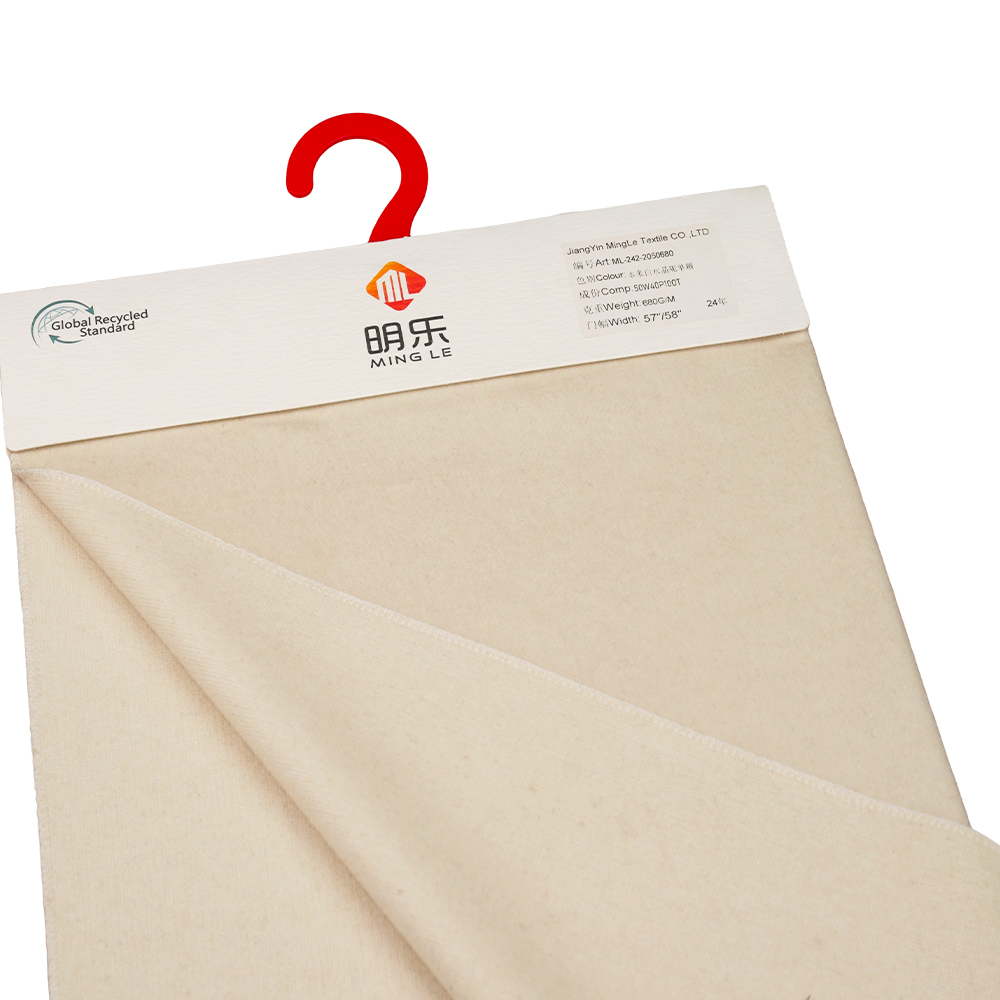 50% Wool, 40% Polyester, 10% Other Fiber, 680G/M, Beige, Crystal Wool Single-Face Overcoat·Optimized blend ratio for fabric performance: wool provides warmth, polyester enhances durability, and other fibers improve elasticity. ·Single-face overcoating fleec...View Product →
Warmth comes from trapped air, not from wool content alone. A 60% wool melton at 800 GSM traps more still air than a 70% wool single-face at 560 GSM, and it will feel warmer in cold-weather wear even though its wool percentage is lower.
Midpoint of typical finished weight by coat fabric family, in GSM
The spread is wide enough to change the brief. Flannel carries roughly a third of the mass of a double-face overcoating, so the two answer different jobs: flannel for light autumn coats, double-face for unlined winter coats where the cloth itself provides the structure.
Melton and twill melton occupy the middle and upper bands, from about 30% wool with 60% polyester up to 70% wool with a small cashmere addition. The heavier 670-800 GSM versions are what pea coats are cut from. A representative specification is a 70% wool, 10% cashmere, 10% polyester, 10% other fibre melton at 670 GSM, where the cashmere lifts the handle without softening the felted surface that holds the coat's shape.
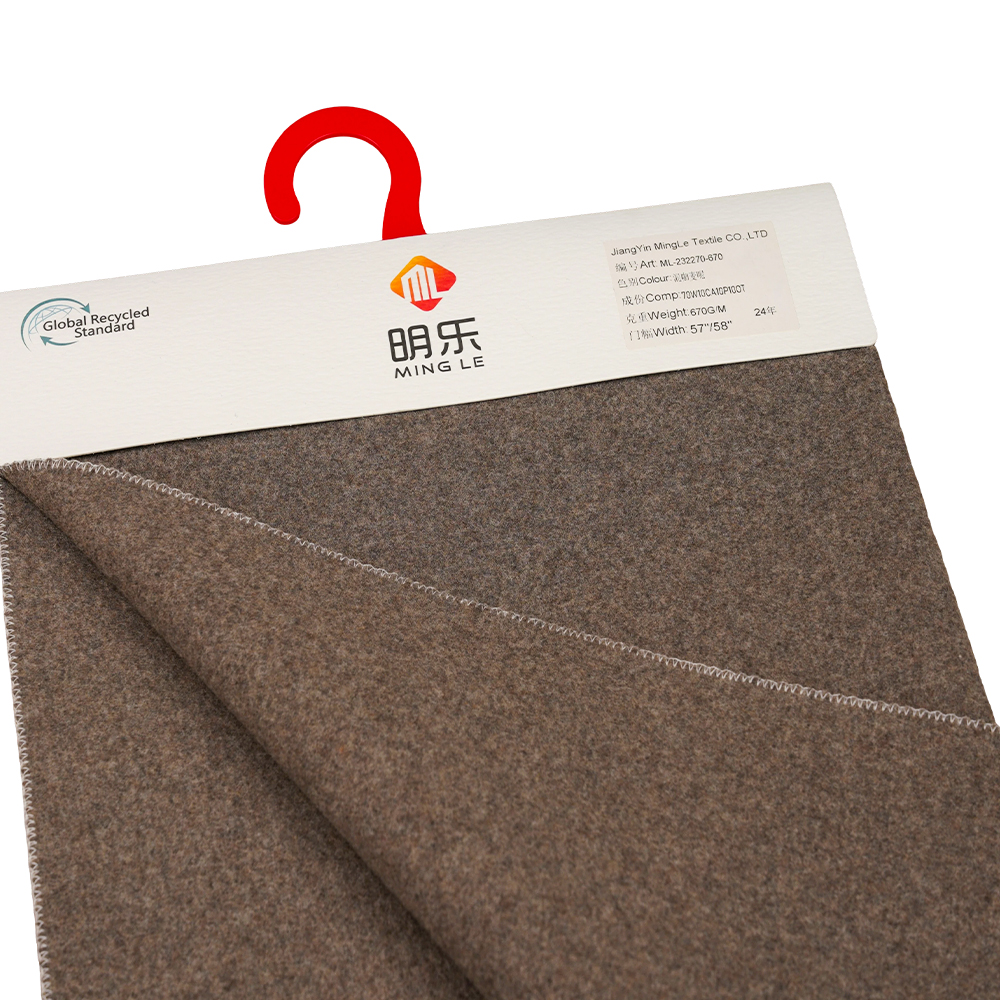 70% Wool, 10% Cashmere, 10% Polyester, 10% Other Fiber, 670G/M, Mixed Coffee, Melton Fabri·Cashmere component increases softness and comfort ·Blended ratio optimizes durability and wrinkle resistance ·Earth tone colors facilitate easy matching with multiple...View Product →
Four test results decide whether a wool-polyester coating is sellable: pilling resistance, abrasion resistance, dimensional change after care and seam strength at the stress points. Ask for them on the exact colourway you intend to buy, not on a reference swatch in another shade.
Double-face overcoating at 720-870 GSM is where the cloth does the work of the garment. Two faces are bonded so the coat can be worn unlined and even reversible, which is why a 50% wool, 50% other fibre double-face in a 780 GSM colour plaid suits a design with finished edges and no lining.
 50% Wool, 50% Other Fiber, 780G/M, Color Plaid, Double-Face Overcoating Fabric, ML-2222125·Double-faced design provides two distinct appearances, allowing flexible use in single garments or accessories. ·Wool and other fiber blend balances warmth and durabi...View Product →
A mill answers specification questions with production data; a broker answers them with adjectives. Four questions settle the difference in a single email exchange.
Ask for greige and finished weight side by side
A mill that holds both numbers knows its own shrinkage curve. The 8% to 12% gap between them is where cutting yields are won or lost.
Request lot-to-lot tolerances in writing
Weight tolerance of plus or minus 5% and colour tolerance of grade 4 on the grey scale are normal; anything wider should be priced accordingly.
Confirm the identity of the other fibre
A 10% component described as viscose behaves nothing like one described as recycled wool, and the two should not be quoted at the same price.
Buy a one-metre bulk sample, not a swatch
A hand swatch is cut from the edge of a piece. A bulk sample reveals streaking, pile direction and the real shrinkage figure.
Yes, provided the weight is right. A 50/50 blend at 680 GSM or more holds enough trapped air to perform like a heavier pure wool cloth while resisting abrasion better. Warmth comes from fabric thickness and construction, not from wool percentage alone.
No. A 70% wool single-face at 560 GSM loses shape faster than a 50% wool melton at 760 GSM, because the melton's felted construction and heavier weight carry the structure. Judge wool content against weight, construction and finish together.
Use 300-420 GSM for light autumn coats and flannel styles, 560-680 GSM for lined tailored coats, and 720-870 GSM for unlined double-face or dense melton winter coats. Anything under 300 GSM belongs in jackets rather than outerwear.
Request a fibre composition test from a third-party lab on the production lot, then compare tested weight with contracted weight. Deviations beyond 5% in either figure justify rejecting the lot or renegotiating the price.
The short version
Specify fibre percentage, finished weight, construction and care-cycle performance as one package. Any of them quoted alone is a price negotiation waiting to happen.
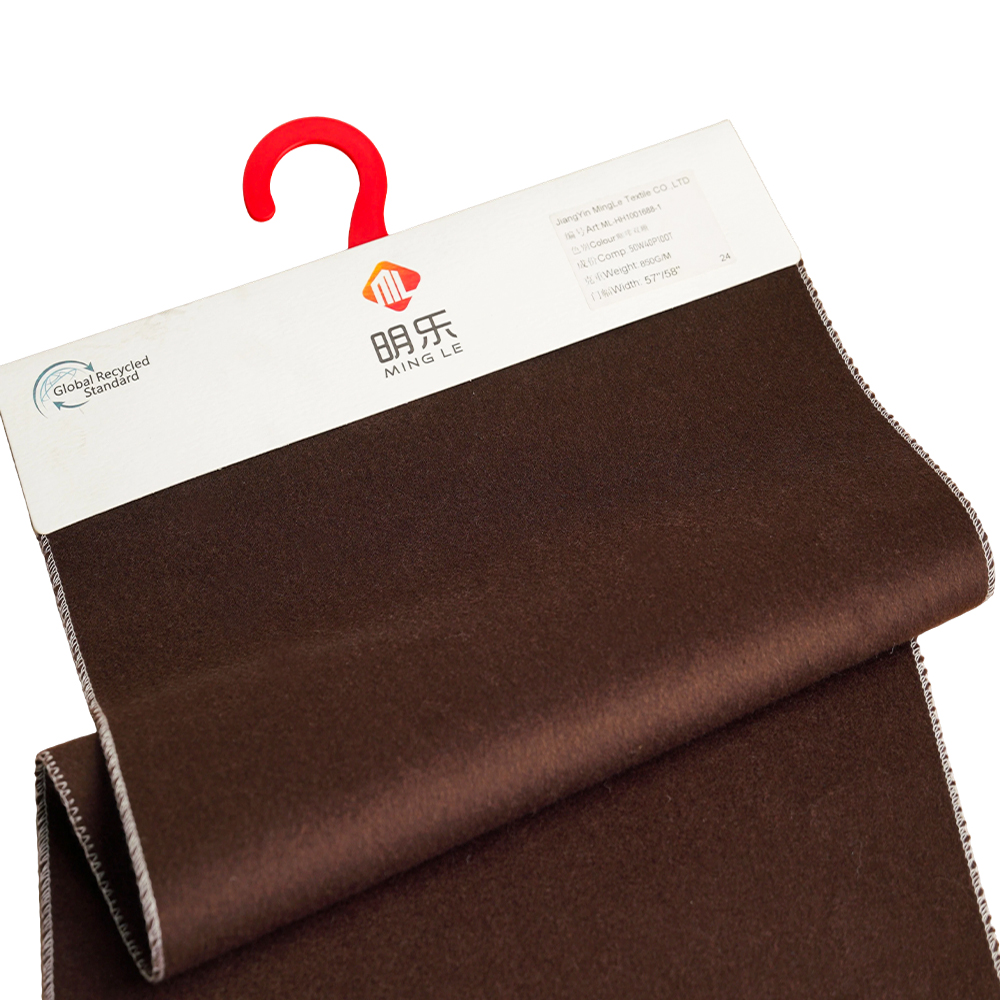
ML-HH1001688-1 Coffee Solid Color Double-face Overcoating Fabric: 850g/m, 50% Wo...
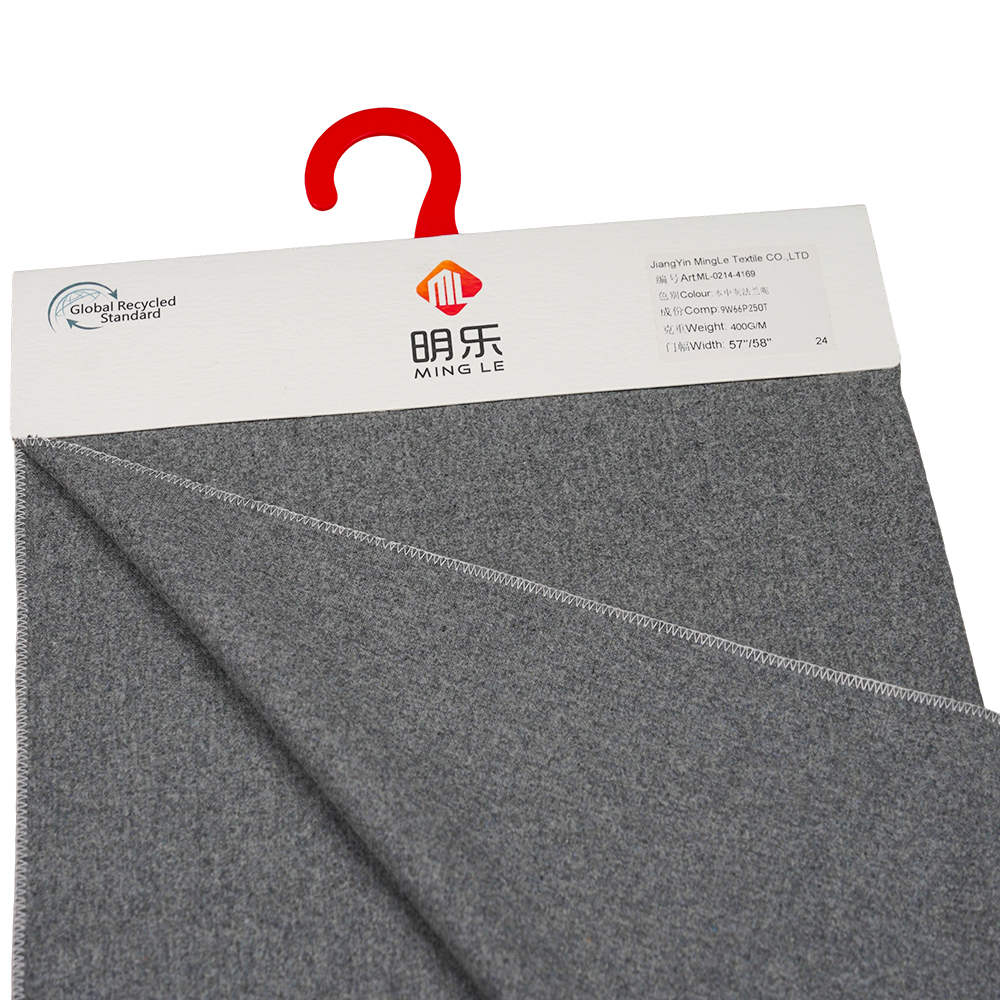
9% Wool 66% Polyester 25% other fiber 400G/M Gray Flannel Fabric – Versatile Neu...
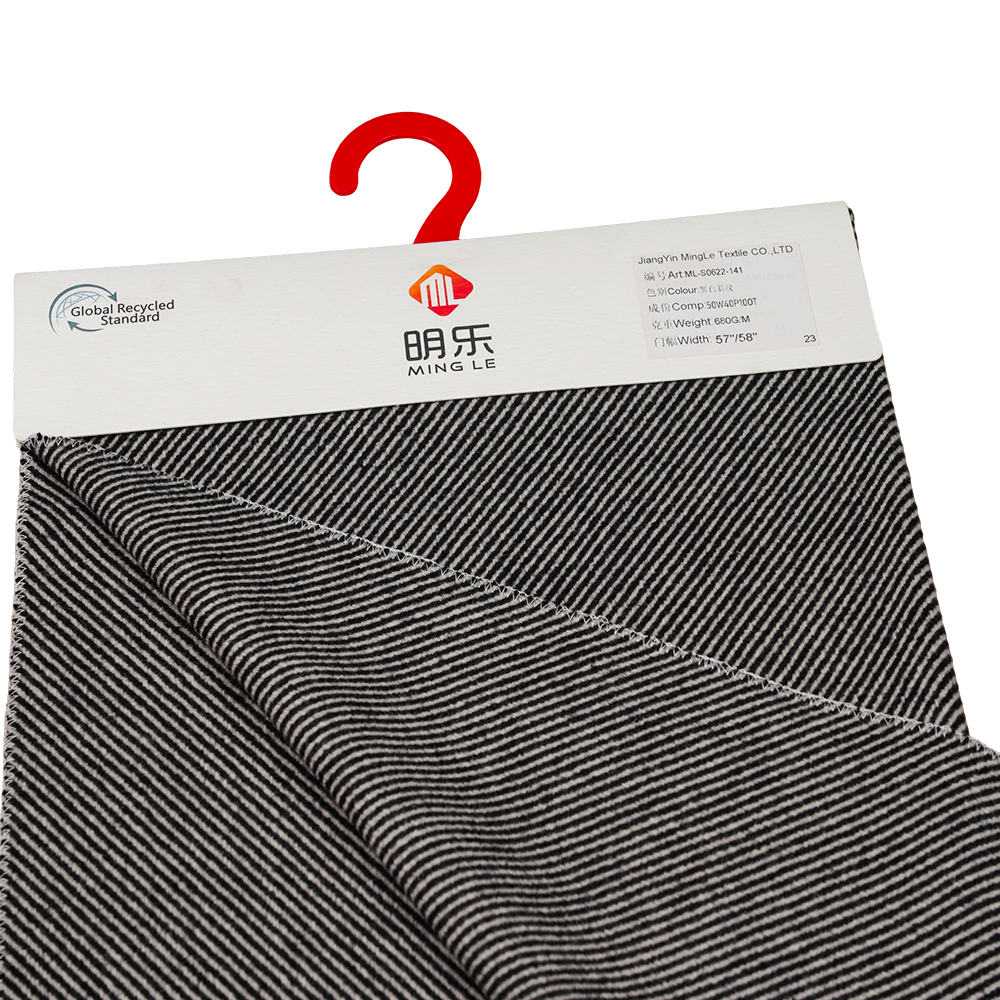
50% Wool 40% Polyester 10% other fiber680G/M Black White Twill Melton Fabric | S...
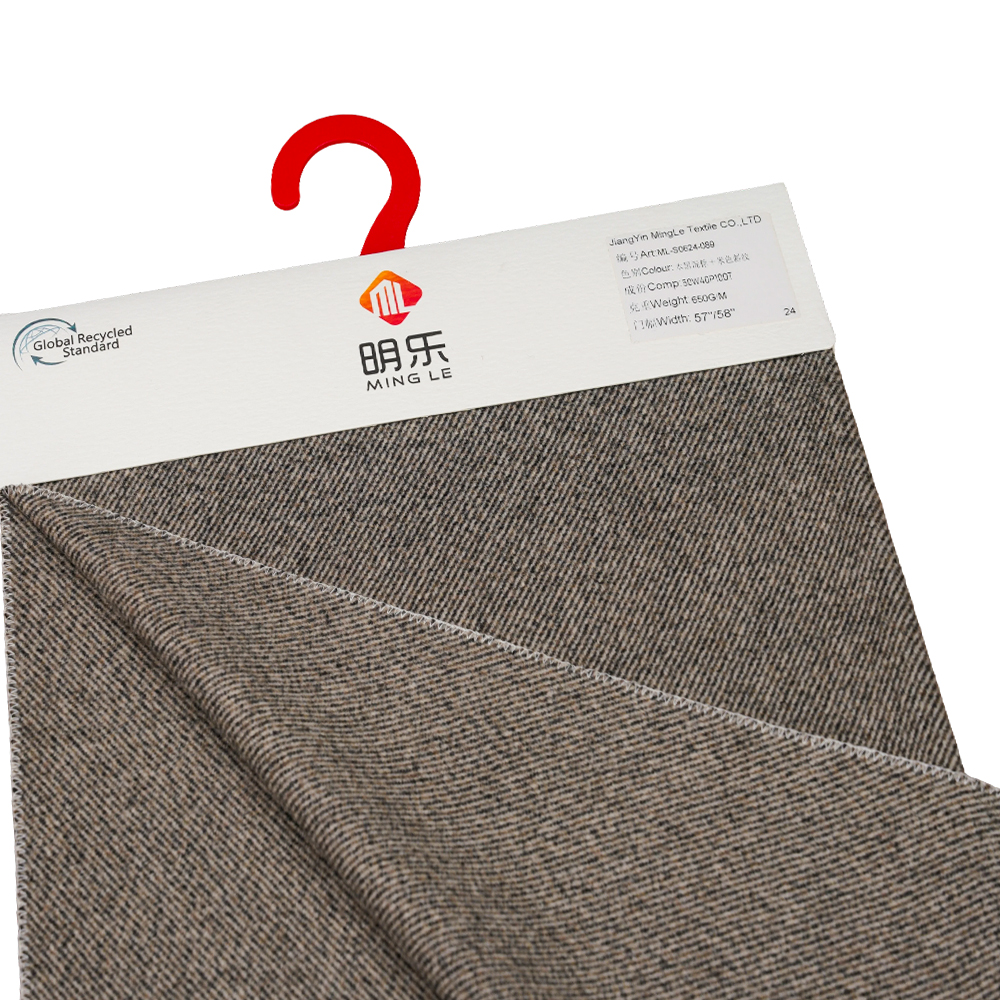
ML-S0624-089 650g/m Off-Black Blend Brown + Beige Twill Wool Fabric: Classic bla...
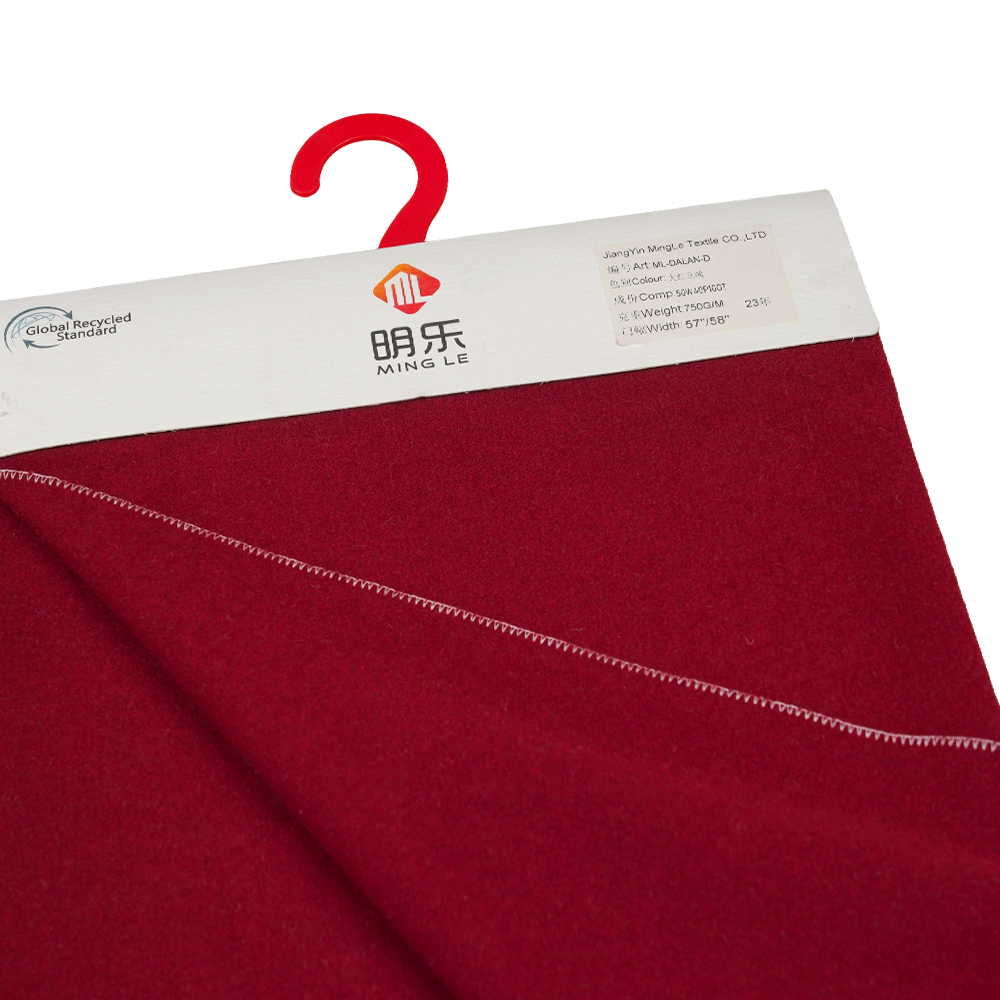
50% Wool 40% Polyester 10% other fiber 750G/M Bright Red Pile Fabric – Professio...
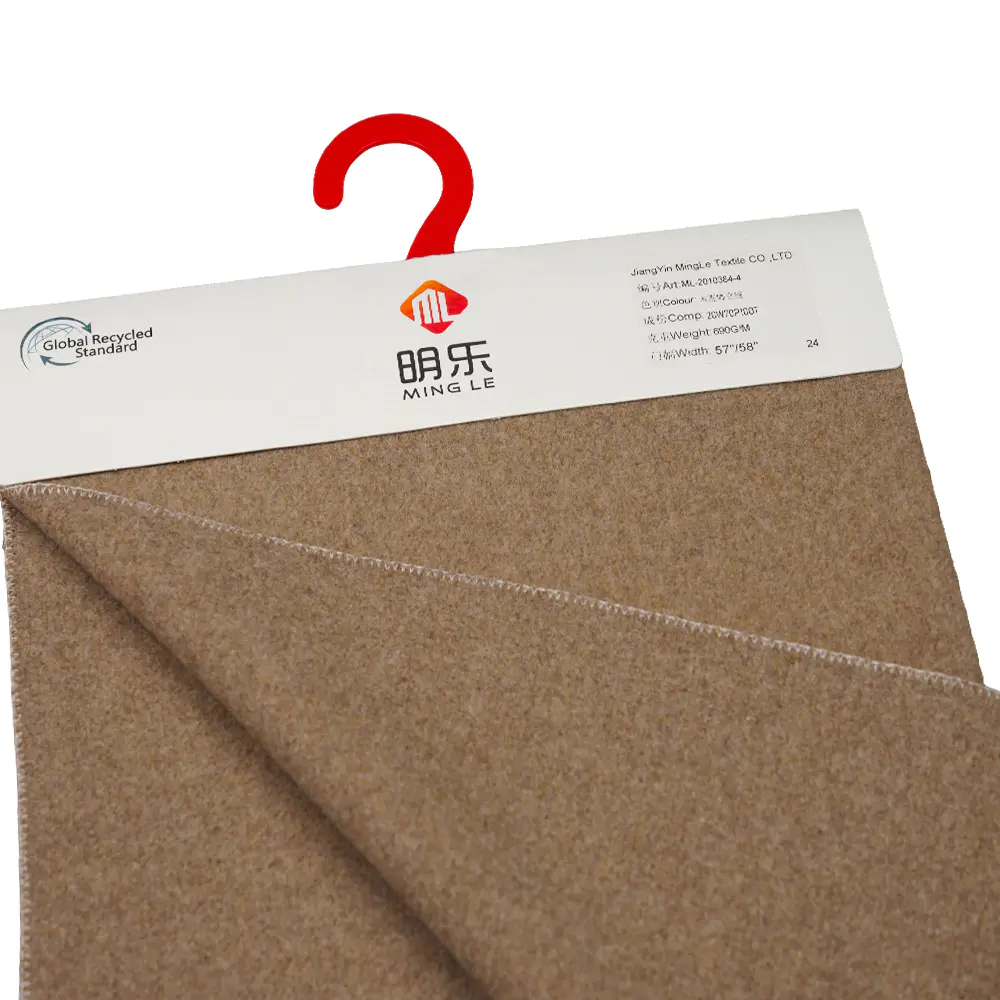
20% Wool 70% Polyester 690g Fleece Fabric: Earth Tones for Multiple Styling Scen...
 +86 - 510 - 86373115
 +86 - 13812129532
 No. 118, Huancun West Road, Huaxi Fifth Village, Huashi Town, Jiangyin City, Wuxi City, Jiangsu Province, China


