English
 中文简体
中文简体Custom Solid Color/Melange Single-face Overcoating Fabric
Home > Products > Single-face Overcoating Fabric > Solid Color/Melange Single-face Overcoating Fabric

Product Categories
You are comparing a 340 gsm wool flannel with a 760 gsm melton for the same winter coat pattern. The flannel drapes and breathes; the melton feels dense and almost felted. By the time you check wind penetration, abrasion resistance, and sewing behavior, the flannel vs melton decision becomes about much more than fabr...
When a coat factory buyer compares single-face vs double-face wool coating for a new winter line, the samples on the table may look nearly identical. Cut into a garment, they diverge dramatically. Single-face needs a lining, holds sharp tailor creases, and behaves like a structured shell. Double-face drapes softly, c...
A 760 gsm Melton shell with a 70/30 wool-polyester blend will hold its structure through a full winter of daily wear, shed light rain for roughly 20 minutes before wetting out, and keep the wearer warm at -10 Celsius with only a mid-layer underneath. That mix of weather defense, insulation, and shape retention is one...
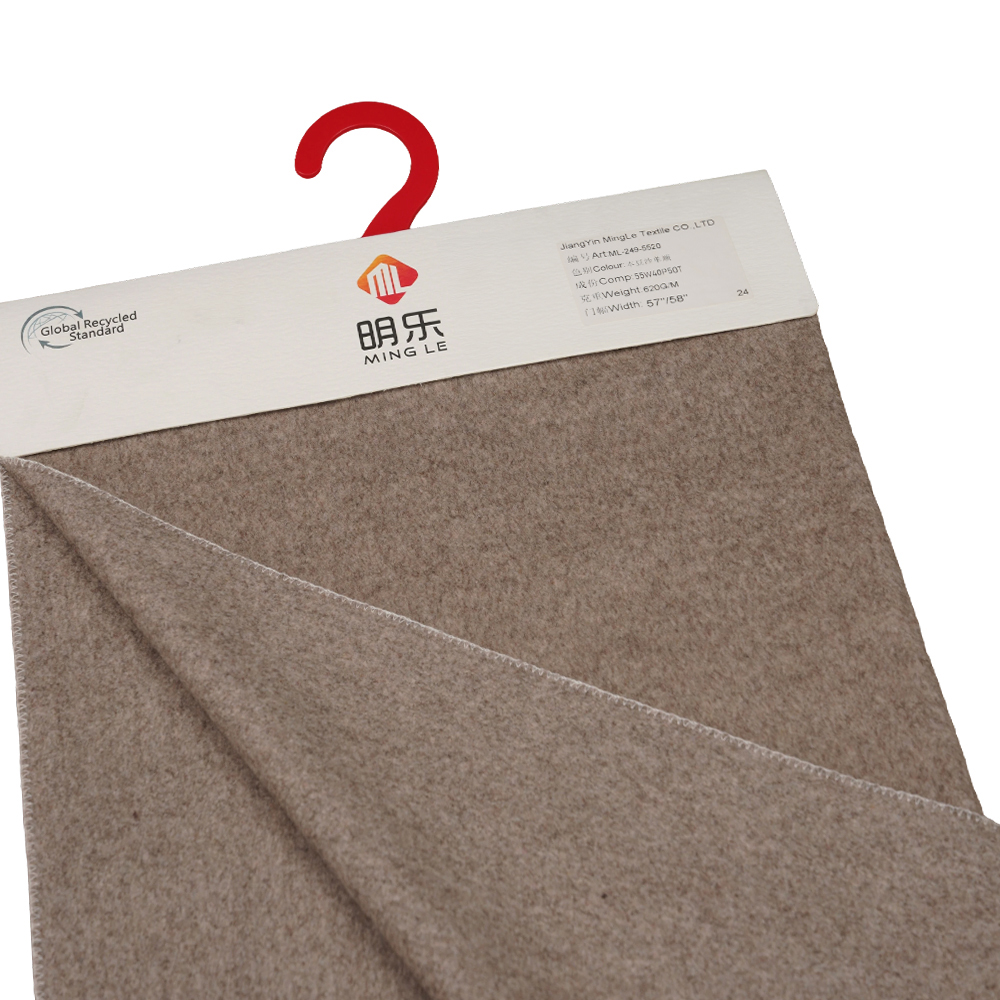
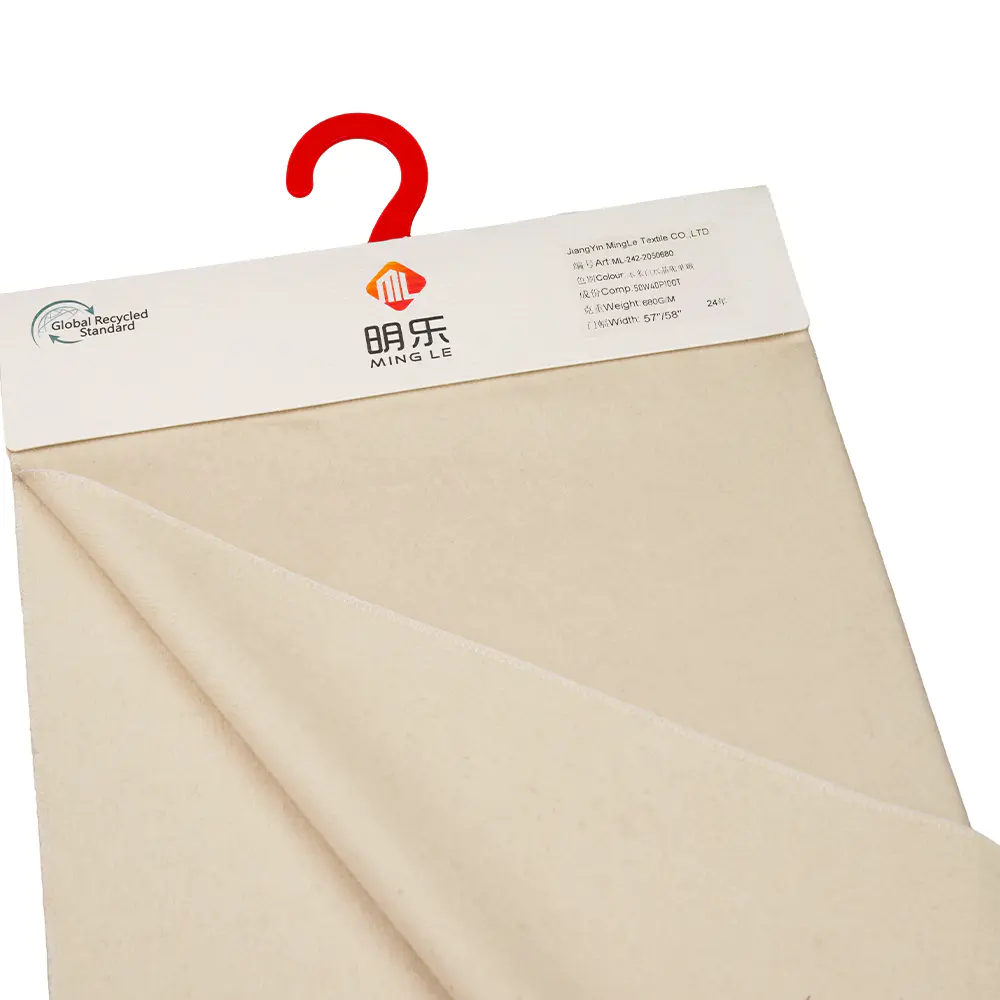
55% Wool 40% Polyester 5% other fiber620G/M Bean Sand single-face overcoating Fl...
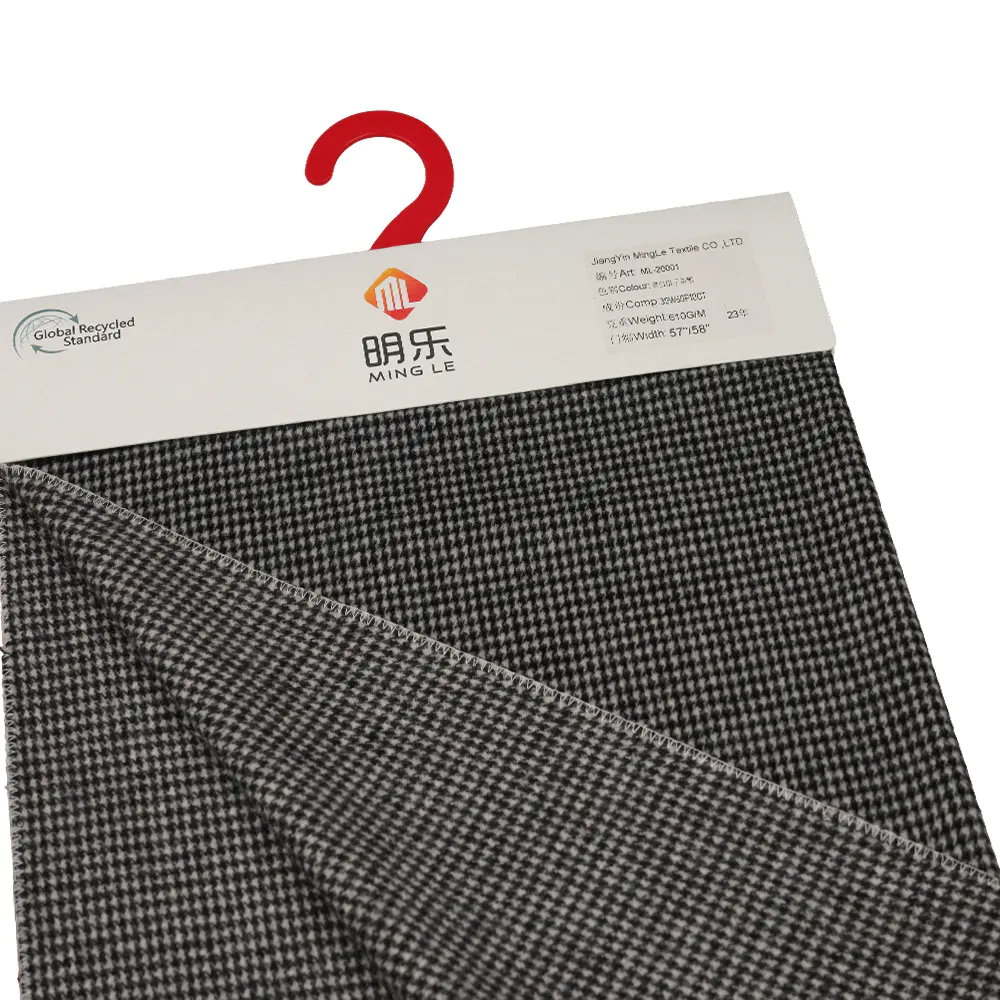
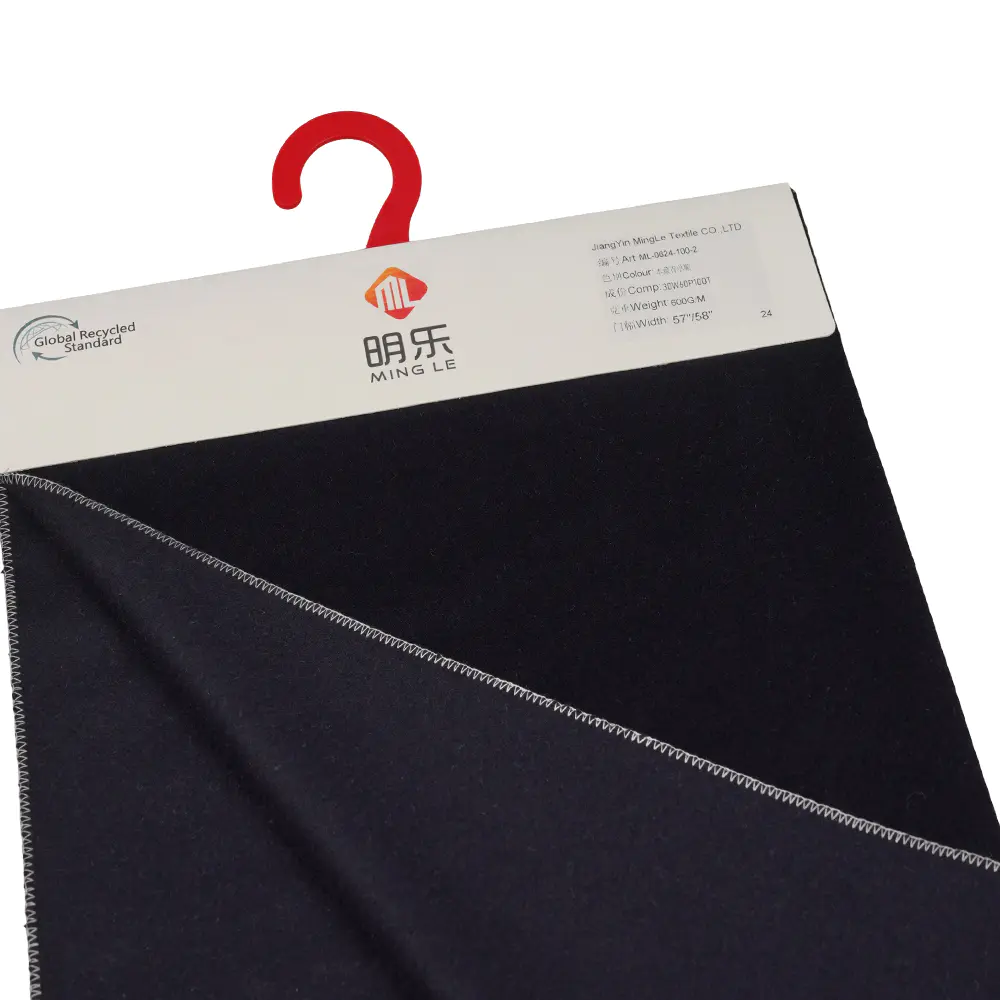
30% Wool 60% Polyester 10% other fiber610G/M Black White Plaid Single-Pile Fleec...
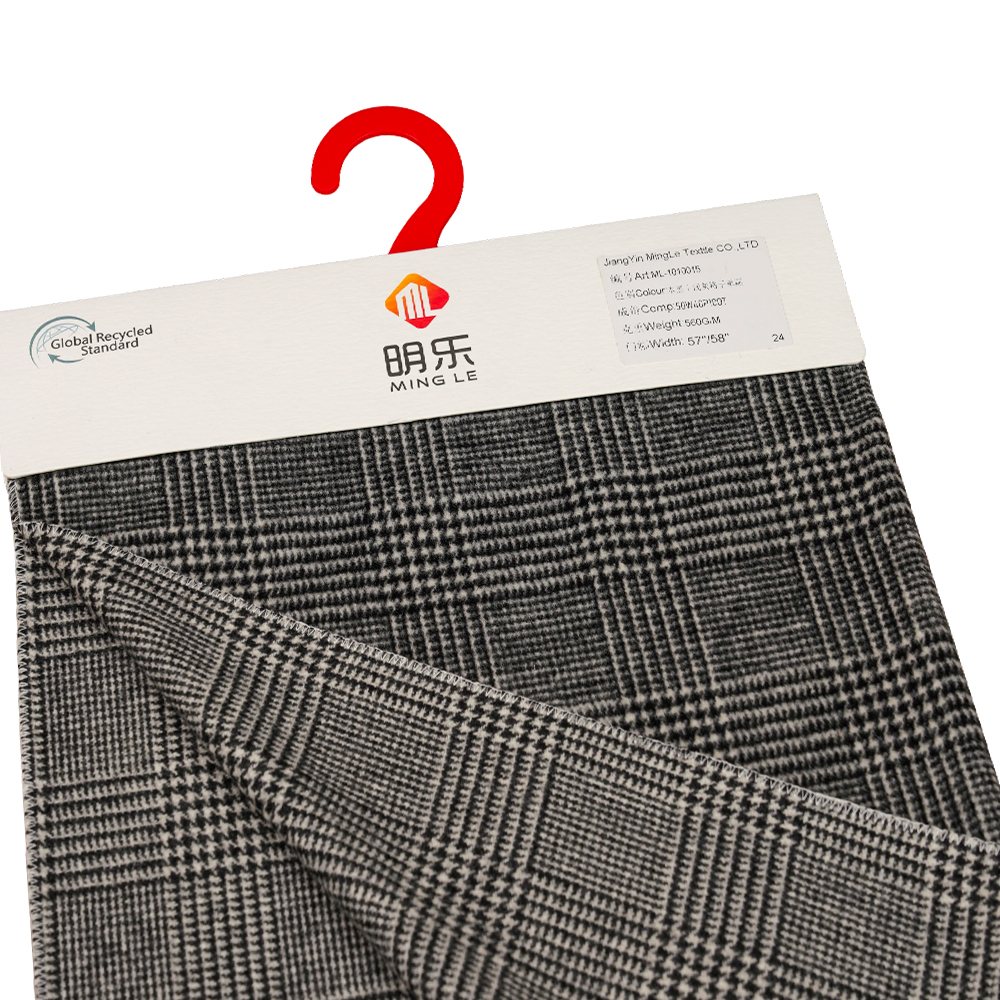
50% Wool, 40% Polyester, 10% Other Fiber, 560g/M Black + Light Gray Check Single...
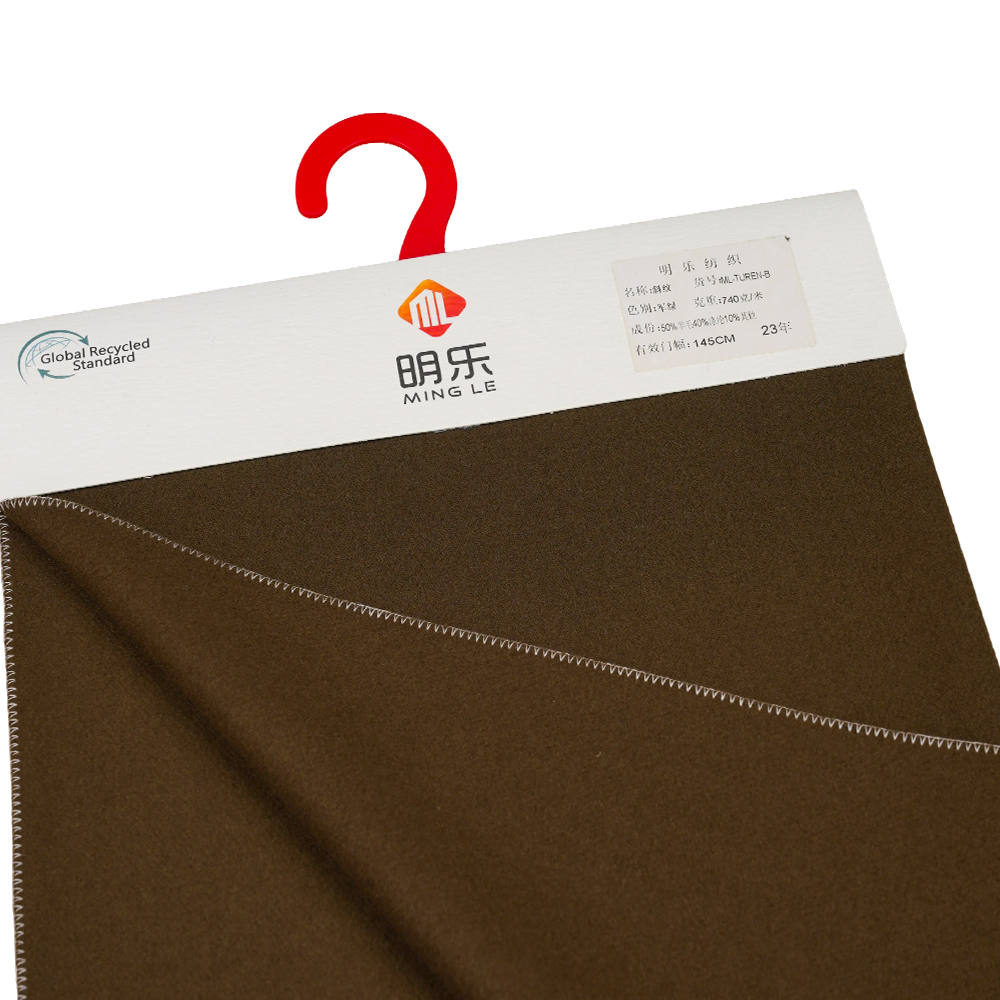
Military Green Twill Fabric: 740g Wool Blend, Suitable for Versatile UseThis mil...
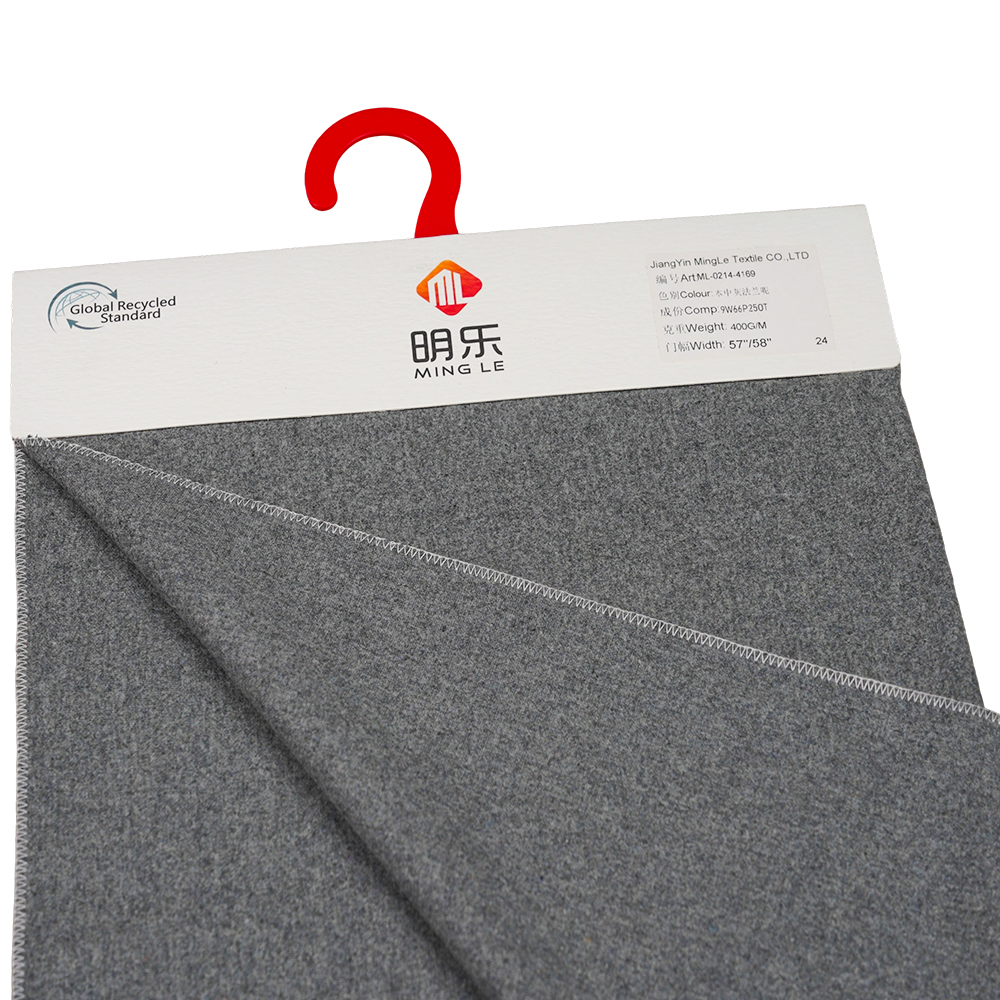
9% Wool 66% Polyester 25% other fiber 400G/M Gray Flannel Fabric – Versatile Neu...
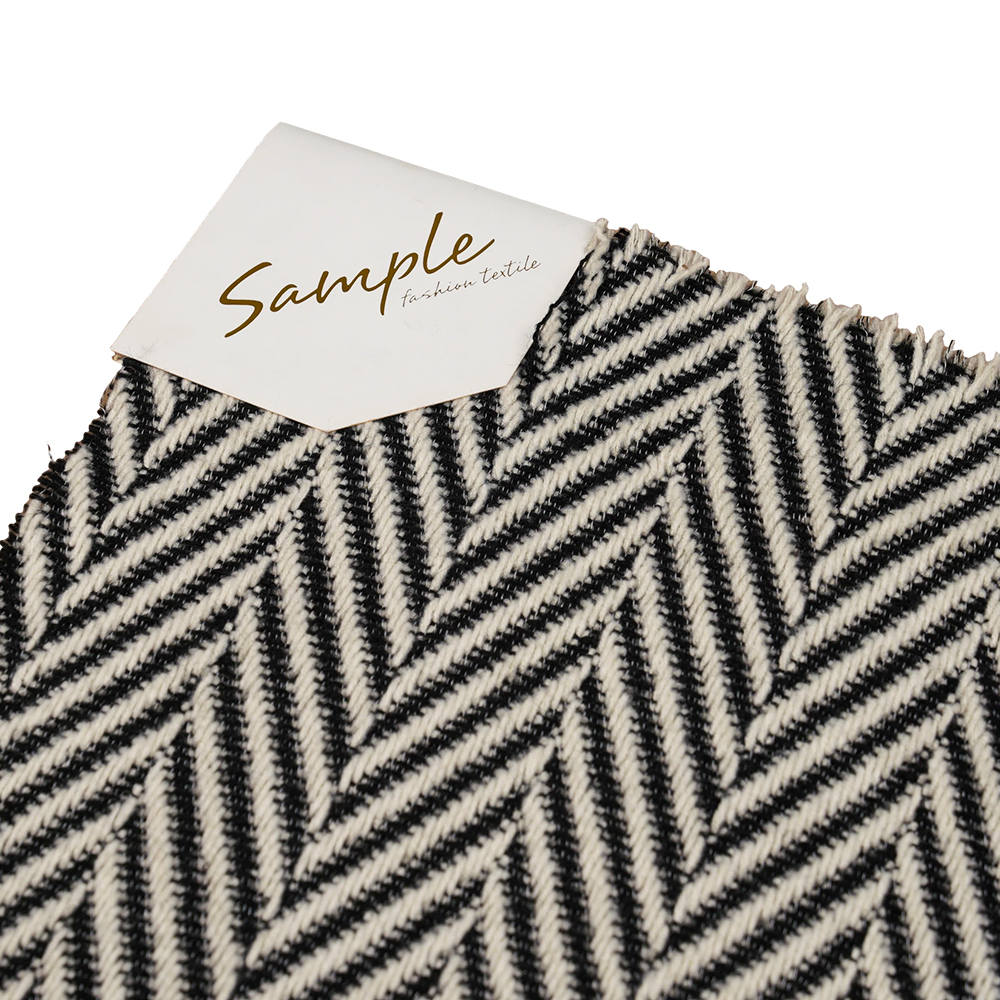
100% other, 720G/M Classic Black and White Color Yarn: A Simple and Fashionable ...
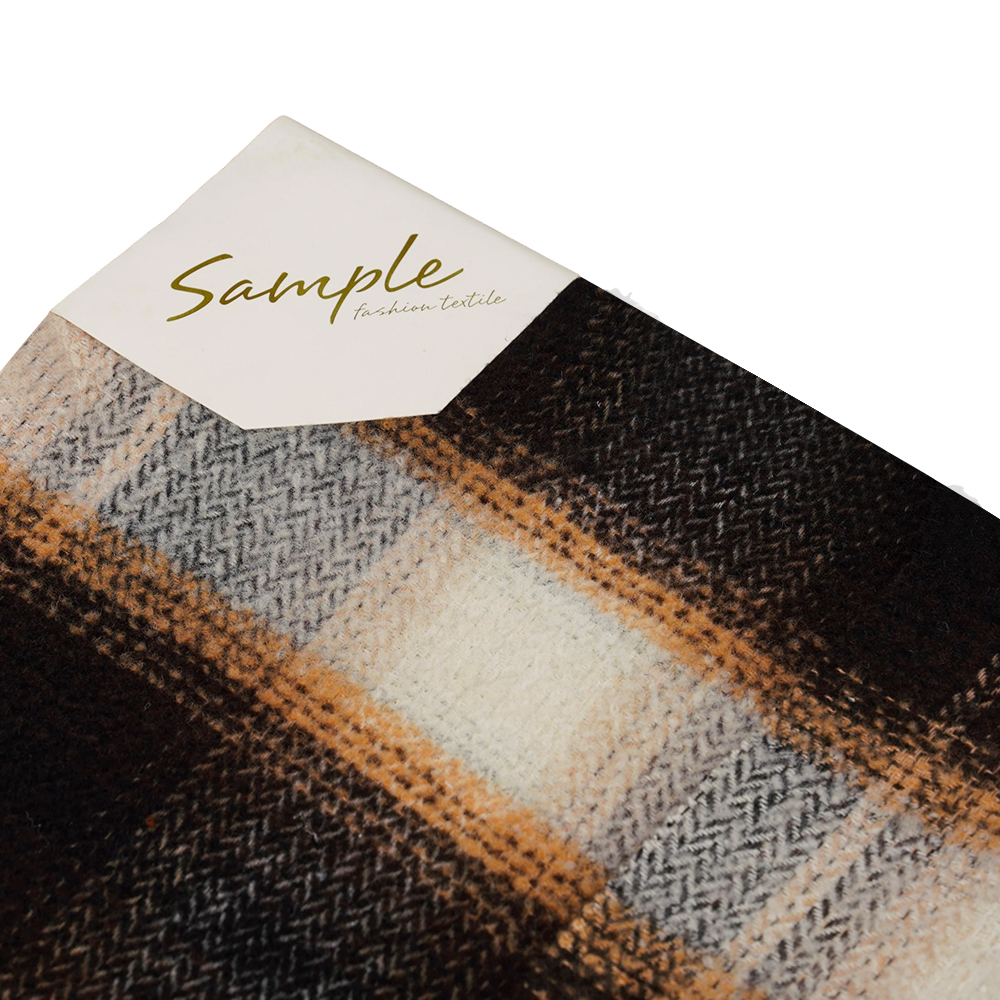
ML-8021071 Black and White Boucle Fabric: 40% Wool, 60% Polyester Blend, 540 g/m...
In the world of premium outerwear, the choice of fabric is paramount. Solid Color/Melange Single-face Wool Overcoat Fabric represents a classic and versatile category, prized for its warmth, structure, and aesthetic flexibility. As a specialized manufacturer, Jiangyin Mingle Textile Co., Ltd. brings over 17 years of expertise in coarse spun fabrics to this field, integrating production from recycled fiber to finished weaving. This article delves into the technical aspects, applications, and key considerations when sourcing this essential material.
This fabric is a type of heavyweight woolen cloth, typically woven with a distinct face and back side (single-face). It undergoes specific finishing processes like milling or raising to create a dense, slightly textured surface that provides excellent wind resistance and insulation.
| Key Feature | Description & Typical Parameters |
| Color Types | Solid Color: Uniform, classic tones. Melange: Heathered or mottled effect achieved by blending dyed fibers. |
| Common Composition | 100% Wool, Wool/Recycled Fiber blends, Wool/Acrylic blends. Mingle Textile's integrated production includes recycled fiber. |
| Fabric Weight | Typically ranges from 400 GSM to 600+ GSM (Grams per Square Meter), defining heaviness and warmth. |
| Key Finishing | Milling (felting), Raising (brushing), and Steaming to stabilize dimensions and enhance hand feel. |
Partnering with a dedicated factory like Jiangyin Mingle Textile Co., Ltd., established in 2006, offers significant advantages for brands seeking reliability and quality in their overcoat lines.
This fabric is primarily designed for winter overcoats, pea coats, and structured jackets. When sourcing, consider these points to ensure a successful collection:
The core difference lies in construction. Single-face fabric has a distinct "right" and "wrong" side, with finishing applied to one side (the face), making it generally more cost-effective and suitable for lined garments. Double-face fabric is created by interweaving two layers of fabric, resulting in two usable "right" sides. It is heavier, more luxurious, and often used for unlined, reversible coats. Single-face fabrics, like the ones produced by Mingle Textile, offer excellent value and performance for traditional lined overcoats.
The melange (heathered) effect is achieved at the yarn stage. Instead of dyeing a finished yarn, individual fibers (e.g., wool, recycled materials) are dyed in different colors first. These differently colored fibers are then blended together and spun into a single yarn. This process creates subtle, non-uniform color variations and a rich, depth of tone that cannot be replicated by printing or piece-dyeing. It's a signature technique for creating casual, sophisticated texture.
Reputable manufacturers conduct a battery of lab tests. Key ones include:
Always request certified test reports from your supplier before proceeding with a full order.
Absolutely. This is a major trend. Many manufacturers, including integrated producers like Jiangyin Mingle Textile Co., Ltd., now offer fabrics that blend virgin wool with recycled wool or other recycled fibers. This reduces environmental impact. When sourcing, ask for a detailed composition breakdown and any relevant certifications (like GRS - Global Recycled Standard) to validate the recycled content and ensure it meets your brand's sustainability goals.
Lead time varies significantly based on complexity. For a standard color/weight modification, expect 4-8 weeks from order confirmation to shipment. Developing a completely new fabric from a sample or idea, involving custom yarn spinning and dyeing, can take 12 weeks or more. Clear communication with your supplier about development stages—sampling, testing, and production—is crucial for realistic planning. An integrated factory can often streamline this timeline.
 +86 - 510 - 86373115
 +86 - 13812129532
 No. 118, Huancun West Road, Huaxi Fifth Village, Huashi Town, Jiangyin City, Wuxi City, Jiangsu Province, China