

 English
 中文简体
News
Home > News > Industry News > Flannel Fabric for Apparel: How to Assess Weight, Texture, and Fiber Content

Content
A 340 gsm wool-blend flannel can feel perfect on the table and still fail a 20,000-cycle Martindale abrasion test once it has been cut into a winter overshirt. Weight, texture and fiber content are three separate variables, and buyers who treat them as one quality question usually find the gap after the bulk shipment has already been cut.
Flannel fabric for apparel is judged on numbers, not adjectives: grams per square meter, nap depth from the raising process, and the exact wool, polyester, viscose or cashmere percentages printed on the mill composition sheet. The checks below turn those variables into specifications you can paste into a tech pack, a sample request or a purchase order.
Flannel fabric for apparel is a woven cloth whose surface has been mechanically raised, or napped, with wire-covered rollers so that fiber ends stand up from the yarn and trap a layer of still air. That nap, not the fiber name, is what makes flannel behave like flannel.
Definition: napping pulls fiber ends out of the base cloth to build a soft, insulating face. The base cloth can be woolen-spun wool, cotton, viscose, polyester or any blend of them, which is why one word covers both a 160 gsm cotton shirting and a 420 gsm wool coating.
Three specifications decide how a flannel performs in a finished garment:
For outerwear programs the working window is a wool-rich blend such as 53% wool and 47% polyester at 350 gsm, where polyester carries abrasion resistance and wool carries insulation. Our own brushed flannel fabric range sits inside that window, from 300 gsm up to 420 gsm.
Assess flannel weight by conditioning a swatch at 20 C and 65% relative humidity for four hours, cutting a 10 cm by 10 cm square, weighing it on a 0.01 g scale and multiplying the result by 100. Hand feel tells you nothing about how much material is actually in the roll.
Two practical notes. First, 1 oz/yd2 equals about 33.9 gsm, so a supplier quoting 10 oz flannel is offering roughly 339 gsm. Second, weigh three specimens across the width, because nap depth and relaxation shrinkage can differ slightly from selvedge to center.
A 340 gsm camel flannel built on 50% wool, 40% polyester and 10% other fiber is a typical overshirt-to-coat crossover: heavy enough to hold a shaped hem, light enough to run on a standard flat-bed cutting line.
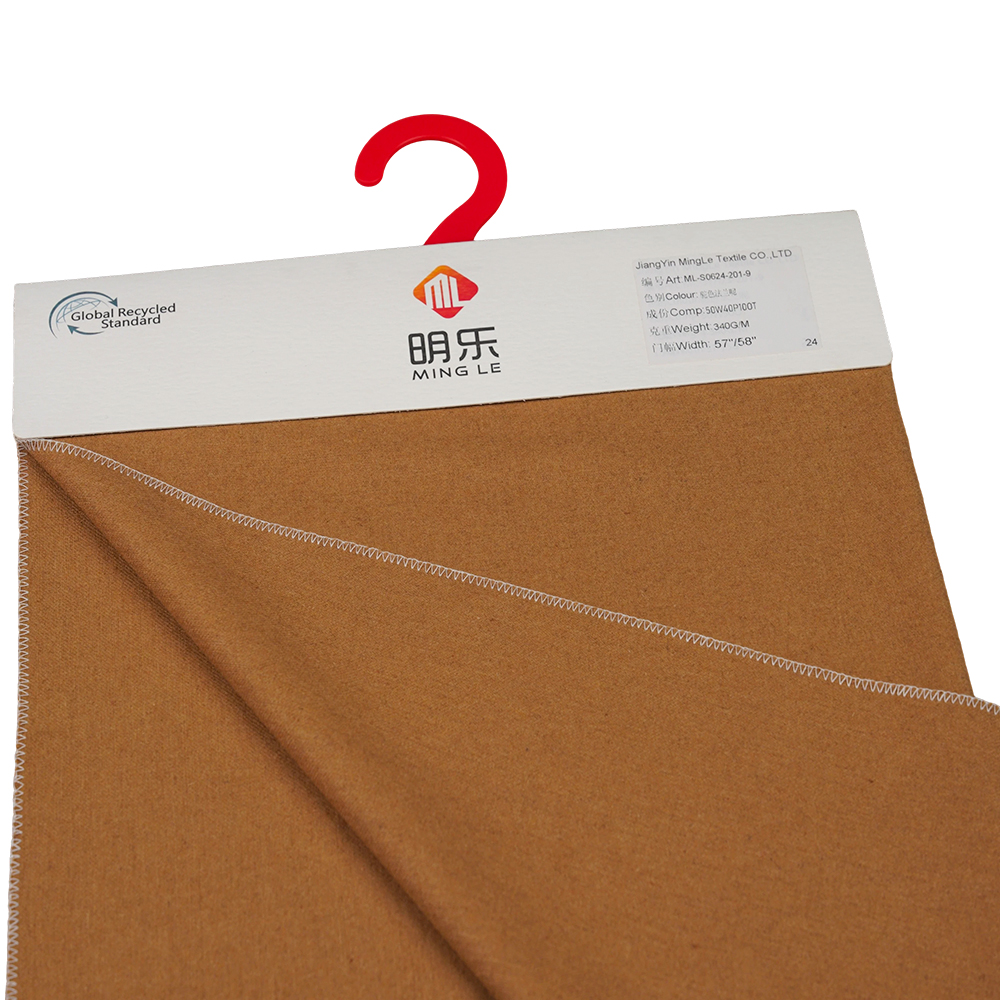 50% Wool, 40% Polyester, 10% Other Fiber, 340G/M, Camel, Flannel Fabric, ML-S0624-201-9·Balanced blend composition: Wool provides warmth, polyester enhances durability, and other fiber improves cost-effectiveness. ·Moderate weight: 340 GSM specification ...View Product →
Texture in flannel is measured as nap depth plus surface stability, not softness alone. A mill that runs the cloth through the raising machine twice produces a longer nap with better cover and a higher pilling risk than a single-pass finish.
Raising uses wire-covered rollers that comb fiber ends to the surface. Passes, roller speed and fabric tension control the result, and a 0.1 mm change in nap height is visible on a dark navy or black ground.
Nap also has a direction. Pieces cut against the nap shade differently under showroom lighting, so a serious order specifies nap direction and accepts the extra cutting consumption that comes with laying every pattern piece the same way. A 420 gsm navy flannel in a 50/40/10 wool-poly blend is built for exactly this double-brushed role in casual coats and heavy overshirts.
 50% Wool, 40% Polyester, 10% Other Fiber, 420G/M, Navy Blue, Twill Flannel Fabric, ML-0412·Wool blend provides a balance of warmth and breathability ·Twill weaving increases fabric durability and wrinkle resistance ·Navy blue tone is easy to coordinate and ...View Product →
Thickness measured with a caliper at 1 kPa, a pilling grade of 3-4 or better under ISO 12945-2, and no more than 3% warp or weft shrinkage after one home wash on a woolen flannel.
Fiber content decides warmth, recovery and pilling more than weight alone. A 400 gsm 100% polyester flannel insulates less than a 340 gsm cloth that is 50% wool, because wool traps more still air per gram.
| Component | Typical share | What it contributes | What to watch |
| Wool | 30-70% | Warmth, loft recovery, moisture buffering | Above 60%, cost and shrinkage risk climb |
| Polyester | 20-60% | Abrasion resistance, dimensional stability, cost control | Above 40%, pilling and static increase |
| Cashmere | 5-10% | Softer hand and higher perceived value | Little measurable warmth gain per gram |
| Viscose or other fiber | 5-25% | Drape, color depth, lower cost | Lower wet strength and more fuzz loss in wash |
Ask for the composition certificate whenever a sheet lists "other fiber" without naming it. Recycled wool, acrylic and nylon all hide under that label, and each changes shrinkage and pilling in a different direction. A 350 gsm vertical stripe flannel at 53% wool and 47% polyester shows the logic in practice: enough wool for insulation and hand, enough polyester to pass an outerwear abrasion spec.
 53% Wool, 47% Polyester, 350G/M, Zhiqing + White, Vertical Striped Flannel Fabric, ML-3172·Wool and polyester blend balances warmth and wrinkle resistance. ·Vertical stripe design visually elongates lines and refines the silhouette. ·Unit weight of 350G/M o...View Product →
Approve flannel in three steps: lock the written specification, test a conditioned sample against it, then seal a bulk standard that both sides keep on file. Skipping a step moves the risk from the mill floor to your warehouse.
Write composition percentages, gsm with a tolerance, nap treatment, shrinkage limit, pilling minimum and a shade standard into the sample request. Notes such as "soft wool flannel" cannot be enforced six weeks later.
Request Martindale abrasion at 20,000 cycles minimum for coat flannel, pilling to ISO 12945-2 at grade 3-4 or better, wash shrinkage of 3% or less, and colorfastness to rubbing at grade 4 dry.
Keep one square meter of approved fabric, signed and dated by both sides. Bulk rolls are then checked against it under D65 lighting, which removes any debate about whether a shade shift is real.
Most flannel failures start before the loom: an unwritten nap direction, a sheet listing 10% unidentified fiber, or a shade approved from a phone screen. These gaps surface as shading, shrinkage or pilling only after the garments are sewn.
| Parameter | Typical requirement | Why it matters |
| Weight | Within 5% of the approved sample | Controls drape, warmth and cutting yield |
| Shrinkage | 3% or less warp and weft after one wash | Protects fit after consumer care |
| Pilling | Grade 3-4 or better | Visible wear starts at cuffs, seats and elbows |
| Colorfastness to rubbing | Grade 4 dry, grade 3-4 wet | Protects light garments and linings |
| Nap direction | Declared and marked on every roll | Prevents shading and improves marker efficiency |
Nap direction changes marker efficiency: laying all pieces one way on a brushed flannel usually adds 5% to 10% to consumption against a plain lay. Budget for it at costing stage instead of discovering it at the cutter.
For a deeper comparison of nap structure, durability testing and blend trade-offs, this guide to wool flannel for serious outerwear programs covers how brushed flannel behaves next to milled coat fabrics. Order minimums shape risk as well: custom dye lots commonly start at 300 to 500 meters per color, so fixing weight and blend before the first bulk order costs far less than correcting a shade band mid-season.
Cotton shirting flannel sits at 150-200 gsm, dress and trouser flannel at 200-260 gsm, overshirt flannel at 260-320 gsm, and coat flannel at 320-500 gsm. Always confirm the figure on a conditioned swatch, because quoted weight and measured weight can differ by up to 5%.
Per gram, wool insulates slightly better and recovers loft after compression. In practice a 400 gsm 50/50 wool-poly blend often outperforms a 320 gsm pure wool in warmth and costs less, while adding abrasion resistance. Blend ratio and weight together decide the result.
A burn test gives you a rough indication only, since it cannot separate wool from cashmere or measure blend ratios. For any production order, require a composition certificate and, on larger volumes, a third-party fiber analysis that matches the declared percentages.
Yes. Brushed flannel exposes fiber ends on a raised surface, while melton is milled and felted so the surface is denser and locks fibers in place. Specify a pilling grade of 3-4 or better on any brushed flannel intended for outerwear.
Fix three numbers before you buy: gsm with a 5% tolerance, nap treatment with a pilling grade, and fiber percentages with a certificate behind them. Those three figures predict performance far better than any hand sample ever will.
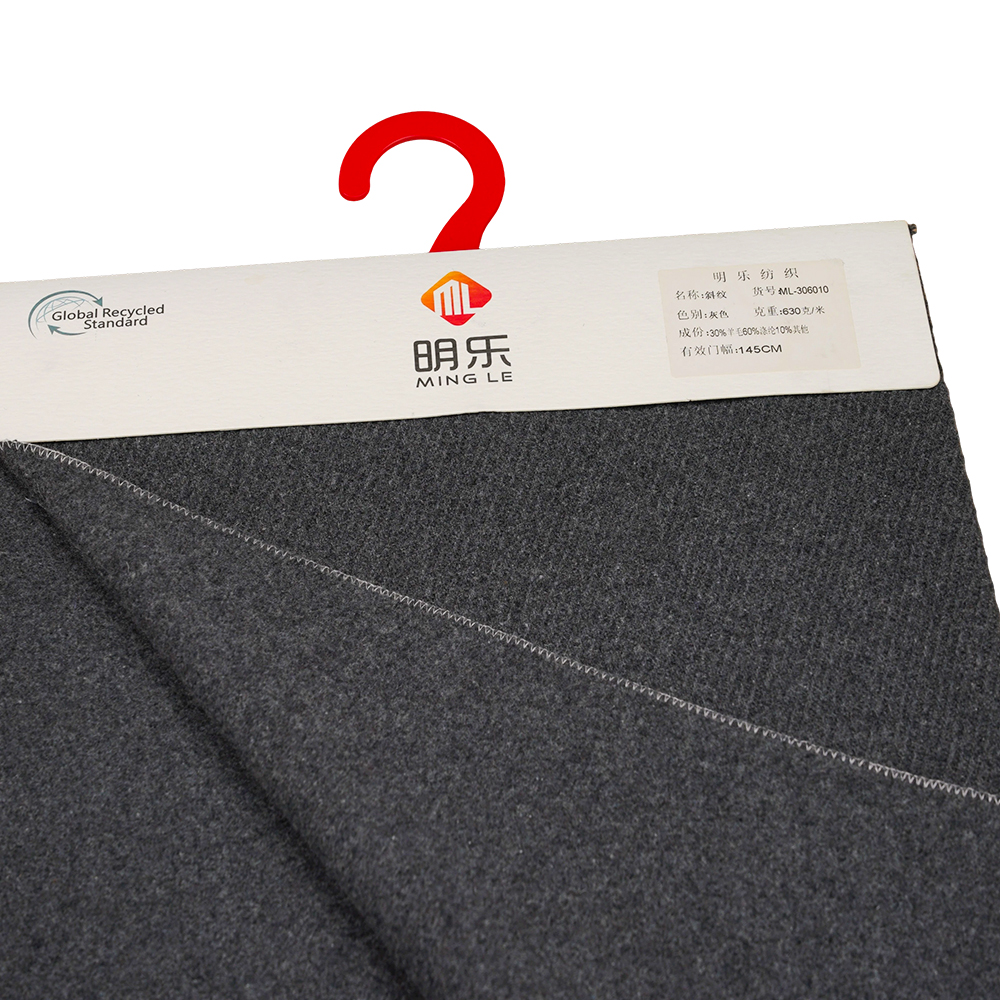
Gray Twisted Wool-Melton Fabric: 630g Weight Wool Blend for Versatile Business a...
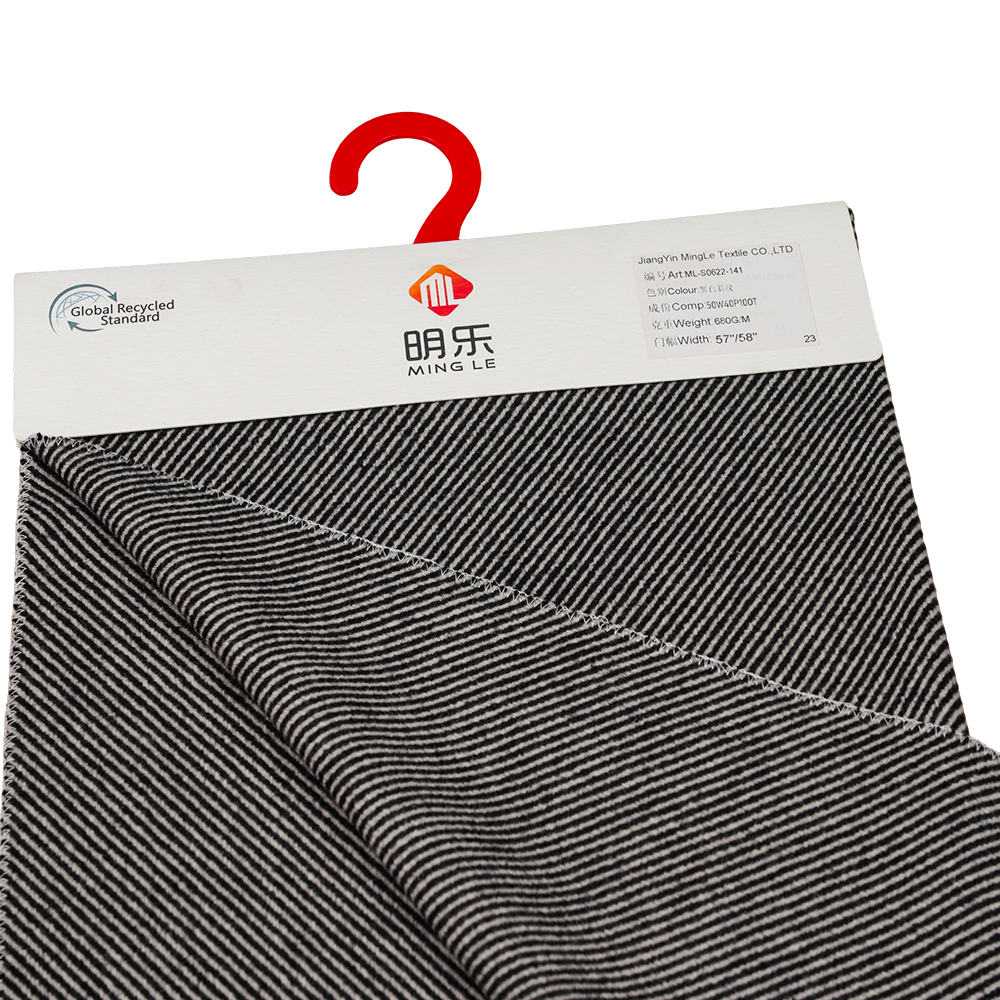
50% Wool 40% Polyester 10% other fiber680G/M Black White Twill Melton Fabric | S...
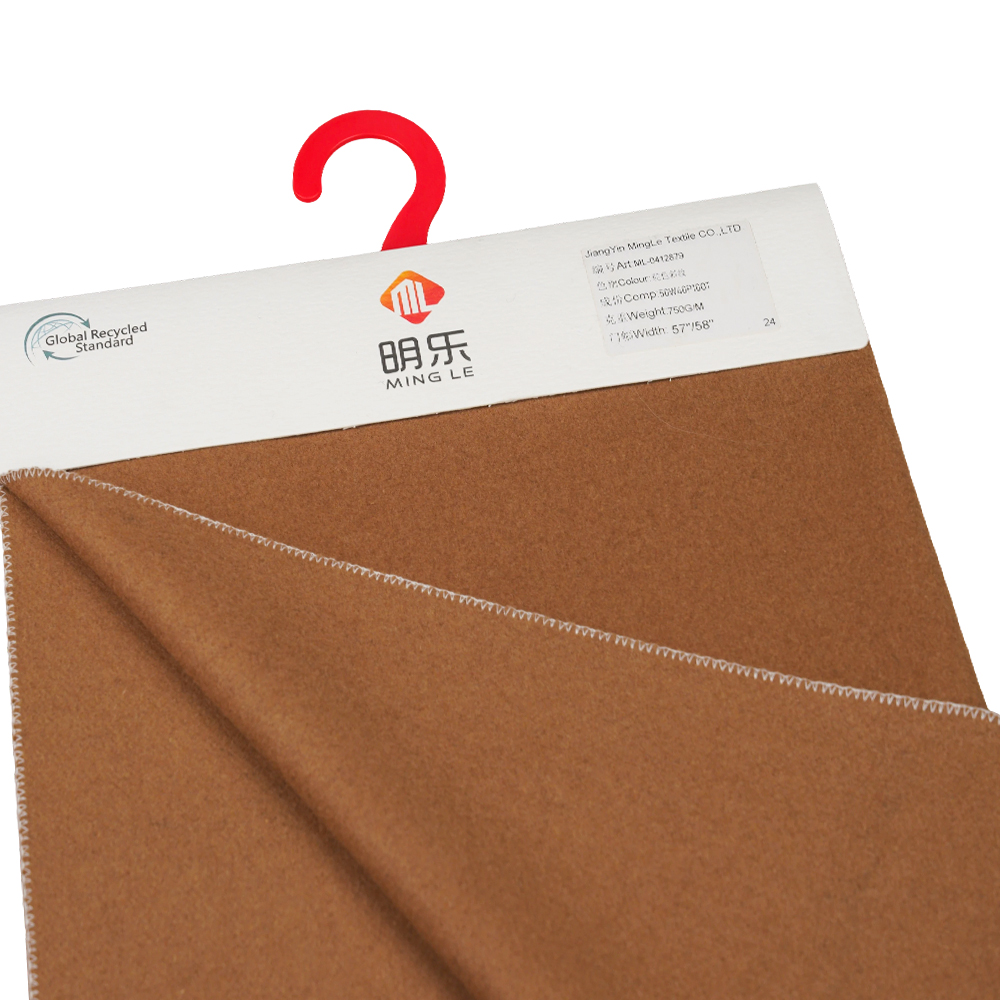
ML-0412879 Camel Twill Fabric: 730g/m 50% Wool, 50% other fiberThis ML-0412879 f...
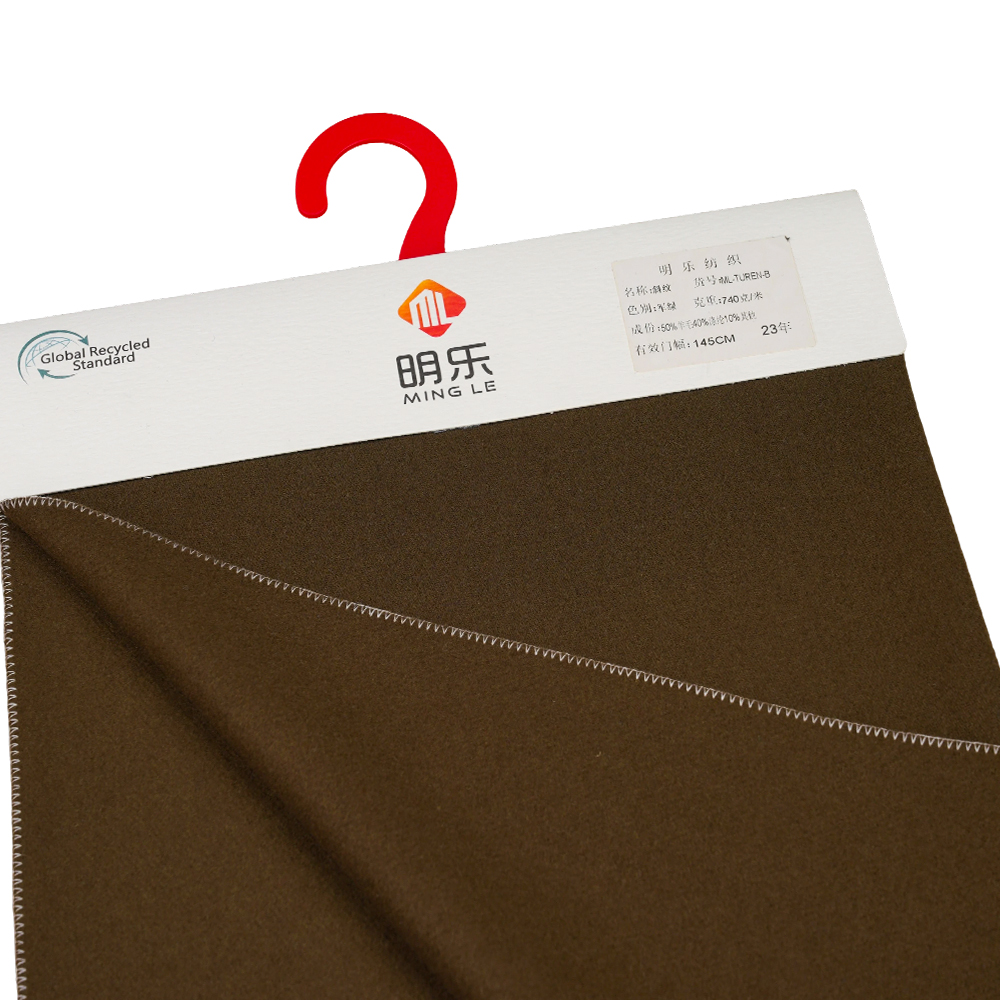
Military Green Twill Fabric: 740g Wool Blend, Suitable for Versatile UseThis mil...
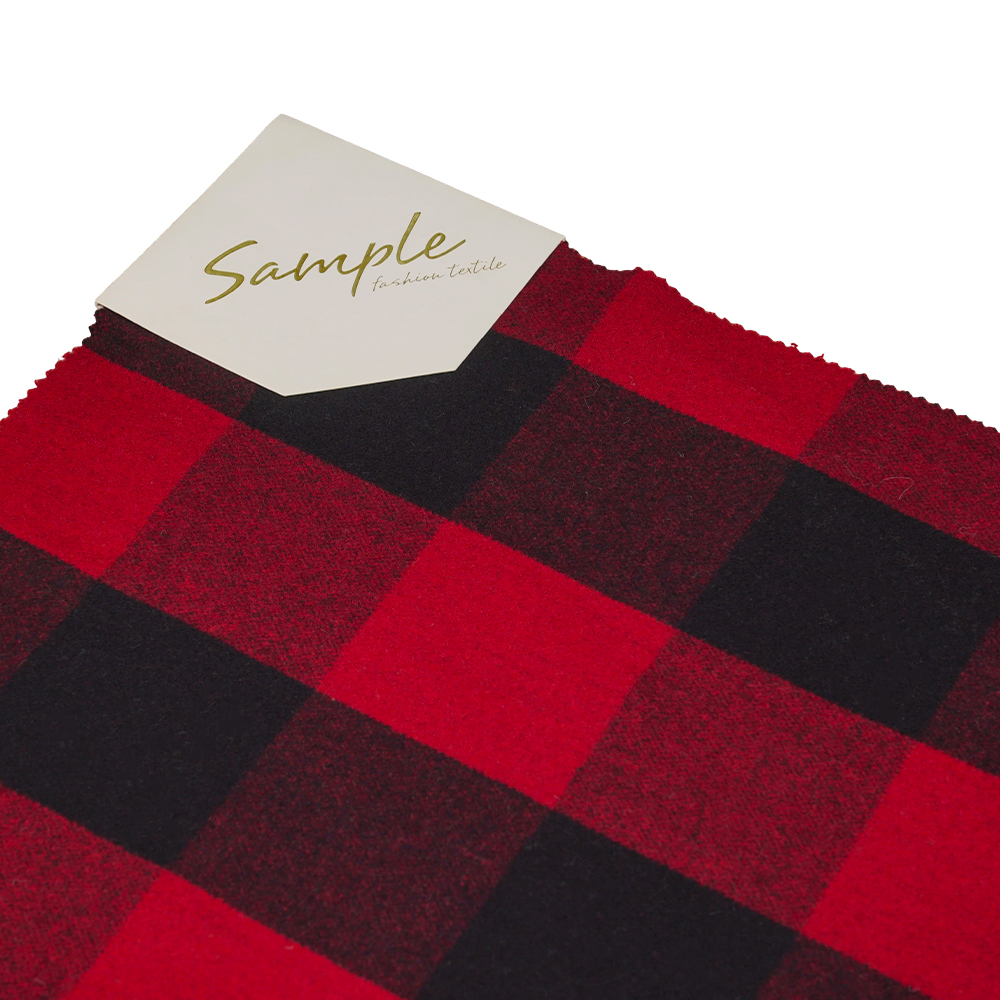
Black Red Plaid Wool Blend Fabric: 760gsm Wool Mix MaterialThis wool blend fabri...
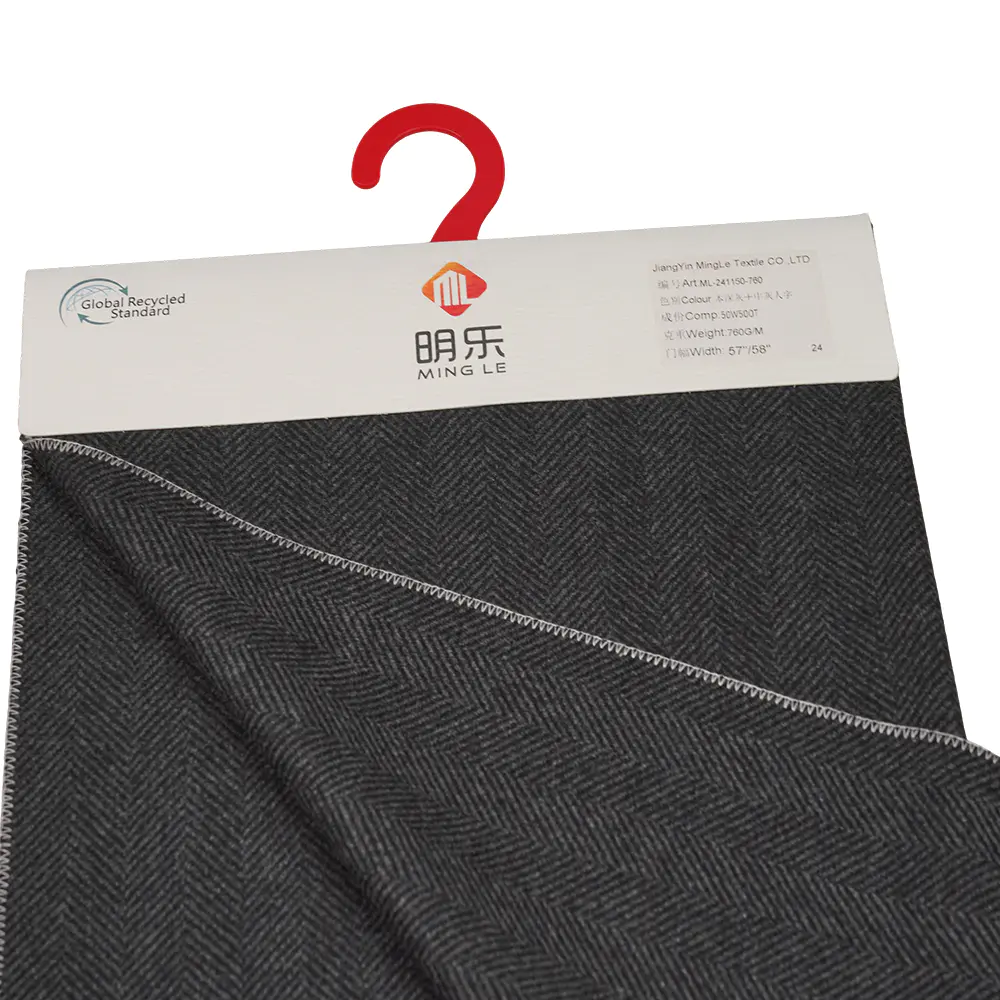
Classic Dark Gray Check Herringbone Melton Fabric – 50% Wool 50% other fiber, 76...
 +86 - 510 - 86373115
 +86 - 13812129532
 No. 118, Huancun West Road, Huaxi Fifth Village, Huashi Town, Jiangyin City, Wuxi City, Jiangsu Province, China


