

 English
 中文简体
Wholesale 100% other, 600G/M, Black White And Brown, Fine Herringbone Tweed Yarn, ML-70230073-6491
Home > Products > Tweed Yarn > 100% other, 600G/M, Black White And Brown, Fine Herringbone Tweed Yarn, ML-70230073-6491

- Introduction
- Specifications
·The classic herringbone pattern enhances the depth and texture of garments.
·The 600g/m weight ensures the fabric remains lightweight while retaining warmth.
·The blend of black, gray, and brown makes it easy to pair with a variety of styles, expanding design possibilities.
·Composition: 100% wool (adjustable to suit, such as adding polyester blends for enhanced durability).
·Weight: 600 g/m, providing moderate warmth.
·Texture: Fine herringbone pattern enhances visual depth and feel.
·Craftsmanship: Wool-spun using the finest spinning technology ensures yarn uniformity and color fastness.
·Jackets and coats, suitable for both business and casual occasions.
·Dresses and trousers, enhancing the overall look.
·Dry cleaning is recommended to maintain the fabric's shape and color stability.
·Store out of direct sunlight in a well-ventilated, dry place.
·For minor wrinkles, steam iron on a low setting and avoid direct exposure to high temperatures.
100% other, 600G/M.


This fine herringbone tweed yarn features a fiber composition of 100% other fibers, engineered for warmth, texture, and design versatility. The classic herringbone pattern enhances the depth and texture of garments, creating visual interest through the zigzag weave structure. The fabric weight of 600 g/m ensures the material remains lightweight while retaining warmth suitable for moderate temperature wear.
The black, gray, and brown color blend provides a neutral palette that makes the yarn easy to pair with a variety of styles, expanding design possibilities. The yarn is produced using fine spinning technology to ensure uniformity and color fastness. The material is appropriate for jackets, coats, dresses, and trousers for both business and casual occasions.
These parameters define the yarn's weight, fiber composition, and herringbone pattern for business and casual apparel applications.
The fine herringbone tweed yarn combines classic pattern with lightweight warmth and versatile color blend. These specifications support applications in jackets, coats, dresses, and trousers where texture, style versatility, and comfort are required.
For optimal performance and service life, dry cleaning is recommended to maintain the fabric's shape, herringbone pattern, and color stability. Avoid high-temperature washing and vigorous rubbing that may cause shrinkage or damage. After cleaning, air dry flat in a ventilated area away from direct sunlight. For minor wrinkles, steam iron on a low setting on the reverse side and avoid direct exposure to high temperatures. Store out of direct sunlight in a well-ventilated, dry place. Use moth repellents if applicable. The fine herringbone pattern benefits from careful handling during cutting and garment assembly to maintain pattern alignment.
Each production batch undergoes comprehensive testing including fiber composition verification, weight measurement, pattern consistency inspection, and structural integrity assessment. The fine herringbone weave is monitored for clear pattern definition, uniform texture, and yarn consistency across the full width. Tensile strength, colorfastness, and dimensional stability tests are performed to ensure compliance with established standards. Materials are traceable to certified suppliers with documented quality records. Testing protocols follow industry standards for tweed yarn and textile products.

A 340 gsm wool-blend flannel can feel perfect on the table and still fail a 20,000-cycle Martindale abrasion test once it has been cut into a winter overshirt...
A buyer who swaps a 30 percent wool melton for a 70 percent wool melton changes the warmth, the hand, and the unit cost of a coat far more than a switch from ...
Two melton swatches land on the same buyer's desk in the same week: both dark grey, both dense, both 0.9 mm on the gauge. One is 30% wool and 60% polyester at...
Two swatches of wool-polyester blend fabric for coats arrive from the same mill, both labelled 50% wool, 40% polyester, 10% other fibre, both weighed at 680 G...
A coat pattern drafted for 780 GSM double-face wool will sag at the shoulder if the mill substitutes 620 GSM melton, even when both rolls carry the same 100% ...
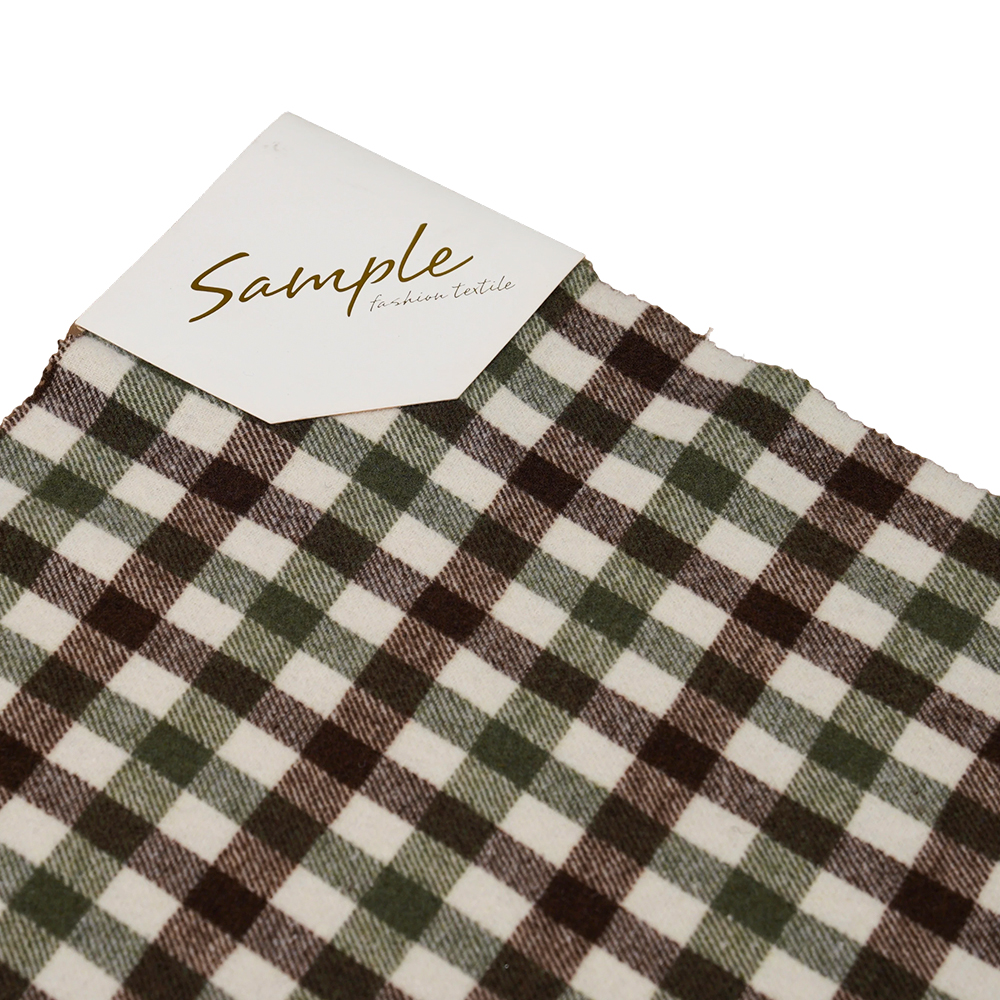
100% other, 410G/M Green-Brown-White Plaid Yarn: Vintage British Style, Natural ...
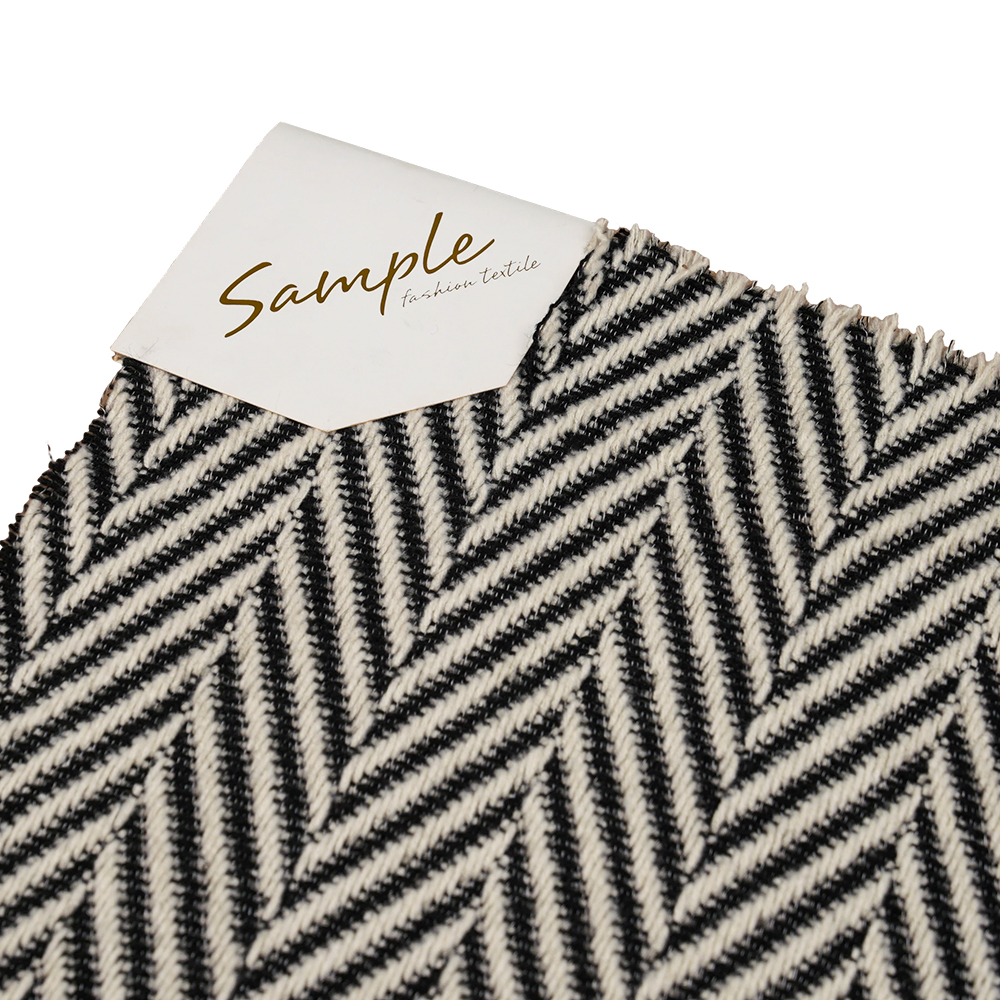
100% other, 720G/M Classic Black and White Color Yarn: A Simple and Fashionable ...
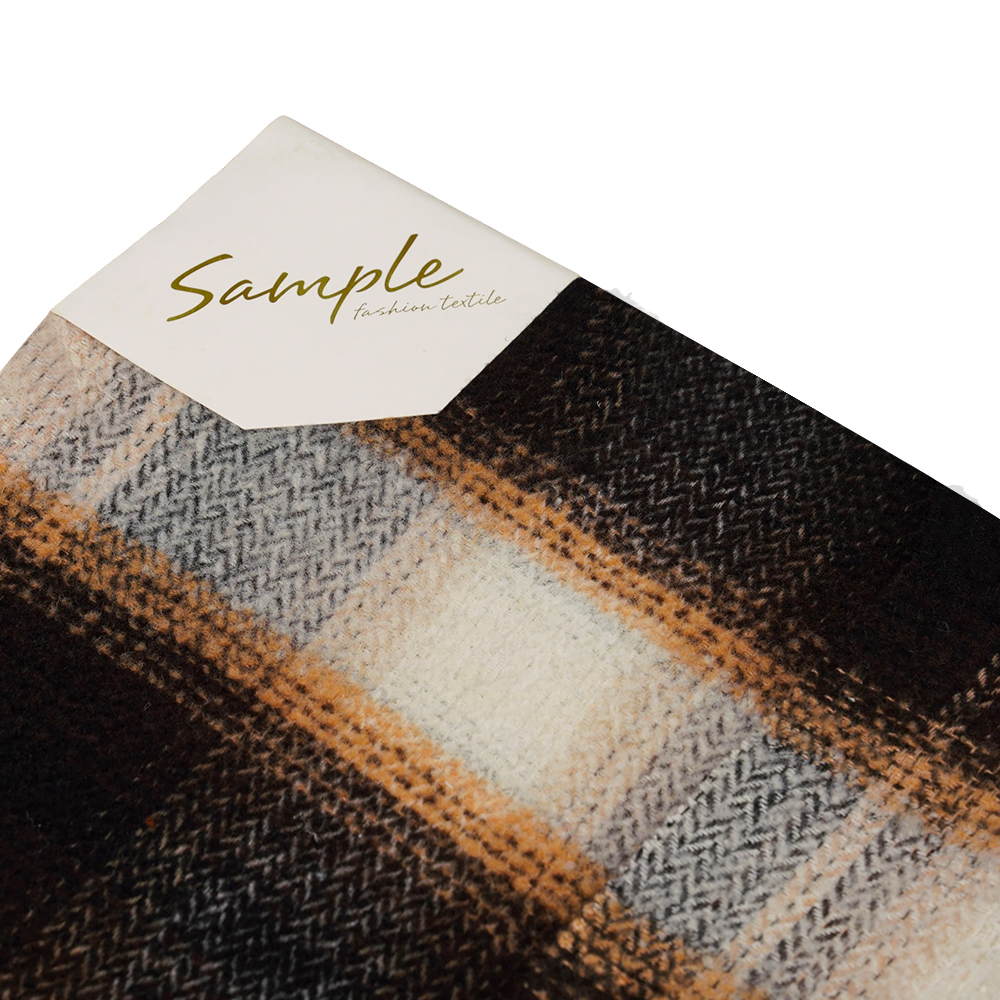
ML-8021071 Black and White Boucle Fabric: 40% Wool, 60% Polyester Blend, 540 g/m...
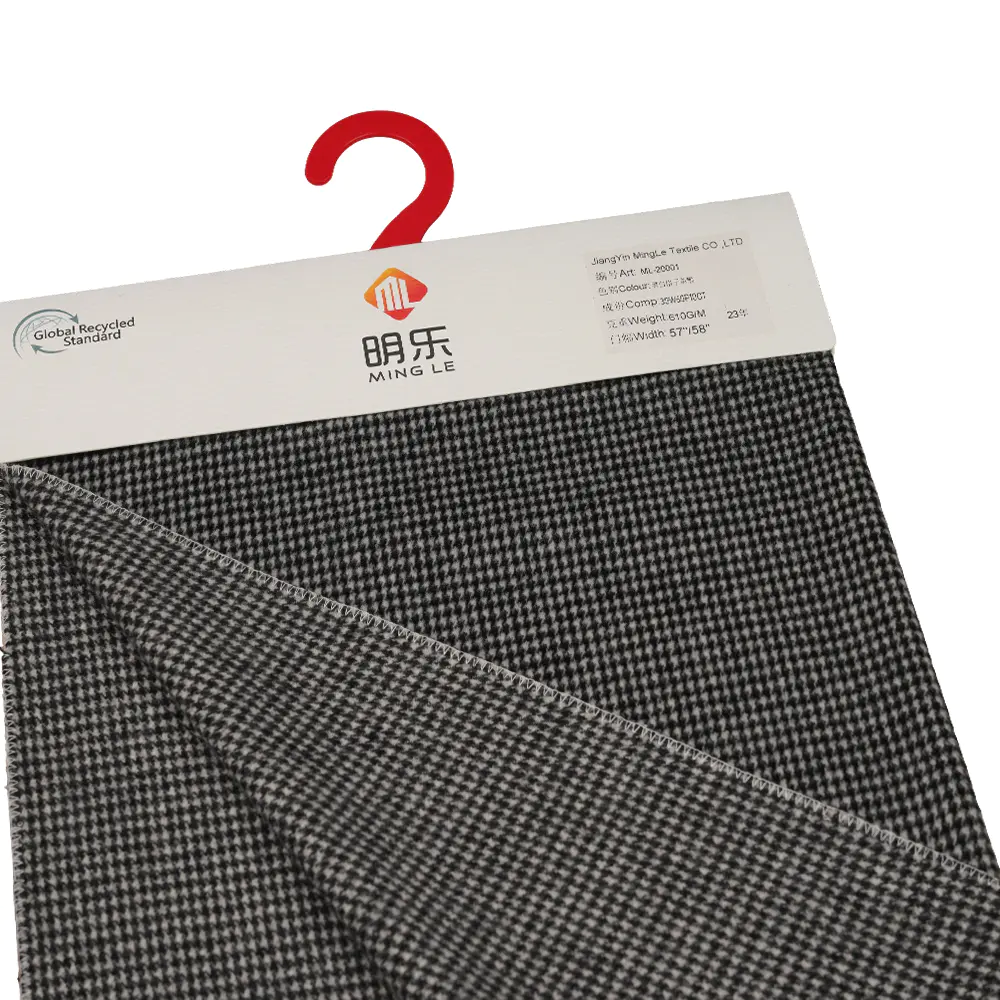
30% Wool 60% Polyester 10% other fiber610G/M Black White Plaid Single-Pile Fleec...
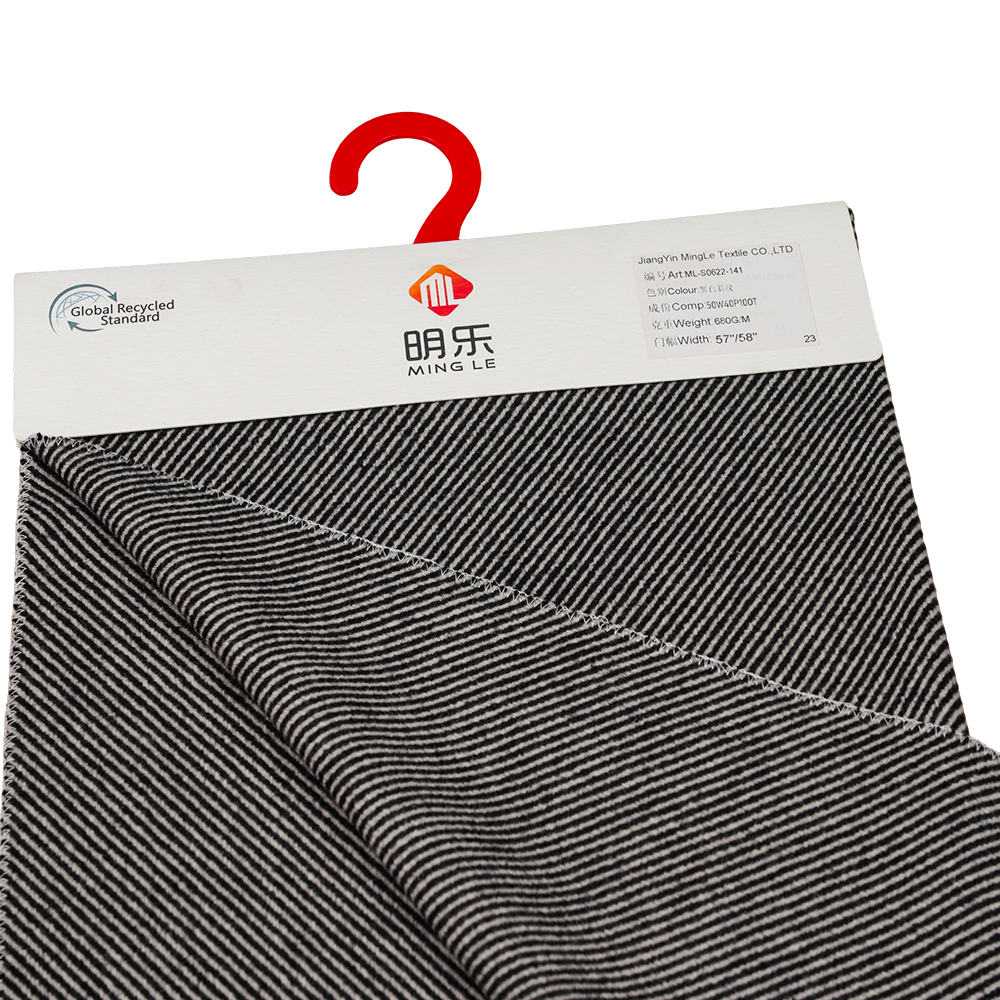
50% Wool 40% Polyester 10% other fiber680G/M Black White Twill Melton Fabric | S...
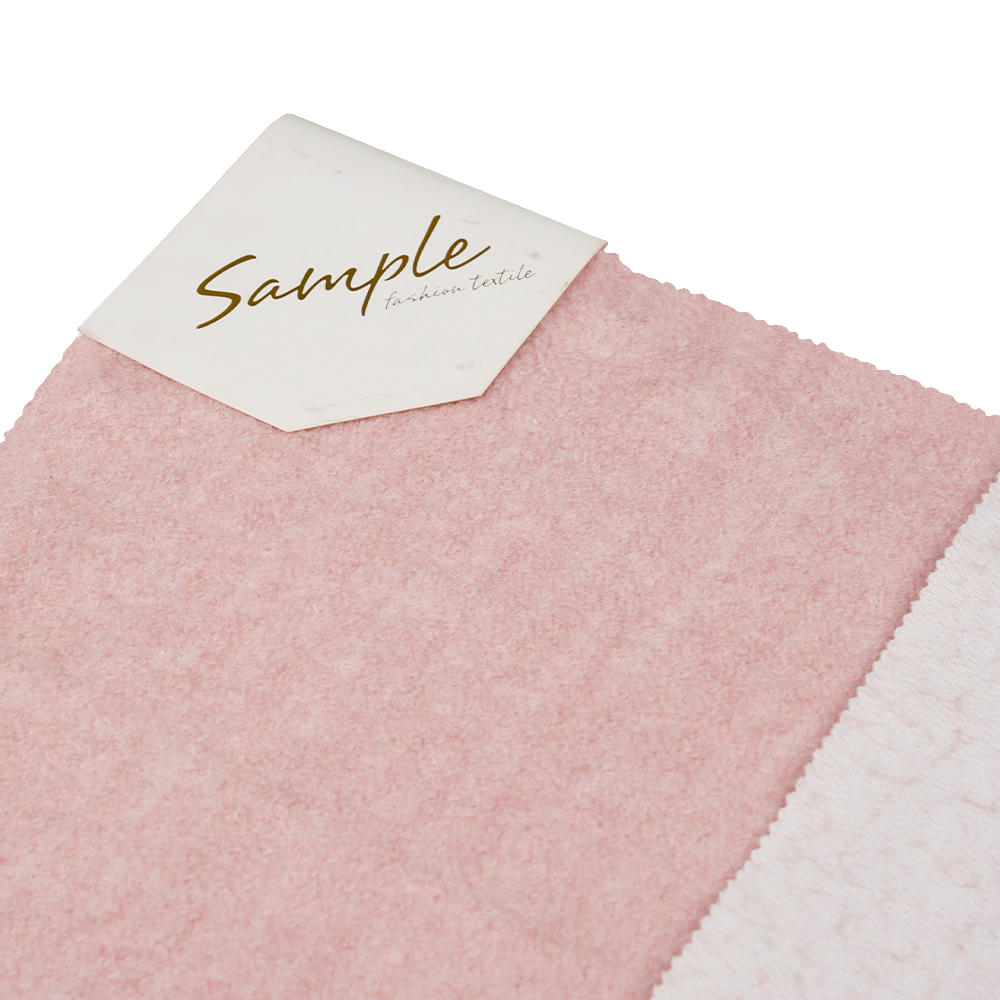
40% Wool 60% Polyester 700-740G/M Pink-White Small Fish Scale Loop Woolen Fabric...
 +86 - 510 - 86373115
 +86 - 13812129532
 No. 118, Huancun West Road, Huaxi Fifth Village, Huashi Town, Jiangyin City, Wuxi City, Jiangsu Province, China


