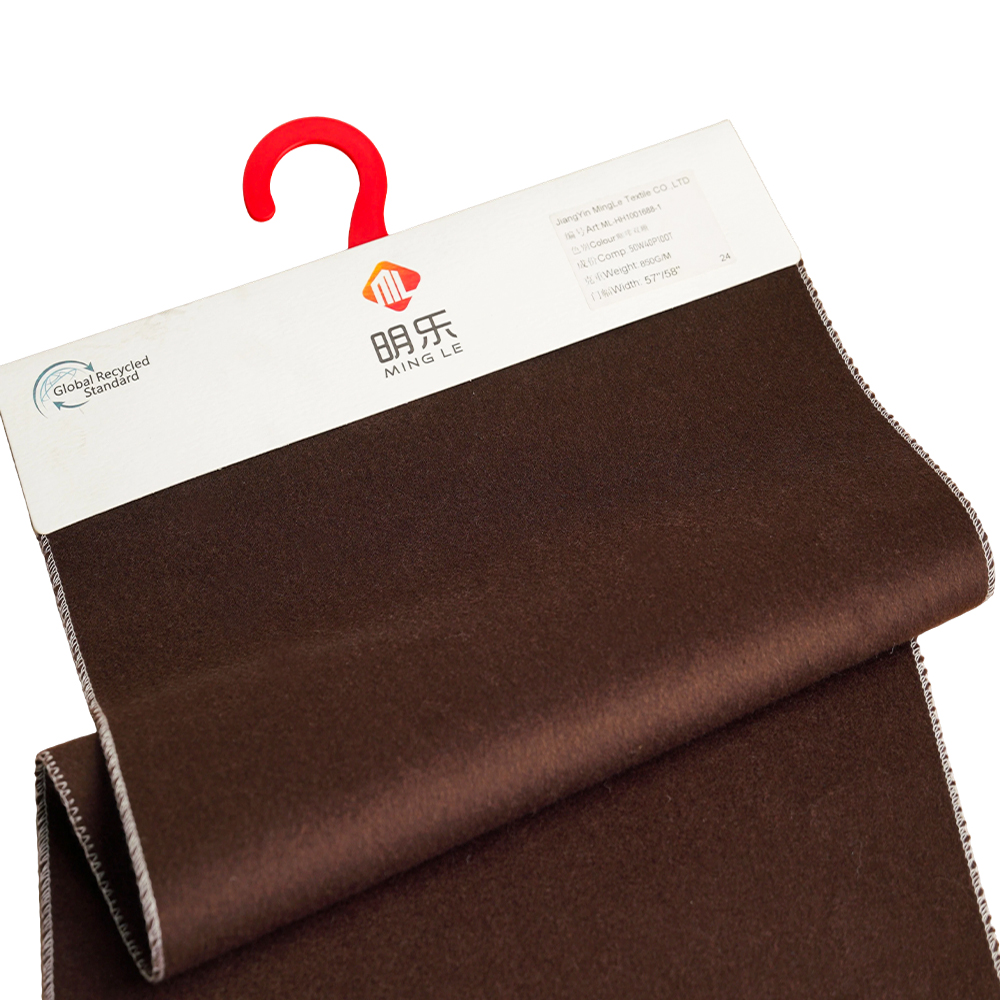
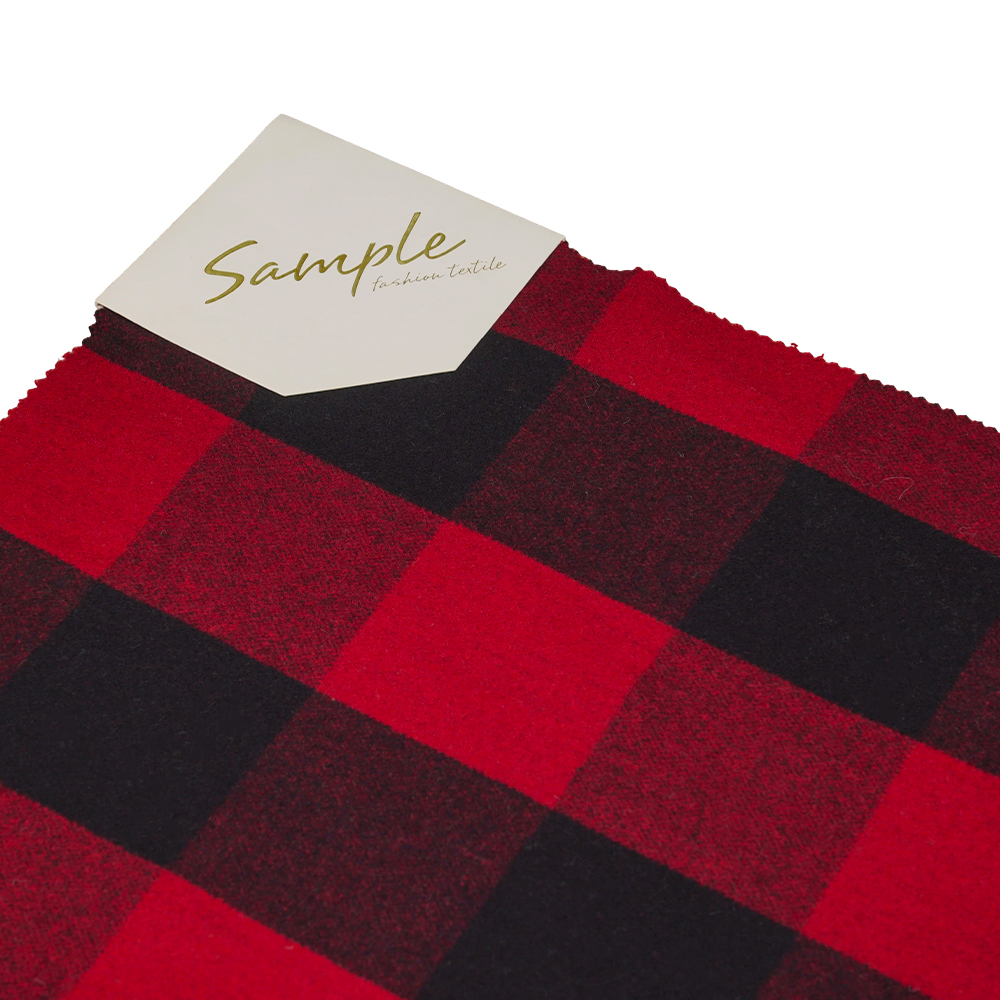
Color Plaid Double-Face Overcoating Fabric – 780G/M
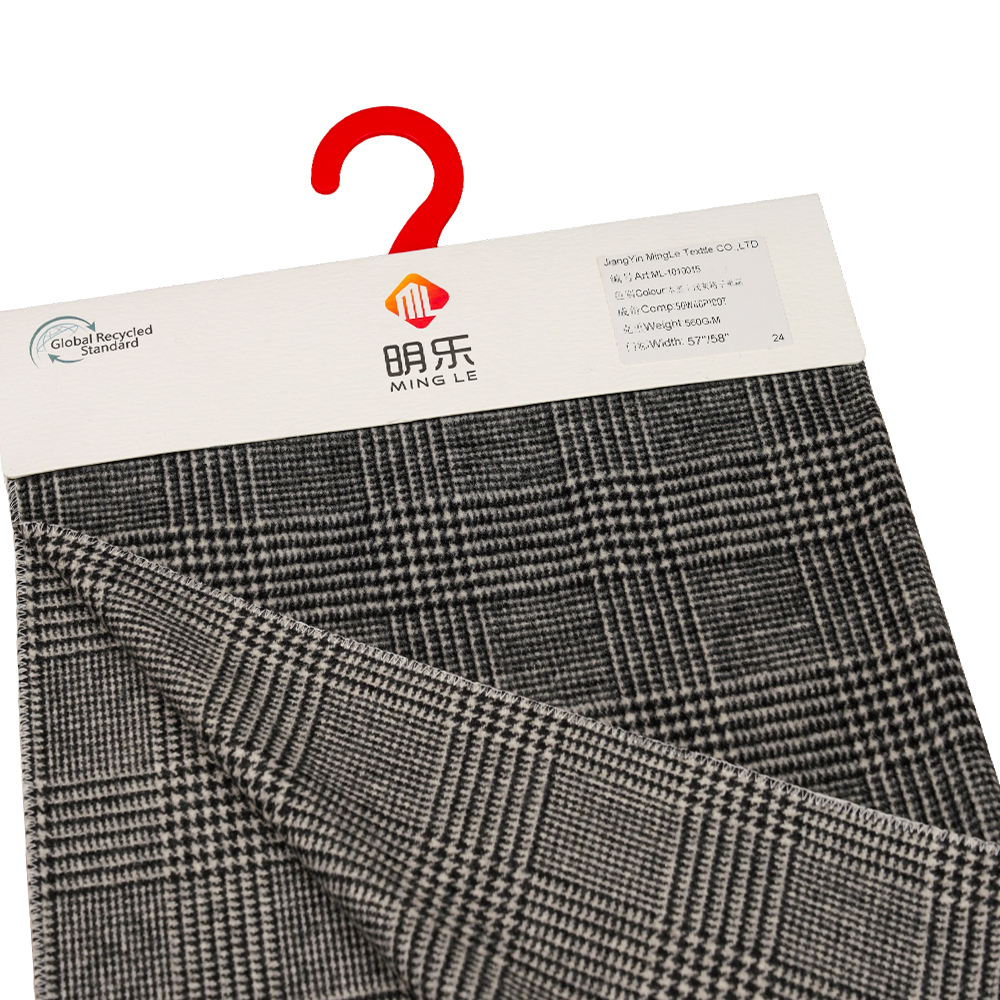
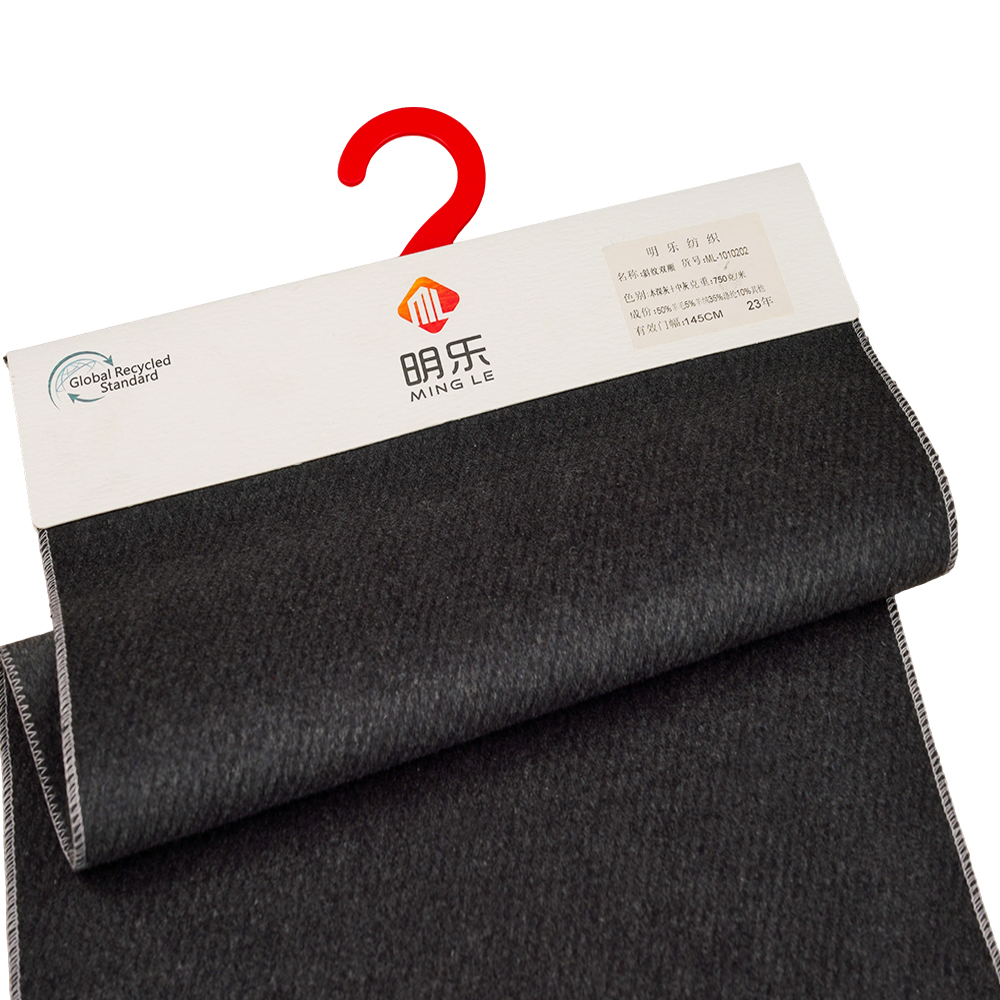
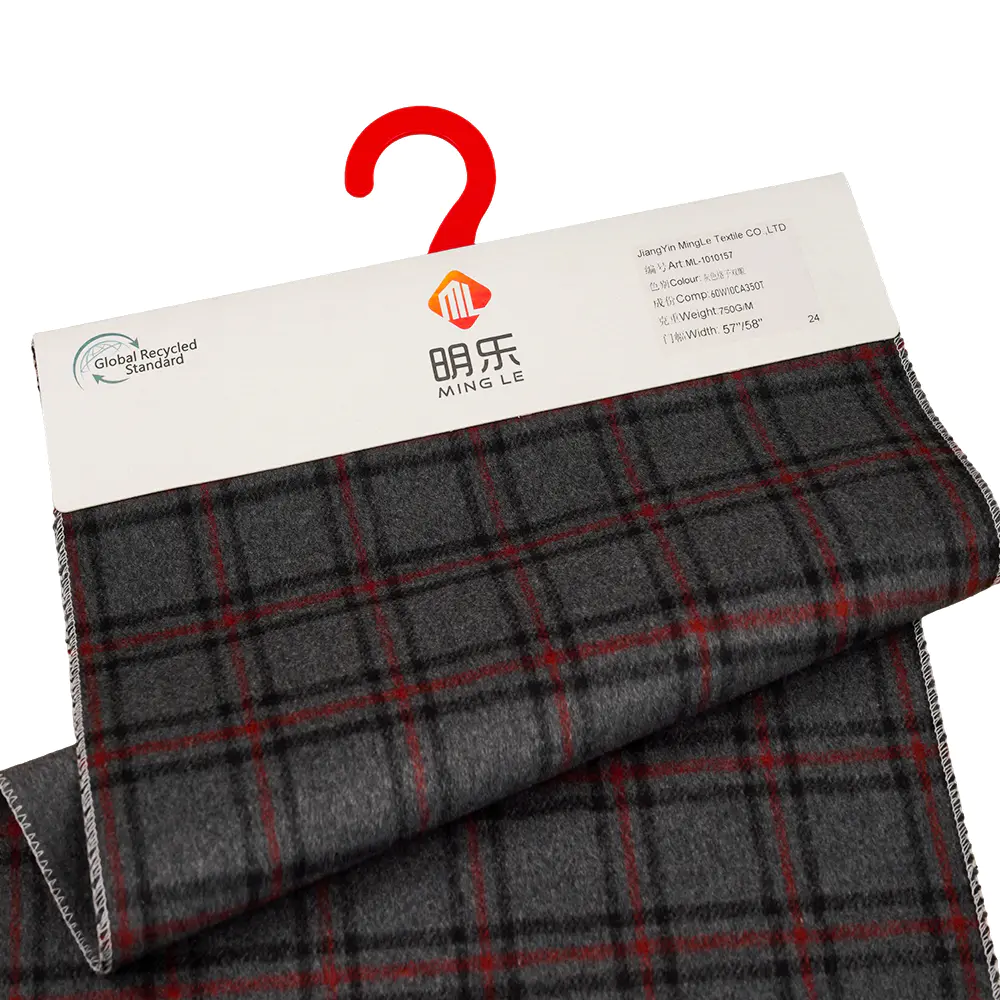
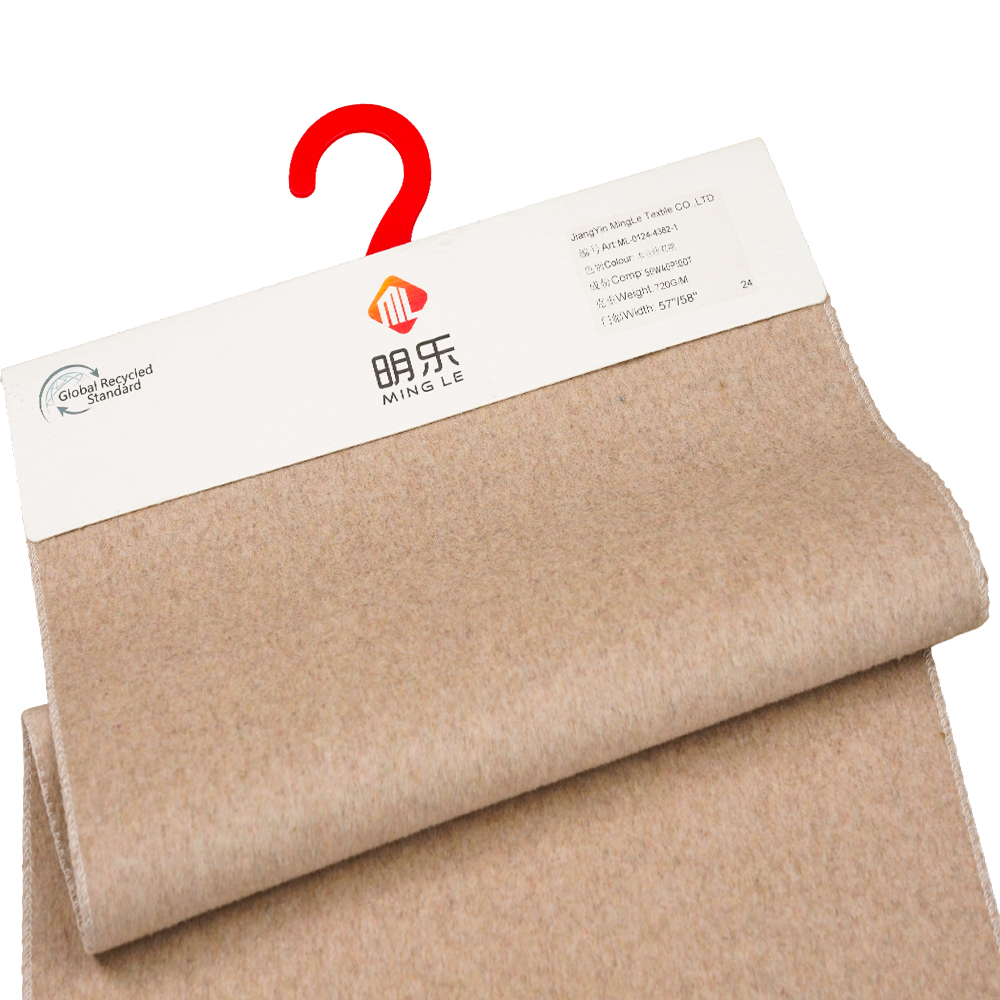
This double-face overcoating fabric features a fiber composition of 50% wool and 50% other fibers, engineered for balanced warmth, durability, and structural stability. The fabric weight of 780 g/m provides a thick, firm construction that resists deformation during wear and maintains garment shape. The double-faced design presents two distinct appearances: a solid black face on one side and a retro plaid combination of brown, gray, and blue on the reverse.
The dual-surface construction allows flexible use in single garments with reversible wearing options, supporting versatile styling and design applications. The plaid pattern integrates classic and modern design elements, while the solid black face offers a clean, neutral option for more understated styling. The material is suitable for coats, jackets, and autumn and winter outerwear requiring both visual versatility and thermal performance.
Performance at a Glance
780 g/m
Surface Density
Thick, firm construction that resists deformation
Dual-Face
Design
Solid black and color plaid on reverse
50/50
Fiber Blend
Wool and other fibers
These parameters define the fabric's weight, dual-face design, and fiber composition for reversible outerwear applications.
Core Advantages
- Dual-face design – The fabric presents a solid black surface on one side and a retro plaid pattern in brown, gray, and blue on the reverse, supporting reversible garment construction and versatile styling.
- Substantial weight – The 780 g/m density provides a thick, firm hand feel with resistance to deformation, maintaining garment structure through regular wear.
- Fiber composition – The 50% wool content contributes natural warmth and insulation, while the 50% other fiber blend provides durability and dimensional stability.
- Retro pattern – The plaid combination integrates classic design elements suitable for contemporary fashion applications.
- Application flexibility – The reversible design allows single garments to serve multiple style purposes, increasing design efficiency and wear versatility.
- Thermal performance – The fabric weight and wool content provide effective insulation for autumn and winter outerwear.
Product Specifications
Fiber Composition 50% wool, 50% other fiber
Surface Density 780 g/m
Construction Double-face overcoating fabric
Colors Solid black / Plaid (brown, gray, blue)
Surface Smooth, even finish on both sides
Key Properties Deformation resistant, warm, reversible
The color plaid double-face overcoating fabric combines dual-face design with substantial weight and balanced fiber composition. These specifications support applications in reversible outerwear where visual versatility, thermal performance, and structural stability are required.
Application Fields
Reversible coats and jackets Autumn and winter outerwear Versatile daily wear Classic and contemporary designs Custom garment manufacturing Branded collections
Frequently Asked Questions
What is the recommended cleaning method for this fabric?
Dry cleaning is recommended to maintain fabric shape, color stability, and surface finish on both faces. If hand washing is necessary, use cold water with mild detergent and handle gently without wringing or twisting.
How should the fabric be dried?
Lay flat to dry away from direct sunlight and high-temperature heat sources. Avoid tumble drying, which may cause shrinkage, deformation, or damage to the fabric structure.
What is the best way to iron this fabric?
Iron at low temperature on the reverse side using a pressing cloth. Avoid direct contact with the face side to protect the surface finish and pattern integrity on both faces.
How should the fabric be stored?
Store in a ventilated, dry area away from moisture and direct sunlight. Use moth repellents to protect the wool content from insect damage. Avoid heavy pressure that may cause creasing or deformation.
Handling and Care Guidance
For optimal performance and service life, professional dry cleaning is recommended to maintain the fabric shape, color stability, and dual-surface integrity. If hand washing is necessary, use cold water with a mild neutral detergent. Submerge gently without wringing or aggressive agitation. Rinse thoroughly and remove excess water by pressing between towels. Lay flat to dry away from direct sunlight and heat. When ironing, use a low-temperature setting on the reverse side with a pressing cloth. Store folded in a cool, dry, ventilated area protected from moths. The dual-face construction should be handled with care during cutting and sewing to ensure both surfaces remain clean and undamaged. The reversible nature of the fabric requires attention to seam finishing and edge detailing during garment assembly.
Quality Assurance
Each production batch undergoes comprehensive testing including fiber composition verification, surface density measurement, color consistency inspection on both faces, and construction integrity assessment. The double-face finish is monitored for uniform smoothness and pattern alignment on the plaid side. Tensile strength, abrasion resistance, dimensional stability, and deformation resistance tests are performed to ensure compliance with established standards. Materials are traceable to certified suppliers with documented quality records. Testing protocols follow industry standards for wool-blend overcoating fabrics.


 English
 中文简体