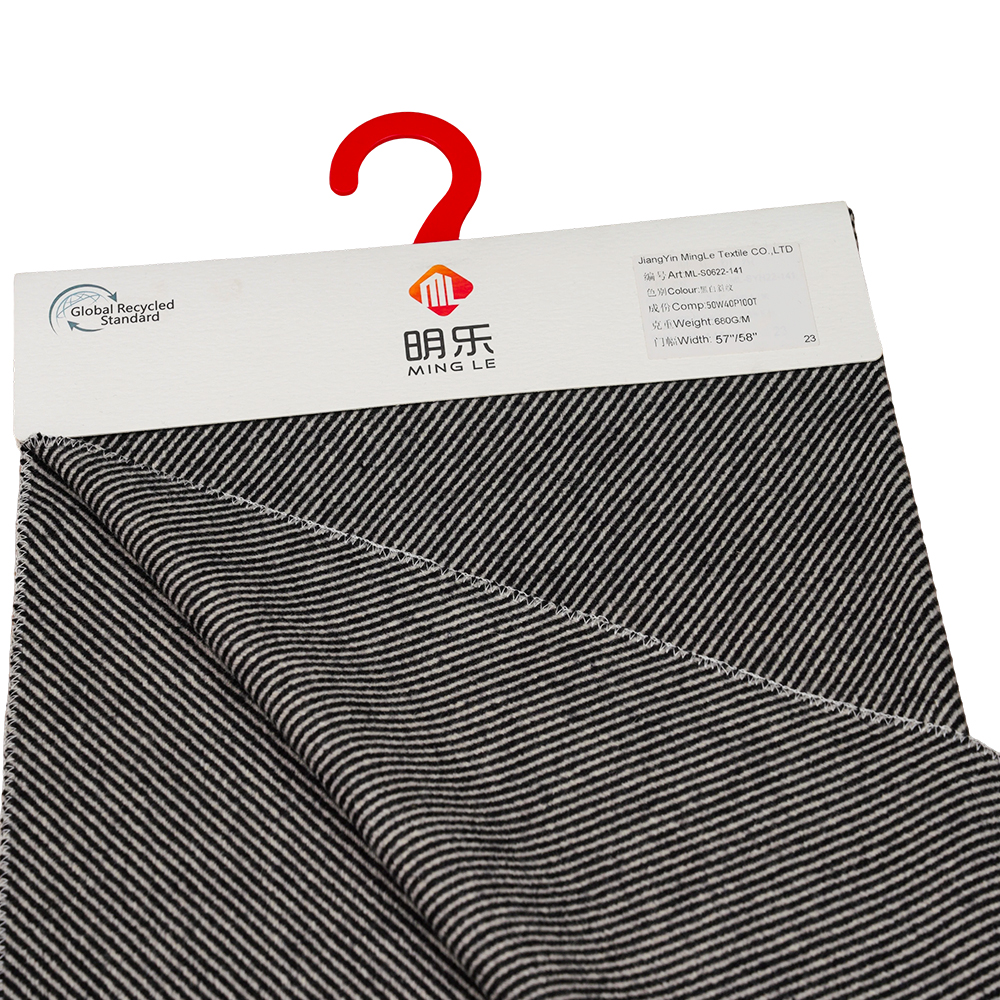
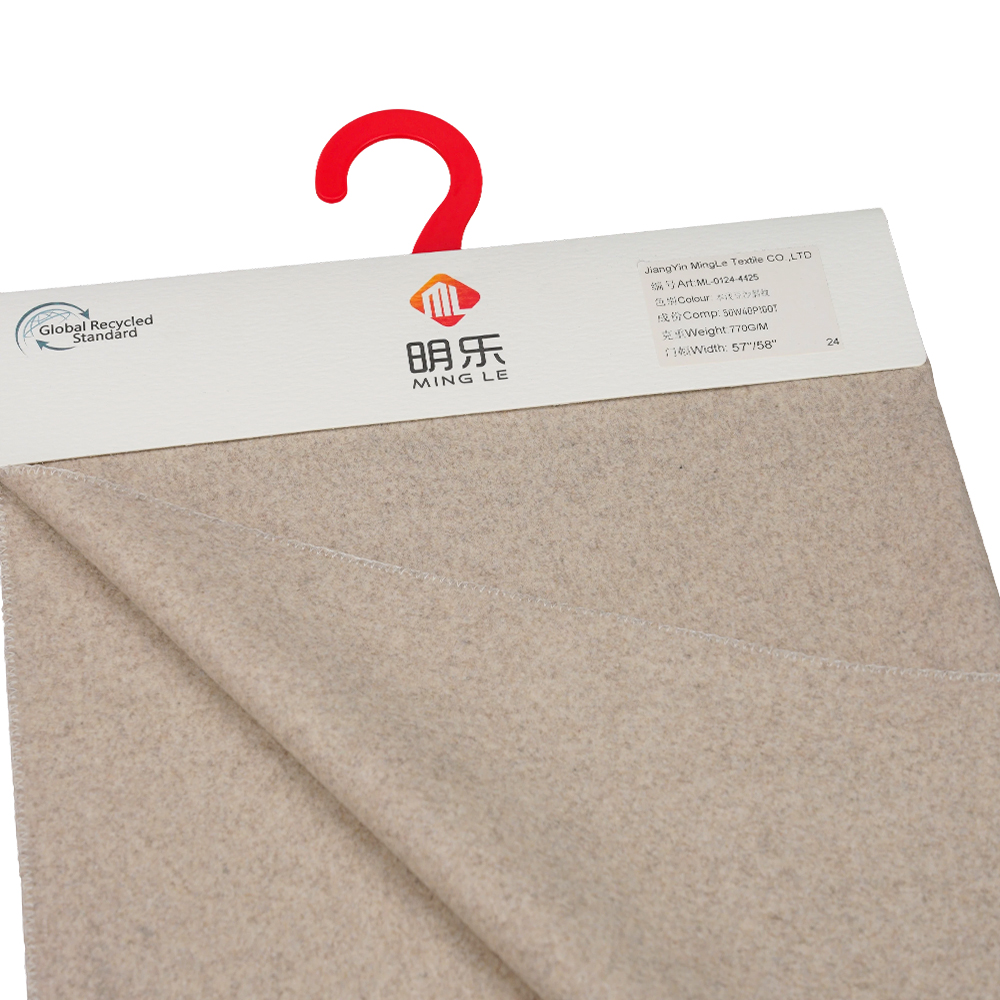
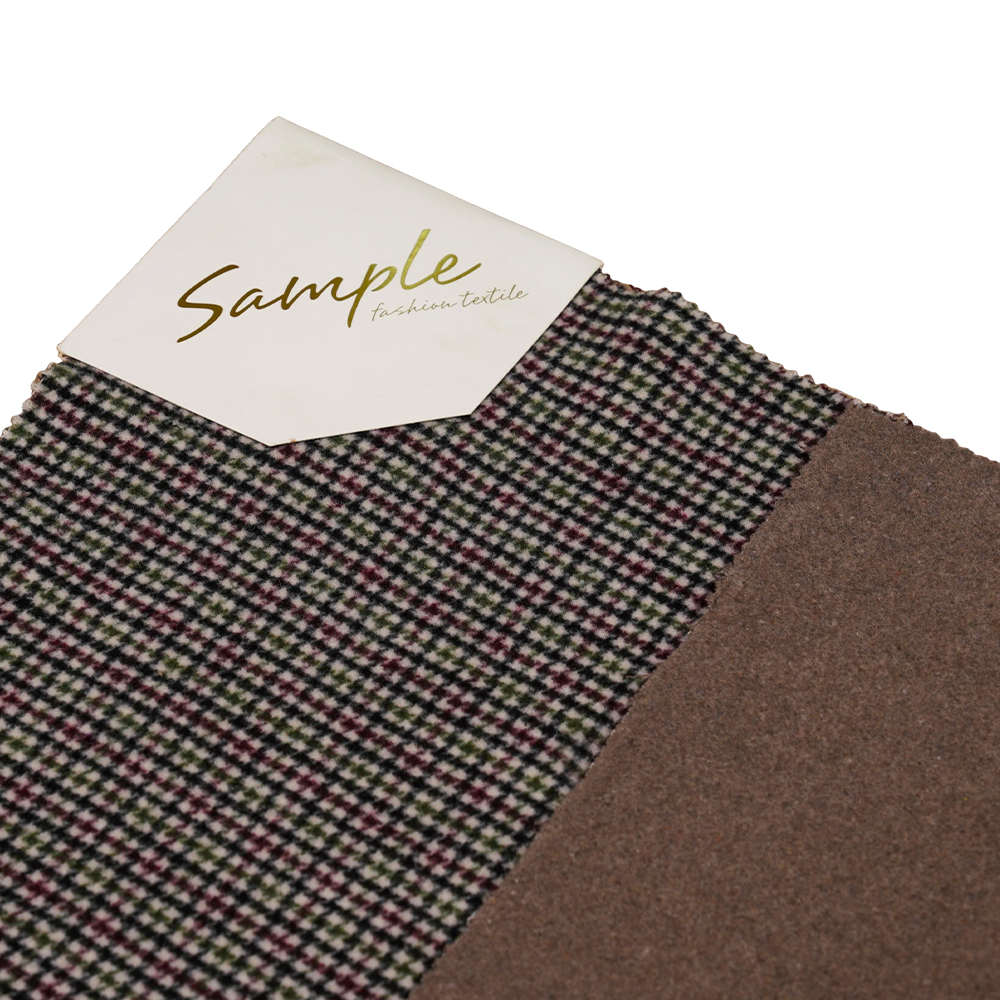
Double-Sided Wool Fabric
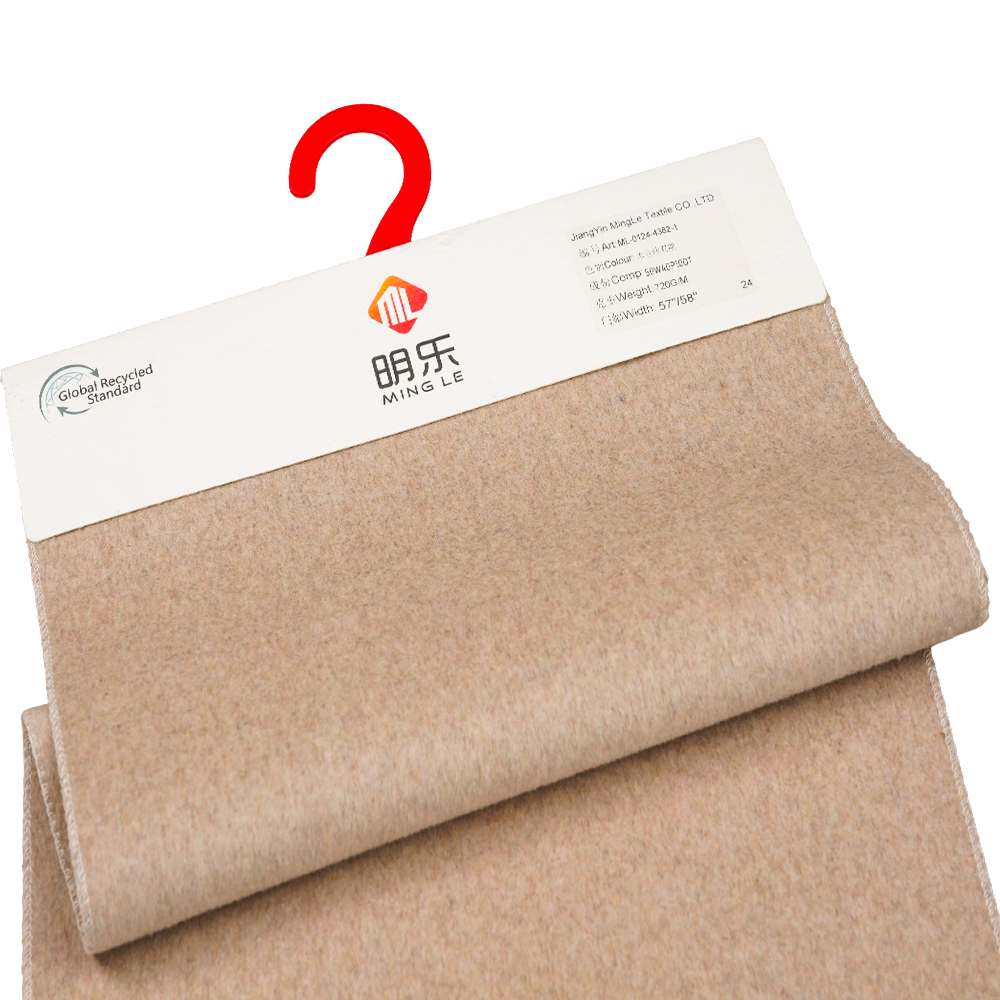
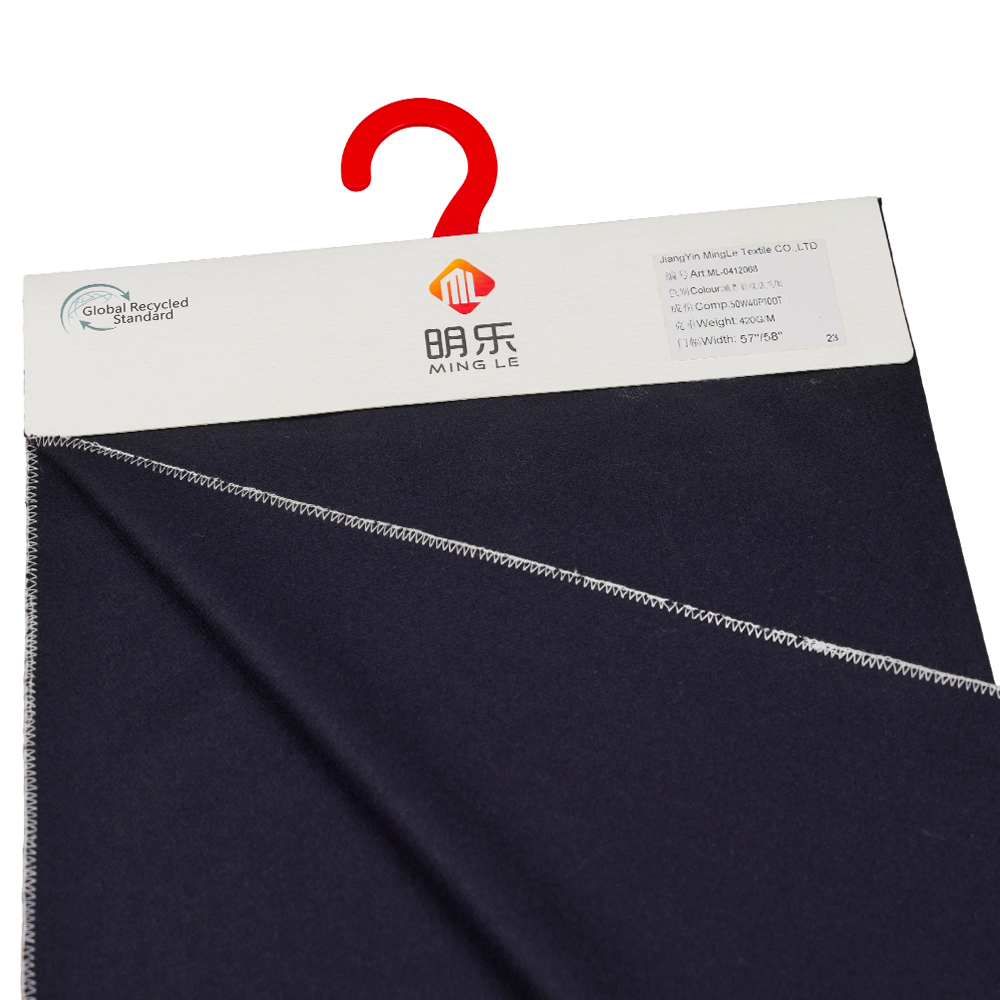
This double-sided wool fabric is engineered with a balanced fiber composition of 50% wool, 40% polyester, and 10% other fibers, delivering a combination of thermal insulation, structural stability, and surface uniformity. The wool content provides natural warmth retention and moisture management, while the polyester component enhances dimensional stability and abrasion resistance. The remaining fibers contribute to the fabric's overall hand feel and performance characteristics.
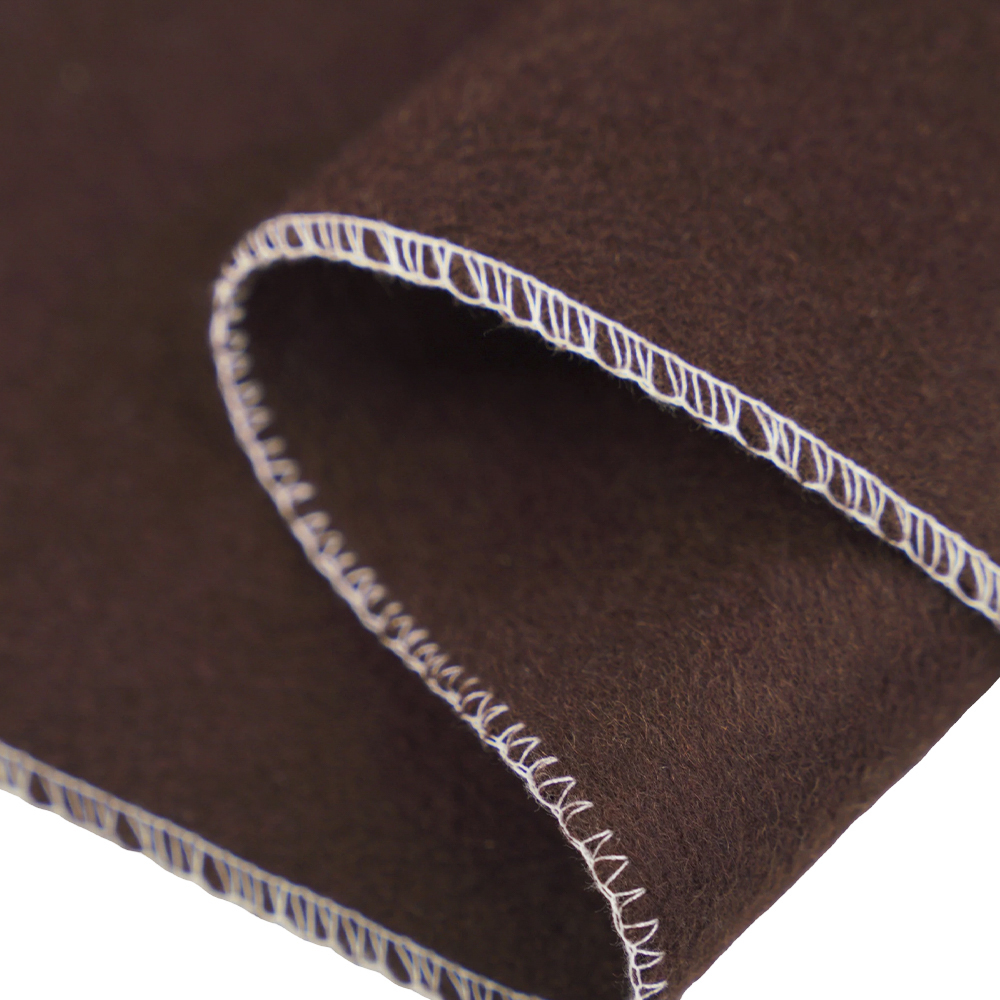
The fabric features a double-face overcoating construction, ensuring consistent texture, pile alignment, and appearance on both sides. This design supports versatile garment construction, as either face can be used as the exterior without compromising visual quality. The surface density of 850 g/m places this fabric in the heavy-weight category, providing insulation suitable for low-temperature environments and extended outdoor wear during colder seasons.
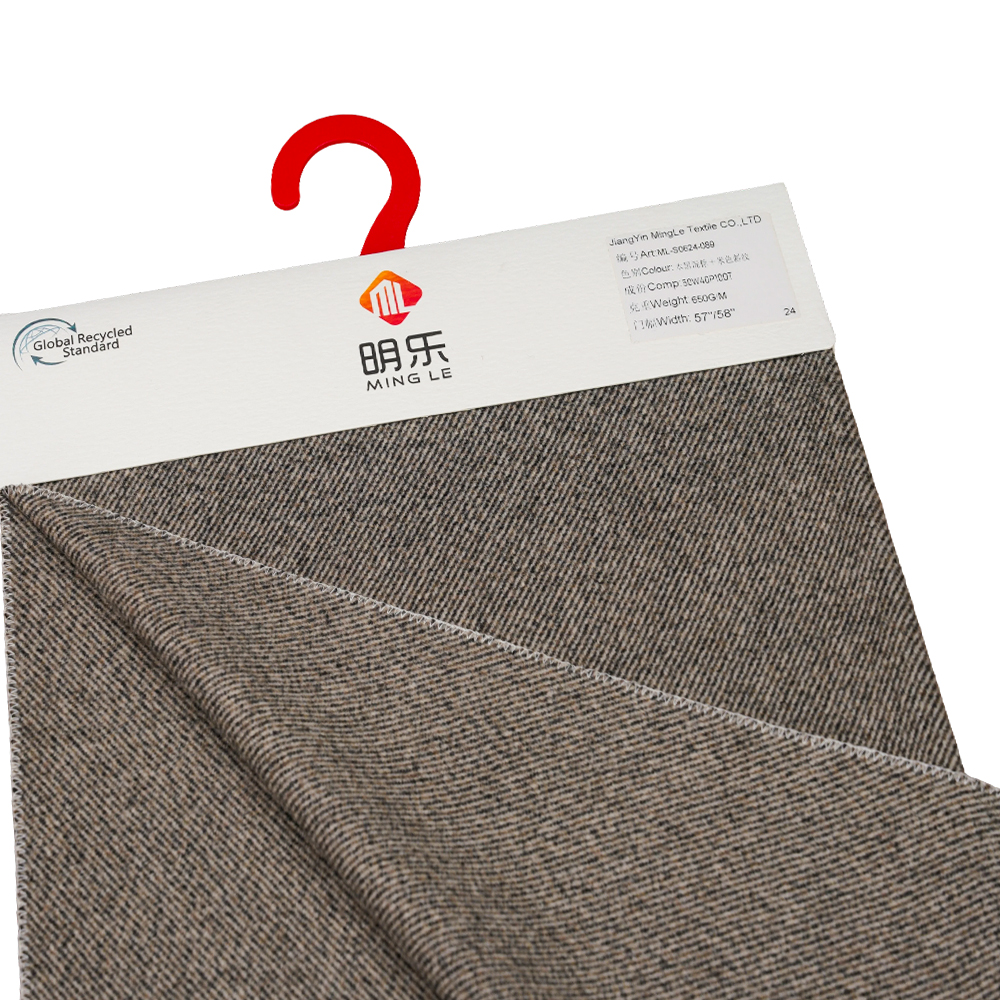
The coffee color, inspired by black-grey Bali tones, offers a neutral and sophisticated palette that coordinates with a wide range of accent colors and design schemes. The tight weave structure contributes to wrinkle resistance, allowing garments to maintain a neat appearance with minimal maintenance. The fabric also provides moderate breathability, supporting comfort during indoor and outdoor wear transitions.
Performance at a Glance
850 g/m
Surface Density
Heavy-weight construction for warmth retention
Double-Sided
Construction
Consistent texture and pile on both faces
50/40/10
Fiber Blend
Wool, polyester, and other fibers
These parameters define the fabric's weight, construction type, and fiber composition for outerwear and professional apparel applications.
Core Advantages
- Double-sided construction – The fabric presents consistent texture, pile alignment, and surface finish on both faces, supporting design flexibility and uniform appearance in garment construction.
- Thermal insulation – The 850 g/m weight provides effective warmth retention, making the fabric suitable for low-temperature environments and winter outerwear applications.
- Fiber composition – The blend of 50% wool, 40% polyester, and 10% other fibers delivers a balance of warmth, durability, dimensional stability, and abrasion resistance.
- Wrinkle resistance – The tight weave structure reduces creasing during wear, transportation, and storage, supporting a neat appearance with minimal maintenance.
- Neutral color palette – The coffee tone, inspired by black-grey Bali shades, coordinates with multiple color schemes and design directions.
- Moderate breathability – The fabric construction allows air circulation, contributing to comfort during extended wear in varied temperature conditions.
Product Specifications
Fiber Composition 50% wool, 40% polyester, 10% other fiber
Surface Density 850 g/m
Construction Double-sided overcoating fabric
Color Coffee (black-grey Bali tone)
Surface Treatment Smooth finish with aligned pile direction
Key Properties Wrinkle resistant, moderate breathability
The double-sided wool fabric combines a balanced fiber composition with high surface density and double-face construction. These specifications support applications in outerwear and professional apparel where thermal performance, appearance uniformity, and structural integrity are required. The fabric's neutral color and wrinkle-resistant properties further enhance its suitability for tailored garments.
Application Fields
Winter coats and jackets Professional uniforms Formal outerwear Tailored garments Corporate apparel Custom manufacturing
Frequently Asked Questions
What is the recommended cleaning method for this fabric?
Dry cleaning is recommended to preserve the fiber structure, color stability, and surface texture. If hand washing is necessary, use cold water with neutral detergent and avoid wringing or twisting the fabric. Do not use chlorine bleach or fabric softeners.
How should the fabric be dried?
Air dry flat away from direct sunlight and high-temperature heat sources. Avoid tumble drying, as high heat may cause shrinkage, deformation, or damage to the fiber structure.
What is the best way to iron this fabric?
Iron at low temperature, preferably on the reverse side of the fabric. Avoid direct contact with the fleece surface to prevent flattening or damage to the pile. Use a pressing cloth if ironing the face side is necessary.
How should the fabric be stored?
Fold and store in a ventilated, dry environment. Avoid moisture, high humidity, and heavy pressure that may cause creasing. Use moth repellents to protect against insect damage to the wool content.
Handling and Care Guidance
For optimal performance and service life, dry cleaning is the recommended maintenance method for this fabric. If hand washing is unavoidable, use cold water and a mild neutral detergent formulated for wool blends. Submerge gently without wringing, twisting, or aggressive agitation. Rinse thoroughly and remove excess water by pressing between towels. Air dry flat, away from direct sunlight and heat sources. When ironing, use a low-temperature setting on the reverse side with a pressing cloth. Store folded or rolled in a cool, dry, well-ventilated area protected from moths and other pests. Regular brushing with a soft garment brush can help maintain surface appearance and remove dust.
Quality Assurance
Each production batch undergoes comprehensive testing, including fiber composition verification, surface density measurement, color consistency inspection, and construction integrity assessment. The double-sided finish is monitored for uniform pile alignment, texture consistency, and surface smoothness across the full fabric width. Tensile strength, abrasion resistance, and dimensional stability tests are performed to ensure compliance with established standards. Materials are traceable to certified suppliers with documented quality records. All testing protocols follow industry standards for wool-blend overcoating fabrics.


 English
 中文简体
中文简体