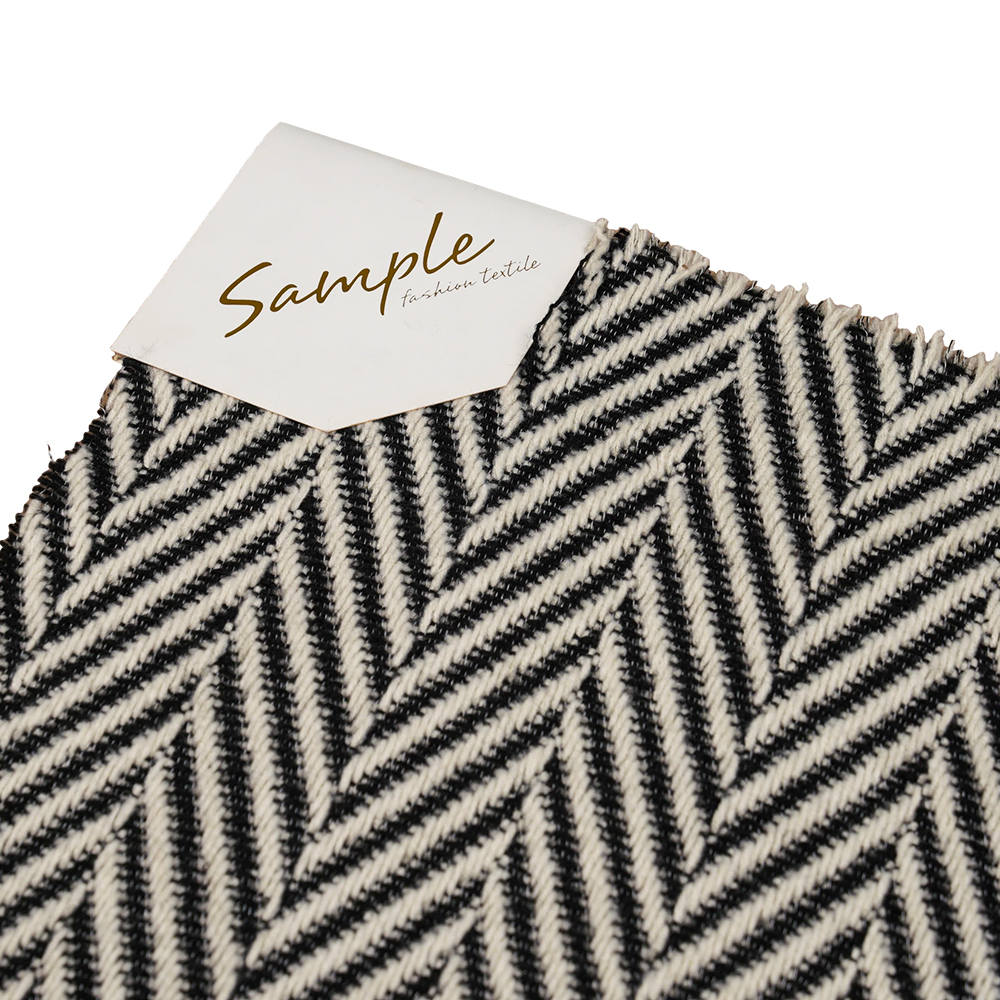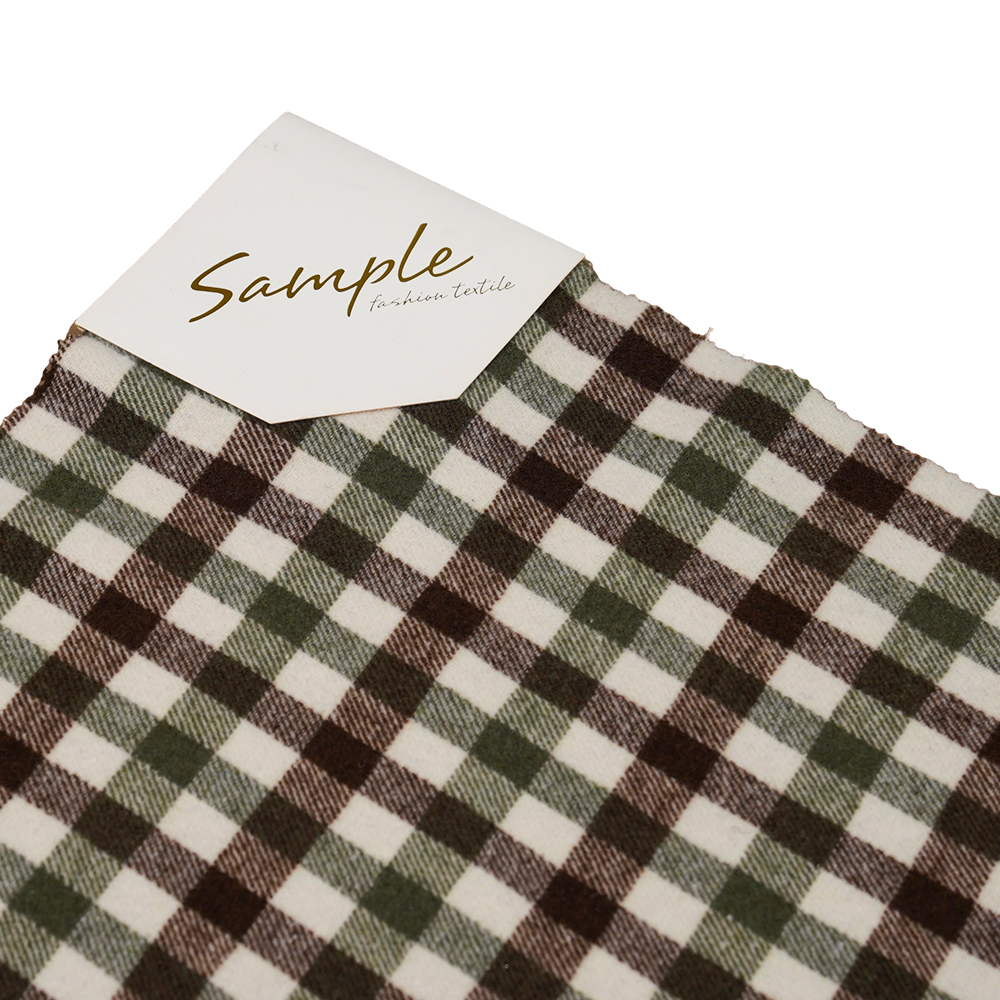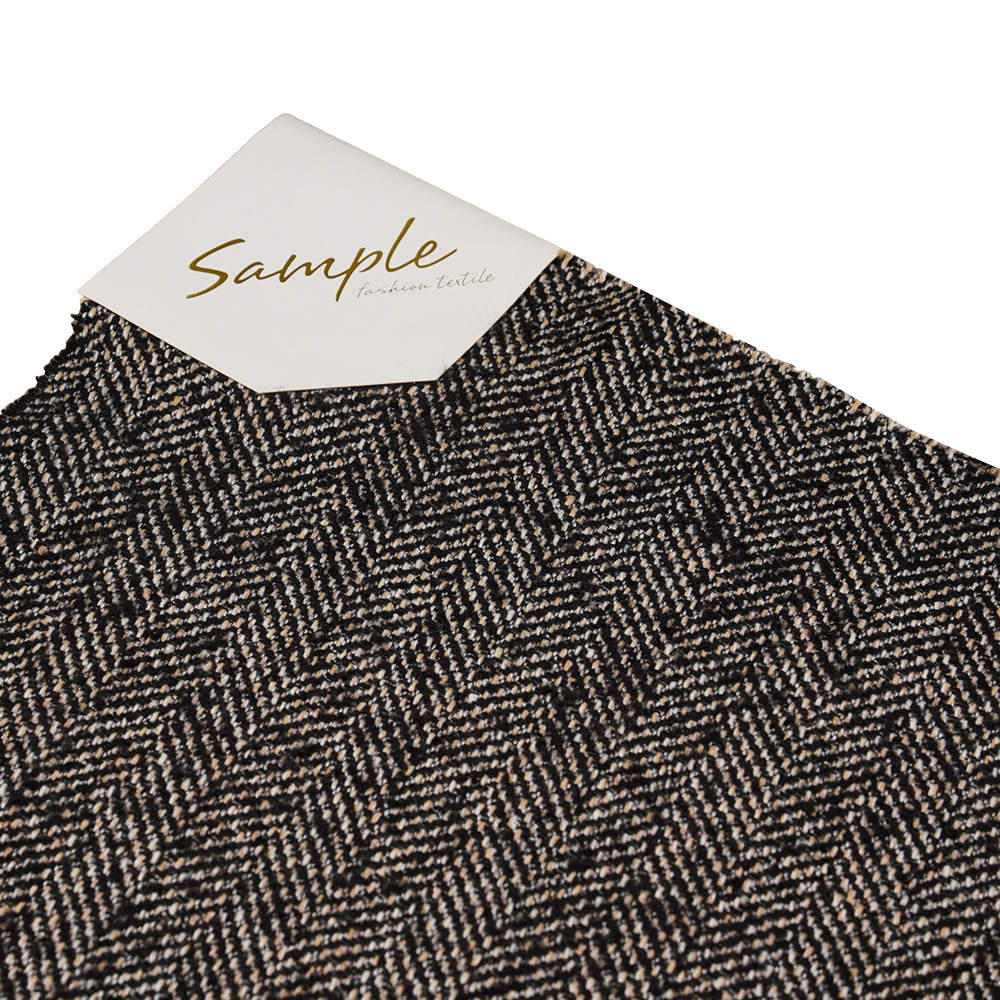
Introduction Overcoat wool fabric is a preferred material in high-end garment manufacturing due to its durability, thermal performance, and luxurious feel. B2B buyers, tailors, and textile engineers rely on its quality f...
Few textiles carry the breadth of technical performance, aesthetic versatility, and heritage market positioning that wool flannel fabric commands across the global apparel industry. From tailored suiting and premium oute...
In the global textile market, the demand for natural performance fibers continues to grow. Wool pile fabric stands out due to its unique combination of thermal insulation and moisture-wicking properties. Unlike flat wove...
Melton Wool Coating Fabric remains one of the most reliable materials for structured outerwear. Designers and wholesale buyers prefer this fabric because it delivers density, wind resistance, and long-term durability. Pr...
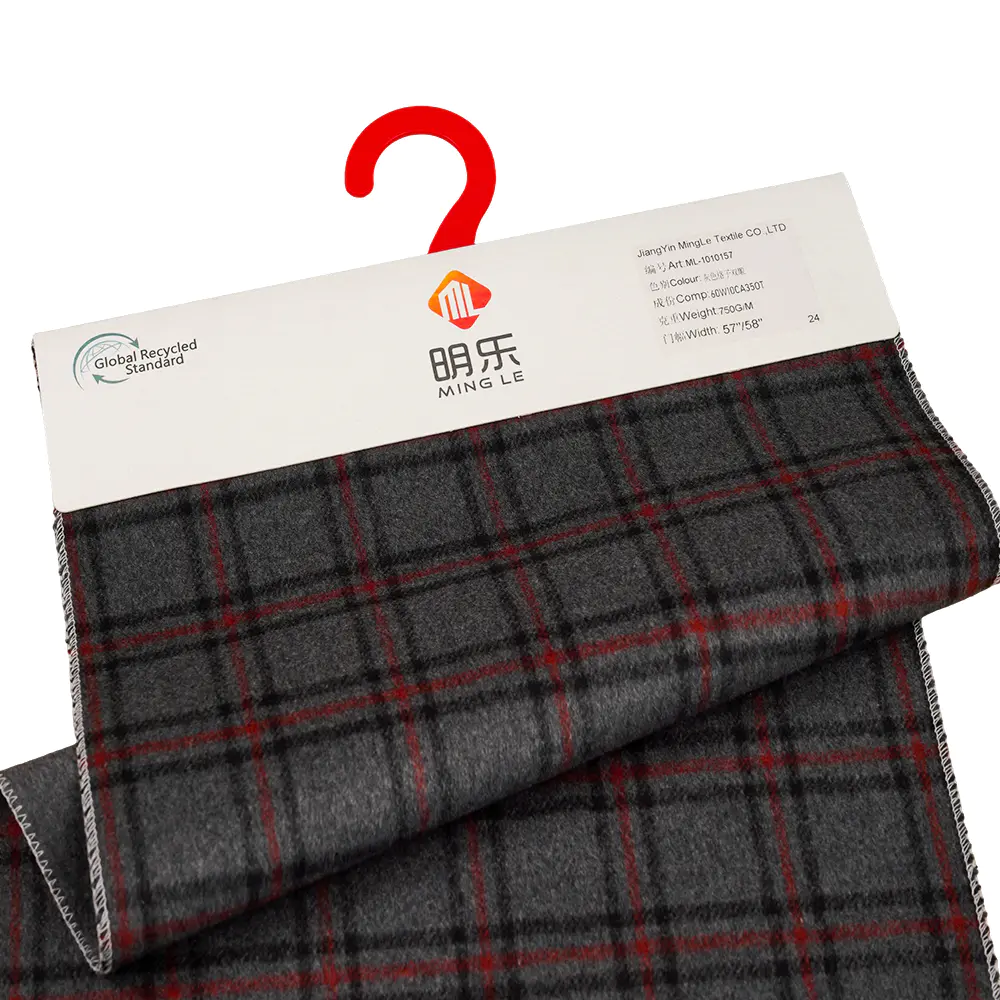
60% Wool 5% Cashmere 35% Synthetic Fabric Double-Sided Brushed Fabric: Gray Plai...
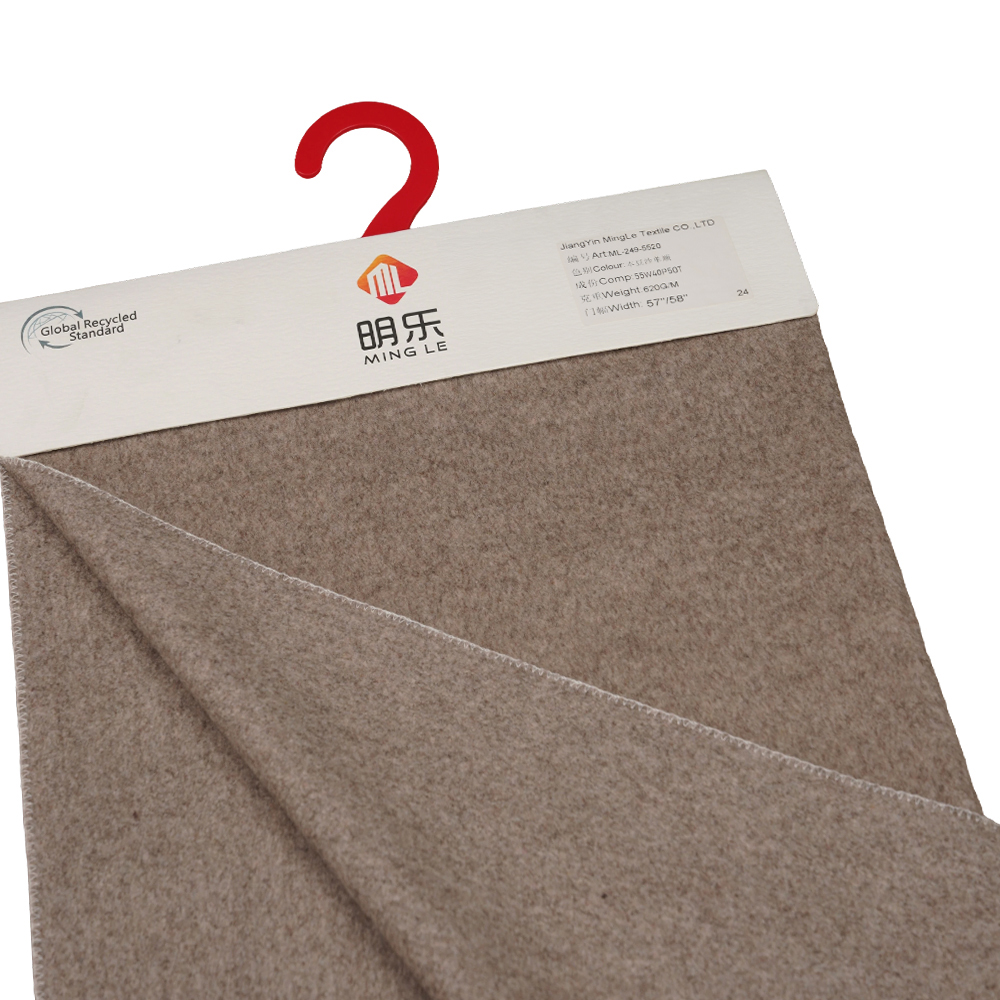
55% Wool 40% Polyester 5% other fiber620G/M Bean Sand single-face overcoating Fl...
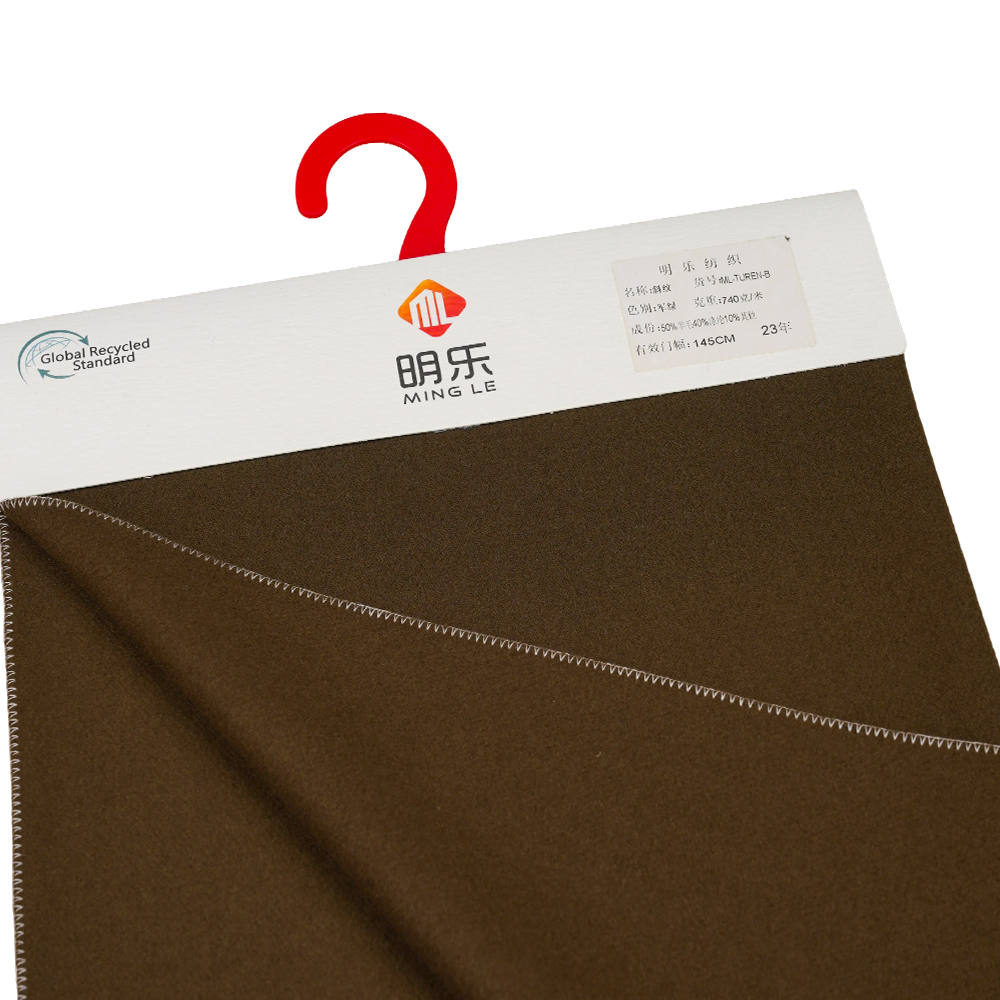
Military Green Twill Fabric: 740g Wool Blend, Suitable for Versatile UseThis mil...
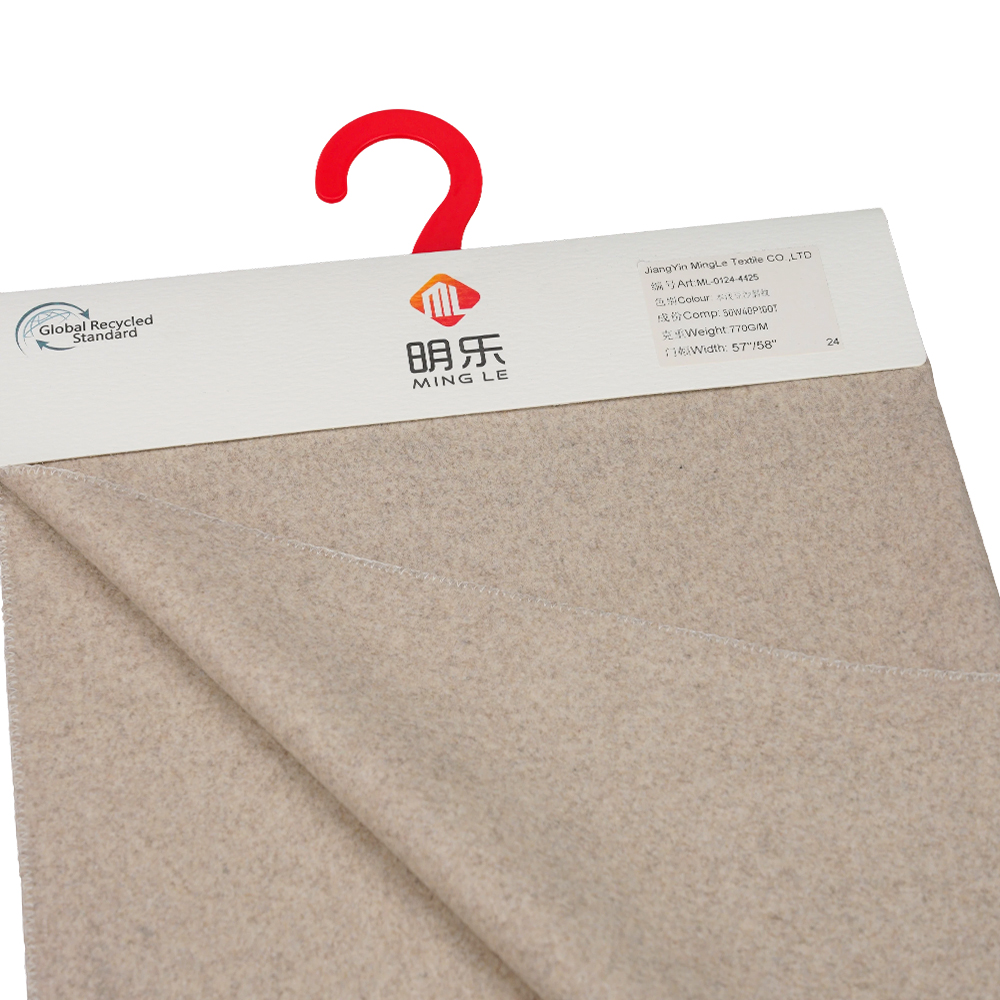
50% Wool, 40% Polyester, 10% other fiber, 770g/m Natural Light Bean Paste Twill ...
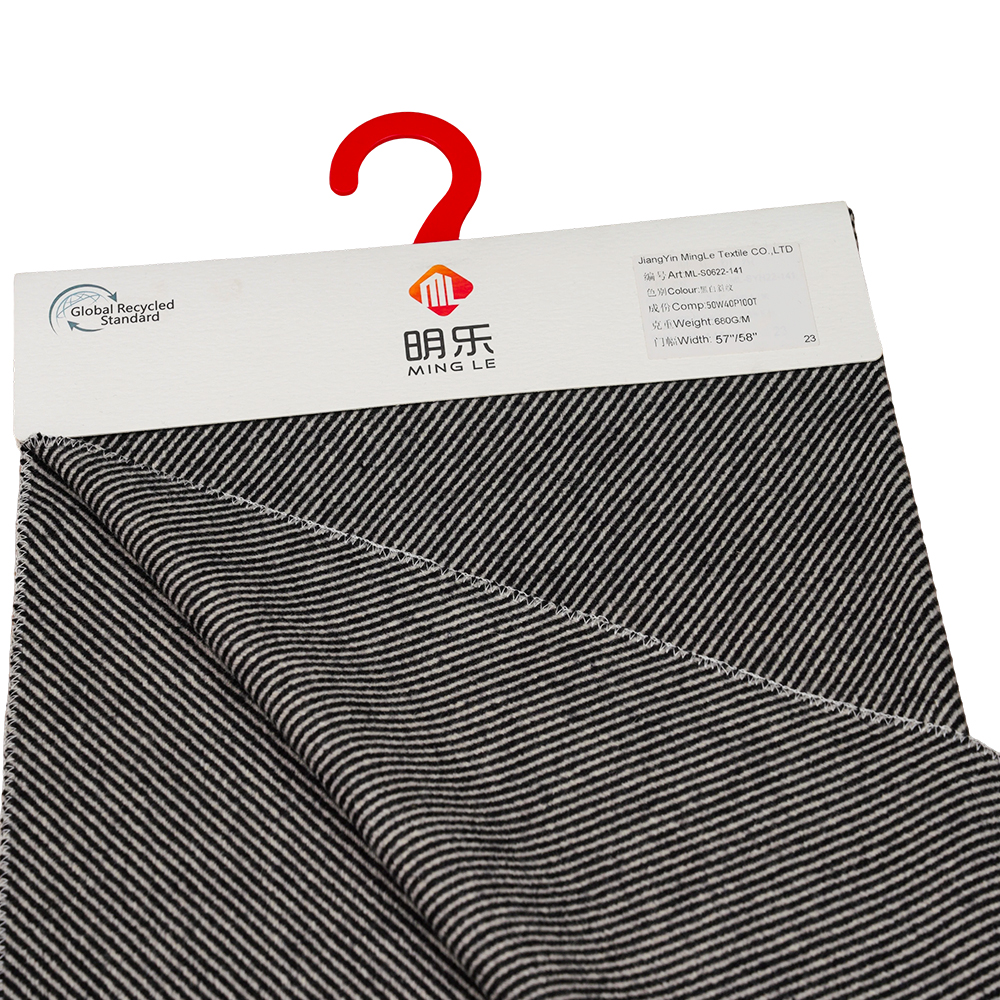
50% Wool 40% Polyester 10% other fiber680G/M Black White Twill Melton Fabric | S...
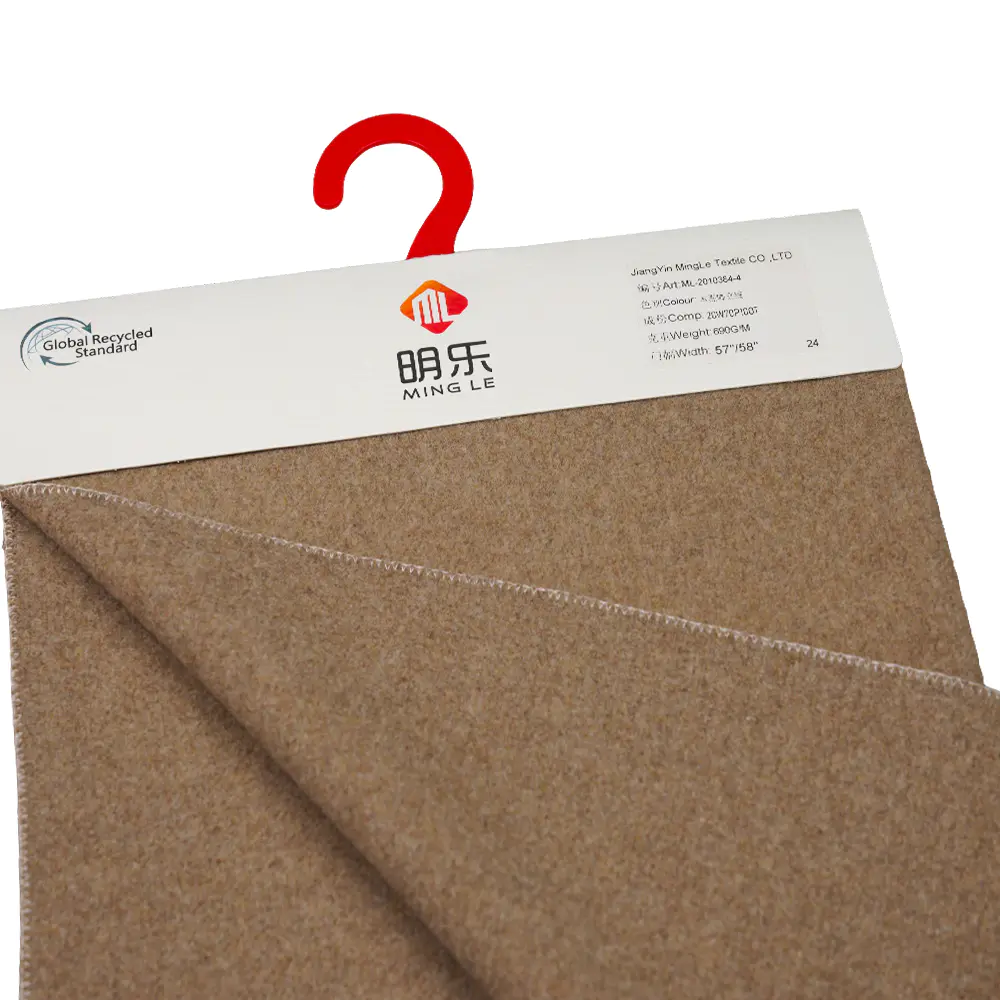
20% Wool 70% Polyester 690g Fleece Fabric: Earth Tones for Multiple Styling Scen...
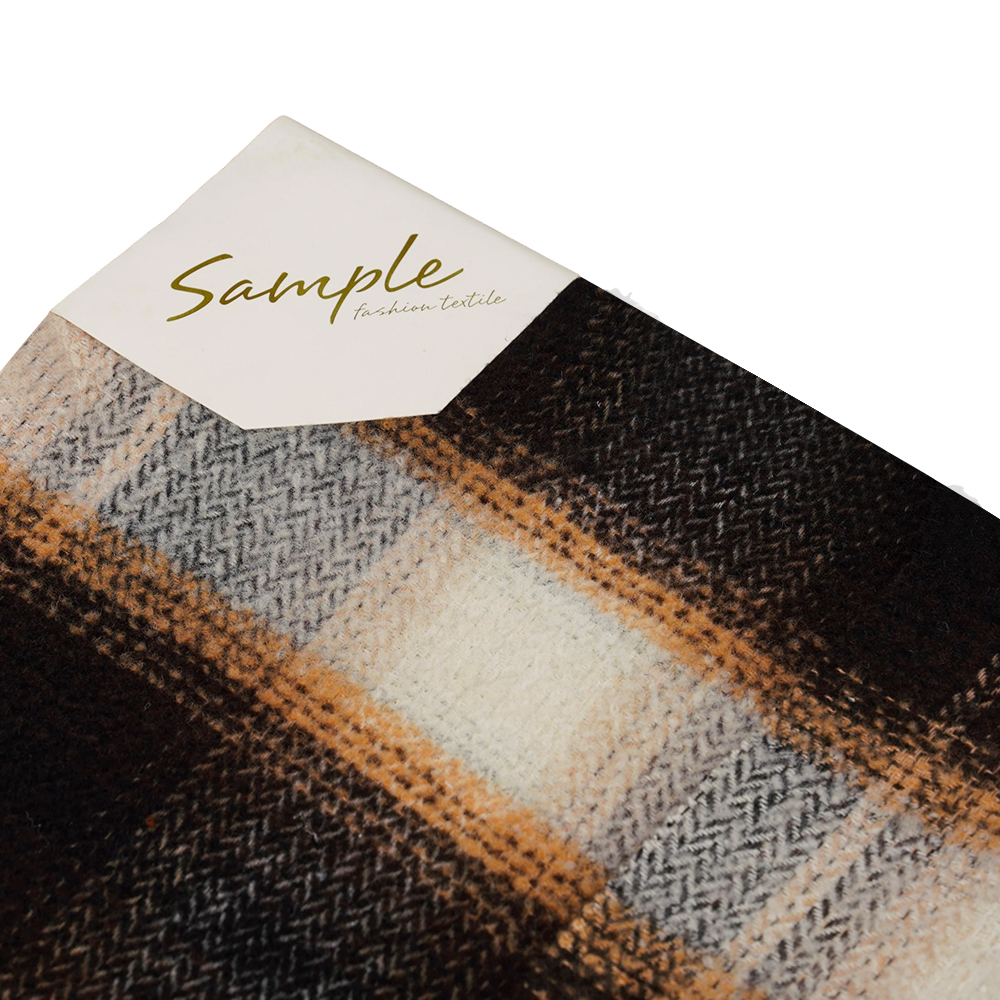
ML-8021071 Black and White Boucle Fabric: 40% Wool, 60% Polyester Blend, 540 g/m...
Unlike synthetic alternatives, which may rely on polyester or acrylic fibers, wool tweed fabric maintains natural breathability and moisture management. This quality ensures that garments retain comfort even in varying climates, making the fabric highly suitable for both outerwear and tailored clothing. Additionally, the tactile qualities of wool tweed fabric provide a premium hand feel, appealing to consumers who prioritize traditional craftsmanship and long-lasting performance.
Performance comparison of wool tweed fabric and synthetic alternatives:
| Property | Wool Tweed Fabric | Synthetic Tweed |
|---|---|---|
| Thermal insulation | Excellent, natural warmth retention | Moderate, may feel less insulating in cold climates |
| Moisture management | Breathable, absorbs and releases moisture efficiently | Limited breathability, may retain moisture |
| Durability | High resilience and long-term wear resistance | Good, but can degrade faster under friction |
| Hand feel | Soft yet structured, luxurious texture | Often smoother but less tactile depth |
| Environmental impact | Biodegradable and renewable | Non-biodegradable, petrochemical-based |
These distinctions illustrate why wool tweed fabric remains a preferred choice in high-end apparel, despite the cost efficiency of synthetic alternatives. The combination of tactile appeal, resilience, and eco-friendly properties gives natural wool fabrics a competitive advantage in markets emphasizing quality and sustainability.
In contrast, synthetic tweeds often achieve similar patterns through surface printing or uniform extrusion techniques. While visually consistent, these methods typically lack the dimensional depth and tactile interest that wool tweed fabric provides. The fabric's natural elasticity and memory further allow garments to retain shape, contributing to a premium look and feel that synthetic alternatives rarely match.
Comparison of longevity factors:
| Factor | Wool Tweed Fabric | Synthetic Tweed |
|---|---|---|
| Resistance to abrasion | High, suitable for outerwear and upholstery | Moderate, fibers may weaken over time |
| Shape retention | Excellent due to fiber elasticity | Varies, can become misshapen |
| Maintenance requirements | Requires careful cleaning but maintains quality long-term | Lower maintenance but may degrade faster |
| Longevity in high-stress use | 10+ years with proper care | 5-7 years |
Because of these properties, wool tweed fabric is widely preferred in bespoke tailoring, high-quality coats, and upholstery, whereas synthetic tweeds are often chosen for cost-sensitive applications where longevity is less critical.
Mingle Textile's approach includes solar panel integration on factory rooftops, partnerships with environmentally compliant dyeing facilities, and optimized resource usage in fiber regeneration and weaving. This commitment ensures that wool tweed fabric is not only high-quality but also responsibly produced. Synthetic alternatives, while energy-efficient in production, rely on petrochemical-based materials that are non-biodegradable and contribute to long-term environmental challenges.
In contrast, synthetic tweed alternatives are often confined to budget-conscious apparel or decorative applications where tactile quality and long-term performance are less critical. By maintaining strict quality standards and offering extensive customization options, Jiangyin Mingle Textile Co., Ltd. positions itself as a leading provider of premium wool tweed fabric for global markets.
This degree of customization ensures that wool tweed fabric meets both functional and aesthetic requirements, reinforcing its superiority over synthetic alternatives in premium markets.
Brands focused on quality and sustainability often view wool tweed fabric as a strategic investment. Companies like Jiangyin Mingle Textile Co., Ltd. integrate recycled fiber production with advanced weaving techniques to optimize both cost efficiency and environmental responsibility. This allows clients to access high-quality fabrics without excessive resource consumption.
By integrating sustainable production practices, advanced customization, and high-quality raw material selection, Jiangyin Mingle Textile Co., Ltd. demonstrates the enduring value and market relevance of wool tweed fabric. For brands seeking textiles that combine craftsmanship, performance, and environmental responsibility, wool tweed fabric remains an unmatched choice.
Q1: How do I maintain wool tweed fabric garments?
A1: Wool tweed fabric garments should be dry-cleaned or gently hand-washed with wool-specific detergents. Avoid wringing or high-temperature drying to preserve structure and texture.
Q2: Can wool tweed fabric be blended with other fibers?
A2: Yes, blends with silk, linen, or synthetic fibers are possible to adjust texture, weight, or cost while maintaining key wool characteristics.
Q3: What customization options are available for wool tweed fabric?
A3: Options include color matching, pattern design, jacquard weaving, double-faced structures, weight variations, and surface finishing for tactile and visual effects.
Q4: Is wool tweed fabric environmentally friendly?
A4: Yes, natural wool is biodegradable, renewable, and can be produced sustainably with proper energy and resource management practices.
Q5: How does wool tweed fabric compare to synthetic alternatives in terms of longevity?
A5: Wool tweed fabric generally outperforms synthetic alternatives, offering long-term durability, shape retention, and resistance to wear.
Q6: Can wool tweed fabric be used for home furnishings?
A6: Absolutely, wool tweed fabric is ideal for upholstery, cushions, throws, and decorative applications due to its resilience and aesthetic depth.
 +86 - 510 - 86373115
 +86 - 13812129532
 No. 118, Huancun West Road, Huaxi Fifth Village, Huashi Town, Jiangyin City, Wuxi City, Jiangsu Province, China



 English
 中文简体
中文简体