

 English
 中文简体
中文简体News
30% Wool 70% other fiber 630G/M Camel/Brown Herringbone single-face overcoating ...

Content
Overcoat wool fabric is a preferred material in high-end garment manufacturing due to its durability, thermal performance, and luxurious feel. B2B buyers, tailors, and textile engineers rely on its quality for producing professional and winter outerwear. Understanding fabric types, technical properties, and supplier reliability is essential for bulk procurement.
Durability is crucial for outerwear exposed to daily wear and outdoor conditions. The table below compares common wool types:
| Wool Type | Fiber Strength (MPa) | Abrasion Resistance | Cost |
| Merino | 20 | Moderate | High |
| Cashmere Blend | 15 | Low-Moderate | Very High |
| Wool Tweed | 25 | High | Moderate |
| Alpaca | 18 | Moderate | High |
Overcoat wool fabric thermal performance depends on fiber diameter, density, and weave. Merino and Alpaca offer excellent heat retention, while Tweed provides moderate insulation suitable for milder winter climates.
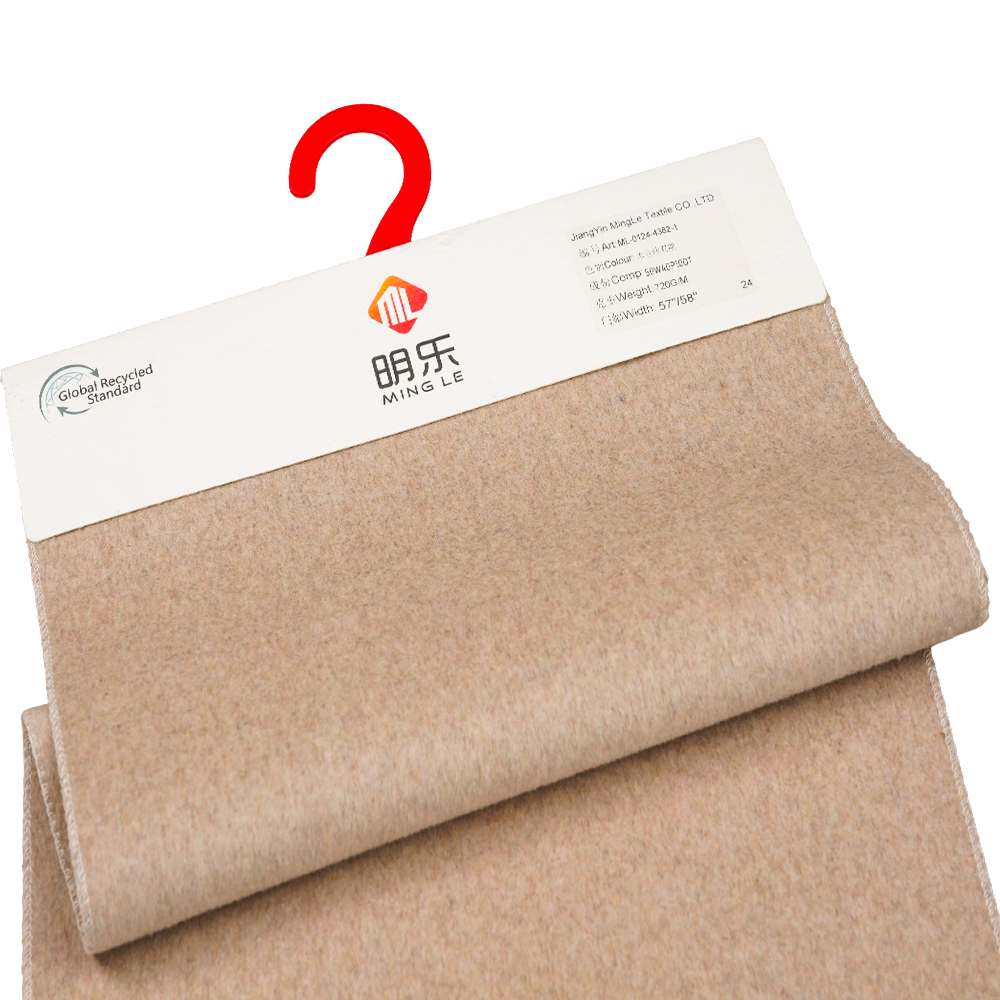
Overcoat wool fabric is ideal for producing tailored overcoats, trench coats, and casual jackets. Its natural drape and texture provide elegance and comfort.
Compared to polyester or acrylic alternatives, wool offers superior breathability, moisture management, and thermal performance. It is also more environmentally sustainable due to natural sourcing.
Avoid over-washing and high-heat exposure. Rotate garments to reduce wear in specific areas and maintain appearance.
While occasional home care is suitable for minor maintenance, professional dry cleaning preserves fiber structure and enhances longevity.
Select suppliers offering consistent quality, verified production standards, and bulk delivery capabilities. Inspect fabric samples for fiber density, weave quality, and colorfastness before placing large orders.
Compare suppliers and fabric types to optimize ROI. The table below illustrates common options:
| Supplier / Fabric Type | Fiber Strength (MPa) | Thermal Rating | Cost per Meter | Lead Time |
| Supplier A / Merino | 20 | High | $45 | 2 weeks |
| Supplier B / Wool Tweed | 25 | Moderate | $30 | 1 week |
| Supplier C / Cashmere Blend | 15 | High | $60 | 3 weeks |
Overcoat wool fabric provides unmatched durability, warmth, and aesthetic appeal. For B2B buyers and garment manufacturers, choosing the right type, understanding thermal performance, and selecting reliable suppliers ensures quality outerwear and maximizes ROI.
Merino and Alpaca wool offer superior insulation, while Tweed provides moderate warmth. Fabric choice depends on climate and garment design.
Regular brushing, airing, spot cleaning, and professional dry cleaning preserve fibers and prevent damage.
Fiber density, diameter, and weave affect insulation. Finer fibers like Merino retain heat efficiently, while coarser Tweed is suitable for moderate climates.
Reliable B2B suppliers with certifications, sample verification, and consistent bulk supply are recommended for high-quality procurement.
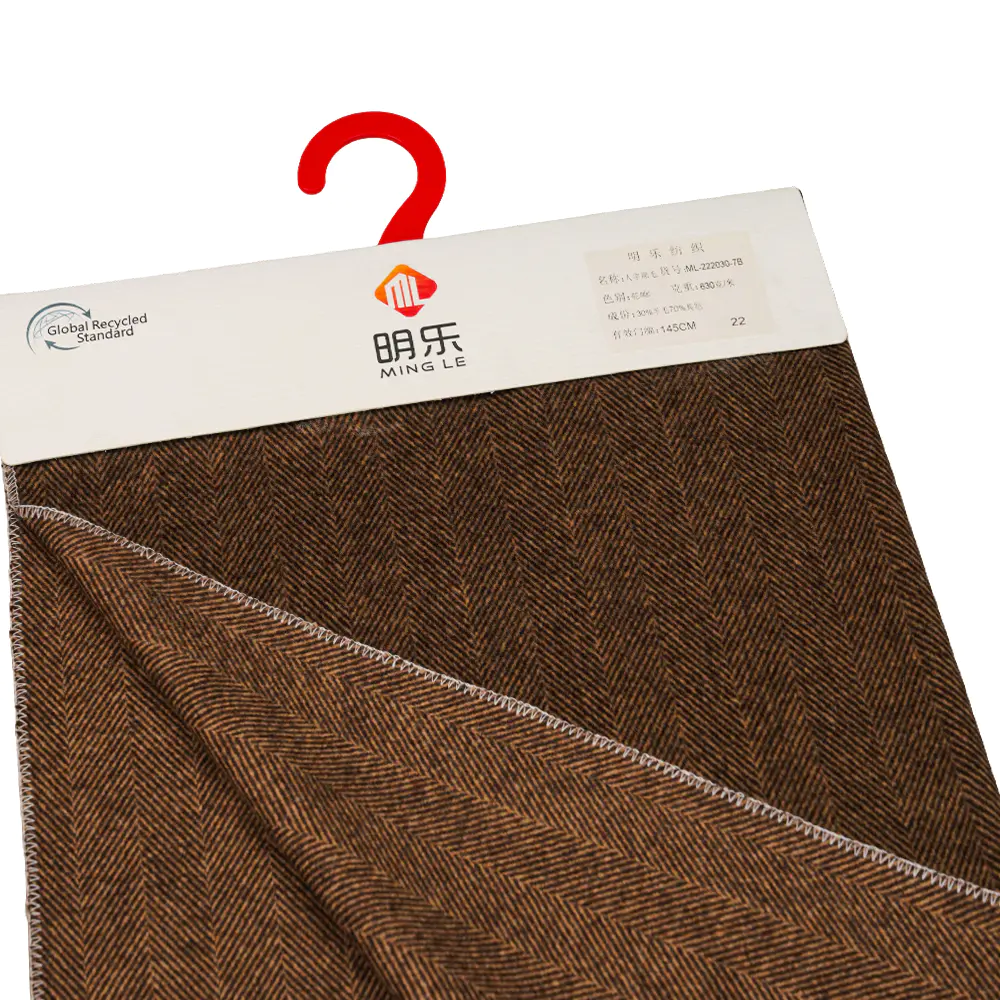
30% Wool 70% other fiber 630G/M Camel/Brown Herringbone single-face overcoating ...
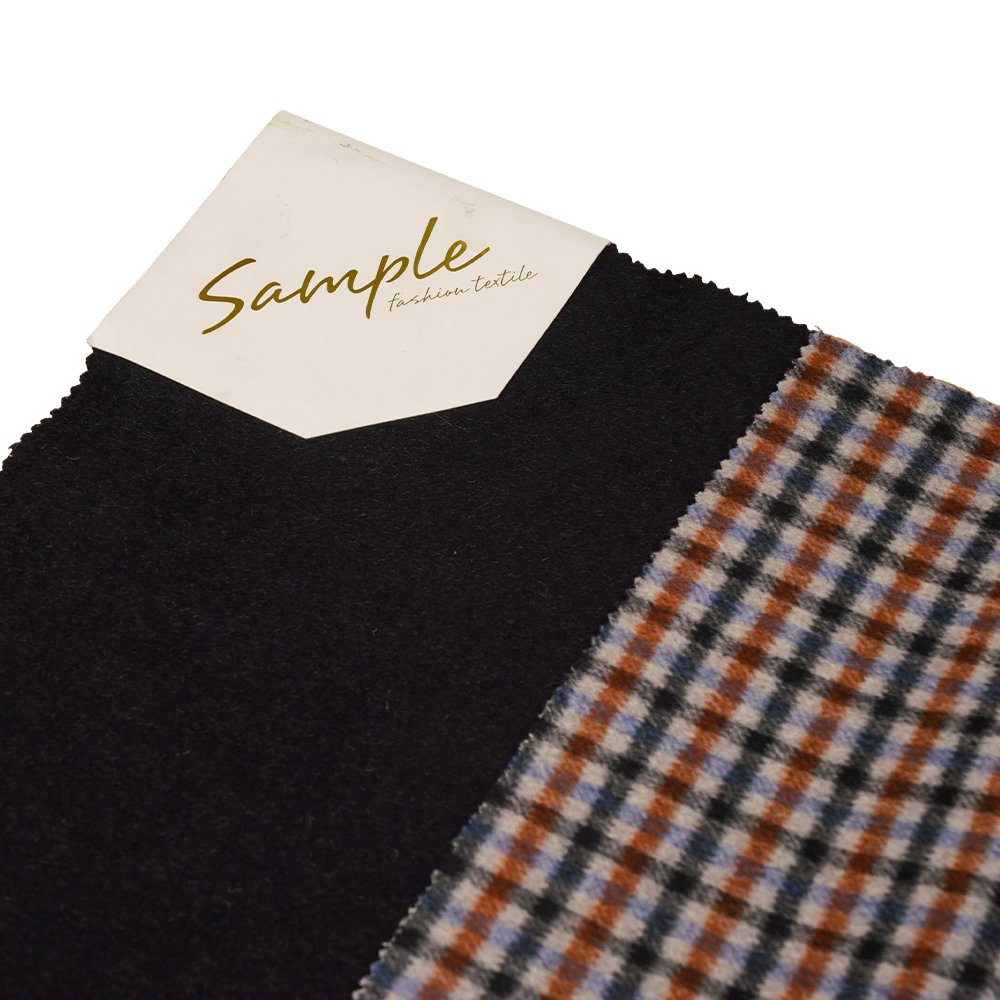
50% Wool 50% other fiber 780G/M Color Check Plaiddouble-face overcoating fabricF...
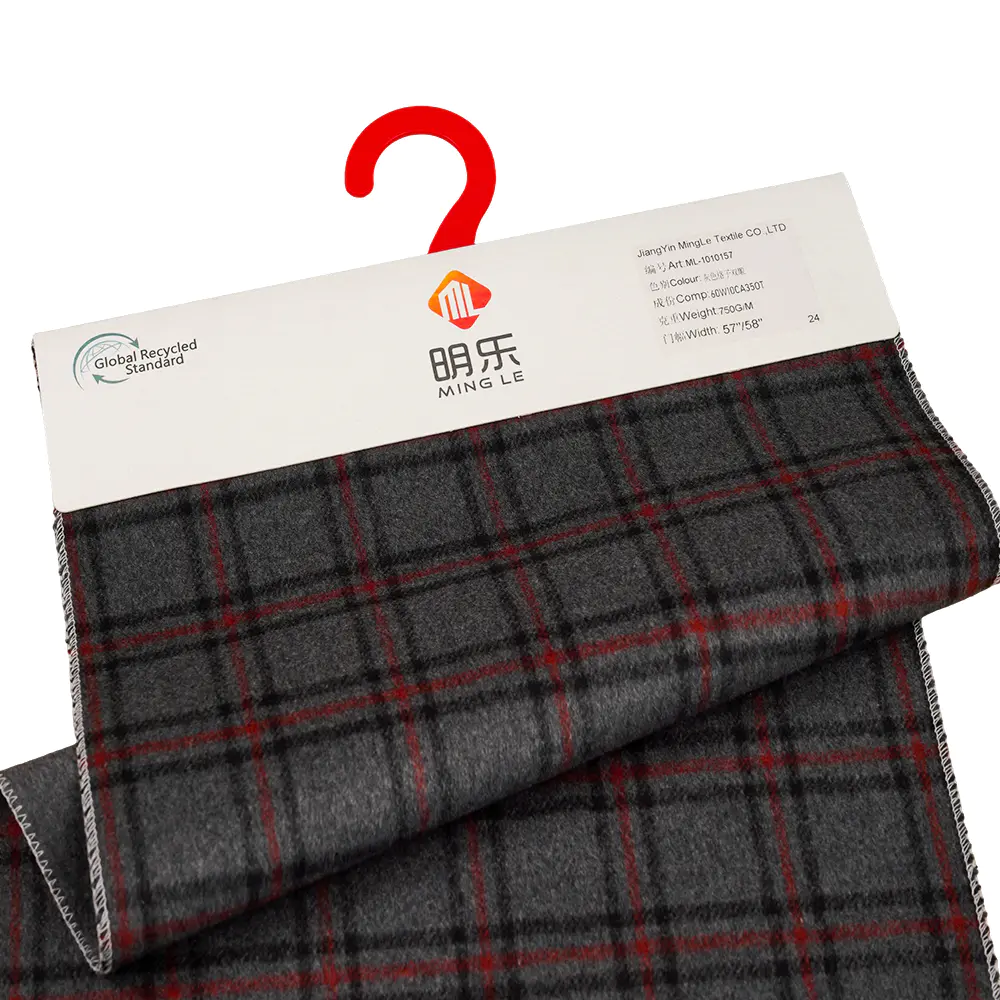
60% Wool 5% Cashmere 35% Synthetic Fabric Double-Sided Brushed Fabric: Gray Plai...
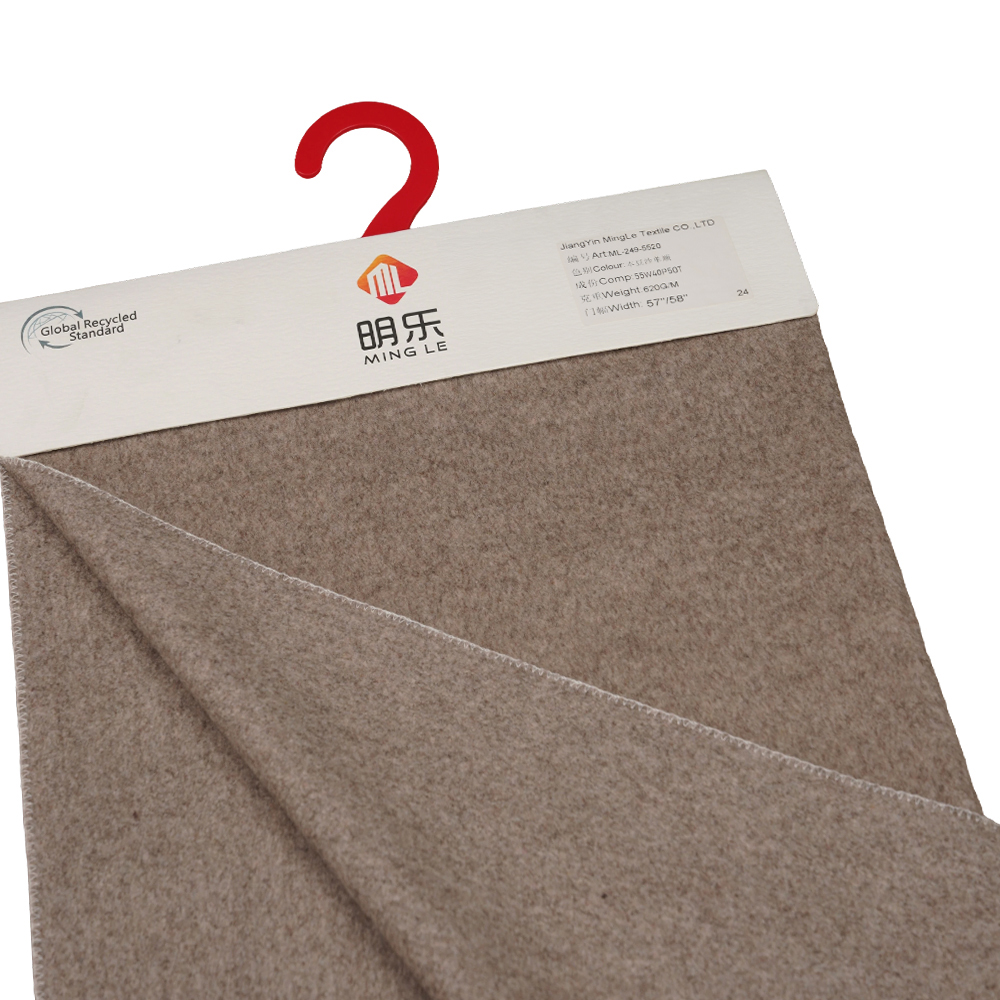
55% Wool 40% Polyester 5% other fiber620G/M Bean Sand single-face overcoating Fl...
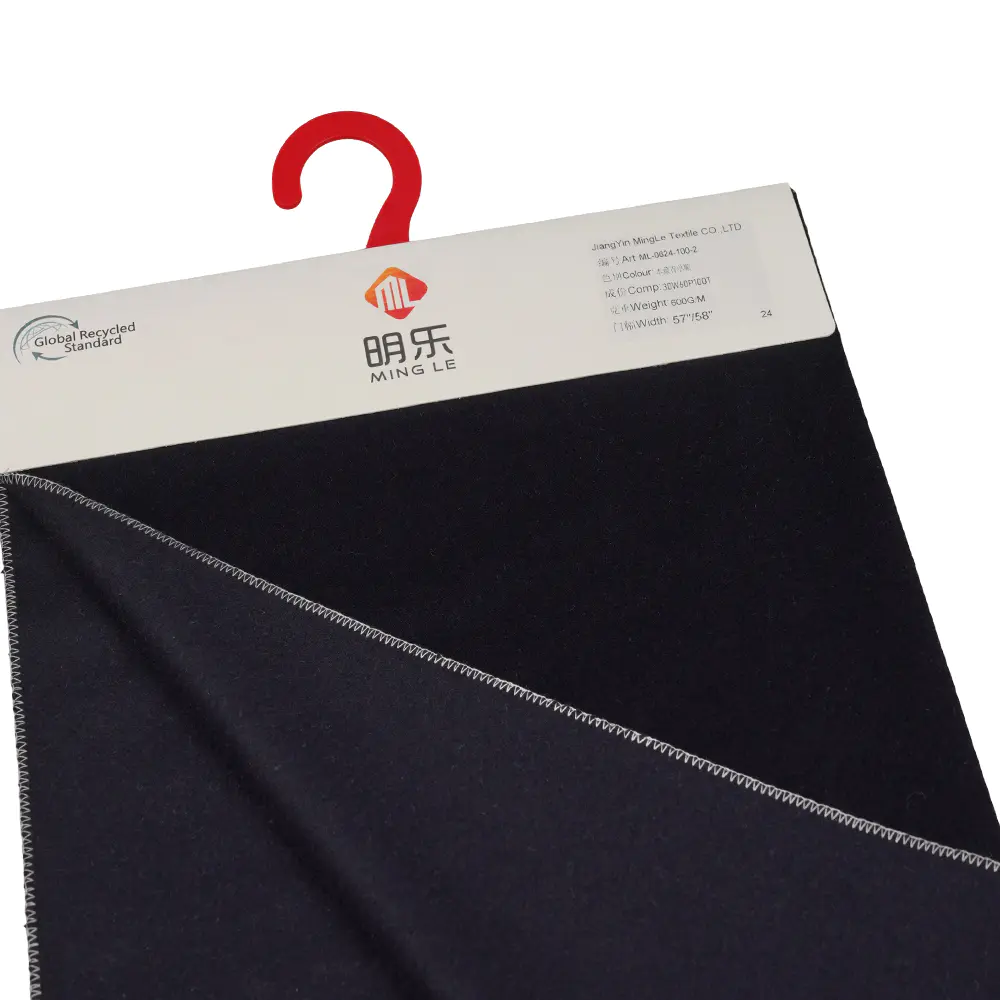
30% Wool, 60% Polyester, 10% other fiber, 600g/m Classic Navy Blue single-face o...
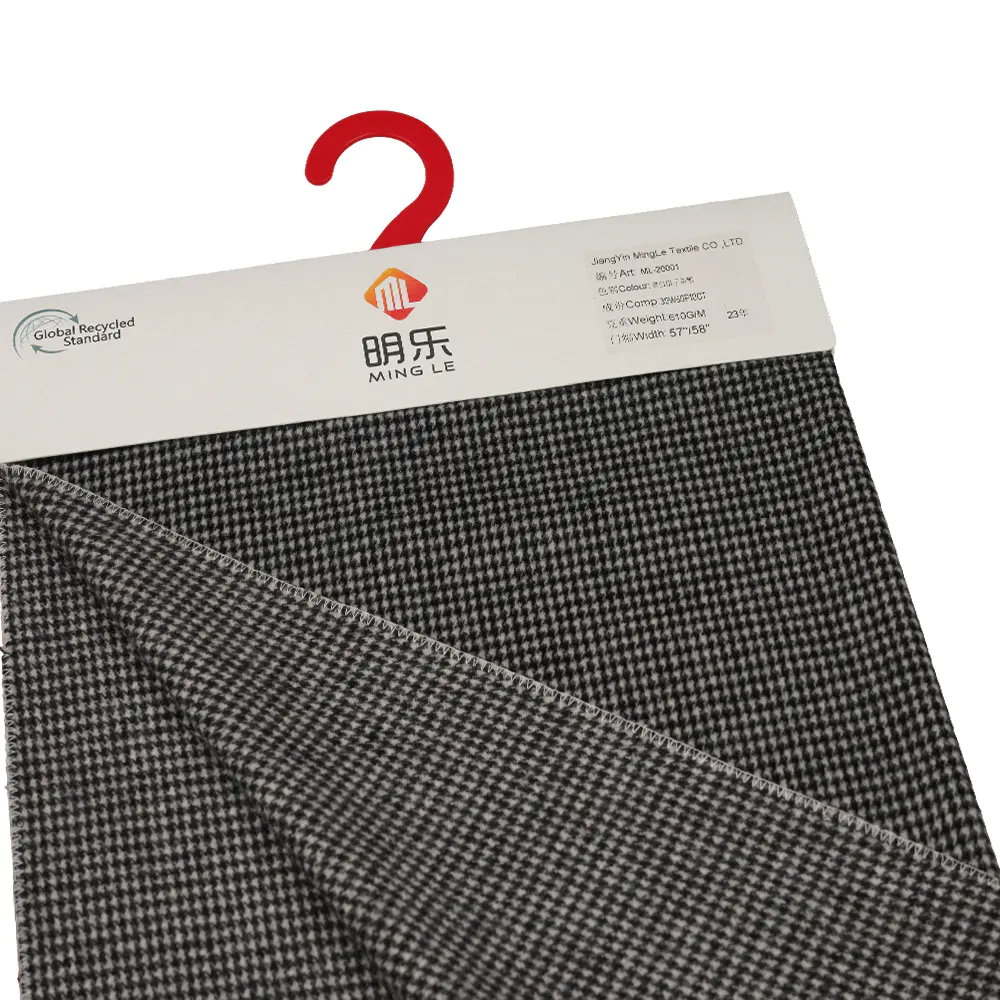
30% Wool 60% Polyester 10% other fiber610G/M Black White Plaid Single-Pile Fleec...
 +86 - 510 - 86373115
 +86 - 13812129532
 No. 118, Huancun West Road, Huaxi Fifth Village, Huashi Town, Jiangyin City, Wuxi City, Jiangsu Province, China


