

 English
 中文简体
中文简体News
20% Wool 70% Polyester 690g Fleece Fabric: Earth Tones for Multiple Styling Scen...

Content
In the global textile market, the demand for natural performance fibers continues to grow. Wool pile fabric stands out due to its unique combination of thermal insulation and moisture-wicking properties. Unlike flat woven textiles, pile fabrics feature a raised surface of upright loops or strands. This structure creates air pockets that trap heat effectively. For engineers and designers, understanding the density and micron count of the wool used is essential for determining the fabric's final application in luxury fashion or industrial upholstery.
Thermal regulation is the primary reason why designers favor natural fibers over synthetics. A wool pile fabric vs synthetic fleece warmth comparison shows that wool maintains its insulating properties even when damp. Synthetic fleece often loses its loft when wet, but the protein structure of wool fibers allows them to absorb up to 30% of their weight in moisture without feeling cold. Furthermore, designers often utilize double sided wool pile fabric for winter coats to provide maximum warmth without adding excessive weight. This double-faced construction allows for clean, unlined finishes that highlight the material's premium drape.
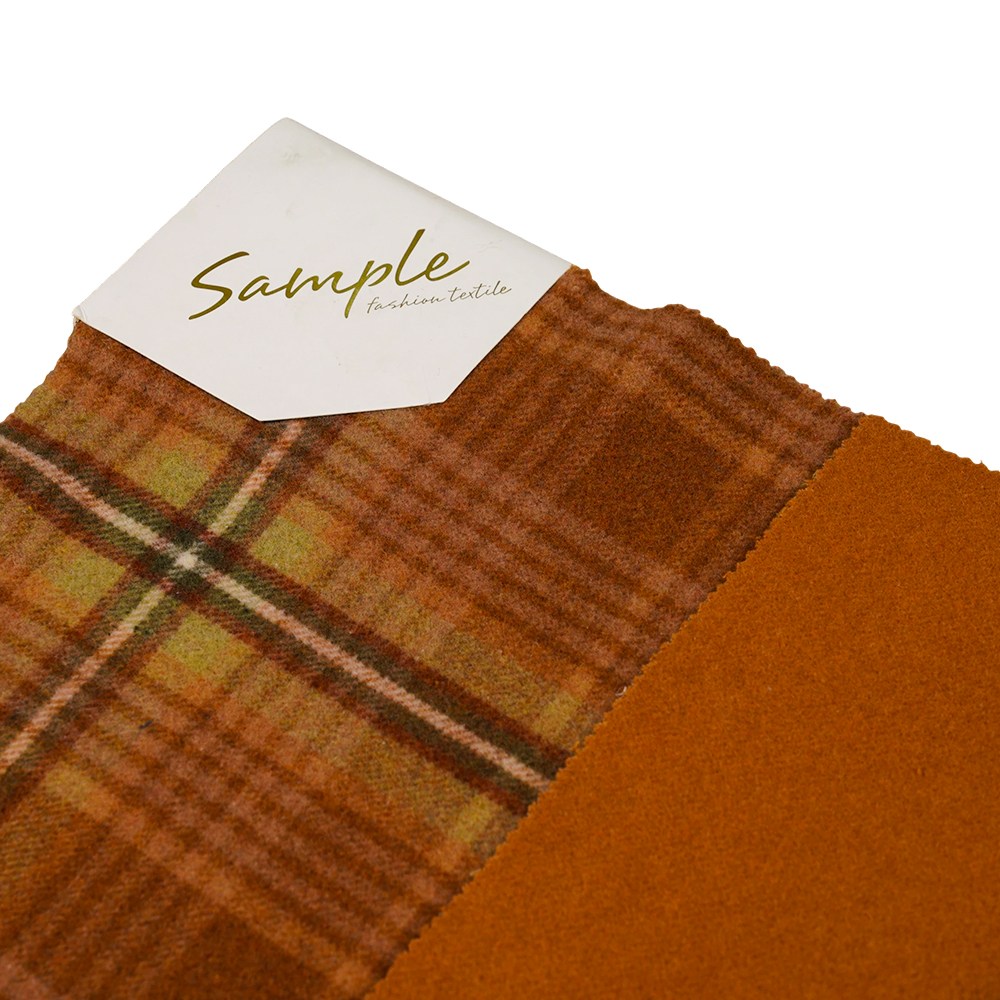
Wool pile offers superior breathability and odor resistance, whereas synthetic fleece is lighter but prone to static and microplastic shedding.
| Technical Property | Natural Wool Pile | Synthetic Polyester Fleece |
| Thermal Regulation | Active (Reacts to body temp) | Passive (Insulates only) |
| Moisture Management | High (Absorptive) | Low (Wicking only) |
| Fire Resistance | Naturally Flame Retardant | Melts under high heat |
| Sustainability | Biodegradable | Non-biodegradable |
Modern consumers demand transparency in the supply chain. The production of sustainable wool pile fabric for eco-friendly apparel focuses on reducing water consumption and using non-toxic dyes. Many manufacturers now integrate recycled wool fibers into their weaving processes. This circular approach reduces landfill waste while maintaining the luxurious feel of the fabric. Technical advancements in fiber processing ensure that recycled wool remains strong enough for high-end garment production.
Jiangyin Mingle Textile Co., Ltd. was established in October 2006. The company is a dedicated manufacturer of coarse spun fabrics. It specializes in the production of flannel, melton, and tweed. Over the years, Mingle Textile has evolved into a specialized enterprise that integrates the production of recycled fibers, spinning, and weaving. The company maintains a strong focus on professional management and industrial-scale production.
Wool is not limited to clothing. Purchasing heavyweight wool pile fabric wholesale for upholstery is a common practice for contract interior projects. Heavyweight wool is naturally durable and resists pilling better than many synthetic blends. In commercial spaces like hotels or offices, the acoustic properties of wool pile help to dampen sound, making it an excellent choice for wall panels and heavy drapery. These fabrics must undergo rigorous Martindale abrasion testing to ensure they can withstand high-traffic use.
Proper care is essential to preserve the loft and soft hand-feel of woolen textiles. Knowing how to wash and care for wool pile fabric garments prevents shrinkage and fiber damage. Wool fibers have scales that can interlock and cause felting if exposed to heat and agitation. Therefore, most high-pile woolen fabrics require professional dry cleaning or careful hand washing in cool water with pH-neutral detergents.
Q1: Is wool pile fabric itchy against the skin?
The "itchiness" depends on the fiber diameter. High-quality wool pile uses fine microns that are soft and comfortable for direct skin contact.
Q2: Why is double-sided wool more expensive?
It requires a specialized weaving process that joins two layers of fabric together. This creates a thicker, more durable material with two usable faces.
Q3: Can wool pile fabric be recycled again?
Yes, wool is one of the most recyclable fibers. It can be mechanically shredded and spun into new yarns for coarse fabrics like melton or tweed.
Q4: How does wool pile react to fire?
Wool is naturally flame-resistant. It has a high ignition temperature and typically self-extinguishes rather than melting like polyester.
Q5: What is the best weight for a winter coat?
For heavy winter coats, a fabric weight between 500gsm and 800gsm is usually recommended for optimal wind resistance and warmth.
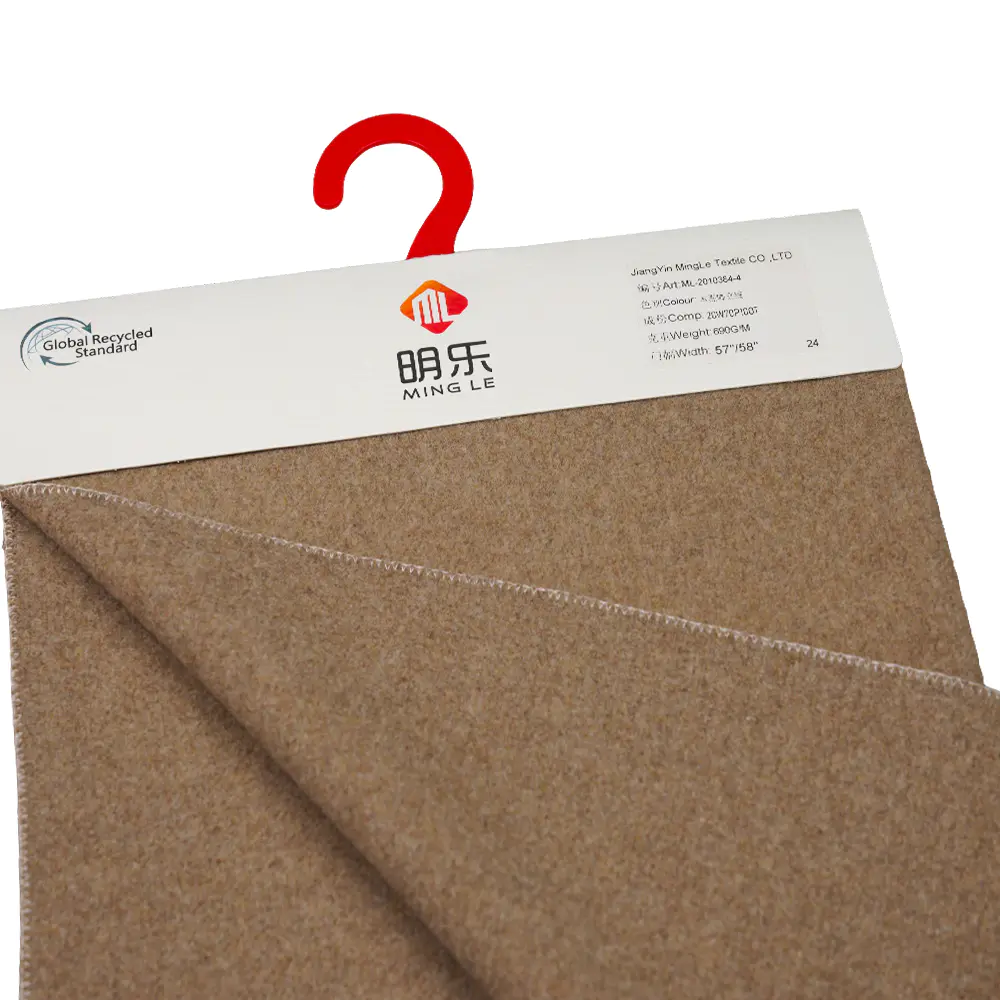
20% Wool 70% Polyester 690g Fleece Fabric: Earth Tones for Multiple Styling Scen...
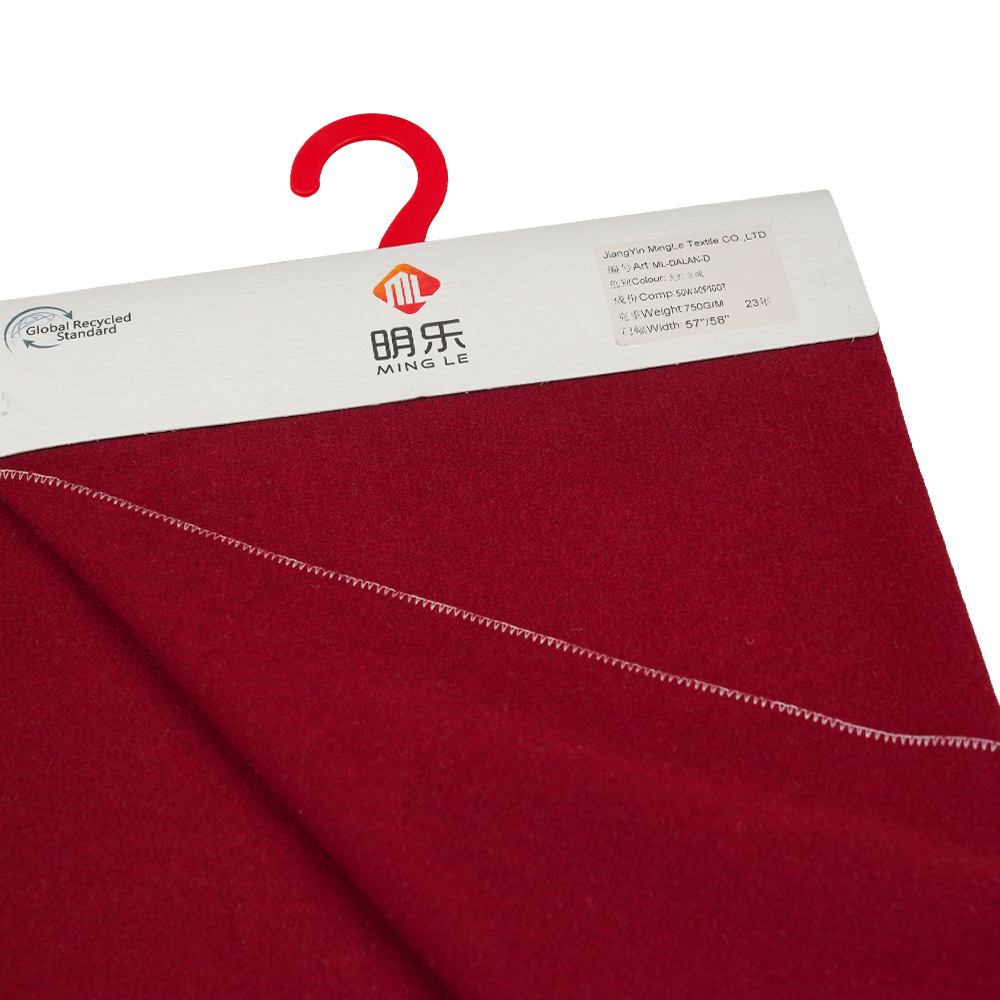
50% Wool 40% Polyester 10% other fiber 750G/M Bright Red Pile Fabric – Professio...
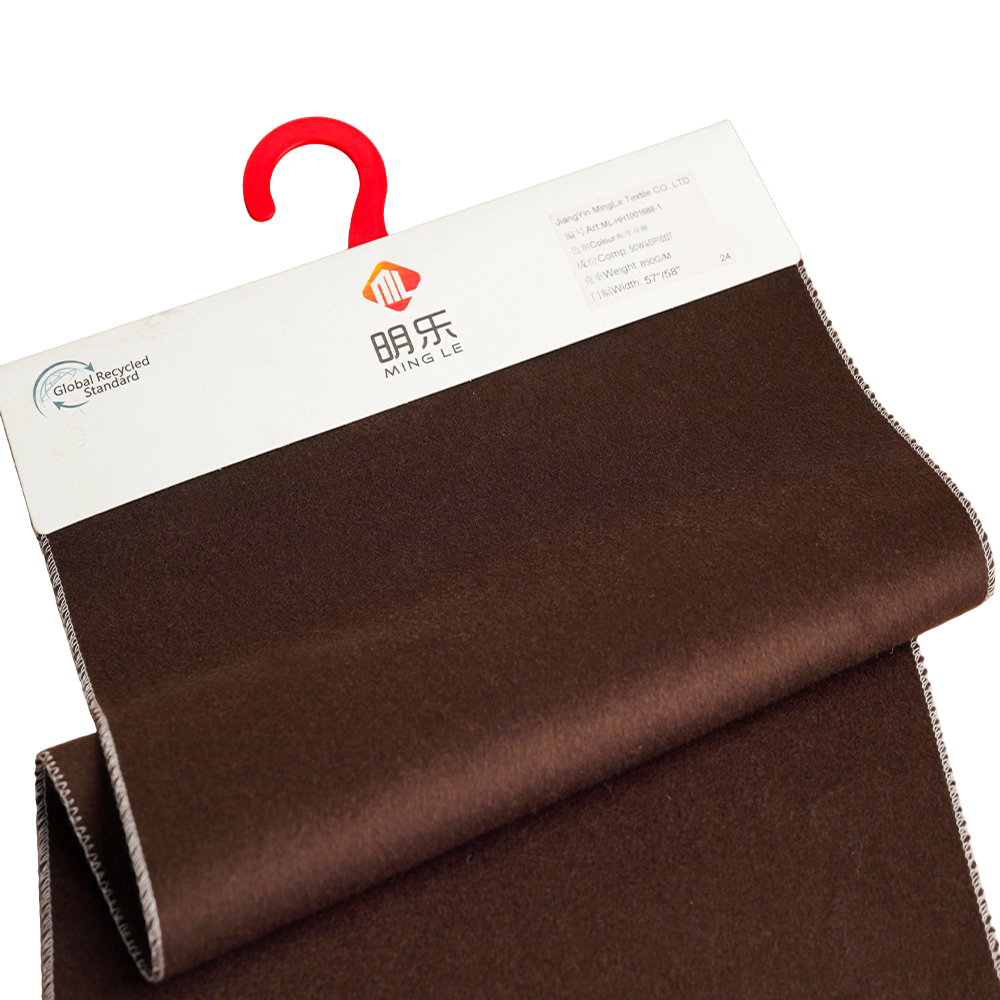
ML-HH1001688-1 Coffee Solid Color Double-face Overcoating Fabric: 850g/m, 50% Wo...
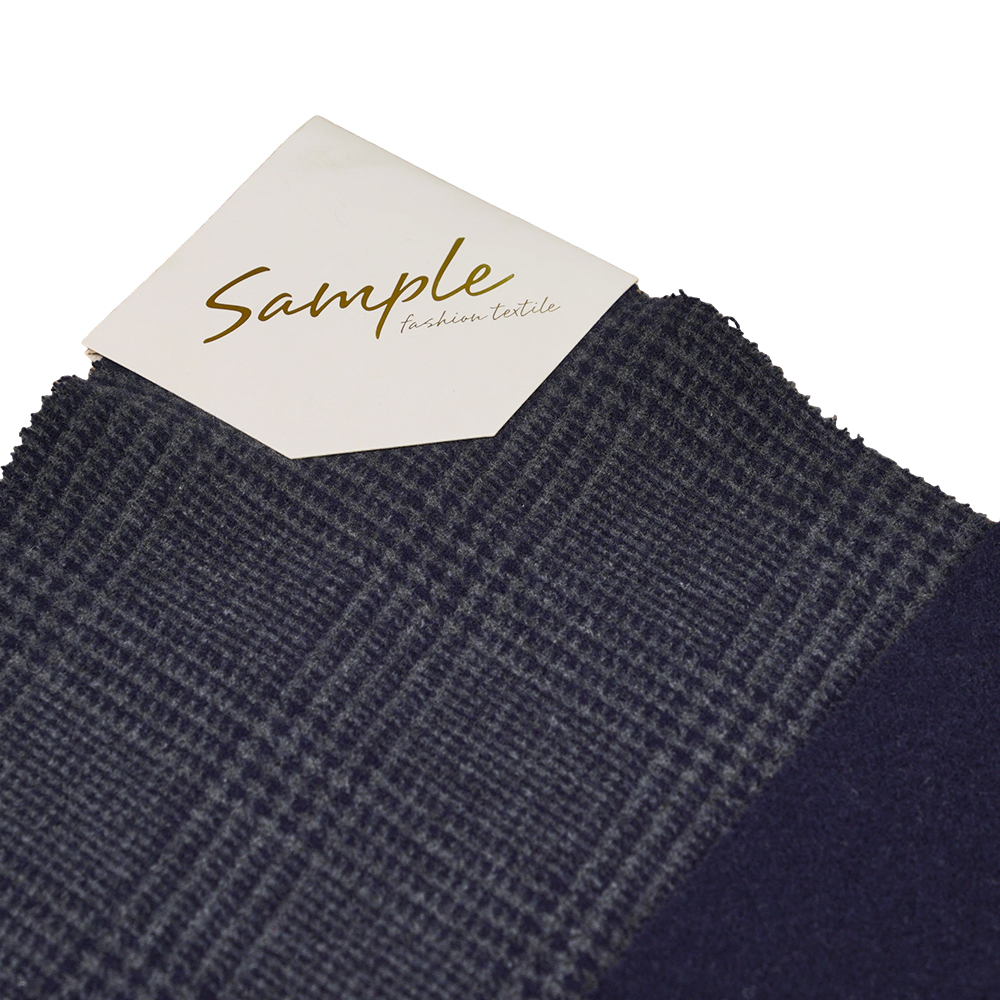
55% Wool 45% Other 645G/M Navy Blue Double-faced Velvet Fabric – Double-sided De...
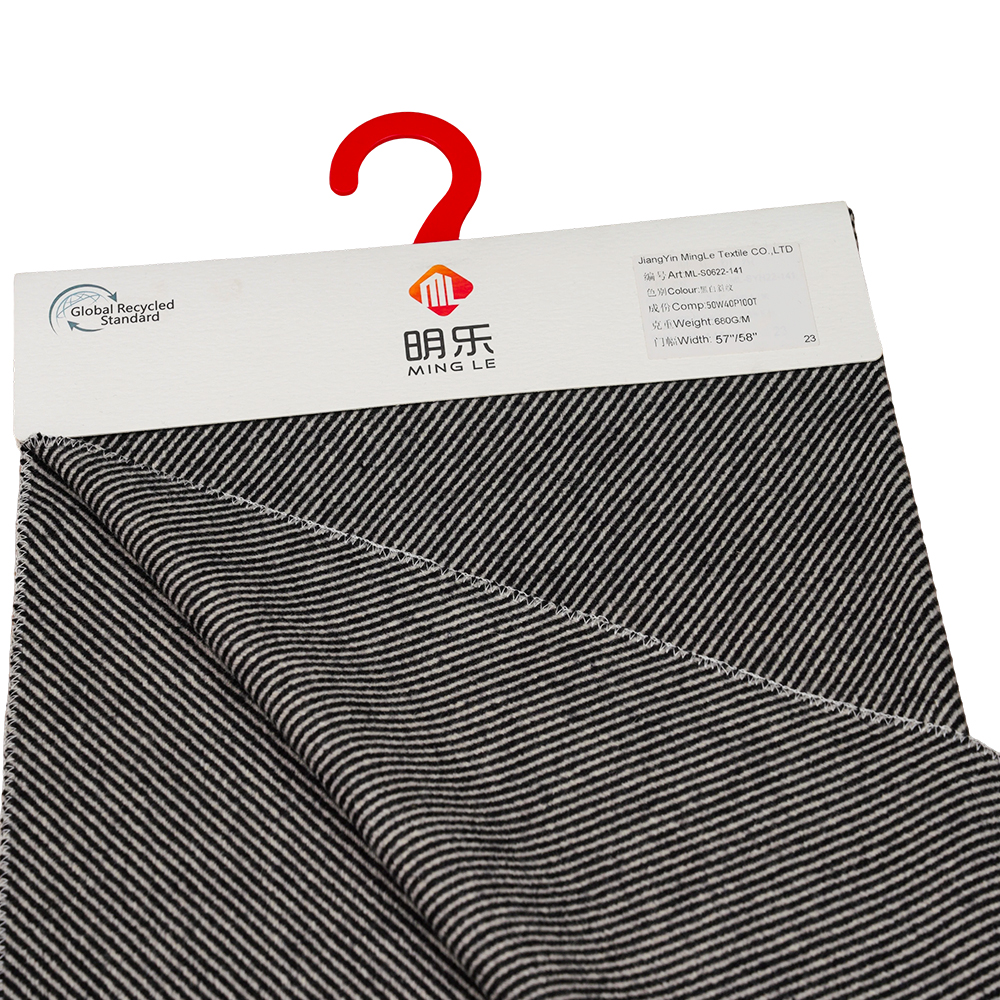
50% Wool 40% Polyester 10% other fiber680G/M Black White Twill Melton Fabric | S...
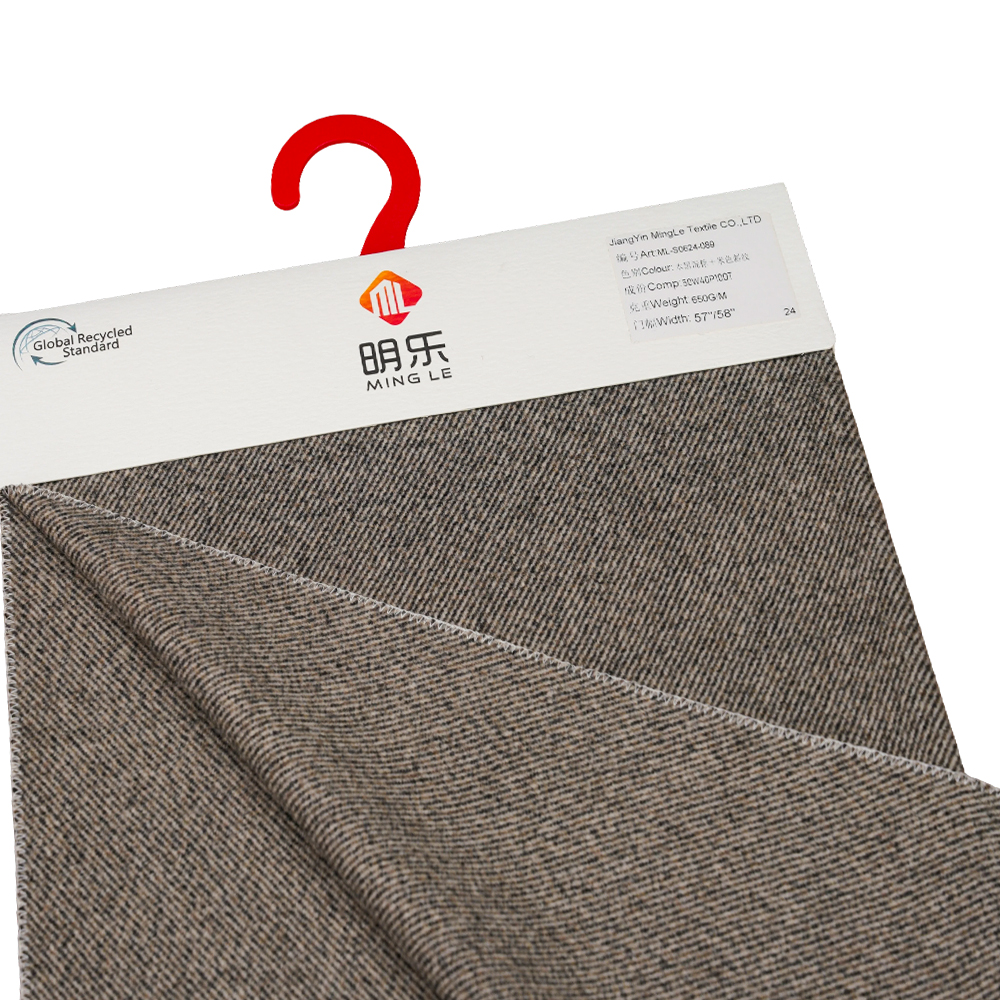
ML-S0624-089 650g/m Off-Black Blend Brown + Beige Twill Wool Fabric: Classic bla...
 +86 - 510 - 86373115
 +86 - 13812129532
 No. 118, Huancun West Road, Huaxi Fifth Village, Huashi Town, Jiangyin City, Wuxi City, Jiangsu Province, China


