

 English
 中文简体
中文简体News
Gray Twisted Wool-Melton Fabric: 630g Weight Wool Blend for Versatile Business a...

Content
Melton Wool Coating Fabric remains one of the most reliable materials for structured outerwear. Designers and wholesale buyers prefer this fabric because it delivers density, wind resistance, and long-term durability. Professional sourcing teams must evaluate fiber composition, weight, finishing process, and export standards before placing bulk orders. This guide explains the technical parameters that define performance and helps B2B buyers make informed decisions.
Melton Wool Coating Fabric is typically produced using coarse spun yarns. Manufacturers often use 100% wool or wool-blend compositions. Wool provides insulation and elasticity. Synthetic blends improve abrasion resistance and reduce cost.
Pure wool offers higher thermal retention, while blended wool improves dimensional stability. Buyers should select fiber ratios based on garment positioning.
| Fiber Type | Thermal Performance | Durability | Cost Level |
| 100% Wool | Excellent | Moderate | High |
| Wool/Polyester Blend | Very Good | High | Moderate |
Manufacturers full the woven fabric through controlled moisture, heat, and pressure. This process closes the weave structure and creates a dense surface. The finishing process removes visible twill lines and produces a smooth face.
A properly fulled fabric shows minimal fraying on cut edges. An under-processed fabric shows visible weave lines and lower wind resistance.
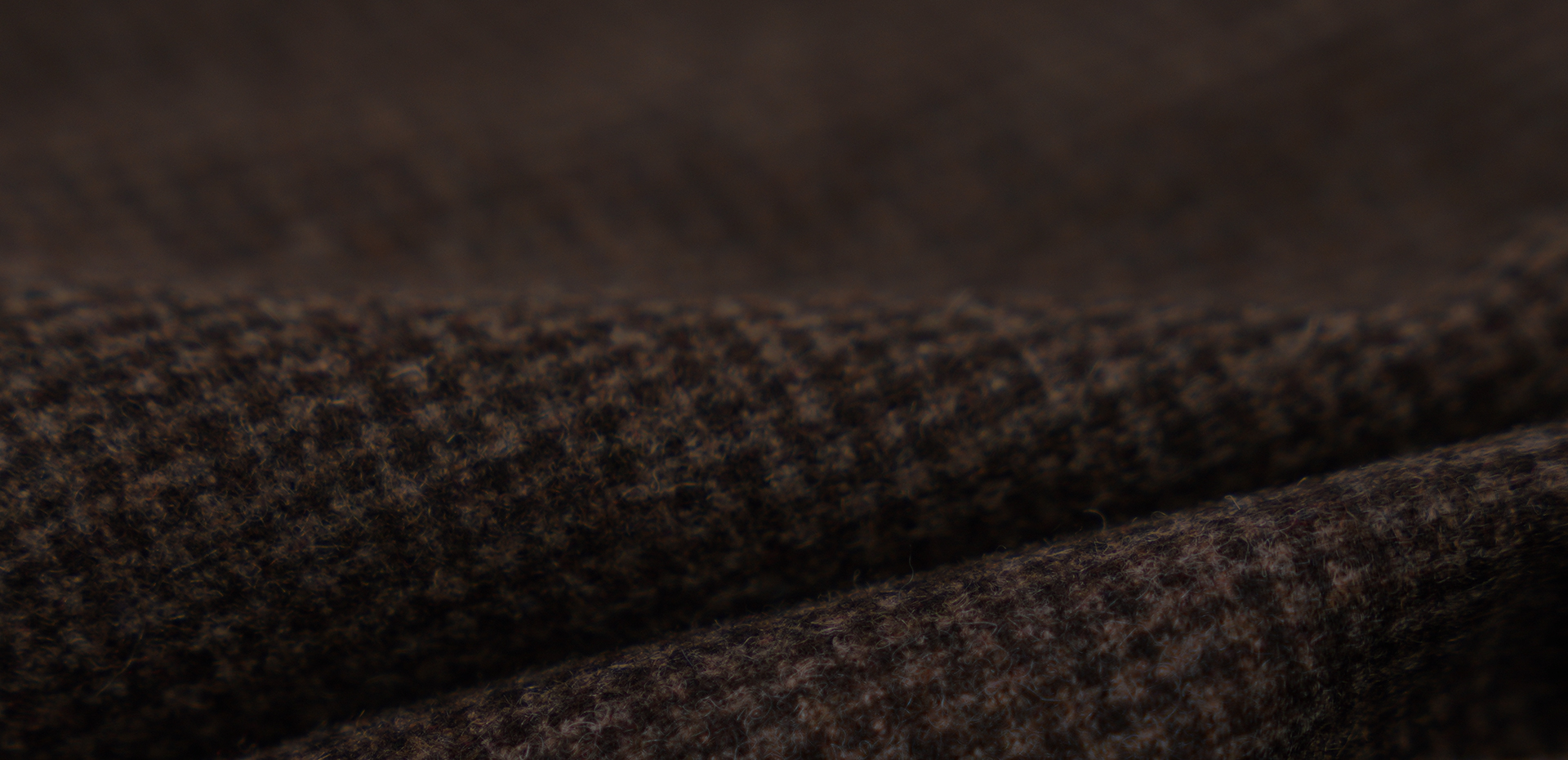
Regular wool coating fabric maintains visible weave texture. Melton undergoes additional milling, which increases compactness. Melton therefore offers better wind blocking and improved structural shape retention.
| Feature | Regular Wool Coating | Melton Wool |
| Surface Texture | Visible weave | Smooth and compact |
| Wind Resistance | Moderate | High |
| Edge Fraying | More likely | Minimal |
Heavy weight Melton wool coating fabric for winter coats usually ranges between 600 GSM and 900 GSM. A 600 GSM fabric suits urban winter coats. An 800–900 GSM fabric suits extreme cold climates.
A heavier fabric improves insulation but reduces breathability. Designers must balance garment weight with wearing comfort. Buyers should request thermal resistance data when available.
| Parameter | 600 GSM | 900 GSM |
| Warmth Level | High | Very High |
| Garment Weight | Moderate | Heavy |
| Best Use | City overcoats | Extreme winter outerwear |
Professional suppliers of Melton wool coating fabric by the yard wholesale typically require minimum order quantities between 500 and 1000 meters per color. Lead time usually ranges from 25 to 45 days depending on greige availability and dyeing schedule.
Bulk purchasing reduces per-meter cost. Small sampling reduces inventory risk. Buyers should test shrinkage rate, color fastness, and pilling resistance before confirming mass production.
| Order Type | Cost Efficiency | Risk Level |
| Bulk Order | High | Inventory risk |
| Sample Order | Lower efficiency | Low risk |
A double face Melton wool coating fabric supplier provides fabrics with two finished surfaces. Designers can create unlined coats with clean internal seams. Double-faced fabric reduces total garment weight while maintaining warmth.
Bonded double-face fabrics glue two layers together. Woven double-face fabrics integrate both layers during weaving. Woven construction shows better durability and flexibility.
| Construction | Bonded | Woven Double Face |
| Durability | Moderate | High |
| Flexibility | Lower | Better drape |
Premium Melton wool coating fabric for military coats requires high tensile strength and abrasion resistance. Military garments demand structural integrity and long service life.
Military applications require strict color consistency. The dyeing process must achieve high color fastness to light and washing.
| Requirement | Commercial Grade | Military Grade |
| Abrasion Resistance | Standard | High |
| Color Fastness | Grade 3–4 | Grade 4–5 |
Durable Melton wool coating fabric for overcoats resists surface pilling due to its compact structure. The milling process locks fibers tightly and reduces fuzz formation.
The dense construction blocks cold air penetration. Overcoat manufacturers prefer Melton because it maintains shape even after repeated wear.
Jiangyin Mingle Textile Co., Ltd. was established in 2006. The company specializes in coarse spun fabrics including melton, flannel, smooth wool, double-faced woolens, and tweed. The company integrates recycled fiber production, spinning, and weaving into one industrial system.
The company exports products to Japan, Korea, Europe, and the United States. The company focuses on professional management and industrial-scale production. The company also provides customization based on client samples and technical specifications.
A fabric between 700 and 900 GSM provides strong insulation for cold climates.
Melton may shrink if it is not pre-treated. Manufacturers usually control shrinkage through finishing processes.
Double-face Melton works well for unlined coats because both sides are finished surfaces.
Buyers should request abrasion resistance data, pilling test results, and tensile strength reports.
A wool blend improves durability and reduces cost, while 100% wool offers better natural warmth.
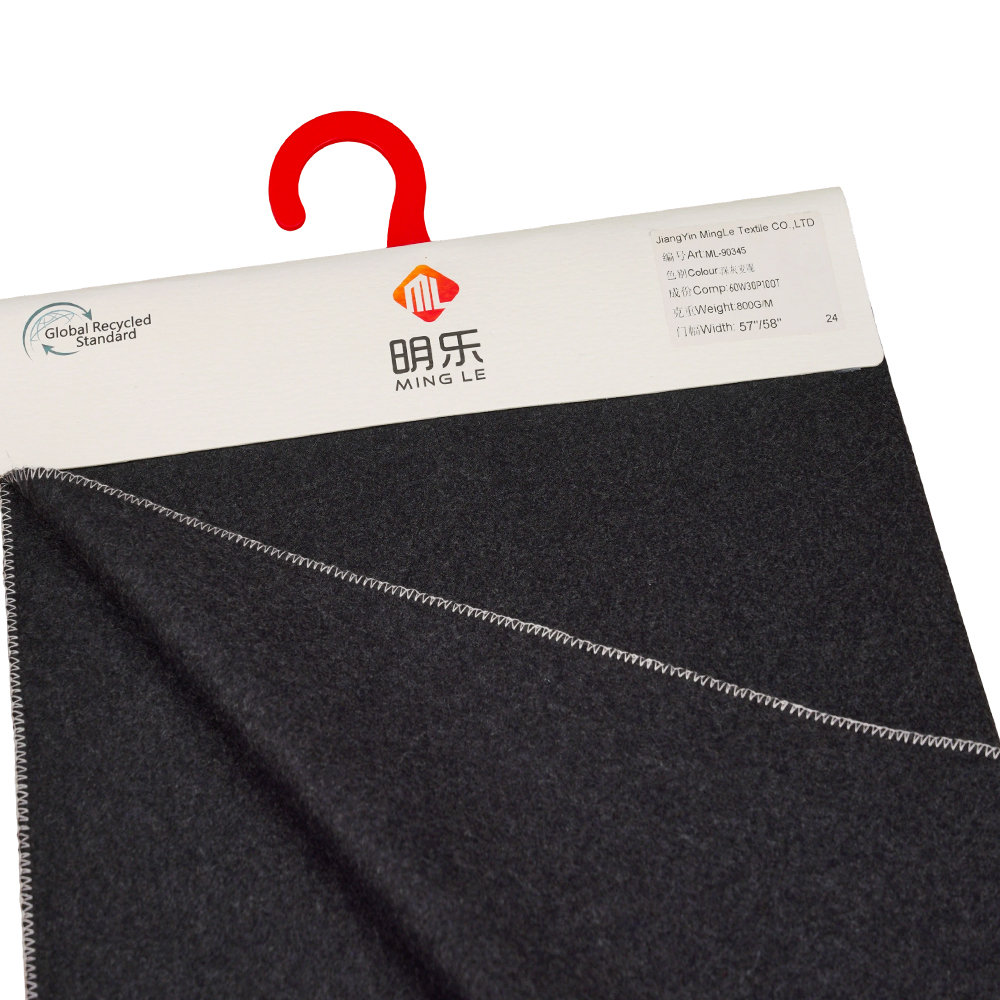
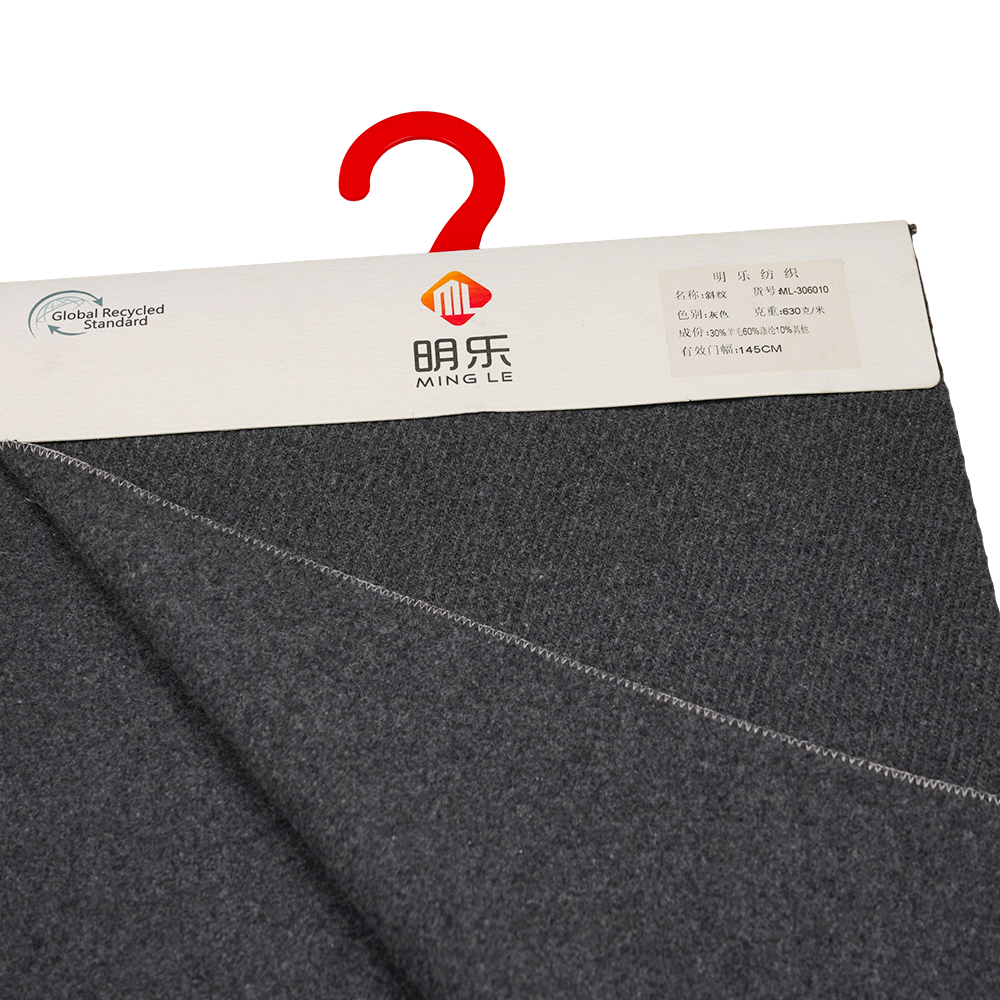
Gray Twisted Wool-Melton Fabric: 630g Weight Wool Blend for Versatile Business a...
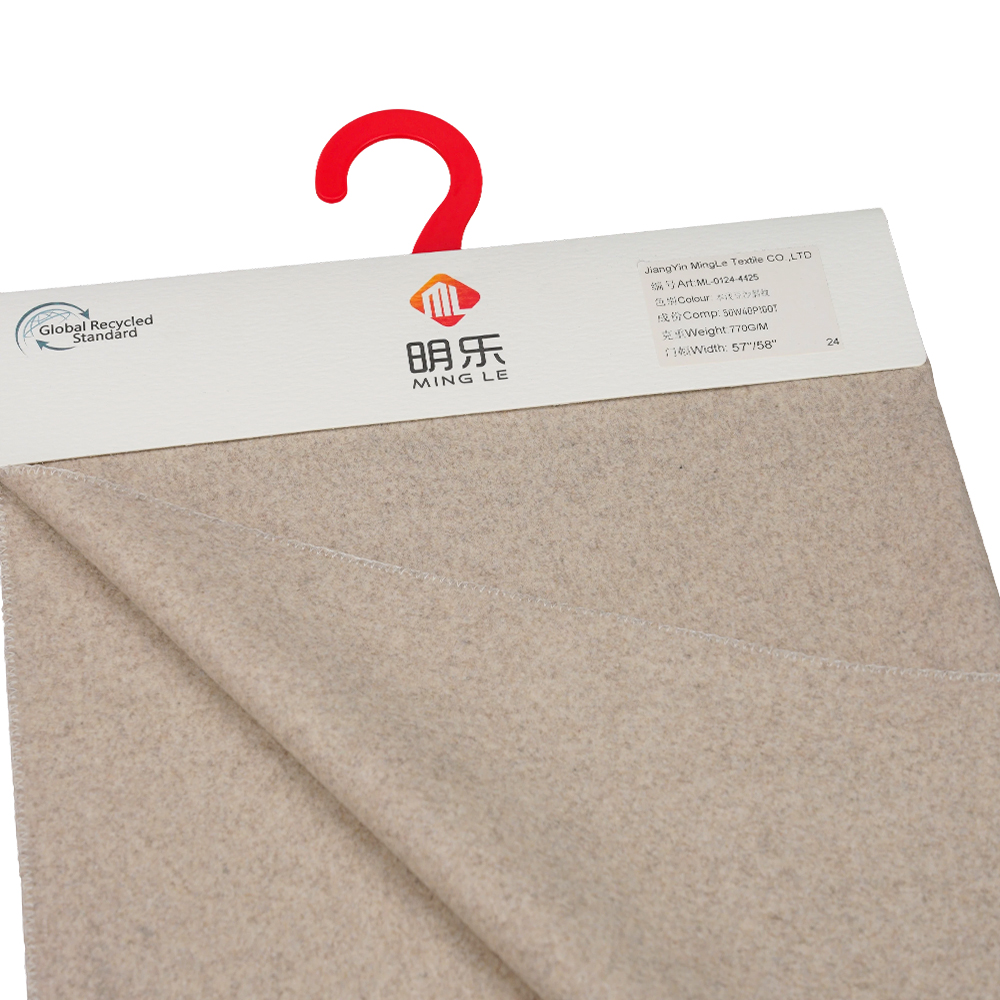
50% Wool, 40% Polyester, 10% other fiber, 770g/m Natural Light Bean Paste Twill ...
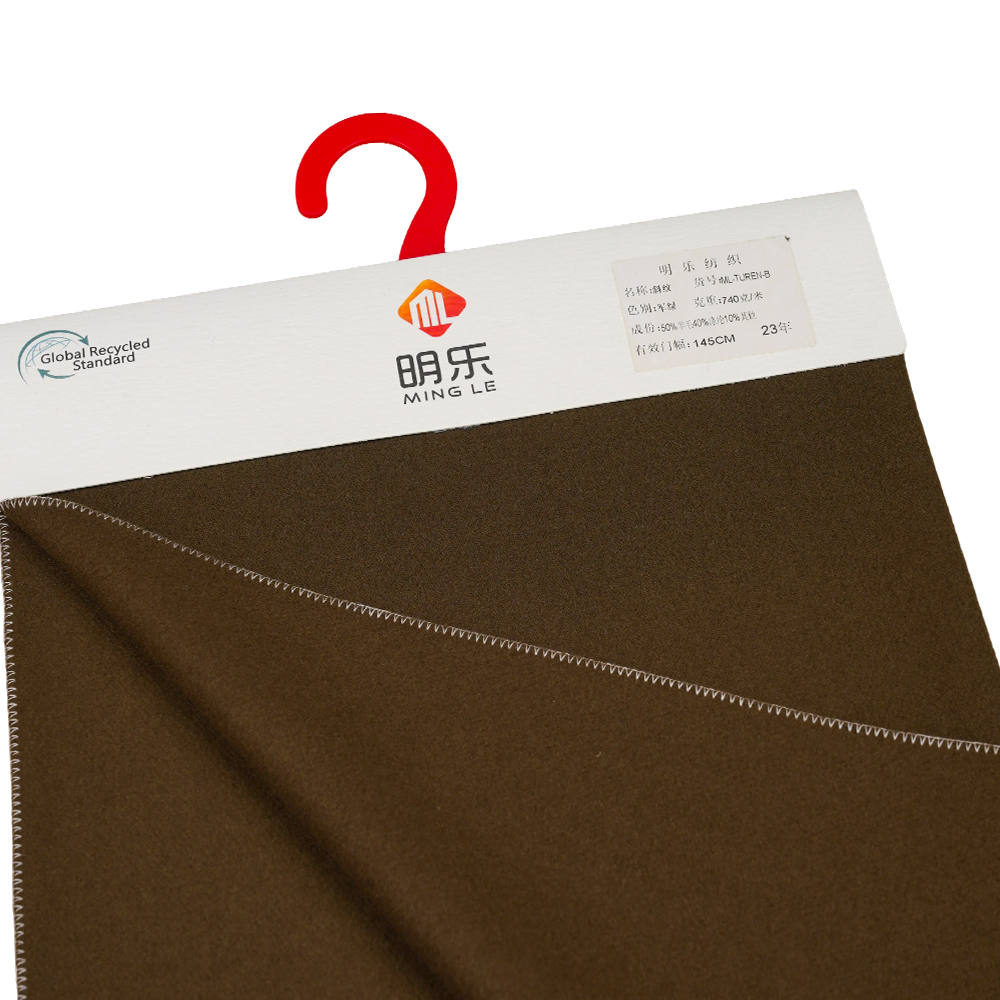
Military Green Twill Fabric: 740g Wool Blend, Suitable for Versatile UseThis mil...
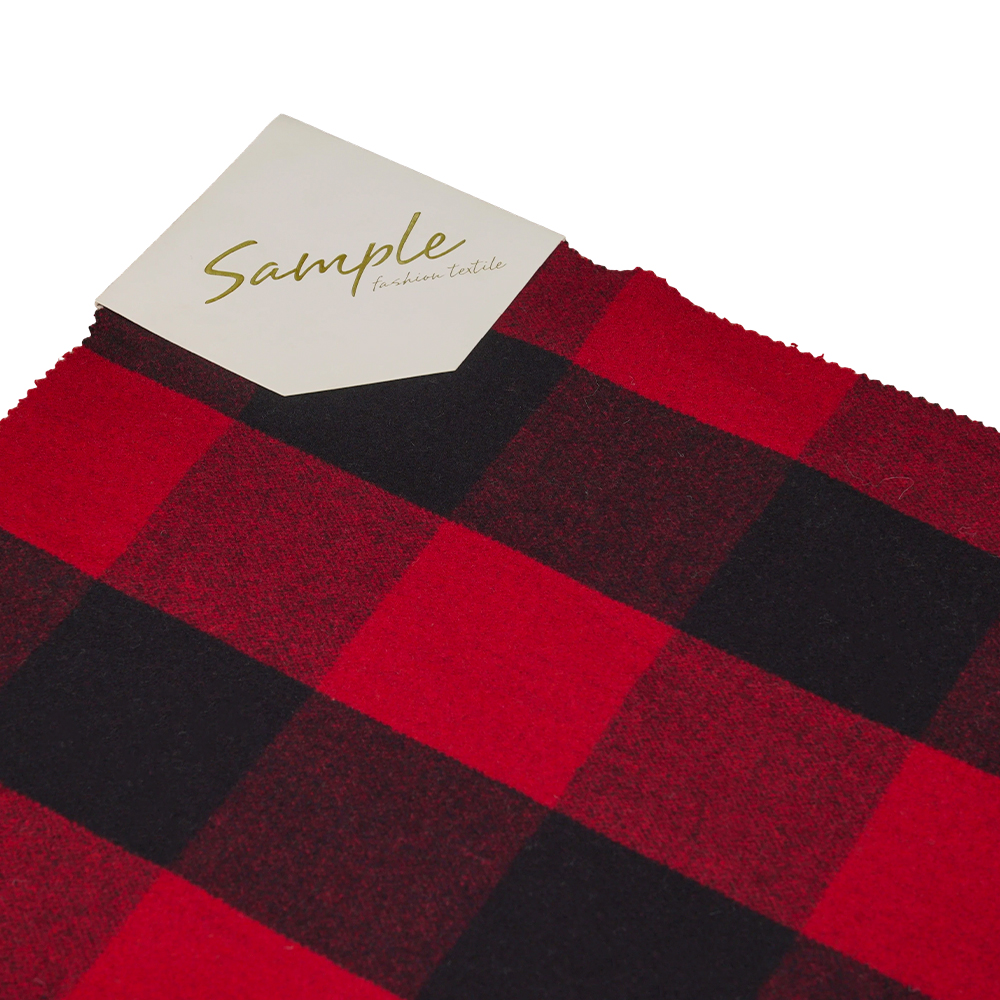
Black Red Plaid Wool Blend Fabric: 760gsm Wool Mix MaterialThis wool blend fabri...
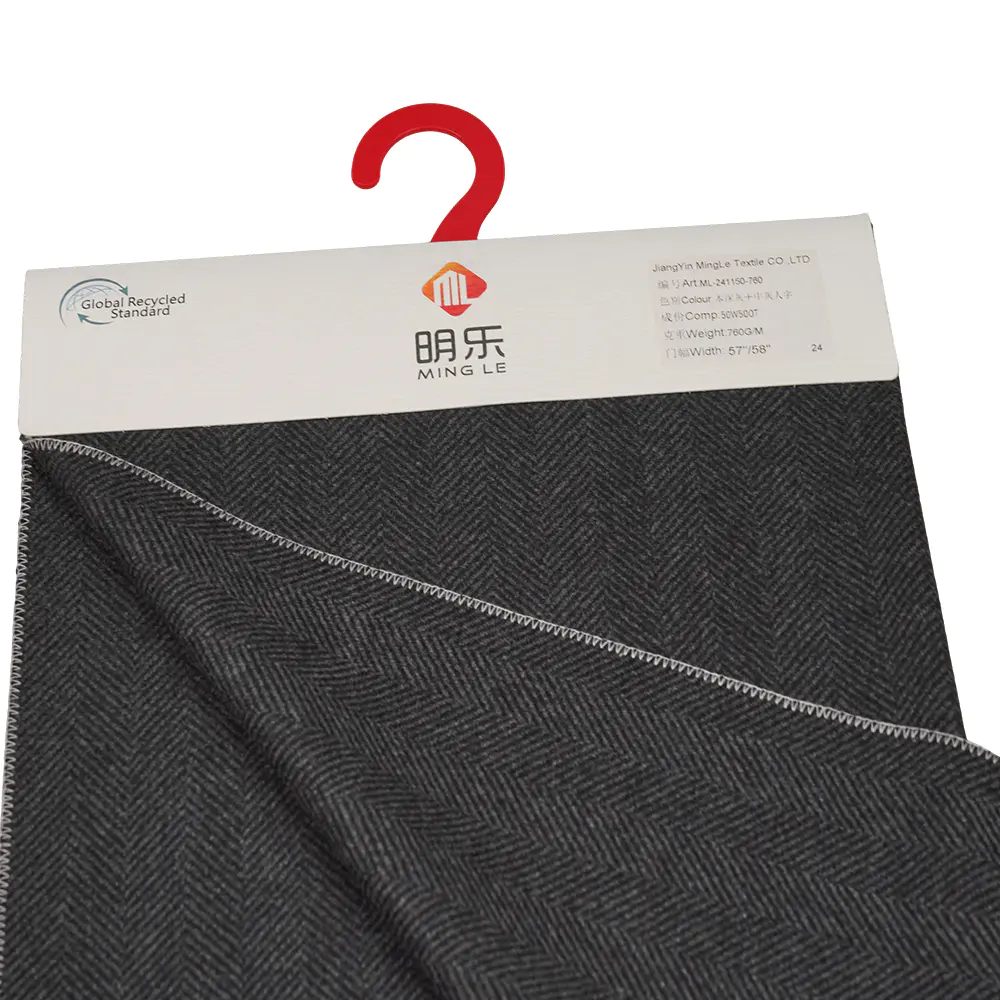
Classic Dark Gray Check Herringbone Melton Fabric – 50% Wool 50% other fiber, 76...
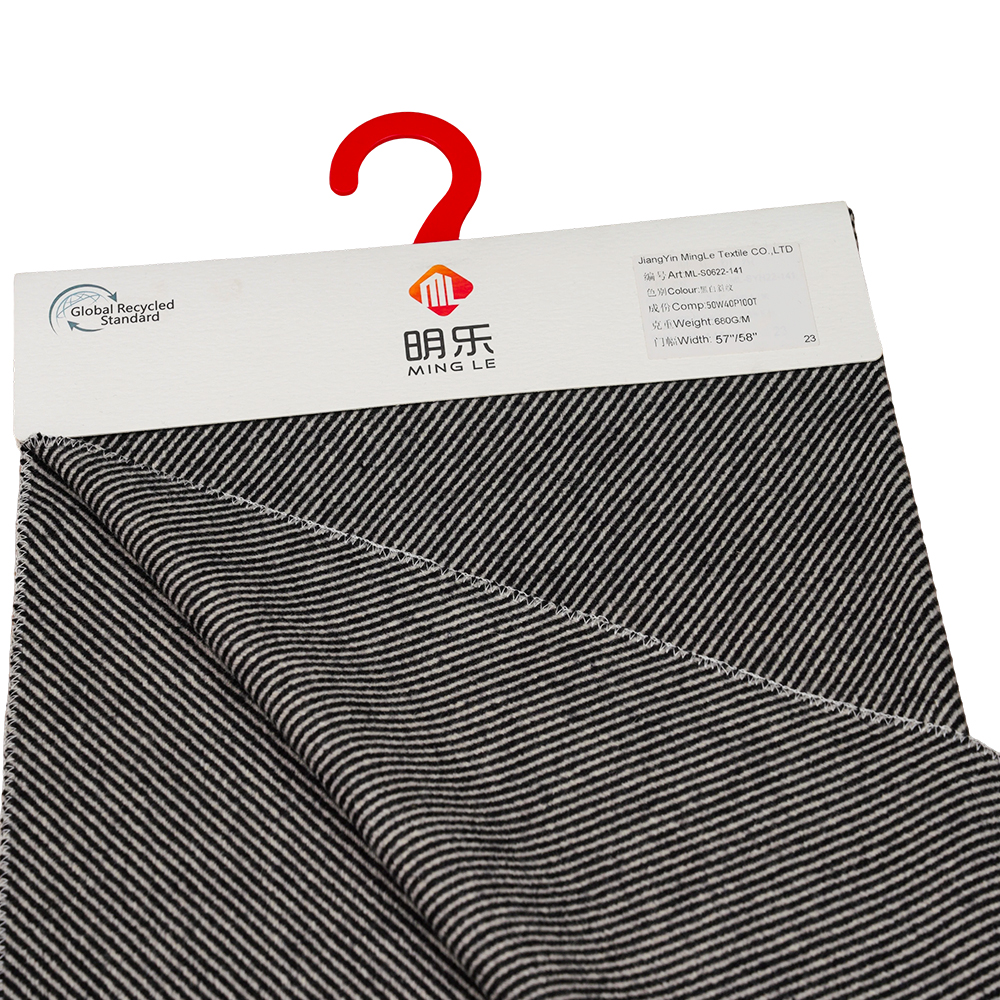
50% Wool 40% Polyester 10% other fiber680G/M Black White Twill Melton Fabric | S...
 +86 - 510 - 86373115
 +86 - 13812129532
 No. 118, Huancun West Road, Huaxi Fifth Village, Huashi Town, Jiangyin City, Wuxi City, Jiangsu Province, China


