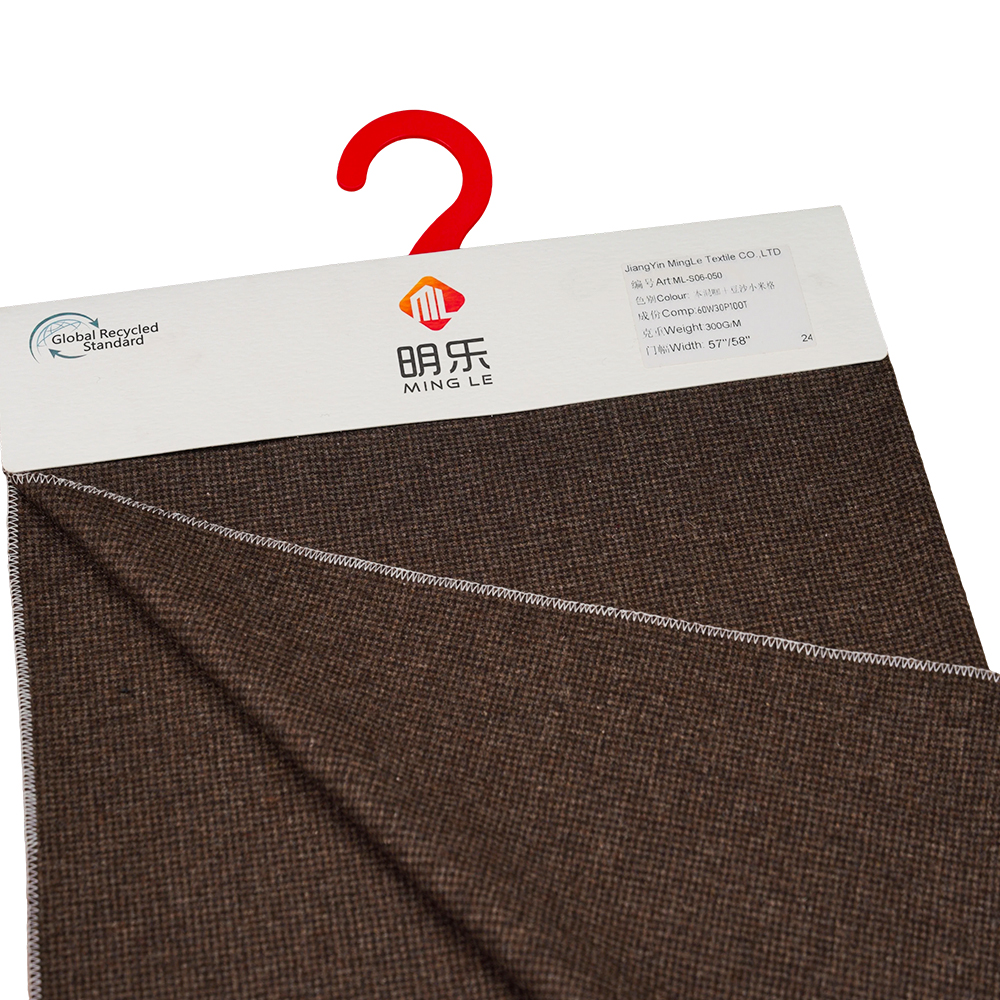
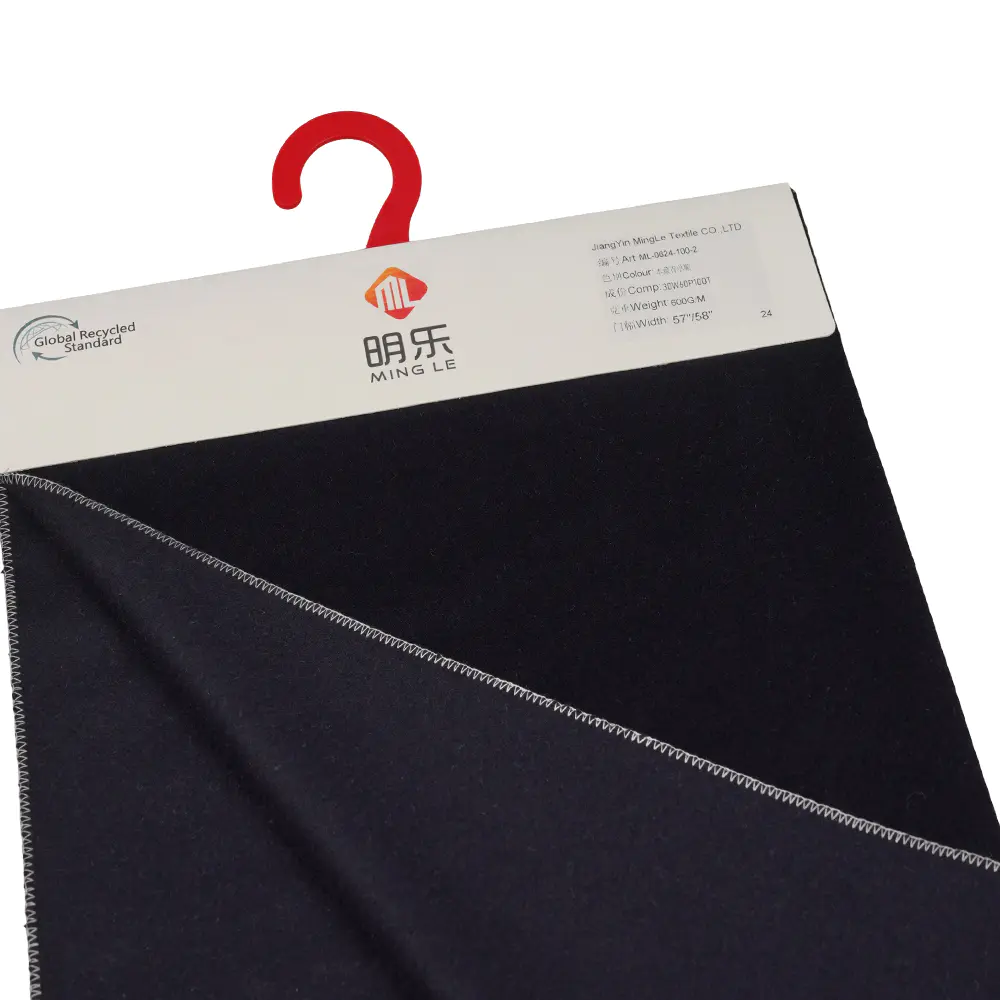
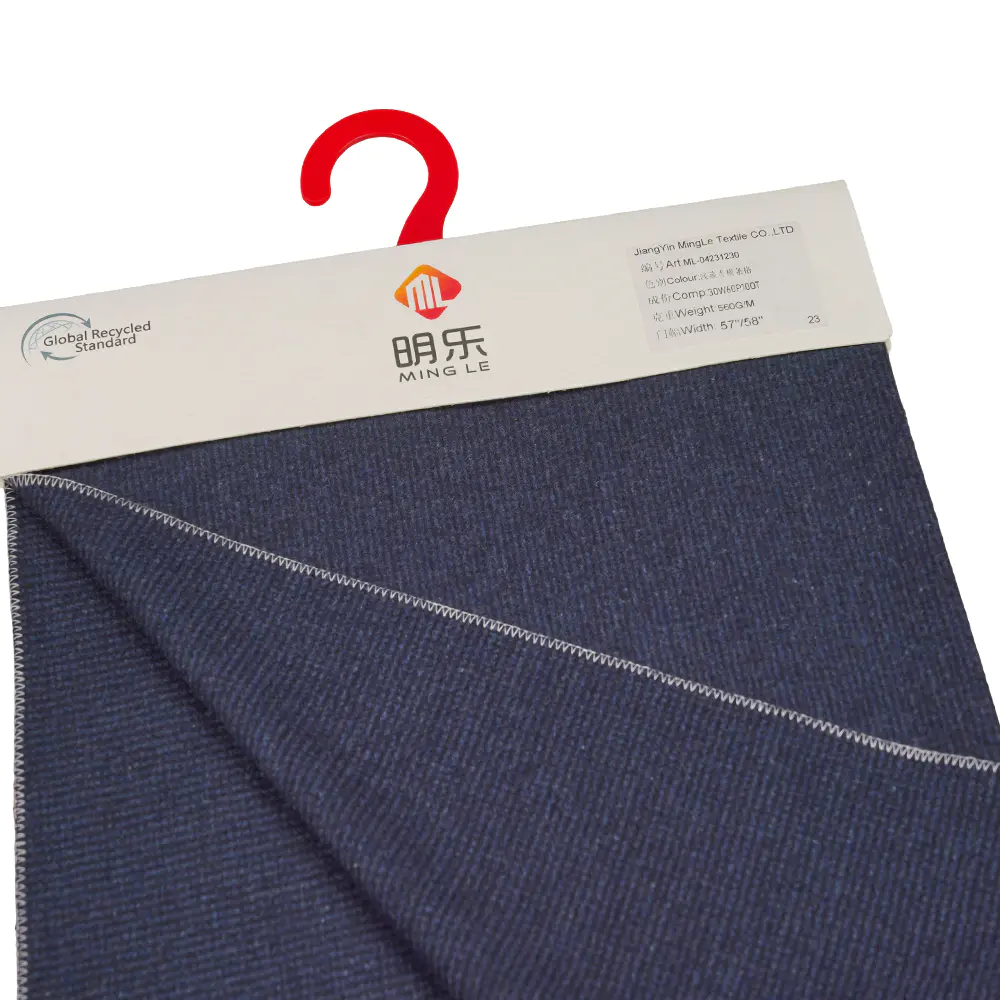
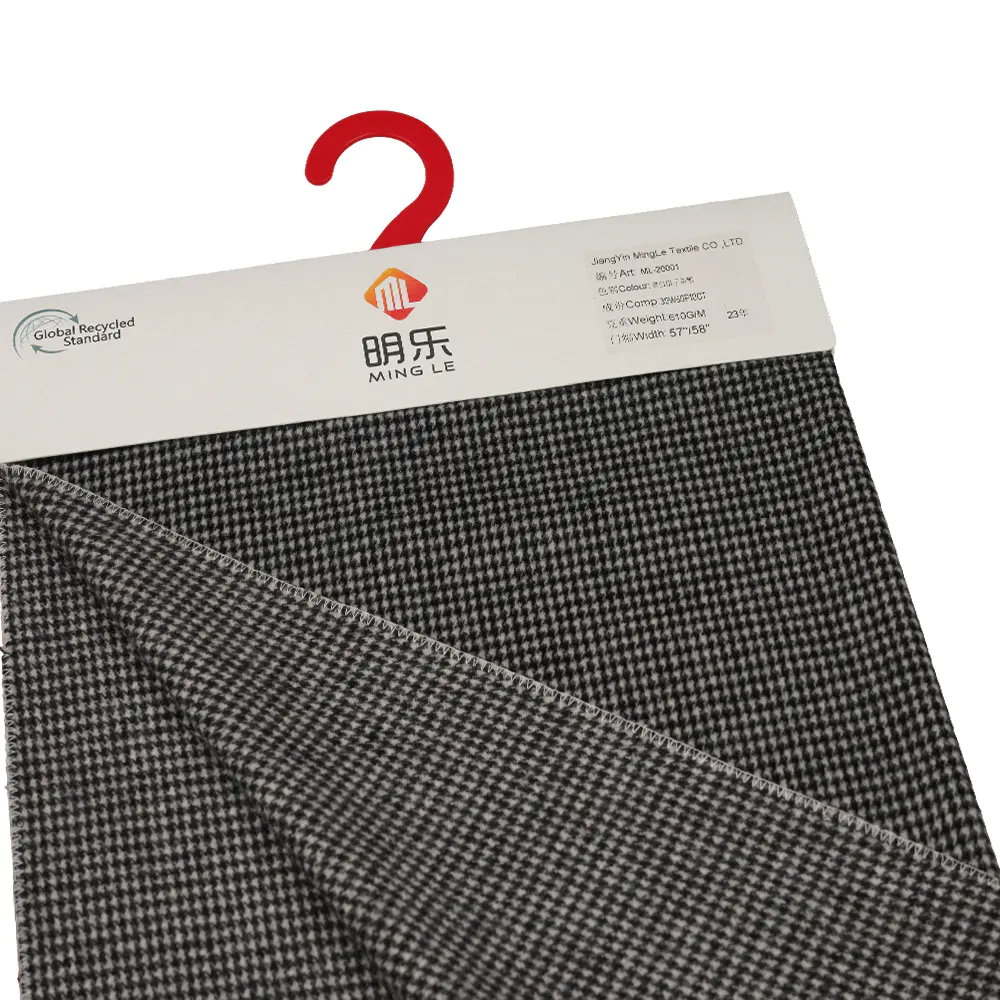
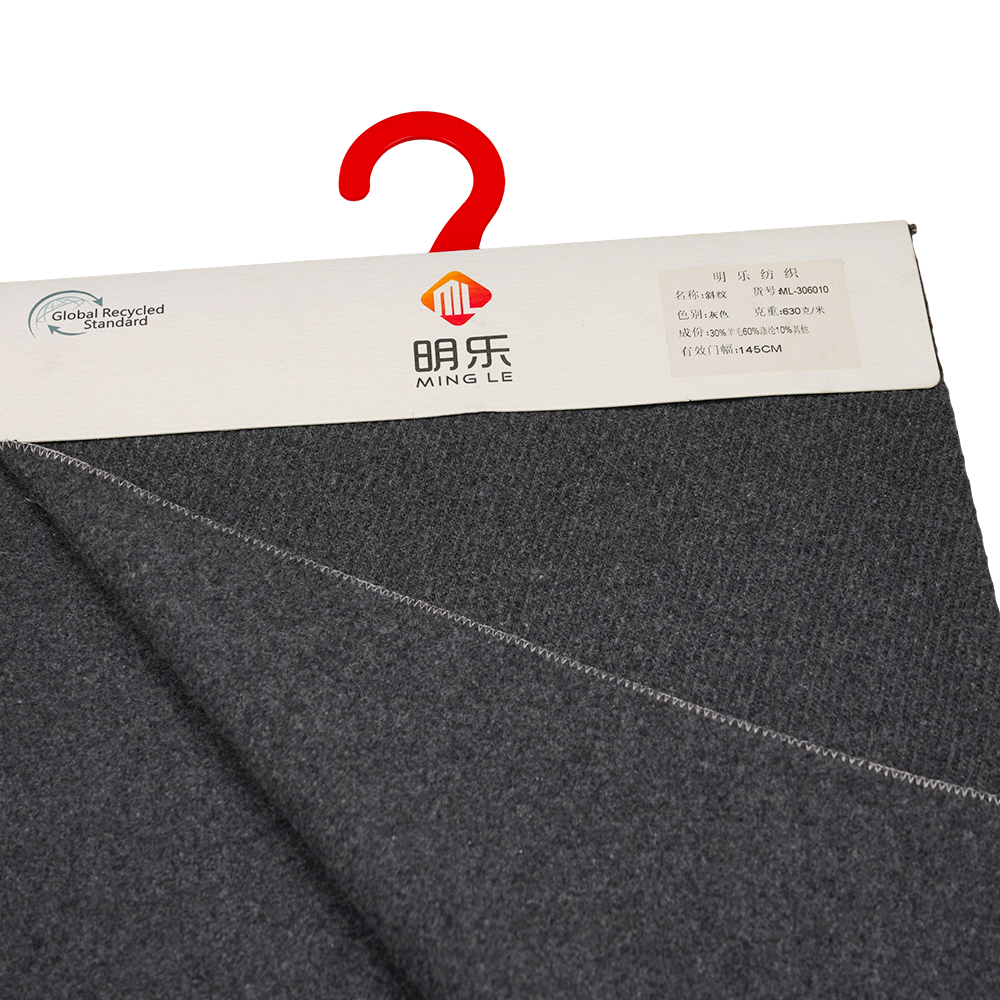
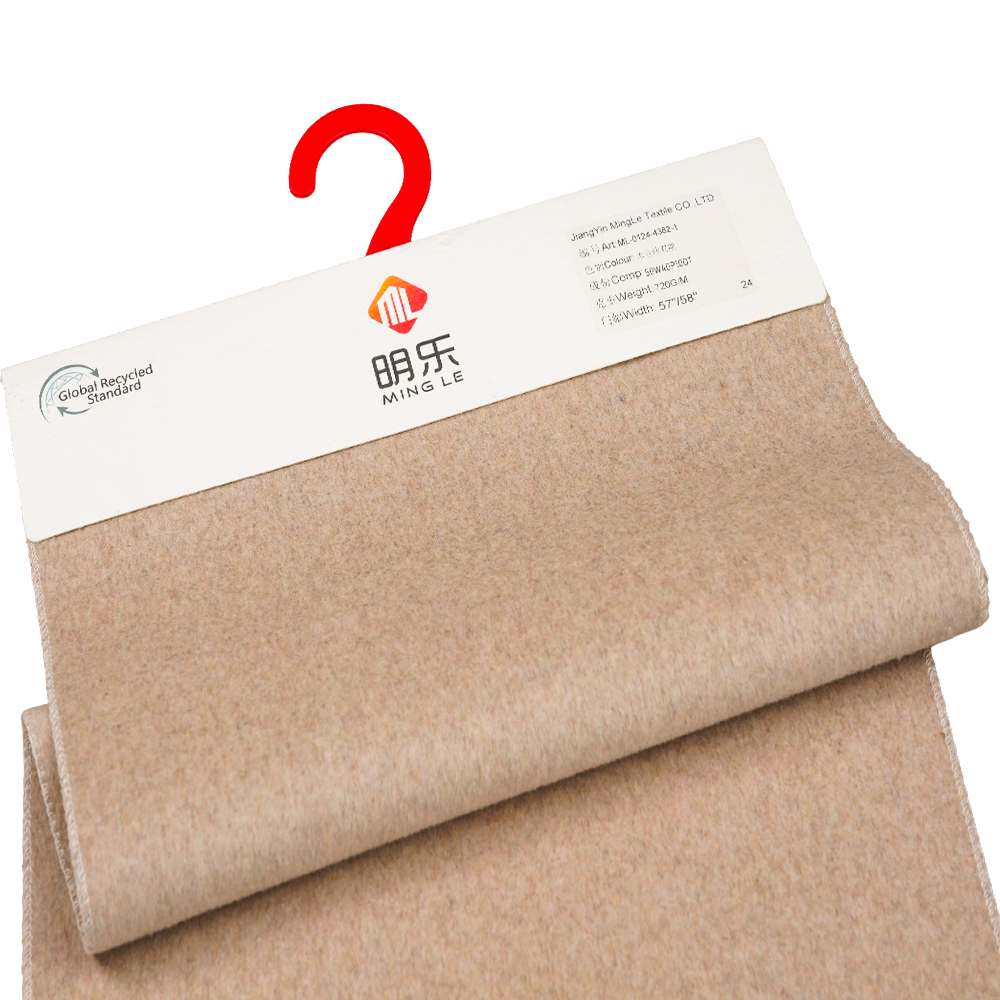
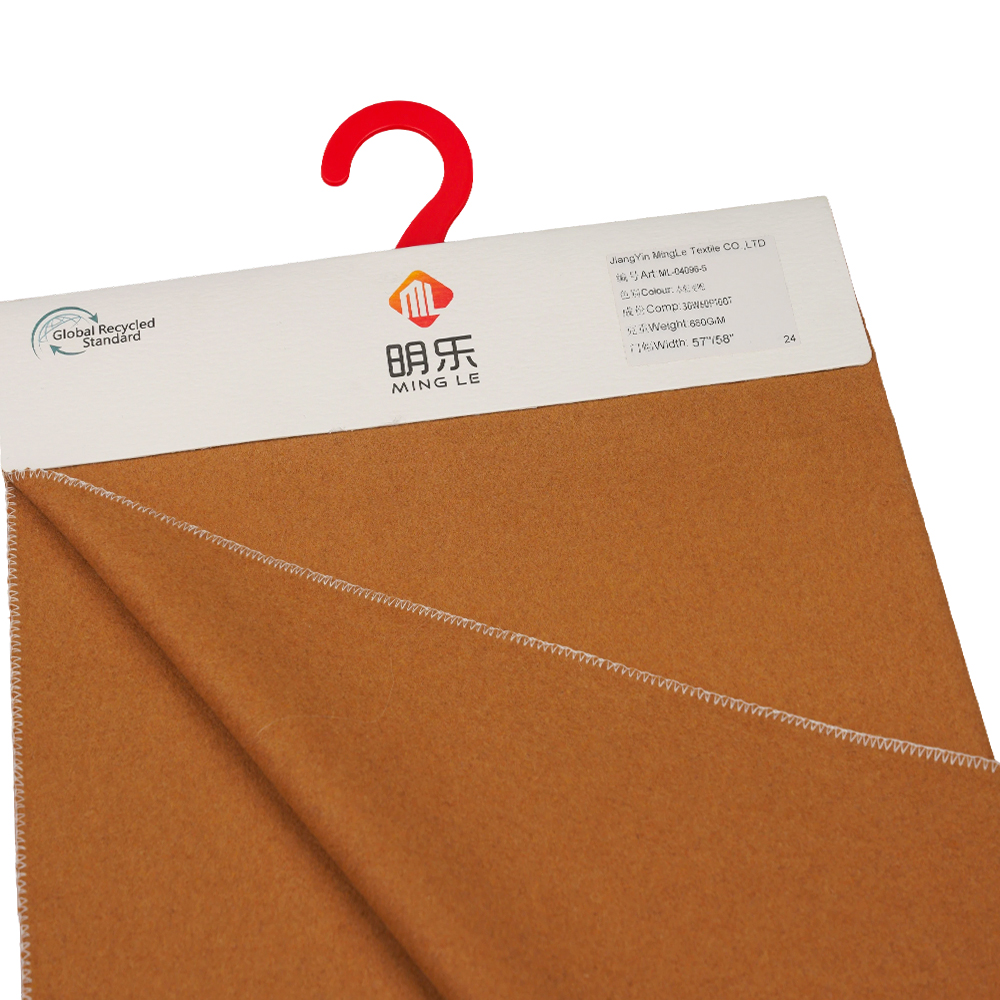
Mixed Coffee Plaid Flannel Fabric – 300G/M
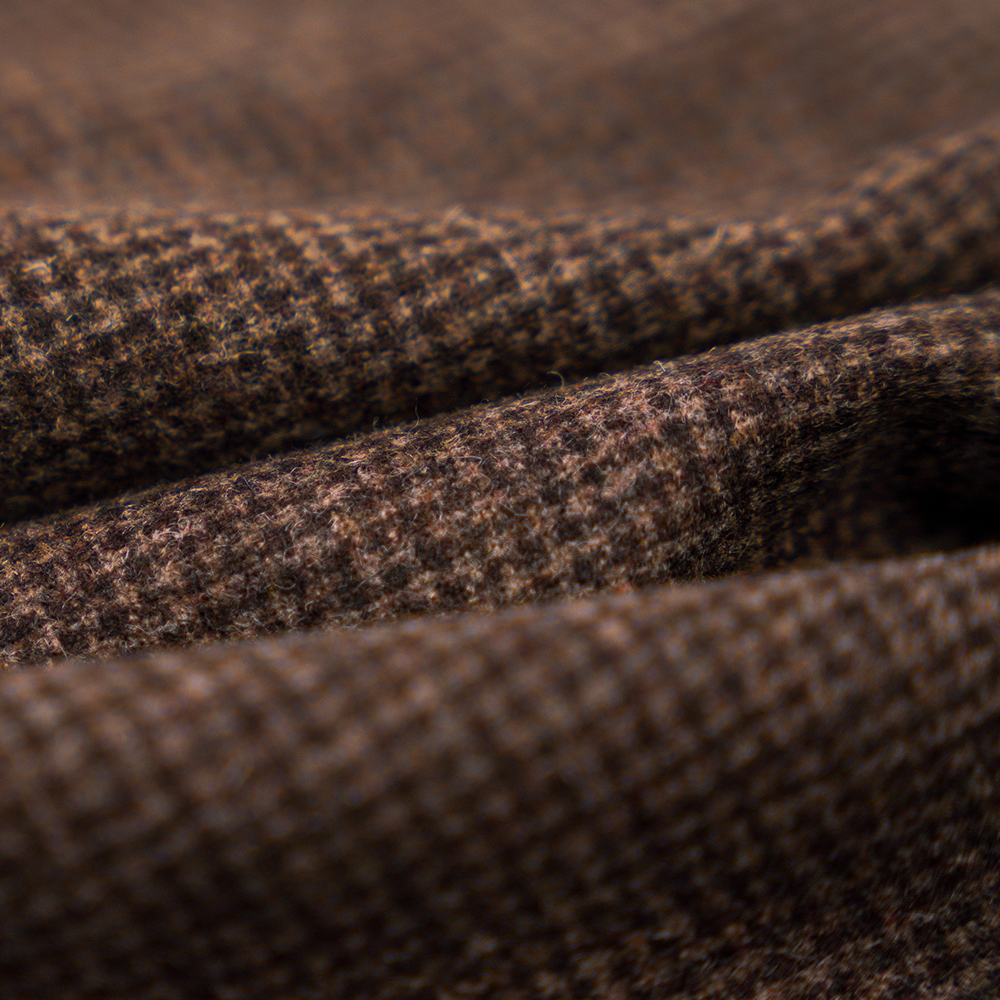
This flannel fabric features a fiber composition of 60% wool, 30% polyester, and 10% other fibers, engineered for enhanced warmth, wrinkle resistance, and structural integrity. The high wool content provides effective thermal insulation, while the polyester component enhances dimensional stability and abrasion resistance. The flannel finish delivers a distinct surface texture with a soft hand feel.
The fabric weight of 300 g/m provides excellent drape and durability for silhouette creation in garment construction. The mixed coffee and red bean paste millet plaid color combination presents a warm, versatile palette that adapts to various styling needs. The colorfastness meets industry standards and resists fading through regular wear and care. The material is appropriate for autumn and winter outerwear, suits, and coats where warmth, drape, and visual texture are required.
Performance at a Glance
300 g/m
Surface Density
Excellent drape for silhouette creation
60/30/10
Fiber Blend
Wool, polyester, and other fibers
Flannel
Finish
Distinct texture with soft hand feel
These parameters define the fabric's weight, fiber composition, and flannel finish for autumn and winter outerwear applications.
Core Advantages
- High wool content – The 60% wool composition provides enhanced warmth and thermal insulation for autumn and winter wear.
- Balanced blend – The 30% polyester enhances durability and wrinkle resistance, while the 10% other fibers contribute to overall flexibility and recovery.
- Plaid color combination – The mixed coffee and red bean paste millet palette adapts to various styling needs and design directions.
- Excellent drape – The 300 g/m weight supports silhouette creation and structured garment construction.
- Colorfastness – The fabric meets industry standards for color retention and resists fading through regular wear.
- Flannel texture – The finish delivers a distinct surface texture with a soft hand feel.
Product Specifications
Fiber Composition 60% wool, 30% polyester, 10% other fiber
Surface Density 300 g/m
Construction Flannel finish
Colors Mixed coffee + red bean paste millet
Texture Distinct flannel surface
Key Properties Warm, drapeable, colorfast, wrinkle resistant
The mixed coffee plaid flannel fabric combines high wool content with flannel finish and balanced weight. These specifications support applications in autumn and winter outerwear, suits, and coats where warmth, drape, and visual texture are required.
Application Fields
Autumn and winter outerwear Suits and suit jackets Coats and overcoats Structured garments Silhouette creation Versatile apparel Custom manufacturing
Frequently Asked Questions
What is the recommended cleaning method for this fabric?
Professional dry cleaning is recommended to preserve the fabric's shape, flannel texture, and color stability. Avoid machine washing that may cause shrinkage or damage.
How should the fabric be dried?
Air dry flat in a ventilated area away from direct sunlight. Avoid machine drying and high-temperature drying that may cause deformation.
What is the best way to iron this fabric?
Iron at medium to low temperatures with a pressing cloth placed over the fabric. Avoid direct contact with the face side to protect the flannel texture.
How should the fabric be stored?
Store in a ventilated, dry environment away from moisture. Use moth repellents to protect the wool content. Hang garments to maintain shape.
Handling and Care Guidance
For optimal performance and service life, professional dry cleaning is recommended to preserve the fabric's shape, flannel texture, and color stability. Avoid machine washing, vigorous rubbing, wringing, or twisting that may cause shrinkage or damage. After cleaning, air dry flat in a ventilated area away from direct sunlight. When ironing, use medium to low temperatures with a pressing cloth placed over the fabric to protect the flannel finish. Store in a ventilated, dry environment away from moisture. Use moth repellents to protect the wool content. The flannel texture and plaid pattern benefit from careful pattern matching during cutting and garment assembly.
Quality Assurance
Each production batch undergoes comprehensive testing including fiber composition verification, surface density measurement, color and pattern consistency inspection, and construction integrity assessment. The flannel finish is monitored for distinct texture, uniform surface, and colorfastness across the full fabric width. Tensile strength, abrasion resistance, dimensional stability, and drape tests are performed to ensure compliance with established standards. Materials are traceable to certified suppliers with documented quality records. Testing protocols follow industry standards for flannel and wool-blend fabrics.


 English
 中文简体
中文简体