Product Categories
Introduction Overcoat wool fabric is a preferred material in high-end garment manufacturing due to its durability, thermal performance, and luxurious feel. B2B buyers, tailors, and textile engineers rely on its quality f...
Few textiles carry the breadth of technical performance, aesthetic versatility, and heritage market positioning that wool flannel fabric commands across the global apparel industry. From tailored suiting and premium oute...
In the global textile market, the demand for natural performance fibers continues to grow. Wool pile fabric stands out due to its unique combination of thermal insulation and moisture-wicking properties. Unlike flat wove...
Melton Wool Coating Fabric remains one of the most reliable materials for structured outerwear. Designers and wholesale buyers prefer this fabric because it delivers density, wind resistance, and long-term durability. Pr...
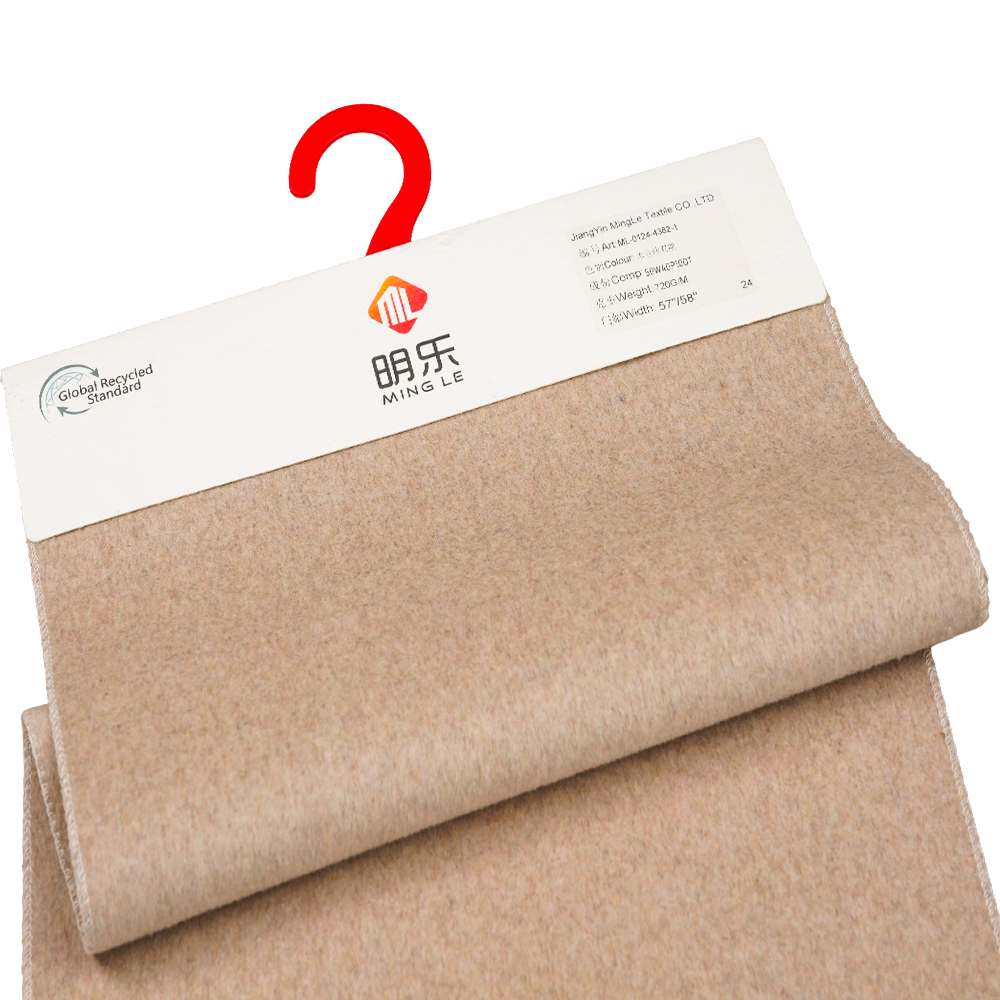
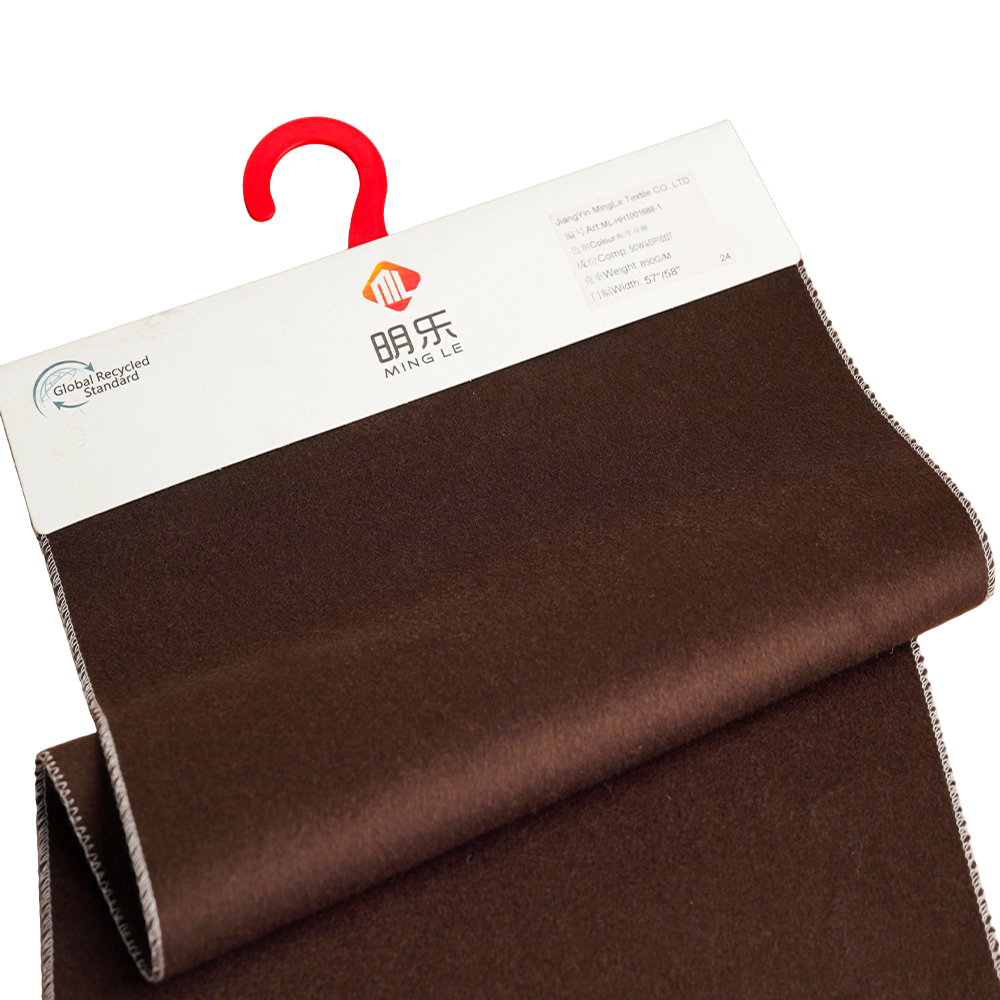
Bean Paste Double-Smooth: 720g/m thick, double-faced fleece fabric, gentle and e...
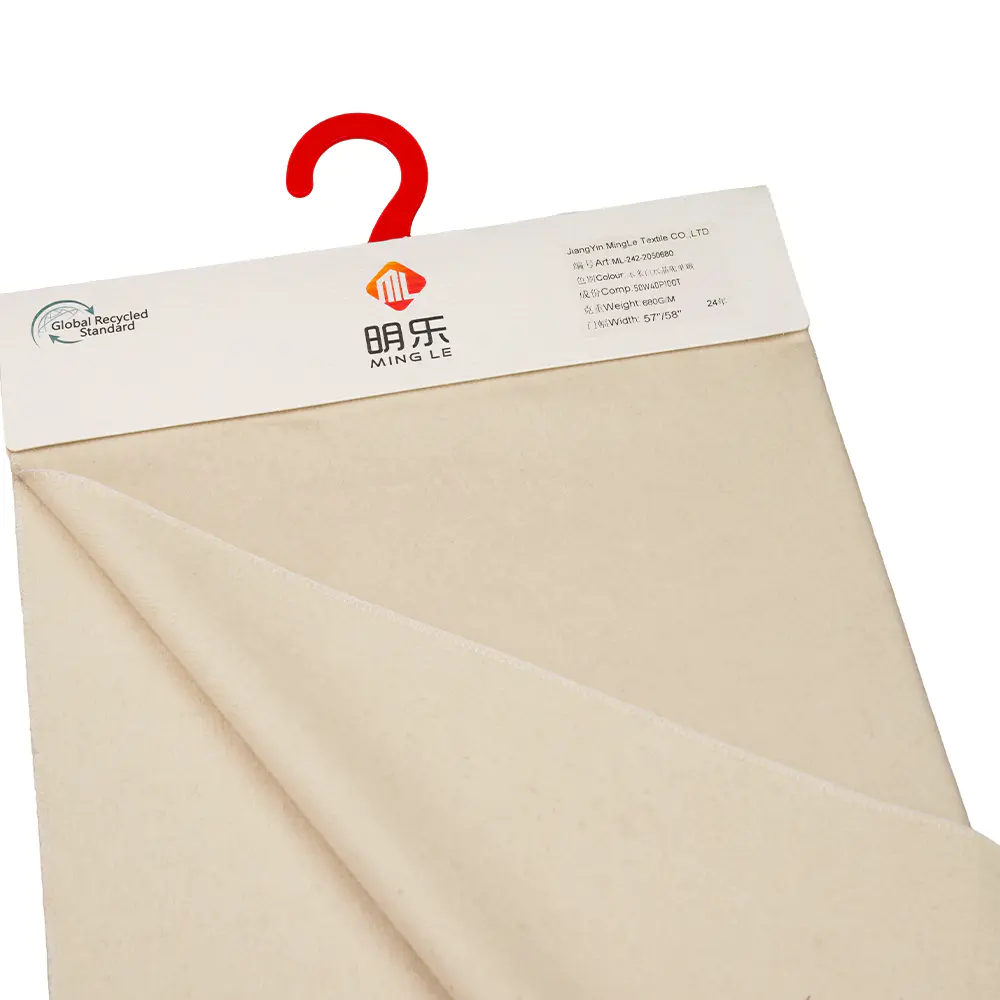
Milky White Crystal Wool single-face overcoating Fleece Fabric: 680g Weight Wool...
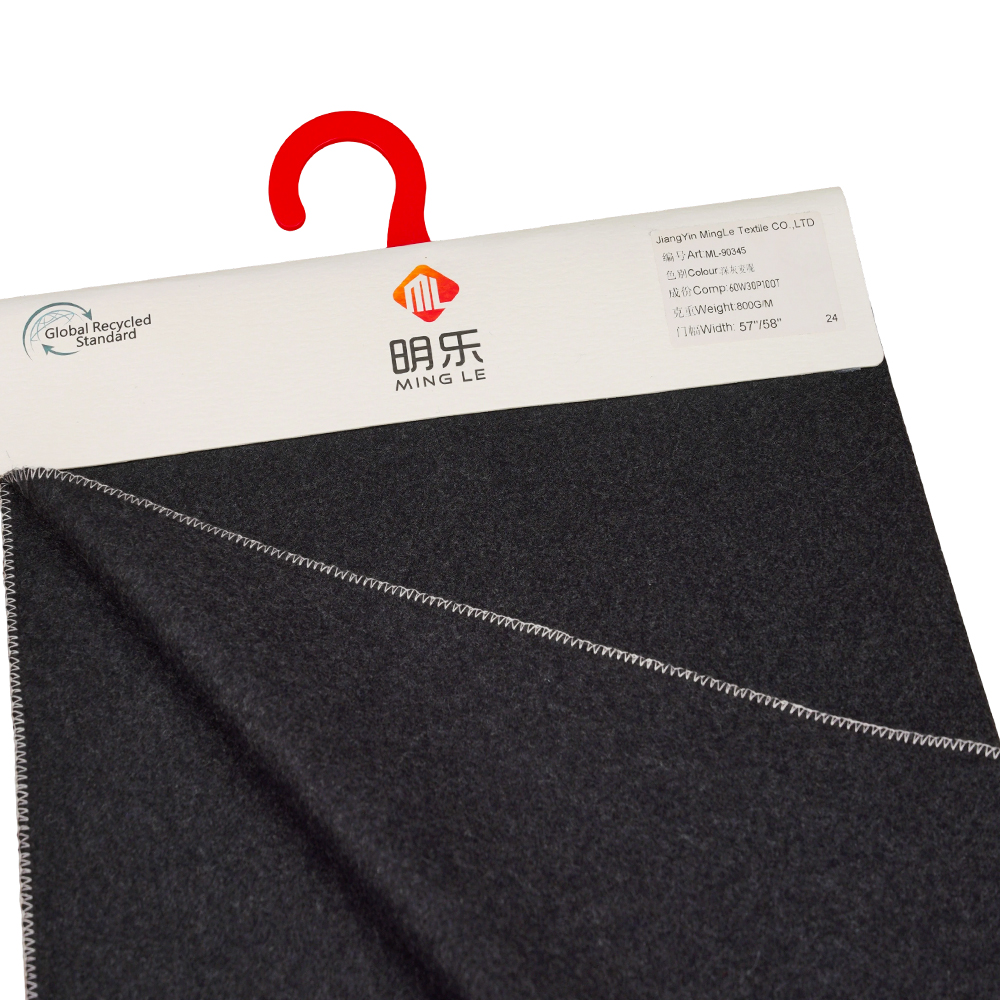
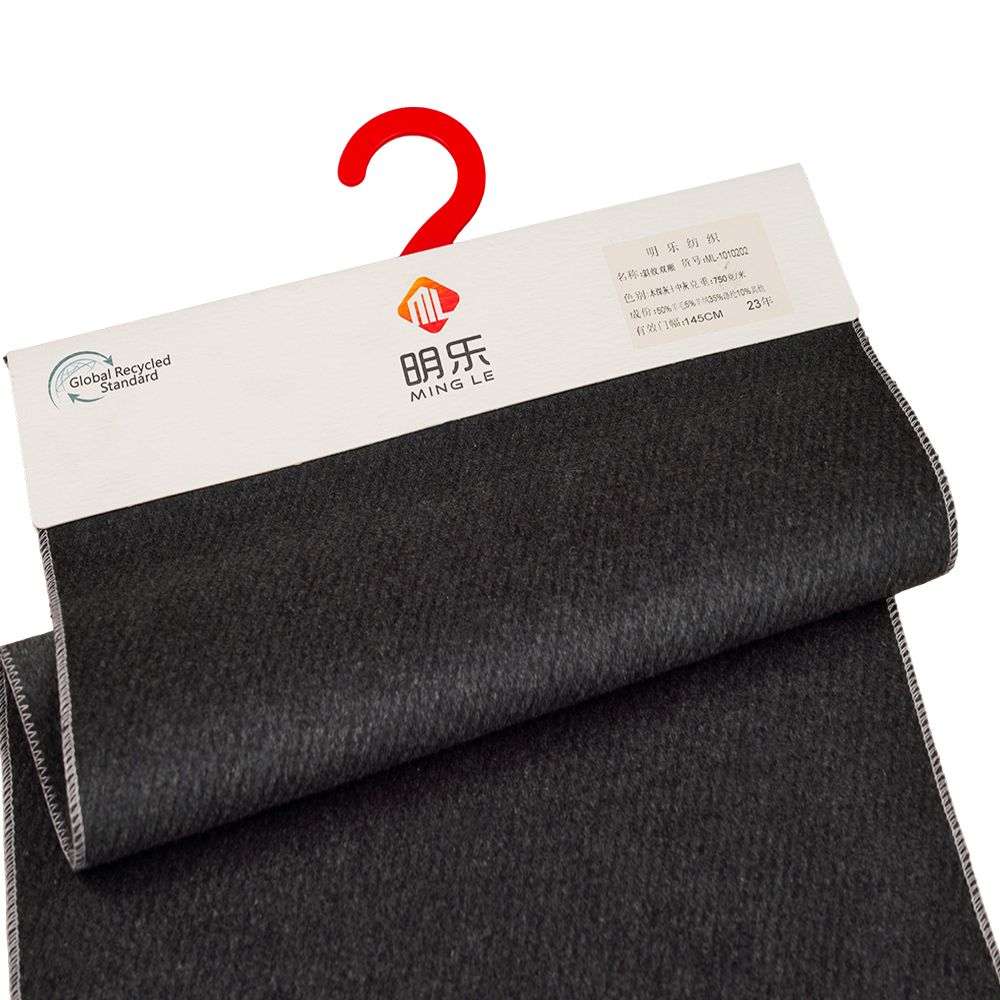
Dark Gray Woolen Fabric: 60% Wool 30% Polyester 10% other fiber 800g/m Material...
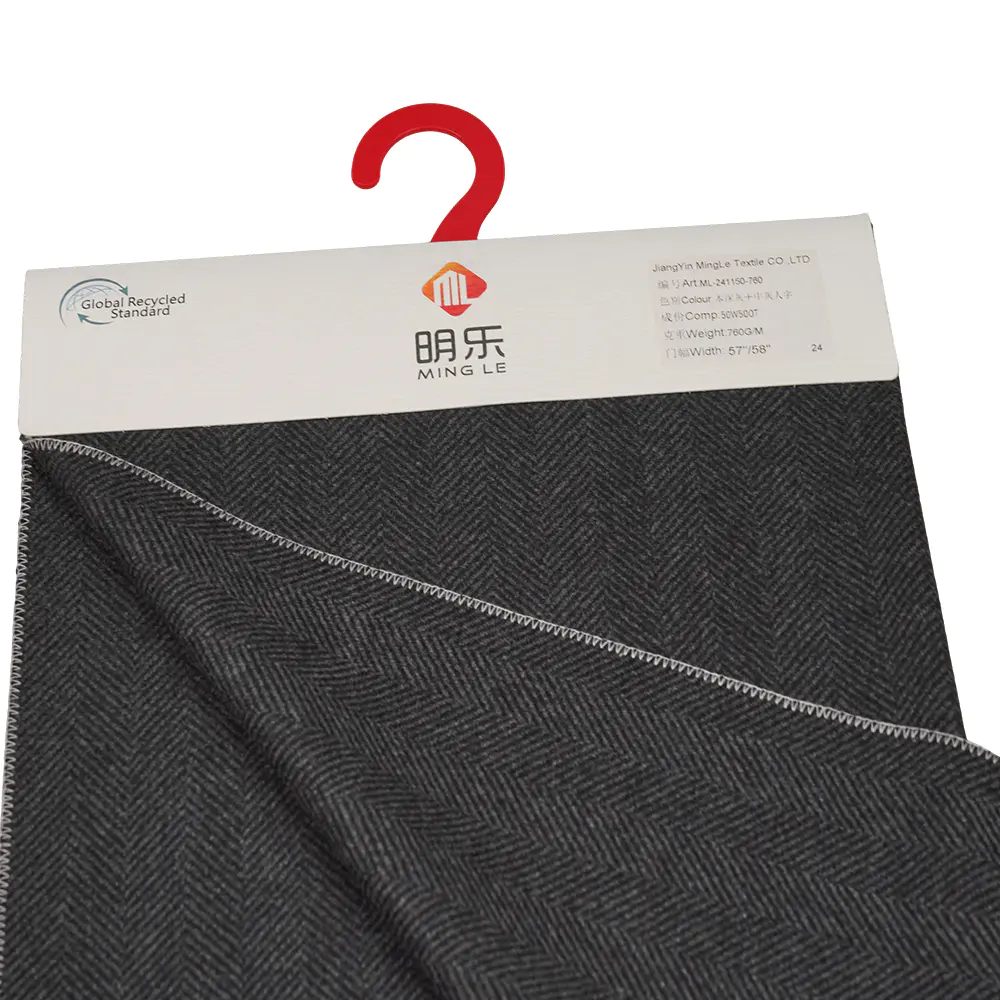
Classic Dark Gray Check Herringbone Melton Fabric – 50% Wool 50% other fiber, 76...
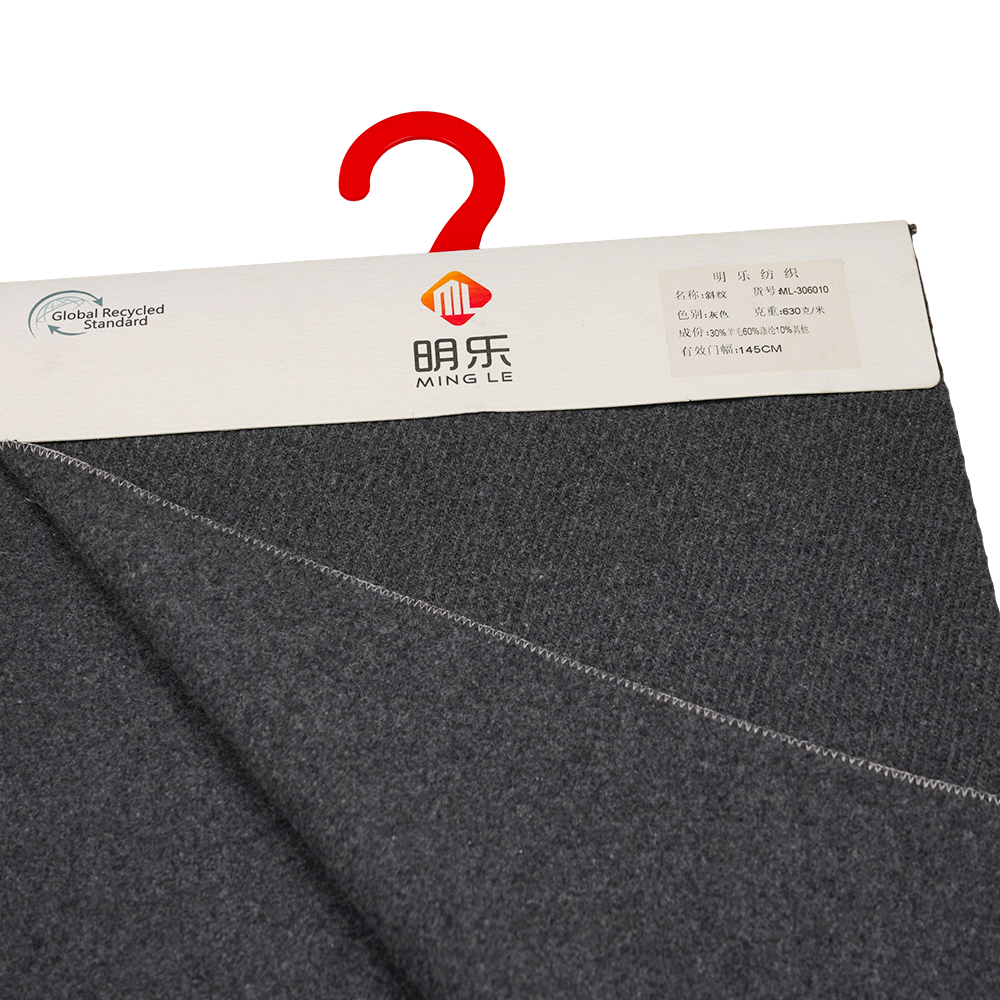
Gray Twisted Wool-Melton Fabric: 630g Weight Wool Blend for Versatile Business a...
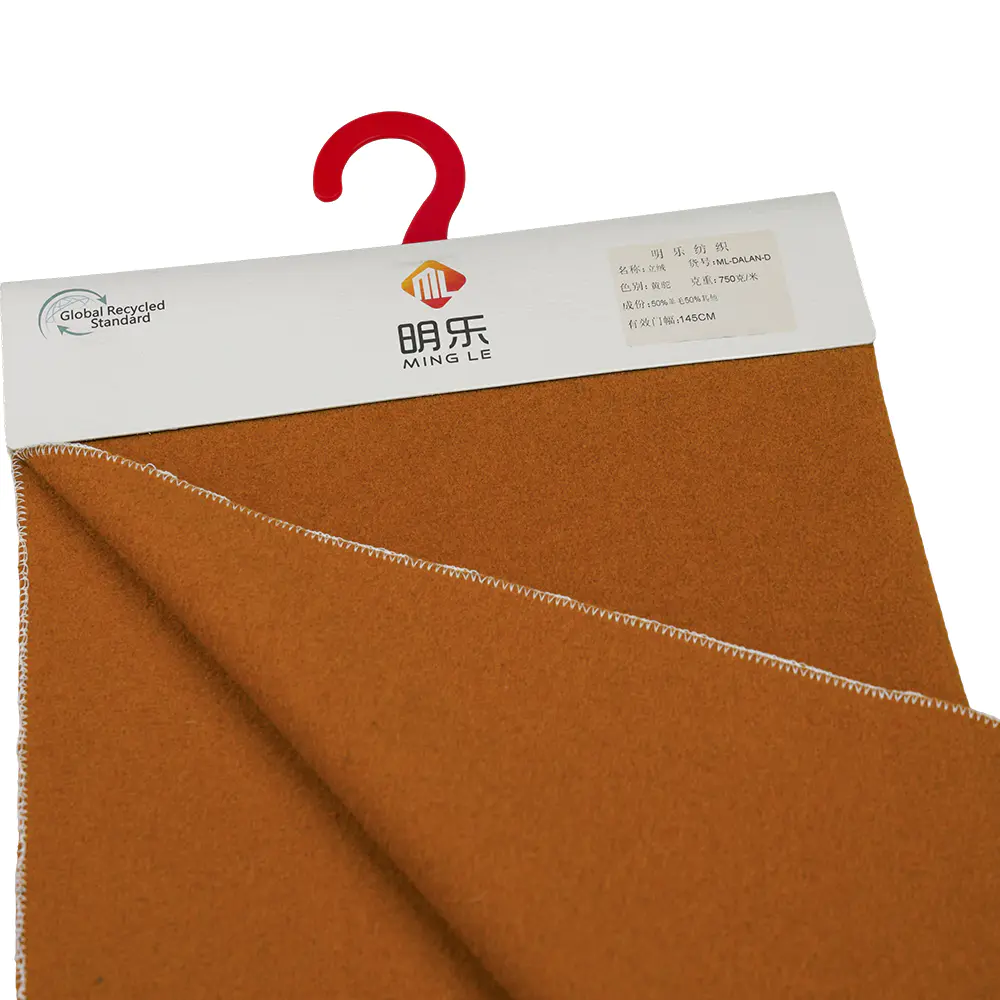
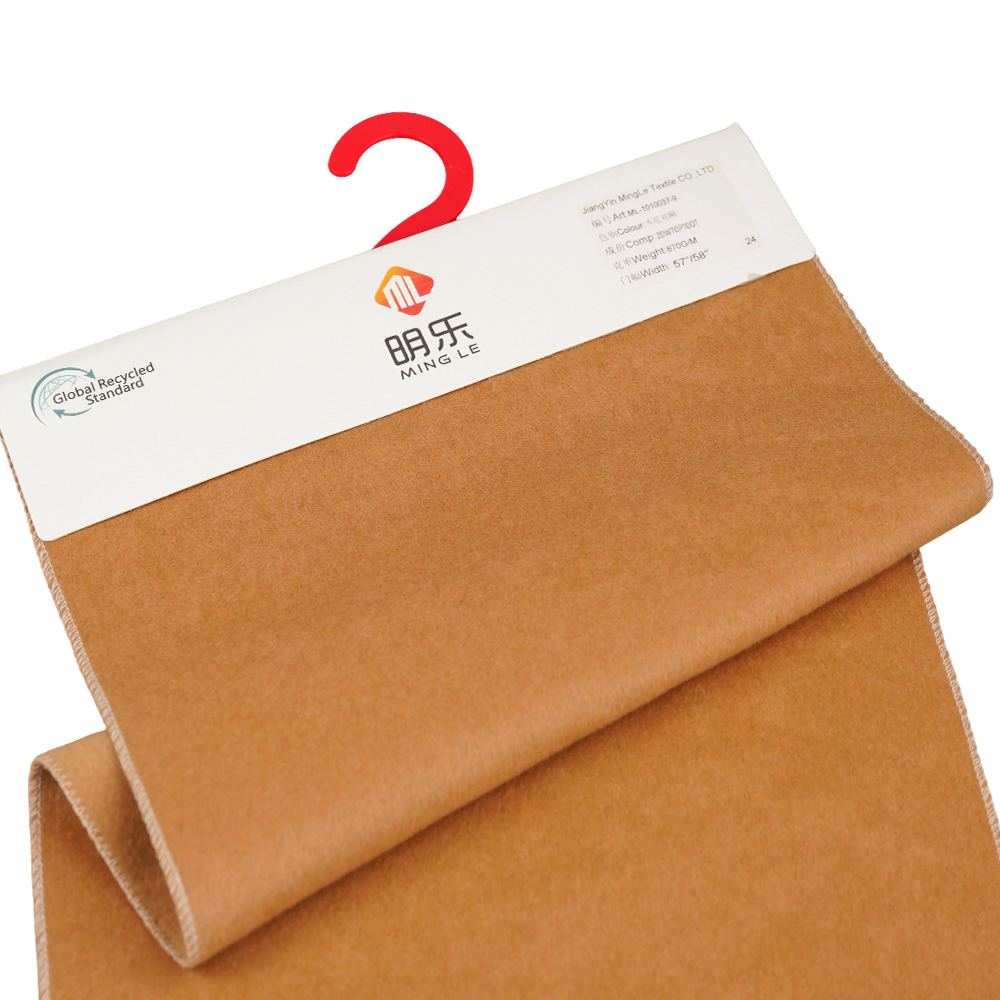
50% Wool 50% other fiber 750GSM Yellow Camel Velvet Fabric – A Textured Choice f...
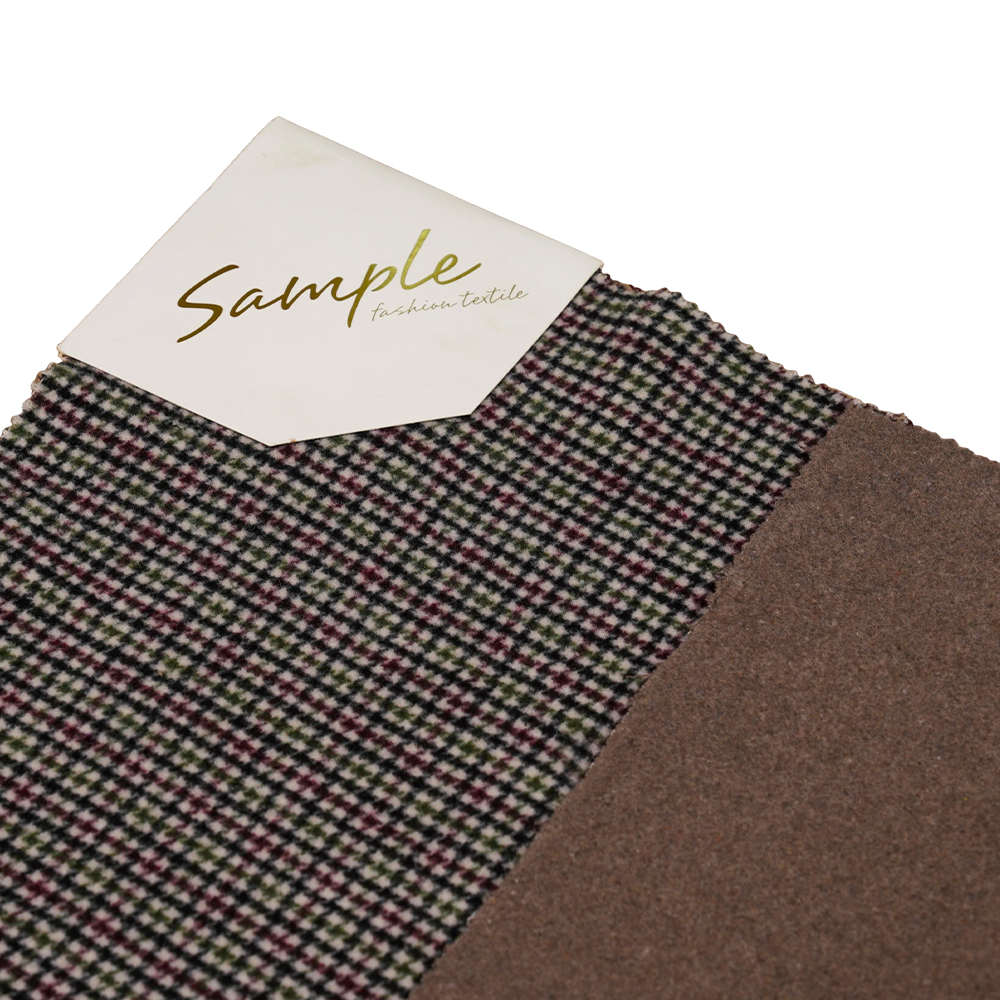
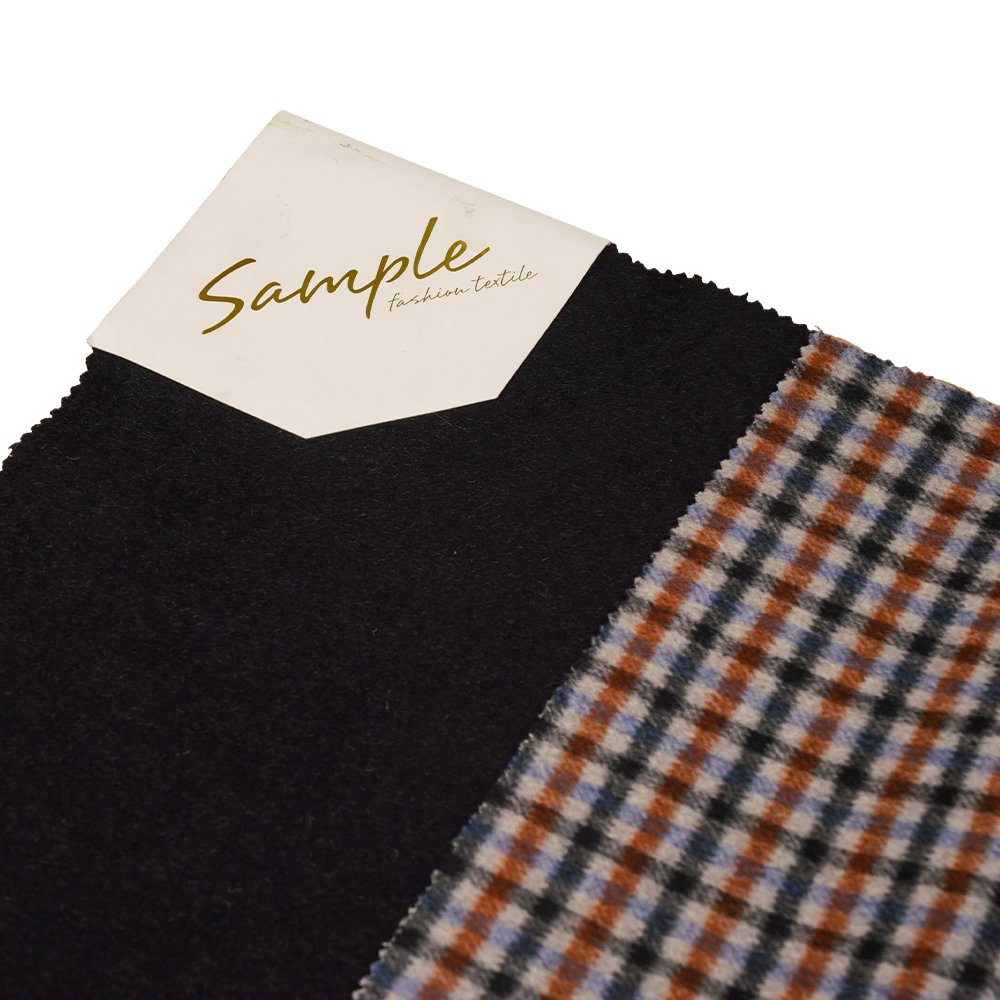
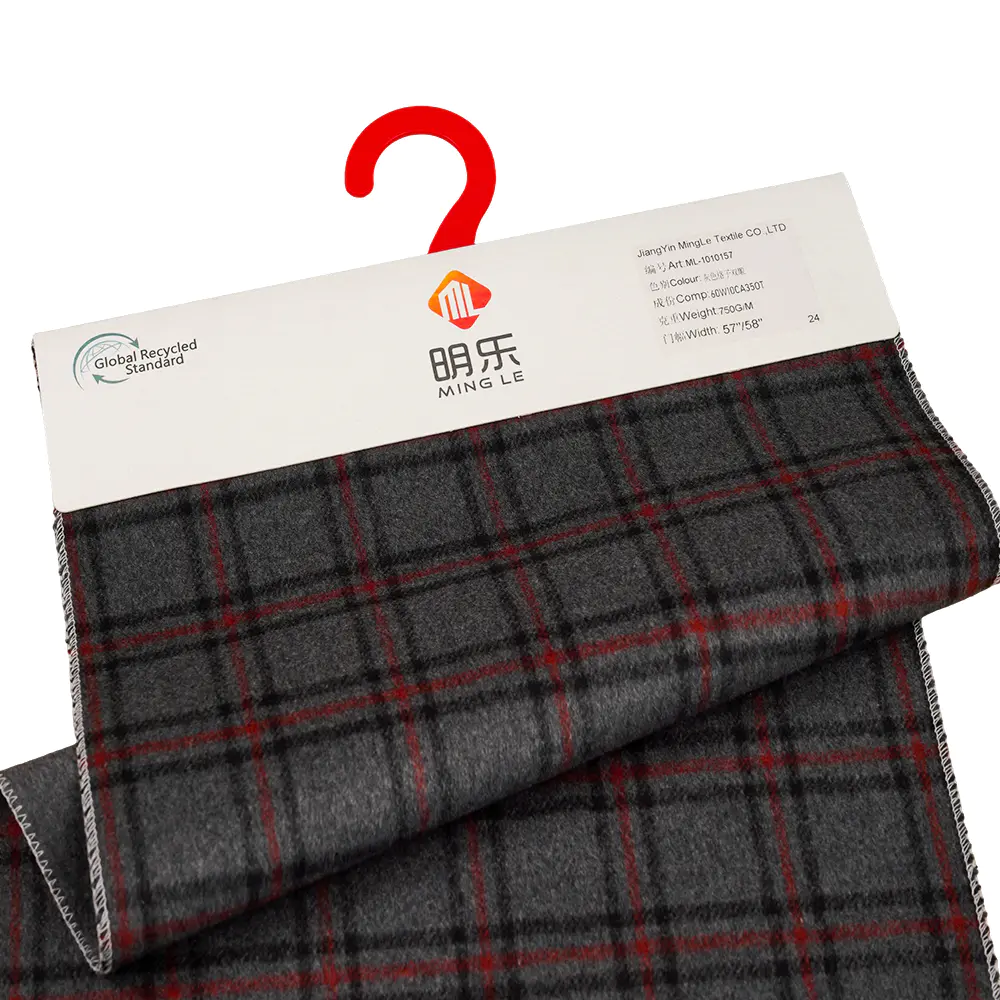
20% Wool 70% Polyester 10% other fiber 800G/M Colorful Check Double-sided Velvet...
Double-faced fabric is renowned for its "two-layers-in-one" structure, allowing for unlined garments and hand-finished seams. However, its complex weaving process often leads to challenges like shading (color variation) and uneven peeling strength. Jiangyin Mingle Textile Co., Ltd., established in October 2006, has spent nearly two decades mastering the production of Double Faced Wool Overcoat Fabric. By integrating professional management with industrial-scale production, we have developed a rigorous system to eliminate these common industry defects.
The production of high-quality double-faced wool requires extreme precision. Color variations usually stem from inconsistent dye absorption between the two independent layers, while peeling issues are often caused by unstable tension in the "connection yarn" (the filament that holds the two layers together).
| Quality Concern | Common Industry Cause | Mingle Textile Standard Parameter | Our Quality Control Advantage |
| Shading (Side-to-Side) | Inconsistent dyeing temperature or batch mixing. | Delta E (color difference) < 0.8 | Using specialized vats and digital color matching to ensure consistency across both layers. |
| Peeling Strength | Weak or uneven tension in the connection yarn. | Peeling Force: 15N - 25N (customizable) | Advanced weaving looms ensure the middle yarn is perfectly spaced for easy manual splitting. |
| Surface Evenness | Poor shearing or uneven fulling/shrinking. | Shrinkage Rate: ±2% to ±3% | Integrated production from fiber to finish allows us to control the "relaxation" of the fabric. |
| Layer Separation | Inadequate interlocking of the two face layers. | Interlock density: Optimized for hand-stitching | We customize the "split-ability" based on whether the client uses machines or hand-sewing. |
To maintain our reputation with global brands like H&M, ZARA, and CK, Jiangyin Mingle Textile Co., Ltd. focuses on three critical stages:
At Jiangyin Mingle Textile Co., Ltd., we treat "Quality as the Foundation." We utilize high-precision dyeing technology and synchronized finishing processes. By managing the entire production chain—from recycled fiber production to weaving—we eliminate the risk of using different yarn batches for the two layers, ensuring a perfect color match that meets the strict standards of our clients in Europe and the United States.
Yes. We understand that different brands have different sewing standards. Whether you require a tighter bond for machine sewing or an easier split for luxury hand-stitching, Jiangyin Mingle Textile Co., Ltd. can adjust the connection yarn parameters. We provide precise services by customizing products based on customer samples and specific technical needs to ensure smooth garment production.
With years of dedicated R&D and a focus on "Professional Management," we have evolved into a specialized enterprise capable of industrial-scale production without sacrificing quality. Our long-term collaborations with global giants like MANGO, CK, and GAP prove our ability to deliver reliable products at reasonable pricing, even for technically demanding materials like multi-toned or patterned double-faced woolens.
 +86 - 510 - 86373115
 +86 - 13812129532
 No. 118, Huancun West Road, Huaxi Fifth Village, Huashi Town, Jiangyin City, Wuxi City, Jiangsu Province, China



 English
 中文简体
中文简体