

 English
 中文简体
中文简体News
40% Wool 60% Polyester 700-740G/M Pink-White Small Fish Scale Loop Woolen Fabric...

Content
An overcoat is more than a seasonal necessity; it is a sartorial statement, an investment in style, and a shield against the elements that has defined elegance for generations. From the structured lines of a classic chesterfield to the relaxed drape of a modern topcoat, the silhouette and performance of an overcoat are fundamentally determined by its foundational material: the overcoat wool fabric. This specialized category of textile is engineered for durability, warmth, and a distinct aesthetic presence that lighter wools cannot achieve. Understanding this fabric—its weight, composition, weave, and finishing—is essential for anyone from the discerning shopper seeking a lifelong garment to the fashion brand developing its next collection. The journey of a premium overcoat wool fabric begins with quality fibers and evolves through sophisticated spinning and weaving techniques, resulting in a cloth that offers not just insulation but also character, drape, and resilience. In a world of fast fashion, knowledge of this material empowers better purchasing decisions and a deeper appreciation for the craftsmanship behind truly great outerwear.
Selecting the right overcoat wool fabric involves navigating several technical specifications that directly impact the final garment's look, feel, and function. Two of the most critical factors are fabric weight and fiber composition.
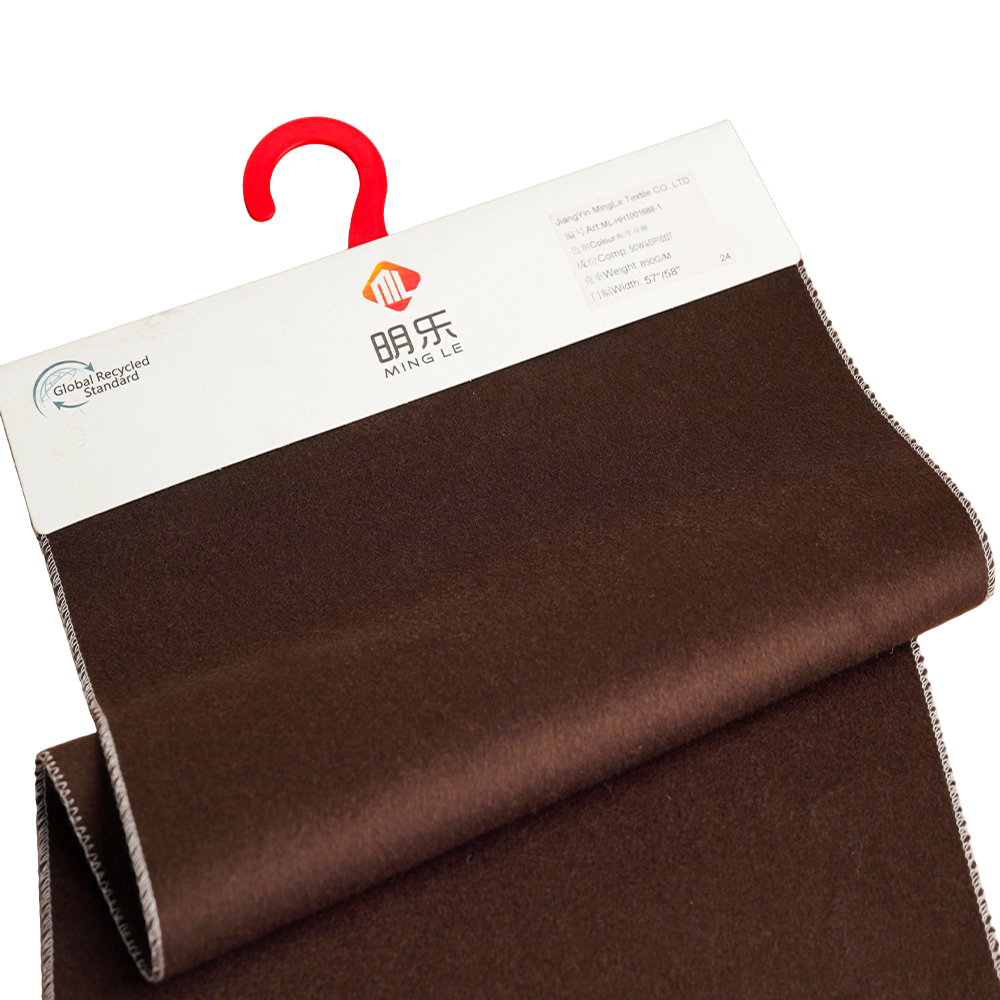
Fabric weight, typically measured in grams per square meter (gsm) or ounces per square yard (oz), is the single most defining characteristic of an overcoat wool fabric. It dictates the coat's seasonality, formality, and overall presence. A comprehensive overcoat wool fabric weight guide helps categorize fabrics for their ideal use. Lightweight fabrics (250-350 gsm) are suitable for autumn or spring overcoats and unlined styles, offering drape without bulk. Mid-weight fabrics (350-500 gsm) are the versatile workhorses for standard winter coats, providing a balance of warmth and manageable weight. Heavyweight fabrics (500-750 gsm or more) are reserved for the coldest climates and structured coats like polo coats or balmacans, offering exceptional insulation and a robust, authoritative drape that holds sharp tailoring.
| Weight Category | Typical Range (gsm) | Best For | Characteristics |
| Lightweight | 250 - 350 | Autumn/Spring coats, raincoats, unlined styles | Excellent drape, less bulk, suitable for layering |
| Mid-weight | 350 - 500 | Standard winter overcoats, everyday wear | Good warmth-to-weight ratio, versatile, holds shape well |
| Heavyweight | 500 - 750+ | Extreme cold, structured coats (e.g., polo coat) | Superior insulation, very durable, strong architectural drape |
The debate between overcoat wool fabric blend vs pure wool centers on balancing natural benefits with enhanced performance or cost considerations. Pure wool, especially high-quality grades like merino, offers unparalleled natural breathability, moisture-wicking, and a distinctive, rich hand-feel. It is biodegradable and provides excellent warmth. However, pure wool can be more susceptible to wrinkling and may require more careful maintenance. Blends introduce other fibers to modify these properties. Adding a small percentage of nylon or polyester significantly increases tensile strength and abrasion resistance, making the fabric more durable for daily wear. Blending with cashmere or alpaca elevates softness and loft for luxury. A mohair blend adds a distinctive halo and improves shape retention. The choice depends on the priority: classic purity and natural performance, or enhanced durability and specific aesthetic effects.
Answering how to choose overcoat wool fabric for winter requires a practical, multi-factor approach. First, assess your climate: for damp, cold winters, a tightly woven, mid-to-heavyweight fabric like melton or gabardine provides better wind and moisture resistance. For dry, frigid climates, a lofty, heavyweight fabric like a wool-cashmere blend offers superior insulation. Consider your lifestyle: for daily commuting, prioritize durability (look for a wool-nylon blend) and a weight you can comfortably wear for long periods (often mid-weight). For occasional formal wear, you can opt for a pure, luxurious fabric like cashmere. Finally, match the fabric to the coat's intended style—a structured peacoat demands a firm, heavyweight cloth, while a relaxed raglan-sleeve coat can use a softer, medium-weight fabric.
For bespoke tailoring and high-end ready-to-wear, heavyweight overcoat wool fabric for tailoring is the gold standard. These dense, substantial cloths are designed to be shaped and molded by a tailor's hands. Melton wool is a prime example: a heavily felted, smooth-faced fabric that is incredibly windproof, durable, and maintains a crisp edge, making it iconic for military-style coats. Tightly woven whipcord or cavalry twill offers diagonal ridges, exceptional durability, and a distinctive look. For ultimate luxury, heavyweight cashmere or camel hair coatings provide incomparable softness and warmth with a graceful drape. These fabrics are investments, chosen for their ability to create a garment with lasting structure, presence, and heirloom quality.
For fashion brands, designers, and manufacturers, sourcing from reputable overcoat wool fabric wholesale suppliers is a strategic business decision. Key evaluation criteria extend beyond price per meter. Assess the supplier's minimum order quantities (MOQ) to ensure they align with your production scale. Investigate their supply chain stability and consistency in dye lots for color continuity across seasons. A strong supplier will have a transparent quality control system and provide access to technical data sheets for their fabrics. Crucially, look for suppliers with active product development, capable of offering new weaves, blends, and finishes that keep your collections fresh and competitive in the market.
Beyond standard offerings, the ability to customize is what allows a brand to truly differentiate. Leading suppliers offer services to develop fabric based on a client's specific sample or brief. This can involve customizing the fiber blend to achieve a unique hand-feel, developing exclusive colors, engineering a specific weight, or applying special finishes like water-repellent treatments or a particular milled surface. This collaborative process transforms a supplier into a development partner, enabling the creation of signature fabrics that become a core part of a brand's identity.
To preserve the beauty and function of a wool overcoat, proper care is non-negotiable. Always follow the garment's care label. As a general rule, wool benefits from airing out between wears and should be stored on a wide, padded hanger to maintain shoulder shape. Spot clean when possible. For professional cleaning, seek out specialists experienced with wool coatings. Avoid frequent washing, as it can degrade the fibers and affect the fabric's finish. Proper care ensures an overcoat remains a wardrobe staple for decades.
The textile industry is increasingly focused on sustainability. Innovations in overcoat wool fabric now include the use of recycled wool fibers, which reduce environmental impact without sacrificing quality. Traceability of wool sourcing, certifications for responsible land management, and the development of biodegradable blends are becoming important considerations for both manufacturers and conscious consumers, shaping the future of fabric selection.
The "best" weight depends on your specific winter conditions and personal tolerance. As a general rule from any overcoat wool fabric weight guide, a mid-weight fabric (350-500 gsm) is an excellent, versatile choice for most temperate winter climates, offering a good balance of warmth without being oppressively heavy. For very cold, dry climates, a heavyweight overcoat wool fabric for tailoring (500+ gsm) is recommended. For milder, wet winters, a tightly woven mid-weight fabric may be preferable to a bulky heavyweight one. Always consider the coat's lining as well, as it adds significant warmth.
The overcoat wool fabric blend vs pure wool debate has no universal winner; it's about trade-offs. Pure wool offers superior natural breathability, biodegradability, and often a more luxurious, traditional hand. A blend (e.g., 80% wool, 20% nylon) is typically more durable, wrinkle-resistant, and sometimes more affordable. For a daily-wear coat that needs to withstand abrasion, a sturdy blend can be more practical. For a luxury or special-occasion coat where feel and tradition are paramount, pure wool is often preferred. The key is understanding the properties each fiber brings to the blend.
Assessing quality involves several tactile and visual checks. First, examine the density and feel: high-quality overcoat wool fabric should feel substantial and dense, not thin or papery. Check the resilience by gently squeezing the fabric in your hand; it should spring back quickly with minimal creasing. Look at the weave; it should be even and tight without obvious gaps. For pure wool, a soft, natural luster is a good sign. Lastly, review the label for fiber content and consider the reputation of the brand or the transparency of the overcoat wool fabric wholesale suppliers they source from.
Absolutely. Overcoat wool is not exclusively for deep winter. The key is selecting the appropriate weight as outlined in a comprehensive overcoat wool fabric weight guide. Lightweight wool coatings (250-350 gsm) are perfectly suited for autumn, spring, and even cool summer evenings. These fabrics provide just enough warmth and excellent style without causing overheating. An unlined wool overcoat in a lighter weight is a timeless piece for transitional weather, proving the versatility of this category beyond the harshest winter months.
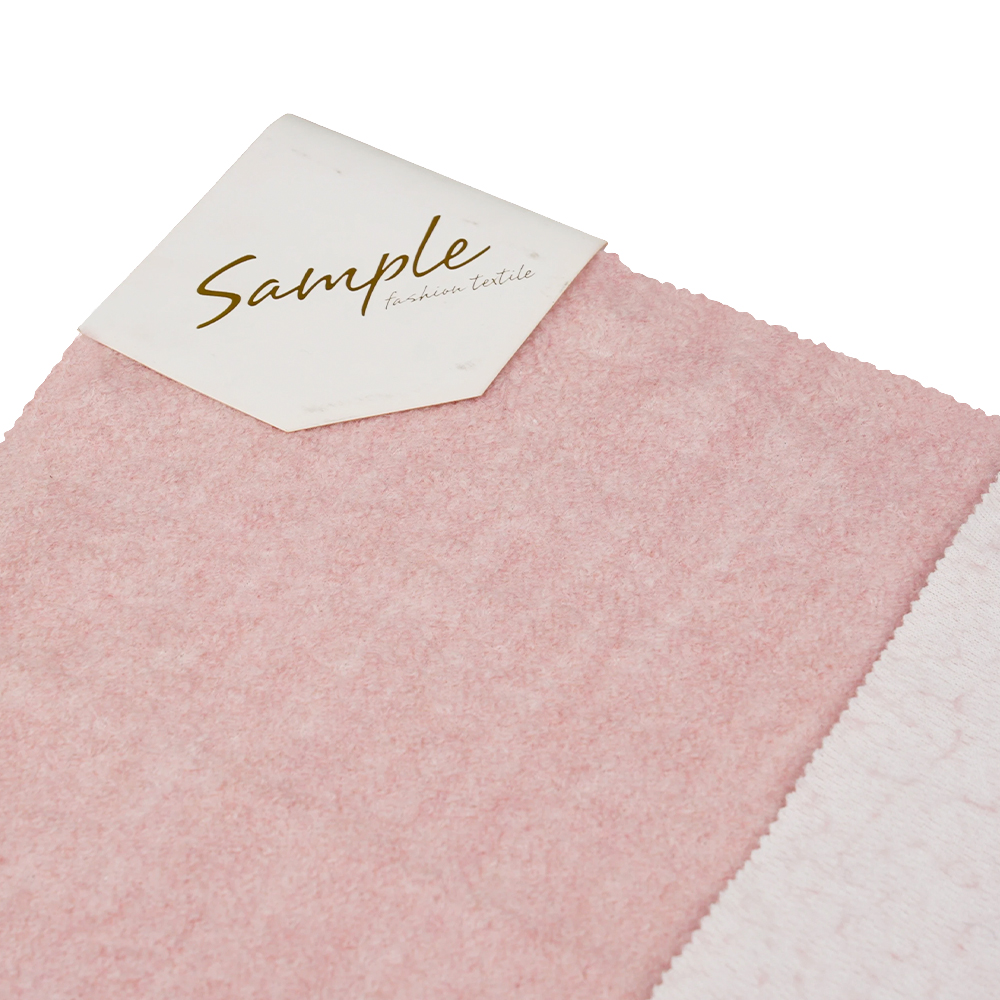
40% Wool 60% Polyester 700-740G/M Pink-White Small Fish Scale Loop Woolen Fabric...
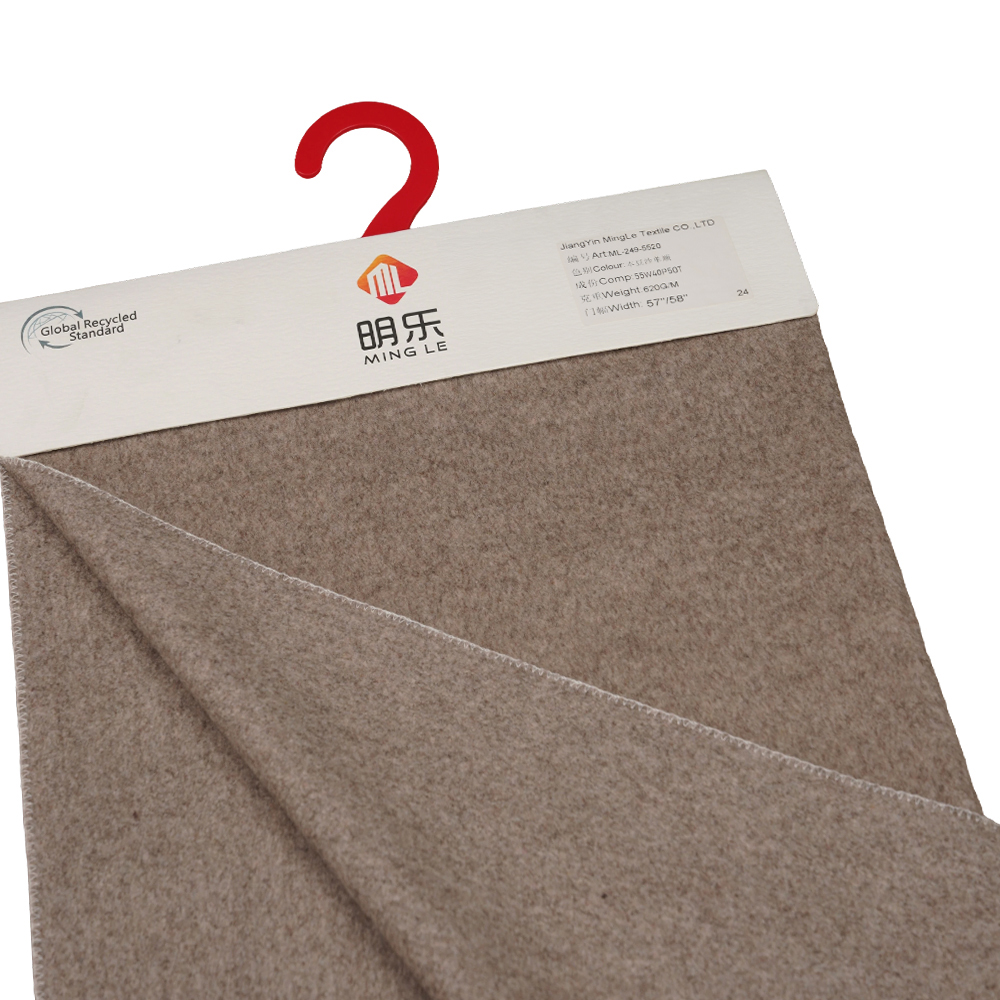
55% Wool 40% Polyester 5% other fiber620G/M Bean Sand single-face overcoating Fl...
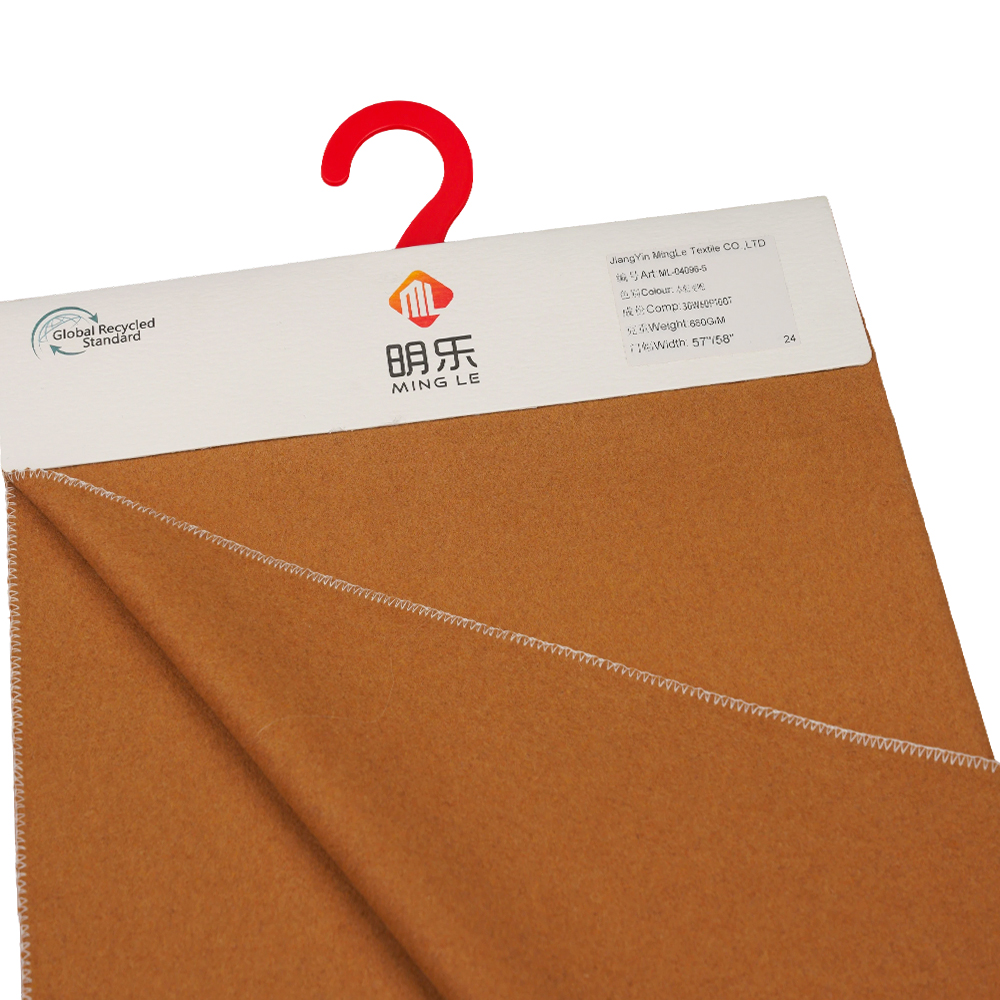
Brownish-Tan Melton Fabric: 30% Wool, 60% Polyester, 10% other fiber, 680g/m Thi...
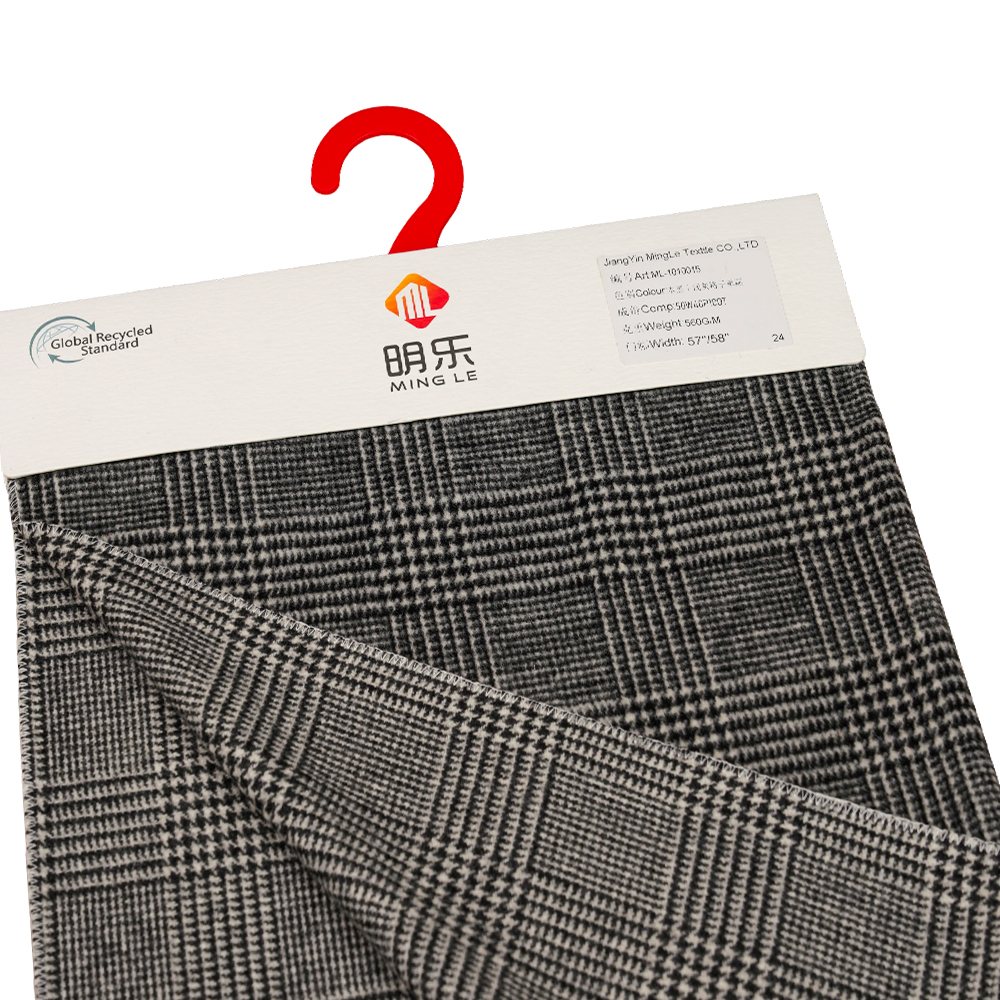
50% Wool, 40% Polyester, 10% Other Fiber, 560g/M Black + Light Gray Check Single...
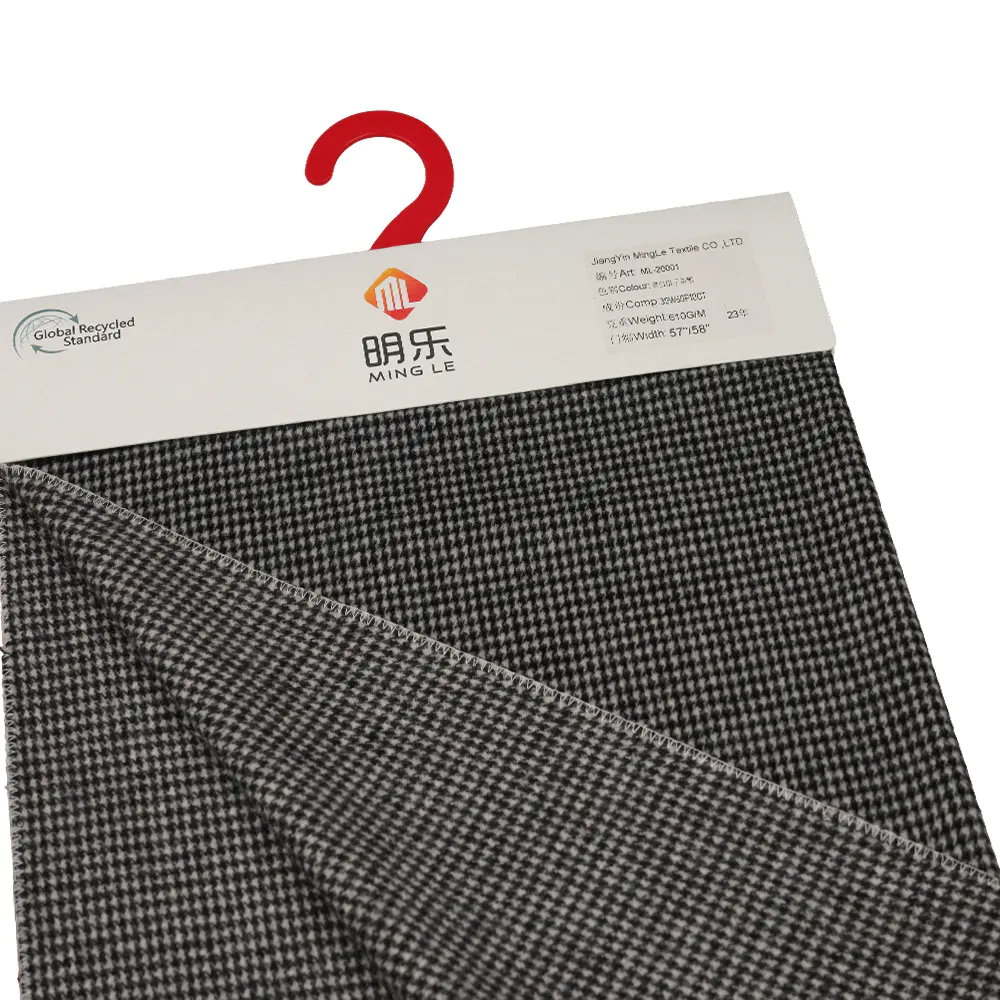
30% Wool 60% Polyester 10% other fiber610G/M Black White Plaid Single-Pile Fleec...
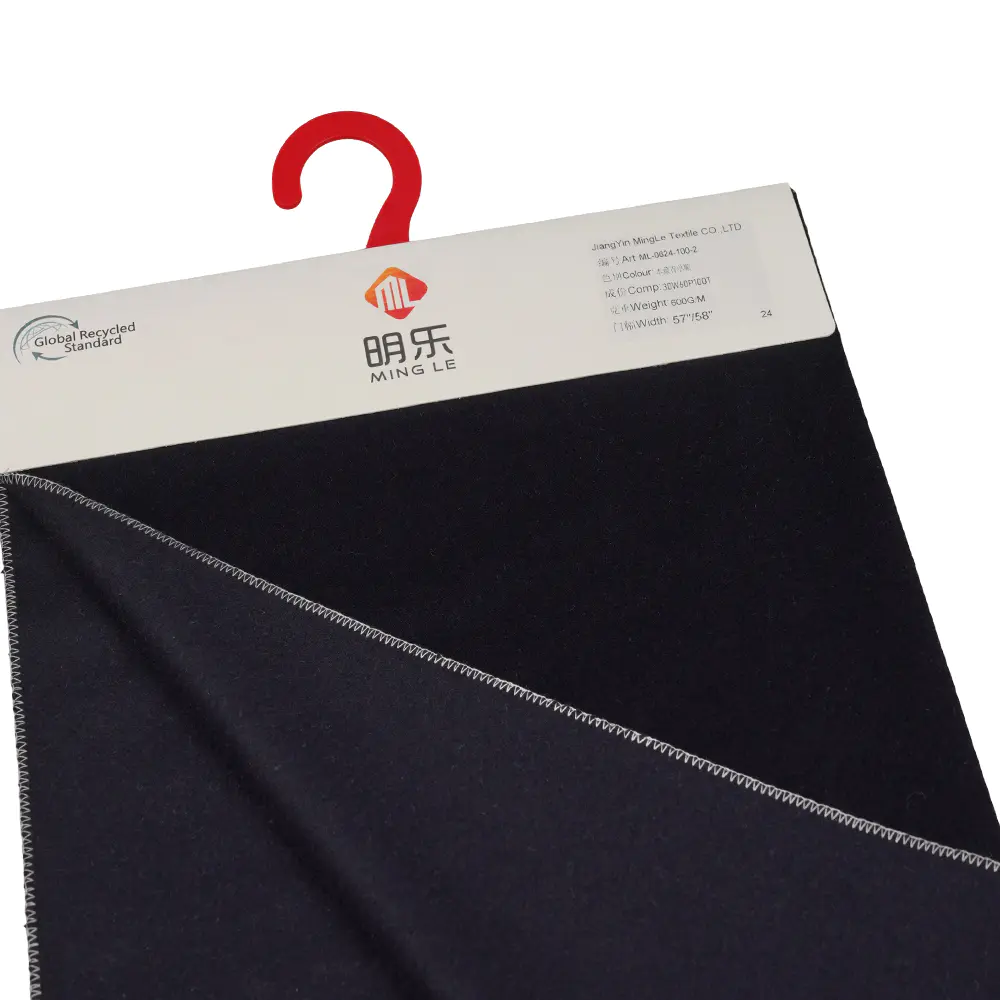
30% Wool, 60% Polyester, 10% other fiber, 600g/m Classic Navy Blue single-face o...
 +86 - 510 - 86373115
 +86 - 13812129532
 No. 118, Huancun West Road, Huaxi Fifth Village, Huashi Town, Jiangyin City, Wuxi City, Jiangsu Province, China


