

 English
 中文简体
中文简体News
Home > News > Industry News > How Does Twill Wool Melton Fabric Compare to Regular Wool and Other Fabrics?

Content
Twill wool melton fabric is a versatile and durable material that has become a favorite in the world of outerwear, especially for colder climates. Known for its thick, felt-like texture and exceptional warmth, this fabric is primarily used in the creation of heavy-duty garments such as winter coats, jackets, and other outerwear. The combination of the distinct twill weave and the melton finishing process gives the fabric its unique characteristics, making it both luxurious and functional.
Twill wool melton fabric is a durable, heavy wool fabric with a diagonal weave pattern, providing strength and a textured surface. The melton finish, which involves brushing and pressing the fabric, gives it a smooth, dense texture and enhances its insulating properties. This fabric is typically used in high-end outerwear like coats and jackets, offering excellent protection against cold weather while maintaining style and comfort. The tight weave and melton finish make it resistant to fraying, ensuring long-lasting performance in both harsh conditions and daily wear.
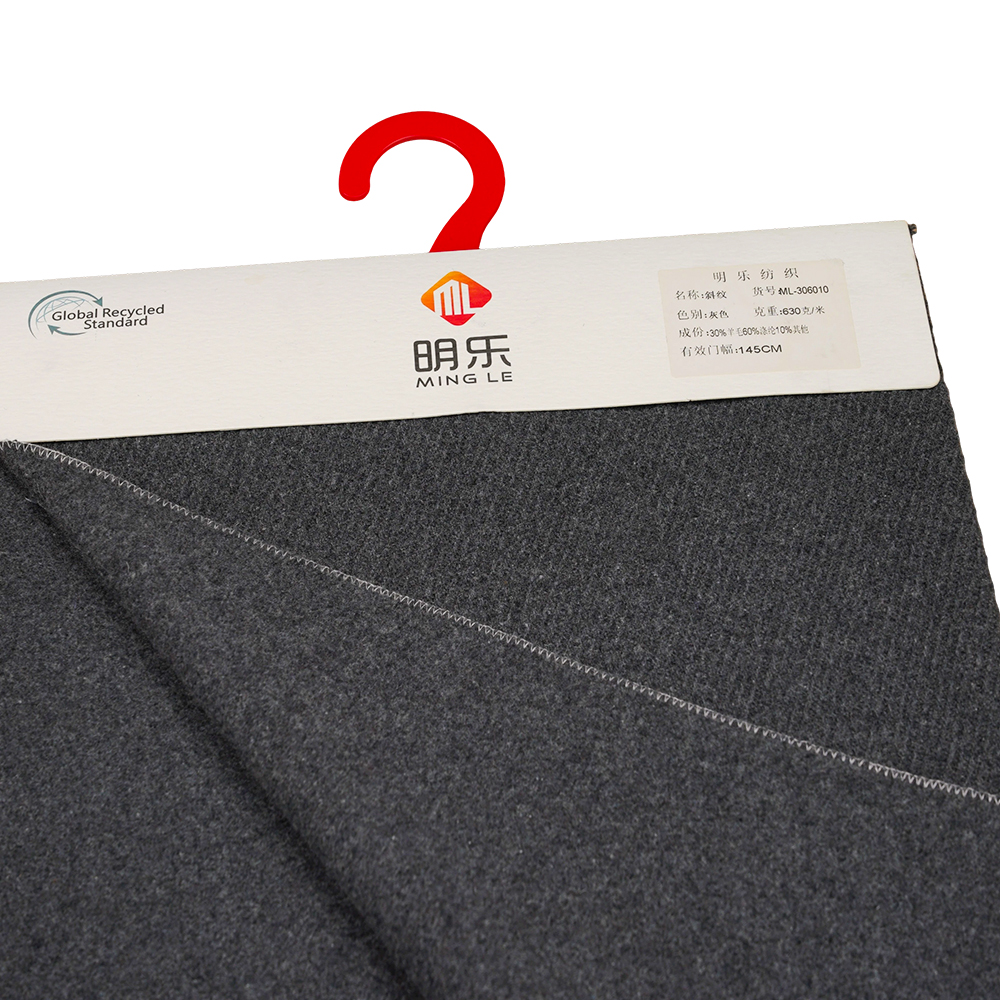
High-Quality and Durability
One of the most prominent features of twill melton coating fabric is its superior quality. The tight, dense weave combined with the melton finish gives the fabric an incredibly smooth and sturdy texture that is both luxurious and functional. Twill wool melton is designed to withstand wear and tear, making it a long-lasting option for winter clothing. The fabric’s durability is particularly beneficial in outerwear, where the garment is subjected to constant movement and exposure to various elements, such as wind, rain, and snow.
Wind and Water Resistance
Due to the dense nature of the fabric, twill wool melton provides excellent protection against wind and cold weather. The fabric’s tight weave prevents wind from penetrating, while its insulating properties trap warmth close to the body. Additionally, the melton finish gives the fabric a water-resistant quality, making it suitable for harsh winter climates. This resistance to the elements ensures that wearers stay warm and comfortable, even in the most challenging conditions.
Comfort and Breathability
Although twill wool melton fabric is thick and durable, it does not sacrifice comfort. Wool is naturally breathable, which allows the fabric to regulate body temperature. Unlike synthetic materials that can trap moisture, wool allows moisture to evaporate, keeping the wearer dry and comfortable. The soft texture of the fabric against the skin further enhances its comfort, making it a favorite for outerwear that will be worn for extended periods.
Environmental Sustainability
Twill wool melton fabric is made from natural fibers, which are biodegradable and environmentally friendly. Wool, in particular, is a renewable resource, as sheep grow new fleece each year. The eco-friendly nature of twill wool melton makes it an appealing choice for consumers who are conscious of the environmental impact of their clothing. This aligns with the growing trend toward sustainable fashion, where natural and recyclable materials are becoming more desirable.
Twill wool melton fabric is primarily used in the creation of winter outerwear, where its durability, warmth, and resistance to the elements are essential. Below are some of the most common applications:
| Product Type | Recommended Fabric | Features and Benefits |
|---|---|---|
| Winter Coats | High-Quality Twill Wool Melton Fabric for Winter Coats | Provides warmth, protection from wind and water, long-lasting. |
| Tailored Suits | Twill Wool Melton Fabric for Tailoring | Luxurious, structured, and comfortable for formal outerwear. |
| Winter Accessories | Durable Twill Wool Melton Fabric for Cold Weather | Ideal for hats, scarves, and gloves due to its warmth and shape retention. |
| Military Uniforms | Heavyweight Twill Wool Melton Fabric for Cold Weather | Strong, durable, and provides excellent weather protection. |
When selecting twill wool melton fabric, it is essential to consider several factors to ensure that the material meets your specific needs. Whether you’re making a winter coat, a tailored suit, or accessories, the right choice of fabric can make all the difference in both performance and appearance. Here are the key considerations when choosing twill wool melton fabric:
Twill wool melton fabric comes in various weights, which will influence how the fabric performs. Lighter weights are typically used for lighter outerwear, such as jackets or blazers, while heavier weights are ideal for winter coats or garments that need to withstand colder temperatures. A heavier fabric provides more insulation, making it more suitable for colder climates.
When selecting the weight, think about the garment’s intended use and the climate in which it will be worn. For example, if you’re designing a long winter coat for very cold temperatures, you should opt for a heavier twill wool melton fabric that provides maximum warmth and durability.
Although twill melton coating fabric is traditionally made from 100% wool, there are also blended versions available. Some fabrics incorporate synthetic fibers such as polyester, nylon, or acrylic, which can enhance the durability, wrinkle resistance, and moisture-wicking capabilities of the material.
The right blend will depend on your requirements. For instance, if you need a fabric that will withstand heavy use and still look fresh, a blend of wool and synthetic fibers may be preferable. However, if you want the traditional luxurious feel of wool, a pure wool twill melton coating fabric may be the best choice.
The finish of the fabric is just as important as the fibers used in its construction. Twill wool melton fabric undergoes a specialized finishing process that helps create its dense and smooth surface. When choosing this fabric, ensure that it has been properly processed to achieve the high-quality finish that will give it the desired look and feel.
Check for smoothness and uniformity in the fabric. A well-finished twill wool melton should not have any rough patches, lumps, or inconsistencies. The finish not only impacts the appearance but also the fabric’s ability to resist dirt and stains and maintain its shape over time.
When selecting twill melton coating fabric, it is also important to assess how easy it will be to maintain. High-quality twill wool melton is relatively low-maintenance and can be cleaned with proper care. Some fabrics are treated with water-resistant coatings, which can make them easier to clean and more resistant to stains and moisture.
However, keep in mind that wool fabrics, while durable, require proper care to maintain their look and feel. Always check the care instructions for the fabric, as certain types may need to be dry cleaned or require gentle washing techniques. For garments that will be worn frequently, it is worth investing in twill melton coating fabric that is both durable and easy to maintain.
When comparing twill wool melton fabric to other common fabrics used in outerwear and winter clothing, several key differences emerge. These differences make twill wool melton a unique and desirable material for high-quality winter garments.
Regular wool is widely used in the production of various garments, including suits, sweaters, and outerwear. However, compared to twill wool melton, regular wool often lacks the density and weather-resistant properties that make melton fabric so appealing for winter coats and jackets.
The twill wool melton finish involves a special process that adds density, smoothness, and water resistance, providing additional protection against the elements. Regular wool, on the other hand, may not offer the same level of protection from wind and moisture, which can make twill wool melton fabric a more suitable choice for cold-weather clothing.
Polyester is a synthetic fabric often used in outerwear for its durability, affordability, and resistance to moisture. However, polyester lacks the breathability and natural insulating properties of wool, which is one of the key advantages of twill wool melton fabric.
While polyester can be durable and resistant to wrinkles, it does not offer the same warmth and comfort as wool. Twill wool melton fabric is breathable and naturally regulates body temperature, making it far more comfortable to wear in cold weather for extended periods.
Down feathers, used in down jackets and winter coats, provide excellent insulation and warmth. However, down jackets are often bulkier, and the insulation may not provide the same level of wind and water resistance as twill wool melton fabric. While down is highly effective in terms of warmth, twill wool melton offers superior durability and resistance to the elements, making it more suitable for long-lasting winter outerwear.
| Care Tip | Recommended Action | Frequency |
|---|---|---|
| Dry Cleaning | Dry clean garments to maintain shape and finish | After each season or as needed |
| Storage | Use padded hangers or garment bags | Store during off-seasons or when not in use |
| Stain Removal | Blot stains gently, use wool cleaner if necessary | As soon as stains occur |
| Brushing/De-pilling | Use fabric brush or de-pilling comb | Periodically, depending on wear and tear |
In conclusion, twill wool melton fabric offers a unique combination of luxury, functionality, and durability that makes it a top choice for high-quality winter outerwear. Whether you’re designing a classic coat, a tailored jacket, or stylish accessories, twill wool melton fabric provides the warmth, wind resistance, and comfort necessary for enduring cold temperatures. By understanding the various aspects of twill wool melton fabric, from its properties to its care, you can make informed decisions about how to incorporate this fabric into your wardrobe or designs.
Twill Wool Melton Fabric differs from regular wool fabric in its weave and finish. It features a dense, heavy twill weave, which gives it a smooth, polished surface, making it more durable and weather-resistant compared to traditional wool fabrics.
Yes, Twill Wool Melton Fabric is ideal for high-end custom clothing. Its luxurious texture, sturdiness, and refined appearance make it a popular choice for premium garments such as coats, suits, and outerwear.
To care for Twill Wool Melton Fabric, it’s recommended to dry clean the fabric to maintain its quality. If necessary, gentle hand washing with a mild wool detergent is acceptable. Avoid wringing or twisting the fabric to preserve its shape and texture.
Yes, Twill Wool Melton Fabric is highly suitable for cold climates. Its dense weave provides excellent insulation, making it a great choice for outerwear like winter coats and jackets, offering warmth and protection against the elements.
Twill Wool Melton Fabric is considered environmentally friendly due to its natural wool content. Wool is a renewable and biodegradable material. However, the environmental impact can vary depending on the production processes and dyeing methods used. Opting for sustainably sourced wool enhances the eco-friendly nature of the fabric.
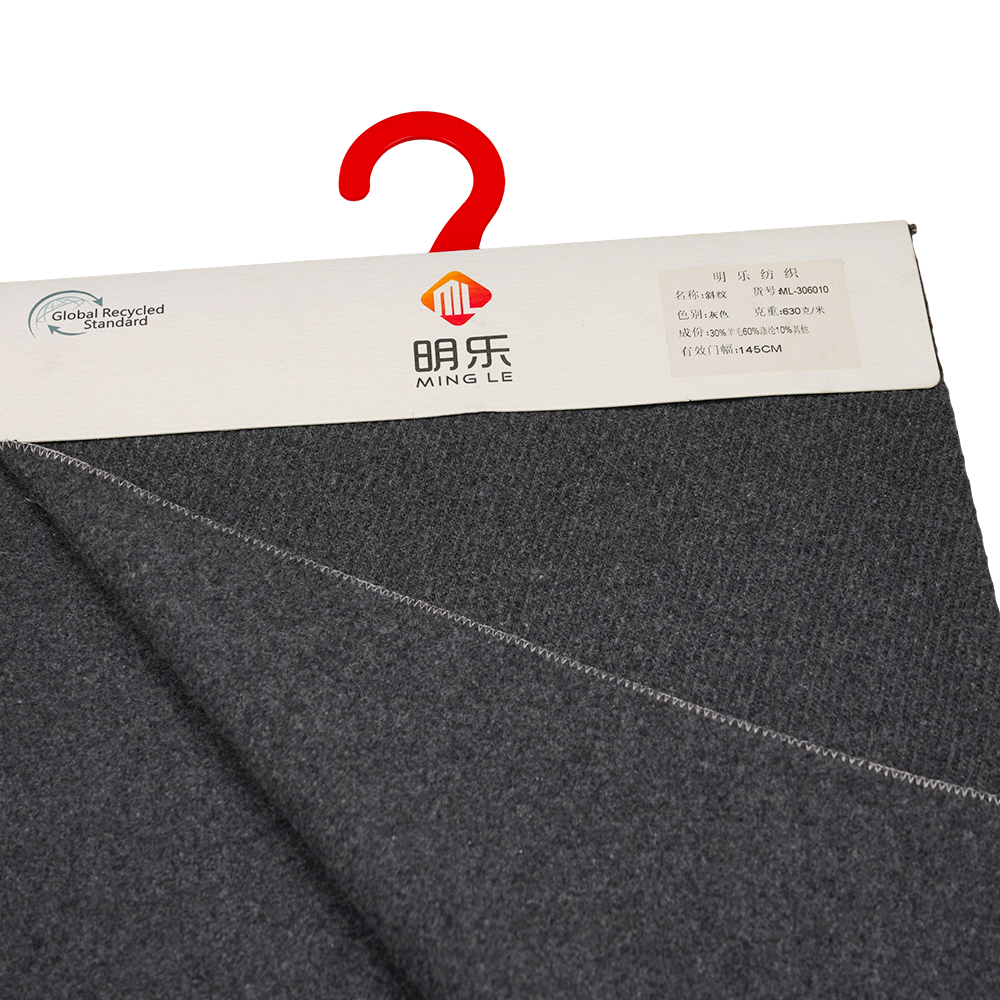
Gray Twisted Wool-Melton Fabric: 630g Weight Wool Blend for Versatile Business a...
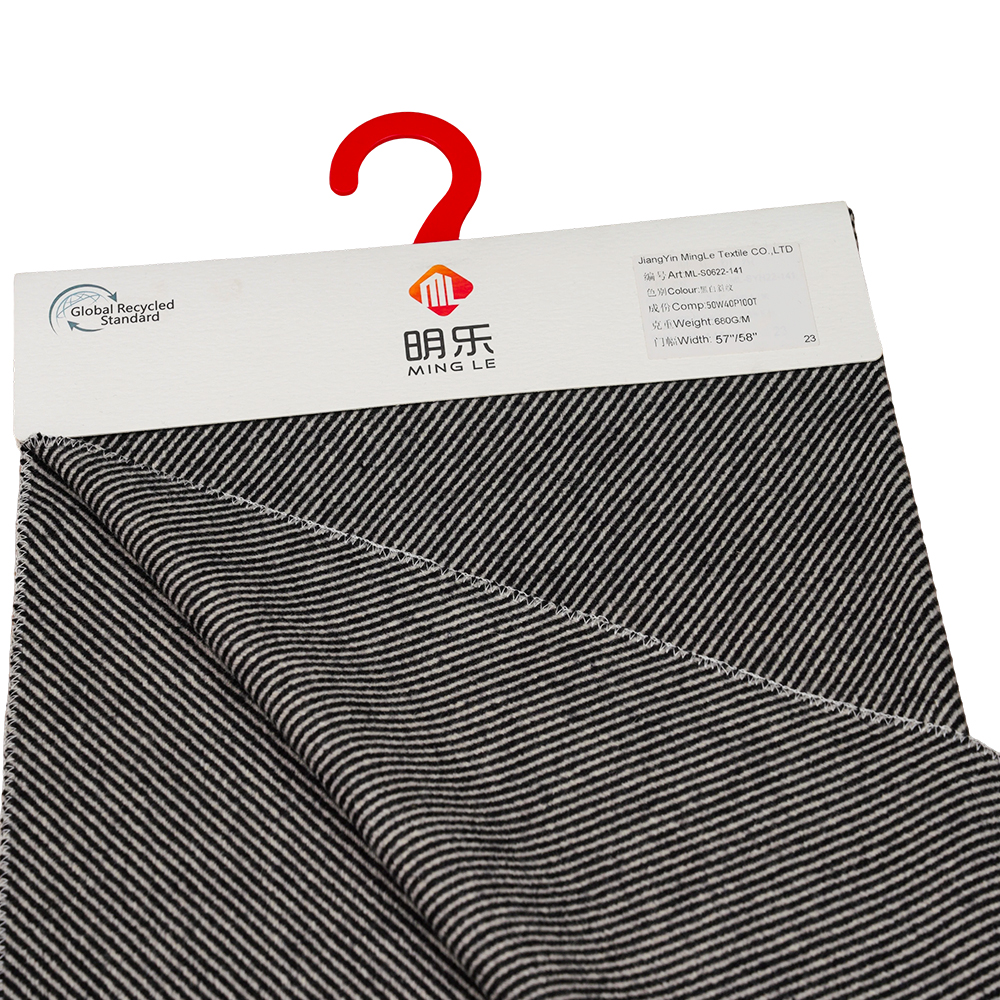
50% Wool 40% Polyester 10% other fiber680G/M Black White Twill Melton Fabric | S...
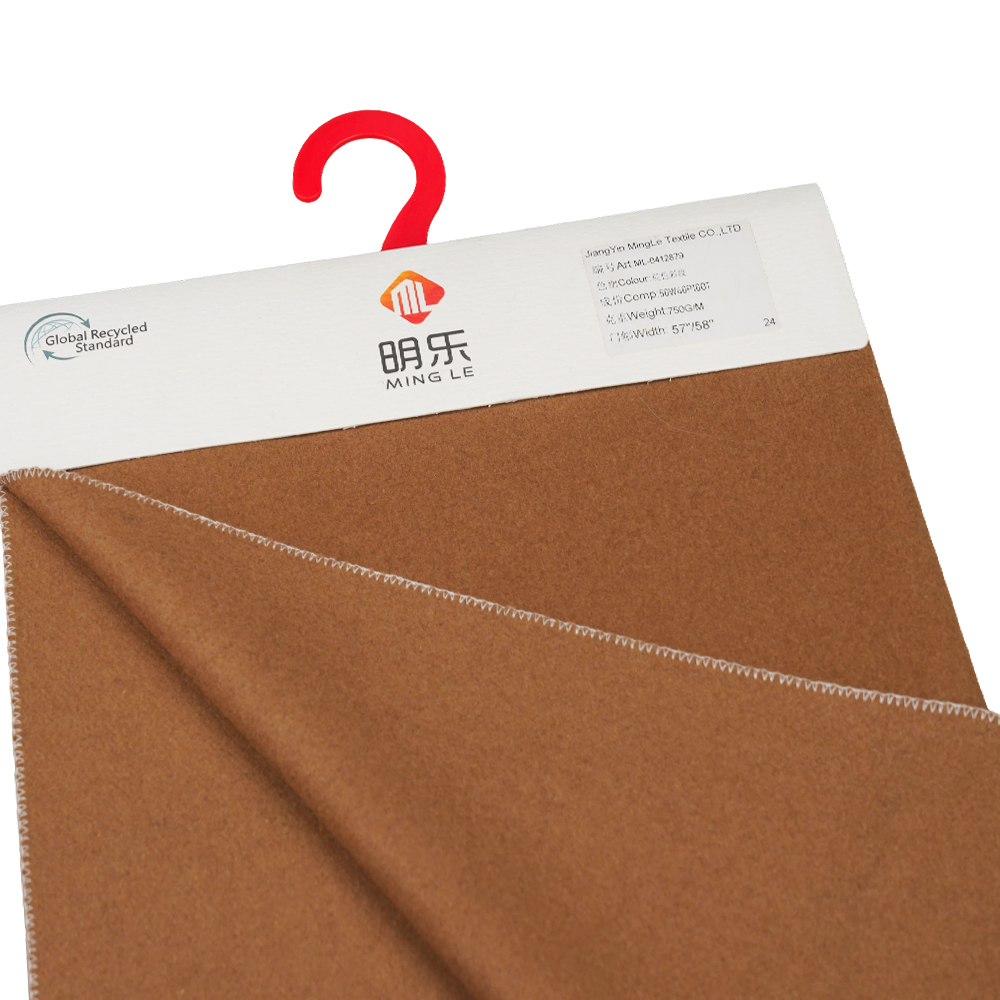
ML-0412879 Camel Twill Fabric: 730g/m 50% Wool, 50% other fiberThis ML-0412879 f...
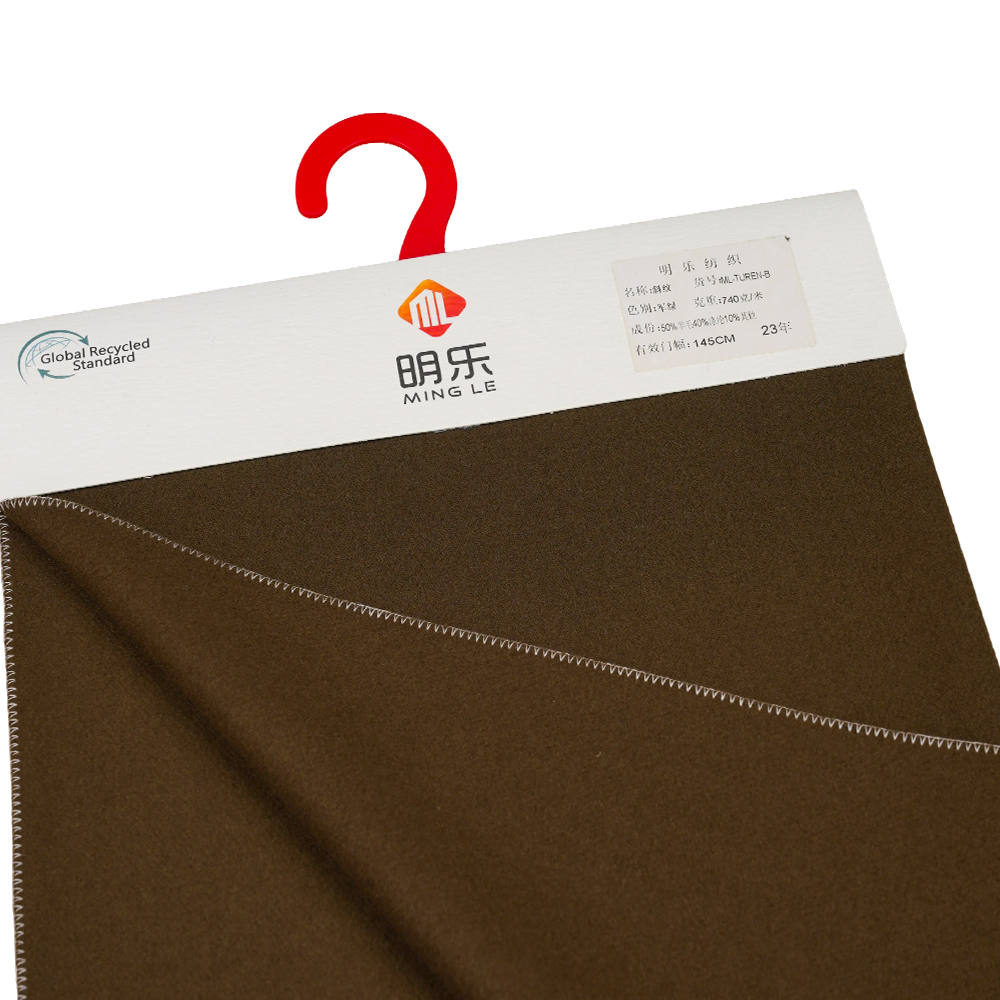
Military Green Twill Fabric: 740g Wool Blend, Suitable for Versatile UseThis mil...
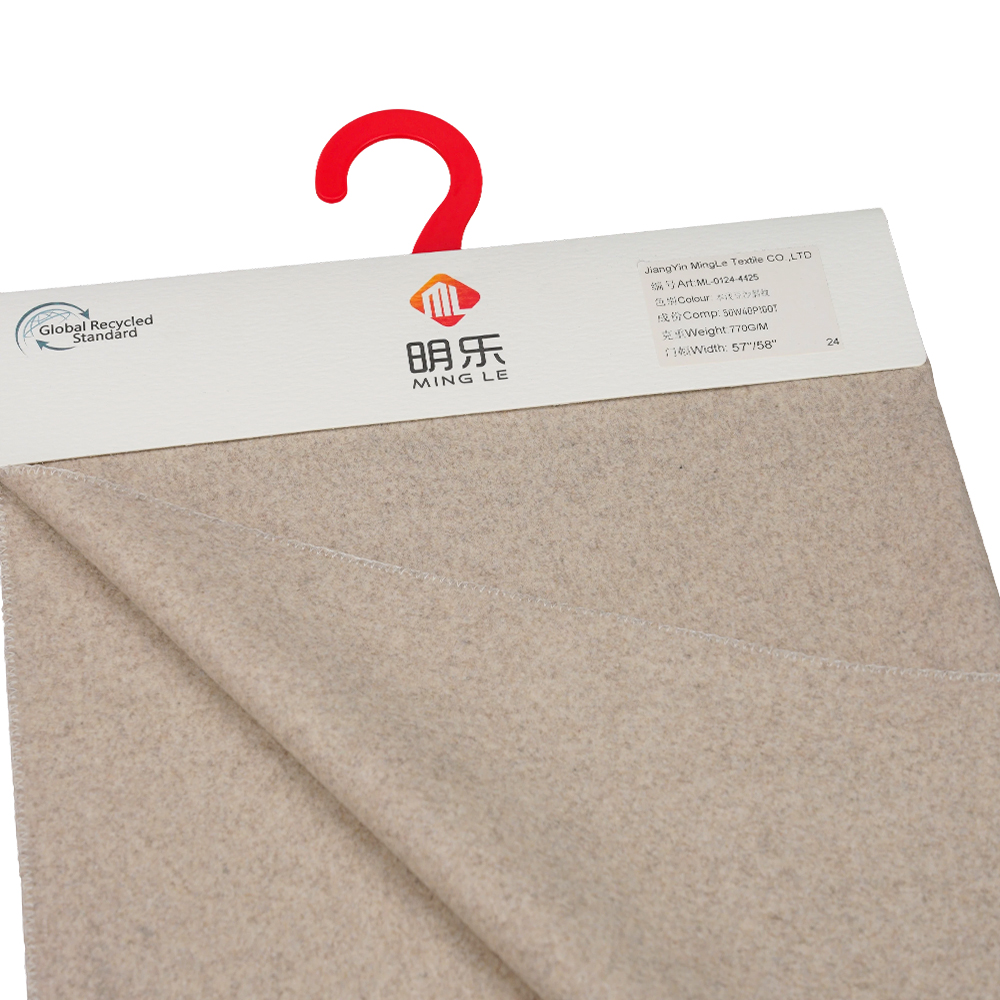
50% Wool, 40% Polyester, 10% other fiber, 770g/m Natural Light Bean Paste Twill ...
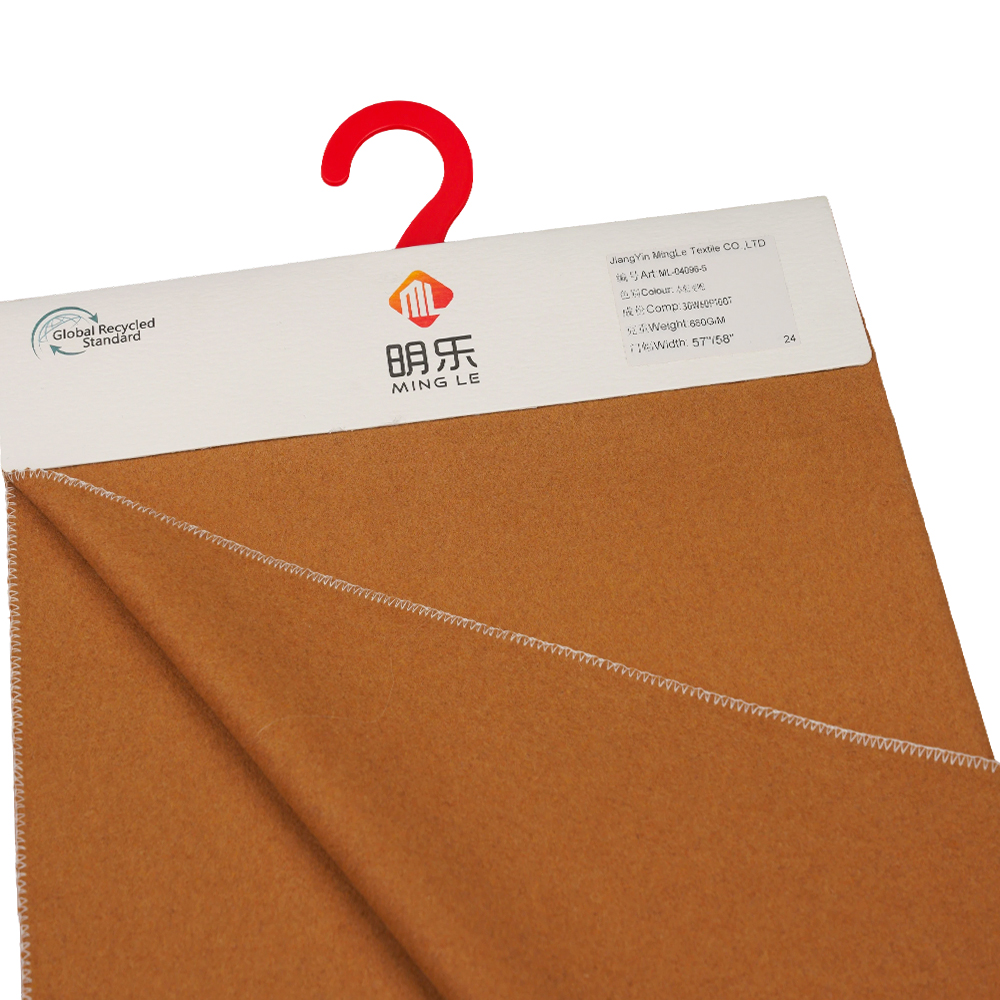
Brownish-Tan Melton Fabric: 30% Wool, 60% Polyester, 10% other fiber, 680g/m Thi...
 +86 - 510 - 86373115
 +86 - 13812129532
 No. 118, Huancun West Road, Huaxi Fifth Village, Huashi Town, Jiangyin City, Wuxi City, Jiangsu Province, China


