

 English
 中文简体
中文简体News
Home > News > Industry News > What Does GSM Mean for Wool Coating Fabric Selection? The Buyer's Guide

Content
A sourcing manager in a garment factory is comparing two wool coating fabrics. Both are labeled 50% wool and 40% polyester, but one weighs 560gsm and the other 740gsm. The price gap is about 12 percent, and the finished coats will be different in structure, warmth, and drape. This is what GSM means in wool coating fabric selection - and why it matters before you place a bulk order. Although both fabrics have the same wool percentage, the heavier one costs more per meter. The question is not whether the heavier fabric is better, but whether the difference justifies the added cost for your target market.
GSM stands for grams per square meter and represents the areal density of a fabric. A 600gsm wool coating fabric weighs exactly 600 grams for every square meter, measured by cutting a template from a flat condition sample and weighing it on a calibrated scale.
Grams per square meter is the standard unit of areal density. It quantifies the total fiber mass packed into one square meter of fabric and provides the most useful single comparison number when selecting wool coating fabric weight.
The number includes all fibers in the blend: wool, cashmere, polyester, viscose, nylon, and any other component. This is critical because a 750gsm fabric with 30% wool and 70% polyester is not comparable to a 750gsm fabric with 60% wool and 40% polyester.
GSM does not reveal wool percentage, weave structure, finishing treatments, or fiber quality. What it does deliver is a reliable baseline. When two fabrics share the same construction and composition, the higher GSM fabric simply contains more fiber mass in every square meter.
GSM is the strongest single predictor of warmth in wool coating fabric. A 750gsm double-face wool fabric is built for temperatures around 0C and below, while a 340gsm flannel suits 10-15C conditions.
Warmth derives from trapped air. Heavier fabrics trap more still air in their structure, slowing heat transfer away from the body. A 50% wool, 40% polyester fabric at 760gsm is significantly warmer than the same composition at 560gsm, despite identical wool content.
Drape and structure follow a clear pattern. Light fabrics in the 300-400gsm range fall fluidly and suit relaxed silhouettes. Midweight fabrics hold a balanced shape. Heavy fabrics above 700gsm create strong, architectural lines but resist soft movements.
Durability improves with weight. Heavier fabrics resist abrasion better and survive longer garment lifespans. But 800gsm and above also means higher cost per meter, more needle resistance, and more difficult folding on a sewing line. Another practical consideration is how GSM interacts with finishing. A fabric with a heavy brushed or milled finish may have a lower GSM but feel warmer than a lighter-weight fabric with a tight finish, because the raised surface creates an extra insulating layer.
| Fabric Weight | Warmth Level | Drape Character | Abrasion Resistance | Typical Weather |
| 300-400gsm | Light | Fluid, soft | Moderate | 10-15C |
| 450-650gsm | Moderate | Balanced | Good | 5-10C |
| 700-900gsm | High | Structured | Excellent | Below 5C |
In the coarse spun wool fabric market, GSM spans from 300g to 870g, and each fabric family has its own typical weight window.
Across all fabric families, the practical rule is simple: lower GSM for relaxed silhouettes, higher GSM for structured deep-winter coats. Let the weight window of the fabric family guide your decision.
At Jiangyin Mingle Textile Co., Ltd., a 340gsm flannel fabric works well for a soft, unstructured fall coat. A 600gsm single-face overcoating serves as an everyday winter garment. A 750gsm double-face supports a structured, high-end overcoat. The same rule applies across the entire product range: lower weights suit lighter construction, and higher weights support more demanding climates.
When reviewing samples, pay close attention to the GSM consistency between rolls. A variation of 20-30gsm within a production batch can produce visible differences in drape, so in-house quality checks should verify the GSM reading on every delivery. The wool coat materials guide provides a deeper look at how fiber content and weight interact across different fabric families.
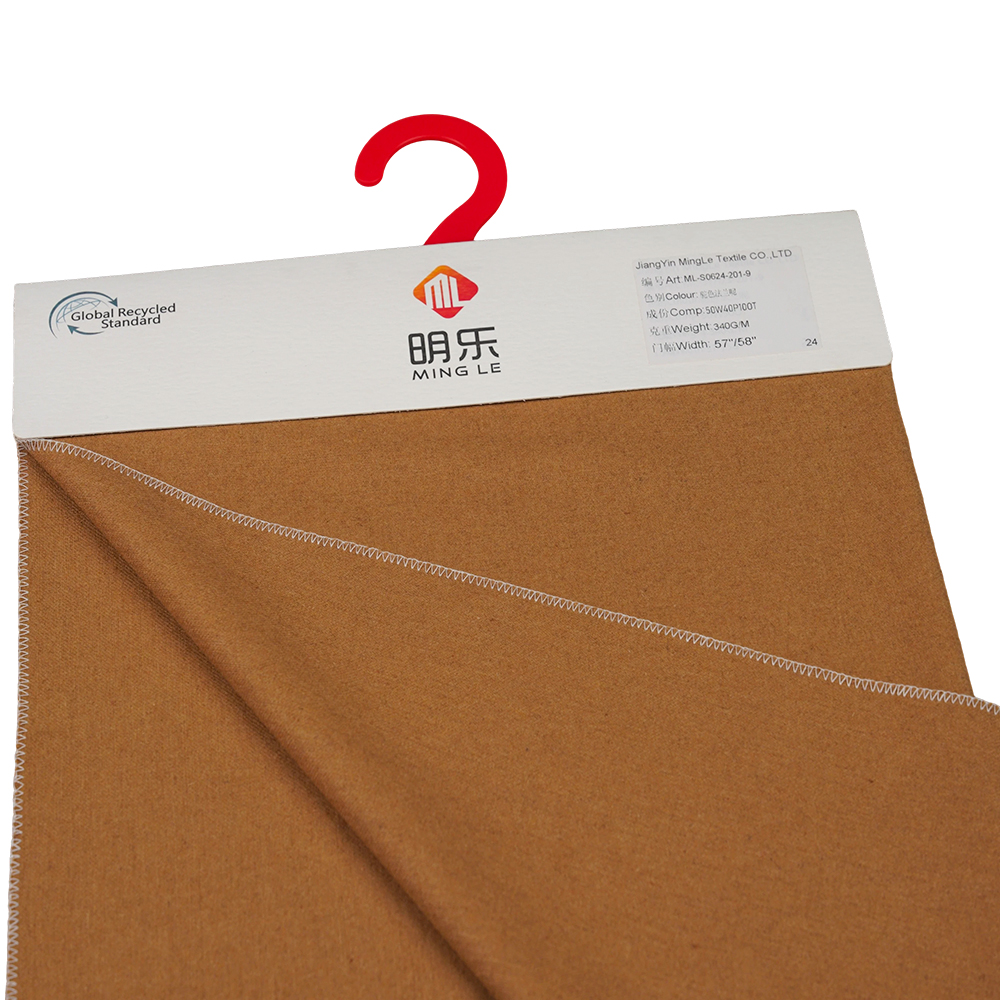 Camel Flannel Wool Blend Fabric 340 GSM for Spring and Autumn OuterwearThis camel flannel blends 50% wool with polyester for a balance of warmth and durability at 340 g/m. Its uniform texture and neutral tone make it a practical choice for blazers, trousers, and light coats while supporting consistent drape in production.View Product →
 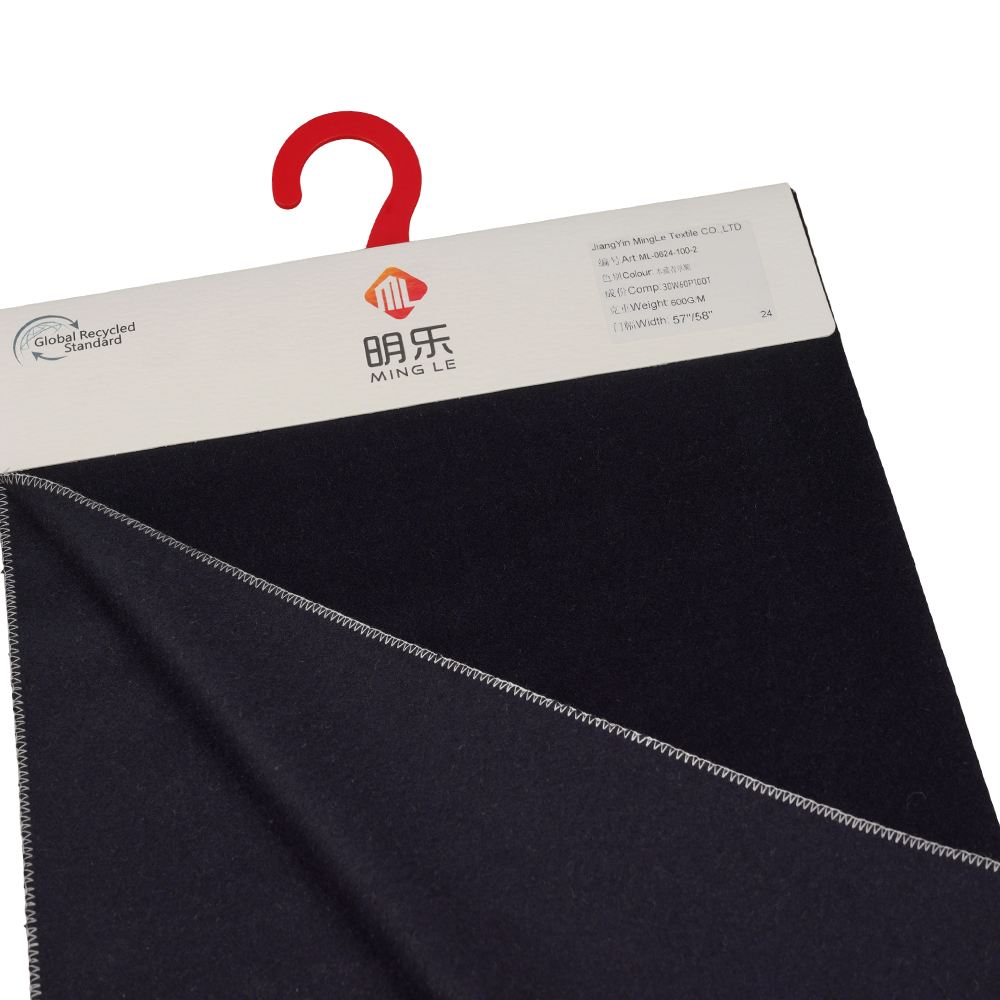 Navy Single-Face Overcoating Fabric 600 GSM with Wool and PolyesterA classic navy overcoating at 600 g/m, combining 30% wool and 60% polyester for warmth and resistance to pilling. Its stable finish suits autumn and winter jackets or coats, and checking GSM consistency helps maintain a clean silhouette.View Product →
 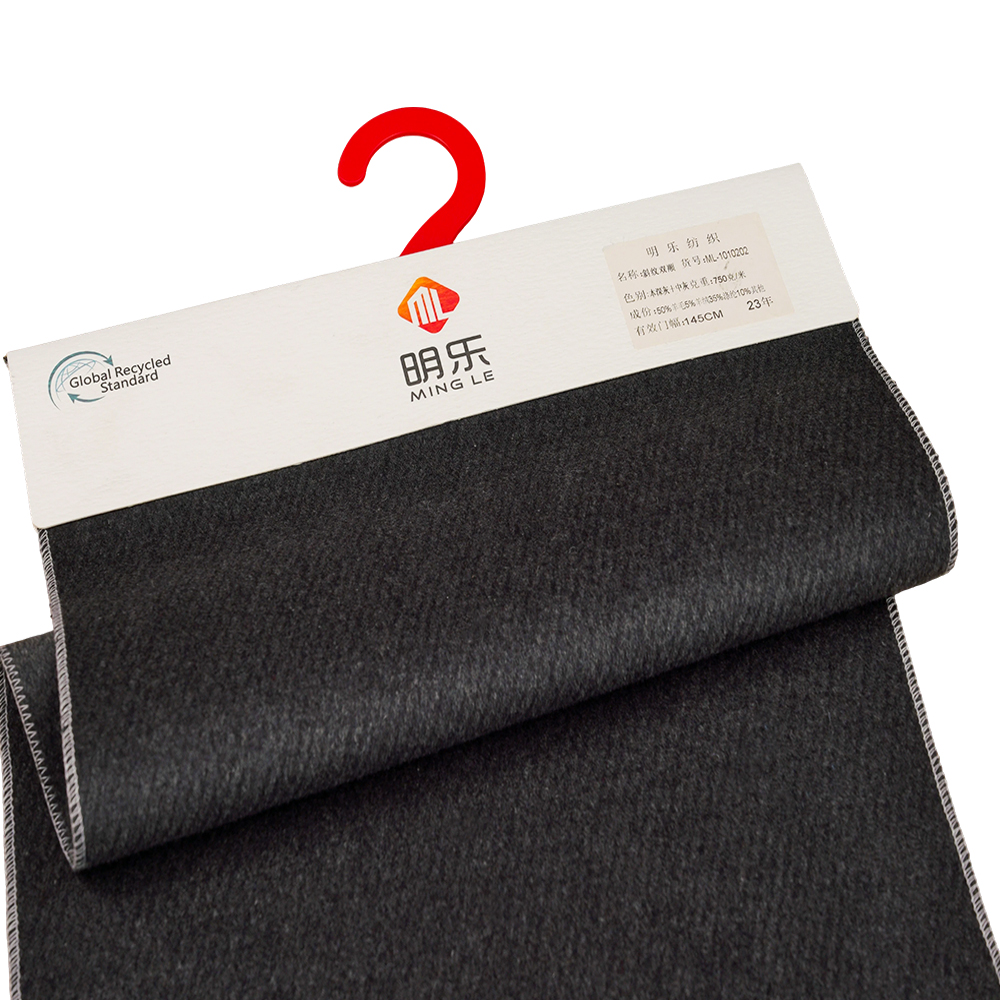 Dark Gray Twill Double-Face Overcoat Fabric with Cashmere 750 GSMThis 750 g/m double-face overcoating includes 5% cashmere for extra softness and warmth. With a reversible twill finish and two gray tones, it supports structured coats and jackets while offering flexible design options for various occasions.View Product →
Choose the lowest GSM that still meets the warmth and silhouette requirements of the end garment. Higher weight always raises cost, and it also makes the coat stiffer and harder to sew.
Lower material cost per meter
Soft, fluid drape that suits relaxed cuts
Simpler to sew on standard machines
Ideal for transitional and spring coats
Higher material cost per meter
Strong, structured drape for tailored silhouettes
Requires industrial needle and presser capability
Built for deep winter wear and premium positioning
Sampling is essential for any new GSM range. Order a sample first and run it through the actual production line before committing to a bulk purchase. The sample will reveal how the fabric behaves under stitching, pressing, and cutting. When you start comparing fabric families, this guide on choosing the right winter coat fabric helps match GSM with end-use requirements.
The right GSM is the one that balances warmth, silhouette, and production cost for your specific market. The number on the spec sheet should always support a product decision, not drive it.
Higher GSM is not automatically better. Over-specifying weight can add cost without improving performance and can make a garment feel bulky and stiff. Here is a pattern that repeats across sourcing conversations: buyers get stuck on a single number. GSM is the best starting point, but it should never be the only line in the specification.
Before you lock in a GSM specification, ask three questions. What temperatures will the end wearer face? What silhouette does the collection need? What is the maximum acceptable fabric cost per meter? The answers to these three questions will give you a target range, not a single number.
Specify GSM as a target range, not a fixed point. A range of plus or minus 10gsm is realistic for production; a point specification causes unnecessary rejections.
For deep winter coats worn below 5C, look for 650-850gsm. For transitional weather around 10-15C, 300-450gsm is sufficient.
No. GSM is a strong factor, but fiber composition matters more. A 700gsm fabric with 30% wool and 70% polyester is often less warm than a 500gsm fabric with 70% wool, because wool provides higher insulation per gram.
Divide the GSM value by 33.906. For example, 600gsm divided by 33.906 equals 17.7 oz/yd2.
Most commercial wool overcoat fabrics run between 600 and 850gsm. Double-face overcoat fabrics from coarse spun mills typically sit in the 720-870gsm range.
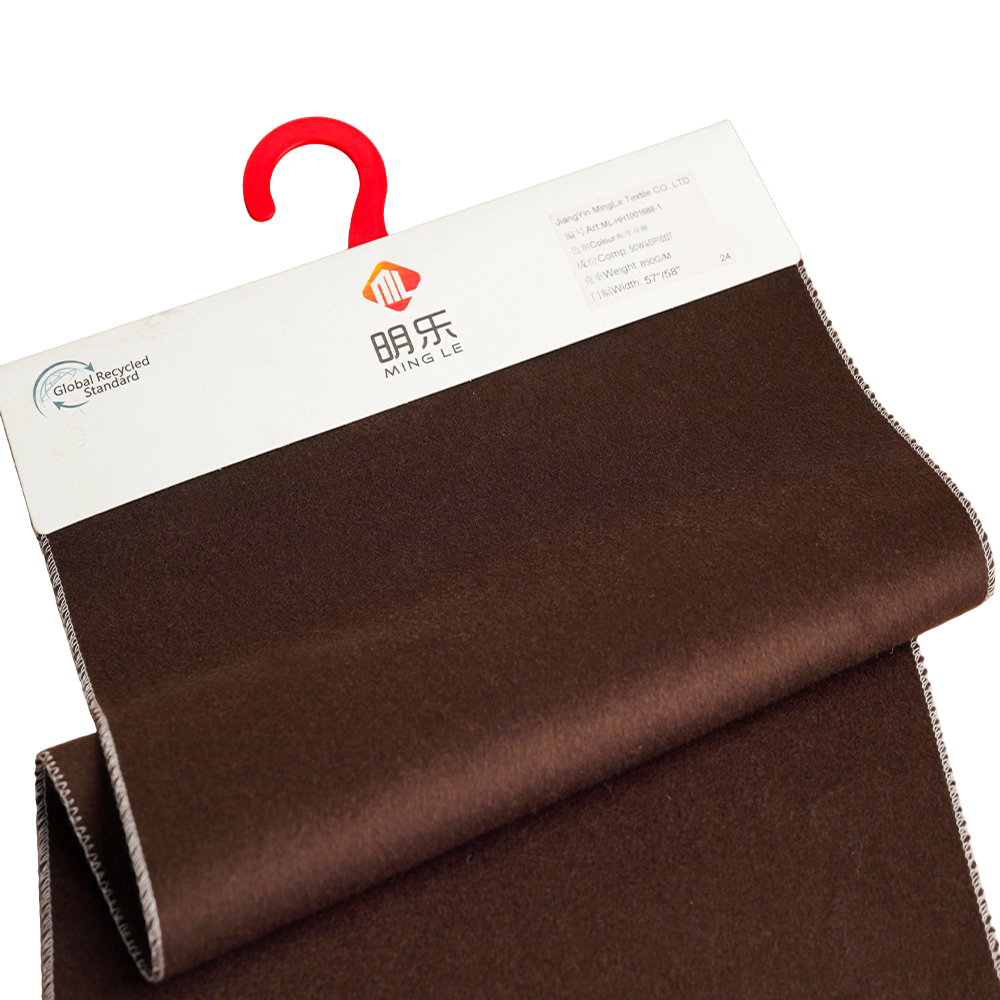
ML-HH1001688-1 Coffee Solid Color Double-face Overcoating Fabric: 850g/m, 50% Wo...
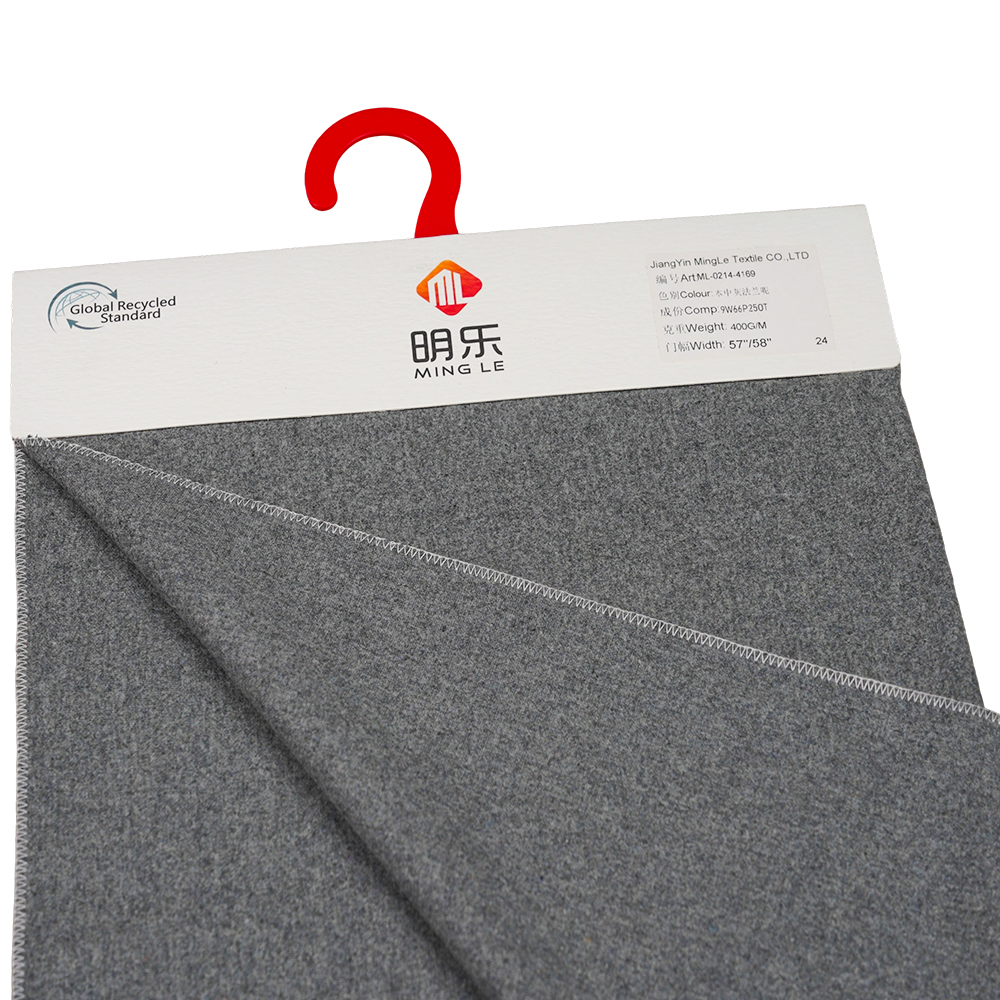
9% Wool 66% Polyester 25% other fiber 400G/M Gray Flannel Fabric – Versatile Neu...
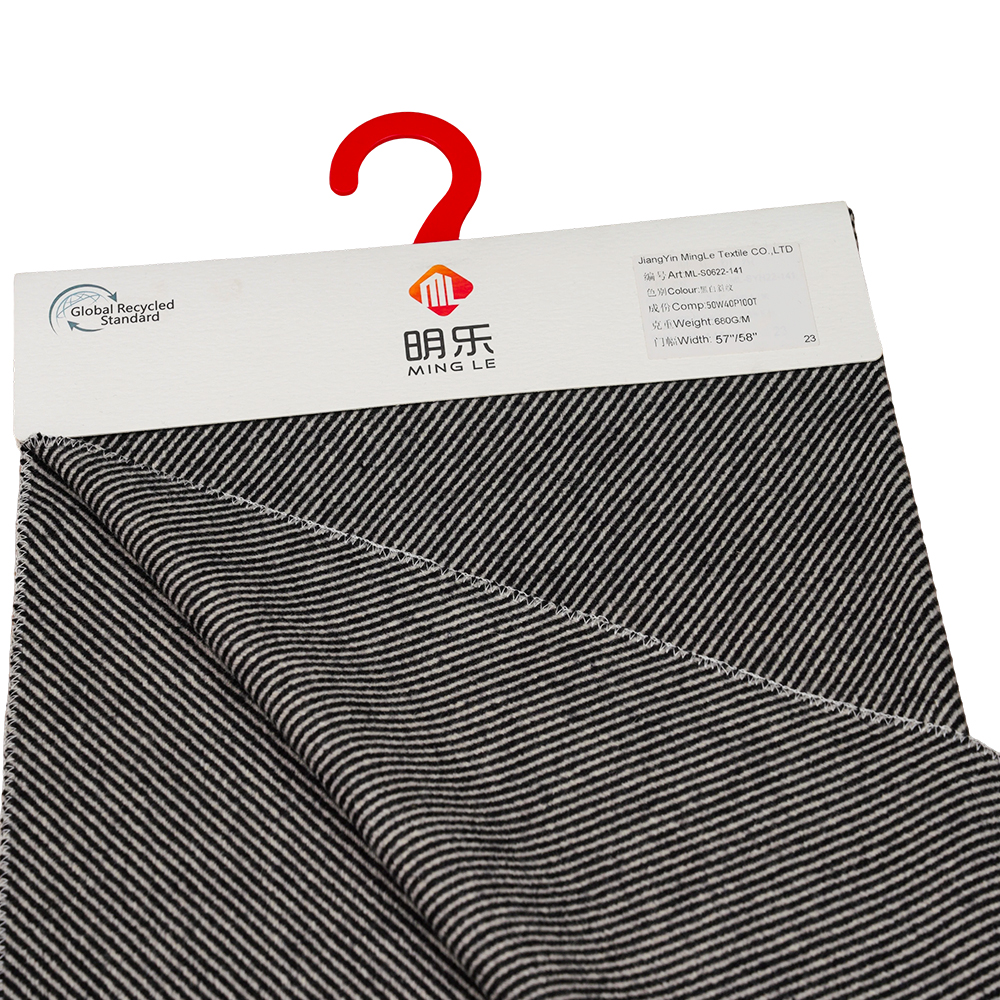
50% Wool 40% Polyester 10% other fiber680G/M Black White Twill Melton Fabric | S...
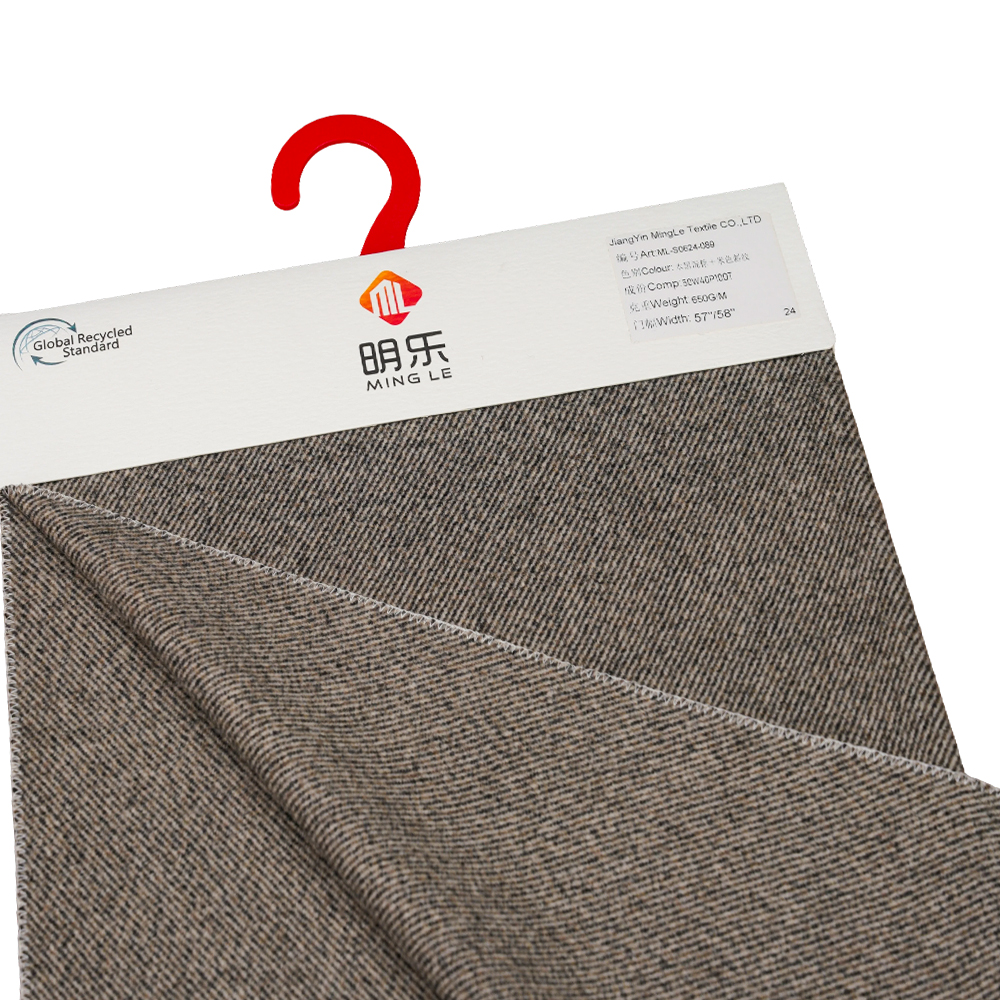
ML-S0624-089 650g/m Off-Black Blend Brown + Beige Twill Wool Fabric: Classic bla...
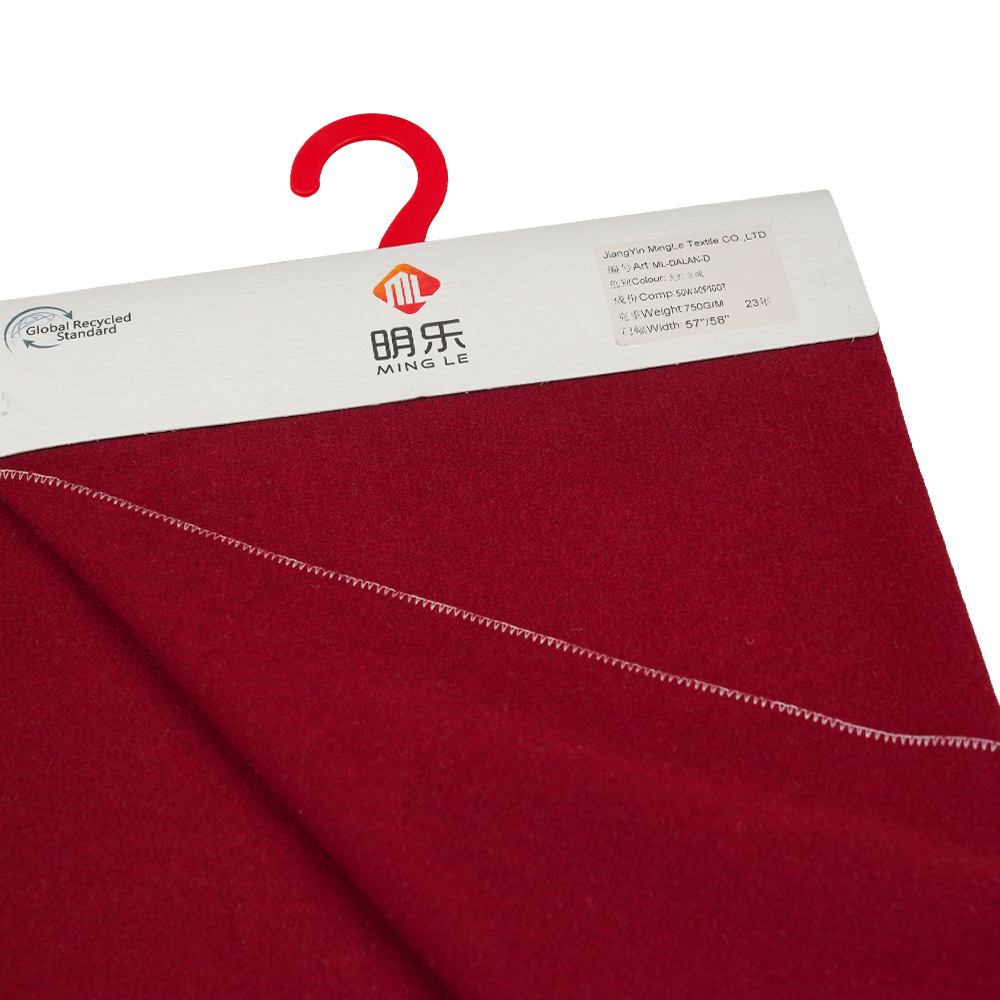
50% Wool 40% Polyester 10% other fiber 750G/M Bright Red Pile Fabric – Professio...
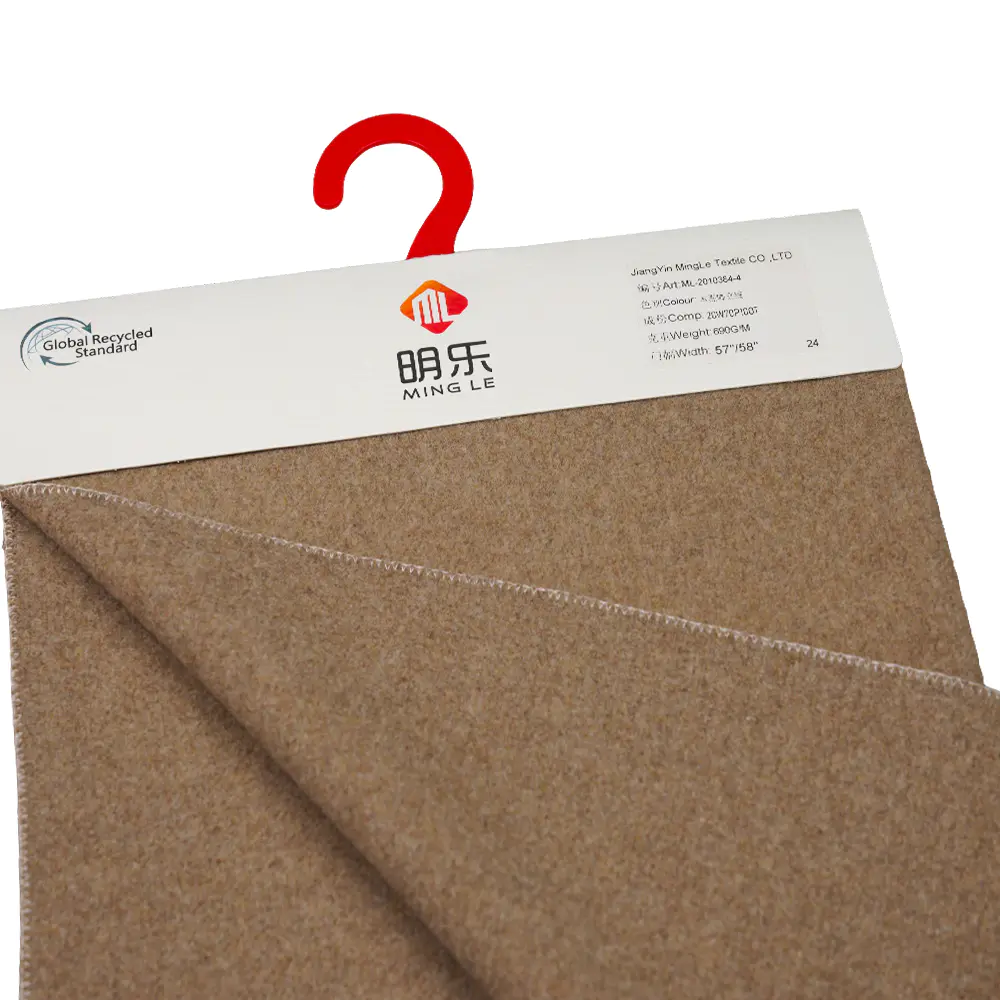
20% Wool 70% Polyester 690g Fleece Fabric: Earth Tones for Multiple Styling Scen...
 +86 - 510 - 86373115
 +86 - 13812129532
 No. 118, Huancun West Road, Huaxi Fifth Village, Huashi Town, Jiangyin City, Wuxi City, Jiangsu Province, China


