

 English
 中文简体
中文简体News
Home > News > Industry News > How to Choose the Right Winter Coat Fabric? What Needs Can Woolen Coats Meet?

Content
During the cold winter months, coats are an essential item in our daily lives. Among the many winter coat options, Woolen Coat stand out because of their natural fiber properties, making them a "winter essential" for many. Not only do they offer excellent warmth, but their soft texture and elegant appearance make them the go-to outerwear for winter outings.
In this article, we will delve into the characteristics of woolen coat materials, analyze the unique advantages of woolen coats in winter outerwear, and provide practical tips for choosing the right woolen coat. If you're still unsure about which coat to wear this winter, a woolen coat is undoubtedly worth considering.
Wool is a natural animal fiber, typically sourced from the hair of sheep, alpacas, camels, and other animals. The wool fibers possess many excellent characteristics that make woolen coats a standout in winter outerwear.
One of the primary functions of winter coats is to protect against the biting cold wind, and woolen coats have a natural advantage in this regard. The dense fiber structure of woolen coats effectively blocks cold winds, preventing wearers from feeling cold. Especially on windy winter days, a woolen coat can provide extra protection against the cold.
Compared to other materials, woolen coats have better cold resistance. In low-temperature environments, wool fibers continue to retain heat, ensuring warmth even in sub-zero conditions. For people frequently exposed to cold weather, a woolen coat is the best choice.
In recent years, environmental concerns have become a global focus. Wool, as a natural renewable resource, far surpasses many synthetic materials in terms of eco-friendliness. Wool fibers are biodegradable in the natural environment, making woolen coats beneficial not only for the wearer but also for the planet.
Compared to synthetic fibers, woolen coats release fewer harmful substances during production, aligning better with sustainable development principles. If you want to choose a winter coat that is both warm and environmentally friendly, a woolen coat is an ideal option.
The insulating properties of woolen coats are unquestionable. The fine air pockets in wool fibers effectively block out cold and retain heat. When compared to down coats, woolen coats offer similar warmth but have better breathability, meaning that wearing them won't cause overheating or discomfort.
In addition to wool, other common winter coat materials include polyester, tweed, cashmere, and down. Each fabric has its own unique pros and cons, and consumers should choose based on their needs.
When choosing a winter coat, it's not only the appearance and style that matters but also the material's performance under different weather conditions. Here is a detailed comparison of woolen coats and other common winter coat fabrics.
Down coats are well-known for their superior warmth and have an important place in the market. However, while woolen coats may not always outperform down in warmth, they have unique advantages that make them a popular choice for winter outerwear. The advantages of woolen coats include better breathability, durability, and environmental friendliness.
Tweed coats are often used for formal occasions because of their thickness and noble appearance. Woolen coats, however, are more widely used in daily life, especially in cold weather. The main difference between woolen and tweed coats lies in warmth and comfort. While tweed offers some warmth, woolen coats are warmer and more breathable, avoiding the overheating issues that tweed can sometimes cause.
Cashmere coats are valued for their fine texture, softness, and warmth, but they are usually much more expensive. Woolen coats, while not as soft as cashmere, provide excellent insulation and are much more affordable. For those seeking luxury on a budget, a woolen coat is a great alternative to a cashmere coat, offering comparable warmth at a more reasonable price point.
Woolen coats are versatile, making them a popular choice for winter outerwear. A woolen coat is suitable for daily commutes, business settings, casual wear, and even formal occasions.
A woolen coat is a classic winter piece that can be paired with various styles of clothing. Here are some recommended ways to style your woolen coat:
Woolen coats are a classic winter option that offers unparalleled warmth, comfort, environmental friendliness, and style. By understanding the characteristics of woolen coat materials, the benefits of different insulating fabrics, and the advantages of woolen coats, you can confidently choose the perfect woolen coat for your winter wardrobe. Whether for everyday wear, business attire, or formal occasions, a woolen coat will keep you warm and stylish throughout the cold season.
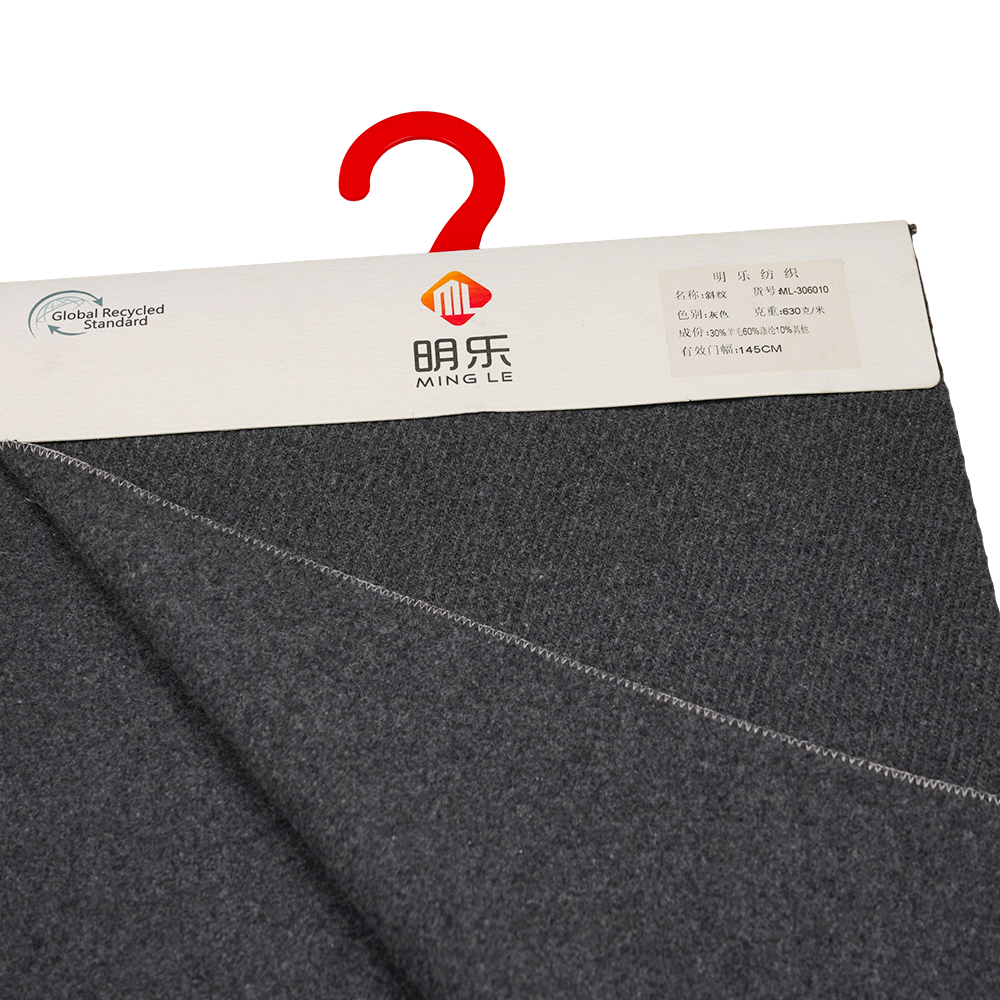
Gray Twisted Wool-Melton Fabric: 630g Weight Wool Blend for Versatile Business a...
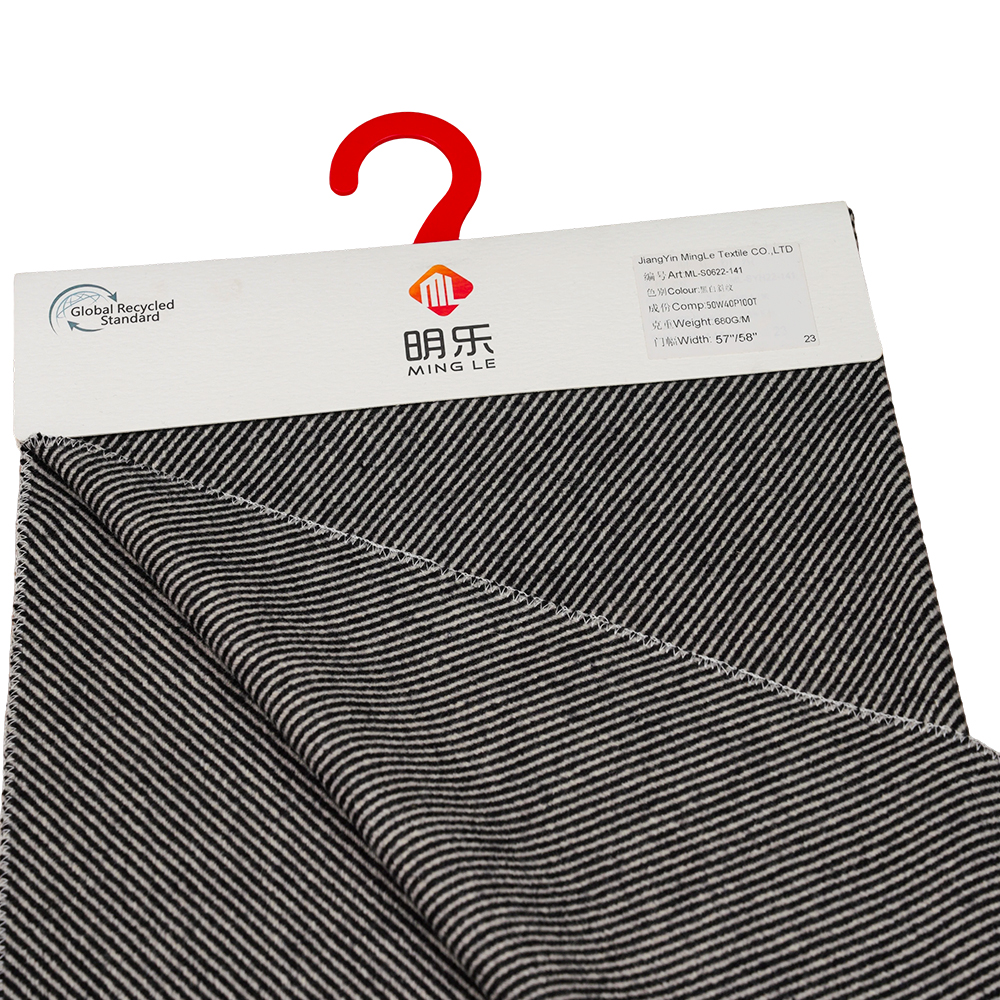
50% Wool 40% Polyester 10% other fiber680G/M Black White Twill Melton Fabric | S...
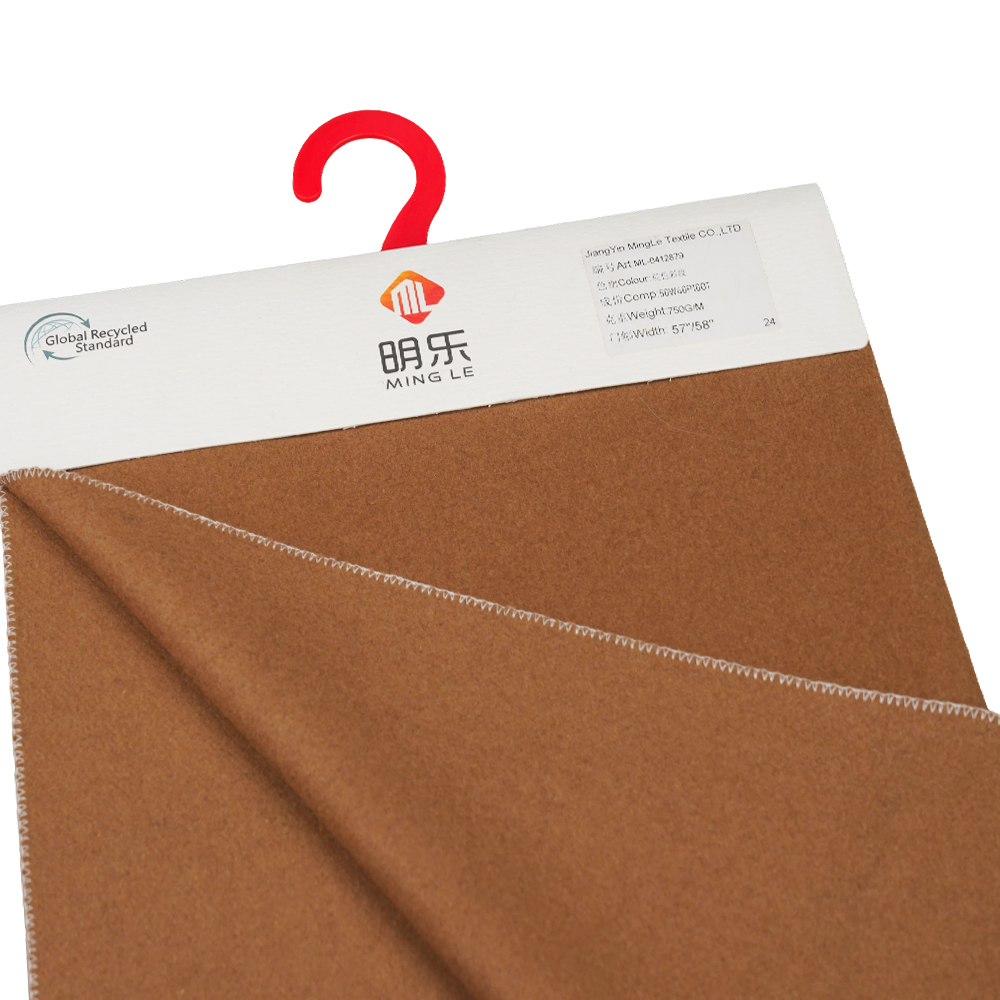
ML-0412879 Camel Twill Fabric: 730g/m 50% Wool, 50% other fiberThis ML-0412879 f...
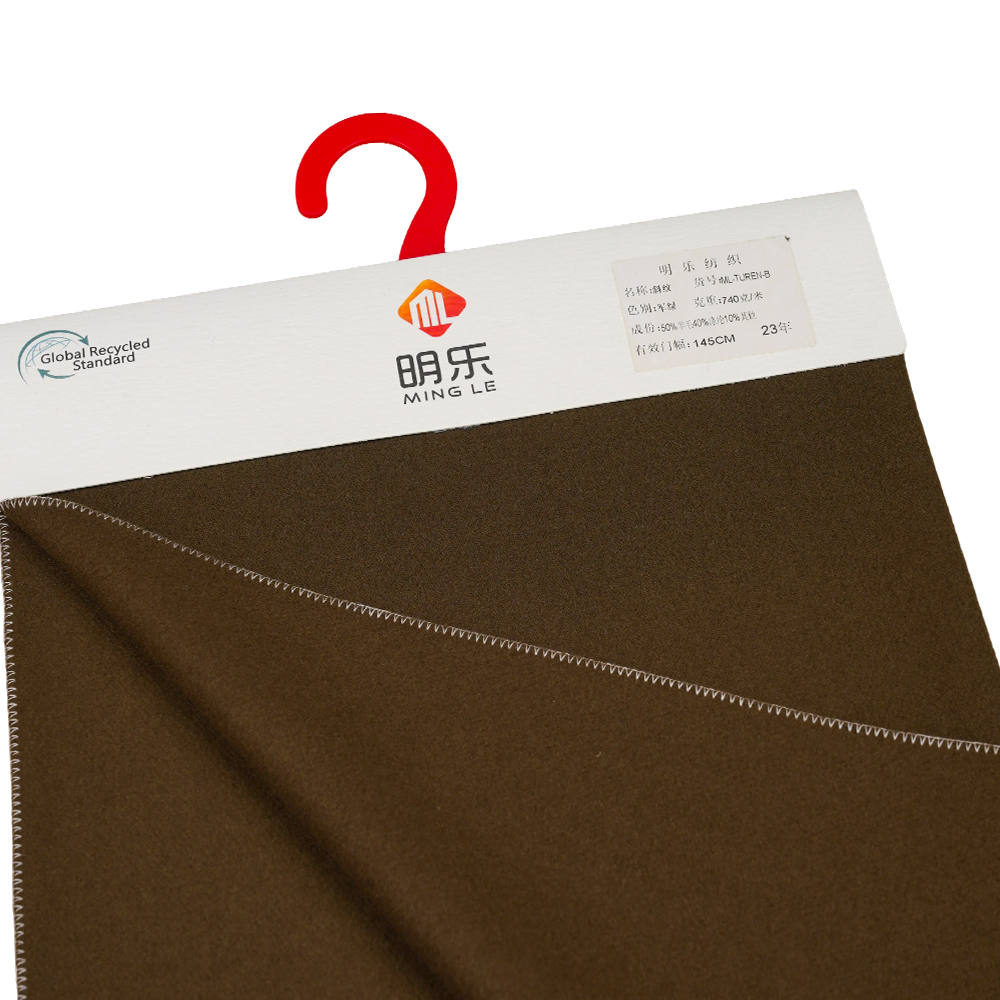
Military Green Twill Fabric: 740g Wool Blend, Suitable for Versatile UseThis mil...
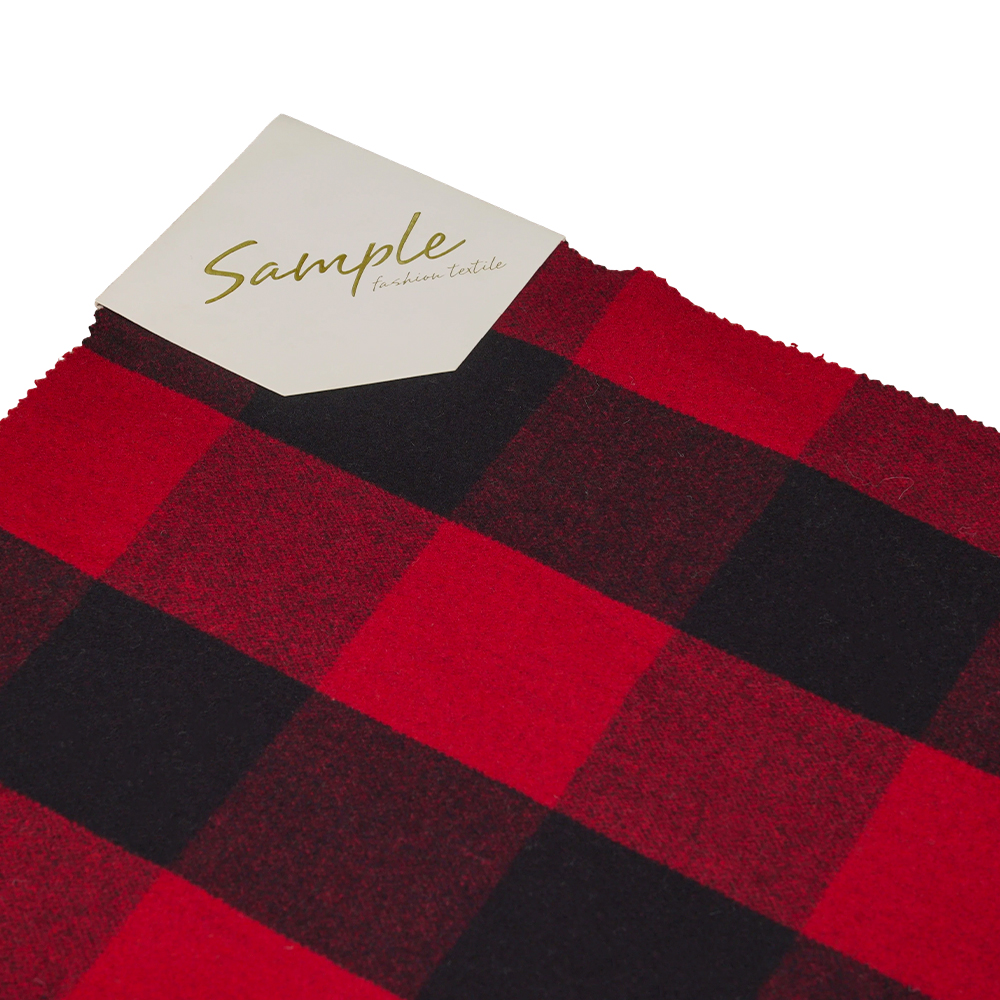
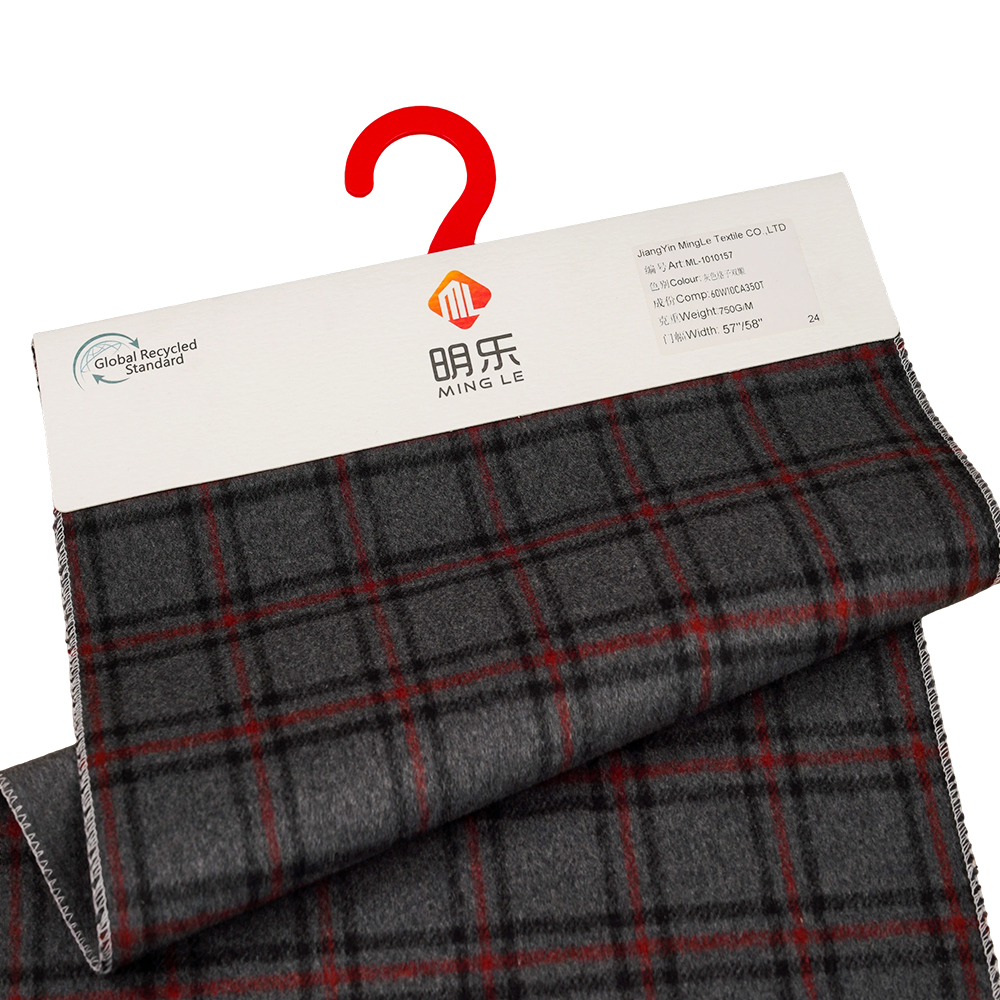
Black Red Plaid Wool Blend Fabric: 760gsm Wool Mix MaterialThis wool blend fabri...
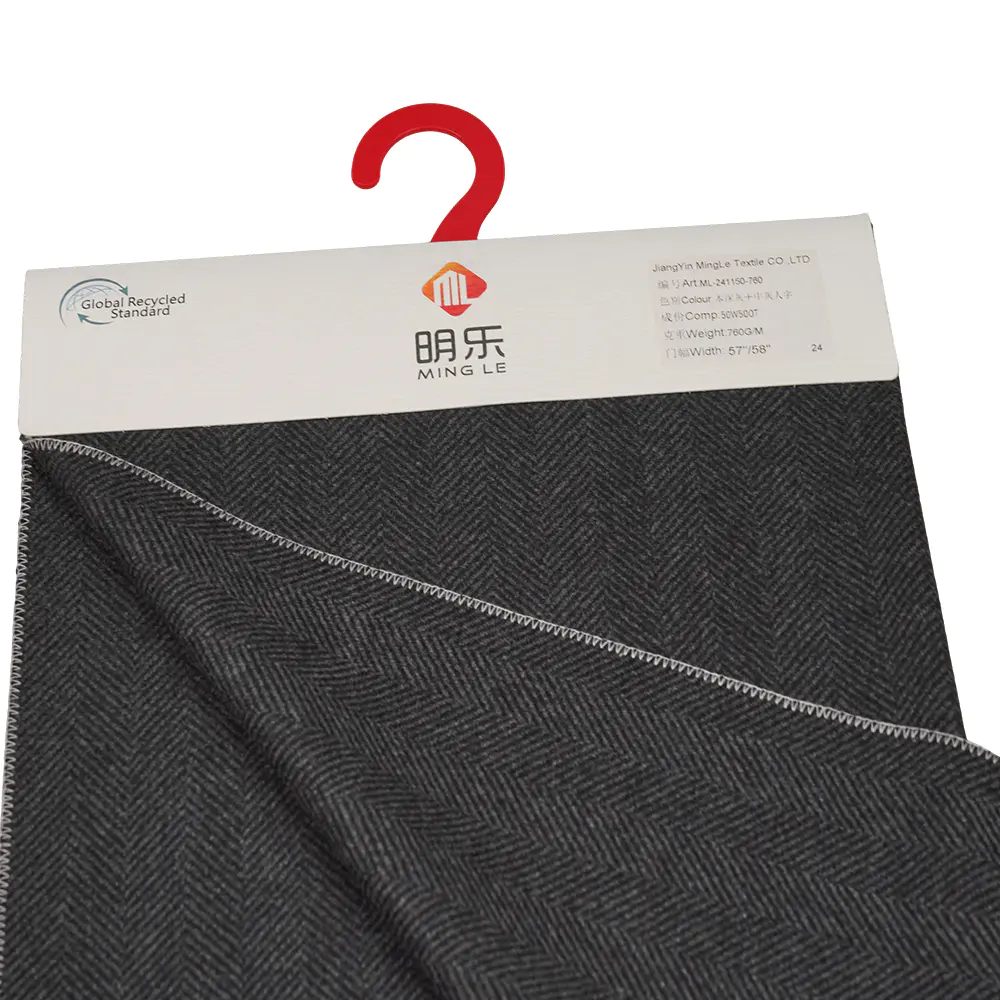
Classic Dark Gray Check Herringbone Melton Fabric – 50% Wool 50% other fiber, 76...
 +86 - 510 - 86373115
 +86 - 13812129532
 No. 118, Huancun West Road, Huaxi Fifth Village, Huashi Town, Jiangyin City, Wuxi City, Jiangsu Province, China


