Part 1: Introduction
On a bitingly cold winter's day, no garment combines warmth and timeless elegance quite like a well-tailored wool coat. As the undisputed centerpiece of the winter wardrobe, the wool coat has been a style staple for centuries, evolving from purely practical outerwear into a benchmark of personal taste and refined living. Its allure lies not only in its structured silhouette but in its gifts from nature itself.
However, faced with a dizzying array of terms on labels—"Merino," "Cashmere," "Virgin Wool," or various "blends"—many shoppers feel confused. Choosing a coat isn't just about selecting a style; it's about choosing performance.
- Will this material keep me warm below freezing?
- Can it withstand years of wear without pilling or losing its shape?
- Does it feel soft as a cloud or possess a slightly rugged texture?
Understanding the characteristics of different wool materials is the key to making an intelligent investment. A high-quality wool coat is not a cheap, fast-fashion disposable item; it is a faithful companion that can accompany you for years.
In this guide, we will take you deep into the world of wool. From the nuances of different wool varieties to the core factors determining warmth levels (like weight and weave) and on to professional care tips, this guide will provide you with comprehensive knowledge to help you find the ideal coat that fits your budget, suits your climate, and expresses your unique style.
Part 2: Why Choose a Wool Coat?
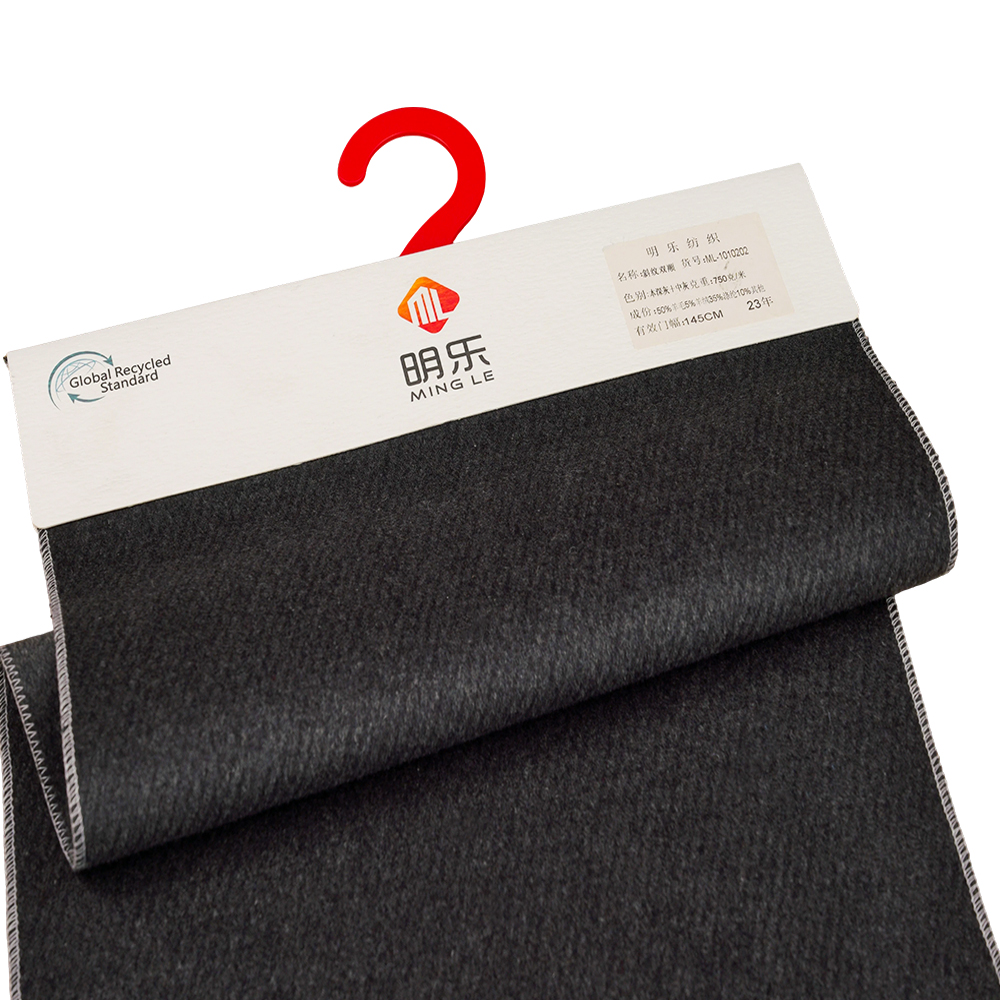
In an age of ubiquitous puffer jackets and high-tech synthetic fibers, the wool coat still reigns supreme. This isn't merely due to nostalgia but because wool, as a natural fiber, possesses exceptional properties that are difficult for man-made materials to match.
1. Superior Warmth and Insulation
Wool fibers have a natural crimp (curliness), which allows the fabric to trap countless tiny air pockets. Air is an excellent insulator, effectively locking in body heat and keeping out the cold. More remarkably, wool has natural thermoregulating abilities: it not only insulates when cold but its breathability also helps dissipate excess heat when your body temperature rises, preventing you from overheating when you step into a warm room.
2. Outstanding Durability and Longevity
Wool fibers are incredibly resilient. Tests show that a single wool fiber can be bent over 20,000 times without breaking (compared to about 3,000 times for cotton and just 75 for rayon). This means a high-quality wool coat, with proper care, can last not just for three to five years, but for decades, becoming a classic heirloom piece.
3. Style and Versatility
A wool coat is an excellent tool for elevating your presence. Its natural structure flatters the figure, making the wearer look more polished and sharp.
- Formal Occasions: Paired with a suit or dress, it projects professionalism and elegance.
- Casual Everyday: Worn with a hoodie or jeans, it effortlessly creates a "minimalist chic" look.
Whether for a business meeting or a weekend date, it transitions seamlessly.
4. Natural and Sustainable
For eco-conscious consumers, wool is an excellent choice:
- Renewable: Sheep grow a new fleece every year, making wool a perpetually renewable natural resource.
- Biodegradable: Unlike plastic-based materials like polyester, wool decomposes naturally in soil at the end of its life, leaving no permanent microplastic pollution.
- Self-cleaning Ability: Wool has a natural coating of lanolin, giving it some inherent water and dirt resistance, meaning it doesn't require washing as frequently as synthetic fibers.
Tip: Choosing a wool coat is about embracing a "slow fashion" mindset—buying fewer, higher-quality items that last longer.
Part 3: Types of Wool Used in Coats
Walking into a store, you might find two seemingly identical coats with vastly different price tags. The secret often lies in the composition label. Here are the most common types of wool used in coats and their characteristics:
1. Merino Wool
- Characteristics: Sourced from Merino sheep, this wool features very fine fibers, making it exceptionally soft to the touch with a natural sheen. Its key feature is its superior comfort against the skin, lacking any of the "scratchiness" associated with coarser wools.
- Best For: Everyday coats and commuting. It balances warmth and lightness, making it a top choice for high-quality urban coats.
2. Cashmere
- Characteristics: Often called "soft gold" or the "king of fibers." Cashmere comes from the undercoat of cashmere goats. It is incredibly lightweight yet provides 3 to 8 times the warmth of regular wool. Its texture is cloud-like and silky smooth. Due to its scarcity, it is very expensive.
- Best For: Premium coats or special occasions. If you seek the ultimate in comfort and luxury, a 100% cashmere coat is the dream.
3. Lambswool
- Characteristics: Taken from a lamb's very first shearing. Because the fiber tips are naturally rounded and not cut, it is softer than wool from adult sheep.
- Best For: Cozy, warm coats where comfort is paramount. It's slightly bulkier than Merino, perfect for a classic, fluffy winter look.
4. Shetland Wool
- Characteristics: Originating from Scotland's Shetland Islands, this wool developed to withstand harsh climates. The fibers are coarser, resulting in a very hardy, stiff fabric with a slightly rough, "rustic" handfeel.
- Best For: Tweed coats or rugged outdoor-style coats. It's extremely hard-wearing and suits a classic British or rustic aesthetic.
5. Alpaca Wool
- Characteristics: The fibers are hollow at the core, providing excellent insulation while remaining very lightweight. It contains no lanolin, making it hypoallergenic and suitable for those sensitive to traditional wool. It also has a beautiful, long-fiber luster.
- Best For: Highly insulating coats with a unique, luxurious texture.
6. Virgin Wool
- Characteristics: Refers to "new" wool that has never been processed or recycled before, or fibers taken directly from the sheep rather than reclaimed from old garments. It ensures fiber integrity and resilience, representing high quality.
- Best For: A long-term investment where premium quality and garment longevity are priorities.
7. Recycled Wool
- Characteristics: Made by re-spinning fibers from old wool garments or manufacturing waste. The recycling process breaks the fibers, making them shorter, which can affect the handfeel, but it is a very eco-friendly option.
- Best For: Eco-conscious shoppers and those seeking value for money.
Comparison Table
| Material |
Softness |
Warmth |
Durability |
Price |
| Merino |
High |
High |
Medium |
Mid-Range |
| Cashmere |
Very High |
Very High |
Lower |
High |
| Shetland |
Low |
Very High |
Very High |
Mid-Range |
| Alpaca |
High |
Very High |
High |
High |
Part 4: Wool Blends: Combining Materials for Performance
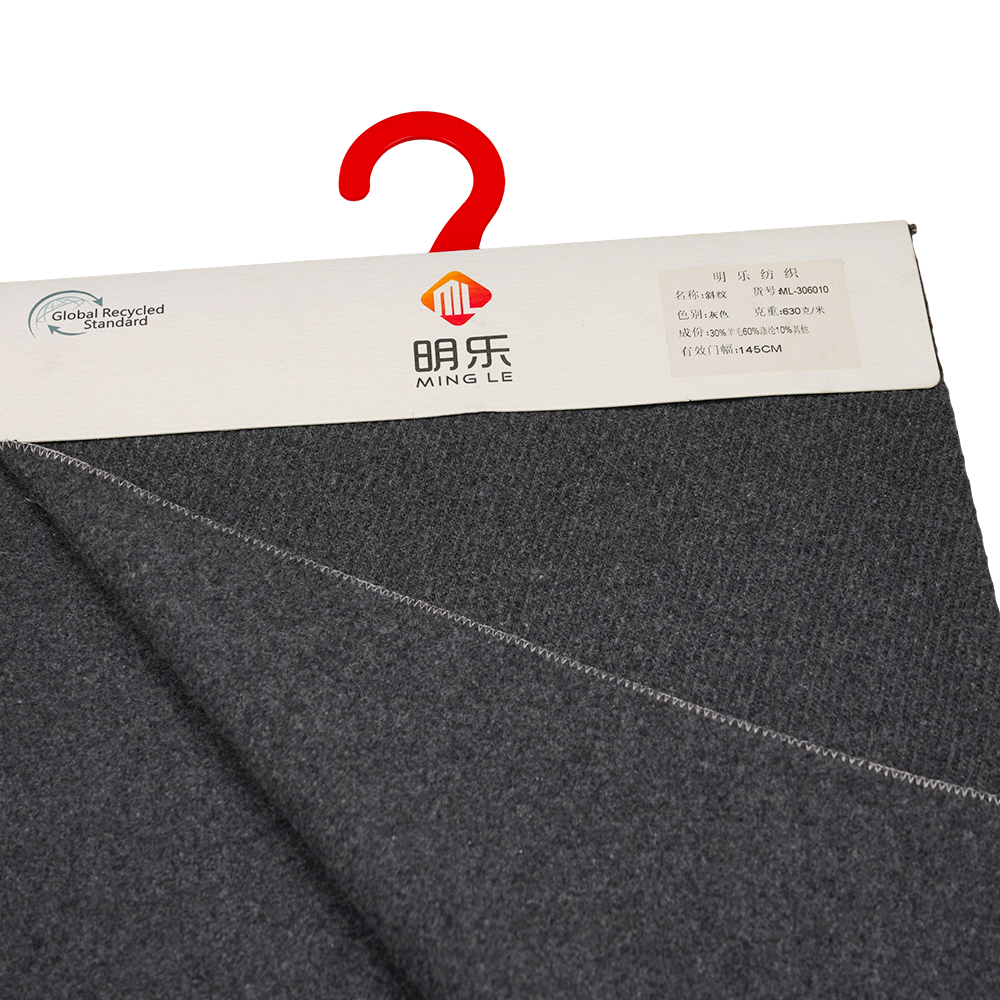
While pure wool coats are highly esteemed, blending wool with other fibers (creating a blend) often solves some of the inherent "quirks" of natural materials, such as wrinkling, shrinking, or lack of abrasion resistance.
Here are some of the most common wool blend combinations and their advantages:
1. Wool + Polyester
This is the most common blend on the market.
- Advantages: Polyester significantly enhances a coat's wrinkle resistance and shape retention. It helps the coat maintain a crisp, structured look and prevents it from losing its shape after washing or wearing.
- Value: This blend effectively lowers costs, making a coat with a high-quality appearance more accessible.
- Recommendation: Look for a wool content of at least 60% to enjoy durability benefits while retaining good warmth and breathability.
2. Wool + Nylon
Nylon is the secret weapon for reinforcing a fabric's "skeleton."
- Advantages: Nylon offers exceptional abrasion resistance and strength. Adding nylon to high-wear areas (like cuffs, elbows) can significantly extend a coat's lifespan.
- Shrink Resistance: Nylon helps stabilize fibers when damp, reducing the risk of shrinkage.
- Common Ratio: An 80% wool / 20% nylon blend is a classic formula used in durable Melton cloth for coats like peacoats.
3. Wool + Cashmere/Silk
This is a blend designed to elevate "luxe appeal."
- Advantages: Even a small addition of 5%–10% cashmere can noticeably improve the softness and natural luster of a coat's surface.
- Accessible Luxury: This blend offers a near-cashmere feel at a price point far below that of a pure cashmere coat.
- Adding Silk: Silk adds a smooth, sleek handfeel and a subtle, sophisticated sheen.
Pitfall to Avoid: Always check the care label when buying a blend. If the wool content is below 50%, its warmth and breathability will be significantly compromised. You may notice a plastic-like feel and lack of temperature regulation in extreme cold or heat.
Part 5: Factors Affecting Warmth
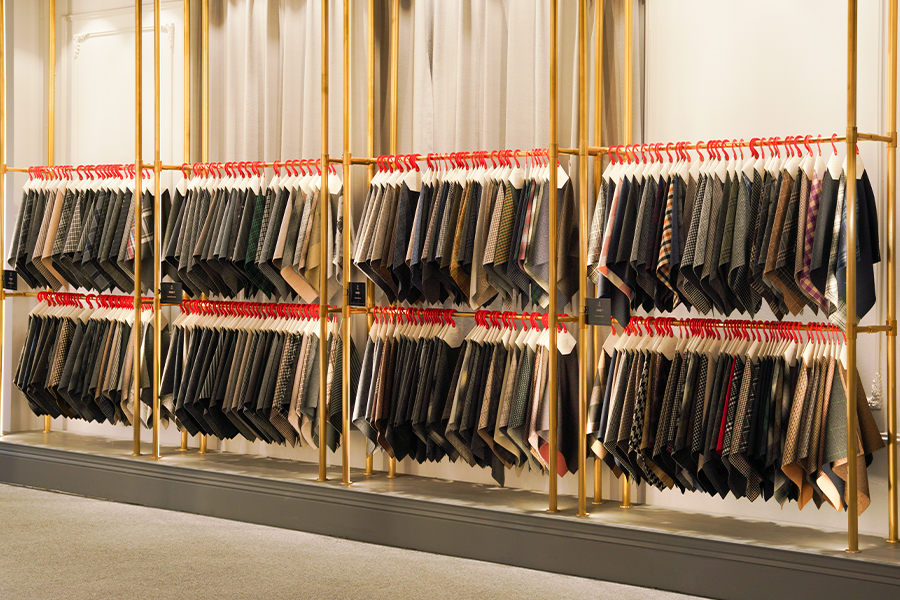
Even if two coats both say "100% Wool" on their labels, their insulating power can differ dramatically. To judge whether a coat can see you through a harsh winter, focus on these three key dimensions:
1. Wool Weight (Fabric Weight)
In textiles, the thickness of fabric is often measured in GSM (Grams per Square Meter).
- Lightweight (< 350 GSM): Ideal for transitional seasons like spring and fall. Often called "lightweight woolens," they are airy and elegant but won't hold up against deep winter cold.
- Mid-weight (350-500 GSM): The gold standard for urban winters. Capable of handling most temperatures around 0°C (32°F) and suitable for daily commuting.
- Heavyweight (> 500 GSM): Your true winter fortress. This fabric is dense and substantial, built to withstand freezing and windy conditions.
2. Weave and Construction
The tighter the weave, the better the wind resistance.
- Melton: This weave is heavily fulled (felted) and brushed, resulting in an incredibly tight, almost invisible weave. It is the most windproof and warm wool fabric, commonly used for classic peacoats.
- Twill/Herringbone: These weaves have a distinct diagonal or zigzag pattern. They provide good thickness and excellent drape, making them ideal for business-style overcoats.
- Gabardine: A tightly woven but thinner fabric known for its excellent wind and water resistance. Its warmth relies more on its lining.
3. The Role of Lining
A coat's "insides" often determine its final temperature rating.
- Standard Lining (e.g., Bemberg/Viscose): Primarily aids in ease of wear and reduces static; doesn't add significant warmth.
- Quilted Lining: A thin layer of padding (like cotton or synthetic fill) is added between the outer fabric and the lining. This design significantly boosts insulation, perfect for very cold northern climates.
- Technical Lining (e.g., Thinsulate): Ultra-fine fiber linings like Thinsulate can provide up to twice the warmth of ordinary cotton without adding bulk.
Expert Tip: Hold the fabric up to a light source. If light passes through easily, the weave is looser and less wind-resistant. Heavy, dense fabrics are your best defense against winter winds.
Part 6: How to Choose the Right Wool Material
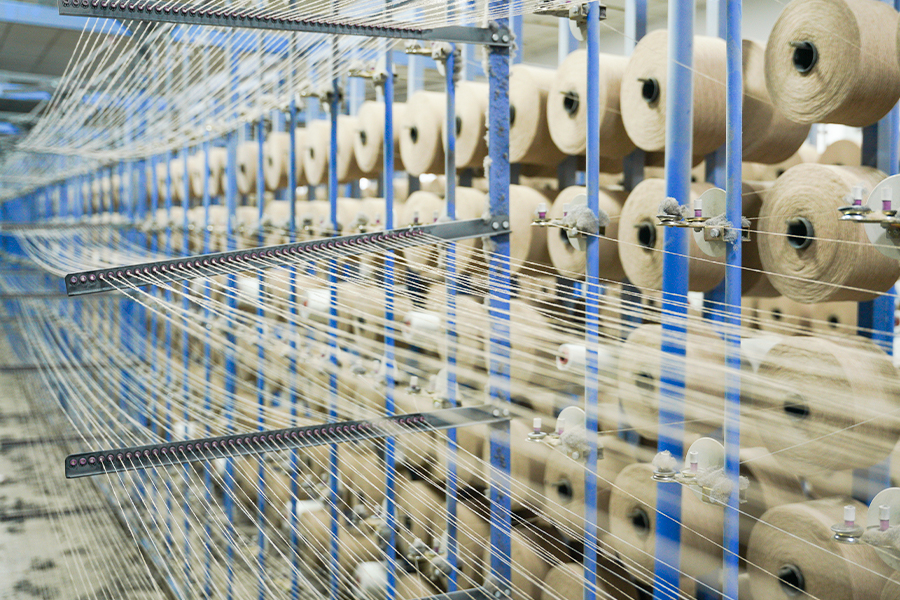
With so many options, the most expensive isn't always the best for you. To find your perfect wool coat, consider these four dimensions:
1. Consider the Climate
- Mild/Variable Climate (e.g., 5°C to 15°C / 41°F to 59°F): Opt for mid-to-lightweight Merino wool or a wool blend. This provides enough warmth for a chill without causing overheating indoors.
- Severe Cold/Windy Climate (e.g., below 0°C / 32°F): Look for heavyweight Melton wool or coats with quilted linings. If budget allows, alpaca is also an excellent choice for extreme cold.
2. Define the Intended Use
- Business/Formal Occasions: Opt for 100% virgin wool or a wool-cashmere blend. These materials have a natural, refined sheen and beautiful drape that elevates the look of a suit or formal wear.
- Daily Commute/Casual Wear: Choose a wool-nylon/polyester blend. This fabric is more abrasion-resistant, better able to withstand the friction of public transport, backpacks, and daily wear, and is less prone to wrinkling.
- Outdoor Activities: Select Shetland wool or tweed. These are dense, rugged, and hardy, resistant to light moisture and abrasion from branches or rough use.
3. Plan Your Budget
- Entry-Level (Best Value): Look for blends with 50%-70% wool content. They are affordable and offer basic warmth and structure.
- Mid-Range (Long-Term Investment): Choose 100% pure wool (like Merino) or high-quality virgin wool. This offers the best balance of quality, performance, and longevity for the price.
- Luxury Tier: Aim for 100% cashmere or high-percentage cashmere/silk blends. While expensive, the unparalleled lightness and comfort are exceptional.
4. Account for Personal Preference
- Sensitive Skin: If you have sensitive skin, avoid coarse Shetland wool. Instead, choose Merino or cashmere, or ensure the coat is fully lined to minimize direct skin contact.
- Physical Comfort: If heavy coats feel burdensome on your shoulders, prioritize alpaca or high-ply cashmere, which provide equivalent warmth for much less weight.
Shopping Checklist:
- Check the composition label (What is the wool percentage?)
- Examine the weave (Is it tight and wind-resistant?)
- Try it on (Is the weight comfortable? Is the lining pleasant against the skin?)
Part 7: Caring for Your Wool Coat
A high-quality wool coat is a long-term investment, and proper care is key to extending its life. Wool fibers have natural resilience, and with the right approach, your coat can maintain its shape and softness for years.
1. Cleaning
- Dry Clean is Standard: Most wool coats are labeled "dry clean only." For structured coats with precise linings, professional dry cleaning is the best way to maintain their shape. Typically, a single cleaning at the end of the season is sufficient.
- Spot Cleaning: For small spills or stains, there's no need for a full clean. Immediately use a clean, damp cloth or a wool-specific cleaner to gently dab (never rub) the spot to avoid damaging the fibers.
- Hand Washing (With Caution): Only attempt this if the care label explicitly permits it. Use cold water and a wool-specific detergent. Do not wring; instead, roll the coat in a dry towel to absorb moisture and then lay it flat to dry.
2. Storage
- Give it Room to Breathe: Wool coats should be hung, not folded. Use a wide, sturdy wooden or padded hanger to support the shoulders. Don't overcrowd your closet; allow air to circulate.
- Off-Season Storage: Always clean your coat before storing it for the summer. Store it in a breathable cotton garment bag, not plastic.
- Moth & Moisture Protection: Place cedar blocks or lavender sachets in your closet. These are natural, pleasant-smelling alternatives to mothballs and effectively deter moths.
3. Daily Maintenance
- Regular Brushing: Keep a natural bristle clothes brush. Gently brush your coat along the direction of the fibers after each wear. This removes surface dust and helps re-align the fibers, preventing dirt from settling deep into the fabric.
- Dealing with Pilling: Areas of friction (underarms, cuffs) may develop small balls of fiber (pills). Do not pull them off. Use a fabric shaver (de-piller) or a wool comb to gently remove them.
- Let it Rest: Try to avoid wearing the same wool coat two days in a row. Giving the fibers a 24-hour rest allows them to naturally relax and regain their elasticity.
Expert Secret: The Bathroom Steam Method.
If your coat gets wrinkled, hang it in the bathroom while you take a hot shower (keep it away from direct water). The steam will help the wool fibers relax, and creases will often vanish overnight.


 English
 中文简体
中文简体
 +86 - 510 - 86373115
 +86 - 13812129532
 No. 118, Huancun West Road, Huaxi Fifth Village, Huashi Town, Jiangyin City, Wuxi City, Jiangsu Province, China


