

 English
 中文简体
中文简体News
Home > News > Industry News > Melton vs Flannel: Which Coat Fabric Wins for Winter Outerwear and Tailoring?

Content
You are standing in a fabric showroom with two swatches. One is a dense Melton at 670g/m with 70% wool. The other is a light Flannel at 340g/m with 50% wool. Both are coarse spun wool fabrics from the same mill, but they will shape your coat pattern in different ways. Melton vs Flannel is not a vague preference. It is a specification decision that changes pattern cutting, interlining, and finishing cost.
Melton and flannel differ primarily in weave density and finishing, not in the fiber itself. Melton uses a twill or plain weave that is heavily milled and felted, which creates a compact surface that resists fraying. Flannel uses a similar twill or plain weave but is brushed to a soft nap, leaving the fabric more open and pliable.
At Jiangyin Mingle Textile Co., Ltd., both fabrics are manufactured in the same coarse spun category. That means the same wool and polyester fibres are used, but the finishing route changes the final performance. Knowing this helps a buyer decide on the fabric before touching the garment specification.
Melton is consistently heavier and more compact than flannel at equivalent fiber blends. At Jiangyin Mingle, melton products run from 560g to 800g per metre, while flannel is typically 300g to 420g per metre. The weight gap is the single most important control in a coat pattern.
A heavier melton body can hold a clean shoulder line without extra interfacing. A flannel body at 340g will need more support for a structured shape, especially in a double-breasted or military-style overcoat. That difference changes lining weight and the amount of horse hair or fusible components in the front panel.
| Attribute | Melton | Flannel |
| Typical weight | 560-800g/m | 300-420g/m |
| Wool blend examples | 70% wool / 10% cashmere | 50% wool / 40% polyester |
| Weave finish | Milled and felted | Brushed nap |
| Tailoring behavior | Stands on its own | Needs support |
| Cost index | Higher | Lower |
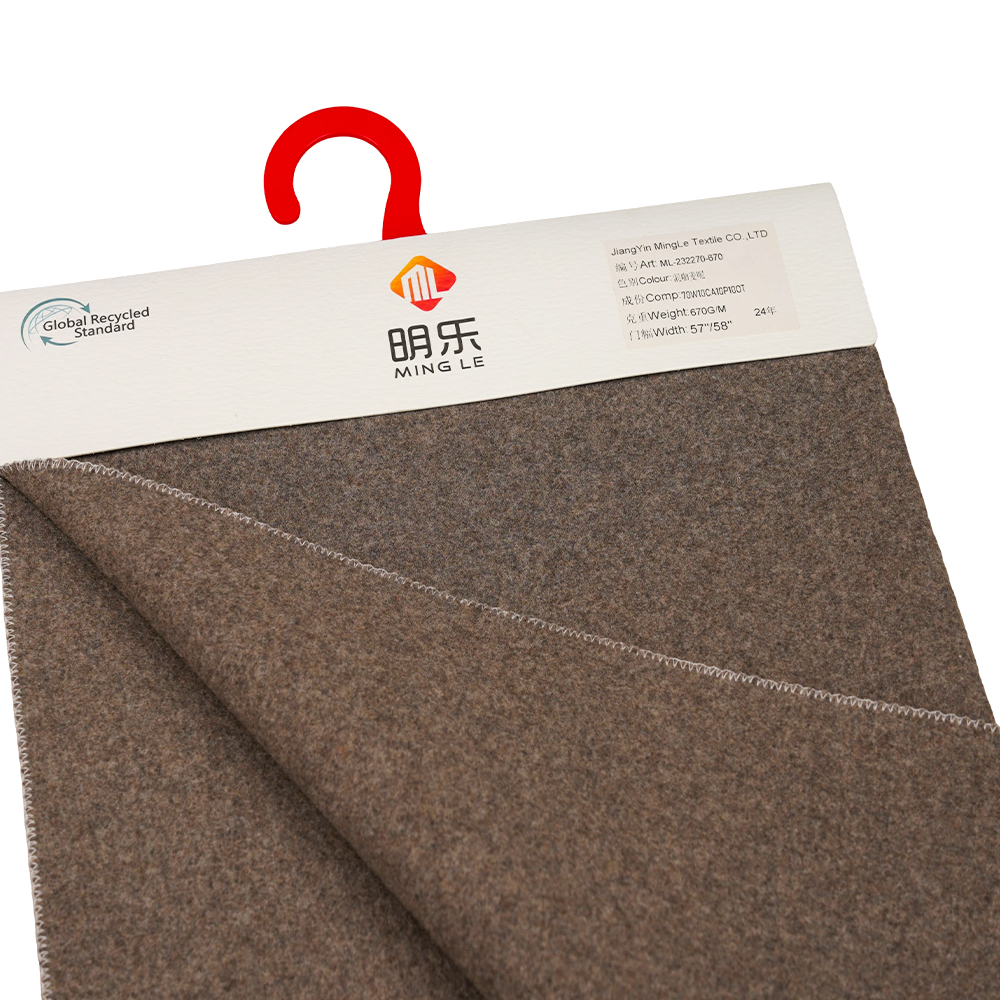 Premium Melton Fabric with Cashmere Blend for Structured OuterwearWeighing 670 g/m and composed of 70% wool with a cashmere touch, this melton fabric provides warmth and shape stability for tailored coats, especially when a clean shoulder line is required without heavy interfacing.View Product →
Flannel delivers a softer hand and better drape, which makes it a stronger choice for unstructured and relaxed styles. The brushed nap gives a fuzzy surface that feels warmer against the skin than the compact melton face, even at a lower weight.
In practical production, flannel reduces the need for elaborate machine work on the front edge. A flannel pattern can be cut with a wider sweep and looser shoulder fitting. Melton, on the other hand, is easier to finish with a sharp, pressed edge and is less likely to show seam puckering.
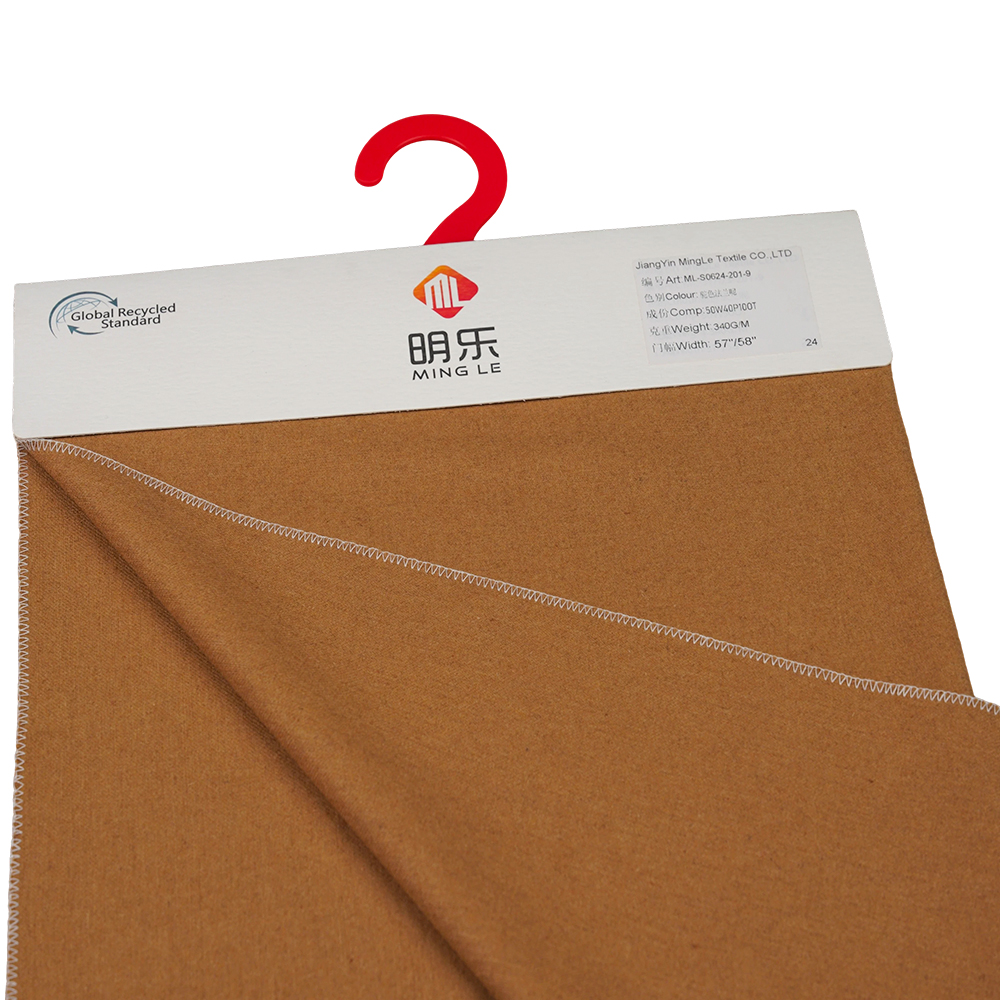 Balanced Wool-Polyester Flannel Fabric for Versatile GarmentsAt 340 g/m, this camel flannel blends wool and polyester for durability and softness. Its moderate weight suits spring and autumn pieces like blazers, and its smoother hand reduces the need for heavy front-edge machine work.View Product →
Melton is usually costlier per metre than flannel because higher wool content and slower milling raise the unit cost. Flannel can still be expensive when the blend includes cashmere or high wool ratios, but the mill time is generally shorter.
Start with the garment structure, then let the fabric follow. If the pattern calls for a rigid, tailored front, Melton is the safer route. If the design needs movement and softness, Flannel gives a cleaner result with less pressure on the finishing team.
Yes, but they are usually kept in different panels. The body can be Melton for structure and the sleeves or pocket flaps can be Flannel for a softer appearance, though this requires careful matching of colour and finish.
No. Warmth depends on total weight, lining, and the garment's wind resistance. Melton blocks wind better because of its dense weave, but a thick flannel coat with a good lining can feel equally warm in still air.
Weight matters more for structure and drape. Wool percentage matters more for warmth and hand feel. A 340g flannel with 60% wool feels softer than a 340g flannel with 30% wool, but neither will give the structure of a 600g melton.
Look for a manufacturer that publishes stock specifications with weight, fibre breakdown, and finish. Jiangyin Mingle Textile Co., Ltd. lists melton, twill melton, flannel, double-face overcoating, and upright pile fabrics in a structured product catalogue, which makes it easier to compare options before requesting a quote.
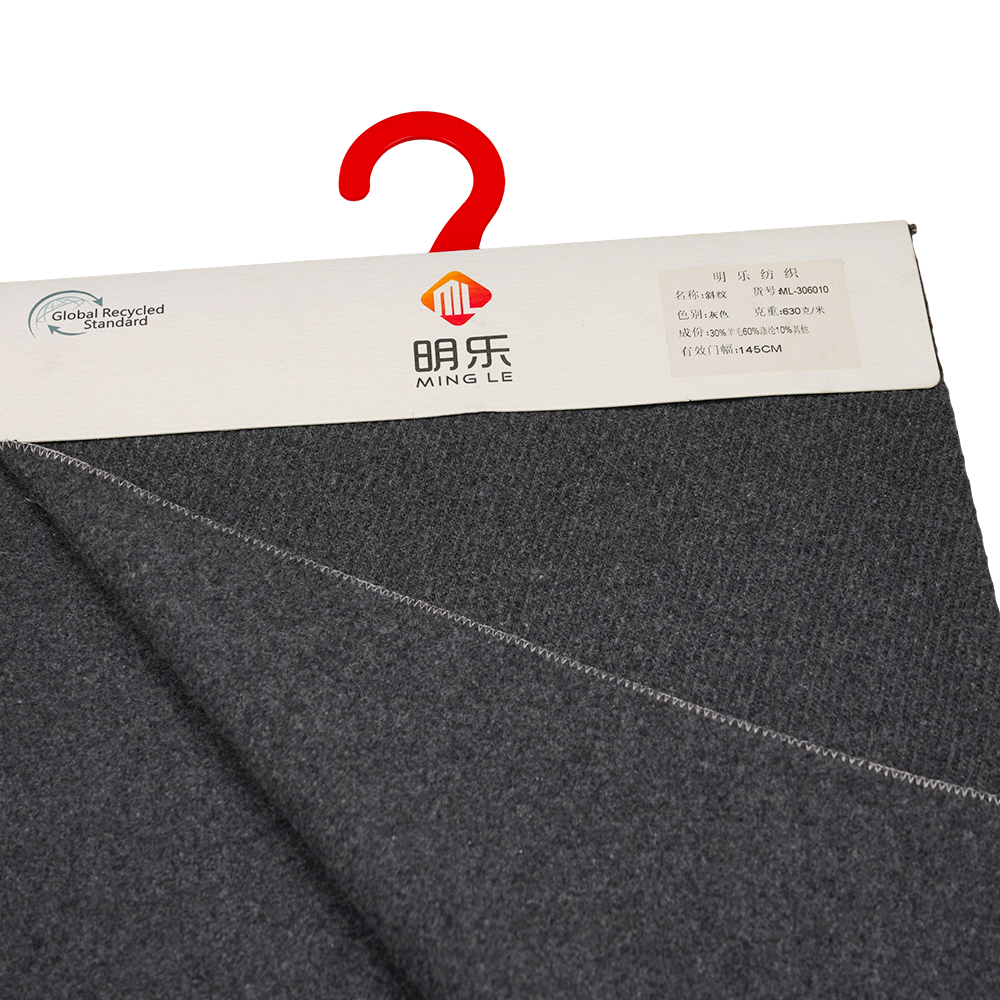
Gray Twisted Wool-Melton Fabric: 630g Weight Wool Blend for Versatile Business a...
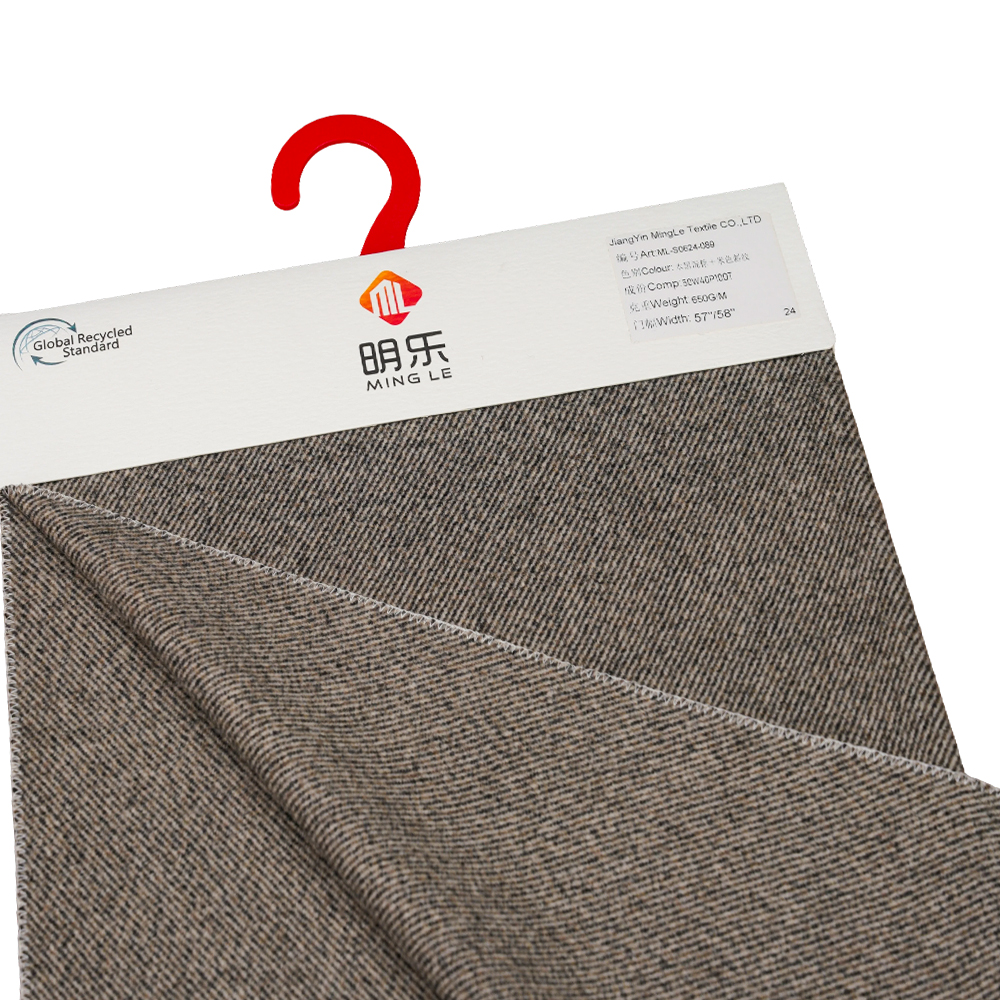
ML-S0624-089 650g/m Off-Black Blend Brown + Beige Twill Wool Fabric: Classic bla...
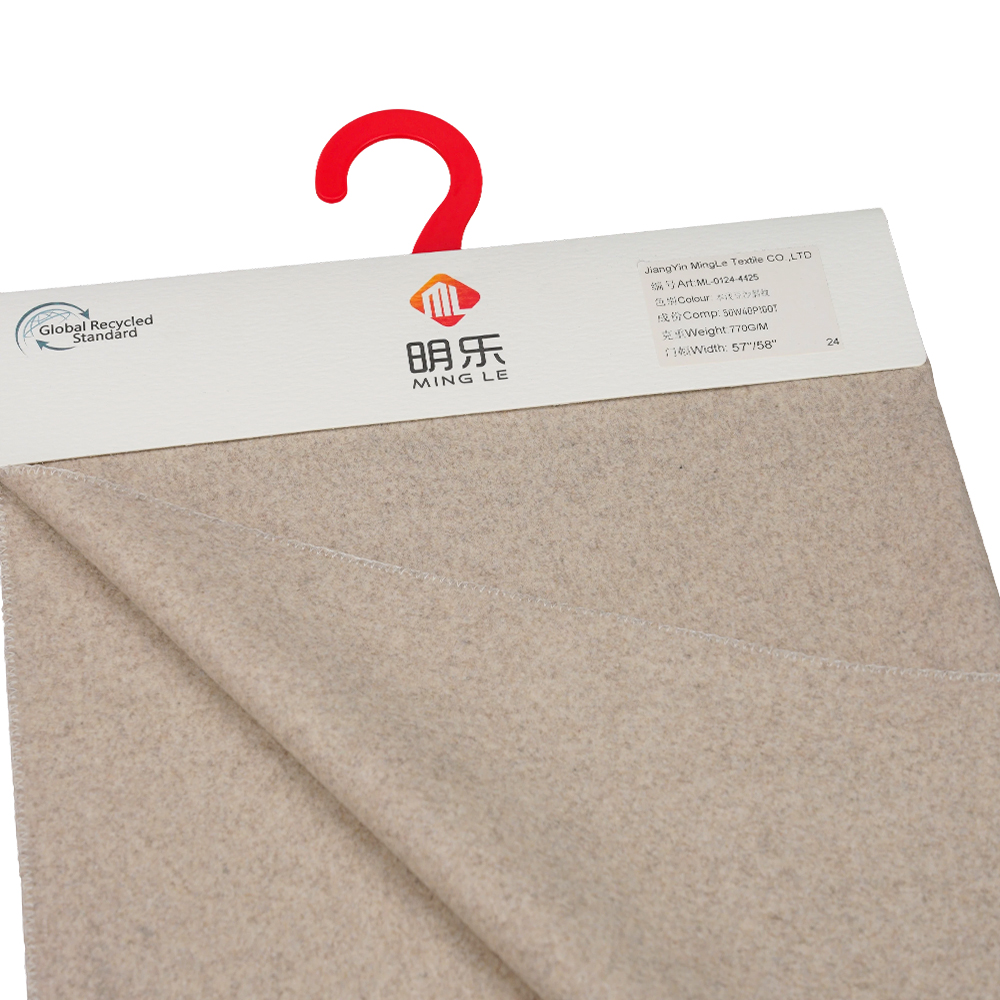
50% Wool, 40% Polyester, 10% other fiber, 770g/m Natural Light Bean Paste Twill ...
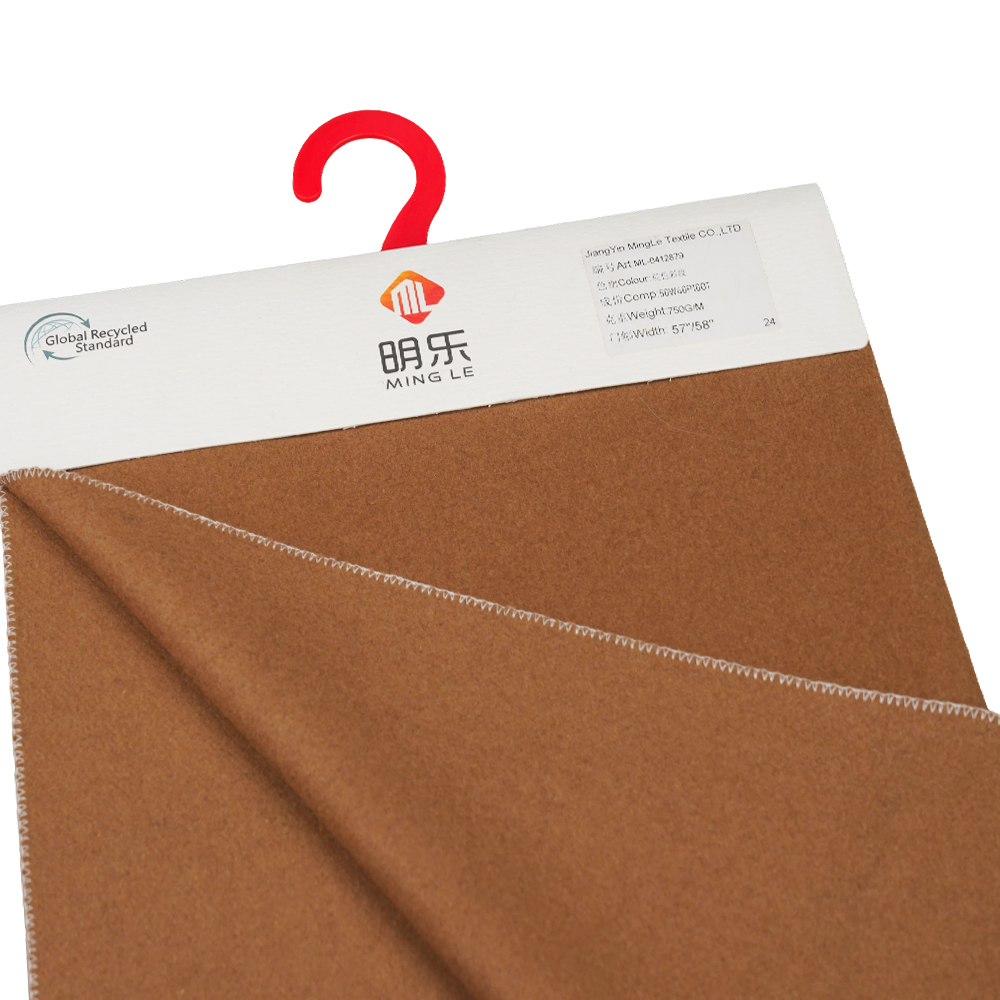
ML-0412879 Camel Twill Fabric: 730g/m 50% Wool, 50% other fiberThis ML-0412879 f...
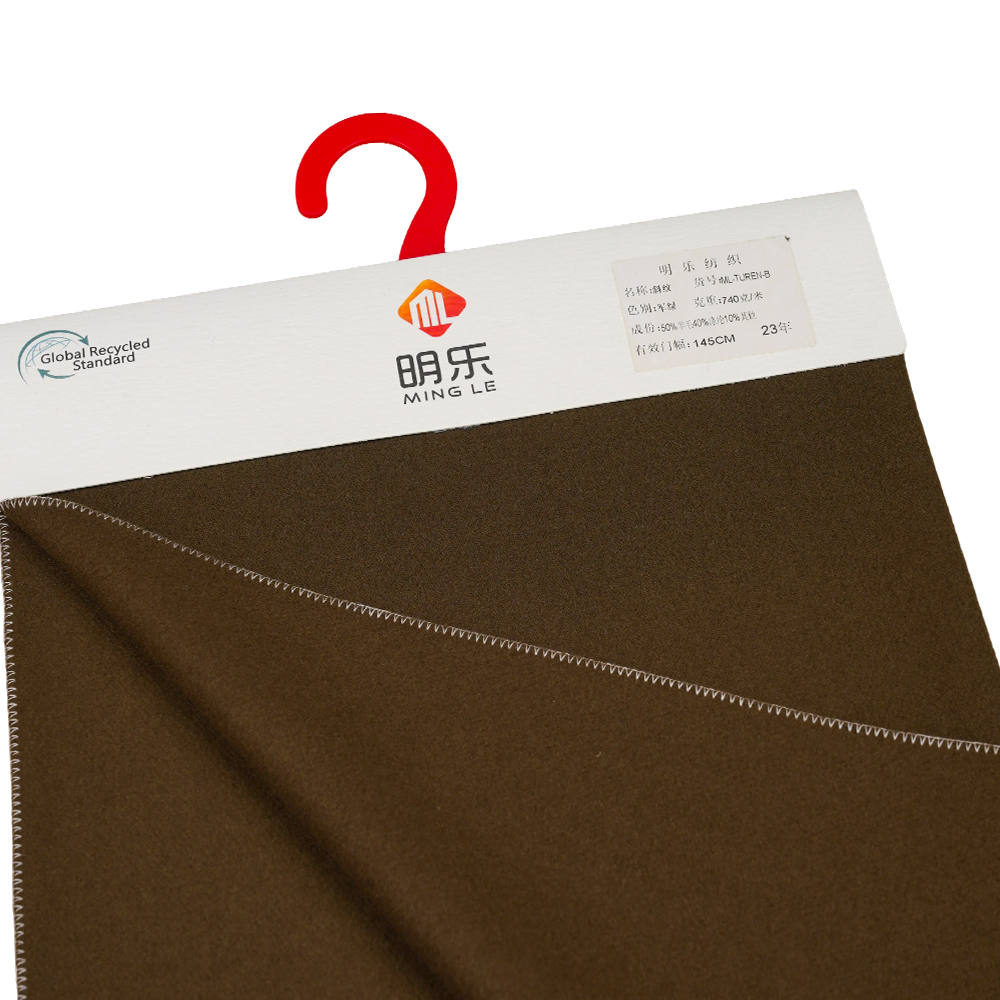
Military Green Twill Fabric: 740g Wool Blend, Suitable for Versatile UseThis mil...
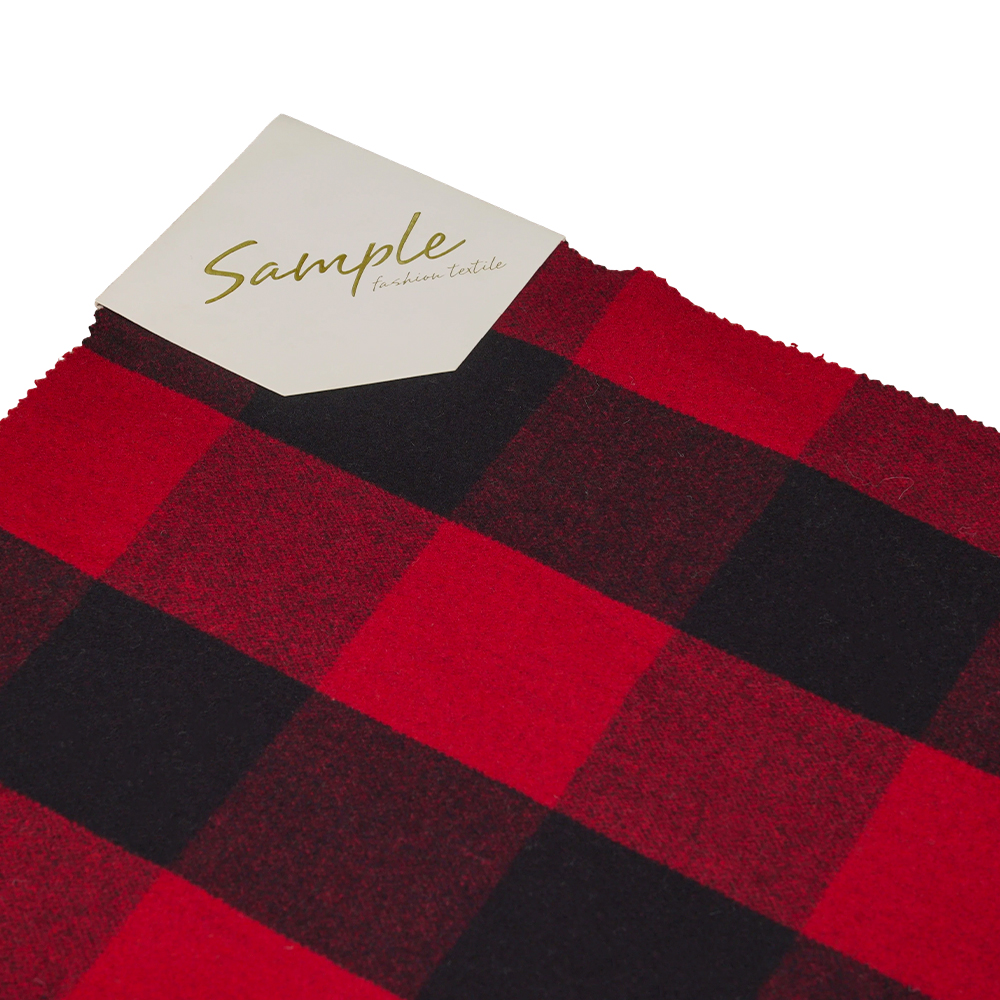
Black Red Plaid Wool Blend Fabric: 760gsm Wool Mix MaterialThis wool blend fabri...
 +86 - 510 - 86373115
 +86 - 13812129532
 No. 118, Huancun West Road, Huaxi Fifth Village, Huashi Town, Jiangyin City, Wuxi City, Jiangsu Province, China


