

 English
 中文简体
中文简体News
Home > News > Industry News > mingletextile.com Single-Face vs Double-Face Wool Coating: Key Differences and Applications

Content
When a coat factory buyer compares single-face vs double-face wool coating for a new winter line, the samples on the table may look nearly identical. Cut into a garment, they diverge dramatically. Single-face needs a lining, holds sharp tailor creases, and behaves like a structured shell. Double-face drapes softly, can be sewn without lining, and turns inside out as a reversible piece with hand-finished seams. This is why the choice between them is a production decision, not just a fabric preference.
The defining difference is the number of finished faces and the weave construction. Single-face wool coating is a single woven fabric with one face designed for exterior use, while double-face wool coating consists of two separately woven layers joined by interlocking threads, producing two finished faces on one cloth.
In production terms, this changes nearly everything downstream. A single-face fabric is woven with one warp and one weft system, so the reverse side is the underside of the same weave. You build the garment around that fact: face the outer shell, line the interior, and finish the edges. A double-face fabric engages two warp systems and two weft systems on the same loom. The two layers are physically joined by binding threads, creating a cloth that can be cut open at the edges and finished by hand without lining.
Double-face coating is a two-layer woven structure where both faces meet exterior-grade standards. Single-face coating has one exterior-grade face, and the reverse side is structurally inferior.
The practical result is a fabric with completely different garment behavior. Double-face naturally resists the need for a lining, which makes it a staple of premium outerwear collections. Single-face is the workhorse of structured coats where a lining is already planned in the specification. For a broader overview of coat fabrics, see our wool coat materials guide.
Single-face coating typically weighs between 560g/m and 680g/m, while double-face coating usually lands between 720g/m and 870g/m. The extra weight in double-face is not simply a thicker single layer; it comes from the second fabric layer and the binding threads that connect them. This creates a spongy handle and an air pocket that insulates far better than a comparable single-face fabric of the same composition.
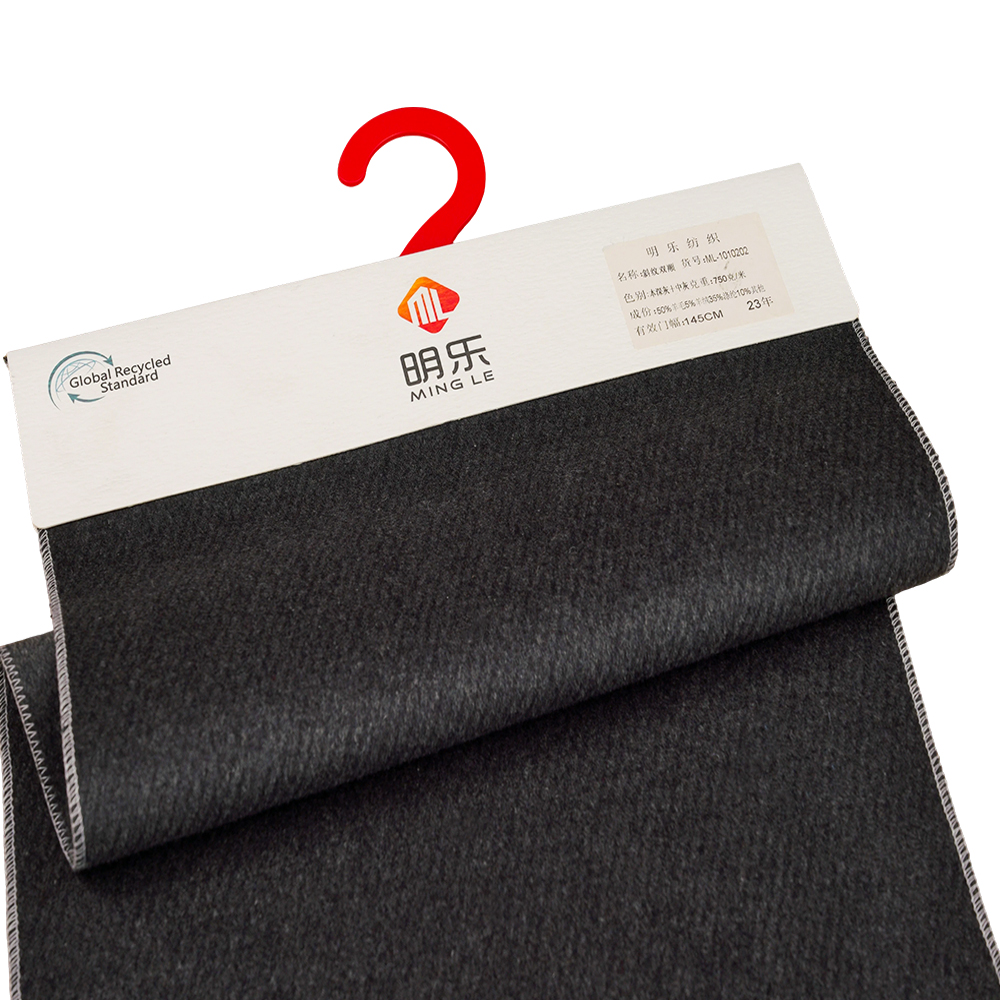 Twill Double-Face Overcoating with Cashmere BlendThis 750g/m twill double-face fabric blends wool, cashmere, and polyester for warmth and softness. Its reversible design and neutral colors make it ideal for premium outerwear.View Product →
The interlocking weave also gives double-face a distinct edge finish. When the fabric is cut, the two layers can be separated slightly at the seam, allowing the cutting edge to be tucked inward and hand-stitched. Single-face cannot do this; cutting it creates a raw edge that must be hidden by lining or seam finishing.
Double-face costs more per meter, and the difference is explained by three measurable factors. First, double-face consumes roughly 20-30 percent more raw material because the second layer is woven at the same time. Second, double-face requires more loom time: two warp systems and two weft systems move simultaneously, dramatically slowing production speed. Third, double-face needs additional finishing steps such as napping or bonding to stabilize the two layers.
The following table compares the main cost drivers from a weaving mill perspective.
| Cost driver | Single-Face | Double-Face |
| Raw material per meter | Baseline | +20-30% |
| Loom time | Baseline | +25-35% |
| Finishing complexity | Standard | Extra napping / padding |
| Garment lining cost | Requires lining | Often eliminated |
At Jiangyin Mingle Textile Co., Ltd., both fabric types are woven on the same looms with the same wool and cashmere blends; the cost difference comes purely from construction and finishing.
Single-face coating is designed for tailored construction. It takes sharp creases, holds structured silhouettes, and the fabric's interior is meant to be hidden. Double-face coating drapes fluidly, resists creasing, and performs best in unlined or reversible coats where the two faces are both visible.
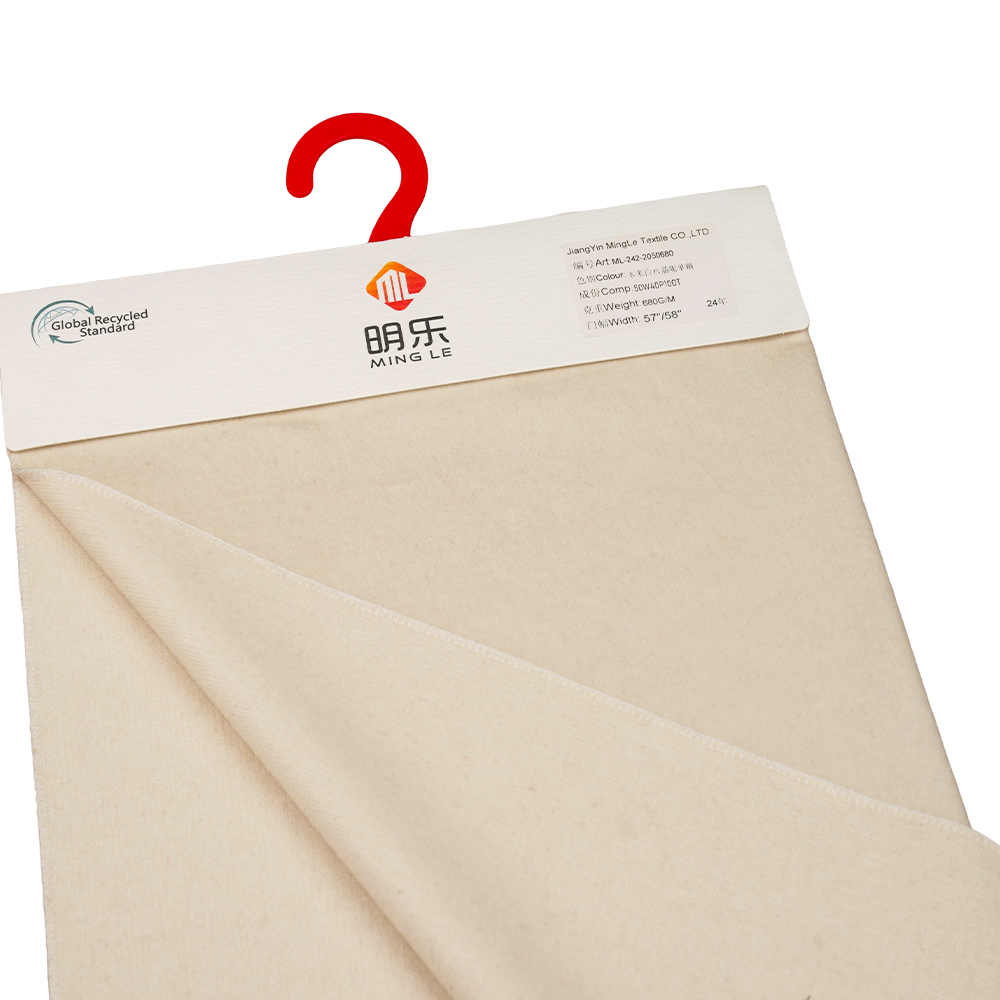 Crystal Wool Single-Face Overcoating in BeigeA 680g/m single-face overcoating with wool and polyester offers durability and warmth. Its consistent fleece surface reduces pilling, suitable for lined winter coats.View Product →
The sewing behavior differs significantly too. Double-face requires hand-stitched seams at the edges, which slows production but creates a premium finish. Single-face can use standard machine seams, allowing faster and cheaper assembly. This is why single-face dominates mid-market products where price and production speed matter, and double-face sits in premium lines where handwork and finishing quality are part of the value equation.
Start with the target garment design, not the fabric. If the coat will be lined and structured, single-face wool coating is the sensible choice. If the coat is designed as a reversible, unlined, or fluid piece, double-face is the only material that will deliver the expected drape and finish.
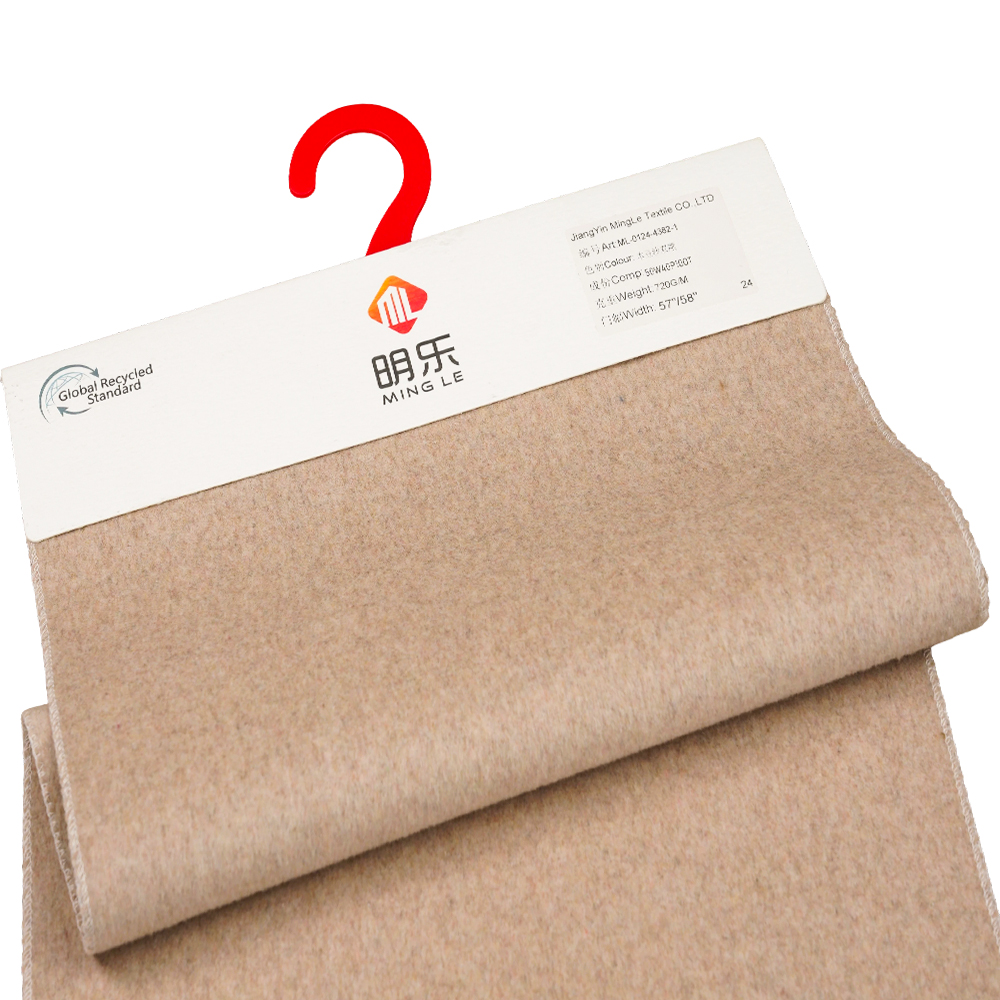 Thick Double-Sided Wool Fabric in Bean PasteThis 720g/m double-faced wool blend provides substantial insulation and a crisp drape. Its soft bean paste color suits reversible coats and versatile fall-winter garments.View Product →
For a seasonal collection, consider mixing both. A single-face fabric can handle the entry-level silhouettes, while a double-face can carry the premium capsule pieces. This approach balances cost and product depth without forcing one fabric to do everything. To build a full material plan, review our winter coat fabric selection guide for a complete breakdown of fabric properties, weight bands, and garment applications.
Not always, but typically yes. Double-face fabric consistently lands in the 720-870g/m range, while single-face usually sits between 560g/m and 680g/m. However, design specifications can shift these bands, and a light double-face at 700g/m could be comparable to a heavy single-face at 680g/m in hand feel and thermal comfort.
It is not recommended. Single-face wool coating has only one face with a finished surface. The reverse side is raw and structurally weaker, which means seams and hems exposed as an inner surface will look rough and may not maintain their shape. If a lining-free coat is required, double-face is the correct choice.
Double-face is better for warmth per millimeter because the two-layer structure traps air. Single-face is better when sharp tailoring and lining-based construction are already part of the design brief.
Yes. Double-face has to be finished with hand-stitched edges, with the seam allowance opened and tucked between the two layers. This is a time-consuming but signature technique used by coating factories to produce a completely clean interior.
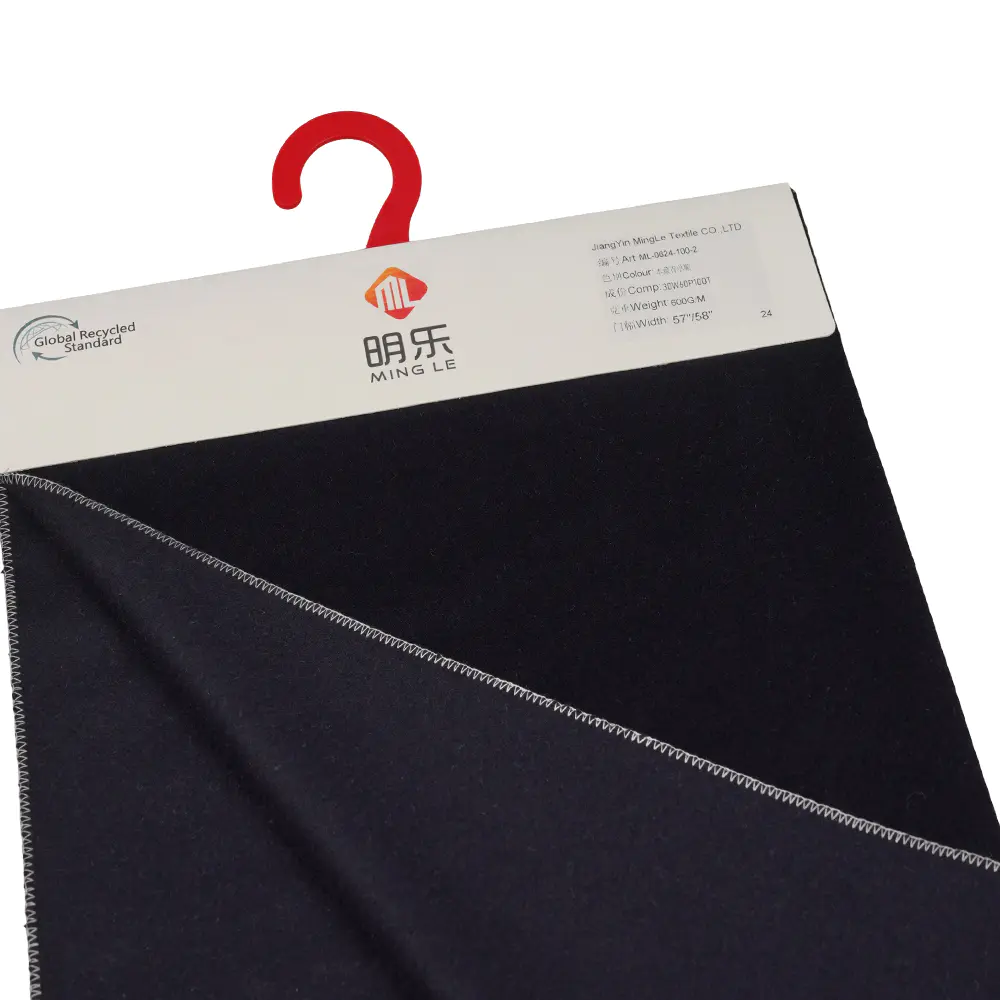
30% Wool, 60% Polyester, 10% other fiber, 600g/m Classic Navy Blue single-face o...
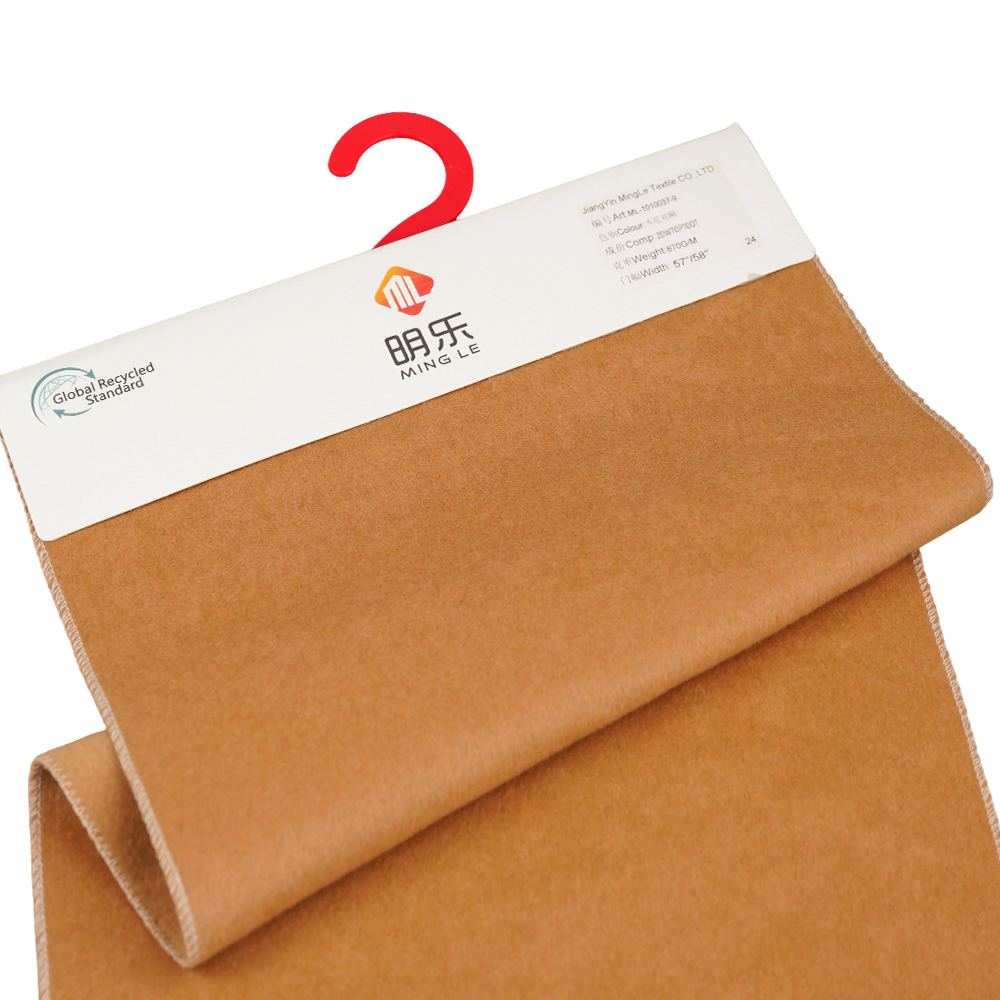
Bean Paste Double-Smooth: 720g/m thick, double-faced fleece fabric, gentle and e...
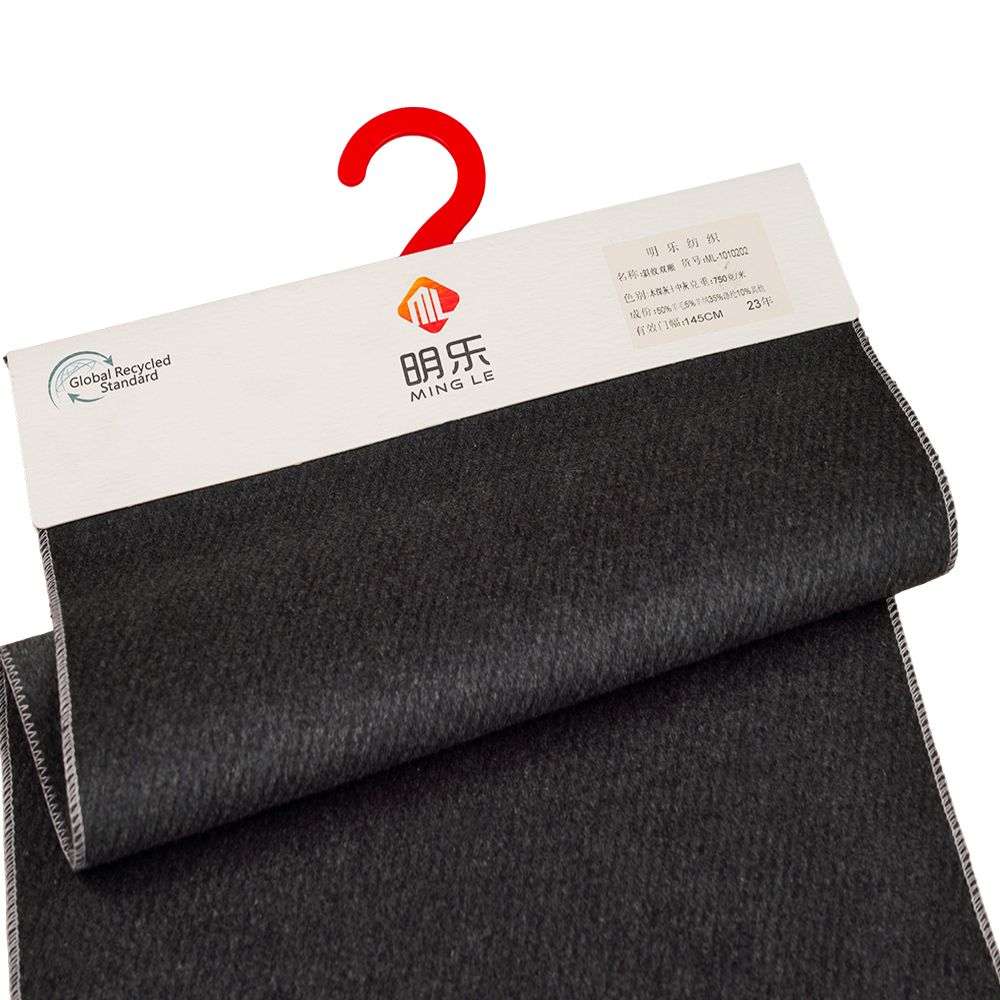
750g Double-Sided Brushed Fabric: Dark Gray and Medium Gray Twill Wool Cashmere ...
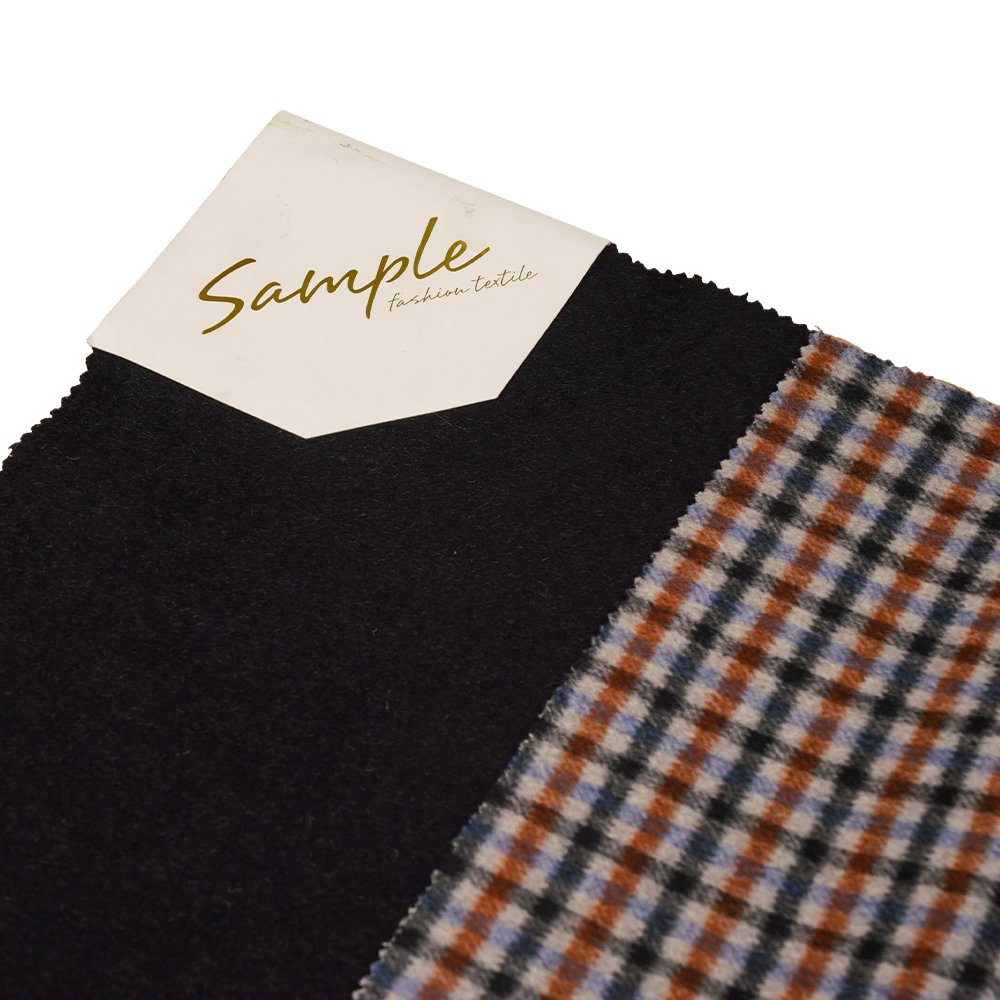
50% Wool 50% other fiber 780G/M Color Check Plaiddouble-face overcoating fabricF...
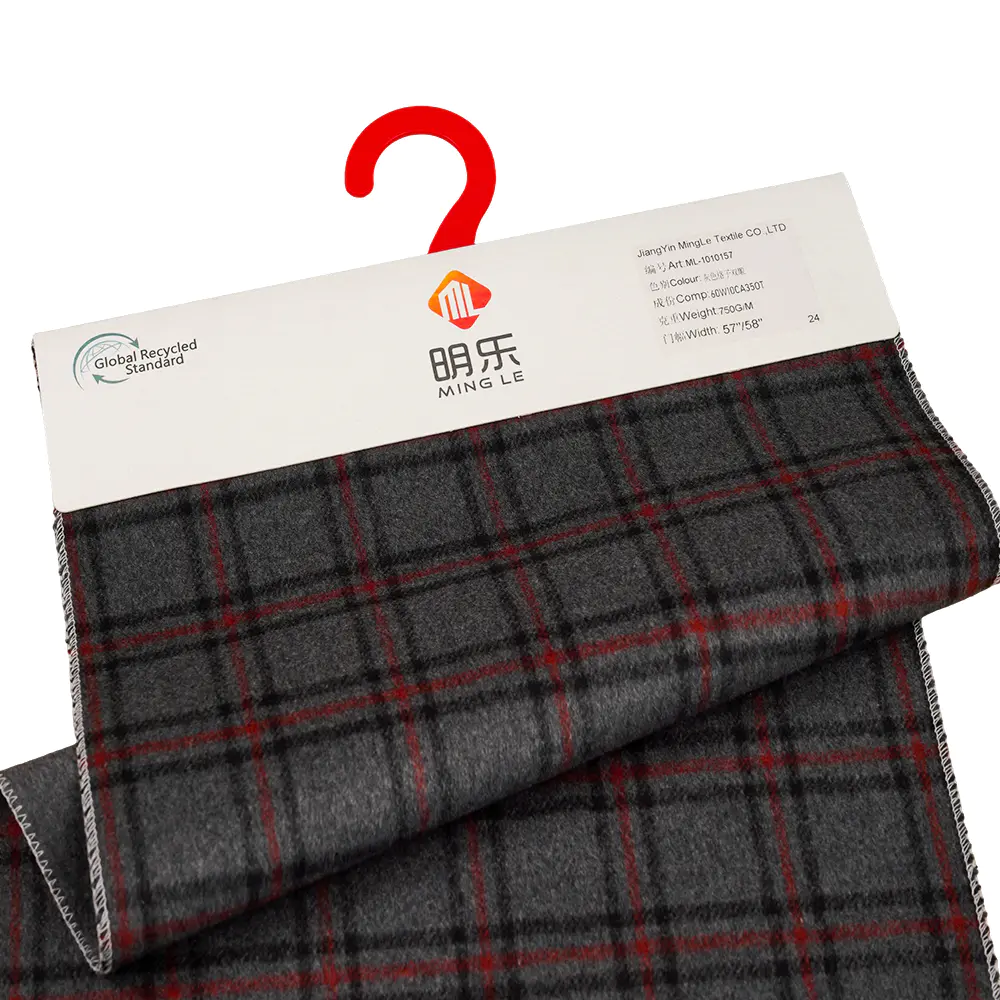
60% Wool 5% Cashmere 35% Synthetic Fabric Double-Sided Brushed Fabric: Gray Plai...
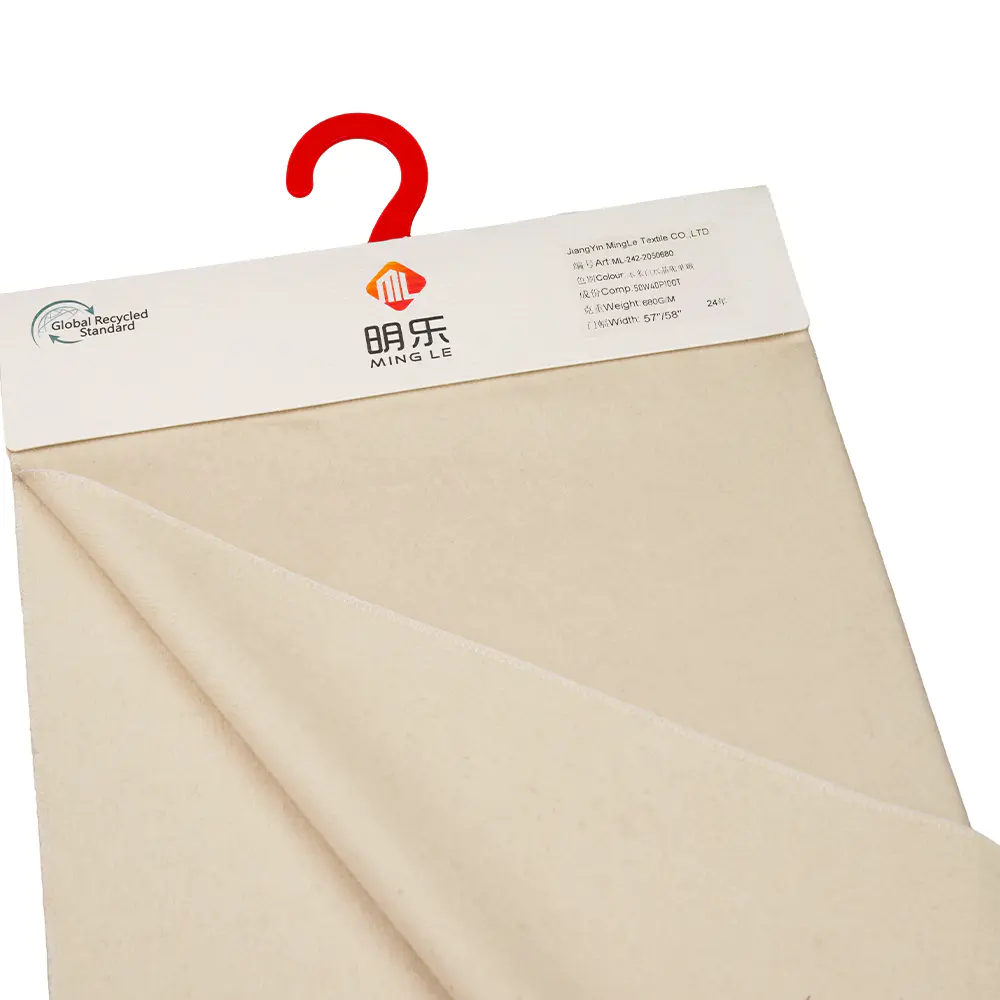
Milky White Crystal Wool single-face overcoating Fleece Fabric: 680g Weight Wool...
 +86 - 510 - 86373115
 +86 - 13812129532
 No. 118, Huancun West Road, Huaxi Fifth Village, Huashi Town, Jiangyin City, Wuxi City, Jiangsu Province, China


