

 English
 中文简体
中文简体News
Home > News > Industry News > Flannel vs. Melton: Which Is Warmer and More Durable for Winter Coats?

Content
You are comparing a 340 gsm wool flannel with a 760 gsm melton for the same winter coat pattern. The flannel drapes and breathes; the melton feels dense and almost felted. By the time you check wind penetration, abrasion resistance, and sewing behavior, the flannel vs melton decision becomes about much more than fabric name.
Short answer: melton is warmer and more durable in a wind-exposed winter coat, while flannel is warmer per gram, more breathable, and easier to tailor. The right call depends on climate, silhouette, and how many seasons the garment must survive.
Buyers often assume flannel and melton are interchangeable because both are wool coating fabrics. They are not. Flannel starts as a twill or plain weave and gets a light nap; melton goes through fulling, shrinking, and compressing the fibers until the weave nearly disappears. That production difference changes pattern making, lining choice, and garment lifespan.
Flannel is a medium-weight wool fabric with a visible twill or plain weave and a soft brushed nap. Melton is a heavily fulled, densely brushed wool fabric whose weave structure is almost invisible beneath a felted surface.
Melton is a compact, fulled wool fabric that resists wind and abrasion because its fibers are matted together; flannel keeps an open, brushed construction that traps air but lets wind pass more easily.
The production route matters. A flannel can be produced in lighter weights with a shorter fulling cycle; a melton requires longer fulling and more finishing time. If you are sourcing for a seasonal line, confirm the mill's finishing capacity before finalizing a specification.
| Property | Flannel | Melton |
| Weave structure | Visible twill or plain weave | Fully fulled, nearly felted |
| Typical weight | 300-420 gsm | 560-800 gsm |
| Surface finish | Soft brushed nap | Dense sheared nap |
| Wind resistance | Moderate | High |
| Drape | Fluid, tailored | Stiff, structured |
| Abrasion resistance | Good for light wear | Excellent for heavy wear |
Melton is warmer in a windy winter coat; flannel can feel warmer per gram in still air because its open nap creates loft. Weight changes the result faster than the weave family.
In still air, a 340 gsm flannel traps a layer of air between the nap fibers, which is why a flannel shirt works indoors. Outside, that same open structure allows wind to flush heat away. A 560-800 gsm melton is fulled until the fibers interlock, cutting air movement to a fraction of what passes through flannel. At equal outerwear weight, melton is the warmer shell.
Wind moves heat away from the body faster than still air. A 340 gsm flannel may feel warm in a walk-in closet, but on a windy street the same fabric lets a measurable amount of air pass through the nap. Melton's fulled surface creates a wind barrier, which is why military and workwear coats have used it for more than a century.
This chart rates five cold-weather performance factors on a 10-point scale for typical coat-weight flannel and melton.
This 760 gsm black melton is representative of a deep-winter coat shell.
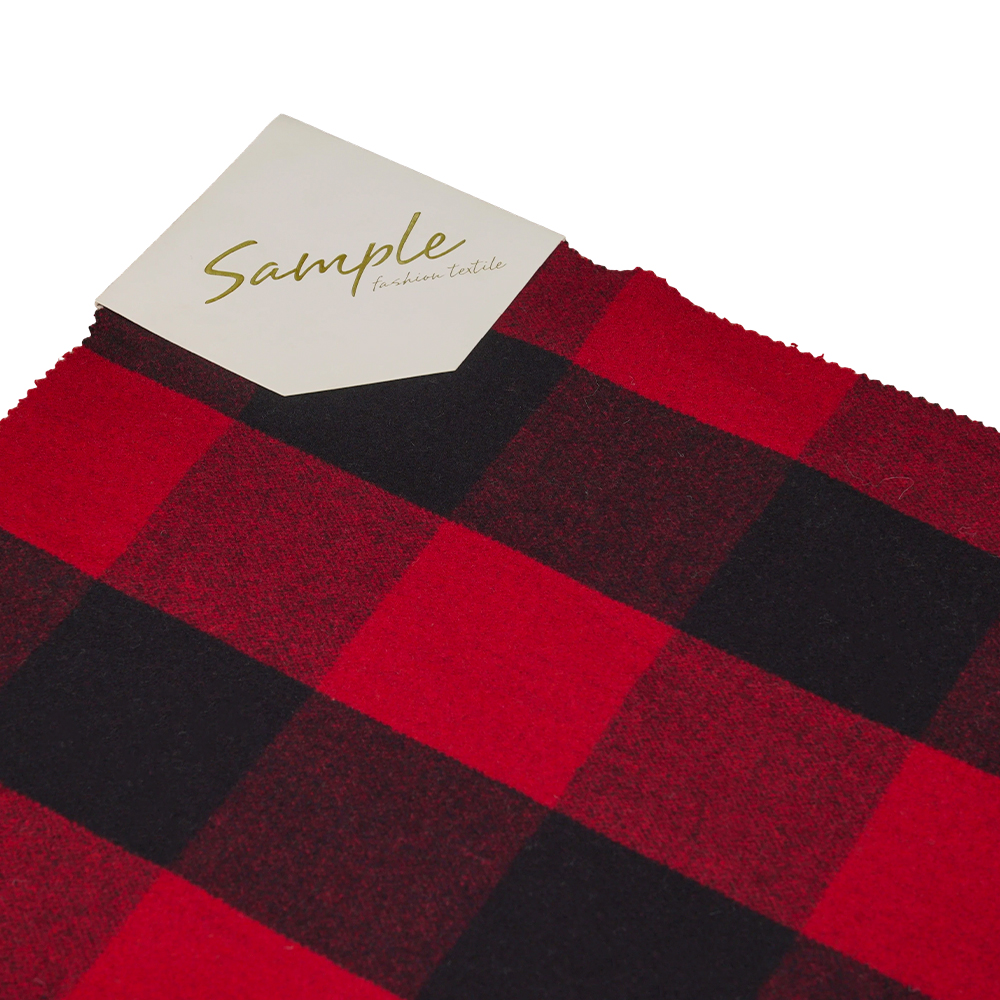 760 gsm Black and Red Plaid Melton Fabric for Deep-Winter CoatsThis heavy melton, made of wool, polyester, and other fibers, is highlighted for its abrasion resistance and wind resistance compared to flannel, making it a strong choice for a durable winter coat shell.View Product →
Melton is more durable against abrasion, surface snagging, and wind-driven wear; flannel wears faster at elbows, cuffs, and fold lines because its surface fibers sit above the weave.
Fulling fuses melton's fibers into a compact mass, so abrasive contact at the shoulder or cuff rubs against a felted layer instead of individual yarns. Flannel's brushed surface gives a softer hand but exposes fiber ends. A 760 gsm melton will outwear a 340 gsm flannel in the same coat style.
From a sewing perspective, flannel is easier to press and shape, but its lighter structure needs reinforcing at the shoulder and pocket openings. Melton's density supports heavier hardware and clean lapel edges, but it creates bulkier seams that need grading. A sample yard test will show which one matches your production team's skill.
If you need visible texture with melton's dense performance, a twill melton keeps the fulled structure and adds a subtle diagonal line.
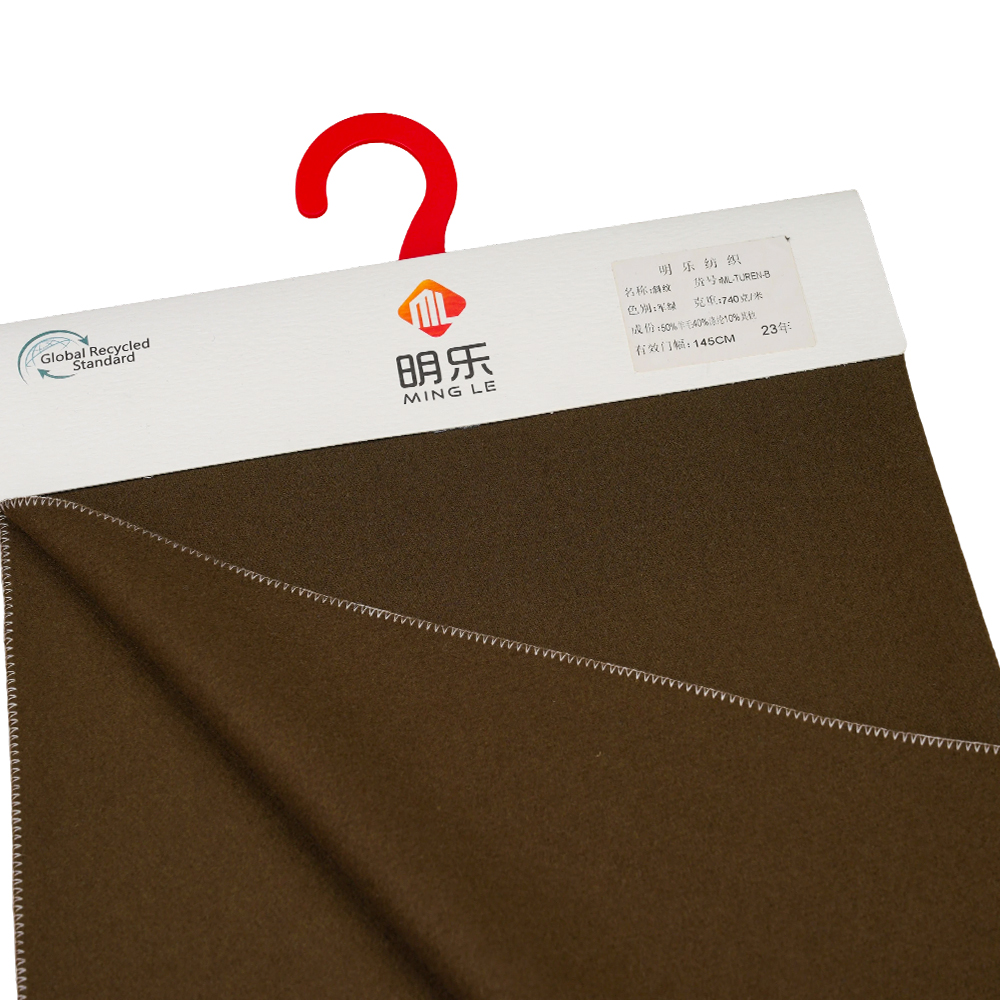 740 gsm Military Green Twill Melton Fabric for Structural OuterwearThis twill melton combines dense fulled performance with a visible diagonal texture, offering warmth and durability. The neutral military green suits coats, jackets, and workwear, and it pairs well with the subsequent comparison to flannel.View Product →
Choose melton for a cold, windy winter coat that will see heavy daily use; choose flannel for a transitional coat, a softly tailored overcoat, or a garment that needs to move with the body.
For a middle ground, ask your mill for a twill melton or a heavier flannel around 420-560 gsm. The weave family matters less than the fulled density and fiber content.
Garment use cases: flannel suits a car coat, a relaxed overcoat, or a swagger coat; melton suits a peacoat, a military-style greatcoat, or a structured tailored coat. Consider whether the coat will be worn with a sweater, sit on a train seat, or be thrown into the back of a car.
Also review our winter coat fabric selection checklist before committing to a full production run.
Weight, wool percentage, and finishing determine warmth and durability more than the flannel or melton label alone.
At Jiangyin Mingle Textile Co., Ltd., flannel runs from 300 to 420 gsm and melton from 560 to 800 gsm. A 70% wool melton with 10% cashmere handles deep cold differently from a 30% wool style with high polyester content. Always read the full specification.
The same 50% wool content can produce a warm, dense melton or a breathable flannel; finishing decides the difference.
Customization is common. Ask for strike-offs, change wool content, adjust gsm, or choose a blended finish. A mill like Jiangyin Mingle Textile Co., Ltd. can produce both fabric families, which simplifies developing a complete coat program from a single supplier.
At 320 gsm, a wool flannel is a transitional weight that works for shorter coats or lined styles.
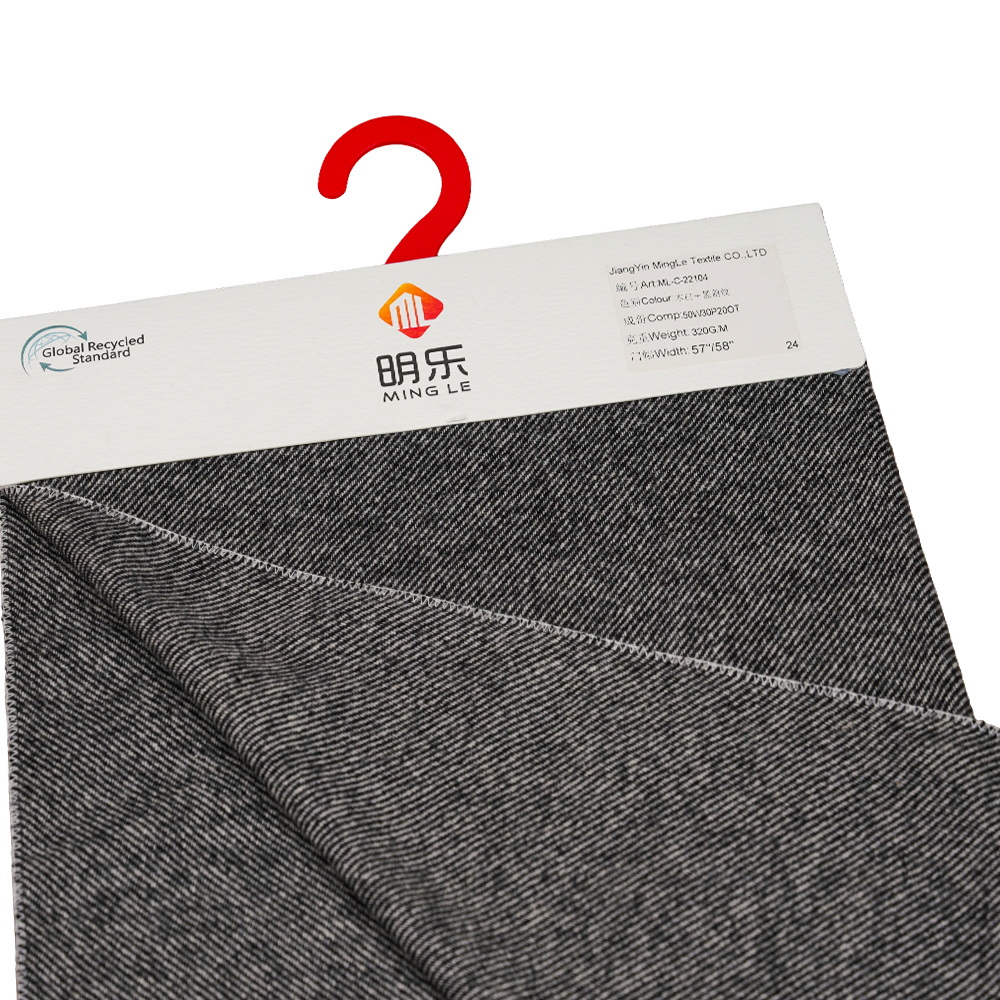 320 gsm Off-White and Black Twill Flannel Fabric for Transitional WearAt a lighter weight, this twill flannel suits shorter coats or lined styles. Its wool-polyester blend provides warmth with wrinkle resistance, and the classic off-white and black twill adds versatile visual depth.View Product →
In normal coat weights, yes. Melton's dense fulled construction blocks wind, which is the main route of heat loss. A very heavy flannel can approach a light melton, but at equal gsm melton is warmer.
Yes, for urban winter wear in mild climates, especially with lining and layering. A 340-420 gsm flannel is suitable for transitional coats, blazers, and lined car coats, but it will not perform like a melton in strong wind or wet snow.
Melton is the traditional and better choice for a peacoat because the dense surface stands up to repeated wear, wind, and light moisture. Twill melton adds texture while keeping that performance.
Warmest means a high wool percentage, high gsm, and dense finishing. A 70% wool, 10% cashmere, and 20% synthetic melton at 800 gsm will be warmer than a 50% wool flannel at 340 gsm. Check the full composition before ordering.
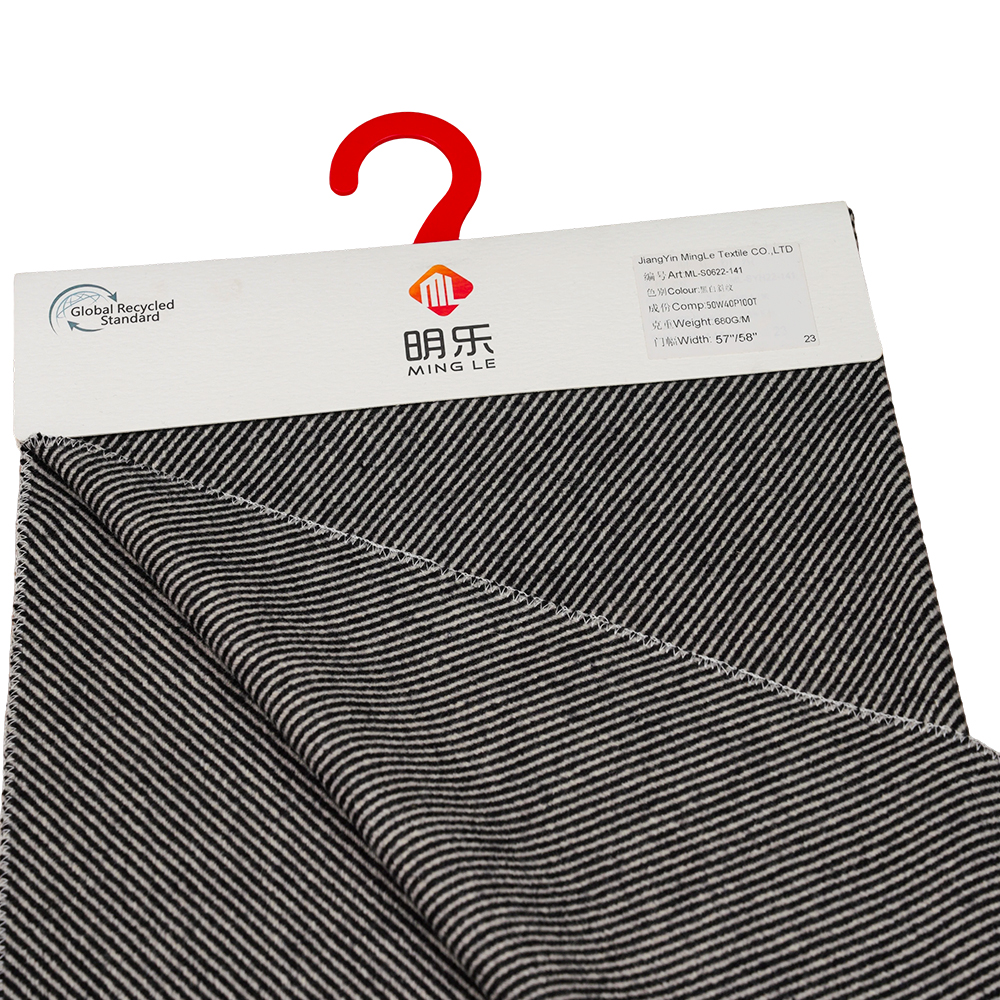
50% Wool 40% Polyester 10% other fiber680G/M Black White Twill Melton Fabric | S...
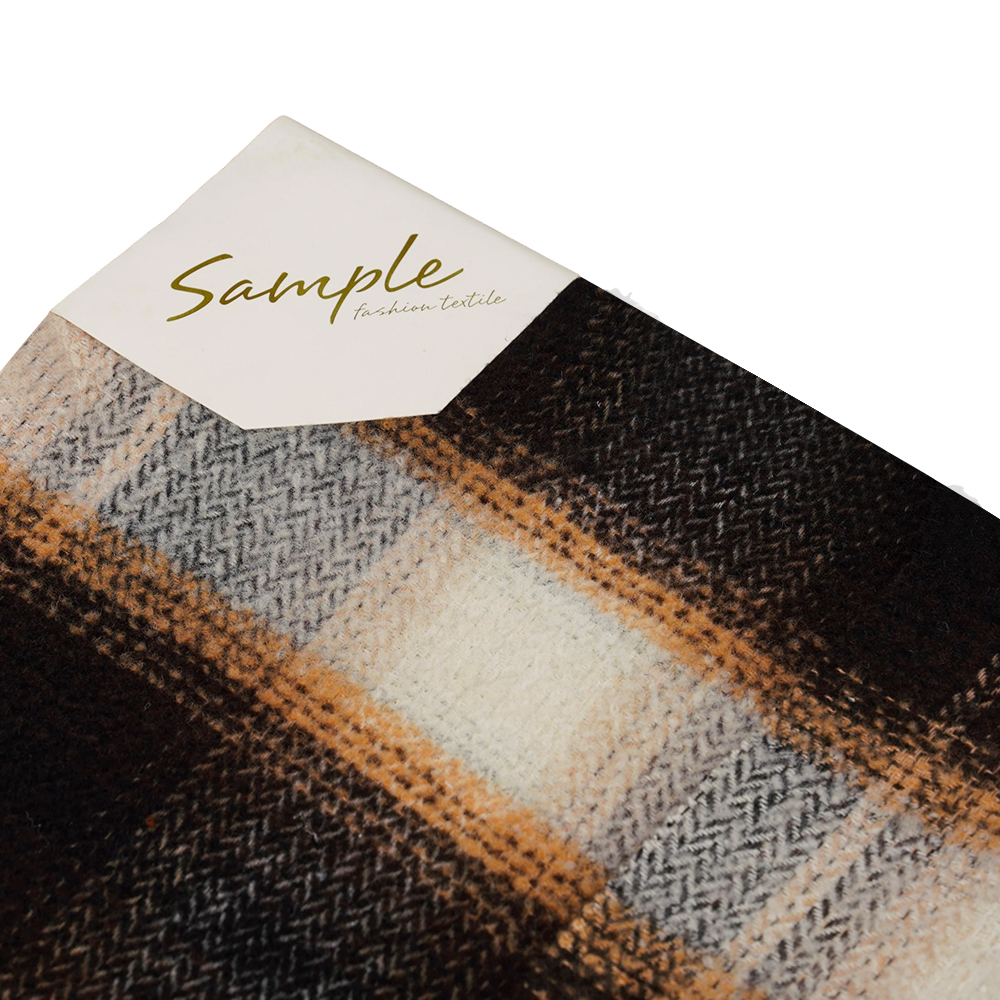
ML-8021071 Black and White Boucle Fabric: 40% Wool, 60% Polyester Blend, 540 g/m...
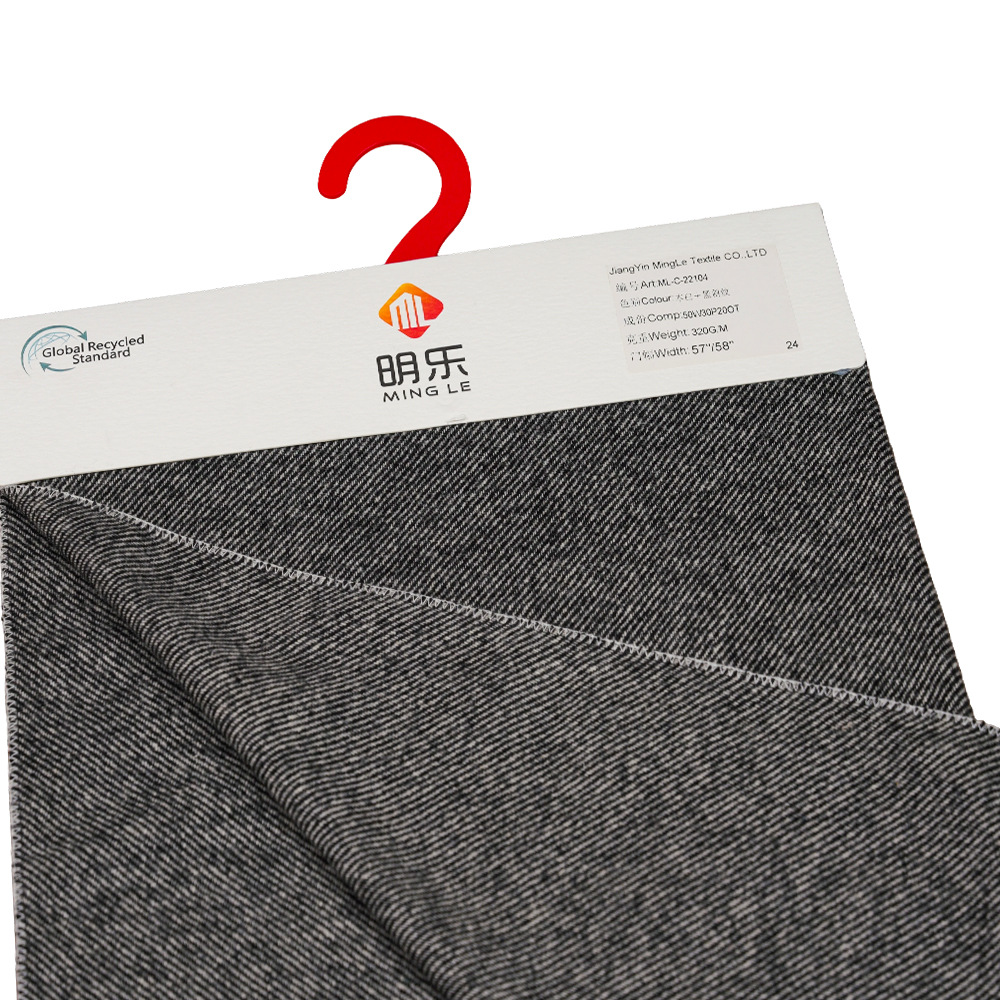
50% Wool, 30% Polyester, 20% other fiber, 320g/m Off-White + Black Twill Flannel...
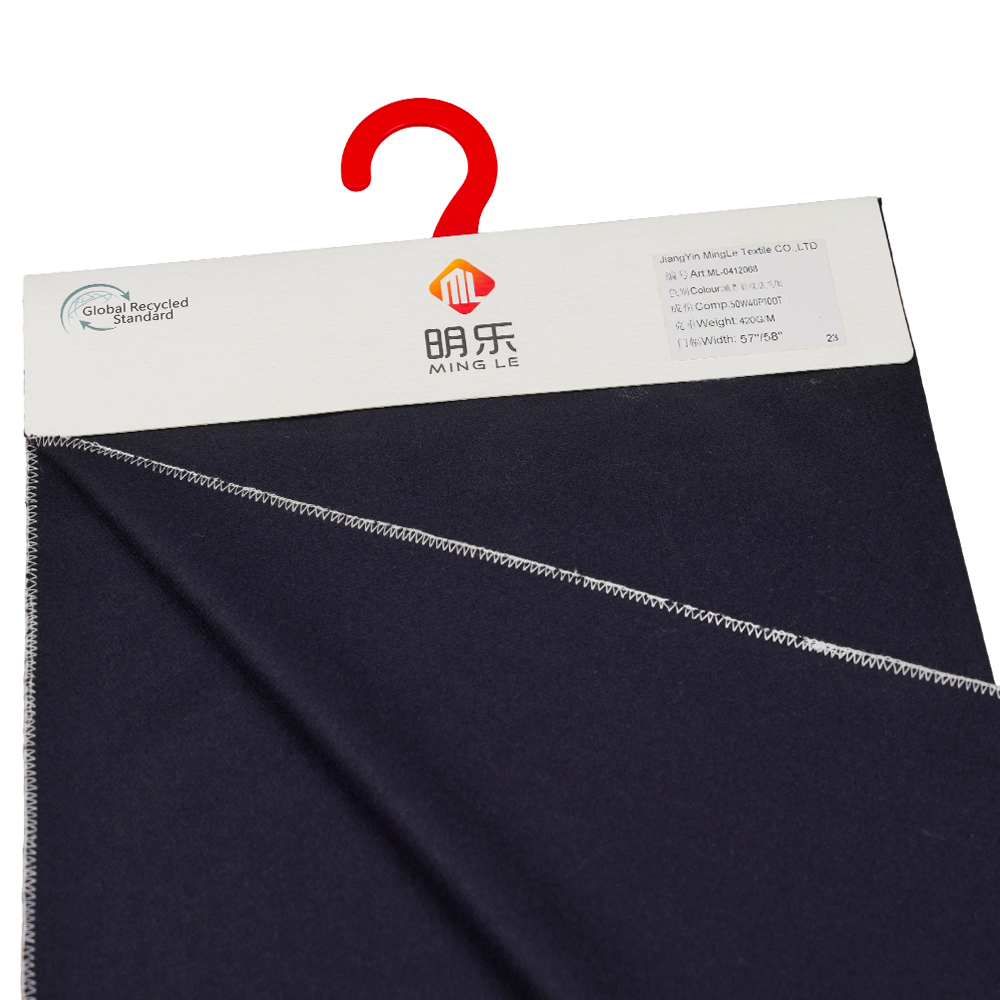
Navy Twill Flannel Fabric: 420g/m Wool Blend, Classic Twill TextureThis flannel ...
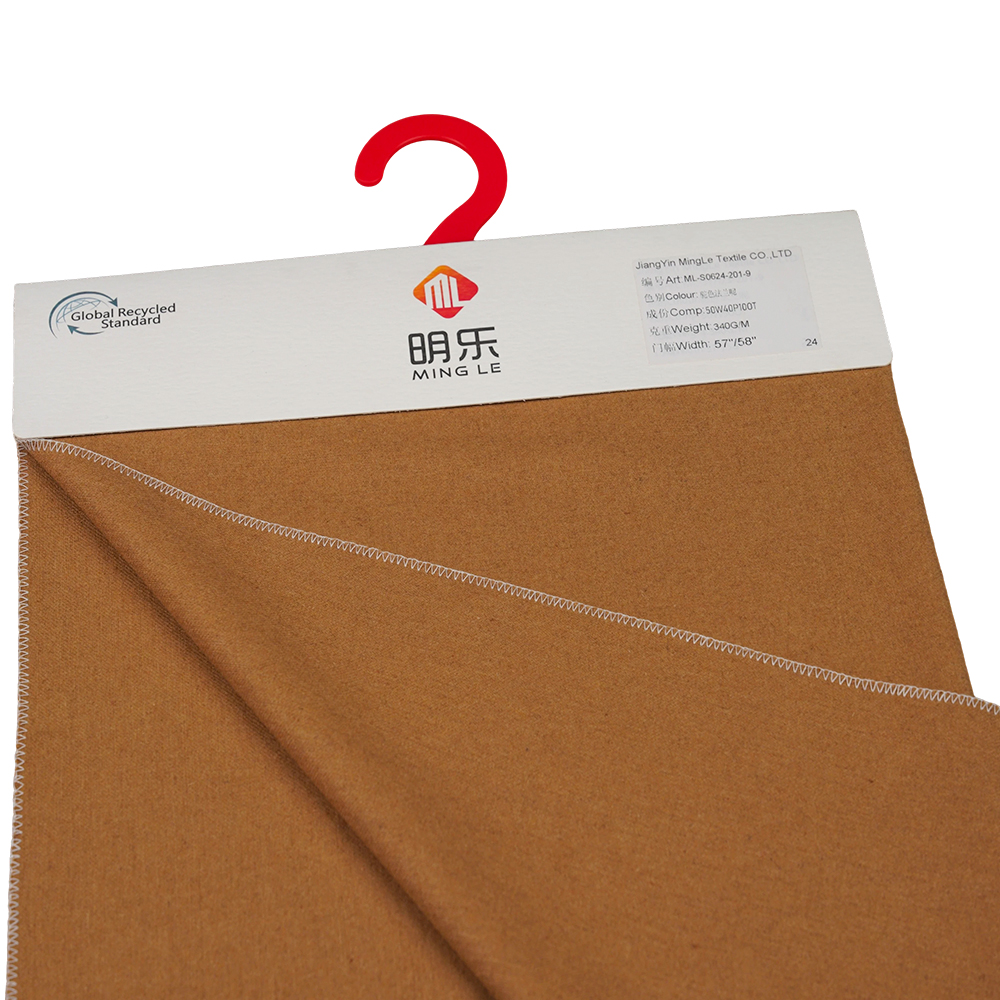
Camel Color Flannel Fabric: 50% Wool, 40% Polyester, 10% other fiber, 340 GSMThi...
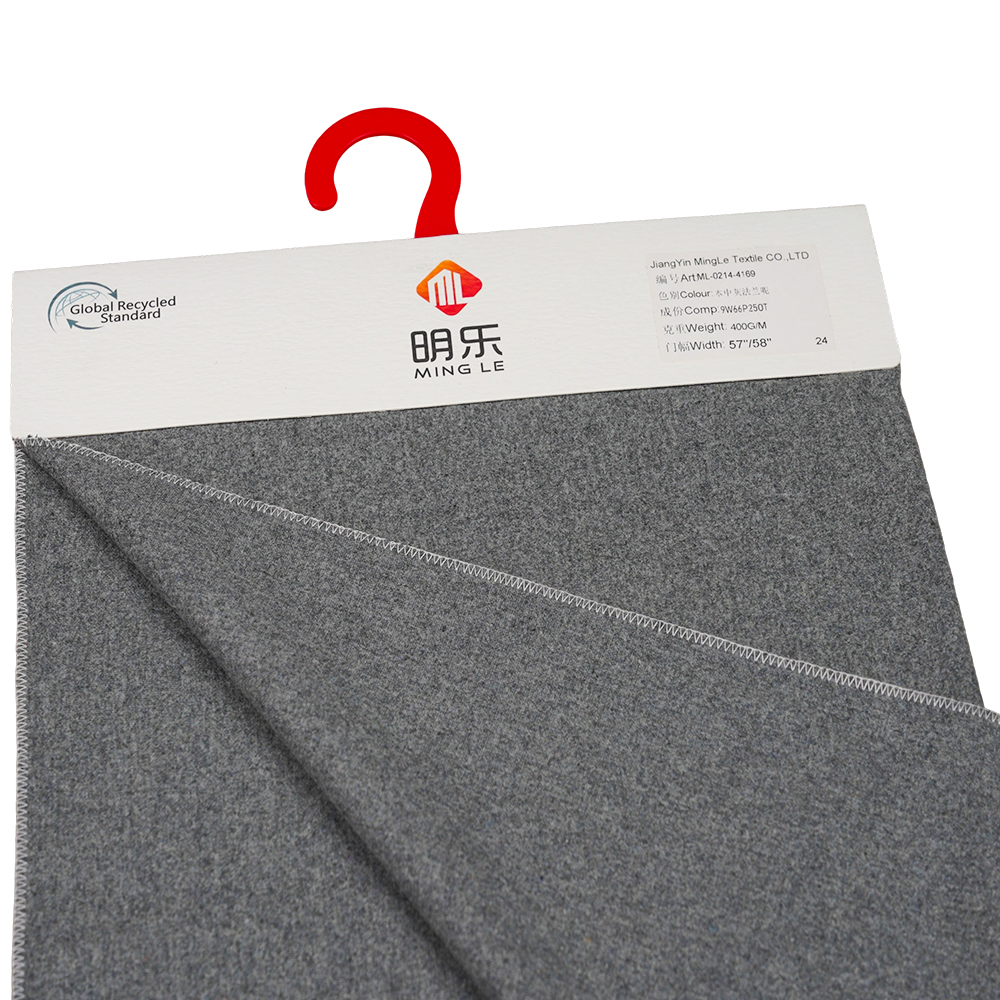
9% Wool 66% Polyester 25% other fiber 400G/M Gray Flannel Fabric – Versatile Neu...
 +86 - 510 - 86373115
 +86 - 13812129532
 No. 118, Huancun West Road, Huaxi Fifth Village, Huashi Town, Jiangyin City, Wuxi City, Jiangsu Province, China


