Product Categories
Introduction Overcoat wool fabric is a preferred material in high-end garment manufacturing due to its durability, thermal performance, and luxurious feel. B2B buyers, tailors, and textile engineers rely on its quality f...
Few textiles carry the breadth of technical performance, aesthetic versatility, and heritage market positioning that wool flannel fabric commands across the global apparel industry. From tailored suiting and premium oute...
In the global textile market, the demand for natural performance fibers continues to grow. Wool pile fabric stands out due to its unique combination of thermal insulation and moisture-wicking properties. Unlike flat wove...
Melton Wool Coating Fabric remains one of the most reliable materials for structured outerwear. Designers and wholesale buyers prefer this fabric because it delivers density, wind resistance, and long-term durability. Pr...
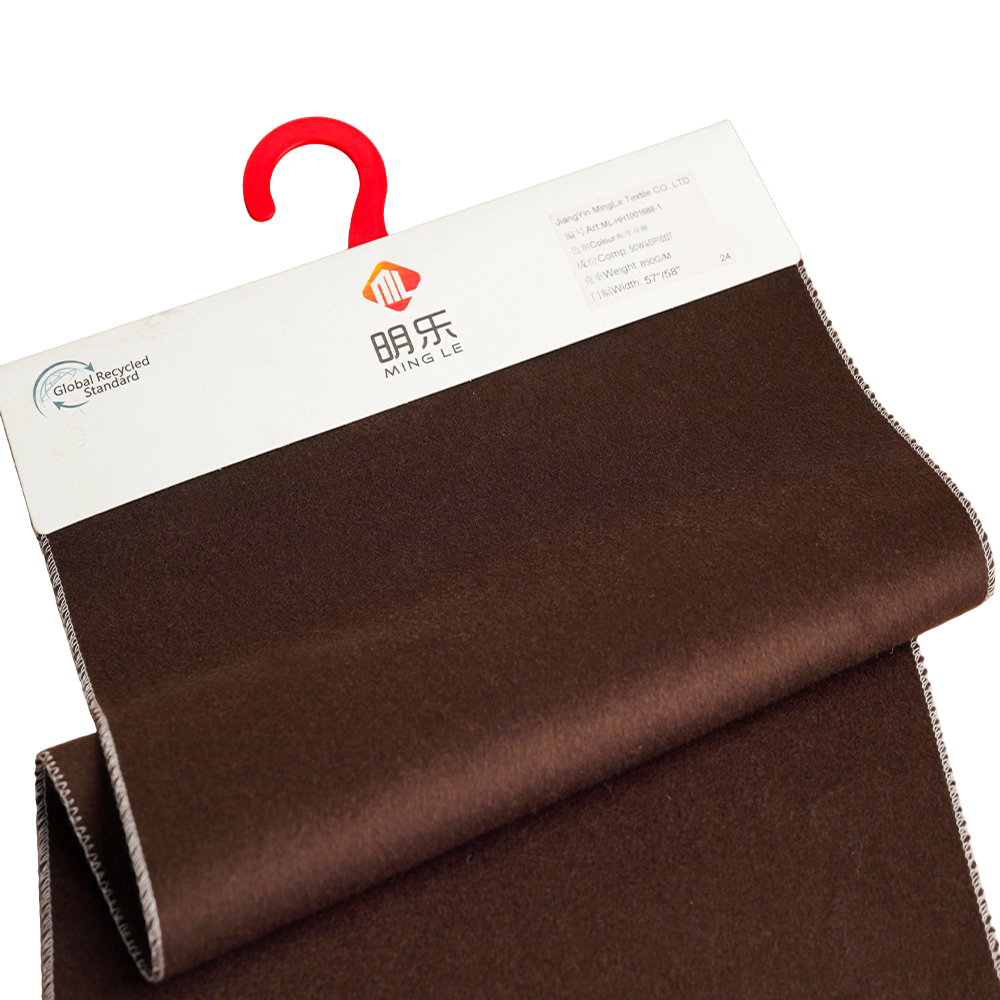
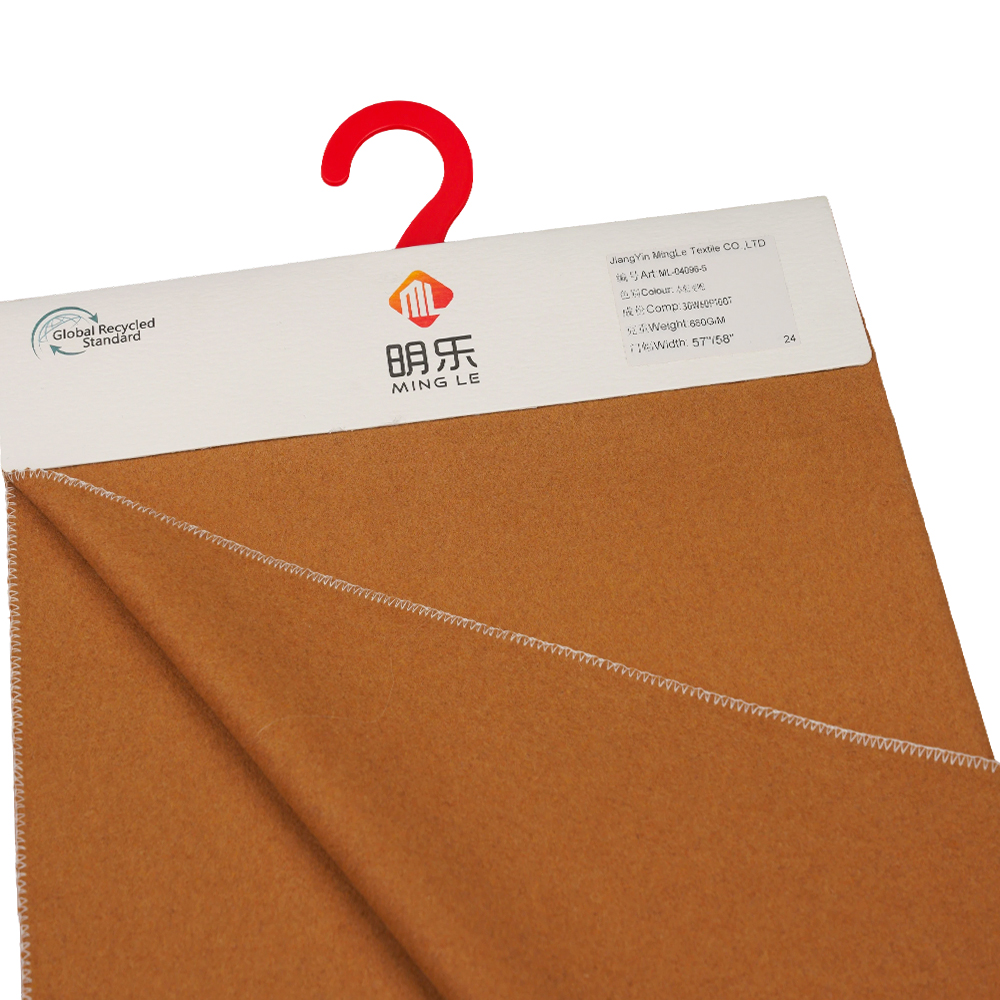
ML-HH1001688-1 Coffee Solid Color Double-face Overcoating Fabric: 850g/m, 50% Wo...
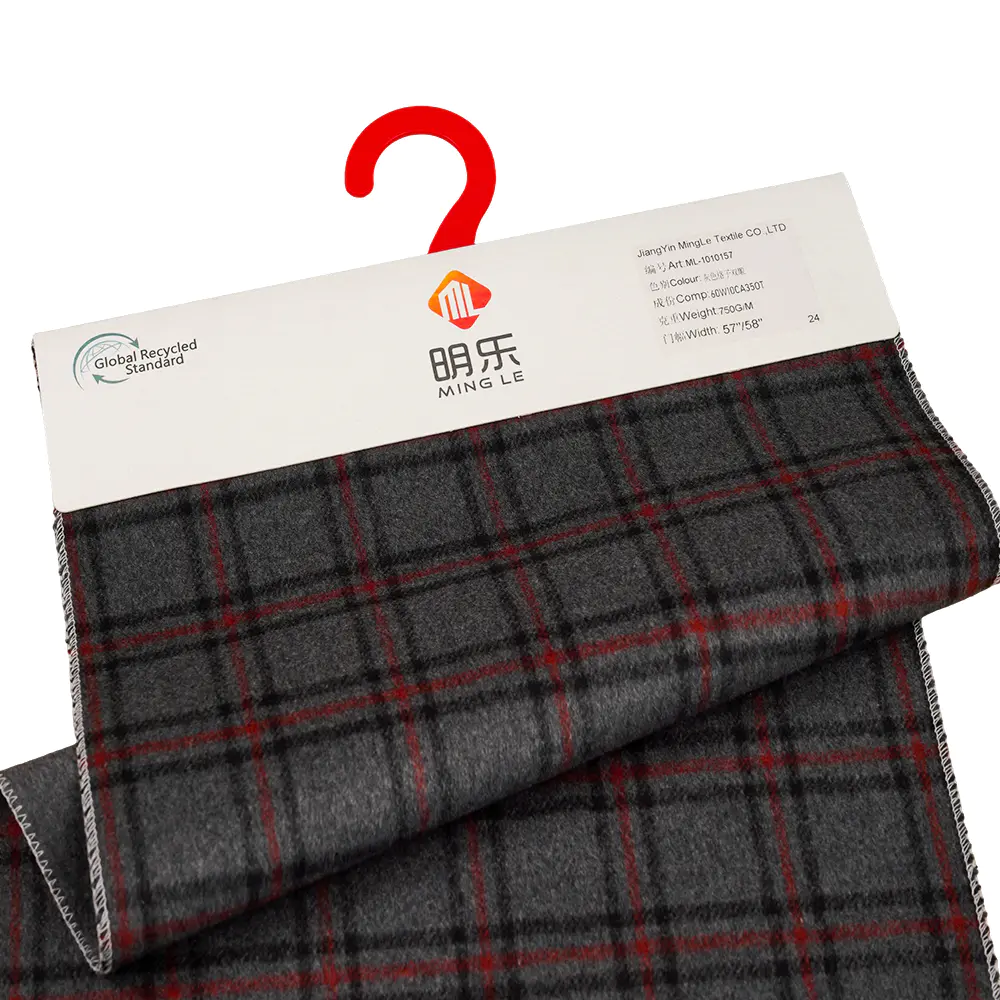
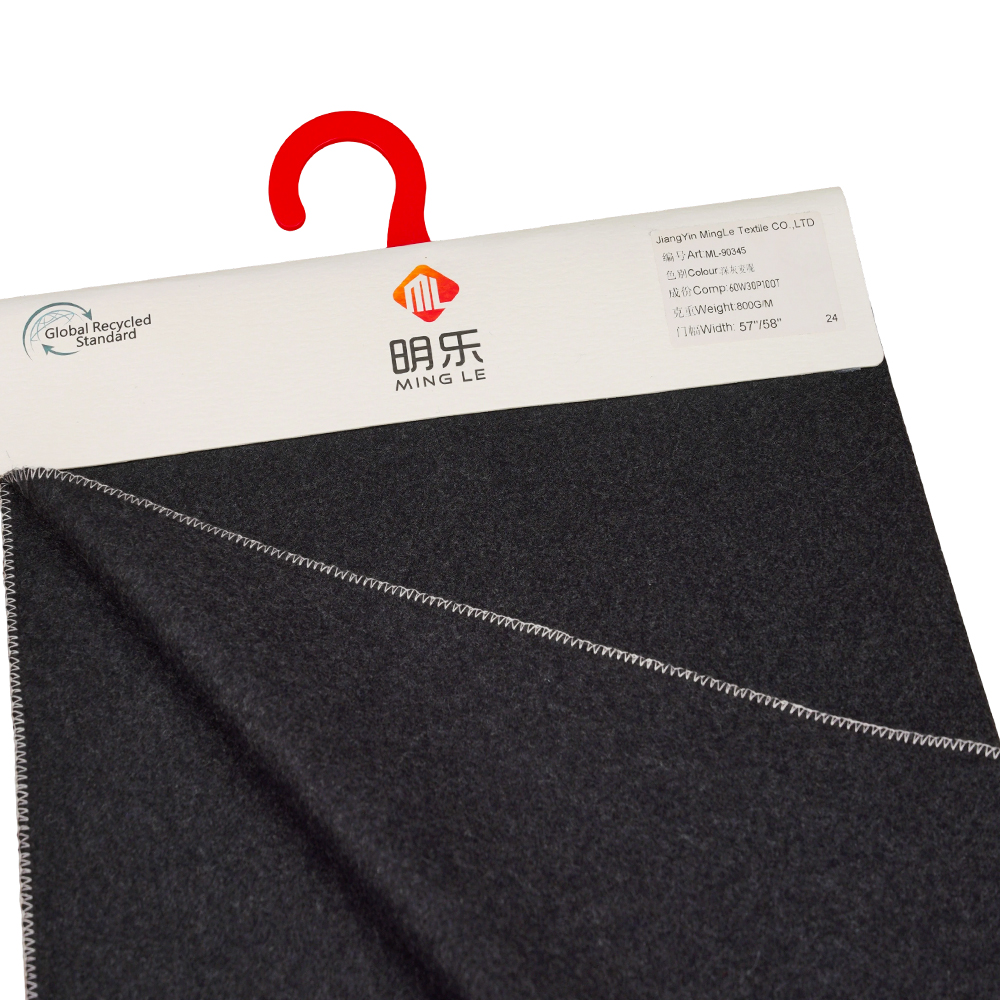
60% Wool 5% Cashmere 35% Synthetic Fabric Double-Sided Brushed Fabric: Gray Plai...
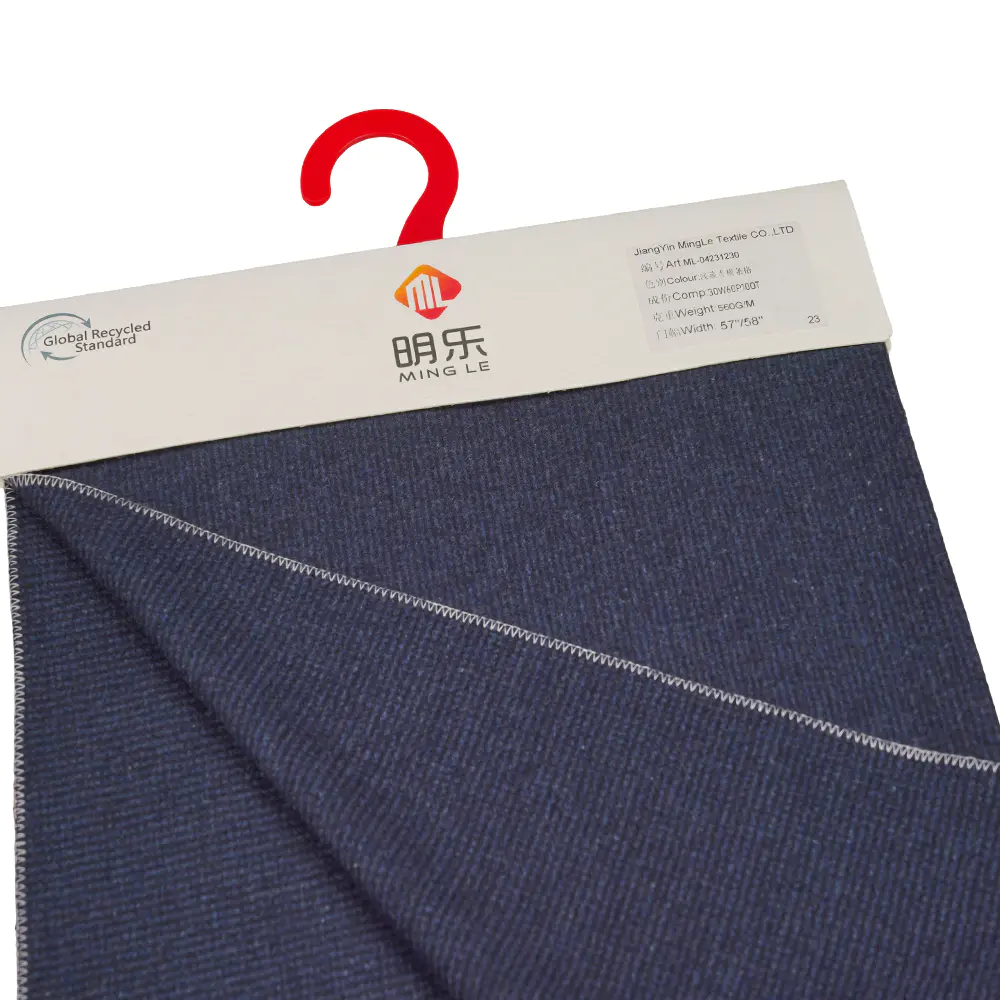
Ben Zhi Qing + Lan Qing Horizontal Striped Wool-Blend Melton Fabric: 560G/M Busi...
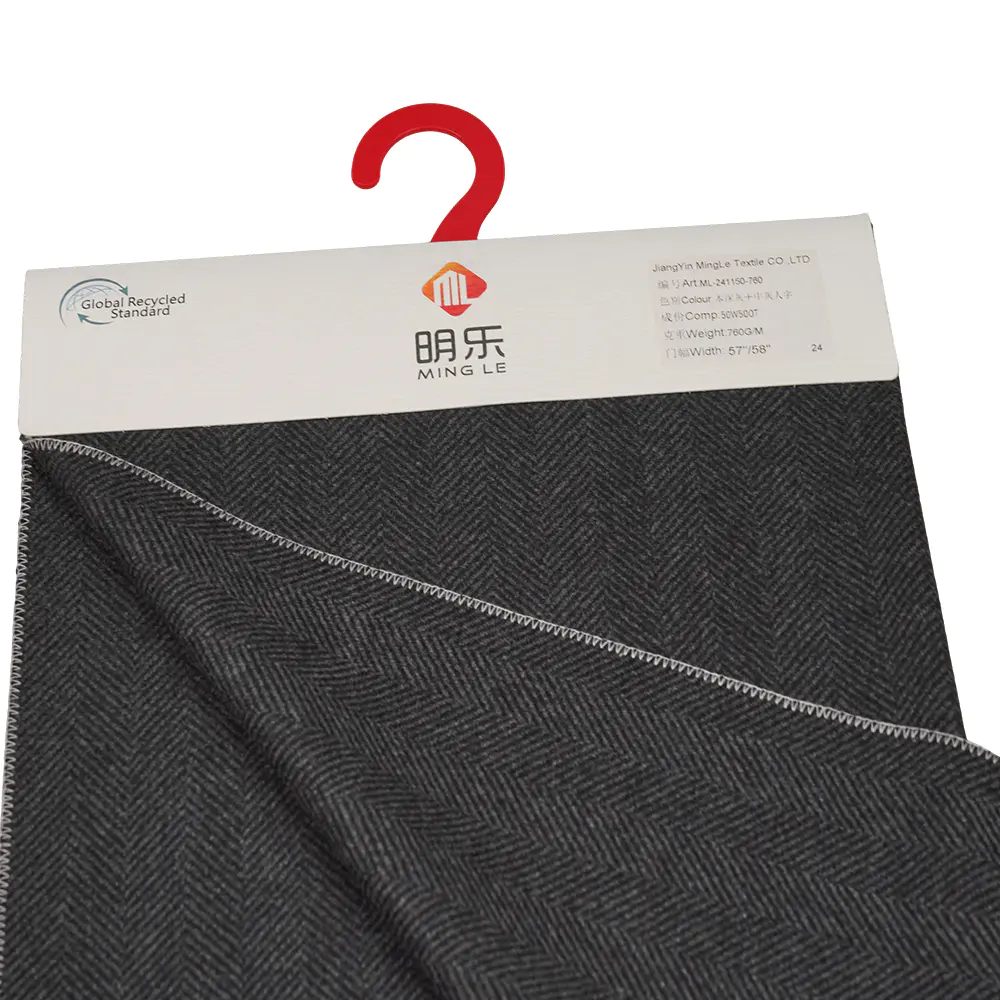
Classic Dark Gray Check Herringbone Melton Fabric – 50% Wool 50% other fiber, 76...
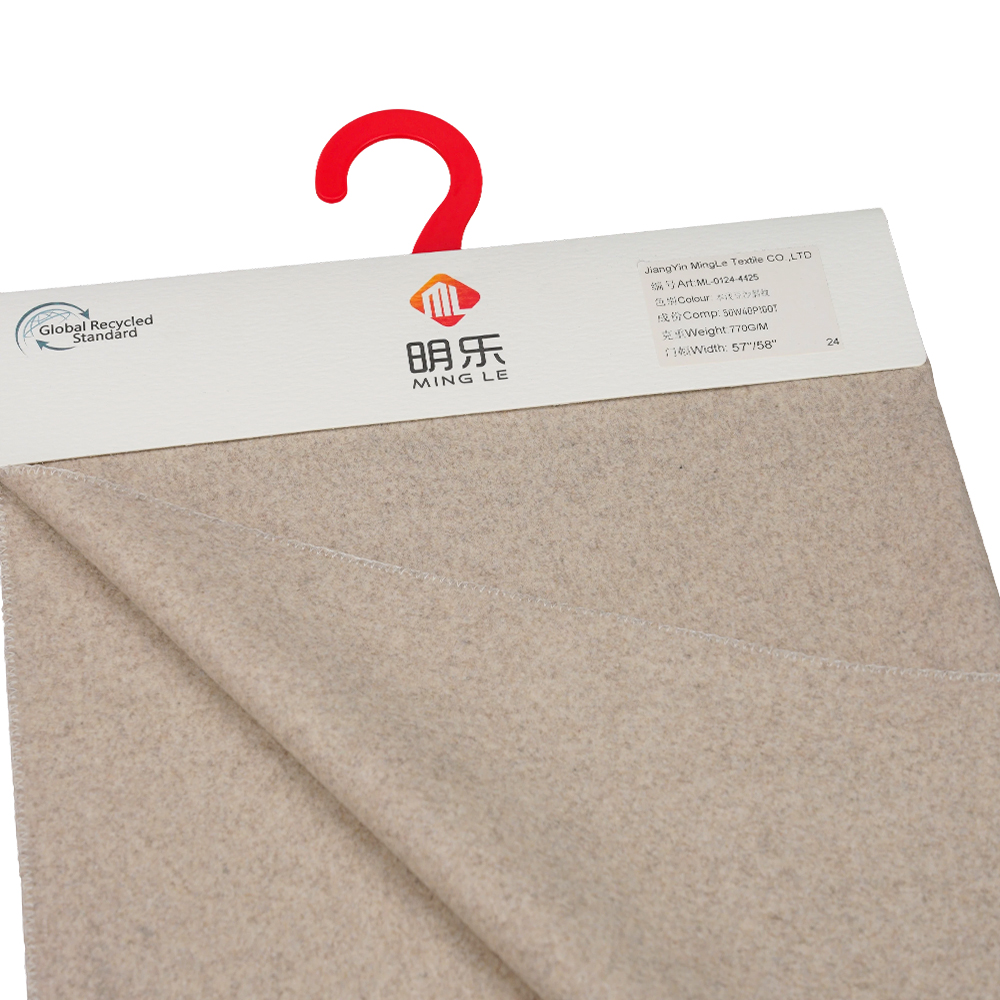
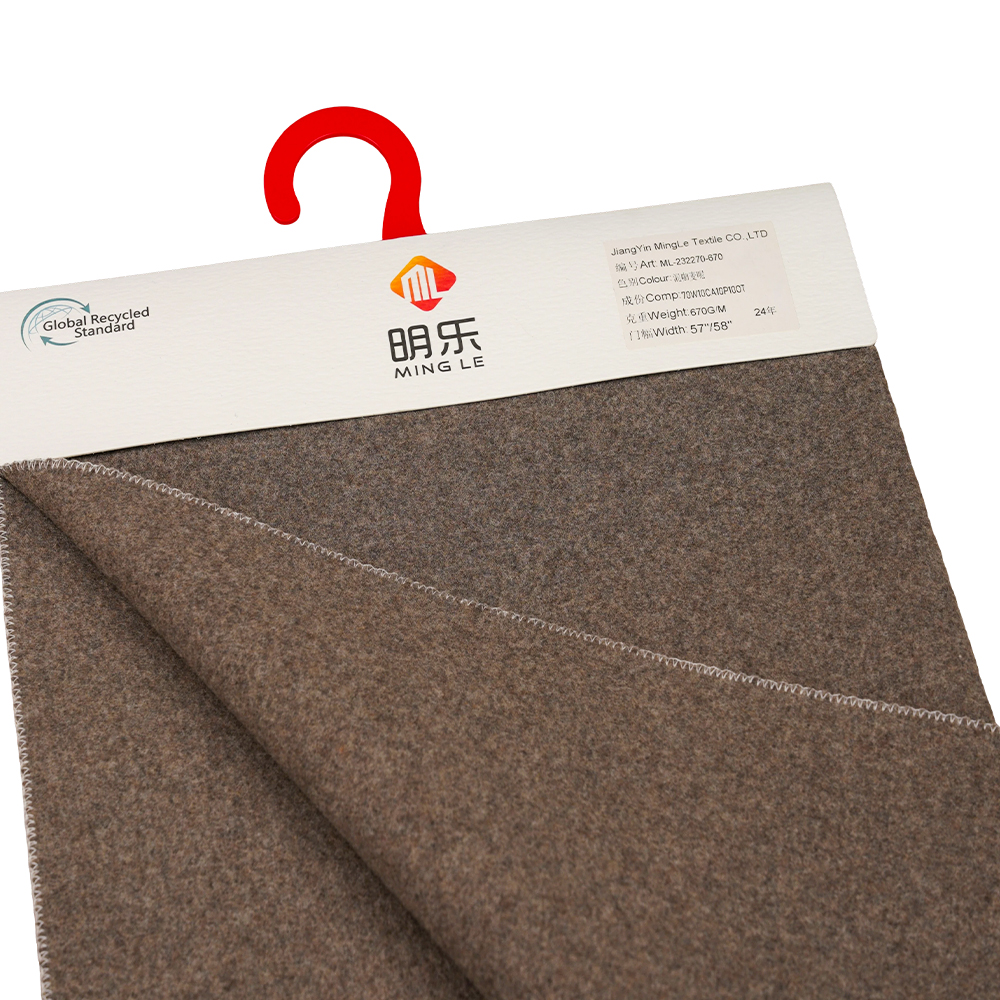
50% Wool, 40% Polyester, 10% other fiber, 770g/m Natural Light Bean Paste Twill ...
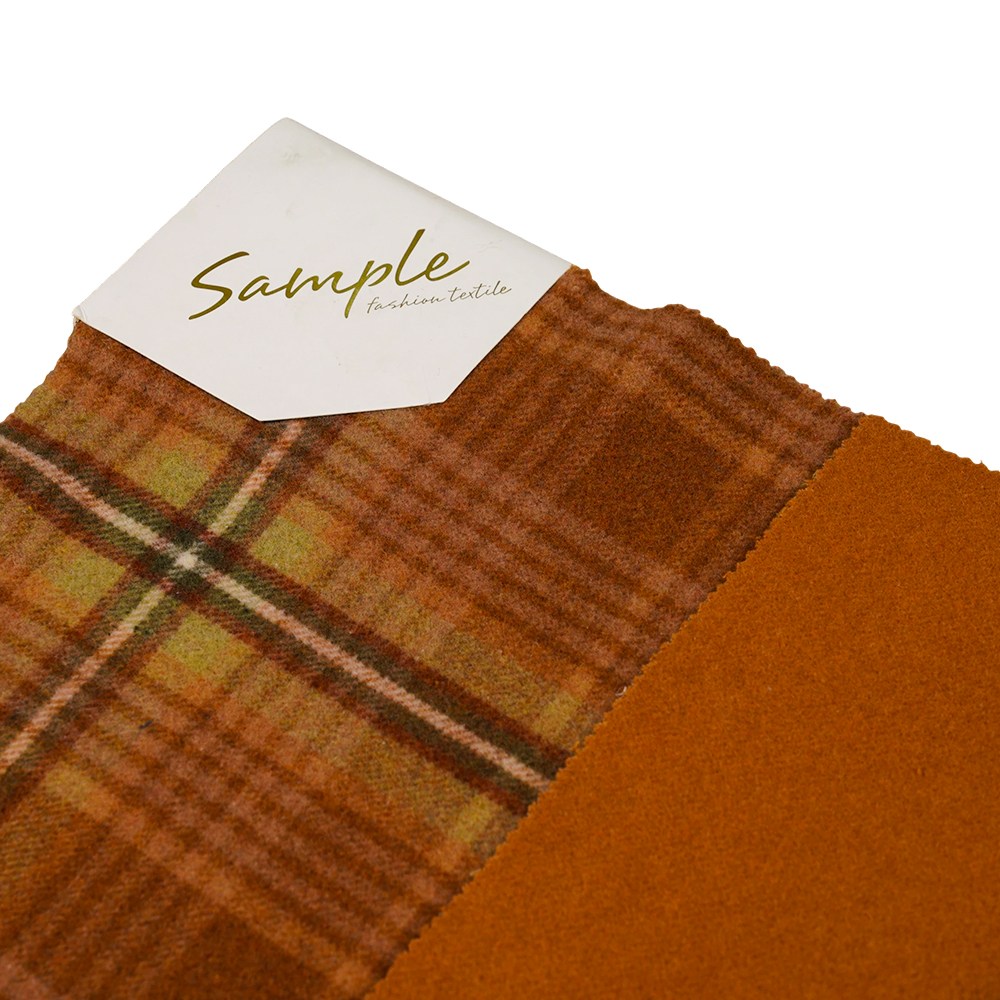
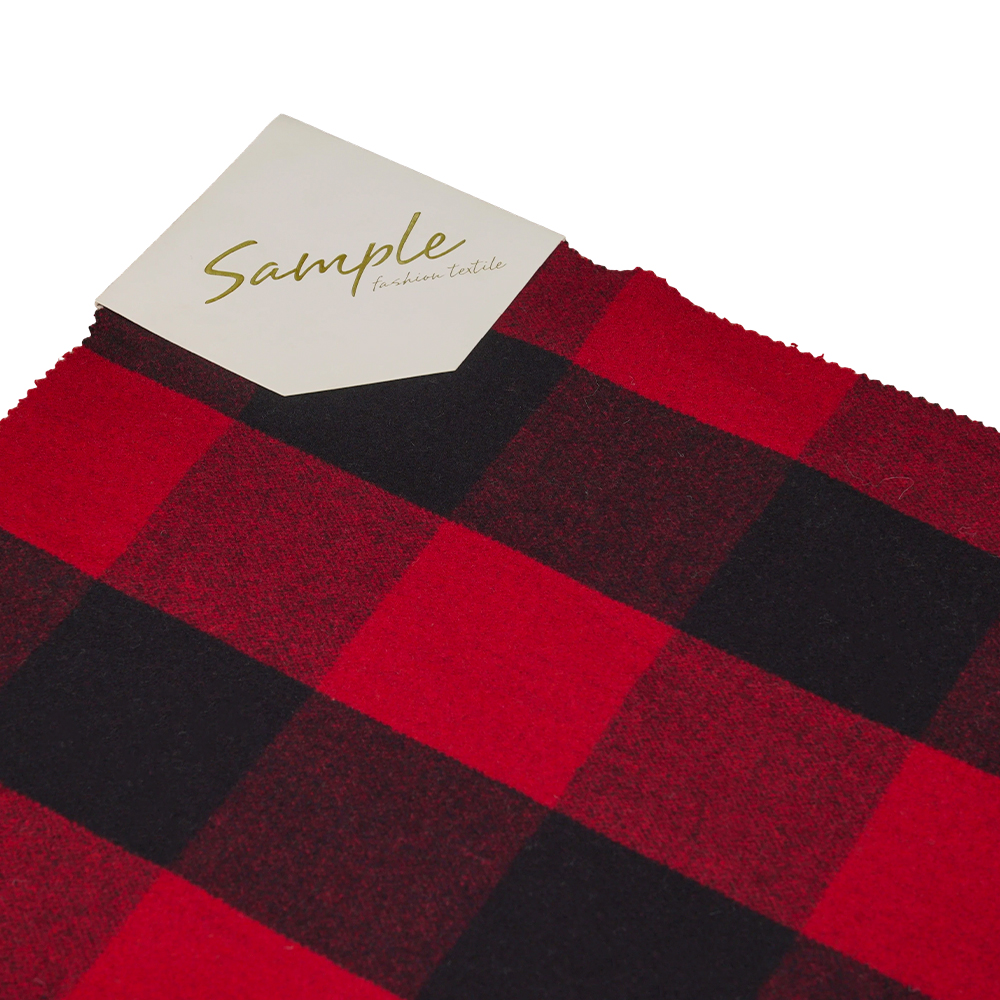
50% Wool 40% Polyester 10% other fiber860G/M Brown-Yellow Check Plush Fabric – A...
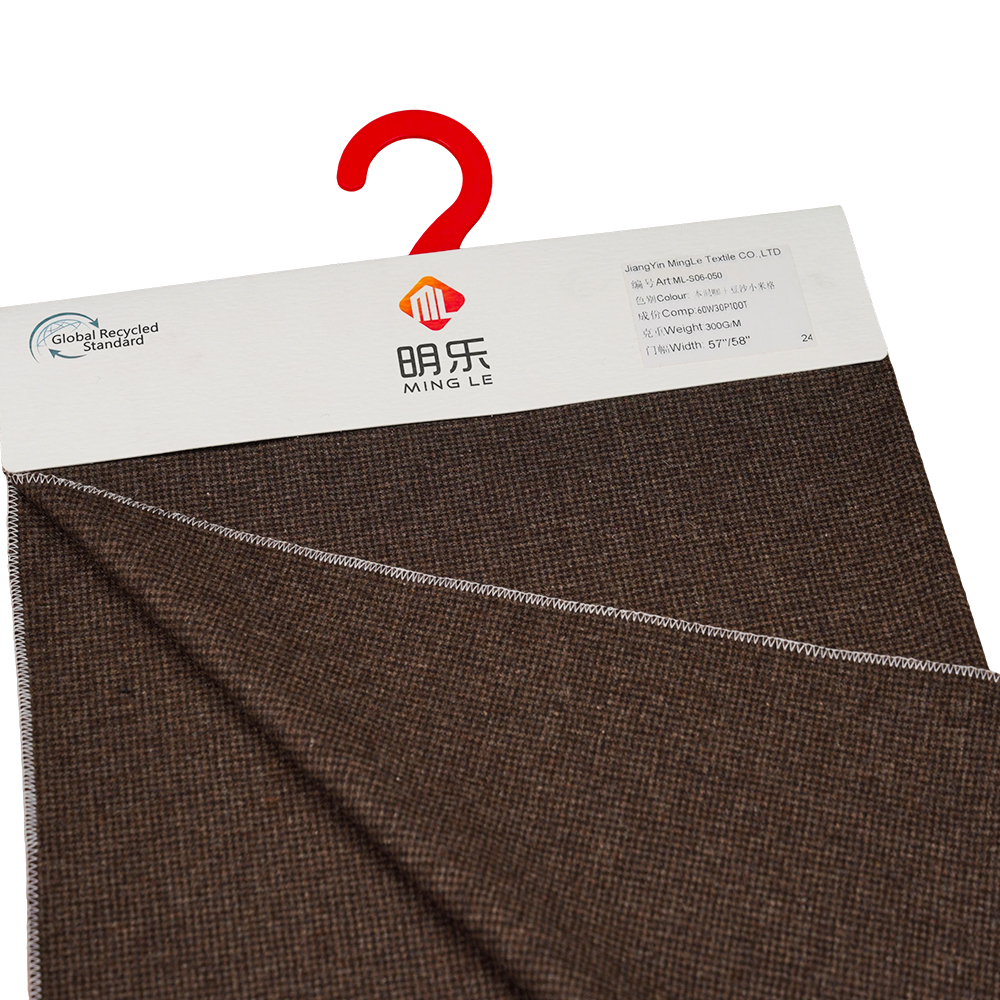
ML-S06-050 Flannel Fabric: 300g/m Wool Blend, Classic Brown CheckThis flannel f...
For designers and brands seeking the quintessential material for durable, warm, and structured outerwear, Melton Wool Coating Fabric stands as an industry benchmark. This dense, felted wool cloth has a rich history in military and workwear, prized for its exceptional wind resistance and clean finish. Today, manufacturers like Jiangyin Mingle Textile Co., Ltd. are evolving this classic. By integrating recycled fiber production with spinning and weaving, they offer Melton that meets modern demands for performance, sustainability, and customization for global brands.
The superior performance of genuine Melton fabric is the result of specific construction parameters and specialized finishing. Understanding these elements is key to selecting the right fabric for your collection.
| Weight (GSM) | Typically ranges from 500 to 750 g/m². Heavier weights (e.g., 650+ GSM) offer maximum warmth and structure for heavy coats, while lighter versions (500-600 GSM) provide flexibility for jackets. |
| Composition | Traditionally 100% wool. Modern iterations often blend virgin wool with recycled wool or other fibers to enhance sustainability or specific properties like cost or durability. |
| Finishing Process | The signature dense, smooth face is achieved through intensive milling (felting) and raising, which shrinks and condenses the weave, making it virtually windproof. |
| Key Performance Traits | Excellent wind resistance, high durability, good shape retention, low pilling propensity, and a clean, slightly napped aesthetic. |
While honoring its traditional strengths, Melton is experiencing innovation driven by fashion trends and environmental responsibility.
A leading trend is the integration of recycled materials. Vertically integrated producers are now creating Melton fabrics with significant percentages of recycled wool or post-consumer fibers. This process supports a circular economy without compromising the core heavyweight hand-feel and performance, appealing to brands with strong eco-credentials.
Innovations focus on adding comfort and practicality:
Moving beyond classic navy and black, Melton is now available in a wide spectrum of fashion colors, from earthy tones to bright hues. Textural variations, such as subtle herringbones or neat yarn-dyed checks, are also expanding its design applications from pure utility to high-fashion statements.
Sourcing Melton from a specialized, integrated manufacturer like Jiangyin Mingle Textile Co., Ltd. offers distinct advantages for brands seeking reliability and quality.
While both are felted wools, the process and result are different. Melton is a woven fabric that is then heavily milled (felted) to create a dense, smooth surface with a clear right and wrong side. Boiled wool is typically a knitted fabric (often jersey) that is agitated in hot water, causing the fibers to shrink and felt together, resulting in a thick, stretchy, and often brushed fabric. Melton is more structured and windproof; boiled wool is softer and has more inherent stretch.
Melton is exceptionally versatile but is ideally suited for structured outerwear where shape, warmth, and a clean exterior are priorities. Its classic applications include:
It is less suitable for very lightweight, fluid, or heavily draped designs where a soft, flowing fabric is required.
Melton wool coats are durable but require proper care to maintain their appearance:
Yes, absolutely. This is a growing and important segment. Leading manufacturers now offer Melton with certifications such as:
When sourcing, explicitly request documentation for these certifications to validate sustainability claims.
The MOQ for custom Melton (e.g., a unique color, blend, or weight) can vary significantly based on the manufacturer's setup. With vertically integrated producers, MOQs can sometimes be more flexible due to in-house control. Generally, expect MOQs for custom developments to start in the range of 500 to 1,000 meters per color/design. For standard colors or existing formulations, MOQs may be lower. The key is to have a transparent discussion with your supplier early in the development process to align expectations.
 +86 - 510 - 86373115
 +86 - 13812129532
 No. 118, Huancun West Road, Huaxi Fifth Village, Huashi Town, Jiangyin City, Wuxi City, Jiangsu Province, China



 English
 中文简体
中文简体