English
 中文简体
中文简体Custom Solid Color/Melange Wool Flannel Fabric

Product Categories
Introduction Overcoat wool fabric is a preferred material in high-end garment manufacturing due to its durability, thermal performance, and luxurious feel. B2B buyers, tailors, and textile engineers rely on its quality for producing professional and winter outerwear. Understanding fabric types, technical properties, an...
Few textiles carry the breadth of technical performance, aesthetic versatility, and heritage market positioning that wool flannel fabric commands across the global apparel industry. From tailored suiting and premium outerwear to luxury casualwear and high-end uniform programs, wool flannel fabric occupies a foundationa...
In the global textile market, the demand for natural performance fibers continues to grow. Wool pile fabric stands out due to its unique combination of thermal insulation and moisture-wicking properties. Unlike flat woven textiles, pile fabrics feature a raised surface of upright loops or strands. This structure create...
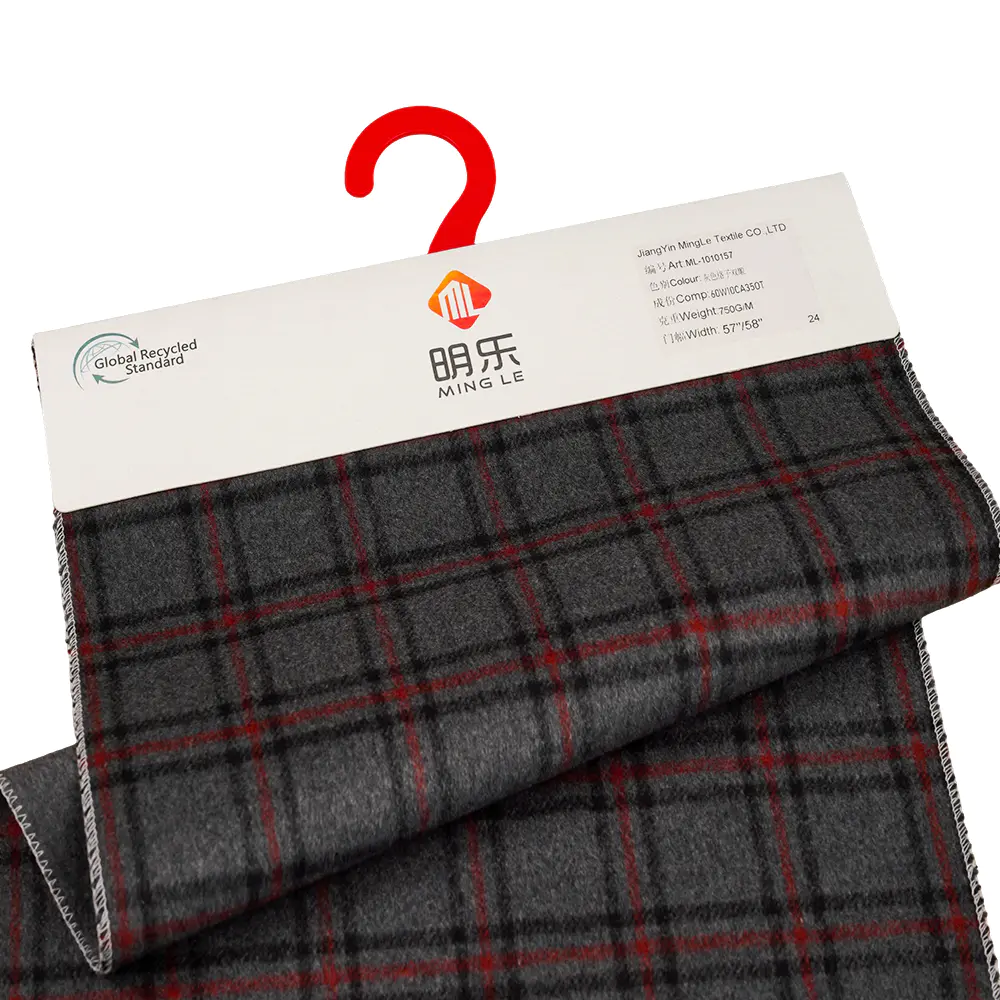
60% Wool 5% Cashmere 35% Synthetic Fabric Double-Sided Brushed Fabric: Gray Plai...
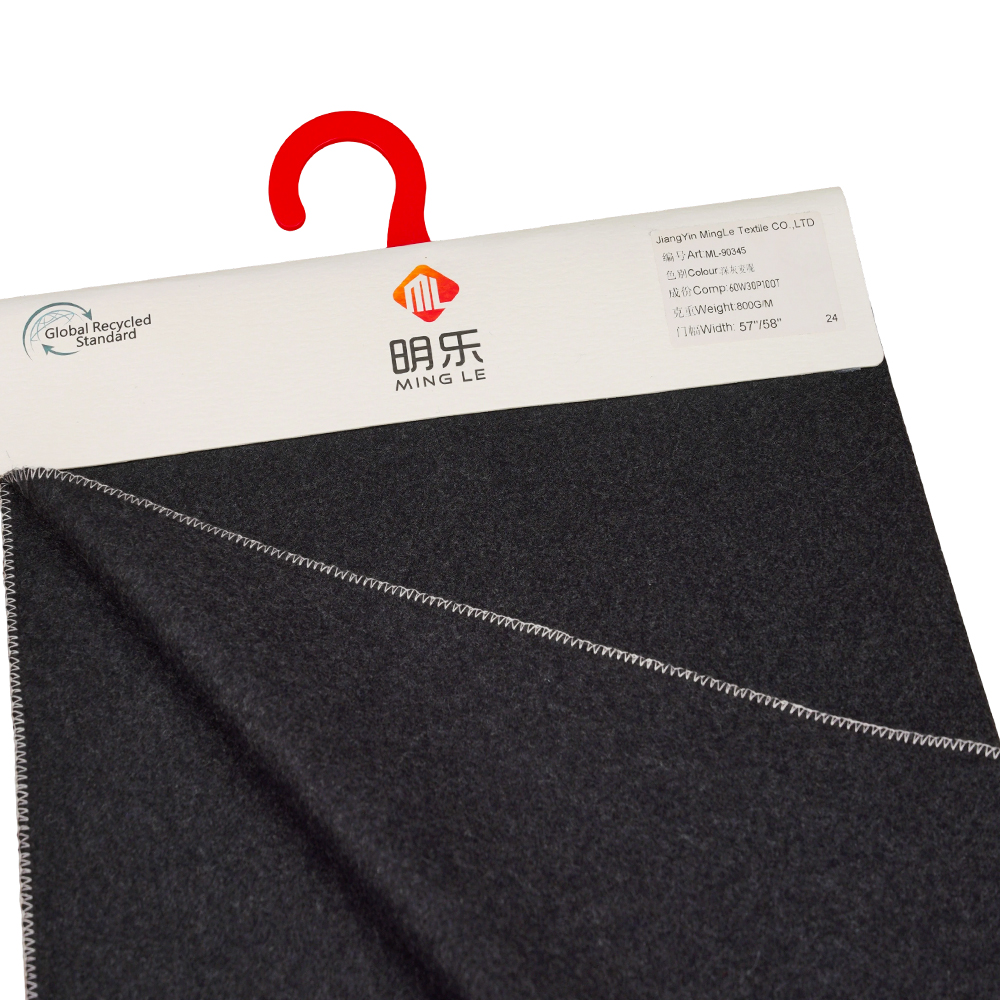
Dark Gray Woolen Fabric: 60% Wool 30% Polyester 10% other fiber 800g/m Material...
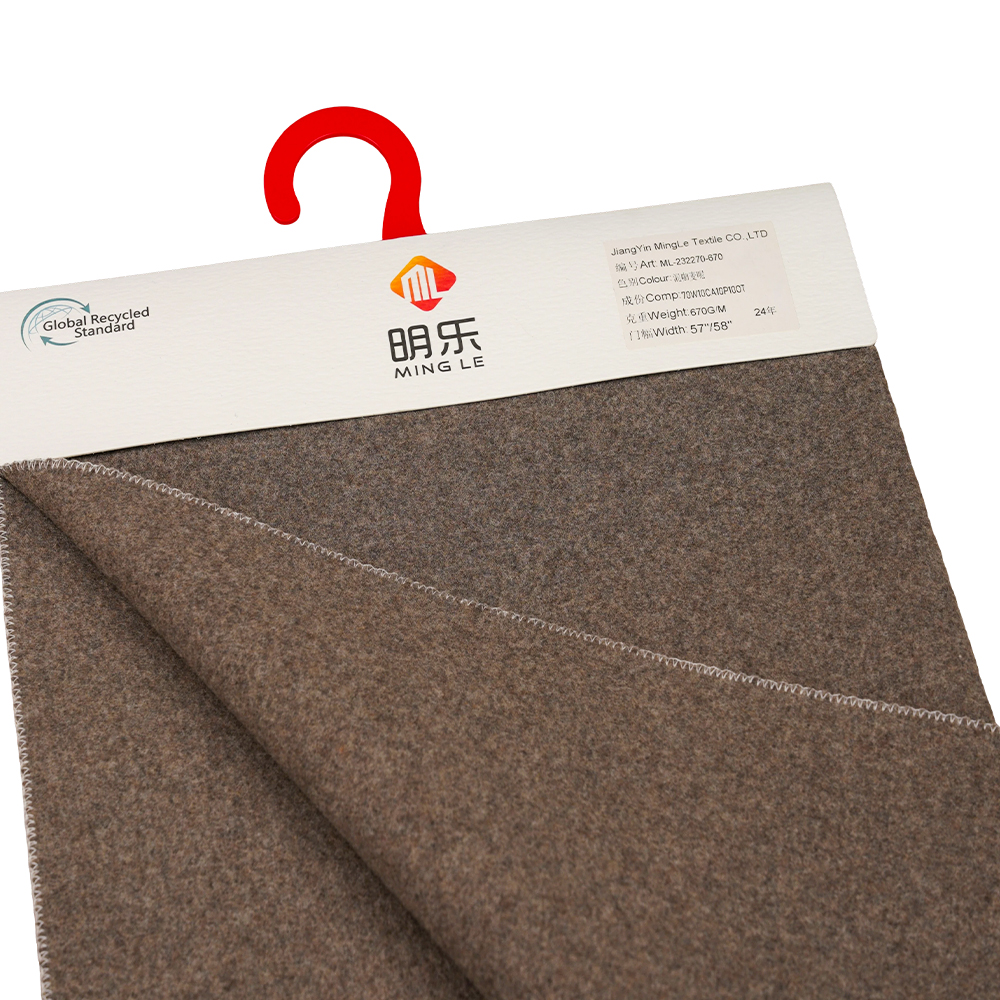
70% Wool 10% Cashmere Mixed Khaki Melton Fabric: 670g/m Earth Tone Textile Mater...
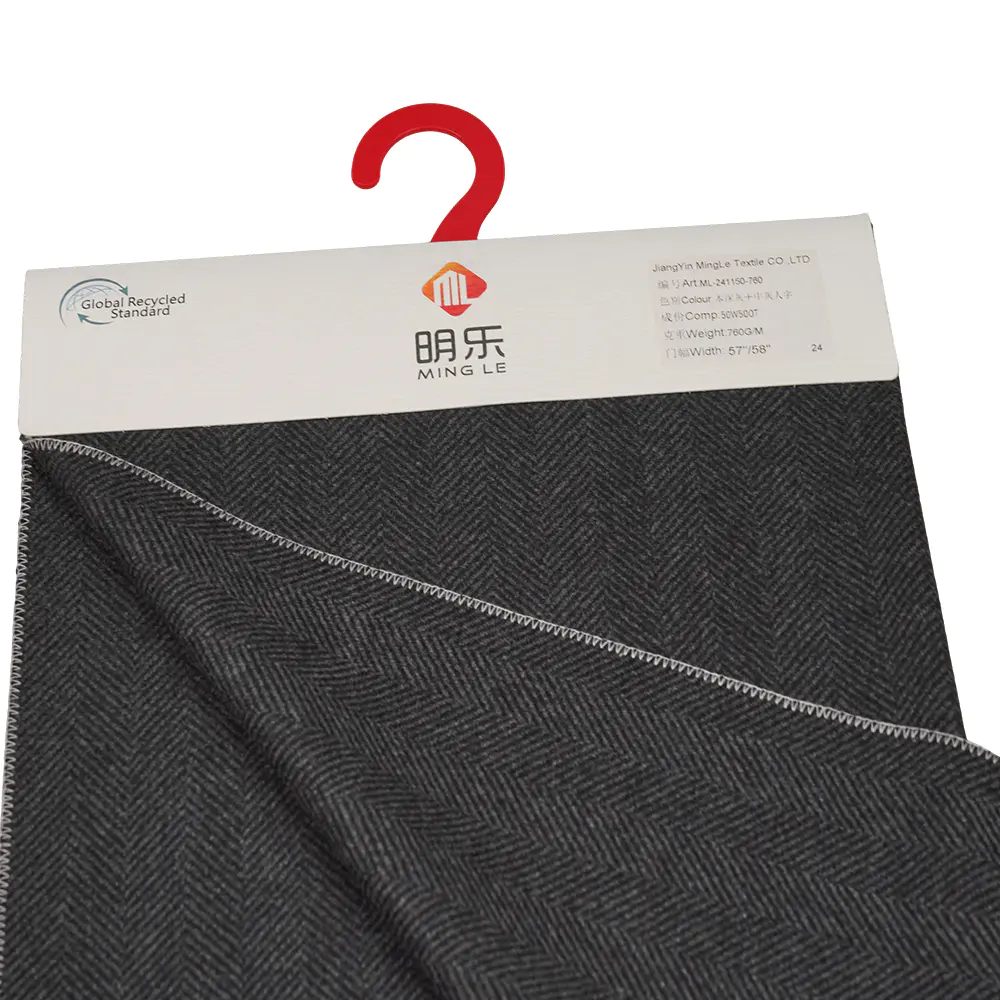
Classic Dark Gray Check Herringbone Melton Fabric – 50% Wool 50% other fiber, 76...
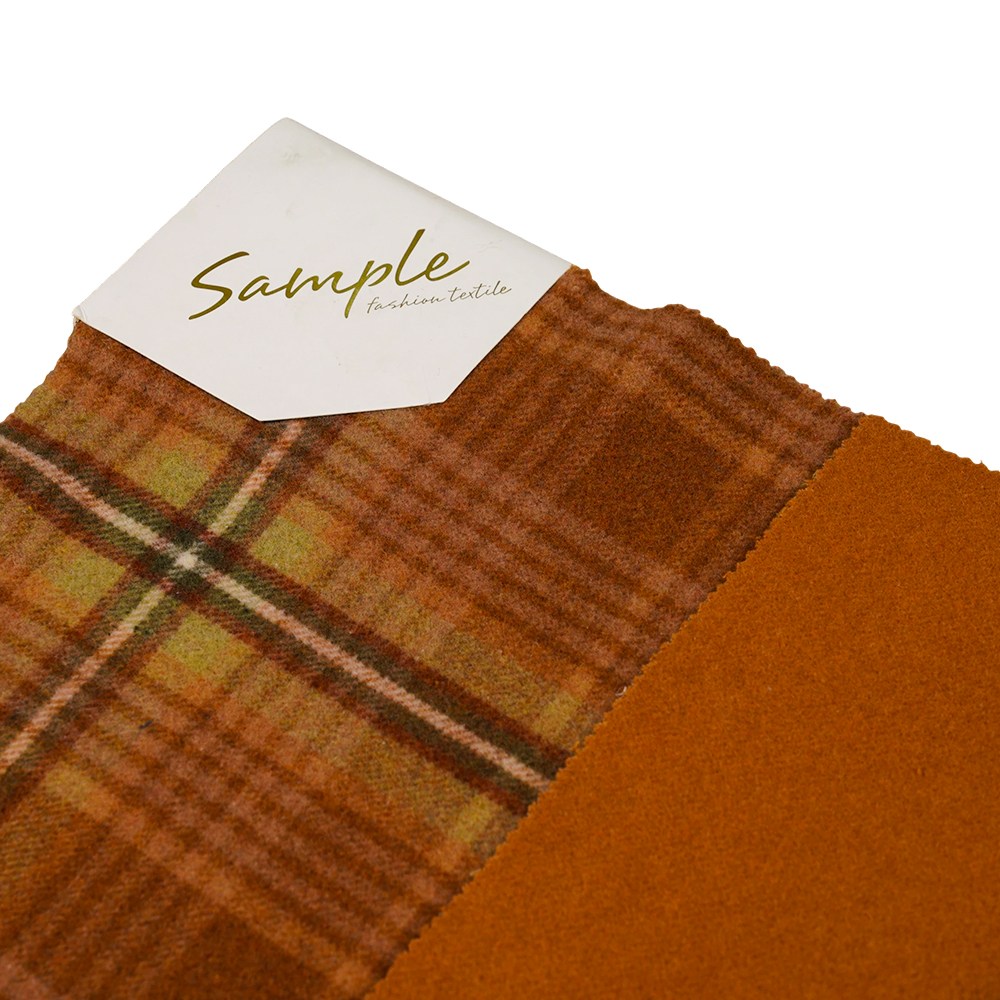
50% Wool 40% Polyester 10% other fiber860G/M Brown-Yellow Check Plush Fabric – A...
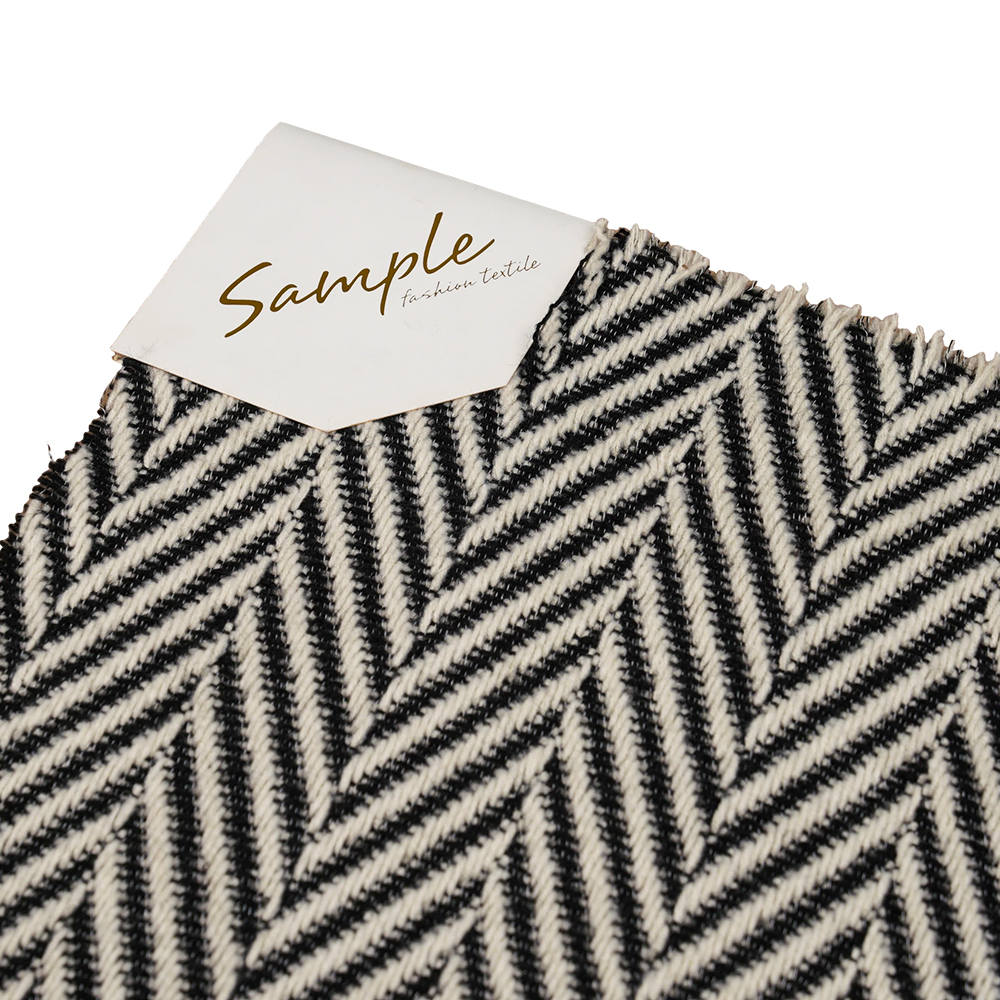
100% other, 720G/M Classic Black and White Color Yarn: A Simple and Fashionable ...
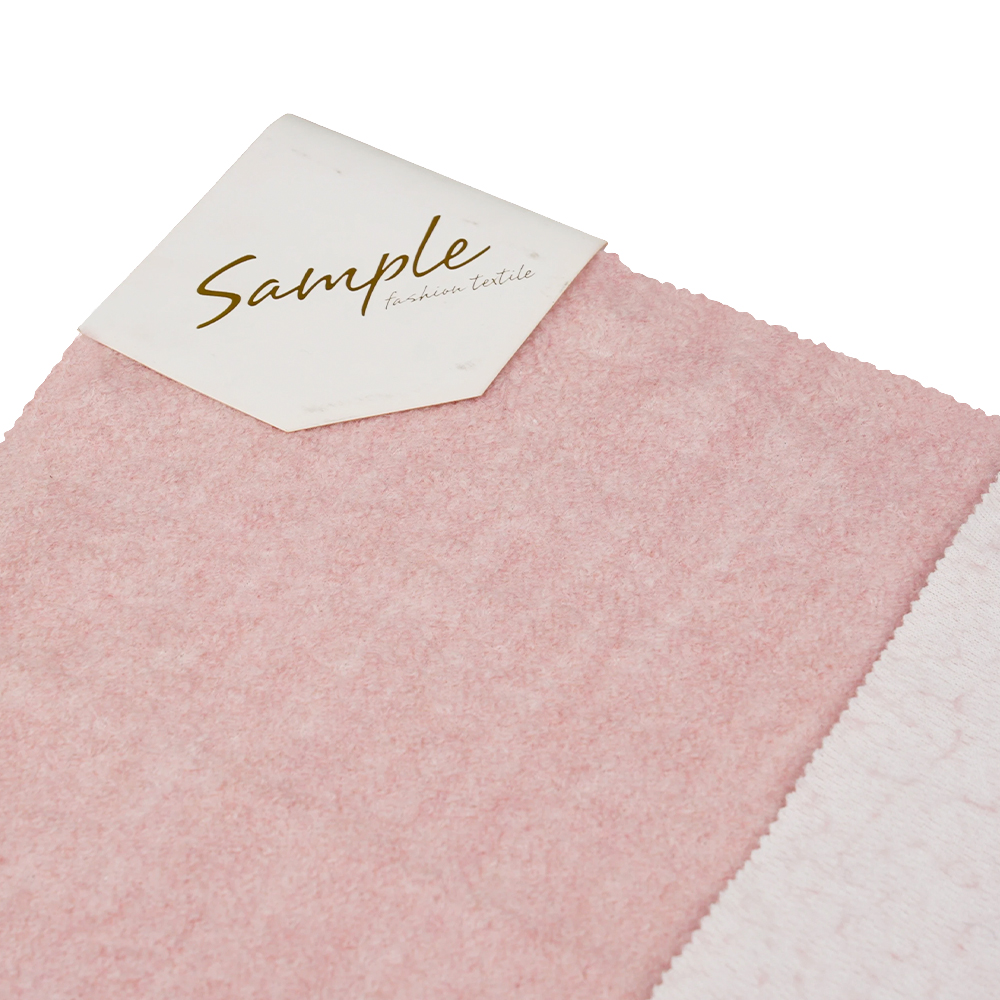
40% Wool 60% Polyester 700-740G/M Pink-White Small Fish Scale Loop Woolen Fabric...
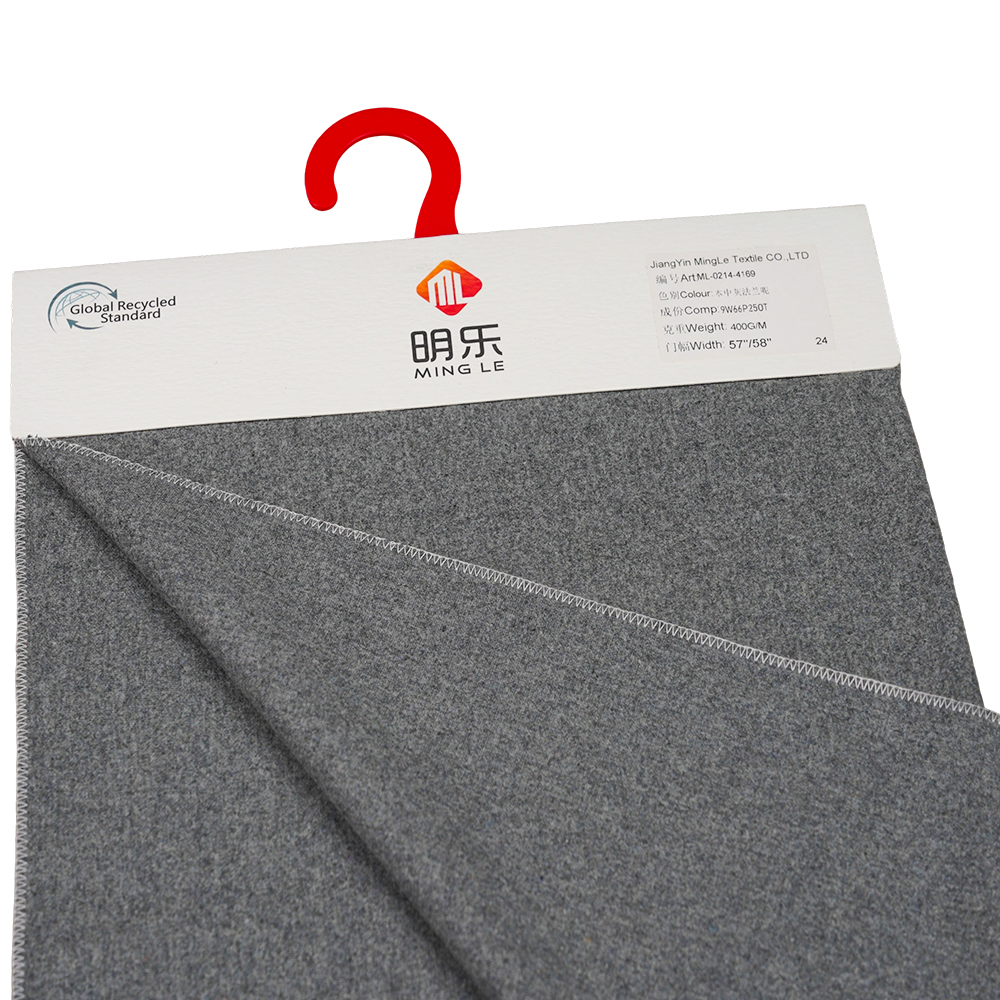
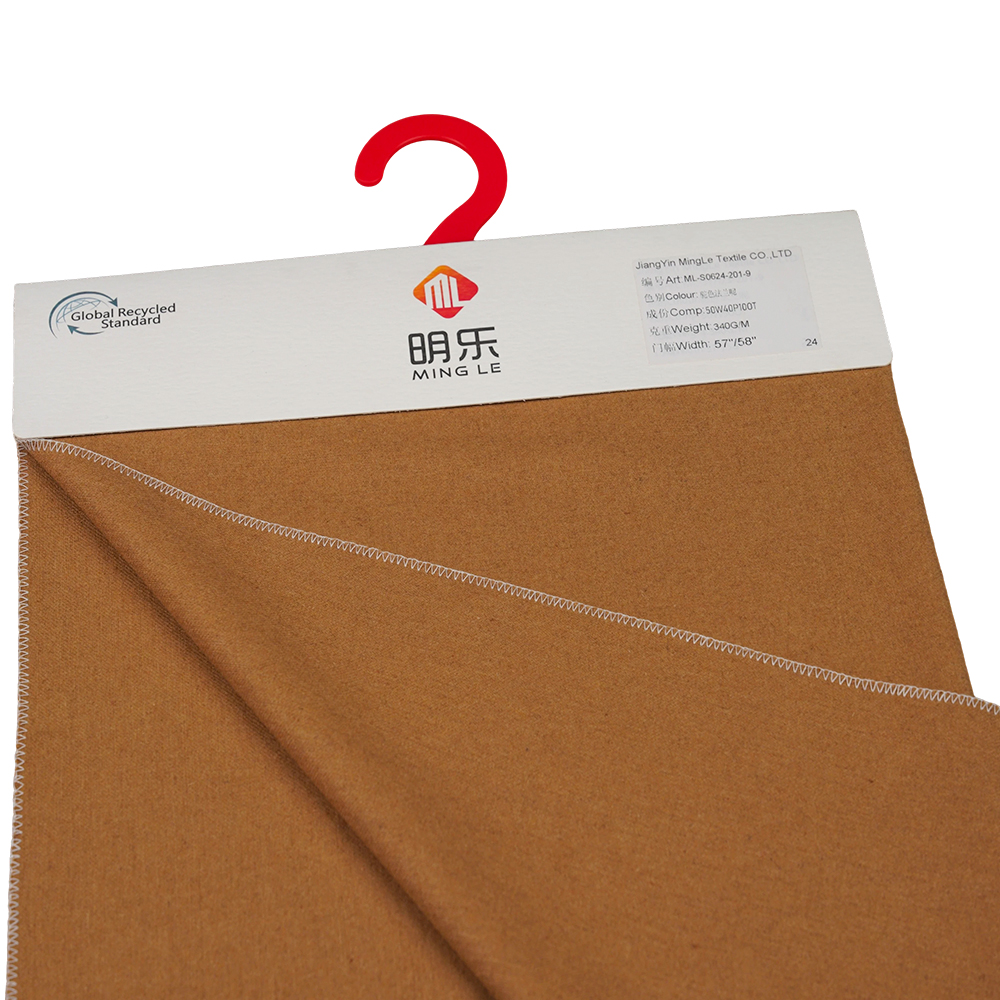
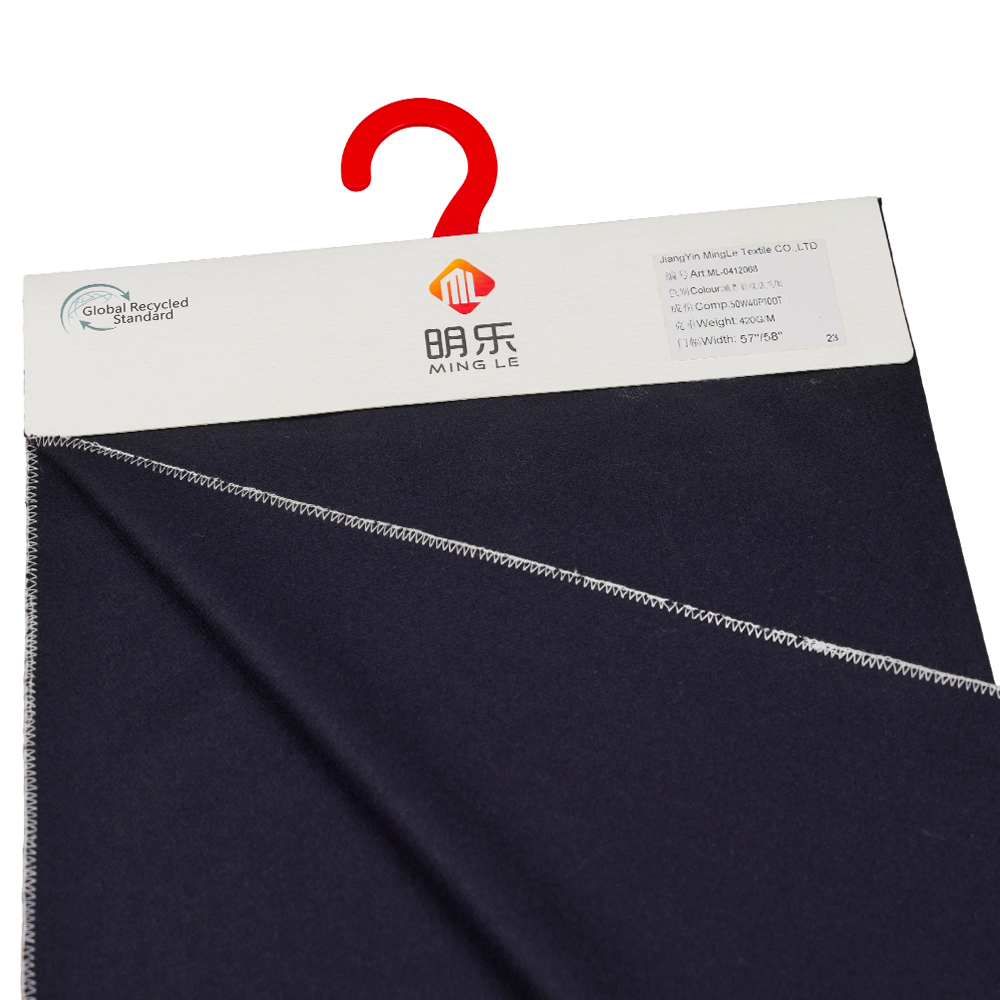
Wool flannel occupies a well established position in the apparel industry due to its balanced combination of warmth, structure, and surface softness. When discussing solid color/melange wool flannel fabric, it is important to first understand why this material is repeatedly selected for garments that demand both visual restraint and functional reliability. Wool flannel is typically produced through a controlled brushing and finishing process that enhances surface density while preserving breathability. This allows garments to provide insulation without excessive weight, making them suitable for extended wear in cool and transitional climates.
Solid color and melange variations further expand the design flexibility of flannel. Solid color options emphasize clarity and uniformity, supporting clean silhouettes and precise tailoring. Melange effects, achieved through the blending of fibers with different tones, introduce subtle depth and texture while maintaining a conservative visual language. These properties explain why solid color/melange wool flannel fabric is frequently used in apparel categories that value understated sophistication rather than decorative complexity.
From a manufacturing perspective, this fabric type responds well to cutting, pressing, and shaping processes. It maintains dimensional stability and drape, which are essential for structured garments. Companies such as Jiangyin Mingle Textile Co., Ltd. have developed deep expertise in producing coarse spun flannel fabrics that meet these technical requirements, ensuring consistency across large scale apparel production. The controlled structure of wool flannel makes it a dependable foundation for garments where long term appearance and comfort are equally important.
Formal and business oriented apparel represents one of the most traditional and enduring uses of solid color/melange wool flannel fabric. In this category, garments are expected to convey professionalism, restraint, and durability. Wool flannel fulfills these expectations by offering a smooth visual surface combined with sufficient body to support structured tailoring. Jackets, trousers, and coordinated sets benefit from the fabric's ability to hold shape while allowing natural movement during wear.
Melange wool flannel is particularly valued in professional settings because it reduces visual monotony without appearing decorative. The fine tonal variation softens the overall look of garments, making them suitable for daily wear in office environments where subtlety is preferred. Solid color wool flannel, on the other hand, supports minimalist design strategies that emphasize form, cut, and proportion rather than surface detail. Both approaches rely on the inherent stability and finish quality of flannel.
Manufacturers focused on business apparel often prioritize consistent color reproduction and surface uniformity. Jiangyin Mingle Textile Co., Ltd. integrates spinning and weaving processes to ensure that flannel fabrics meet these expectations across different production batches. This technical control supports garment makers who require reliability for long term collections and repeat orders. As a result, wool flannel continues to be a core material for professional apparel that values longevity over short term trends.
Outerwear and transitional garments form another major category where solid color/melange wool flannel fabric is widely applied. Unlike heavy wool coatings, flannel provides moderate insulation while remaining relatively lightweight. This balance makes it suitable for garments intended for layering, seasonal transitions, and variable weather conditions. Common applications include lightweight coats, overshirts, and structured jackets designed for both indoor and outdoor use.
The brushed surface of wool flannel enhances thermal retention by trapping air within the fabric structure. At the same time, wool fibers naturally regulate moisture, improving comfort during extended wear. Melange variations are especially effective in outerwear because they visually mask minor wear and creasing, helping garments maintain a refined appearance over time. Solid color options, by contrast, support clean and architectural outerwear designs where silhouette takes precedence.
Textile producers with integrated production capabilities play an important role in this segment. Jiangyin Mingle Textile Co., Ltd. offers customizable weight and weave variations that allow designers to adjust flannel performance for specific outerwear functions. By controlling fiber selection, spinning tension, and finishing intensity, manufacturers can fine tune warmth, drape, and surface texture to align with garment requirements.
Casual and smart casual apparel increasingly incorporates solid color/melange wool flannel fabric as consumers seek materials that balance comfort with refinement. In this context, flannel is used for garments such as relaxed jackets, soft trousers, and layered tops that bridge formal and informal settings. The fabric's tactile softness and natural elasticity support ease of movement while maintaining a composed appearance.
Melange flannel is particularly suited to casual designs because its visual depth adds interest without relying on prints or complex patterns. This aligns with contemporary preferences for restrained aesthetics and versatile wardrobes. Solid color flannel supports timeless casual garments that can be styled across multiple seasons, reinforcing the material's relevance in long term apparel planning.
From a supply perspective, consistent quality and adaptable design options are essential. Jiangyin Mingle Textile Co., Ltd. supports sample matching and flexible color development, allowing apparel brands to translate casual design concepts into stable production fabrics. This adaptability ensures that casual flannel garments meet both aesthetic and performance expectations without compromising material integrity.
Uniforms and professional workwear require materials that deliver durability, comfort, and visual consistency. solid color/melange wool flannel fabric meets these criteria through its robust fiber structure and stable finishing. In work environments where appearance remains important, flannel provides a refined alternative to purely functional textiles.
Solid color wool flannel is often selected for uniforms because it maintains color integrity and resists visual fatigue. Melange options are used where slight tonal variation helps conceal wear from frequent use. Wool flannel also offers natural thermal regulation, supporting wearer comfort in environments with fluctuating temperatures.
Manufacturers serving uniform markets benefit from vertically integrated textile production. Jiangyin Mingle Textile Co., Ltd. combines regenerated fiber production, spinning, and weaving to deliver flannel fabrics aligned with sustainability goals while maintaining technical performance. This approach supports organizations seeking responsible material choices without sacrificing durability or consistency.
| Apparel category | Primary functional requirement | Role of wool flannel |
|---|---|---|
| Business apparel | Structure and professionalism | Maintains shape and refined surface |
| Outerwear | Moderate insulation | Balances warmth and weight |
| Casual wear | Comfort and versatility | Soft texture with visual restraint |
| Uniforms | Durability and consistency | Stable color and wear resistance |
Seasonal collections rely on materials that can be reinterpreted without losing relevance. solid color/melange wool flannel fabric supports this requirement by offering a stable aesthetic foundation adaptable to changing silhouettes and proportions. Designers frequently revisit wool flannel for autumn and winter collections because it aligns with seasonal expectations while allowing creative variation through cut and construction.
Long term product lines benefit from the fabric's resistance to trend fatigue. Solid color flannel establishes continuity across collections, while melange versions introduce subtle evolution without altering the core material identity. This makes wool flannel a strategic choice for brands aiming to build recognizable and enduring apparel ranges.
Textile suppliers focused on sustainability further enhance the appeal of wool flannel. Jiangyin Mingle Textile Co., Ltd. integrates environmental stewardship into its production strategy, reducing energy consumption and optimizing resource use. This responsible approach aligns with the growing demand for materials that support both design continuity and ethical production.
| Design objective | Solid color flannel | Melange flannel |
|---|---|---|
| Visual stability | High | Moderate |
| Texture depth | Low | High |
| Seasonal adaptability | Consistent | Flexible |
The continued use of solid color/melange wool flannel fabric across diverse apparel categories reflects its technical reliability and aesthetic neutrality. Wool flannel does not impose strong stylistic direction, allowing designers and manufacturers to prioritize garment construction and fit. Its predictable behavior during cutting and sewing reduces production risk and supports efficient manufacturing workflows.
Additionally, wool flannel aligns with sustainability objectives when produced through responsible supply chains. Integrated production systems that include recycled fibers and controlled finishing processes help reduce environmental impact while maintaining fabric quality. Jiangyin Mingle Textile Co., Ltd. exemplifies this approach by combining technical expertise with sustainable manufacturing practices.
Key reasons for continued adoption include:
 +86 - 510 - 86373115
 +86 - 13812129532
 No. 118, Huancun West Road, Huaxi Fifth Village, Huashi Town, Jiangyin City, Wuxi City, Jiangsu Province, China