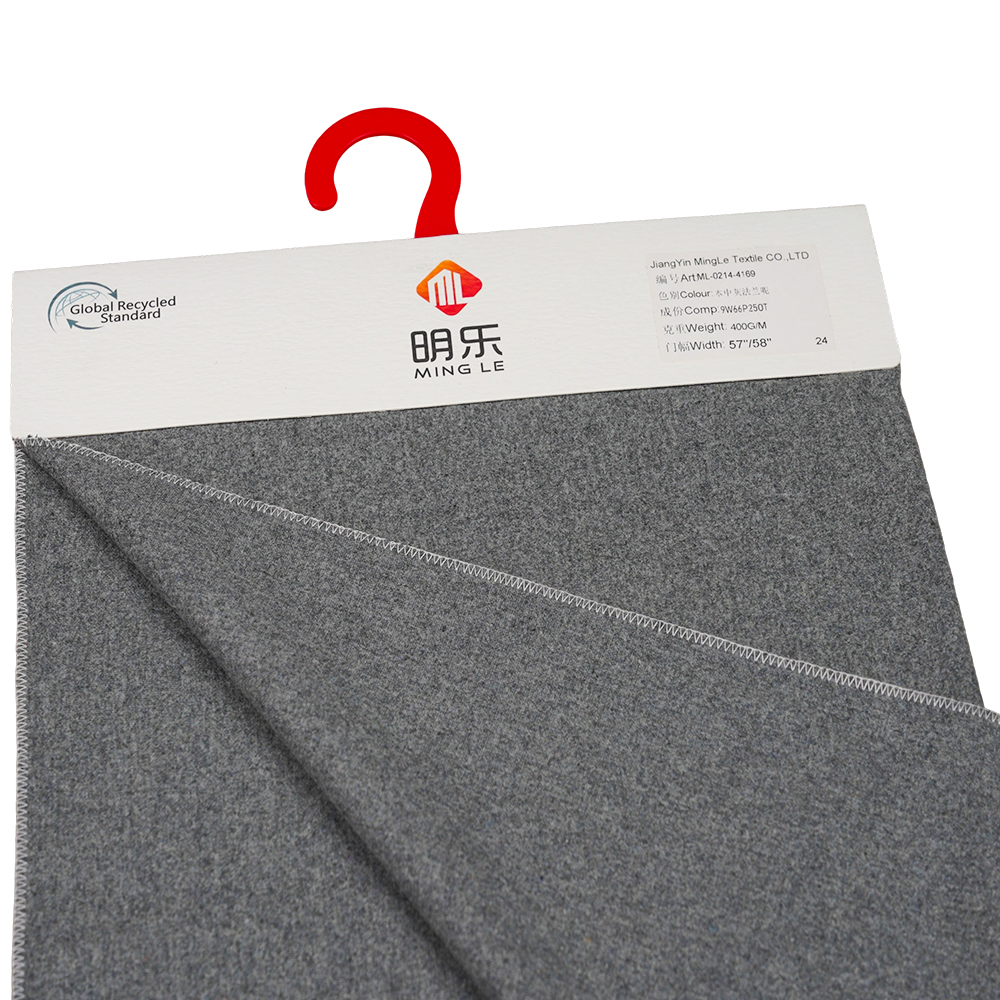
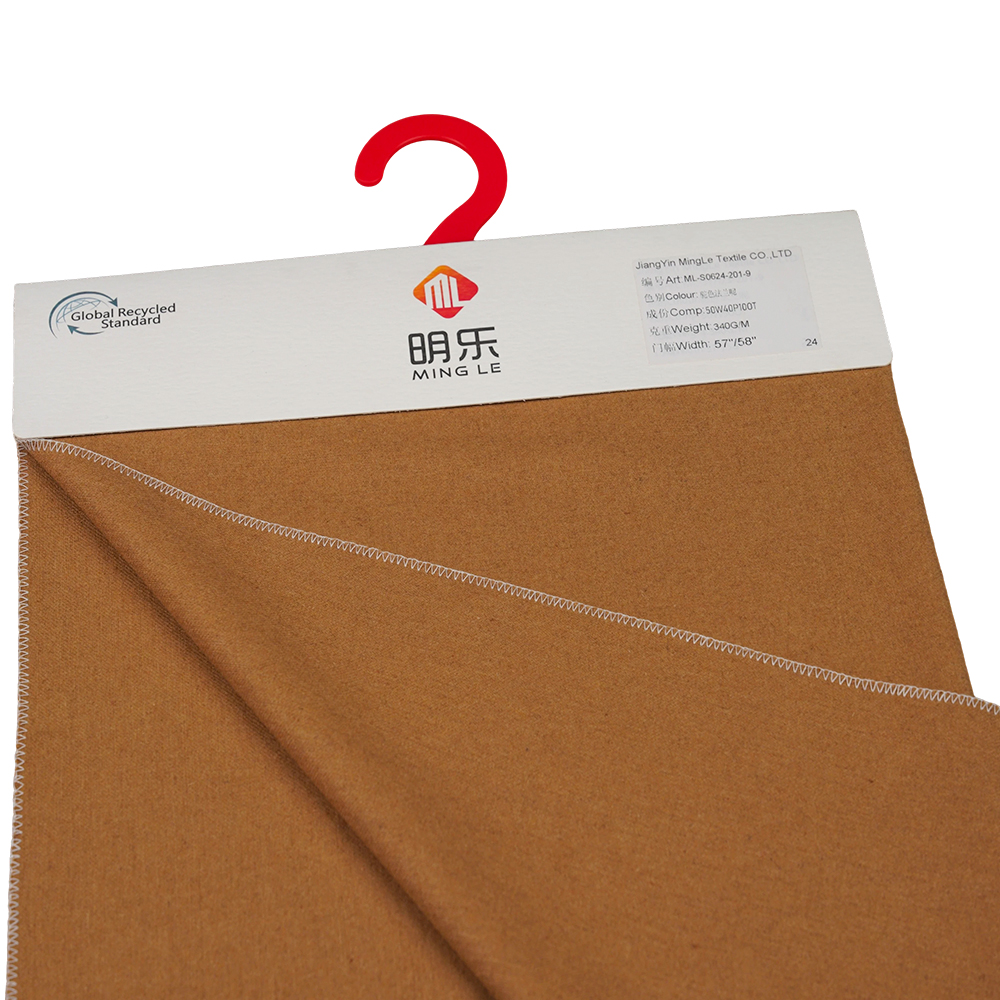
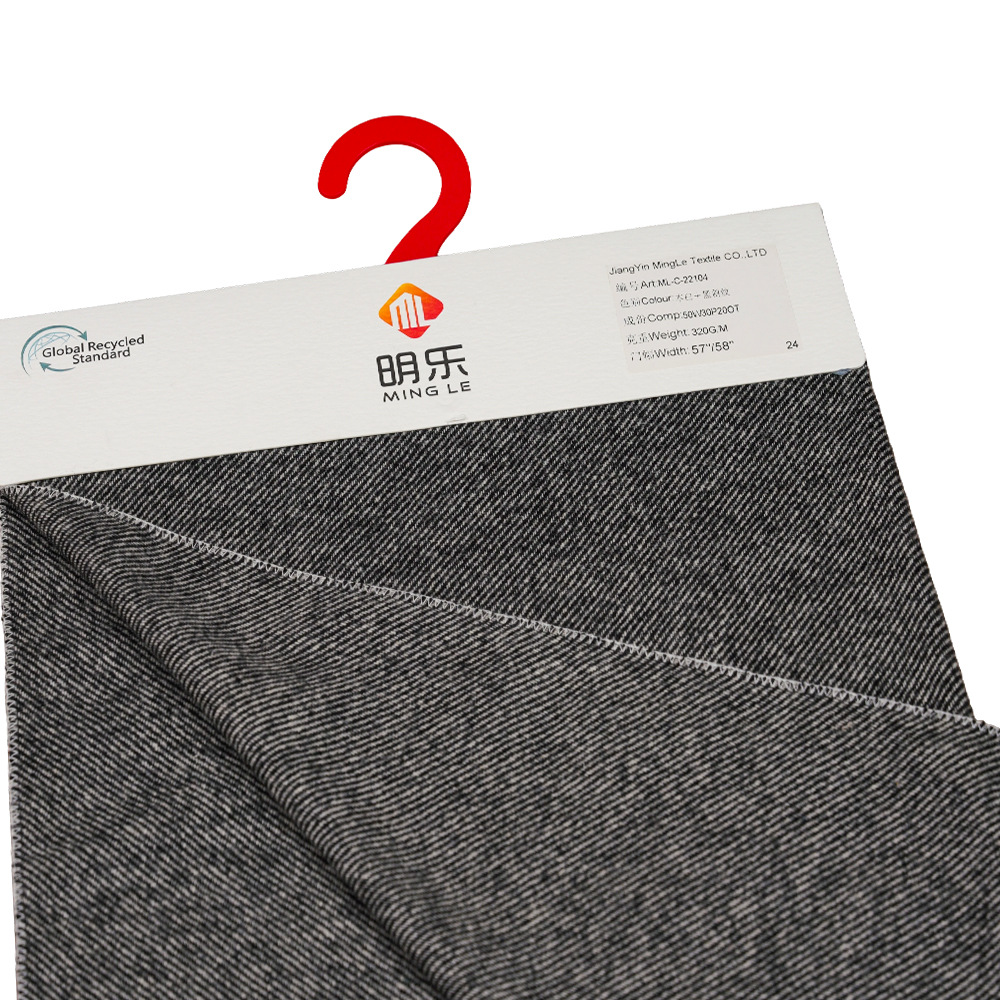
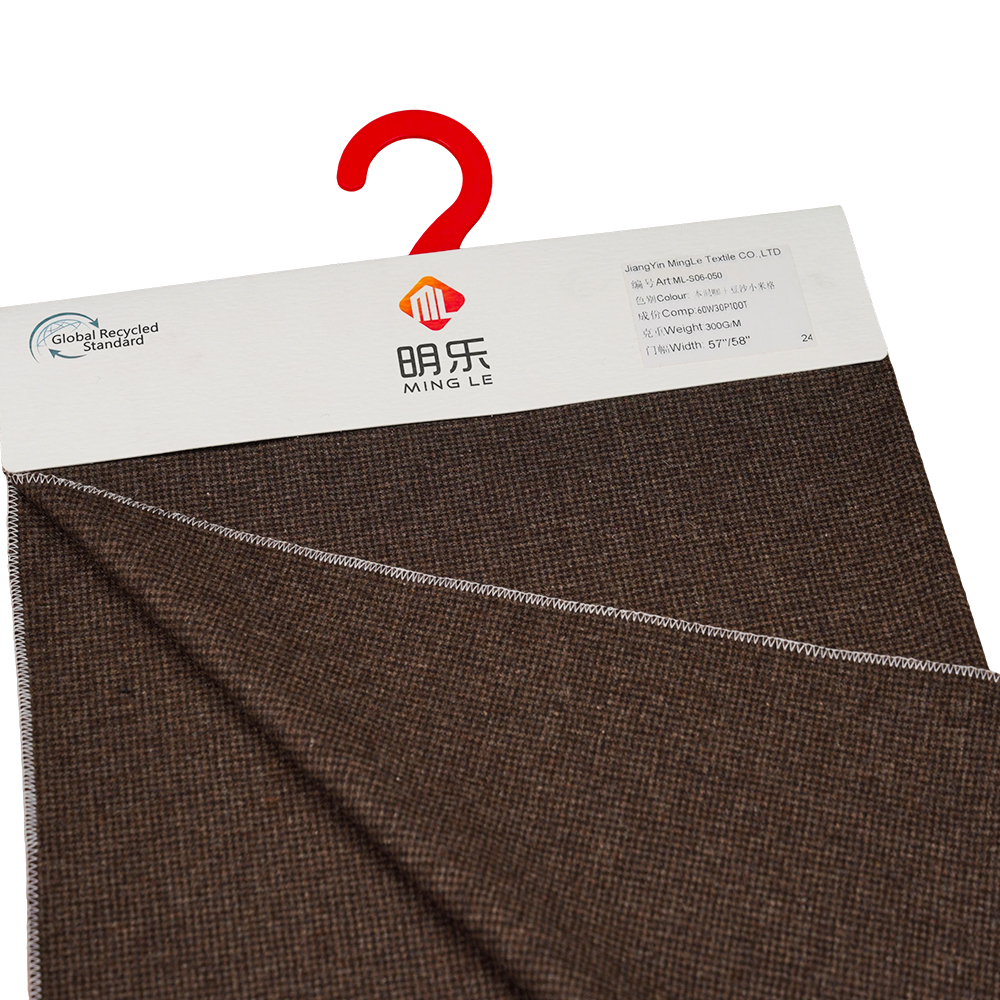
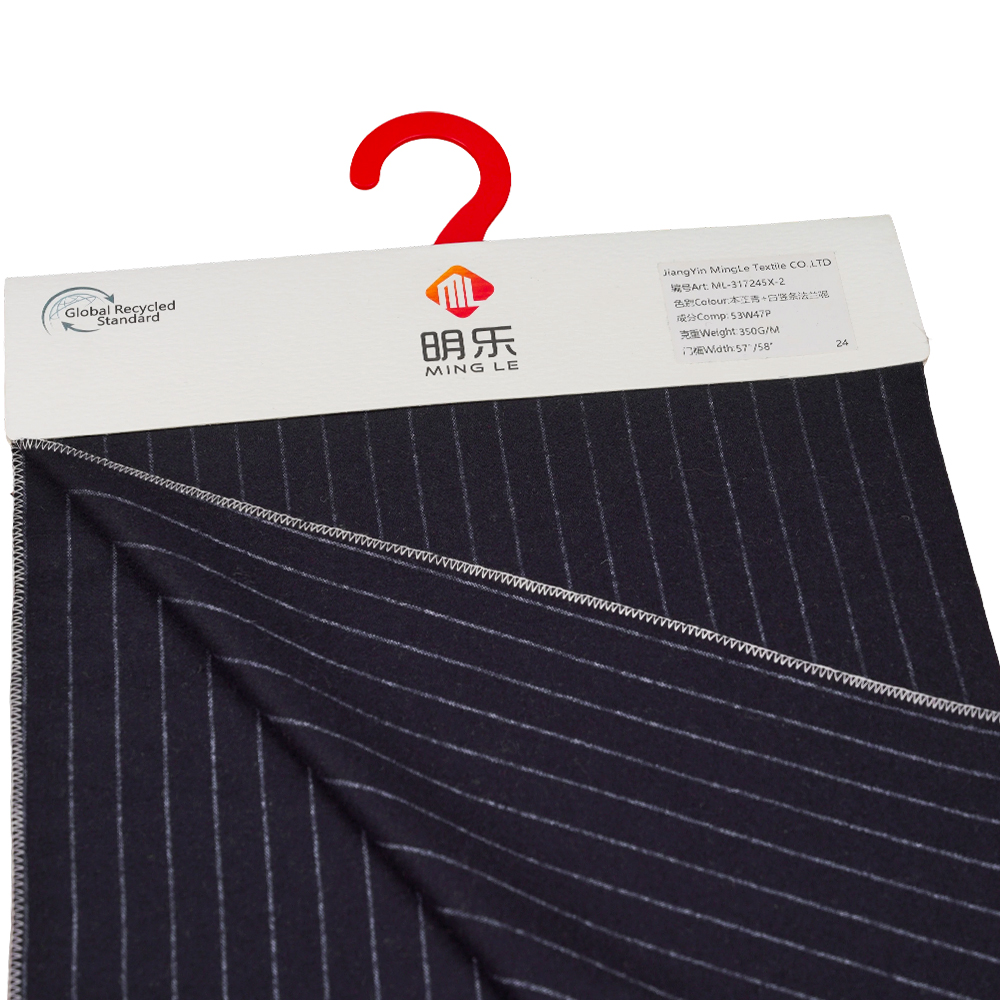
Product Categories
Introduction Overcoat wool fabric is a preferred material in high-end garment manufacturing due to its durability, thermal performance, and luxurious feel. B2B buyers, tailors, and textile engineers rely on its quality f...
Few textiles carry the breadth of technical performance, aesthetic versatility, and heritage market positioning that wool flannel fabric commands across the global apparel industry. From tailored suiting and premium oute...
In the global textile market, the demand for natural performance fibers continues to grow. Wool pile fabric stands out due to its unique combination of thermal insulation and moisture-wicking properties. Unlike flat wove...
Melton Wool Coating Fabric remains one of the most reliable materials for structured outerwear. Designers and wholesale buyers prefer this fabric because it delivers density, wind resistance, and long-term durability. Pr...
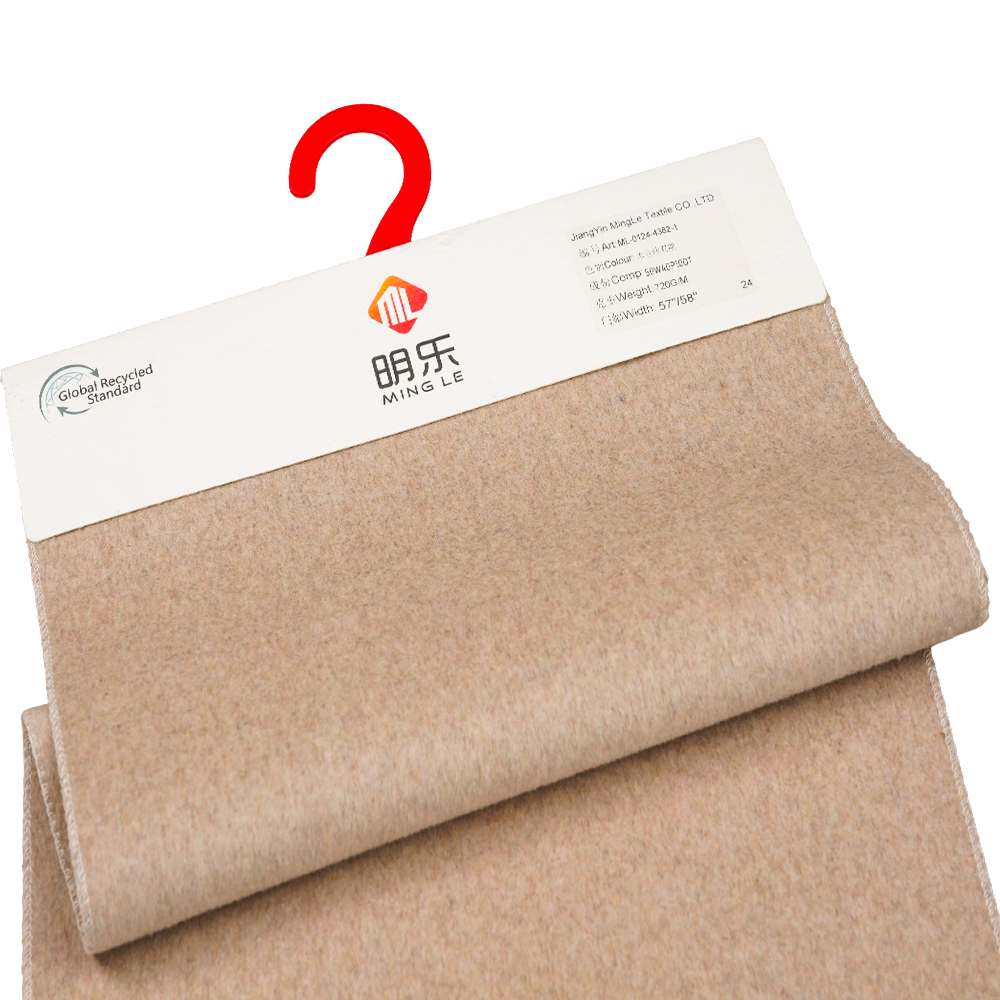
Bean Paste Double-Smooth: 720g/m thick, double-faced fleece fabric, gentle and e...
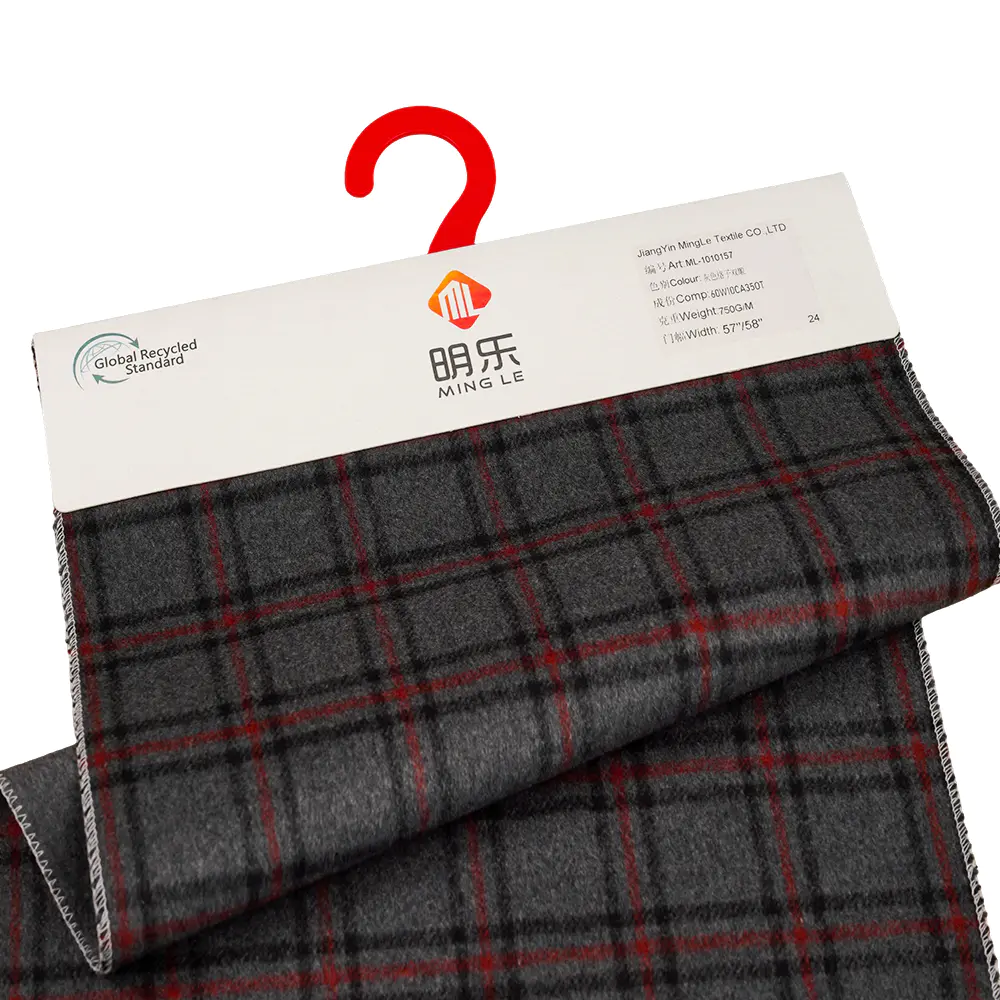
60% Wool 5% Cashmere 35% Synthetic Fabric Double-Sided Brushed Fabric: Gray Plai...
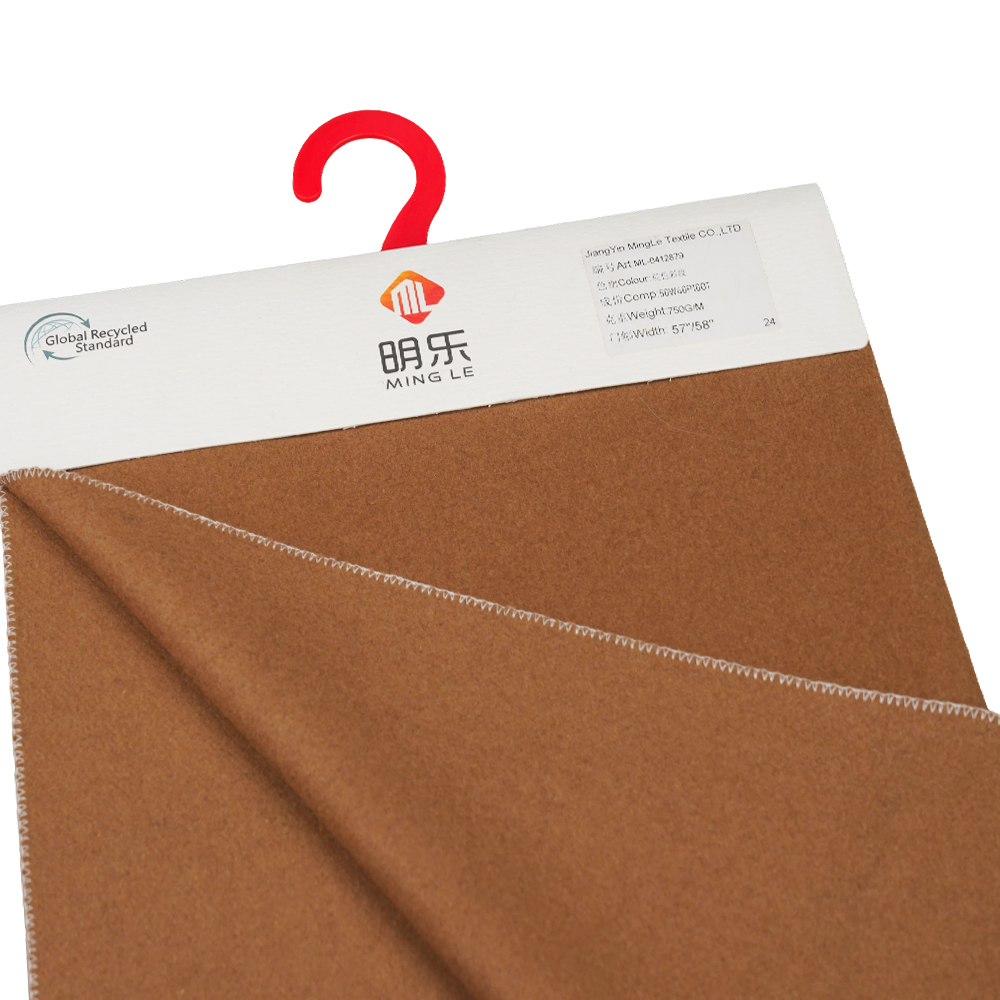
ML-0412879 Camel Twill Fabric: 730g/m 50% Wool, 50% other fiberThis ML-0412879 f...
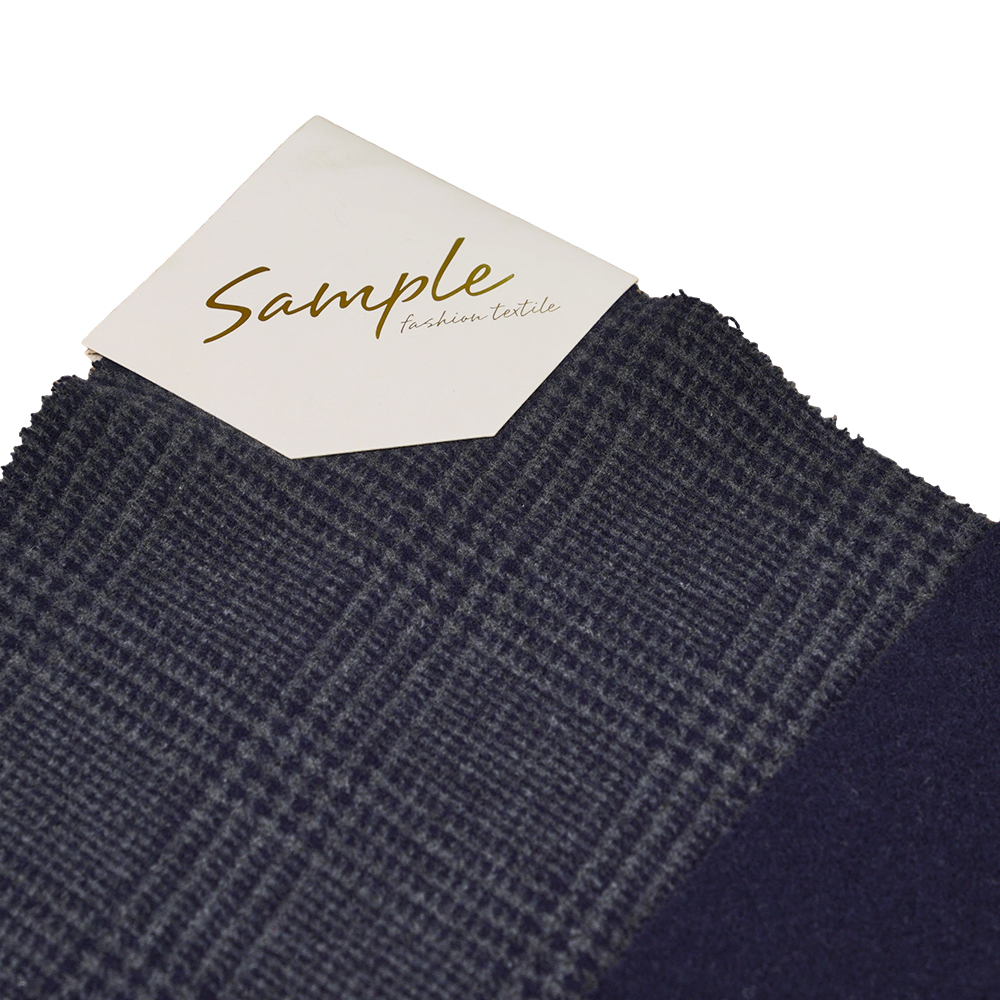
55% Wool 45% Other 645G/M Navy Blue Double-faced Velvet Fabric – Double-sided De...
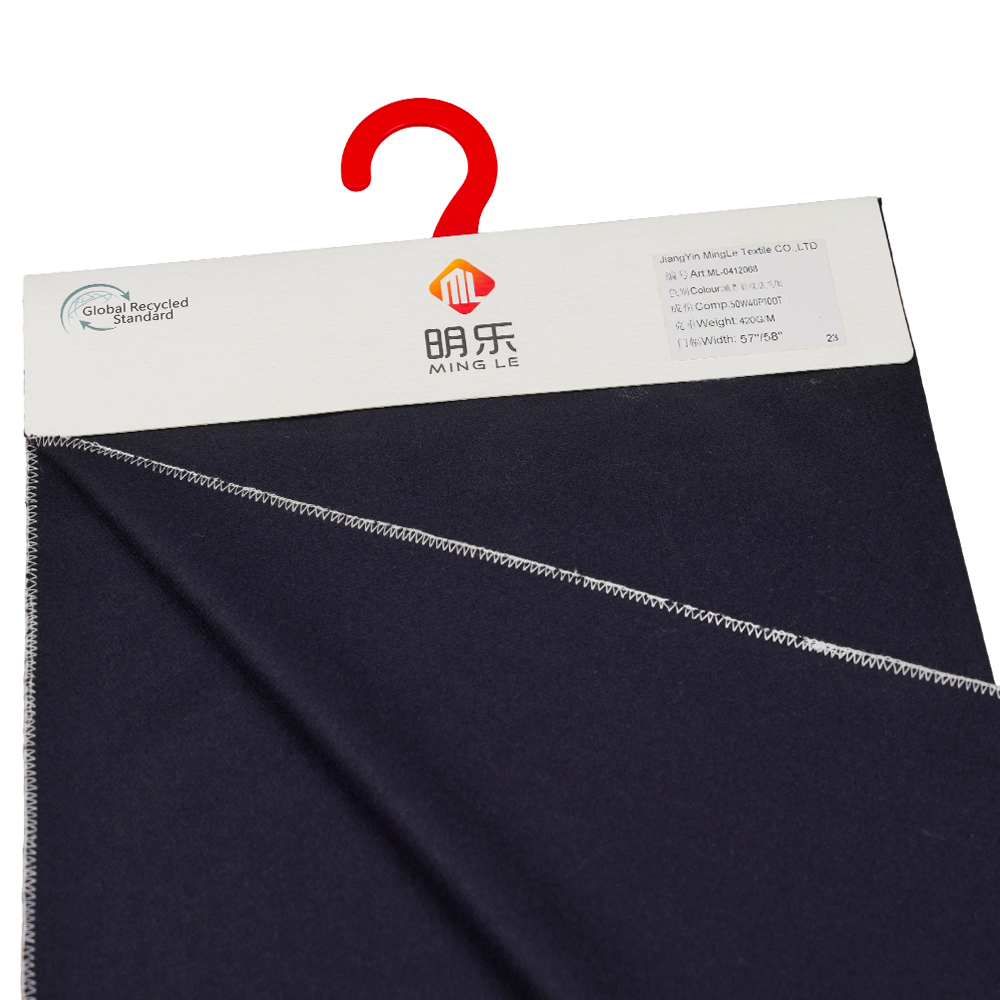
Navy Twill Flannel Fabric: 420g/m Wool Blend, Classic Twill TextureThis flannel ...
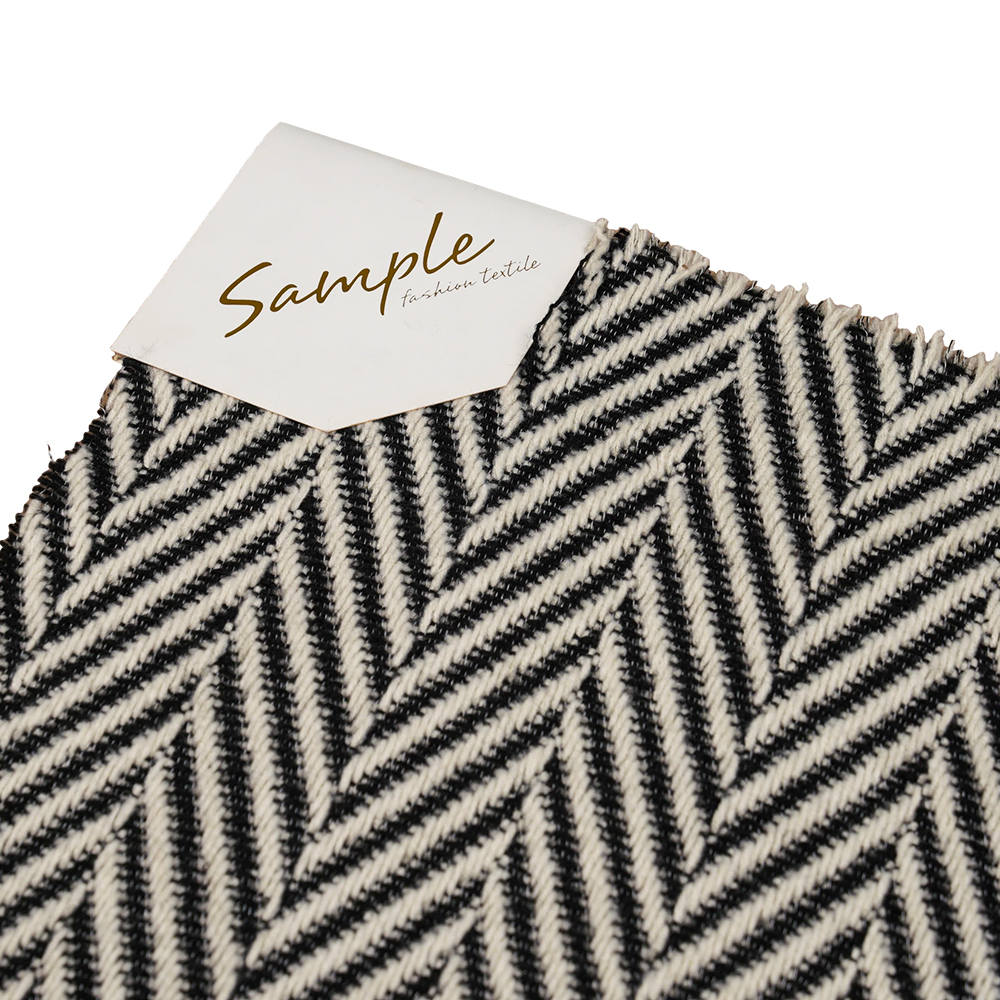
100% other, 720G/M Classic Black and White Color Yarn: A Simple and Fashionable ...
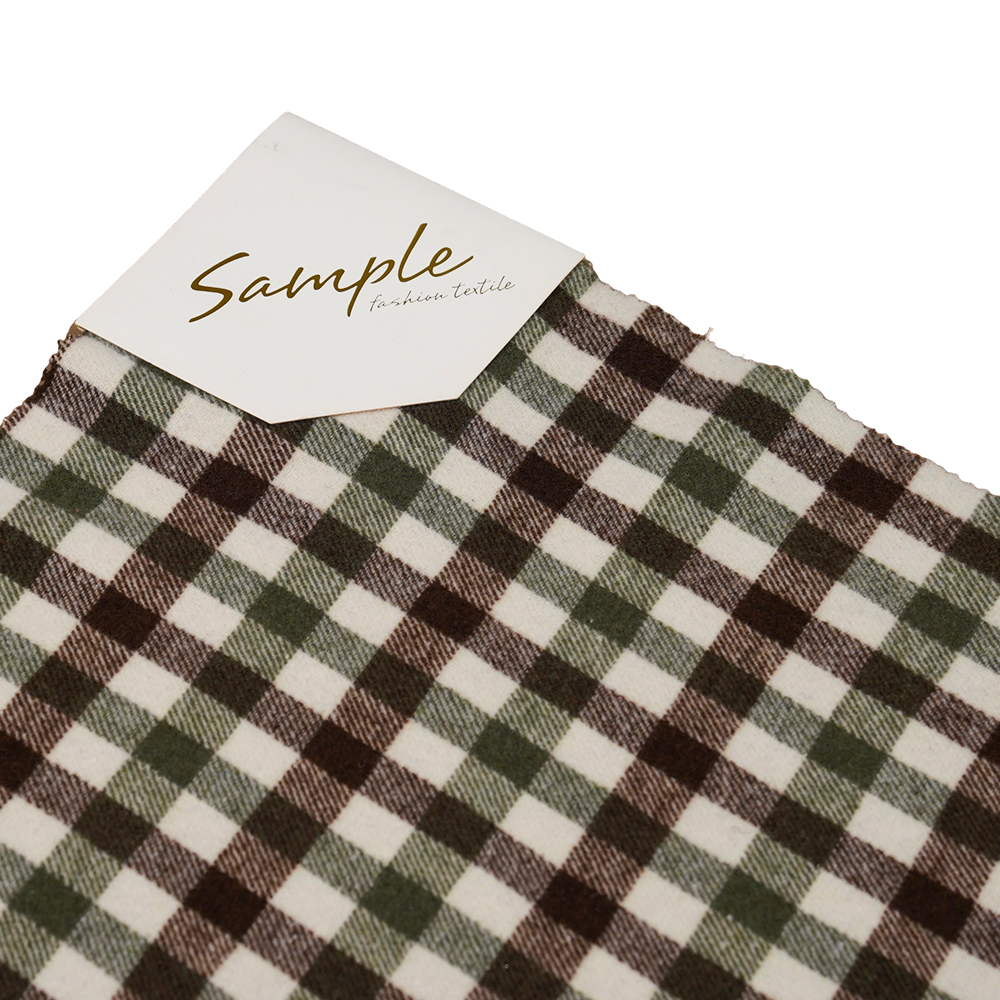
100% other, 410G/M Green-Brown-White Plaid Yarn: Vintage British Style, Natural ...
Wool flannel fabric has long been regarded as a premium textile, prized for its warmth, softness, and versatility. As an integral part of both fashion and functional clothing, it serves a range of applications in industries ranging from apparel to upholstery.
Wool flannel is a soft, napped fabric traditionally woven from wool fibers. It is most commonly recognized for its smooth texture and insulating properties. Flannel fabric can be either woven or knitted, but wool flannel, in particular, is crafted from finely spun wool yarns that have been brushed to create a soft, velvety surface. The brushing process raises fibers from the surface of the fabric, creating its characteristic fuzzy texture.
The production of wool flannel material involves several crucial stages, each contributing to the high-quality properties that make it such a sought-after textile.
The first step in wool flannel production is the spinning process, where wool fibers are spun into yarns. The spinning method used for wool flannel is typically coarser than other wool fabrics to achieve a more textured finish. This yarn is then dyed, if necessary, and woven into fabric.
The woven wool flannel fabric is produced on looms, often with a plain weave or a twill weave. Twill weave is commonly used for wool flannel due to its diagonal pattern, which provides enhanced durability and structure to the fabric.
After weaving, the fabric undergoes a brushing or napping process. During this phase, the fabric is lightly brushed with steel brushes, which lift the short fibers from the surface, creating the soft, fuzzy texture typical of flannel. This is a key element that differentiates wool flannel from other wool fabrics, making it particularly suitable for garments requiring softness and warmth.
Wool flannel's unique blend of comfort, durability, and warmth makes it ideal for a range of applications. Some of the most popular uses include:
The decision to choose wool flannel material for a product, whether in fashion, upholstery, or industrial uses, comes with a variety of benefits:
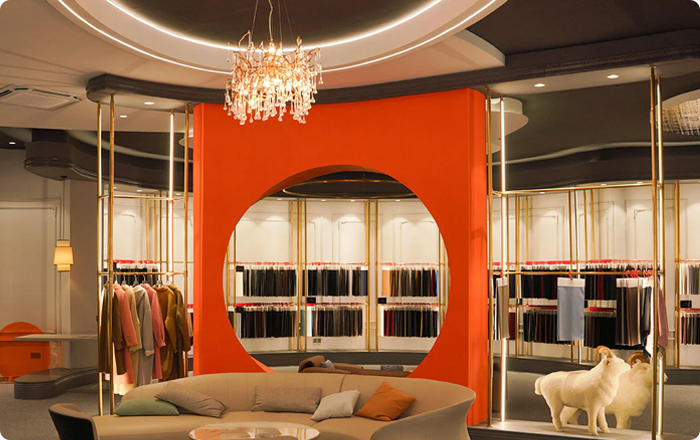
Jiangyin Mingle Textile Co., Ltd. has established itself as a leading manufacturer specializing in the production of various wool fabrics, including wool flannel. With advanced spinning and weaving capacities, they are able to offer a wide range of wool flannel material suited to both high-end apparel and industrial applications. Their commitment to quality and sustainability ensures that their products meet the rigorous demands of the global market.
By integrating advanced production techniques, including full-process monitoring and certification under international standards like GRS, RWS, and BSCI, Jiangyin Mingle Textile Co., Ltd. guarantees the consistency and reliability of their wool flannel fabric. This commitment to excellence makes their products a top choice for companies looking for high-quality, sustainable textile solutions.
In summary, wool flannel fabric is a versatile and high-performance textile with an array of applications across different industries. Its unique blend of warmth, softness, durability, and breathability makes it a go-to choice for both casual and formal apparel as well as industrial uses. The manufacturing process, which includes high-quality spinning, weaving, and brushing techniques, ensures that wool flannel remains a top choice for fashion and functionality.
| Characteristic | Description |
|---|---|
| Softness | Provides a smooth and comfortable texture, ideal for direct contact with the skin |
| Warmth | Excellent insulating properties, suitable for colder climates |
| Breathability | Allows airflow, preventing overheating and maintaining comfort |
| Durability | Resilient and long-lasting, making it a cost-effective choice |
| Moisture-Wicking | Keeps the wearer dry by absorbing moisture away from the skin |
1. What is the difference between wool flannel and regular flannel?
Wool flannel is specifically made from wool fibers, which gives it superior softness, warmth, and durability compared to traditional flannel, which can be made from cotton or synthetic fibers.
2. How should I care for wool flannel fabrics?
Wool flannel should be dry cleaned or hand-washed using cold water to avoid shrinking or damaging the fibers. Always check the manufacturer's care instructions for the best results.
3. Can wool flannel be used for summer clothing?
Yes, due to its breathability and moisture-wicking properties, wool flannel can be worn in warmer climates as well, providing comfort by keeping the body cool and dry.
4. What are the benefits of using wool flannel in industrial applications?
Wool flannel offers natural insulation, moisture-wicking, and durability, making it ideal for protective clothing and industrial workwear.
5. Is wool flannel environmentally friendly?
Yes, wool is a natural and renewable fiber, and many manufacturers, Jiangyin Mingle Textile Co., Ltd. prioritizes sustainable production methods, including the use of recycled wool fibers.
 +86 - 510 - 86373115
 +86 - 13812129532
 No. 118, Huancun West Road, Huaxi Fifth Village, Huashi Town, Jiangyin City, Wuxi City, Jiangsu Province, China



 English
 中文简体
中文简体