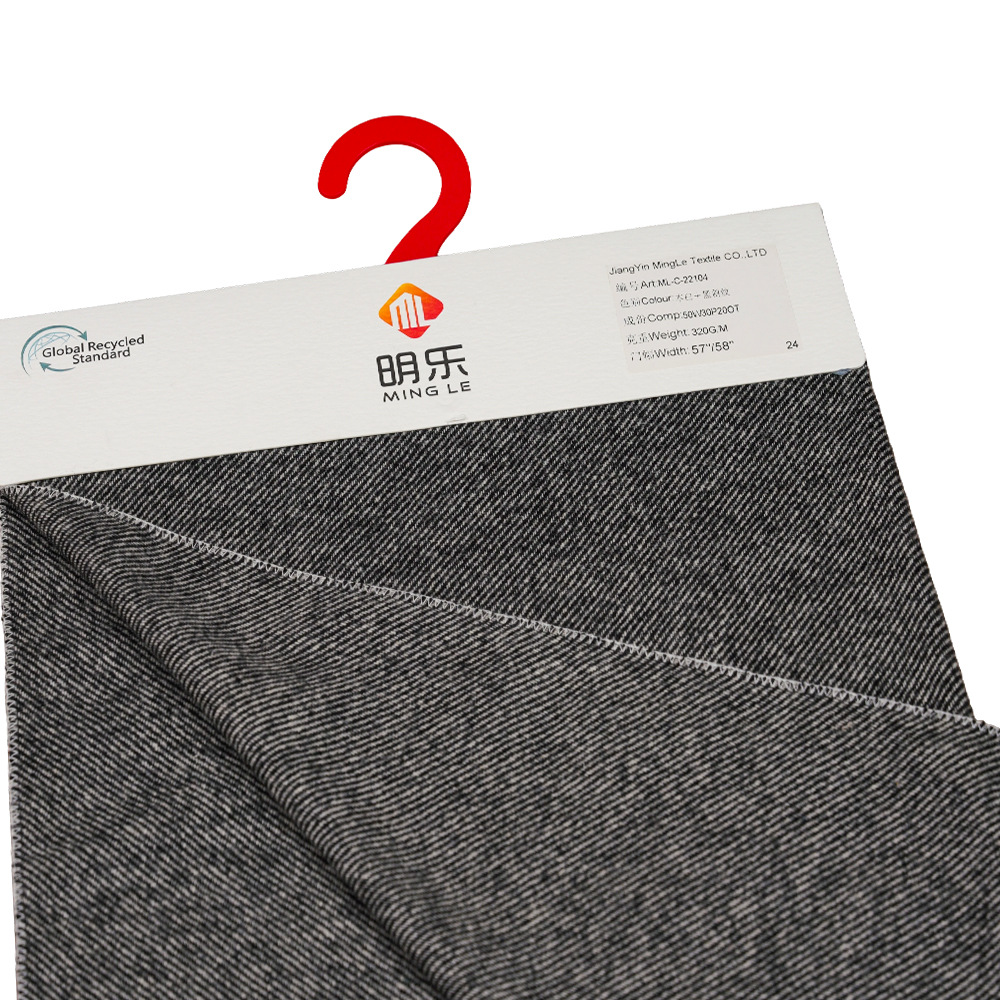
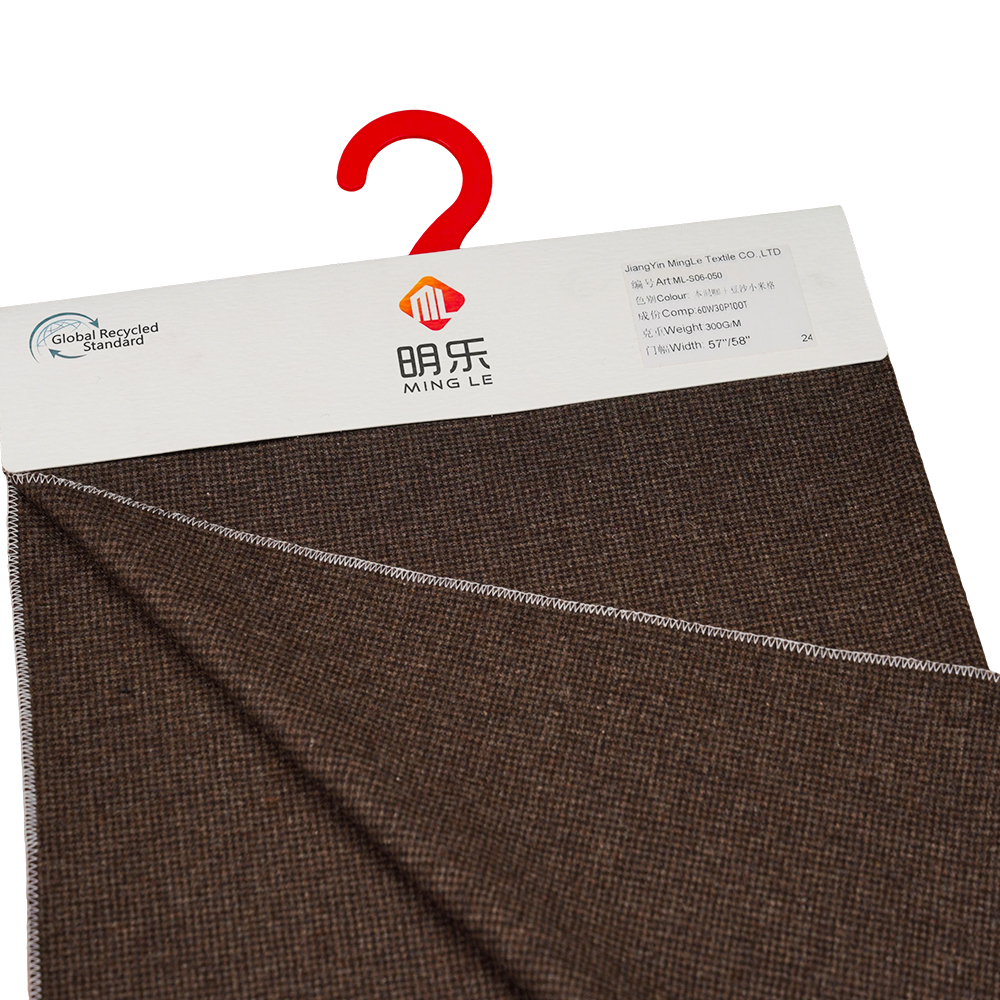
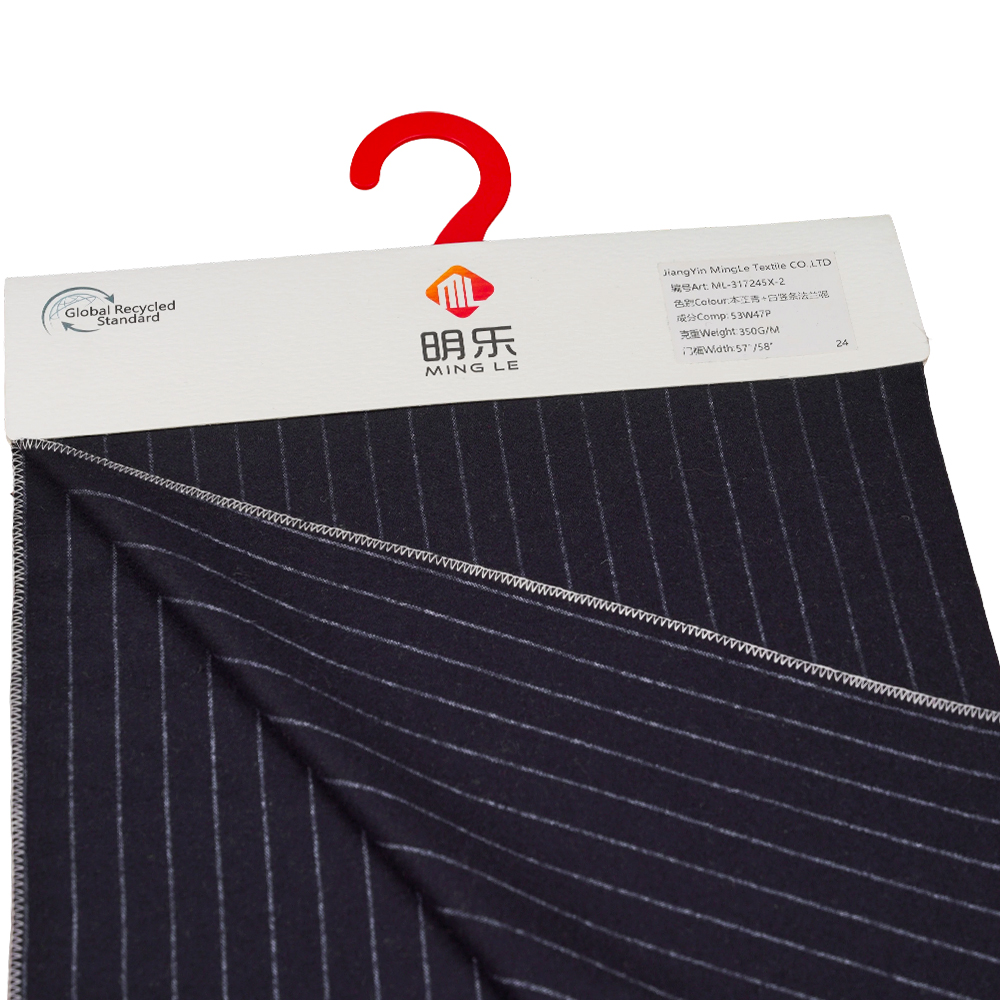
English
 中文简体
中文简体Custom Fancy Wool Flannel Fabric

Product Categories
Introduction Overcoat wool fabric is a preferred material in high-end garment manufacturing due to its durability, thermal performance, and luxurious feel. B2B buyers, tailors, and textile engineers rely on its quality for producing professional and winter outerwear. Understanding fabric types, technical properties, an...
Few textiles carry the breadth of technical performance, aesthetic versatility, and heritage market positioning that wool flannel fabric commands across the global apparel industry. From tailored suiting and premium outerwear to luxury casualwear and high-end uniform programs, wool flannel fabric occupies a foundationa...
In the global textile market, the demand for natural performance fibers continues to grow. Wool pile fabric stands out due to its unique combination of thermal insulation and moisture-wicking properties. Unlike flat woven textiles, pile fabrics feature a raised surface of upright loops or strands. This structure create...
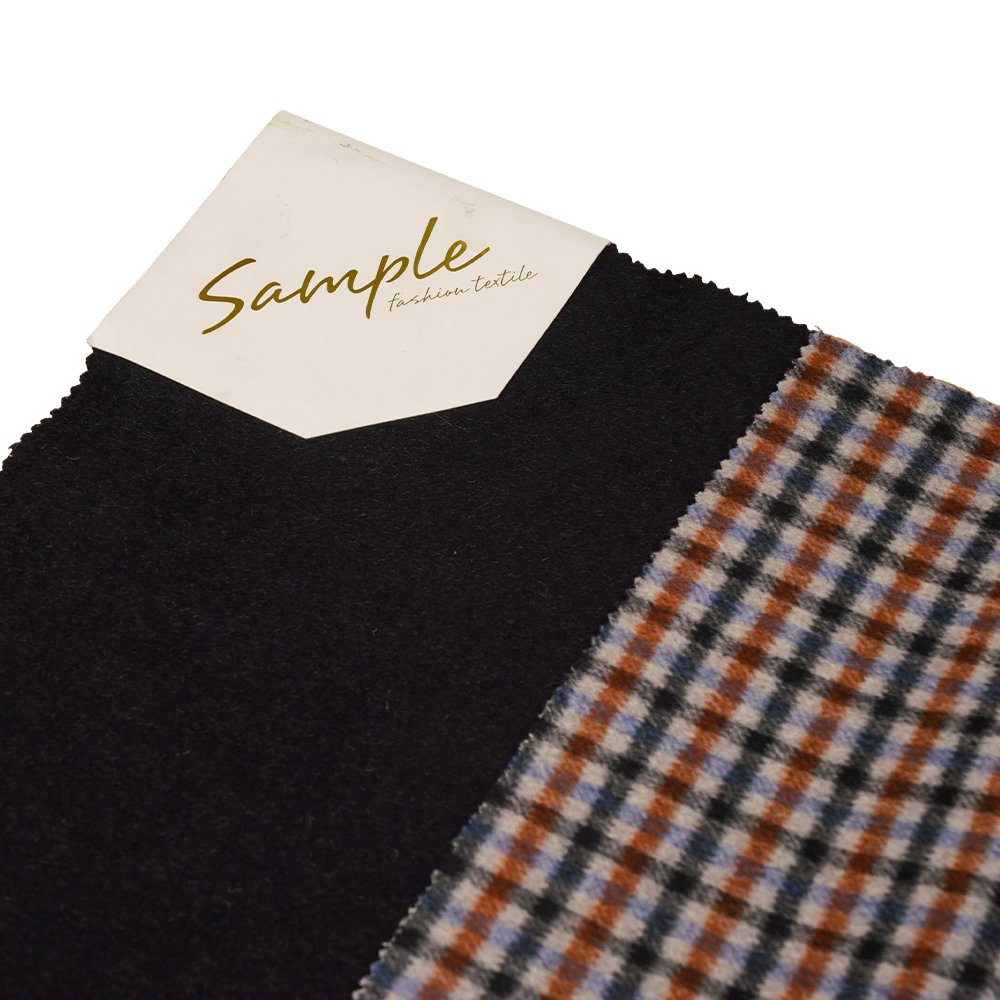
50% Wool 50% other fiber 780G/M Color Check Plaiddouble-face overcoating fabricF...
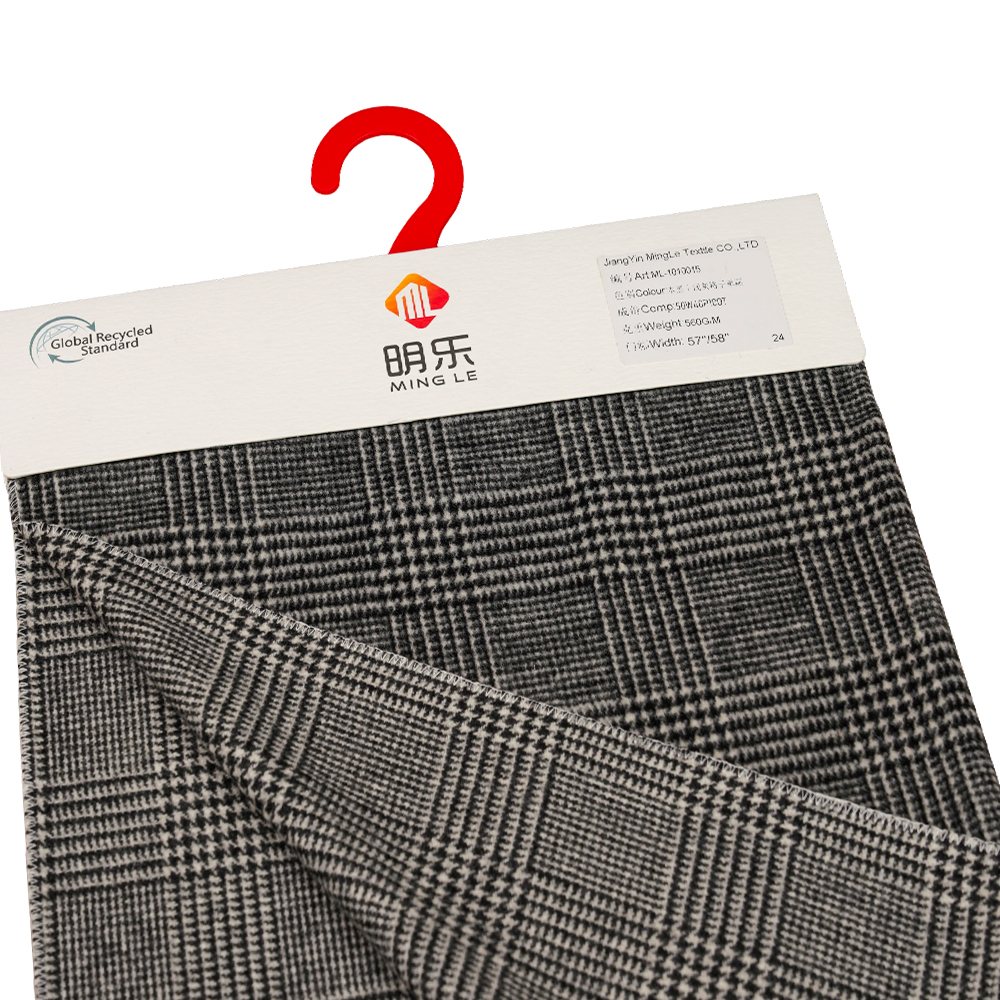
50% Wool, 40% Polyester, 10% Other Fiber, 560g/M Black + Light Gray Check Single...
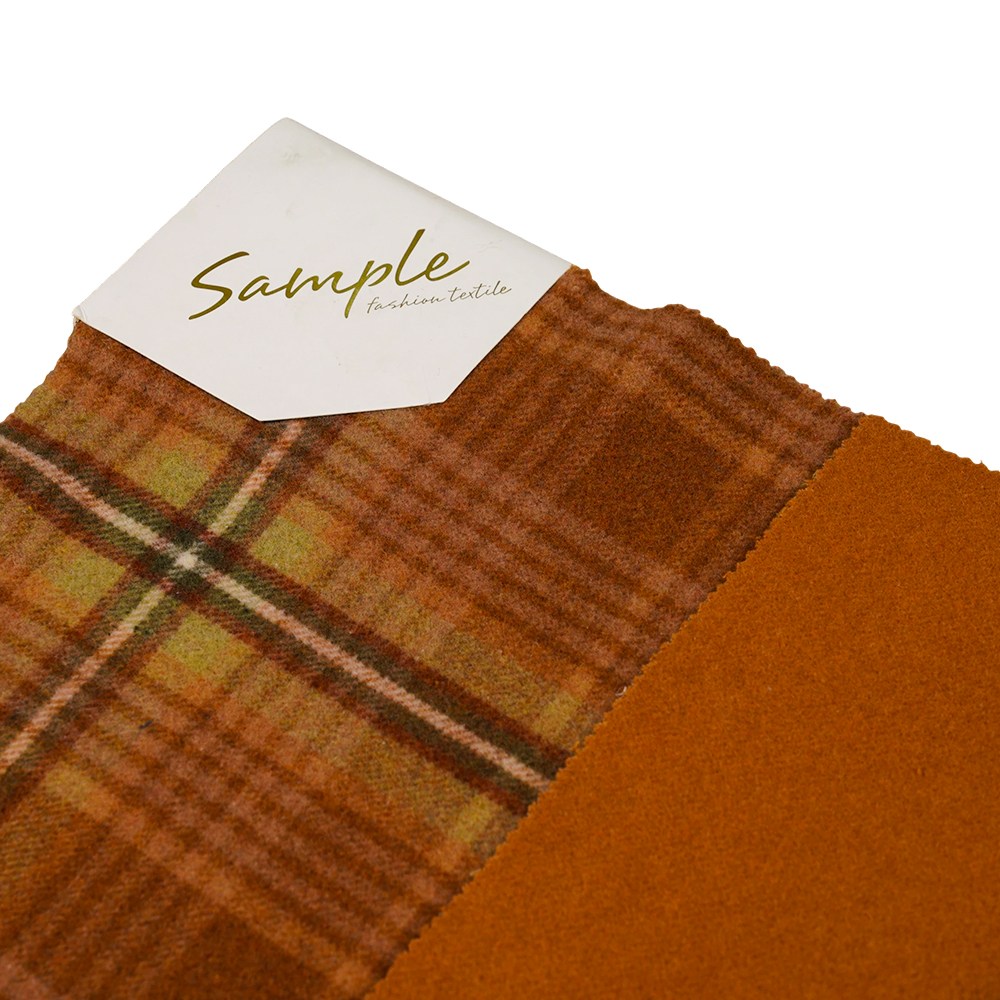
50% Wool 40% Polyester 10% other fiber860G/M Brown-Yellow Check Plush Fabric – A...
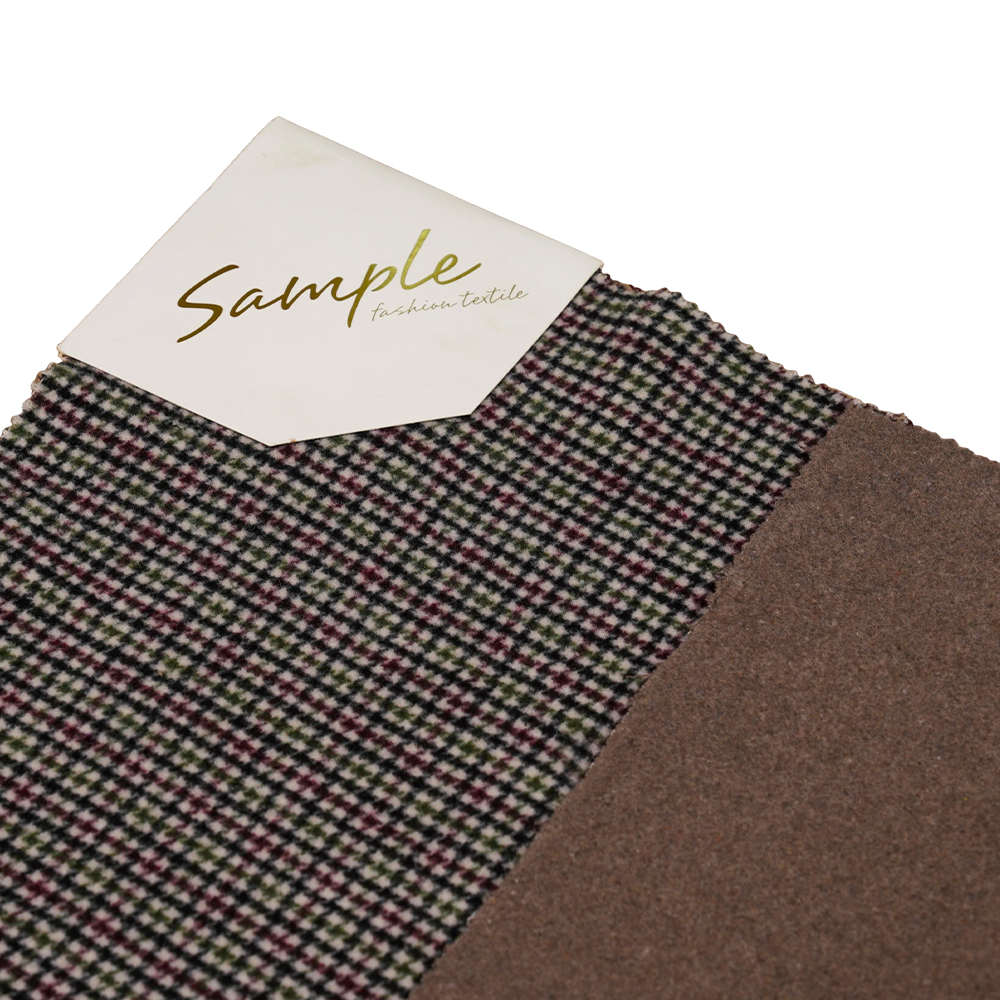
20% Wool 70% Polyester 10% other fiber 800G/M Colorful Check Double-sided Velvet...
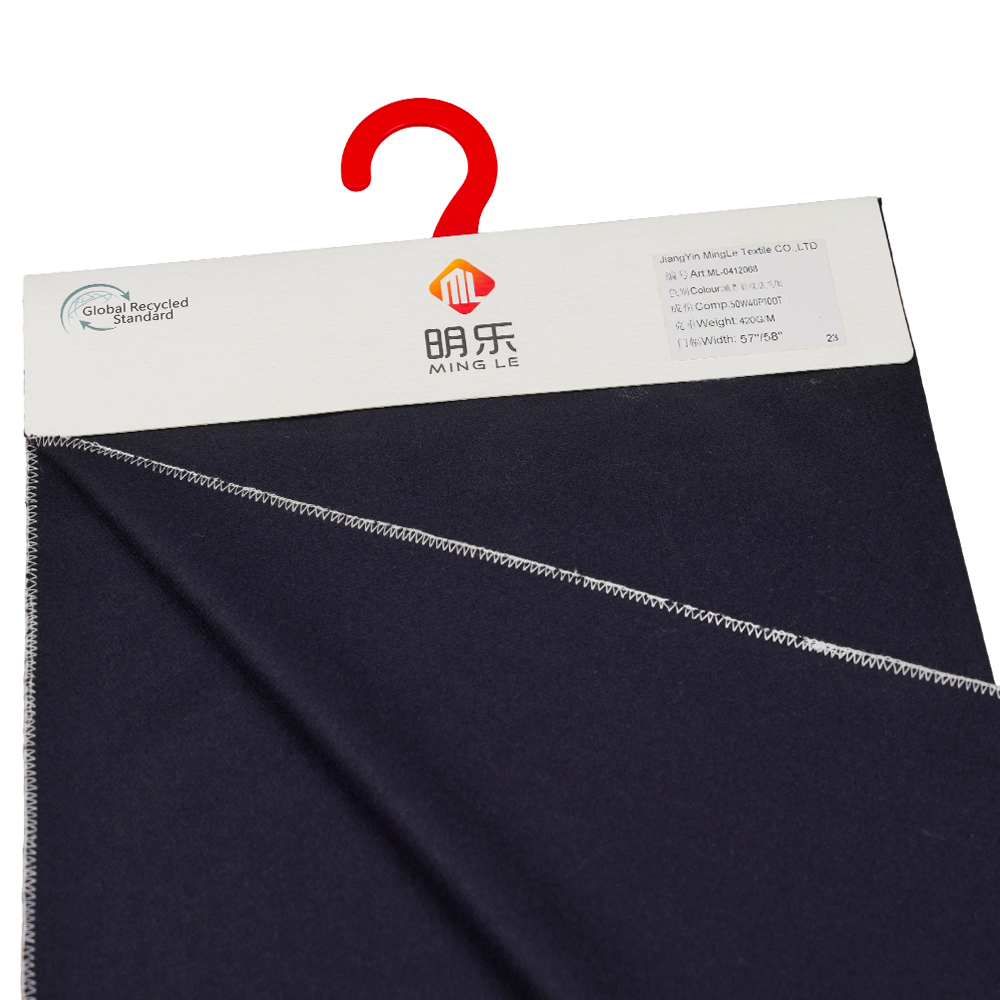
Navy Twill Flannel Fabric: 420g/m Wool Blend, Classic Twill TextureThis flannel ...
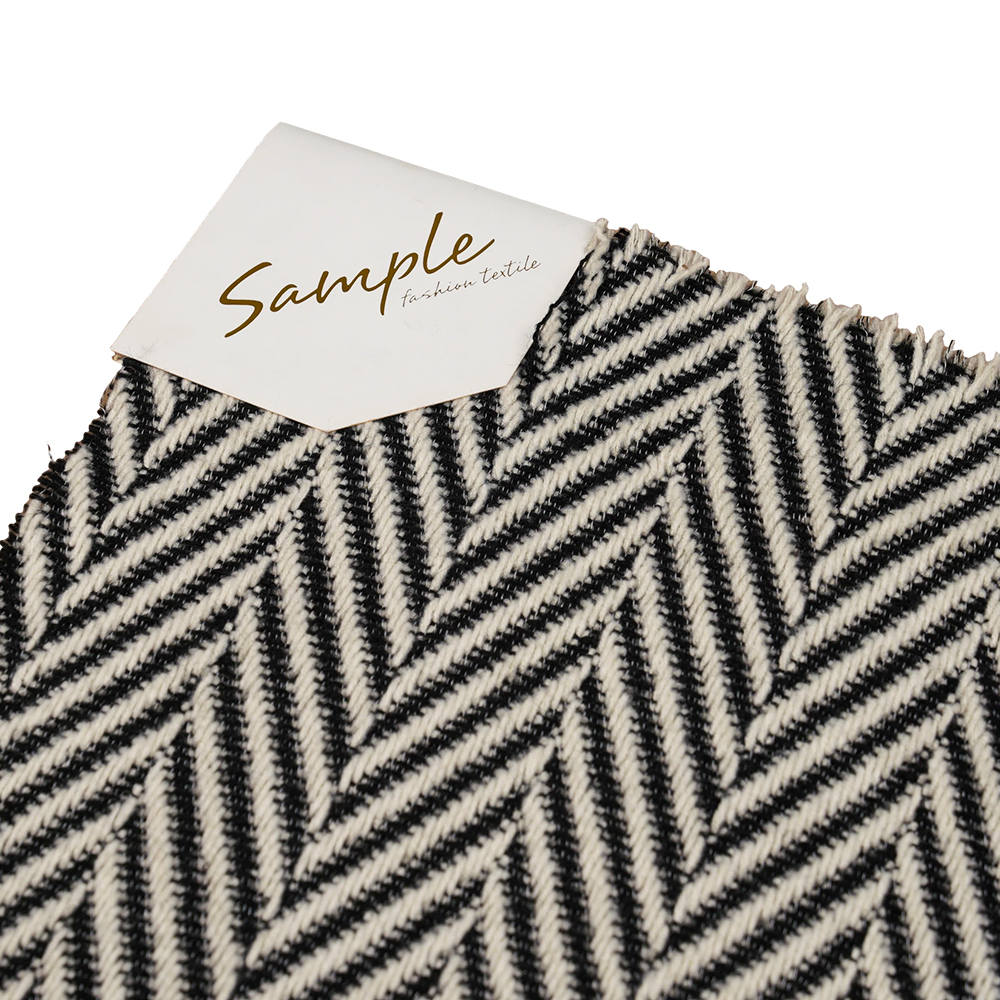
100% other, 720G/M Classic Black and White Color Yarn: A Simple and Fashionable ...
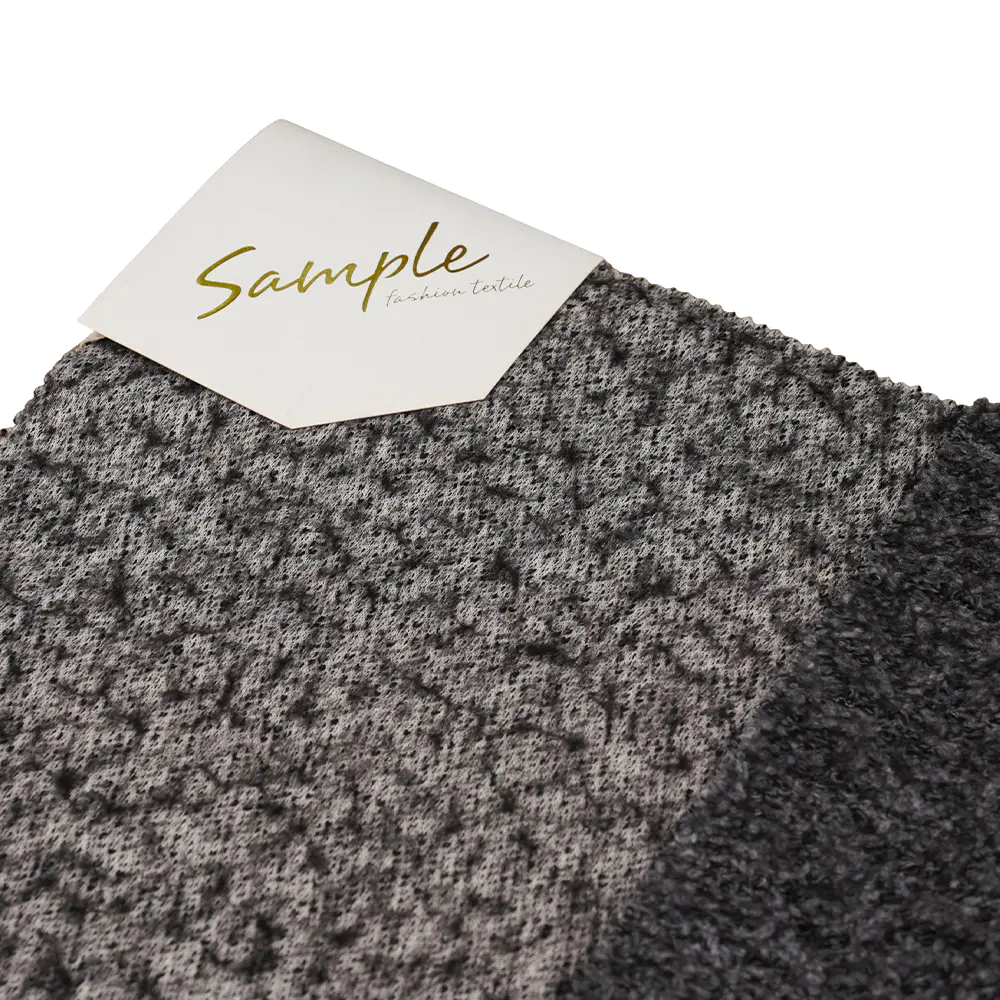
40% Wool 60% Polyester 750GSM Black Grey Bali Woolen Fabric - Classic Versatile ...
Shrinkage control is a critical technical consideration in the production and application of fancy wool flannel fabric. Wool fibers possess natural elasticity and surface scales, which make them responsive to moisture, heat, and mechanical action during processing and end use. Without effective control, dimensional instability may occur after washing, steaming, or garment manufacturing, directly affecting fit, appearance, and long term performance. For apparel brands and textile buyers, shrinkage consistency is as important as surface texture or color accuracy, especially for tailored garments that require predictable cutting and sewing behavior.
In the context of refined wool flannel products, shrinkage control is not a single isolated process but a systematic approach that begins with raw material selection and continues through spinning, weaving, finishing, and quality inspection. Each stage contributes incrementally to dimensional stability. Professional manufacturers of decorative woolen fabrics emphasize that shrinkage control must be aligned with fabric weight, structure, and end use. A fabric intended for outerwear may tolerate different parameters compared to one designed for lightweight fashion pieces.
From an industry perspective, shrinkage performance also influences supply chain reliability. When fabric shrinkage is stable and repeatable, downstream garment factories can standardize their processes, reducing waste and rework. This is why premium wool flannel materials are increasingly evaluated not only by aesthetic criteria but also by technical indicators such as residual shrinkage, relaxation behavior, and recovery after finishing. Shrinkage control is therefore not an optional enhancement, but a foundational requirement for high quality wool flannel production.
The foundation of shrinkage control in fancy wool flannel fabric begins with fiber selection and yarn preparation. Wool fibers vary significantly depending on origin, fineness, length, and crimp characteristics. Fibers with consistent diameter and moderate crimp tend to exhibit more predictable dimensional behavior during wet processing. Careful sorting and blending of fibers allows manufacturers to reduce variability before spinning even begins.
During yarn preparation, coarse spun yarns commonly used for flannel fabrics require controlled tension and twist balance. Excessive twist may increase rigidity, while insufficient twist can lead to uneven relaxation later in finishing. Professional mills adjust spinning parameters to achieve stable yarn structures that can withstand brushing and fulling processes without excessive deformation. The goal is to ensure that yarns relax evenly rather than unpredictably.
In integrated production environments, yarn preparation is closely coordinated with downstream weaving and finishing. Jiangyin Mingle Textile Co., Ltd. applies an integrated approach that links regenerated fiber processing, spinning, and weaving into a unified system. This integration allows early identification of potential shrinkage risks and enables corrective measures before fabric formation. Such coordination is essential for producing wool flannel materials with consistent shrinkage behavior across multiple batches.
Another important consideration is yarn conditioning before weaving. Allowing yarns to stabilize under controlled humidity conditions reduces internal stress, minimizing sudden dimensional changes later in the process. This preparatory step, though often overlooked, contributes significantly to shrinkage consistency in finished wool flannel fabrics.
The weaving stage plays a decisive role in determining how fancy wool flannel fabric responds to mechanical and thermal stress. Flannel fabrics are typically produced using plain or twill based structures, each offering different balance between softness and stability. A well designed weave distributes tension evenly across warp and weft, reducing localized stress points that can trigger uneven shrinkage.
Fabric density is another critical factor. Excessively loose constructions may allow fibers to migrate during wet processing, while overly compact structures may store internal stress that releases unpredictably later. Experienced textile engineers adjust ends per inch and picks per inch to achieve a balanced construction that supports both surface brushing and dimensional control.
Advanced wool flannel producers emphasize customization at the weaving stage. Adjustments in weave pattern, yarn count selection, and fabric weight are made based on the intended end use of the fabric. Jiangyin Mingle Textile Co., Ltd. incorporates flexible weaving configurations, allowing precise control over structure and weight. This flexibility ensures that shrinkage behavior aligns with garment requirements rather than being treated as a secondary correction.
In addition, loom tension management is carefully monitored. Stable warp tension prevents uneven elongation during weaving, which could later manifest as differential shrinkage. By maintaining consistency at this stage, manufacturers lay a stable structural foundation for subsequent finishing treatments.
Mechanical finishing processes are among the most influential shrinkage control methods for fancy wool flannel fabric. These processes typically include brushing, cropping, and controlled fulling, each designed to enhance surface characteristics while managing dimensional change. Brushing raises the fiber ends to create the characteristic soft flannel surface, but it must be carefully regulated to avoid excessive fiber displacement.
Controlled relaxation is a key principle during finishing. Instead of forcing fabric into a fixed dimension, manufacturers allow gradual relaxation under monitored conditions. This approach enables internal stresses accumulated during weaving to release in a predictable manner. By stabilizing the fabric progressively, residual shrinkage after garment production can be minimized.
Fulling, when applied, is conducted with precise control of time and mechanical action. The objective is not aggressive compaction but uniform consolidation of the fabric structure. Over processing at this stage can lead to irreversible dimensional reduction, while under processing may leave instability unresolved.
Jiangyin Mingle Textile Co., Ltd. integrates finishing controls with upstream data from spinning and weaving. This coordinated system allows finishing parameters to be adjusted based on actual fabric behavior rather than standardized assumptions. Such process alignment contributes to consistent shrinkage performance across different fabric styles and seasonal collections.
Wet processing stages, including washing and rinsing, represent a critical phase for shrinkage control in fancy wool flannel fabric. Wool fibers are particularly sensitive to moisture and temperature variation. Therefore, controlling water conditions, processing sequences, and fabric movement is essential to prevent uncontrolled dimensional change.
Professional woolen mills maintain stable environmental parameters throughout wet processing. Gradual temperature transitions are preferred over abrupt changes, as sudden shifts may cause rapid fiber contraction. Similarly, controlled mechanical movement prevents fiber entanglement that could increase shrinkage risk.
Water quality also plays a role. Clean, consistently treated water supports uniform fiber behavior and reduces the likelihood of localized stress. While no chemical formulas are involved in this discussion, it is important to note that process consistency rather than intensity is the guiding principle in effective shrinkage control.
Sustainability considerations increasingly intersect with shrinkage management. Jiangyin Mingle Textile Co., Ltd. integrates energy optimization and wastewater reduction into its wet processing operations. By monitoring production stages and reducing unnecessary mechanical stress, the company achieves both environmental responsibility and stable fabric dimensions, demonstrating that shrinkage control and sustainability objectives can align effectively.
Dimensional setting represents the final technical safeguard against shrinkage in fancy wool flannel fabric. At this stage, fabrics are stabilized under controlled conditions to lock in dimensions achieved during earlier processes. The focus is on achieving equilibrium rather than forcing rigidity, ensuring that the fabric maintains flexibility while resisting further shrinkage during garment use.
Stabilization methods are tailored to fabric structure and weight. Heavier wool flannels may require longer relaxation periods, while lighter styles benefit from precise tension balancing. Uniform fabric handling is critical, as uneven tension during setting can introduce distortion rather than stability.
Manufacturers often perform multiple inspection checkpoints during stabilization. Visual assessment is combined with dimensional verification to ensure consistency across the fabric width and length. Jiangyin Mingle Textile Co., Ltd. applies systematic inspection protocols, aligning stabilization parameters with customer specifications and end use expectations.
The result of effective stabilization is a wool flannel fabric that responds predictably to cutting, sewing, and finishing at the garment stage. This reliability enhances confidence among apparel manufacturers and reduces downstream risk.
Quality evaluation is essential for validating shrinkage control methods applied to fancy wool flannel fabric. Dimensional stability is assessed through standardized internal testing protocols that simulate realistic handling conditions. These evaluations focus on consistency rather than absolute values, emphasizing repeatability across production batches.
Testing is typically conducted at multiple stages, including greige fabric, finished fabric, and post stabilization samples. This layered approach allows manufacturers to identify where dimensional changes occur and refine processes accordingly. Accurate record keeping supports continuous improvement and knowledge accumulation.
Jiangyin Mingle Textile Co., Ltd. emphasizes traceability in shrinkage performance assessment. By linking test outcomes to specific production parameters, the company maintains a feedback loop that enhances process control. This approach supports long term consistency rather than short term correction.
The importance of shrinkage verification extends beyond technical compliance. It reinforces trust between fabric suppliers and garment manufacturers, contributing to stable commercial relationships and predictable product performance.
| Production stage | Primary control focus | Contribution to shrinkage stability |
|---|---|---|
| Fiber selection | Uniform fiber characteristics | Reduces variability at the source |
| Yarn preparation | Balanced twist and tension | Minimizes internal stress |
| Weaving | Structure and density control | Ensures even stress distribution |
| Mechanical finishing | Controlled relaxation | Releases accumulated tension |
| Stabilization | Dimensional setting | Locks in final fabric dimensions |
| Control objective | Operational emphasis | Expected outcome |
|---|---|---|
| Dimensional consistency | Balanced process parameters | Predictable garment performance |
| Surface integrity | Gentle mechanical treatment | Stable texture and appearance |
| Sustainability alignment | Energy and water optimization | Responsible production with stable quality |
Does fancy wool flannel fabric shrink after garment production?
When proper shrinkage control methods are applied during manufacturing, residual shrinkage after garment production is significantly reduced, supporting stable fit and appearance.
Is shrinkage control influenced by fabric weight?
Yes, heavier and lighter wool flannel fabrics respond differently to processing. Control methods are adjusted to suit fabric structure and intended application.
Can shrinkage control affect fabric softness?
Effective control balances dimensional stability with surface comfort, ensuring that softness is preserved without compromising performance.
How does integrated production improve shrinkage consistency?
Integrated systems allow coordination between fiber processing, weaving, and finishing, reducing variability and enabling precise adjustment.
Is shrinkage control compatible with sustainable manufacturing?
Yes, responsible energy use and controlled processing can enhance both dimensional stability and environmental performance.
Through systematic control at every production stage, fancy wool flannel fabric can achieve reliable dimensional stability while maintaining its refined aesthetic and functional qualities.
 +86 - 510 - 86373115
 +86 - 13812129532
 No. 118, Huancun West Road, Huaxi Fifth Village, Huashi Town, Jiangyin City, Wuxi City, Jiangsu Province, China