

 English
 中文简体
中文简体News
ML-0412879 Camel Twill Fabric: 730g/m 50% Wool, 50% other fiberThis ML-0412879 f...

Content
Apparel manufacturers and fashion brands require materials that combine warmth, durability, and structural integrity for cold-weather garments. Melton Wool Coating Fabric provides the engineered solution that meets these demands across luxury outerwear, military uniforms, and commercial coat production. Understanding the technical specifications, manufacturing processes, and selection criteria helps procurement teams specify materials that align with their design requirements and performance standards.
Melton Wool Coating Fabric is a densely woven, heavily fulled wool material renowned for its wind resistance, water repellency, and exceptional warmth. The fabric originated in Melton Mowbray, a town in Leicestershire, England, during the 18th century, where local wool producers developed this weather-resistant textile for hunting coats and outdoor wear.
The name derives from this English town, which became the center of British fox-hunting culture. The fabric's reputation for durability and weather protection led to its adoption by the British Royal Navy in the 19th century for the iconic peacoat, establishing Melton wool as the standard for naval and military outerwear .
Archaeological evidence indicates that thick Melton-type fabrics were woven as early as the 9th to 12th centuries, demonstrating the long history of this textile construction method .
The Melton wool manufacturing process involves multiple specialized textile operations that create the fabric's signature dense and smooth body. Production begins with fiber selection, typically using worsted wool for smoother finish or woollen wool for increased bulk and warmth.
Yarn preparation uses medium to heavy counts with slightly hairy texture to facilitate subsequent felting. The fabric is woven in twill or plain weave patterns, with twill construction providing enhanced durability .
The critical fulling process subjects the woven cloth to heat, moisture, and mechanical agitation, causing the fibers to shrink and compact. This milling operation closes gaps between fibers and creates a dense felted layer that provides wind resistance and insulation.
After fulling, the fabric undergoes napping to raise surface fibers, followed by shearing to create a smooth, suede-like finish. Final treatments may include water-repellent finishes, anti-pilling treatments, and steam pressing for dimensional stability.
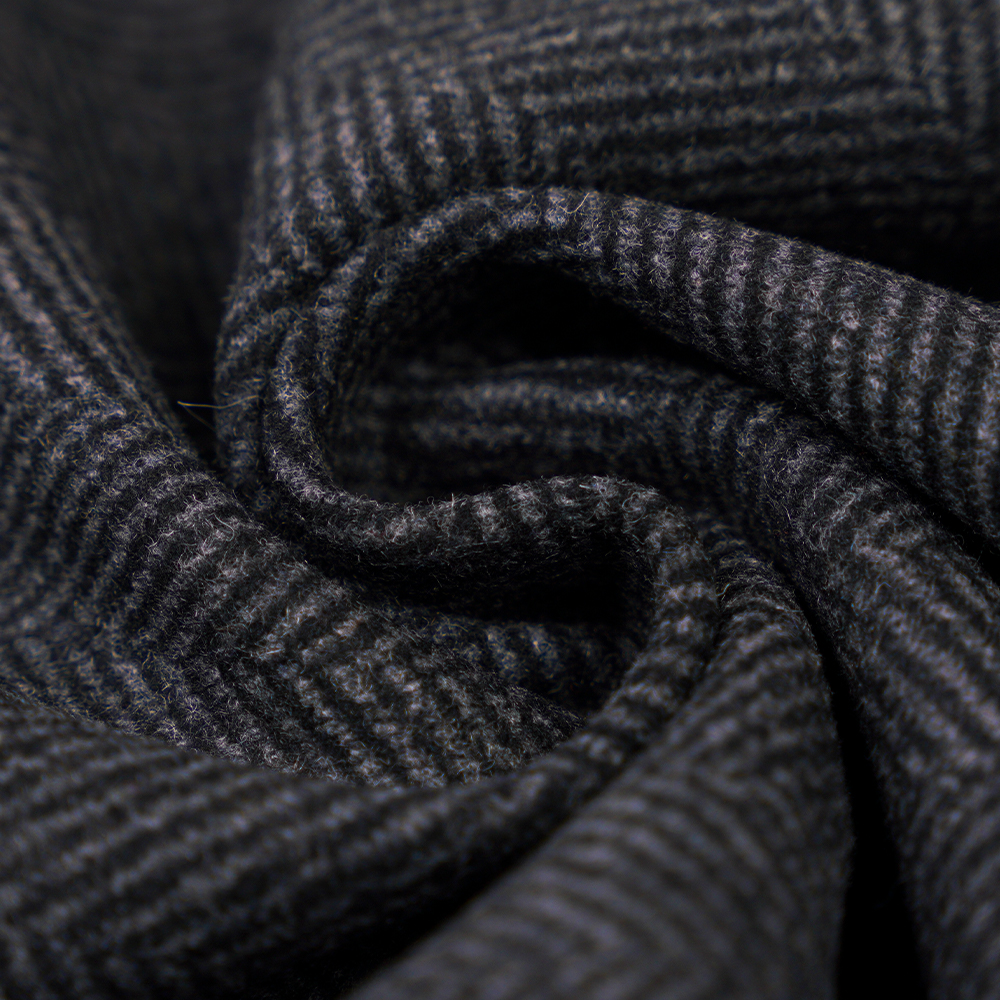
Melton wool fabric weight GSM (grams per square meter) determines the fabric's warmth, stiffness, drape, and suitability for specific garment categories. Standard classifications range from lightweight to heavyweight specifications .
Lightweight Melton wool ranges from 300 to 350 GSM, suitable for early autumn jackets and women's overlays. Medium-weight classifications between 350 and 450 GSM serve standard coats, blazers, and capes. Heavyweight Melton from 450 to 650 GSM provides the insulation and structure required for pea coats, military coats, and severe winter outerwear .
Premium heavyweight variants can reach 800 GSM (23 ounces per linear yard), offering maximum warmth and durability for extreme cold conditions . Standard widths range from 58 to 60 inches (147 to 152 cm), accommodating efficient pattern layout for coat production.
Melton wool coating fabric is available in several composition variants to meet different market requirements. Pure 100% wool Melton offers the highest warmth, premium quality, and natural sustainability, making it ideal for luxury coats and heritage collections .
Wool-polyester blends, typically 60/40 or 70/30 compositions, provide more affordable alternatives with improved wrinkle resistance and easier care. These blends are less prone to shrinkage and offer consistent performance for mass-market production and school uniforms.
Specialized blends incorporate nylon for added strength and durability, or cashmere for enhanced softness and luxury feel. Stretch variants add spandex for modern fitted coat designs requiring flexibility .
The following table presents Melton wool fabric weight GSM specifications by category:
| Weight Category | GSM Range | Oz/Yard Equivalent | Characteristics | Primary Applications |
|---|---|---|---|---|
| Lightweight | 300-350 GSM | 9-11 oz | Less dense, easier drape | Early autumn jackets, women's overlays |
| Medium Weight | 350-450 GSM | 11-14 oz | Balanced warmth and structure | Standard coats, blazers, capes |
| Heavyweight | 450-650 GSM | 14-20 oz | Very warm, stiff, structured | Pea coats, military coats, winter outerwear |
| Extra Heavyweight | 650-800 GSM | 20-23+ oz | Maximum insulation, rigid | Extreme cold overcoats, naval uniforms |
The Melton wool vs boiled wool comparison reveals fundamental differences in base construction and manufacturing methods. Melton wool begins as a woven fabric, usually in twill weave, which is then heavily fulled through mechanical milling to create a dense surface .
Boiled wool starts as a knitted fabric that is washed in hot water, shrunk, and felted to create a dense, water-resistant material. The knitting process gives boiled wool inherent stretch and a spongy, textured hand that differs from Melton's smooth, woven structure .
Melton undergoes fulling, which uses mechanical agitation combined with heat and moisture to compact woven fibers. Boiling refers specifically to the felting of knitted wool in hot water. Both processes create dense, warm fabrics, but the starting materials and techniques produce different performance characteristics .
Melton wool provides a structured drape that holds shape well, making it ideal for tailored coats and military garments requiring crisp silhouettes. The fabric's smooth, slightly napped surface offers a refined appearance suitable for formal outerwear.
Boiled wool offers more supple drape and better flexibility, creating comfortable garments for indoor wear or milder weather conditions. The spongy texture provides warmth but with less wind resistance than Melton's tightly woven construction .
The following table provides a detailed technical comparison:
| Characteristic | Melton Wool | Boiled Wool |
|---|---|---|
| Base Structure | Woven fabric (twill or plain) | Knitted fabric |
| Processing Method | Fulled (mechanical milling) | Boiled and felted |
| Texture | Smooth, dense, slightly fuzzy | Thick, spongy, more textured |
| Drape | Structured, holds shape well | More supple, better drape |
| Weight Range | 300-800 GSM (14-32 oz/yard) | Usually lighter (10-20 oz/yard) |
| Wind Resistance | Excellent | Good to very good |
| Stretch | Minimal | Inherent knit stretch |
| Best Applications | Structured coats, peacoats, military wear | Jackets, cardigans, hats, indoor wear |
| Temperature Range | Below freezing to 50°F | 30-60°F (milder weather) |
Melton wool coating fabric applications span high-quality outerwear production where warmth, durability, and refined appearance are essential. The fabric's dense structure provides excellent thermal retention, making it the preferred choice for pea coats, trench coats, bomber jackets, and overcoats .
The fashion industry values Melton wool for its ability to combine luxury aesthetics with practical performance. The fabric accepts tailoring well, maintaining crisp lines in structured garments while providing the softness expected in premium outerwear. Designers pair Melton with leather trim, horn buttons, or metal hardware for timeless, rugged aesthetics .
Costume and theatrical applications utilize Melton wool for period pieces requiring authentic heavy woolens. The fabric's availability in traditional colors such as navy, black, bottle green, and loden supports historical accuracy in military and heritage reproductions .
Military organizations worldwide specify Melton wool coating fabric for dress uniforms and cold-weather gear. The United States Navy, Canadian Mounties, and various police and ceremonial units utilize Melton for its ability to withstand rigorous use while maintaining a sharp, professional appearance .
The fabric's resistance to pilling, abrasion, and weathering ensures that uniforms retain their appearance through repeated cleaning and extended service. Colorfastness in traditional navy and black shades maintains consistency across large uniform contracts .
Procurement teams must evaluate several technical parameters when sourcing Melton wool coating fabric. Fabric weight in GSM determines warmth and structural properties, with heavyweight specifications (450+ GSM) required for severe winter applications. Width measurements affect pattern efficiency and cutting yields, with standard 58-60 inch widths optimizing coat production .
Fiber content verification ensures compliance with specifications, whether pure wool for luxury markets or blended compositions for cost-sensitive applications. Shrinkage testing is critical, as Melton wool can experience significant dimensional change if not properly pre-shrunk during manufacturing .
Surface quality assessment examines the fullness of the nap, consistency of shearing, and absence of weaving defects. Premium Melton should present a uniform, suede-like surface without visible weave patterns or irregular texture .
End-user care requirements influence procurement decisions for commercial applications. Melton wool coating fabric requires dry cleaning or careful hand washing in cold water with gentle soap. Machine washing causes shrinkage and felting damage that ruins the fabric structure .
Steam pressing on wool settings removes wrinkles and restores the fabric's smooth appearance. Storage requires breathable garment bags to prevent moth damage while allowing air circulation. These care requirements should be communicated to consumers through proper labeling .
Pre-production fabric preparation includes steaming or dry cleaning with extra steam to prevent further shrinkage during garment construction. Interfacing application at armscyes and necklines prevents stretching in areas subject to body heat and movement .
Melton wool fabric weight GSM typically ranges from 300 to 800 GSM depending on the intended application. Lightweight variants at 300-350 GSM suit early autumn jackets. Medium weight at 350-450 GSM serves standard coats and blazers. Heavyweight classifications from 450-650 GSM provide the warmth and structure for pea coats and military outerwear. Premium extra-heavyweight Melton can reach 800 GSM (23 oz/yard) for extreme cold conditions .
Melton wool vs boiled wool differences begin with base construction. Melton starts as a woven fabric (usually twill) that undergoes mechanical fulling to create a dense, smooth surface. Boiled wool begins as a knitted fabric that is washed in hot water and felted, resulting in a spongy, textured material with inherent stretch. Melton provides structured drape ideal for tailored coats, while boiled wool offers more flexibility for casual jackets and cardigans. Melton generally provides superior wind resistance and is preferred for severe weather outerwear .
Melton wool coating fabric applications include high-quality outerwear such as pea coats, trench coats, overcoats, and military uniforms. The fabric's wind resistance, water repellency, and warmth make it ideal for cold-weather garments. Additional applications include theatrical costumes, hunting attire, blankets, and ceremonial dress uniforms. The fabric's ability to hold shape and resist pilling supports both fashion and functional uses where durability and appearance matter .
Melton wool fabric specifications should include GSM weight, fiber composition percentage, width, and shrinkage data. Weight determines warmth and structure, with 450+ GSM recommended for winter coats. Composition affects price and performance, with 100% wool offering premium quality and wool-poly blends providing cost efficiency. Standard width is 58-60 inches. Shrinkage should be under 7% if pre-shrunk. Surface quality should show uniform nap without visible weave patterns. Country of origin and manufacturing standards indicate quality consistency .
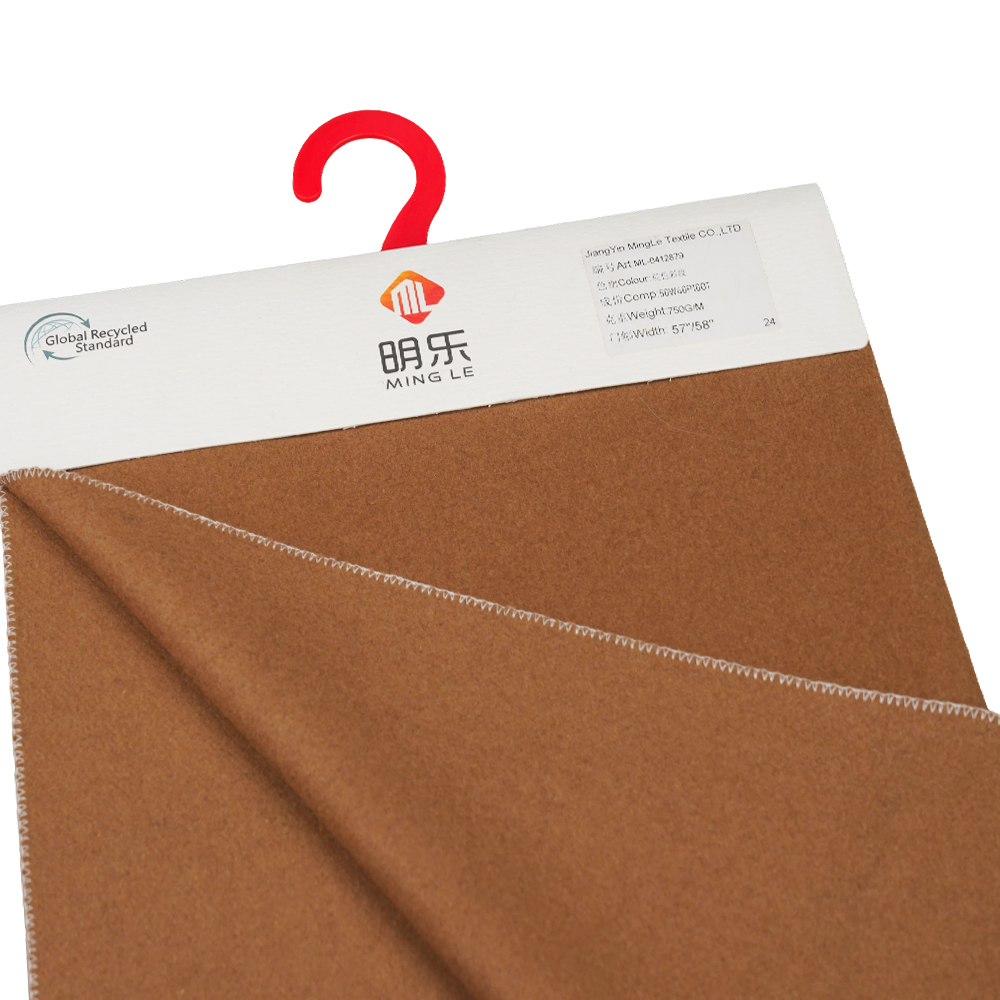
ML-0412879 Camel Twill Fabric: 730g/m 50% Wool, 50% other fiberThis ML-0412879 f...
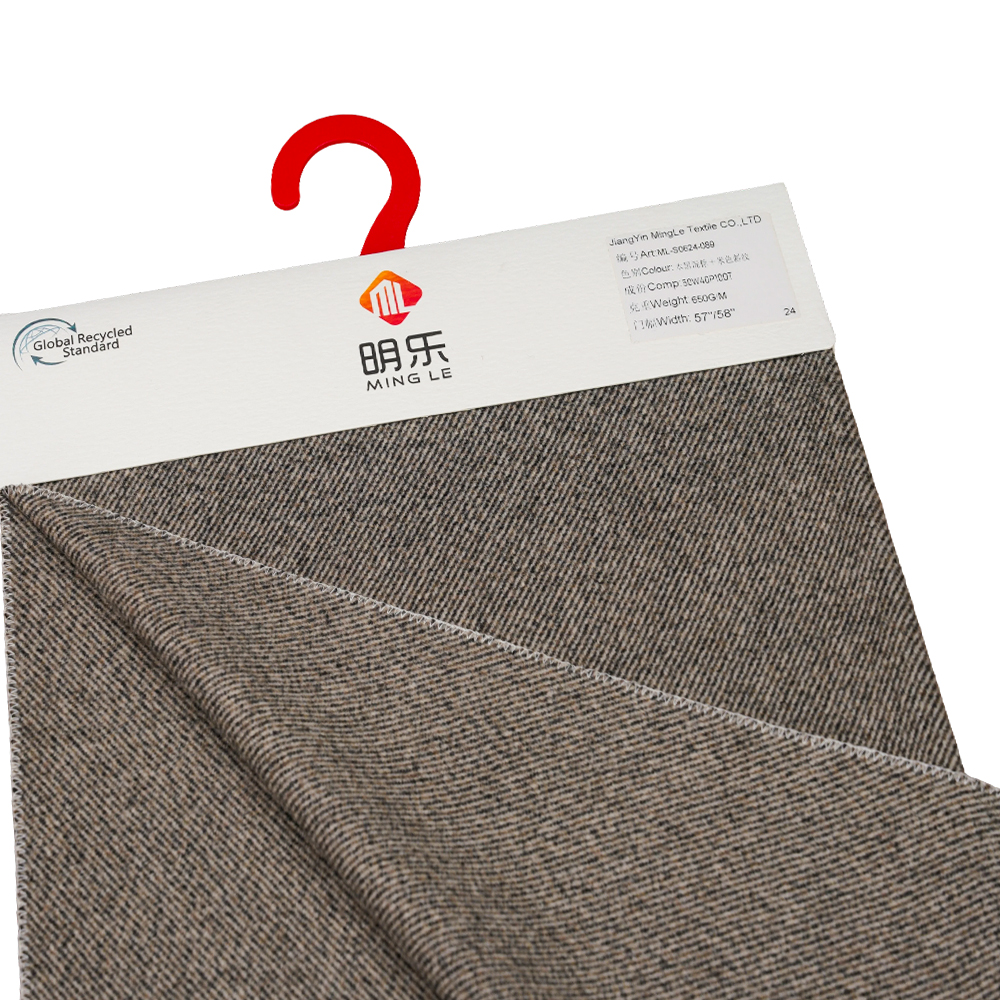
ML-S0624-089 650g/m Off-Black Blend Brown + Beige Twill Wool Fabric: Classic bla...
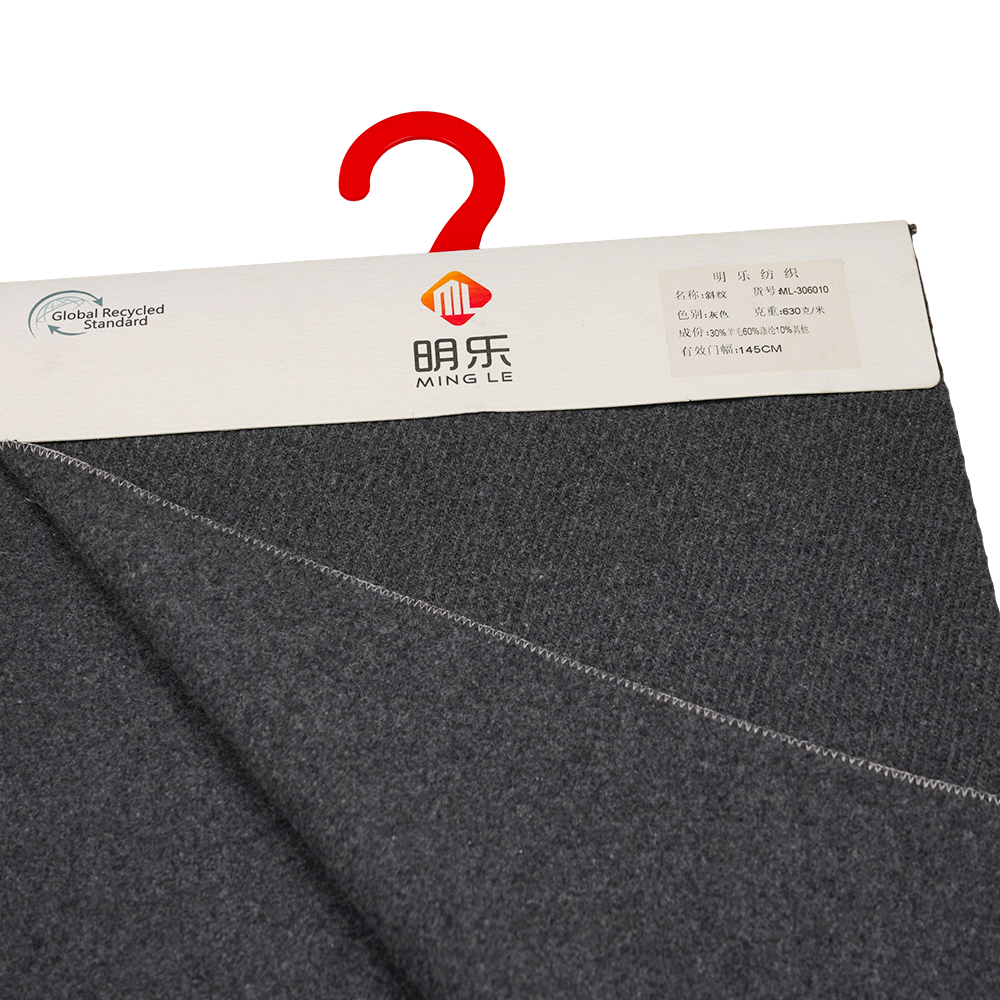
Gray Twisted Wool-Melton Fabric: 630g Weight Wool Blend for Versatile Business a...
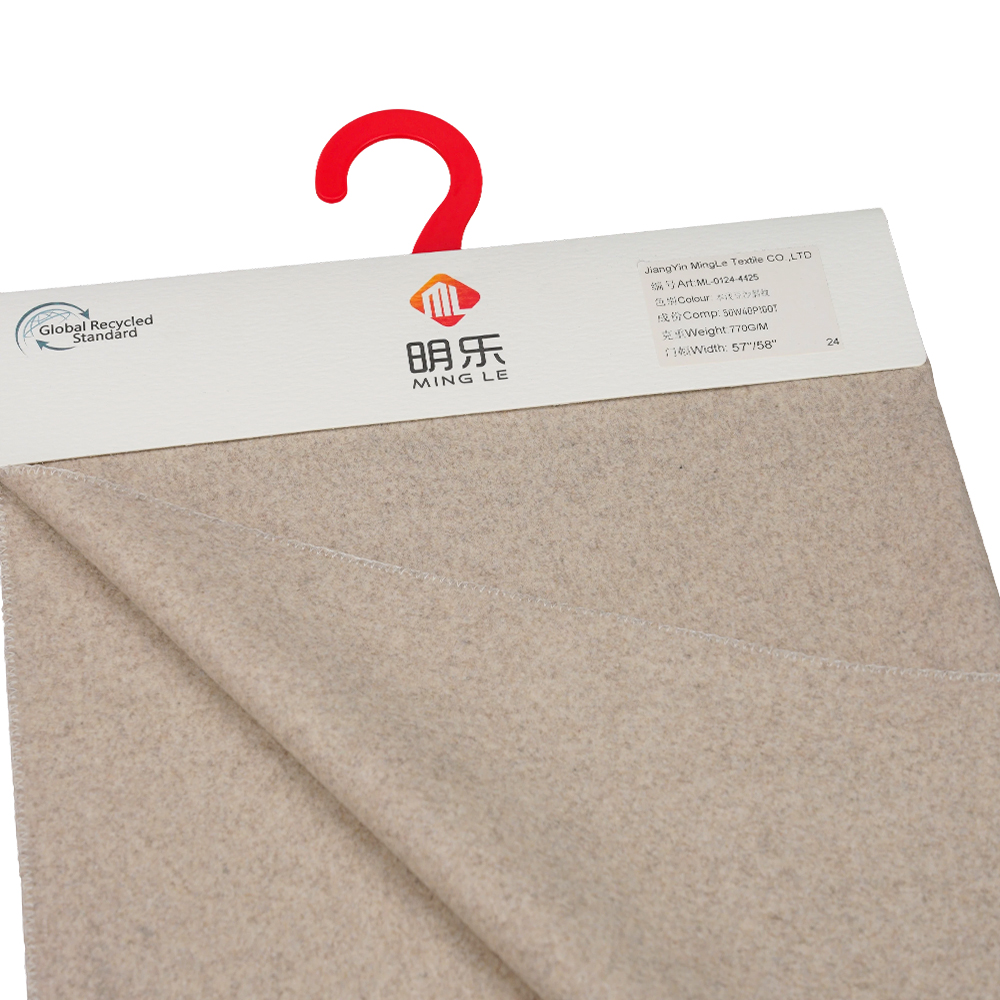
50% Wool, 40% Polyester, 10% other fiber, 770g/m Natural Light Bean Paste Twill ...
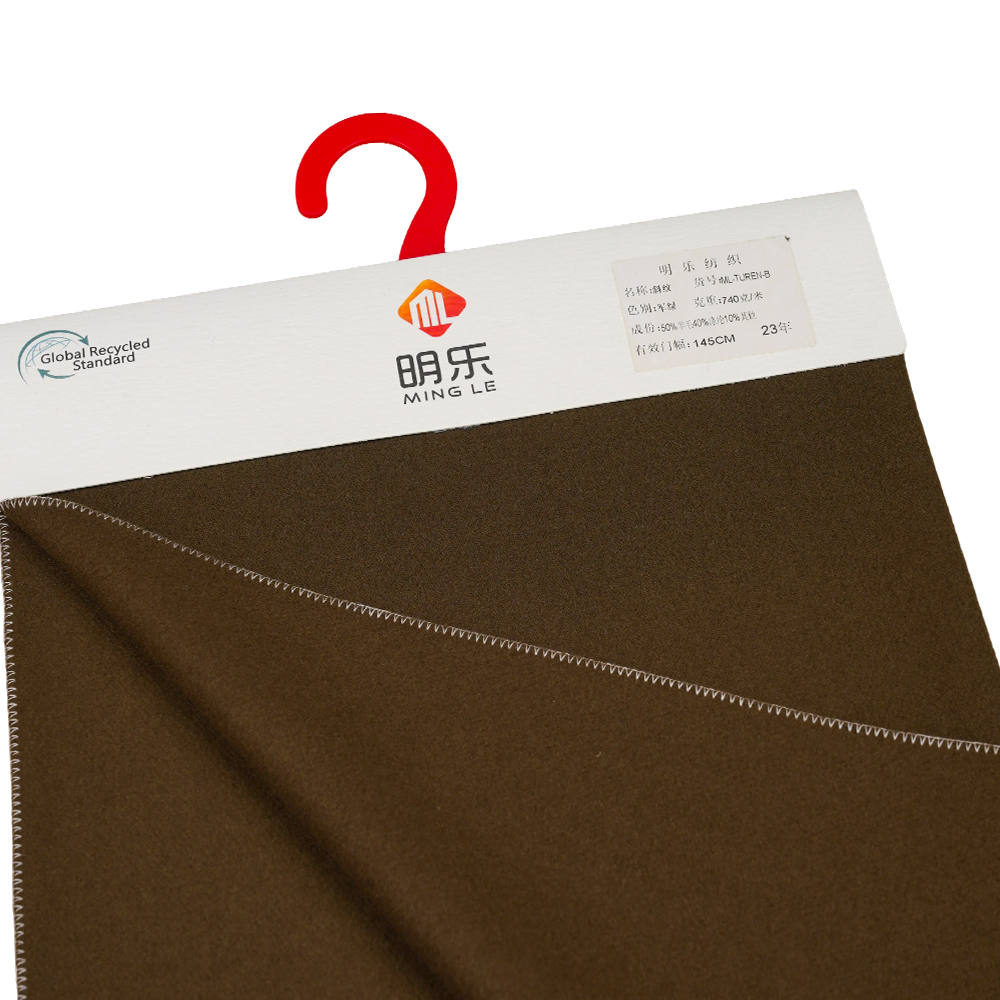
Military Green Twill Fabric: 740g Wool Blend, Suitable for Versatile UseThis mil...
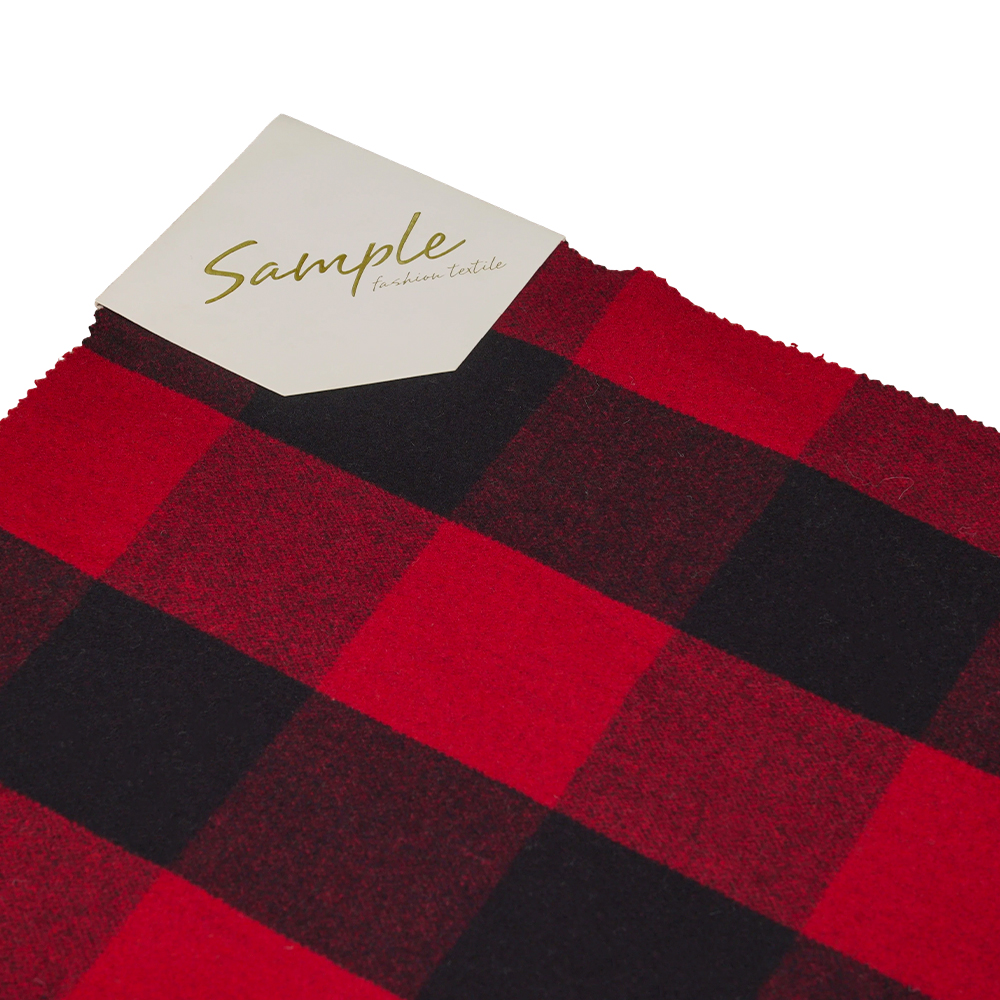
Black Red Plaid Wool Blend Fabric: 760gsm Wool Mix MaterialThis wool blend fabri...
 +86 - 510 - 86373115
 +86 - 13812129532
 No. 118, Huancun West Road, Huaxi Fifth Village, Huashi Town, Jiangyin City, Wuxi City, Jiangsu Province, China


