

 English
 中文简体
中文简体News
30% Wool, 60% Polyester, 10% other fiber, 600g/m Classic Navy Blue single-face o...

Content
For fashion designers, product developers, and sourcing specialists in the outerwear industry, selecting the right coating fabric is a critical decision that balances aesthetics, performance, and cost. The term Solid Color / Melange Single-face Wool Overcoat Fabric encompasses a specific and highly versatile category of traditional woolens. At its core, it refers to a single face wool coating fabric for overcoat constructions where one side (the face) is finished to be the visible exterior, while the back remains unfinished and is typically lined. This fabric is celebrated for its structure, warmth, and the distinct visual character offered by either uniform Solid Color or the nuanced, heathered look of Melange wool fabric for winter coat. This guide delves into the technicalities, applications, and sourcing intelligence behind this foundational material, providing the depth needed to make informed specifications and identify a capable heavyweight wool coating fabric supplier.
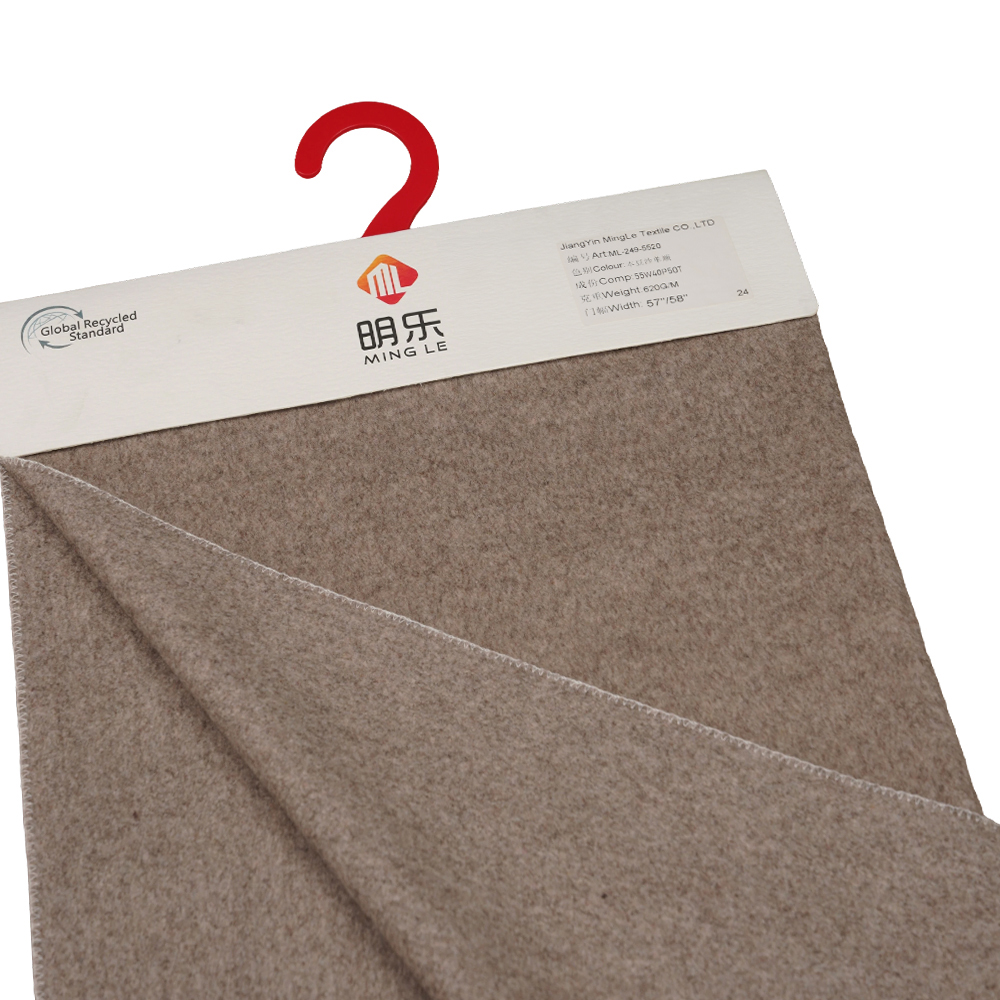
Understanding the fundamental architecture of this fabric is key to leveraging its strengths. Unlike double-faced fabrics, single-face construction is engineered with a clear distinction between the outer "face" and inner "back," leading to specific functional and economic outcomes.
The single-face weave is intentionally designed to have a right side and a wrong side. The face undergoes finishing processes like milling, raising, and shearing to achieve the desired density, texture, and hand-feel. The back remains looser, allowing for the application of a lining. This construction offers distinct advantages:
The visual appeal of a wool overcoat is profoundly influenced by its color treatment. The choice between solid and melange is not merely aesthetic but speaks to the fabric's character and production technique.
A Solid Color fabric is achieved by dyeing the yarn or the finished fabric piece in a single, uniform shade. This results in a clean, classic, and sophisticated appearance. Key quality checks for solid colors include:
Melange wool fabric for winter coat achieves its characteristic heathered or mottled look through a process called stock-dyeing or fiber-dyeing. Individual wool fibers (or tops) are dyed in different colors before being blended and spun into yarn. This creates a yarn with subtle, non-uniform color variations that are woven into the fabric. The effects are:
Specifying the right single face wool coating fabric for overcoat requires moving beyond aesthetics to a technical understanding of its physical properties. These parameters directly dictate the garment's performance, durability, and end-use suitability.
When evaluating or requesting fabric specifications from a supplier, these five elements are non-negotiable.
Weight, measured in grams per square meter (GSM), is the primary indicator of a fabric's substance. For winter overcoats, fabrics typically range from 450 to 700+ GSM.
Thickness (measured in mm) works in tandem with weight to determine loft and insulation value.
The fiber blend and the fineness of the yarn are critical.
The tightness of the weave (ends/inch and picks/inch) influences wind resistance and durability. The finishing processes—especially milling (fulling) and raising—are what transform a loose woven wool into a dense, compact Melton wool fabric. Milling shrinks and felts the fabric, while raising teases fibers to the surface to create a nap.
The ideal fabric choice is a direct function of the garment's intended use, style, and target market. The following table contrasts key considerations:
| Design & Use Case | Recommended Fabric Profile | Key Rationale |
| Formal, Structured Business Overcoat | Solid Color, 550-650 GSM, Dense Milled Finish | Projects crisp professionalism, clean lines, and durability for daily wear. |
| Casual, Rugged Peacoat or Duffel Coat | Melange Wool Fabric, 600-700 GSM, Slightly Raised Nap | Embraces a textured, heritage aesthetic with maximum warmth and wind resistance. |
| Fashion-Forward, Mid-Weight Trench | Solid or Melange, 450-550 GSM, Smoother Finish | Lighter weight allows for dynamic draping and is suitable for more seasons. |
| Sustainable/Eco-Conscious Brand Line | Melange or Solid with Recycled Wool Content | Meets consumer demand for eco-friendly materials without sacrificing core performance. |
Partnering with the right mill or supplier is as crucial as specifying the right fabric. For those seeking custom single face wool fabric, the supplier's capabilities determine feasibility, quality, and scalability.
A superior heavyweight wool coating fabric supplier offers more than just a product catalog; they provide integrated solutions.
Suppliers that control spinning, dyeing, and weaving under one roof (vertical integration) offer significant advantages:
The ability to execute custom single face wool fabric development is a mark of a true manufacturing partner. This process involves:
The demand for circularity is reshaping sourcing. Leading mills are now specializing in high-quality Melange wool fabric for winter coat and solids made from post-consumer recycled wool or pre-consumer clippings. Advanced fiber regeneration technologies allow this recycled content to be blended with virgin wool, achieving performance parity while significantly reducing environmental impact. Water-saving dyeing techniques and biodegradable fabric finishes are also becoming key differentiators for progressive suppliers.
While classic for coats, this fabric's structure is being creatively applied elsewhere:
The core difference is in construction and finishing. A single face wool coating fabric for overcoat is woven as one layer. Its "face" side is heavily finished (milled, raised), while the "back" is left unfinished for lining. Double-face coating is essentially two fabrics woven together back-to-back, creating two usable "right" sides. It is heavier, more expensive, and designed for reversible or unlined garments. Single-face is the standard for most lined, structured overcoats due to its optimal balance of performance, weight, and cost.
When sourcing from a heavyweight wool coating fabric supplier, insist on seeing certified test reports for: 1) Martindale Abrasion/Pilling: Measures surface wear; a rating of 30,000+ cycles indicates good durability for coats. 2) Colorfastness to Rubbing (Dry & Wet): Ensures color won't transfer. 3) Colorfastness to Light: Critical for garments exposed to sunlight. 4) <strong)Dimensional Stability (Shrinkage): Verifies the fabric won't shrink beyond acceptable limits (e.g., 3-5%) after cleaning.
Yes, Melange wool fabric can be highly customized, though it involves a more complex process than solid dyeing. Custom single face wool fabric in a melange style requires the supplier to create a custom fiber blend using specific-colored wool tops before spinning. This allows for unique, brand-specific heathered effects. However, the minimum order quantity (MOQ) is usually higher than for solid colors due to the complexity of the stock-dyeing and spinning setup.
Not necessarily. While a higher GSM (e.g., 700+) offers maximum warmth and wind block for extreme climates, it also adds significant weight and bulk, which can limit design mobility and be uncomfortable for some wearers. A well-constructed 550-650 GSM fabric with a tight weave and proper milling can provide ample warmth for most winter conditions while remaining more wearable. The choice should align with the coat's design intent, target climate, and desired consumer experience.
The lining is an integral functional and aesthetic component. It protects the unfinished back of the single face wool coating fabric, making the garment comfortable to wear. A slippery lining (e.g., satin) aids in donning and removing the coat. It also adds an element of insulation and can prevent the wool from stretching out of shape. For breathability, natural fiber linings like cupro or viscose are excellent. The lining is a key area for brand expression through color, print, or custom jacquard labels.
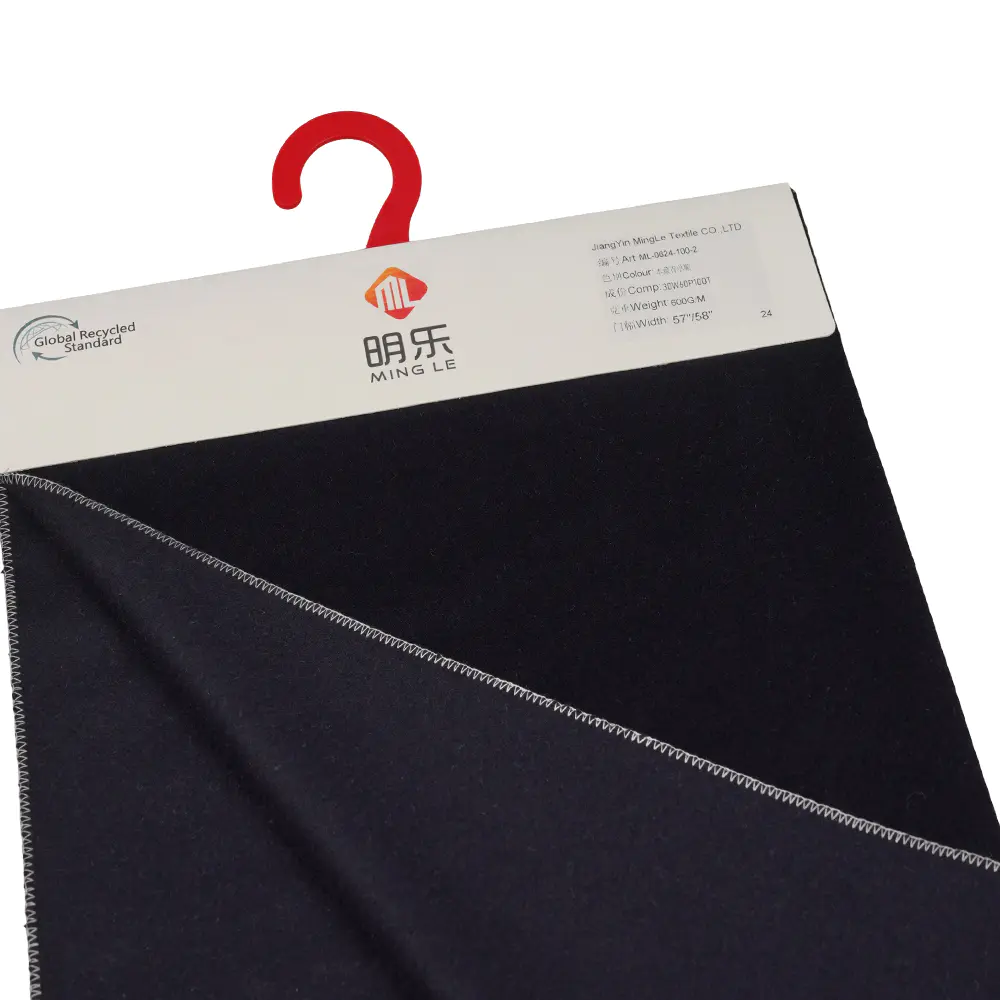
30% Wool, 60% Polyester, 10% other fiber, 600g/m Classic Navy Blue single-face o...
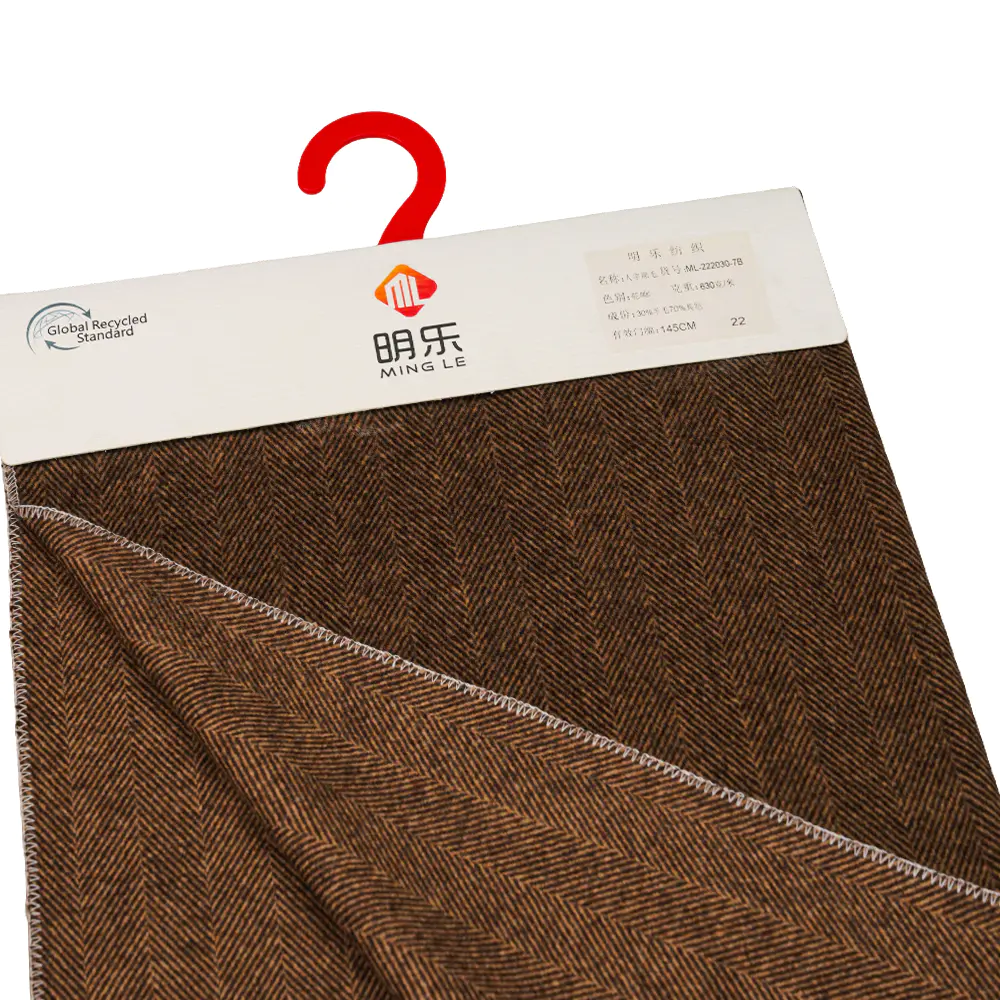
30% Wool 70% other fiber 630G/M Camel/Brown Herringbone single-face overcoating ...
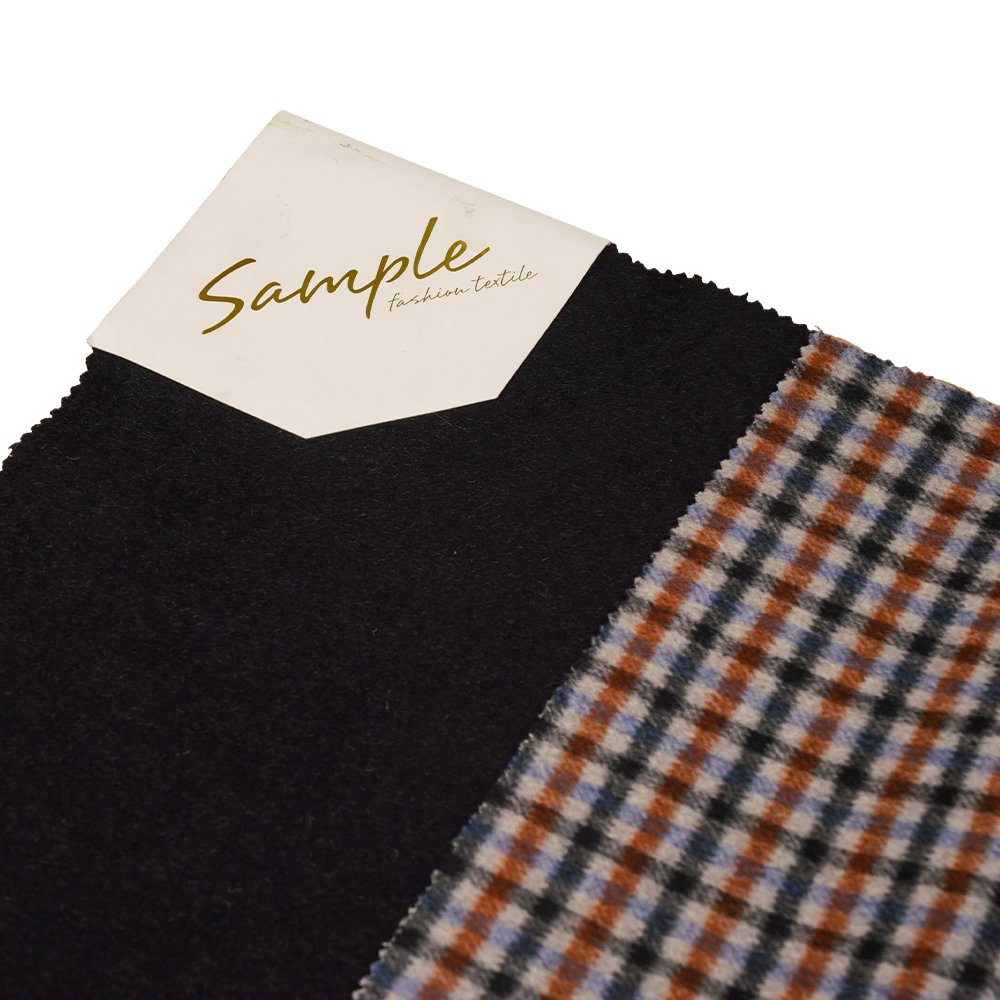
50% Wool 50% other fiber 780G/M Color Check Plaiddouble-face overcoating fabricF...
55% Wool 40% Polyester 5% other fiber620G/M Bean Sand single-face overcoating Fl...
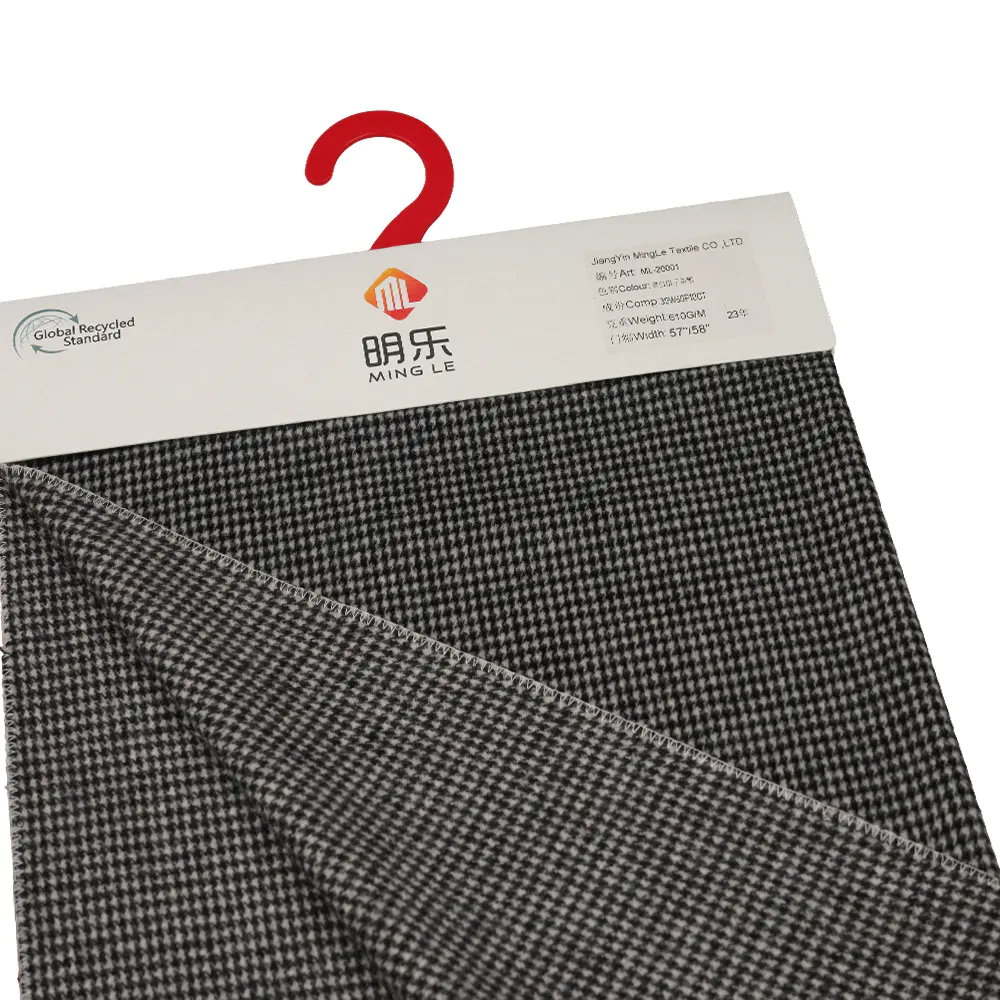
30% Wool 60% Polyester 10% other fiber610G/M Black White Plaid Single-Pile Fleec...
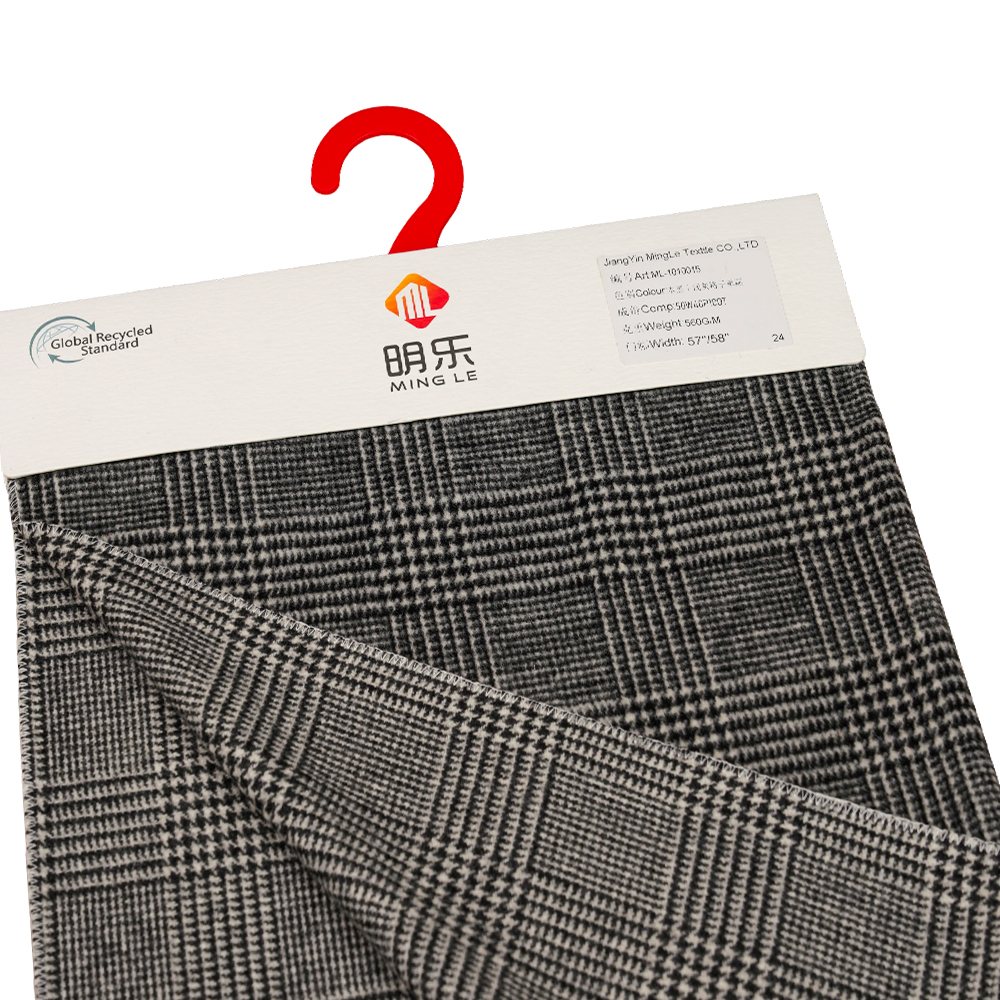
50% Wool, 40% Polyester, 10% Other Fiber, 560g/M Black + Light Gray Check Single...
 +86 - 510 - 86373115
 +86 - 13812129532
 No. 118, Huancun West Road, Huaxi Fifth Village, Huashi Town, Jiangyin City, Wuxi City, Jiangsu Province, China


