

 English
 中文简体
中文简体News
ML-HH1001688-1 Coffee Solid Color Double-face Overcoating Fabric: 850g/m, 50% Wo...

Content
In the domain of advanced textile engineering, the construction of the fabric surface dictates its functional performance. Wool Pile Fabric represents a sophisticated category of textiles where the surface consists of upright loops or cut ends of yarn. This three-dimensional structure distinguishes it from flat woven fabrics. The pile creates a unique interface that manages light, sound, and thermal energy. Engineers value this material for its ability to absorb impact and provide insulation, making it a critical component in various industrial and commercial applications.
The technical performance of the fabric depends heavily on the pile geometry. In a loop pile construction, the yarn forms uncut loops on the surface. This structure offers high durability and resistance to snagging, making it suitable for high-traffic areas. In contrast, cut pile fabric involves cutting the loops to create upright ends. This construction provides a softer texture and a distinct visual aesthetic but may require more rigorous maintenance protocols. The choice between these two depends on the friction coefficient required for the specific application.
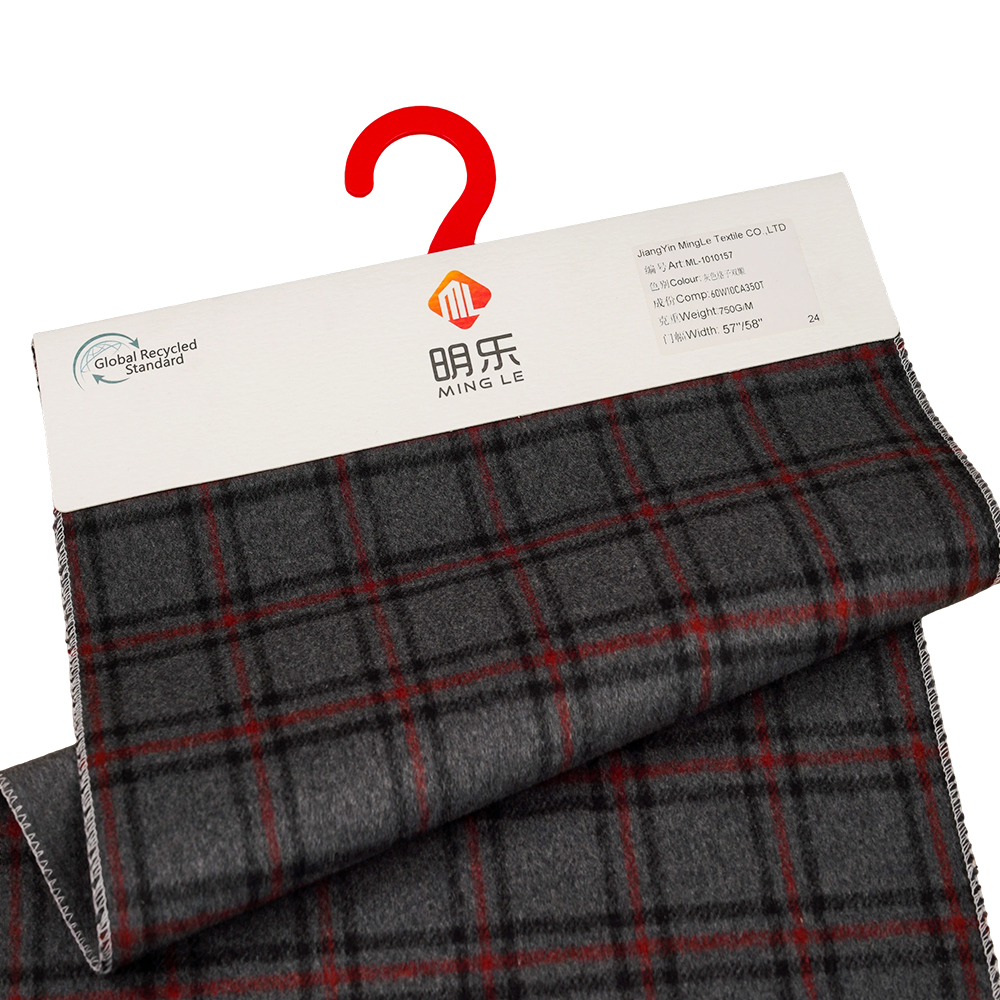
Wool is a complex protein fiber that possesses inherent technical properties. When engineered into a pile structure, these properties are amplified. The natural crimp of wool fibers contributes to the resilience of the pile. This allows the fabric to recover from compression.
For demanding applications, heavy weight wool pile fabric is the industry standard. This specification typically refers to fabrics with a total weight exceeding 500 grams per square meter. The increased mass results in higher thermal insulation values and superior sound absorption coefficients. Heavy weight constructions are essential in environments where durability is non-negotiable. The dense pile acts as a protective barrier, dissipating kinetic energy from impacts.
Selecting the correct weight specification is crucial for optimizing cost and performance. Lighter weights offer flexibility but less insulation. Heavier weights provide robustness but require stronger substrates. Engineers must balance these factors during the material selection phase.
The following table outlines the relationship between fabric weight and technical performance.
| Weight Category (g/m²) | Thermal Insulation (R-value) | Acoustic Absorption (NRC) | Recommended Use |
| Light (250 - 400) | Low to Medium | 0.4 - 0.6 | Light upholstery, Drapery |
| Medium (400 - 600) | Medium | 0.6 - 0.75 | Office partitions, Seating |
| Heavy (600+) | High | 0.75 - 0.90 | Auditoriums, Heavy duty upholstery |
The versatility of this material allows for broad application across different industries. From transportation to interior architecture, the functional attributes of wool solve specific engineering problems.
In the contract furniture sector, wool pile fabric for upholstery is the preferred choice for high-traffic environments. The natural elasticity of wool allows the fibers to bounce back after compression. This ensures that seating in conference rooms or public waiting areas maintains its appearance over time. Wool also possesses natural soil resistance. The scaled structure of the fiber makes it difficult for dirt particles to penetrate the surface. This reduces the frequency of deep cleaning cycles, lowering the total cost of ownership for facility managers.
Procurement officers often confuse industrial wool felt fabric with pile fabric. While both utilize wool, their structures differ fundamentally. Felt is a non-woven material created by matting fibers together under heat and moisture. It is dense and rigid. Pile fabric is woven or tufted, creating a surface texture. Felt is ideal for mechanical gaskets and polishing wheels. Pile fabric is superior for applications requiring softness, aesthetic texture, and acoustic control. Understanding this distinction prevents specification errors in manufacturing processes.
Safety is a paramount concern in commercial and industrial specifications. Wool offers natural safety advantages over many synthetic alternatives.
Wool has a high ignition threshold and does not melt or drip when exposed to flame. This makes it inherently safer than petroleum-based synthetics. However, for specific regulatory compliance, engineers often specify flame retardant wool fabric. This involves treatments that enhance char formation and suppress afterglow. These fabrics meet stringent standards such as NFPA 701 or ASTM E84. In sectors like aviation and hospitality, these certifications are mandatory. The use of wool reduces the reliance on chemical flame retardants that may pose environmental or health risks.
Modern architectural design emphasizes noise control. Acoustic wool fabric panels utilize the pile structure to trap sound waves. The irregular surface diffuses sound, while the porous structure absorbs acoustic energy. This reduces reverberation time in large spaces. Engineers calculate the Noise Reduction Coefficient (NRC) of these panels to optimize the auditory environment in concert halls and open-plan offices. The aesthetic versatility of wool also allows these functional panels to serve as design elements.
For B2B buyers, evaluating the quality of the fabric requires technical scrutiny. One must look beyond the surface feel.
The longevity of Wool Pile Fabric depends on the quality of the yarn and the density of the weave. High-density piles resist crushing. Buyers should request technical datasheets detailing the pile height and stitches per inch. Maintenance protocols should consider the moisture sensitivity of wool. While wool is naturally absorbent, excessive moisture can damage the backing. Proper specification ensures the fabric performs effectively for its intended lifecycle.
The engineering applications of Wool Pile Fabric extend far beyond simple decoration. Its unique structural properties provide solutions for thermal insulation, acoustic control, and safety compliance. Whether utilized as heavy weight wool pile fabric for durability or as specialized acoustic wool fabric panels, the material offers tangible technical benefits. By understanding the distinctions between pile and industrial wool felt fabric, procurement professionals can make data-driven decisions. This ensures that the selected material meets the rigorous demands of the B2B environment.
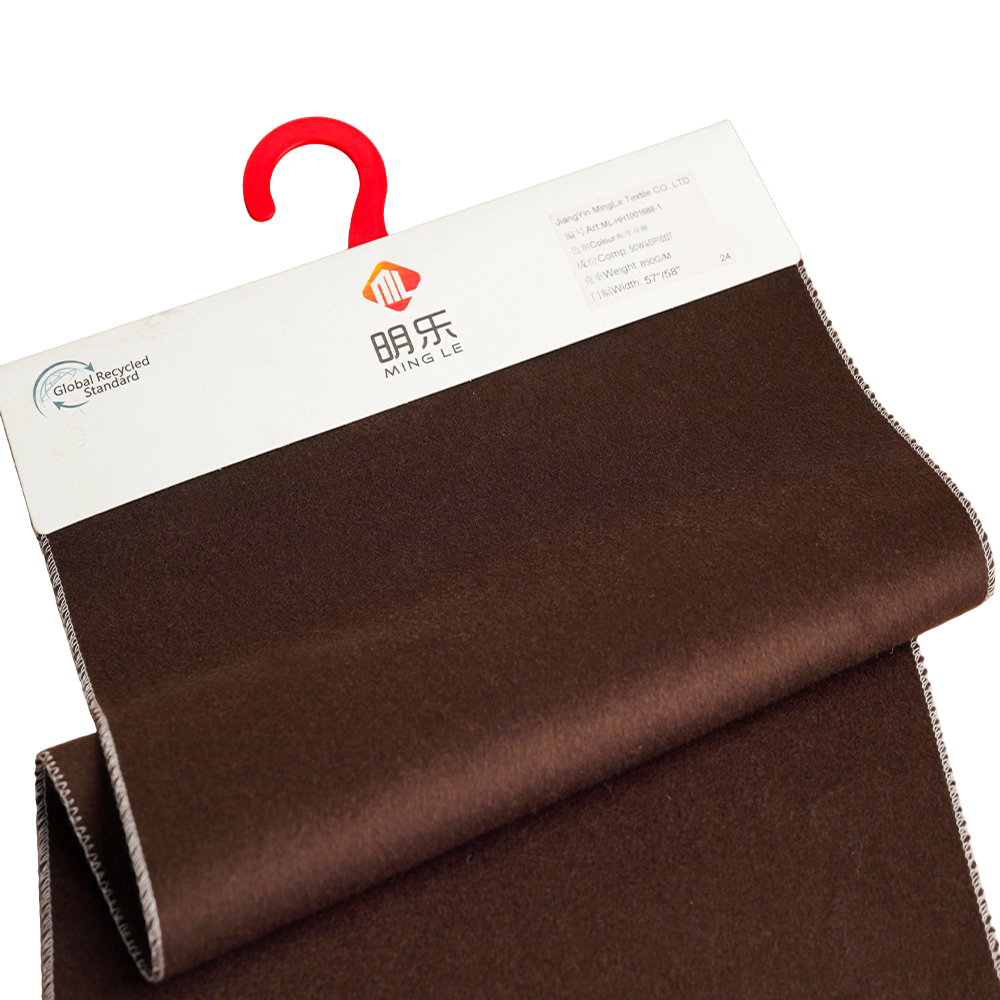
ML-HH1001688-1 Coffee Solid Color Double-face Overcoating Fabric: 850g/m, 50% Wo...
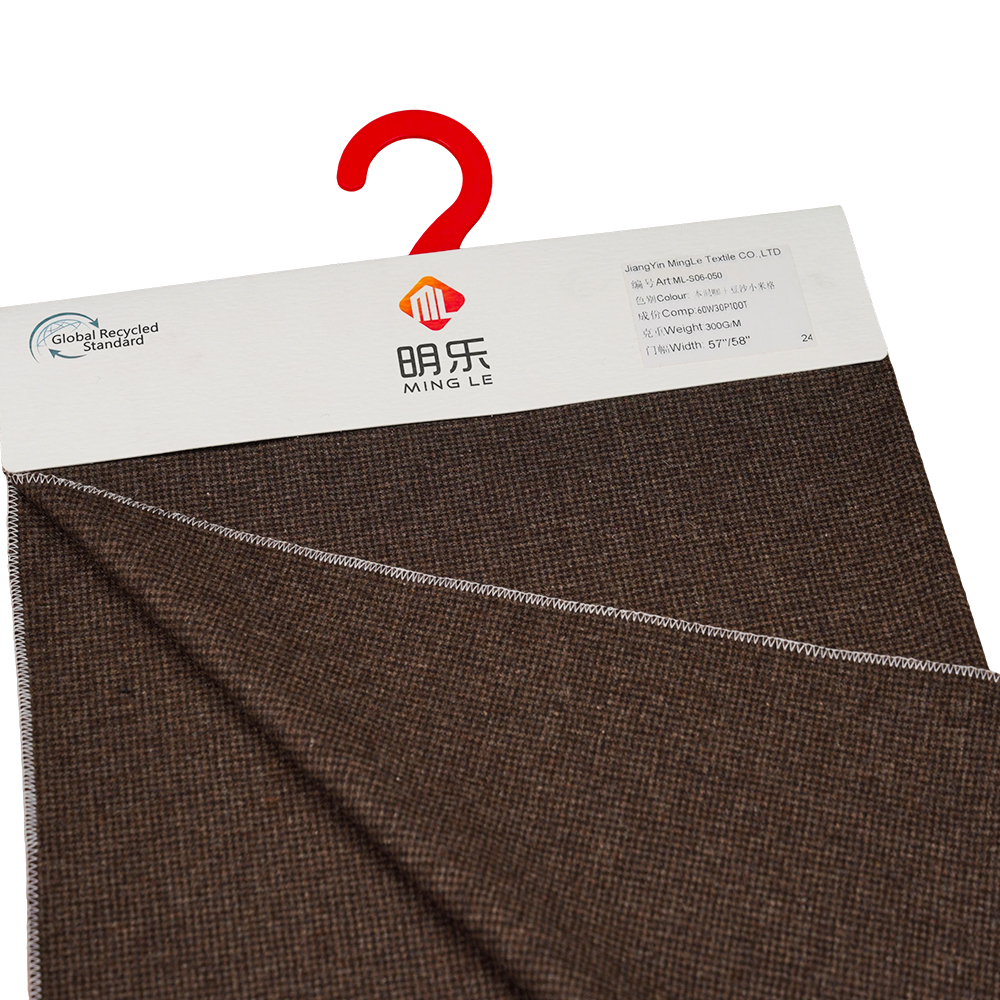
ML-S06-050 Flannel Fabric: 300g/m Wool Blend, Classic Brown CheckThis flannel f...
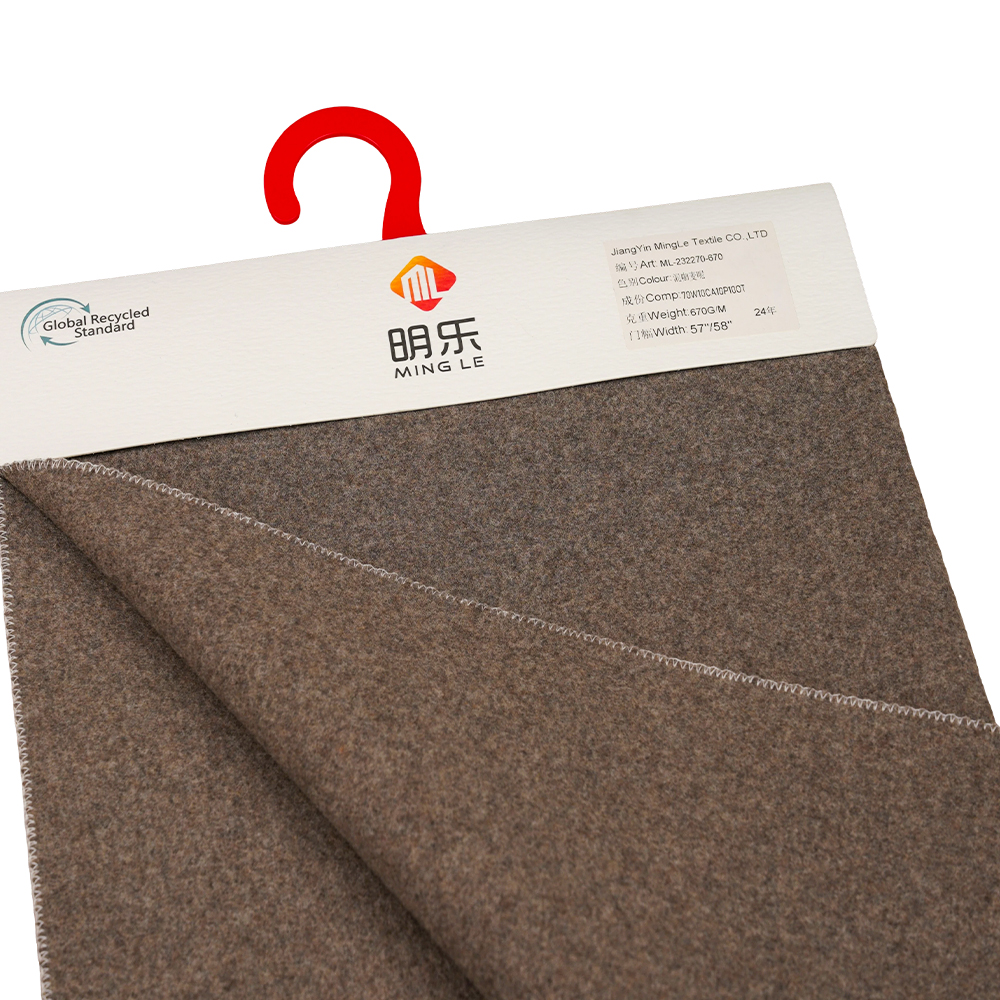
70% Wool 10% Cashmere Mixed Khaki Melton Fabric: 670g/m Earth Tone Textile Mater...
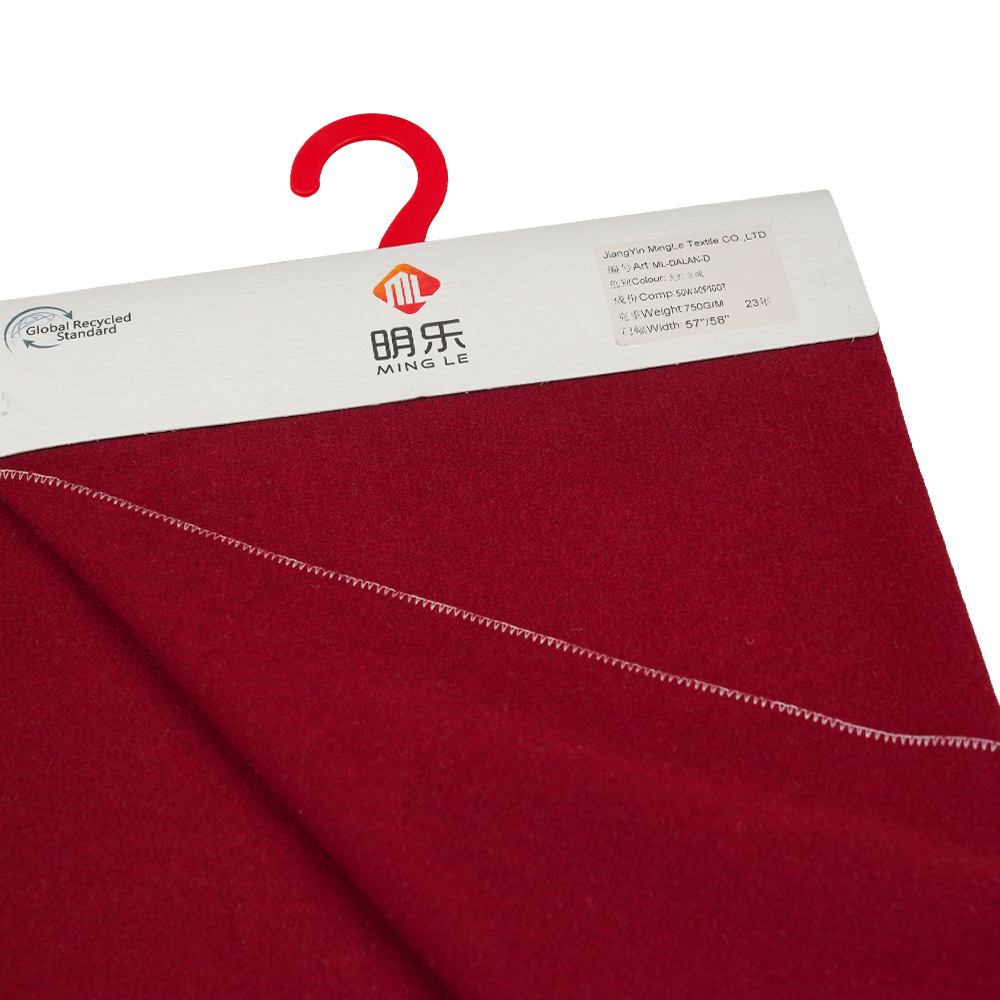
50% Wool 40% Polyester 10% other fiber 750G/M Bright Red Pile Fabric – Professio...
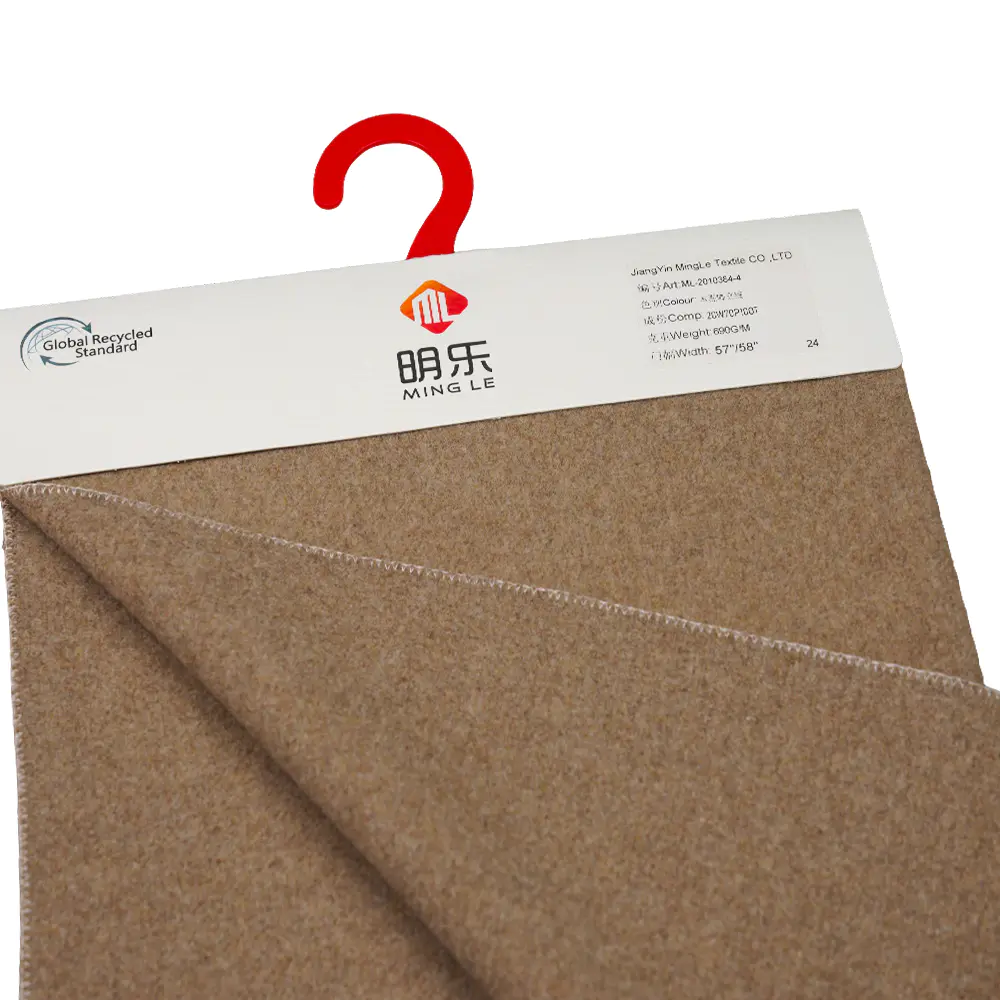
20% Wool 70% Polyester 690g Fleece Fabric: Earth Tones for Multiple Styling Scen...
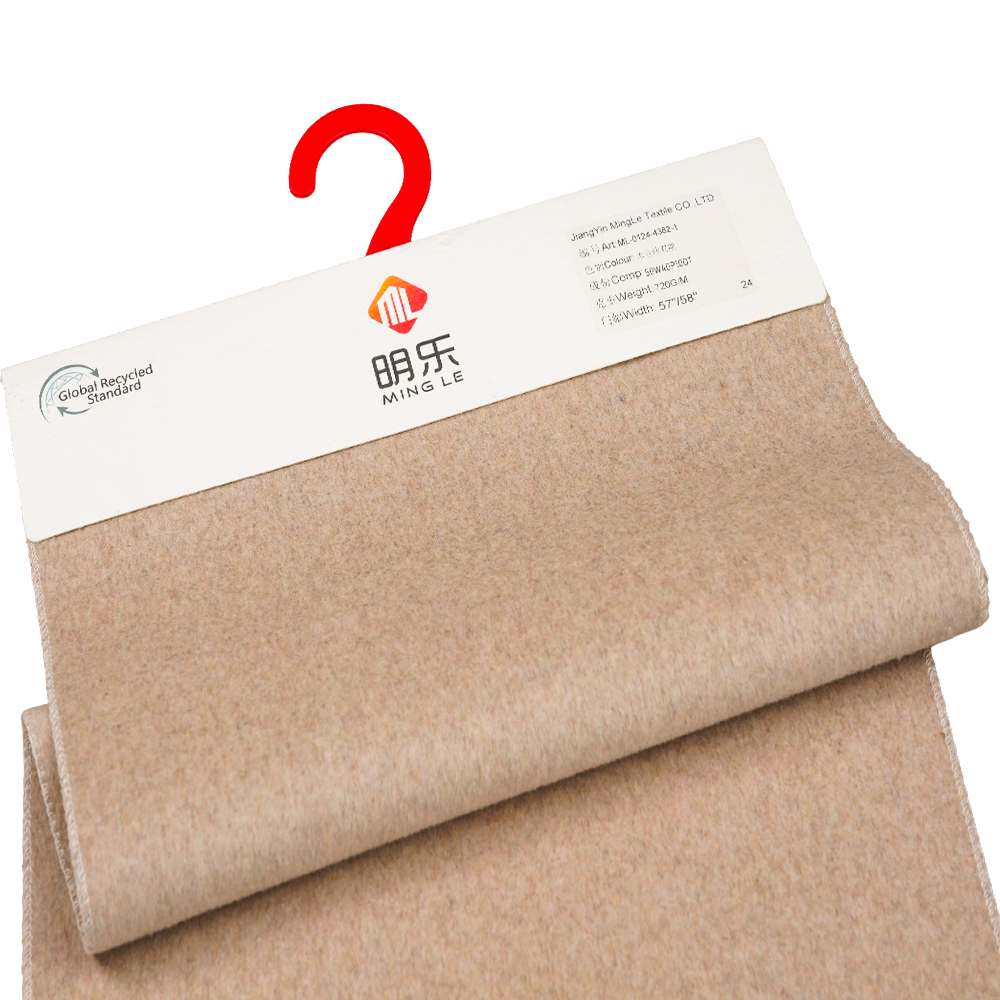
Bean Paste Double-Smooth: 720g/m thick, double-faced fleece fabric, gentle and e...
 +86 - 510 - 86373115
 +86 - 13812129532
 No. 118, Huancun West Road, Huaxi Fifth Village, Huashi Town, Jiangyin City, Wuxi City, Jiangsu Province, China


