News
Home > News > Industry News > Technical Analysis: Surface Integrity and Structural Density of Melton Wool Coating Fabric

Technical Analysis: Surface Integrity and Structural Density of Melton Wool Coating Fabric

Geometric Analysis of the Fulling Process in Melton Construction

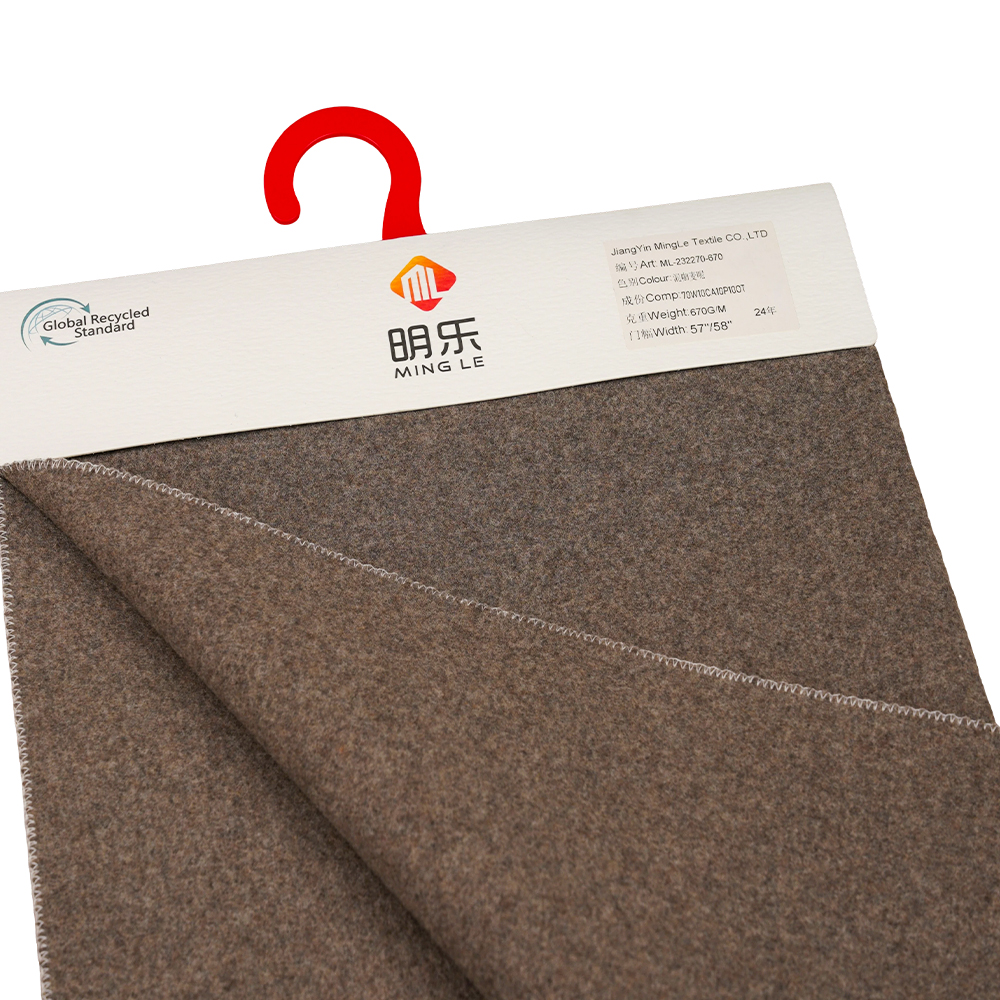
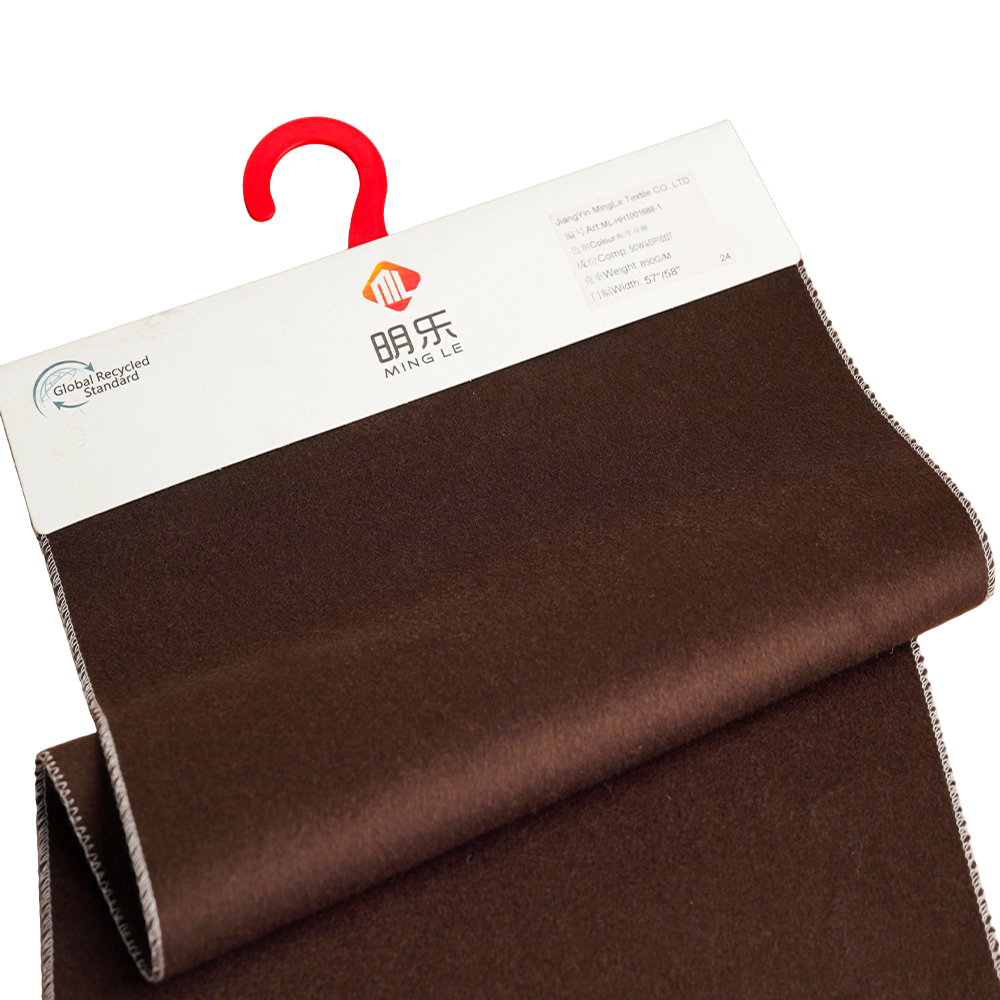
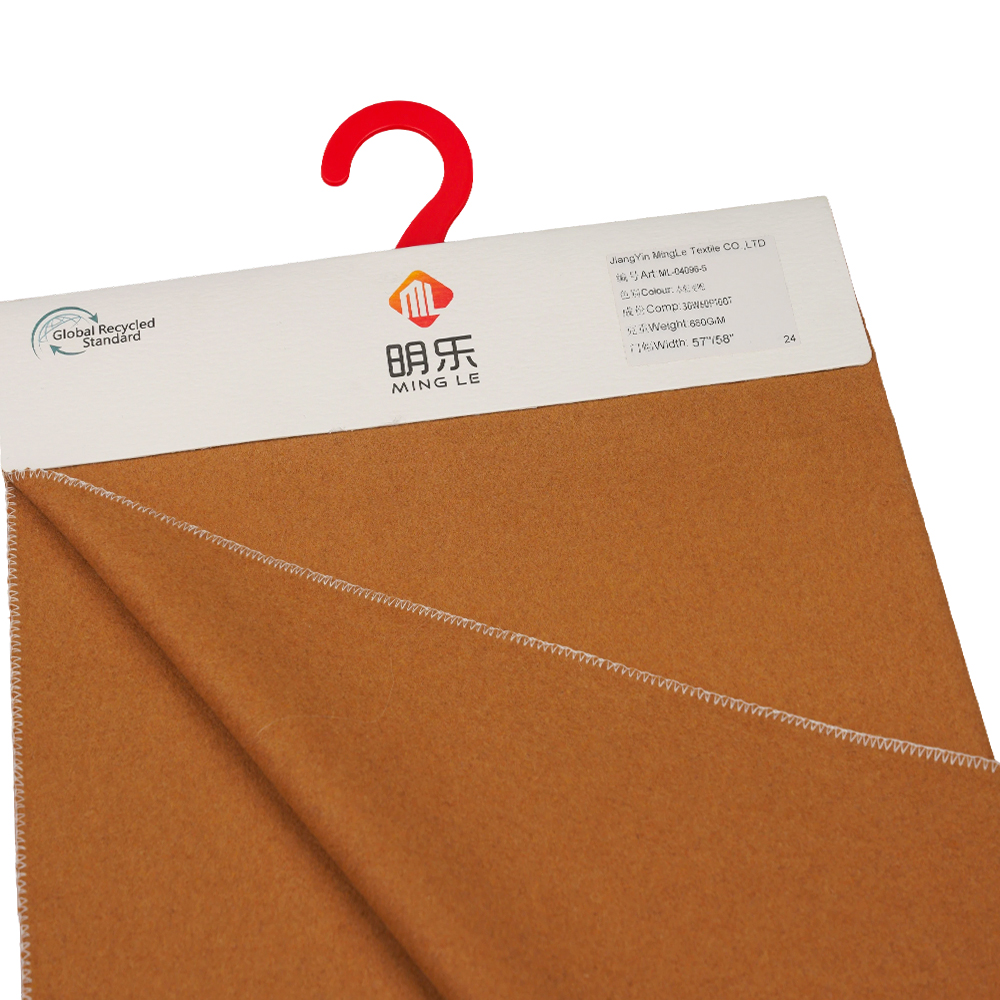
  1. The high resistance to mechanical degradation in Melton Wool Coating Fabric is primarily a result of the intensive fulling (milling) process. During manufacturing, the woven wool substrate is subjected to controlled heat, moisture, and friction, causing the individual fibers to interlock at a microscopic level. This process effectively eliminates the visible weave pattern, creating a felt-like surface that is isotropic in nature.
  2. One of the most critical benefits of heavily fulled wool is the significant reduction in interstitial spaces between yarns. By increasing the fiber entanglement density, the material achieves a state where the edges do not unravel when cut. This non-fraying wool fabric characteristic is vital for raw-edge garment construction and industrial applications where seam failure is a risk.
  3. The density of Melton wool (GSM) typically ranges from 600g/m to 900g/m. This mass-to-volume ratio ensures that the fabric acts as a solid barrier rather than a porous mesh. When evaluating Melton wool vs felted wool, the former retains higher structural memory and tensile strength because it maintains a woven core beneath the heavily felted surface.

Tribological Properties: Pilling Resistance and Surface Friction

  1. Pilling occurs when loose fibers migrate to the fabric surface and form small spheres due to abrasion. The pilling resistance of Melton fabric is inherently high because the fibers are already "locked" into the dense surface matrix. In high-friction zones such as underarms or inner thighs, the interlocked fibers resist the displacement that leads to fuzzing.
  2. The microstructure of Melton wool fibers involves overlapping scales that act like one-way ratchets during the fulling process. Once the fabric is finished, these scales prevent fiber slippage. This contributes to the durability of Melton wool for outerwear, as the surface remains smooth even after 20,000 to 50,000 Martindale abrasion cycles, depending on the specific fiber micron count used.
  3. To quantify the abrasion resistance of coating fabrics, laboratories measure weight loss and surface change. Melton construction consistently outperforms looser twill weaves. The technical specifications of Melton wool often include a pilling grade of 4 or 5 according to ISO 12945-2 standards.
Material Property Standard Melton Construction Typical Wool Twill
Surface Texture Heavily Napped/Isotropic Visible Diagonal Rib
Edge Stability Non-fraying/Clean Cut High Fraying Potential
Wind Permeability (cm3/cm2/s) Less than 10 30 to 60
Fiber Anchorage Force High (Integrated Matrix) Moderate (Yarn Twist Dependent)

Performance in High-Stress Environments and Uniform Applications

  1. The thermal insulation of dense wool is enhanced by the lack of air convection through the material. Because the Melton Wool Coating Fabric is so compact, it serves as a natural windbreaker. This wind-blocking capability is achieved through mechanical finishing rather than chemical coatings, preserving the natural breathability of the wool fiber.
  2. For professional applications, the weight and thickness of Melton wool are carefully calibrated. A 24oz or 30oz fabric provides enough rigid structure to support heavy hardware, such as brass buttons or military insignia, without sagging or fiber distortion.
  3. The moisture repellency of Melton wool is a byproduct of its density. While wool is naturally hydrophilic at the core, the tightly packed surface fibers exhibit a high degree of surface tension, causing water droplets to bead before they can penetrate the dense interior of the fabric.

Engineering FAQ

  1. Does the density of Melton wool affect its breathability? While it is much denser than standard weaves, wool fibers remain porous at the molecular level, allowing for water vapor transport even in a 900 GSM construction.
  2. Can I use a raw edge on Melton fabric without stitching? Yes, due to the interlocking fiber matrix created during the fulling process, it is considered a non-fraying material.
  3. How does a nylon blend change the technical properties? Adding 10% to 20% nylon increases the breaking strength and tear resistance, which is standard for heavy-duty military overcoats.
  4. What is the typical shrinkage rate after professional cleaning? For a properly fulled Melton, the residual shrinkage should be less than 2% as the fibers have already been maximally compacted during production.
  5. Is Melton fabric suitable for laser cutting? Yes, the density of the fabric allows for very clean laser-cut edges with minimal charring and zero unraveling.

Technical References

  1. ISO 12947-2: Textiles - Determination of the abrasion resistance of fabrics by the Martindale method.
  2. ASTM D4157: Standard Test Method for Abrasion Resistance of Textile Fabrics (Oscillatory Cylinder Method).
  3. AATCC Test Method 128: Wrinkle Recovery of Fabrics: Appearance Method.