

 English
 中文简体
中文简体News
Home > News > Industry News > Solid Color vs. Melange Double-Face Overcoating Fabrics: A Comprehensive Textile Engineering and Procurement Analysis

Content
In the international high-end outerwear manufacturing sector, the selection of raw materials determines not only the visual aesthetic of a fashion collection but also the technical performance, processing efficiency, and commercial value of the finished garments. For global procurement officers, luxury apparel brands, and textile sourcing managers, choosing between solid color and melange variations within premium wool collections represents a major architectural decision. Both fabric typologies offer the exceptional structural benefits of dual-beam weaving, but they diverge completely in yarn preparation, dyeing methodologies, color depth presentation, and manufacturing cost profiles.
Understanding these technical and chemical distinctions is crucial for business to business apparel buyers who must balance design requirements against factory throughput and material performance. This analysis provides an exhaustive, engineering-focused evaluation of solid color and melange double-face configurations, delivering the objective data required for large-scale textile procurement and product development.
The foundational divergence between solid color and melange double-face fabrics begins long before the weaving stage, starting at the raw fiber processing and yarn spinning phases. Solid color double-face fabrics are constructed using uniform, single-shade yarns. The raw wool fibers selected for these fabrics undergo rigorous combing to ensure consistent staple length and diameter, resulting in a smooth, uniform yarn structure that absorbs dye molecules evenly across its entire surface.
Melange fabric production requires a much more complex fiber blending operation. The term melange refers to a textile created from a precise mix of multi-colored raw wool fibers. To achieve this effect, spinning mills take raw wool stocks that have been dyed in distinct, contrasting colors (such as charcoal, ecru, light grey, and deep blue) and pass them through specialized carding and blending machinery.
This process distributes the different colored fibers evenly throughout the fiber matrix before the roving is spun into yarn. The resulting single strand of yarn contains a variegated color distribution. When woven into a high-density solid color/melange double-face overcoating fabric, this fiber blend creates a rich, textured surface appearance with subtle color shifts, distinguishing it from the completely flat coloration of standard solid textiles.
The chemical engineering applied to color fixing determines the color fastness, environmental compliance, and structural integrity of both fabric types. Solid color double-face overcoating materials are typically produced using piece dyeing or yarn dyeing methods. In piece dyeing, the double-woven fabric is immersed directly into high-temperature, high-pressure dyeing vats after the weaving process is complete. This method allows the anionic or acid dyestuffs to penetrate the interlaced wool matrices uniformly, achieving a rich, single-tone saturation across both faces of the textile.
Melange configurations rely strictly on fiber dyeing, often called stock dyeing or top dyeing, which occurs prior to the carding and spinning processes. Raw wool fleece or combed wool tops are dyed in separate monochromatic batches. Because the fibers are colored individually before being blended together, the chemical exposure is distributed over a longer production timeline.
This sequence requires precise temperature control and exact surfactant dosing to ensure that the different colored fiber groups retain identical moisture absorption rates and tensile strengths during the subsequent spinning and dual-beam weaving operations. This specialized chemical approach prevents uneven fiber breakage and ensures that the finished melange cloth exhibits the same soft hand feel and structural density as its solid color counterpart.
The visual interaction between light waves and the surface of the wool fabric creates distinct design possibilities for each material option. Solid color double-face fabrics provide a highly uniform, clean surface that reflects light evenly across the entire garment plane. This uniform reflection creates crisp, high-contrast shadow lines along tailored seams, pocket flaps, and structural lapels. It is the ideal medium for sharp, geometric silhouettes, minimalist overcoats, and formal business attire where a clean, unblemished color presentation is required.
Melange double-face textiles possess unique light-scattering properties due to the multi-colored arrangement of their individual fibers. When ambient light strikes a melange surface, the varying pigment values absorb and reflect different wavelengths of light simultaneously. This scattering effect creates a visual depth that makes the fabric appear three-dimensional.
From a practical design perspective, this complex visual texture softens the overall appearance of the garment, making melange overcoats highly effective for relaxed tailored luxury, unstructured wrap coats, and smart-casual winter collections. Furthermore, this multi-toned composition naturally masks minor surface dust, lint, and superficial fiber wear, extending the daily wearability of the finished garment for the end consumer.
To assist international textile sourcing directors, quality assurance managers, and garment factory production estimators in conducting rapid product evaluations, the following matrix contrasts the critical technical, chemical, and operational parameters of both fabric categories:
Despite their surface color differences, both fabric variations share the complex structural architecture of true double-face cloth, which requires specialized dual-beam industrial looms. This weaving process involves managing two distinct sets of warp and weft yarns simultaneously, creating two separate fabric faces that are securely locked together by an internal system of structural binding threads.
The final step in manufacturing high-end overcoating fabric involves specialized mechanical and thermal finishing treatments that define the textile’s surface character and tactile feel. After weaving and washing, both solid and melange fabrics undergo a series of finishing processes, including raising, shearing, pressing, and decatizing.
For solid color double-face fabrics, a clear-cut finish or a short-pile zibeline brush is frequently specified. This mechanical brushing aligns the surface wool fibers in a single direction, enhancing the natural luster of the wool and creating a polished, sophisticated look. The uniform color of the fabric accentuates this sheen, making it highly desirable for premium executive outerwear.
Melange fabrics are often finished with a slightly loftier, softer nap or a flannel-like brushed surface. The mechanical raising process pulls the ends of the blended, multi-colored fibers slightly away from the core yarn matrix. This creates a soft, insulated surface layer that blends the different color tones together even more smoothly. This textured finish enhances the fabric’s natural heat retention by trapping micro-pockets of air, while delivering a warm, comfortable feel that appeals to contemporary lifestyle brands.
For high-volume apparel manufacturers and corporate procurement teams, material utilization rates during factory cutting significantly affect the total cost per garment. Solid color double-face fabrics offer excellent cutting efficiency. Because the color is uniform across the entire surface of the textile roll, factory pattern cutters can arrange garment pieces tightly on the cutting marker without needing to align specific color variations or gradient shifts. This directional freedom minimizes fabric waste and maximizes garment yields per bolt.
Sourcing and cutting melange double-face fabric requires careful planning and stricter layout protocols. Although melange is a non-directional heathered pattern rather than a bold stripe or check, major color adjustments can still occur between different manufacturing dye lots.
Sourcing managers must ensure that all fabric bolts for a specific garment production run are sourced from the exact same blending batch. When laying out patterns on the cutting table, cutters must maintain consistent fabric directionality across all interlocking panels—such as the sleeves, front body, and collar—to ensure the subtle color shifts interact with light identically across the entire finished overcoat.
Maintaining consistent color match parameters across multiple product lifecycles is a primary challenge in industrial textile manufacturing. For solid color double-face fabrics, color verification is a automated process. Quality control laboratories use digital spectrophotometers to measure the light reflectance profile of the dyed fabric against an established digital standard. This allows technicians to determine exact chemical adjustments quickly, ensuring that a navy blue or camel shade produced in different seasons remains identical within tight color tolerances.
Melange color calibration requires a specialized combination of digital analysis and expert visual evaluation. Because a melange yarn contains an assortment of differently pigmented fibers, a single point measurement with a standard spectrophotometer will show slight variations depending on which individual fibers are directly under the lens.
To overcome this, quality assurance teams take multiple readings across a large surface area and average the data to calculate a baseline color profile. This digital analysis is supported by standardized visual testing inside controlled light boxes under multiple lighting conditions, ensuring that the variegated color balance remains consistent across mass production runs.
The environmental impact of textile production is an increasingly important factor in global procurement strategy and brand selection. Both solid and melange double-face fabrics are derived from natural wool, which is a renewable, biodegradable animal protein fiber. However, their respective dyeing workflows lead to different environmental and energy utilization profiles.
Solid color piece-dyeing systems allow mills to weave large quantities of undyed greige fabric and store it in inventory, dyeing specific batches only when retail orders are confirmed. This on-demand processing reduces material waste but requires significant water and energy consumption during the post-weave coloration cycles.
Melange stock-dyeing processes consume water and chemical dyestuffs earlier in the production timeline, applying them directly to raw fiber masses where dye absorption is highly efficient. Because the color blending occurs during the mechanical carding phase, no subsequent chemical wastewater is generated during or after the weaving process.
Additionally, high-end mills can integrate recycled wool fibers directly into the melange blending matrix during the carding phase, utilizing pre-consumer scrap wool to create complex, multi-toned colorways without sacrificing yarn strength. This compatibility with circular manufacturing models makes melange double-face fabric an excellent selection for fashion brands focused on reducing their carbon footprint and building sustainable supply chains.
In summary, choosing between solid color and melange double-face overcoating fabrics involves balancing design aesthetics, color consistency requirements, and production scale. Solid color variations remain the industry standard for traditional, highly polished executive outerwear lines where absolute color uniformity and smooth surface luster are paramount.
For contemporary luxury labels, premium lifestyle brands, and progressive fashion retailers looking to differentiate their cold-weather collections, melange double-face fabric offers an exceptional blend of visual depth, practical durability, and soft tactile comfort. By mastering the distinct manufacturing parameters, cutting tolerances, and fiber blending metrics of both fabric styles, international procurement managers can optimize their supply chain relationships, select the ideal textile for their design concepts, and deliver high-performance outerwear that commands premium retail margins.
Q1: Why do melange double-face fabrics typically require higher Minimum Order Quantities (MOQs) than solid color piece-dyed fabrics?
A1: Melange fabric requires the raw wool fibers to be dyed in separate monochromatic batches before being blended and spun into yarn. This stock-dyeing and carding setup involves intensive machinery calibration and cleaning cycles to prevent fiber cross-contamination, making small production runs commercially unfeasible compared to piece-dyeing large runs of solid greige cloth.
Q2: Does the stock-dyeing process used for melange fibers affect the natural softness and hand feel of the finished wool fabric?
A2: No. When properly managed, pre-spinning fiber dyeing can actually improve softness. Because the wool fibers are dyed in an open, un-spun state, dye molecules distribute evenly with minimal mechanical stress on the yarn structure, allowing the natural crimp and elasticity of the wool to be preserved through the dual-beam weaving process.
Q3: How should a garment factory adjust its pattern cutting process when working with melange double-face fabric?
A3: Factory cutters must maintain strict directional alignment across all pattern markers for a single garment. Even though melange appears to be a random heathered blend, the orientation of the multi-colored yarns interacts with light directionally. Keeping all interlocking pieces aligned prevents subtle color variations between adjacent panels on the finished coat.
Q4: Which fabric variation is more resilient against showing signs of daily wear, pilling, and surface dust?
A4: Melange double-face fabric is exceptionally effective at masking surface dust, lint, and minor fiber wear. Its multi-toned visual depth naturally conceals small particles and surface imperfections, making it highly practical for daily use and low-maintenance luxury outerwear collections.
Q5: Can both solid color and melange double-face fabrics be used for completely reversible outerwear designs?
A5: Yes. Because both fabric types are produced on specialized dual-beam looms that create two pristine, identical faces with no rough reverse side, they both possess the structural characteristics needed to manufacture completely reversible, unlined garments using edge-splitting and hand-stitching assembly methods.
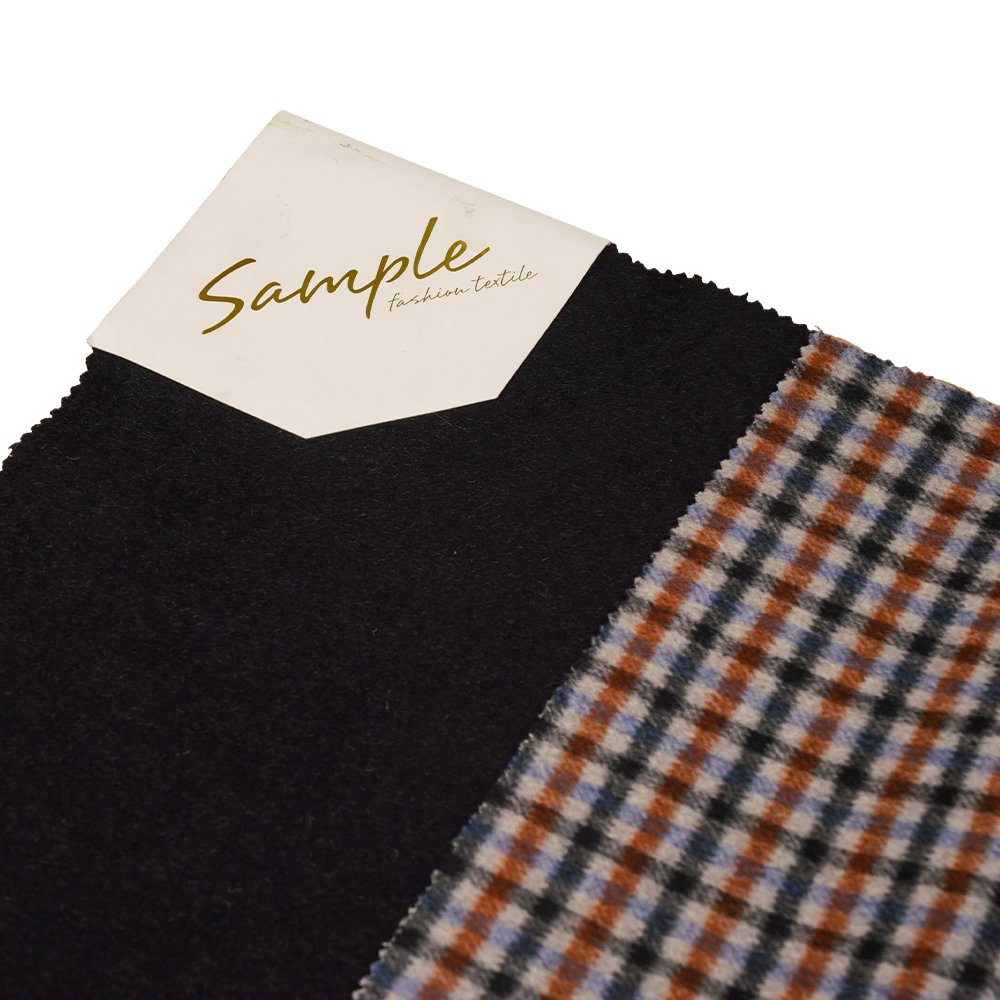
50% Wool 50% other fiber 780G/M Color Check Plaiddouble-face overcoating fabricF...
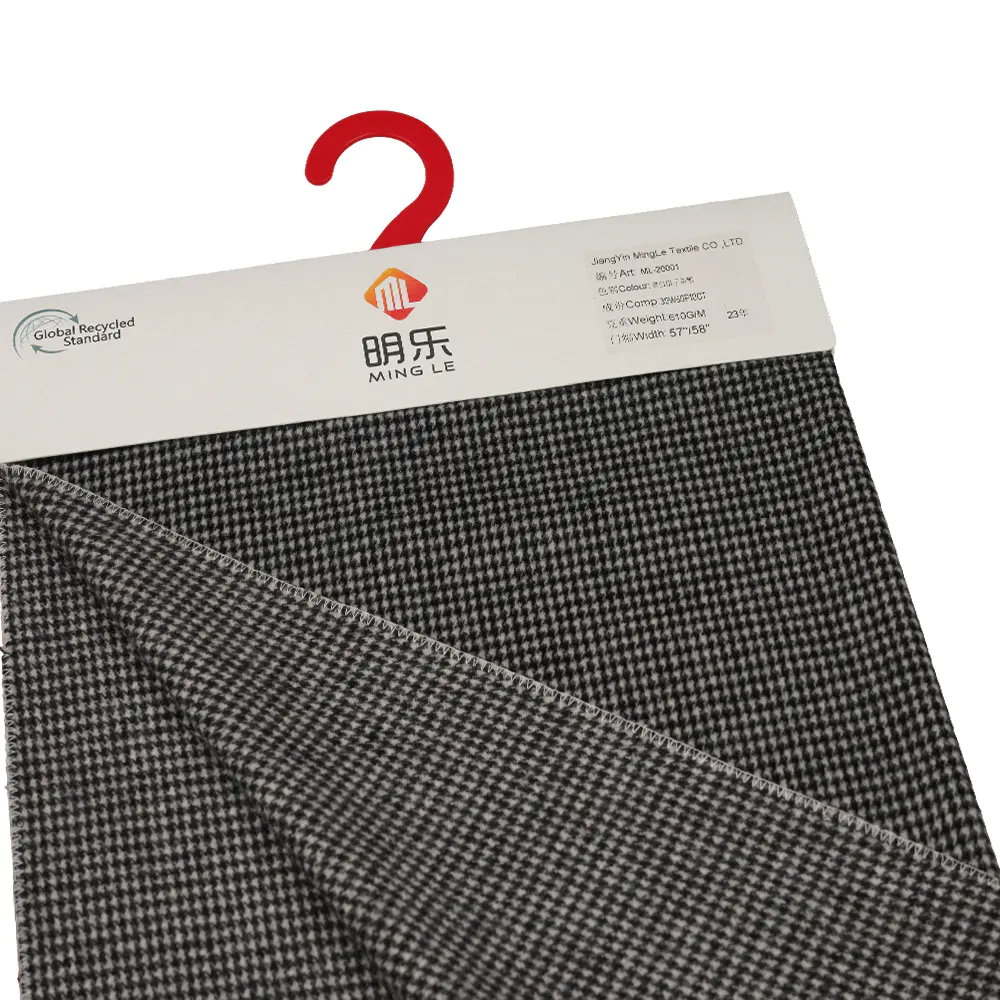
30% Wool 60% Polyester 10% other fiber610G/M Black White Plaid Single-Pile Fleec...
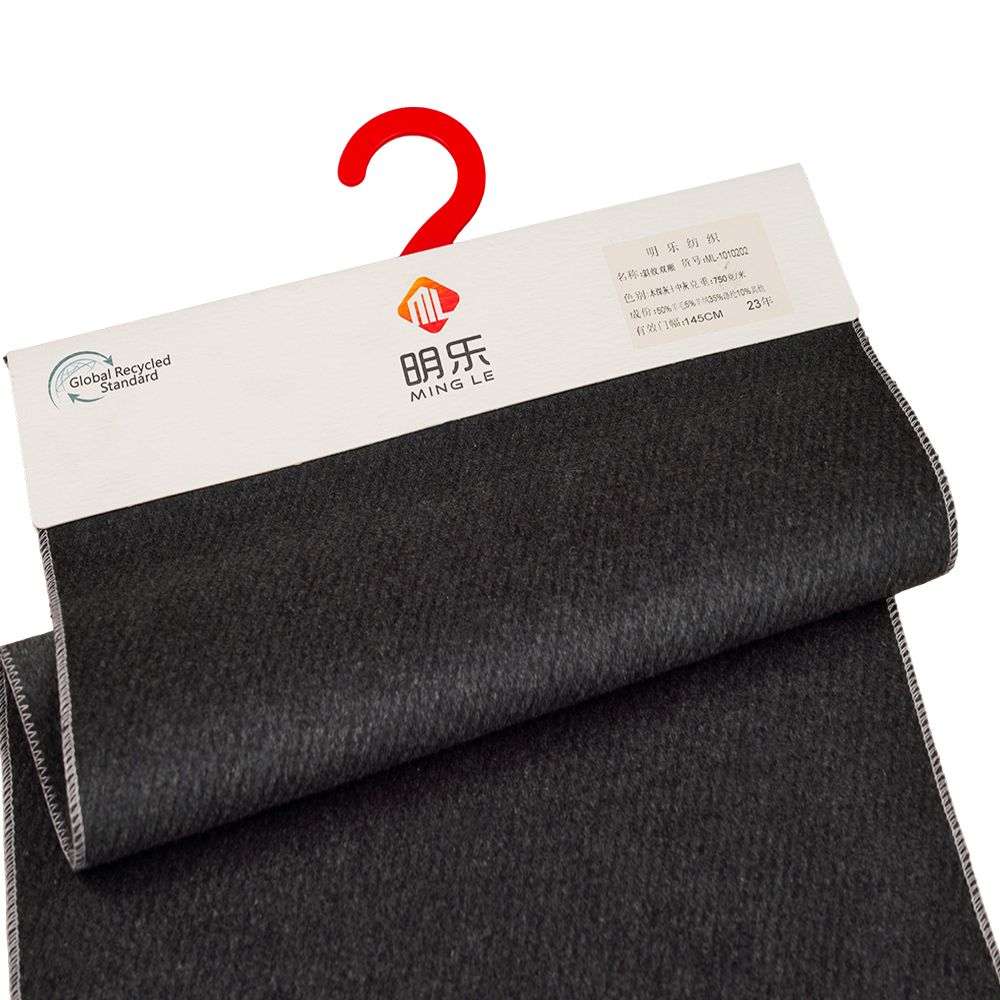
750g Double-Sided Brushed Fabric: Dark Gray and Medium Gray Twill Wool Cashmere ...
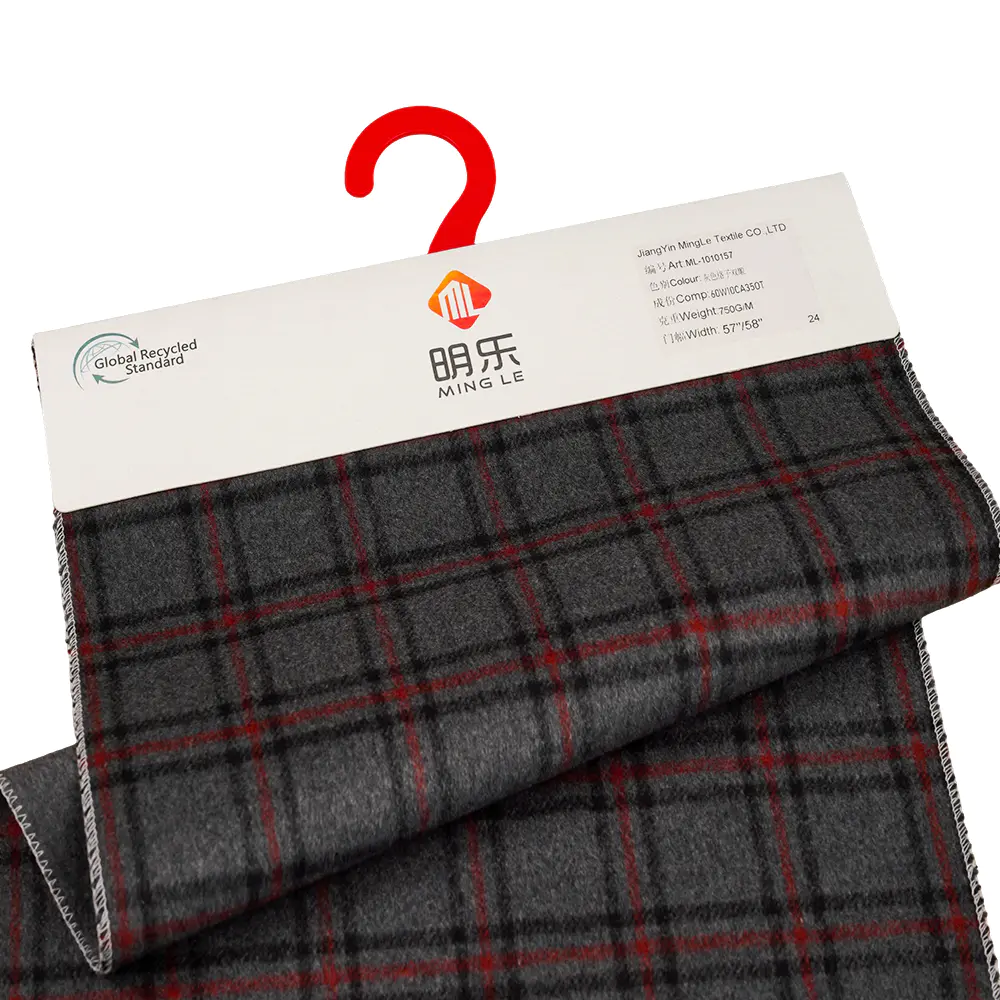
60% Wool 5% Cashmere 35% Synthetic Fabric Double-Sided Brushed Fabric: Gray Plai...
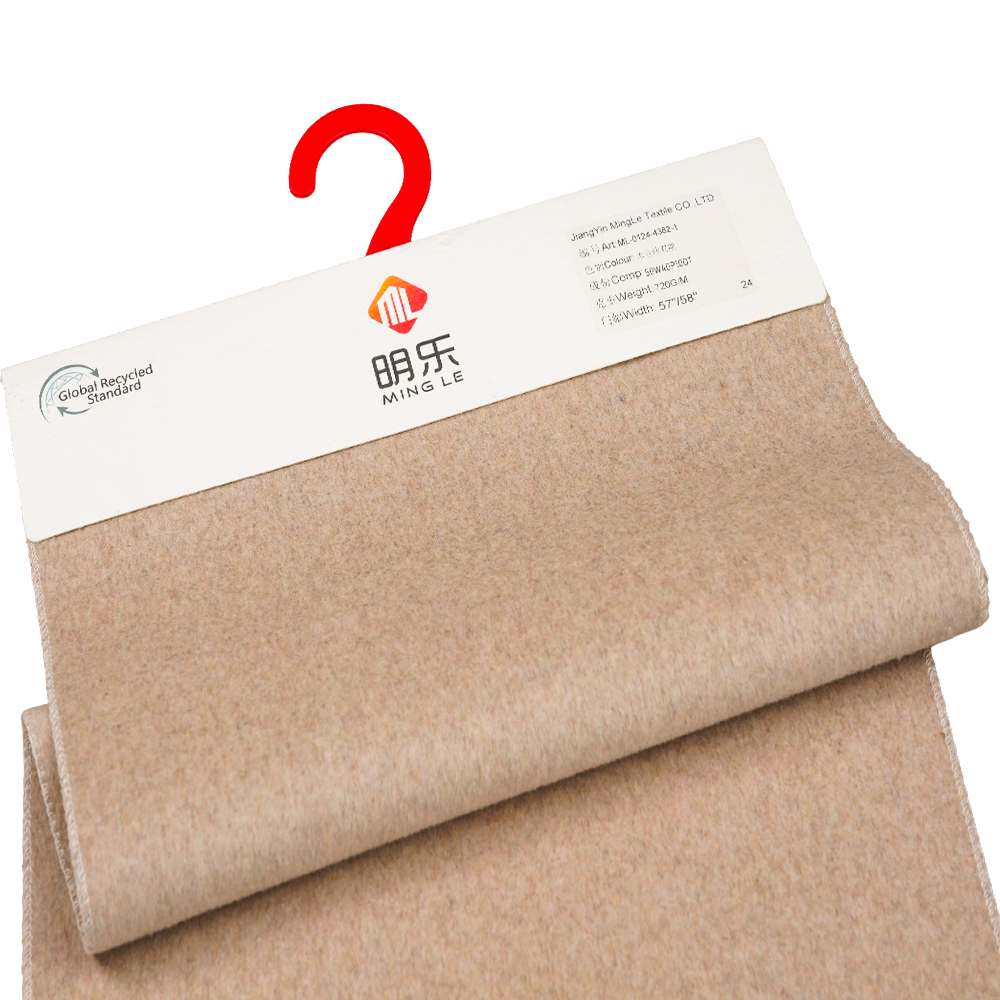
Bean Paste Double-Smooth: 720g/m thick, double-faced fleece fabric, gentle and e...
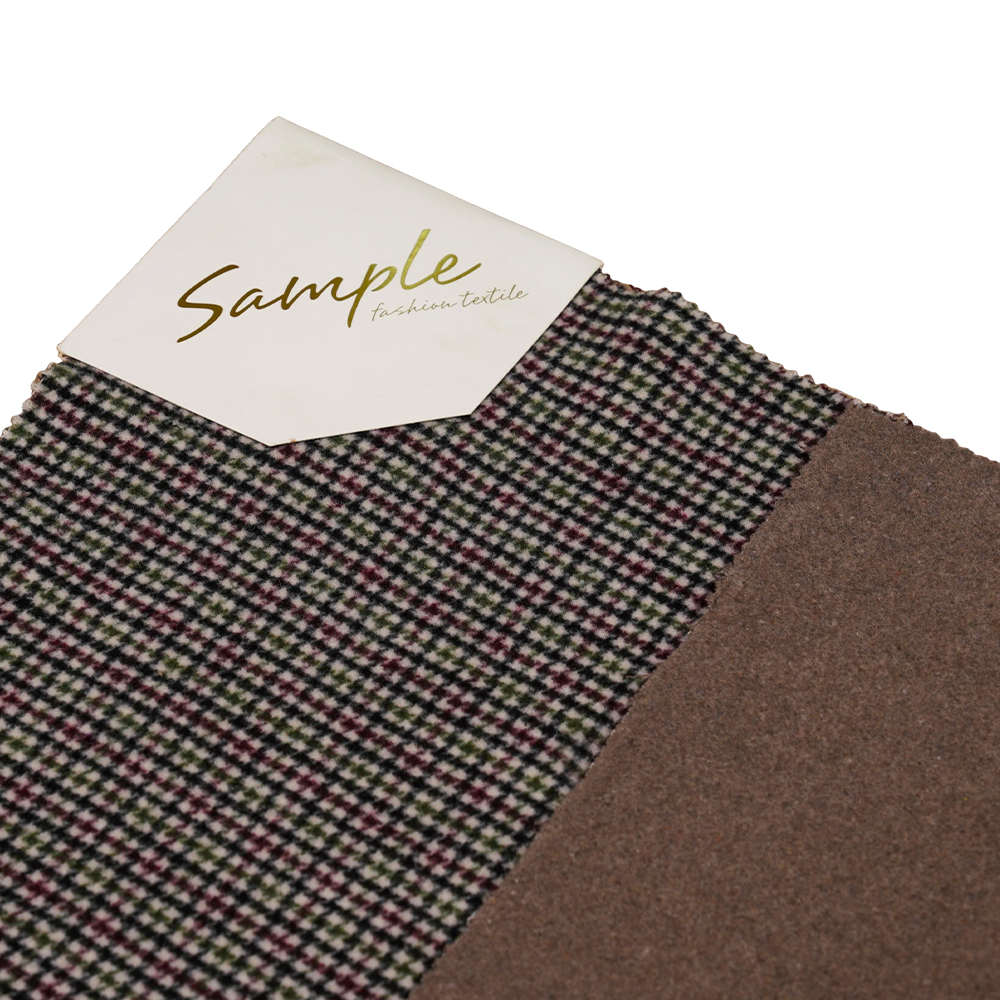
20% Wool 70% Polyester 10% other fiber 800G/M Colorful Check Double-sided Velvet...
 +86 - 510 - 86373115
 +86 - 13812129532
 No. 118, Huancun West Road, Huaxi Fifth Village, Huashi Town, Jiangyin City, Wuxi City, Jiangsu Province, China


