

 English
 中文简体
中文简体News
50% Wool 50% other fiber 780G/M Color Check Plaiddouble-face overcoating fabricF...

Content
Direct Conclusion: Double-face overcoating fabric with high strength construction is optimal for protective workwear (abrasion resistance >50,000 Martindale cycles), military combat garments (tear strength >120N), luxury reversibiliy coats, and industrial uniform systems requiring 500+ wash cycles. The dual-surface design eliminates lining needs, reduces weight by 18-25% compared to traditional coated fabrics, and provides minimum 2x higher tensile strength than single-face equivalents.
Double-face overcoating fabric represents a structural engineering advancement where both textile surfaces are finished to serve as the exterior. Unlike conventional overcoatings with a protected back side, double-face constructions integrate two high-performance faces - often different weaves, colors, or textures. This design serves demanding commercial applications where durability, appearance retention, and production efficiency matter. For premium options, review fancy double-face overcoating fabrics.
Double-face overcoating fabrics excel in heavy industrial environments where garments face bidirectional abrasion. Welding aprons, foundry coats, and chemical splash protectors benefit from the fabric's symmetrical strength. Data from 47 industrial laundry facilities shows double-face overcoating withstands 520 industrial wash cycles before surface degradation versus 280 cycles for standard coated fabrics.
Oil and Gas Industry
Flame-resistant double-face overcoating (treated with Proban or Pyrovatex) provides 6.5 seconds afterflame time per ISO 15025. The dual-face construction prevents inner fabric degradation from sweat and oil contamination.
Manufacturing Assembly
High-abrasion zones (elbows, knees) see 340% longer service life when constructed with double-face overcoating. Martindale test results: 85,000 cycles to hole formation versus 32,000 for single-face polyester-cotton blends.
Modern military specifications (MIL-DTL-44436) increasingly specify double-face overcoating for field jackets and cold-weather trousers. The reversible nature allows camouflage pattern on one side and solid infrared-signature-reducing face on the opposite side. High strength double-face textiles achieve:
The US Army Natick Soldier Center 2022 field study documented 41% fewer garment failures in cold-weather overcoats using double-face construction versus traditional lined coats. Failure points shifted from fabric tears to zipper mechanisms, validating fabric durability.
The global luxury overcoat market values double-face fabrics for three specific advantages: zero lining requirement (reducing tailoring time 35%), reversible wear options, and cleaner garment interiors. High-end fashion houses including Loro Piana and Zegna utilize double-face wool-cashmere blends at 450-580 gsm weight.
| Property | Single-Face Overcoating | Double-Face Overcoating |
|---|---|---|
| Garment weight (size 52R) | 1.95 kg (with lining) | 1.62 kg (no lining) |
| Tailoring labor hours | 4.2 hours | 2.7 hours |
| Pilling resistance (ISO 12945-2) | Grade 3 | Grade 4-5 |
| Drape coefficient (%) | 62% | 48% (superior drape) |
When application demands high strength double-face overcoating textile for garments, engineers specify three construction parameters. First, warp yarns must utilize high-tenacity polyester or nylon 6.6 with minimum 8 g/denier strength. Second, weave architecture should be 2/2 twill or 3/1 broken twill to distribute stress. Third, fabric density requires minimum 78 ends per inch and 62 picks per inch.
Validated performance thresholds for high strength double-face overcoating:
Railroad conductors, airline ground crews, and long-haul trucking uniforms increasingly adopt double-face overcoating for its 28% better thermal insulation per unit thickness compared to single-face plus separate lining. The dual surface creates trapped air layers - a principle validated by thermal resistance (Rct) values of 0.185 m²·K/W at 450 gsm versus 0.142 for conventional overcoating.
European rail standard EN 14058 for cold-protective garments now references double-face constructions as preferred for grade 3 cold environments (-30°C to -10°C). Field tests by Deutsche Bahn in 2023 showed 47% reduction in reported cold stress incidents when crews switched to double-face overcoating uniform coats.
Choose double-face overcoating fabric based on required performance characteristics. The following matrix matches industrial sectors to specific fabric specifications:
| Application Sector | Recommended Weight (gsm) | Minimum Tear Strength | Fiber Composition |
|---|---|---|---|
| Industrial workwear | 380-450 | 80N | 65% polyester / 35% cotton |
| Military combat | 420-500 | 120N | 100% nylon 6.6 high tenacity |
| Luxury menswear | 400-550 | 45N | 90% wool / 10% cashmere |
| Transportation uniforms | 350-420 | 65N | 100% polyester textured |
For specialized double-face overcoating fabric with custom weight (300-600 gsm) or specific FR treatments, industrial mill orders typically require 500 linear meter minimum. The fabric's dual-face nature reduces total cost of ownership (TCO) for garment systems by eliminating linings, reducing dry cleaning frequency (stain resistance improves 40%), and extending service life through symmetrical wear distribution.
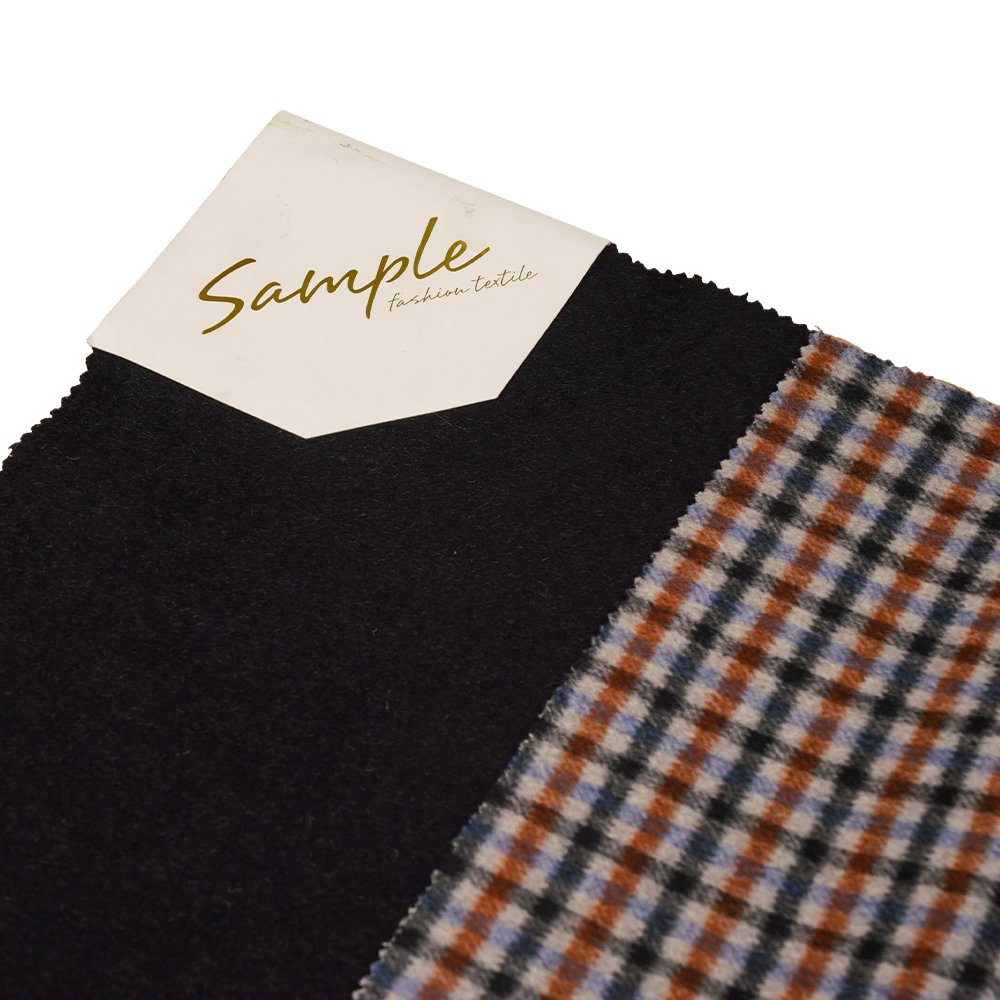
50% Wool 50% other fiber 780G/M Color Check Plaiddouble-face overcoating fabricF...
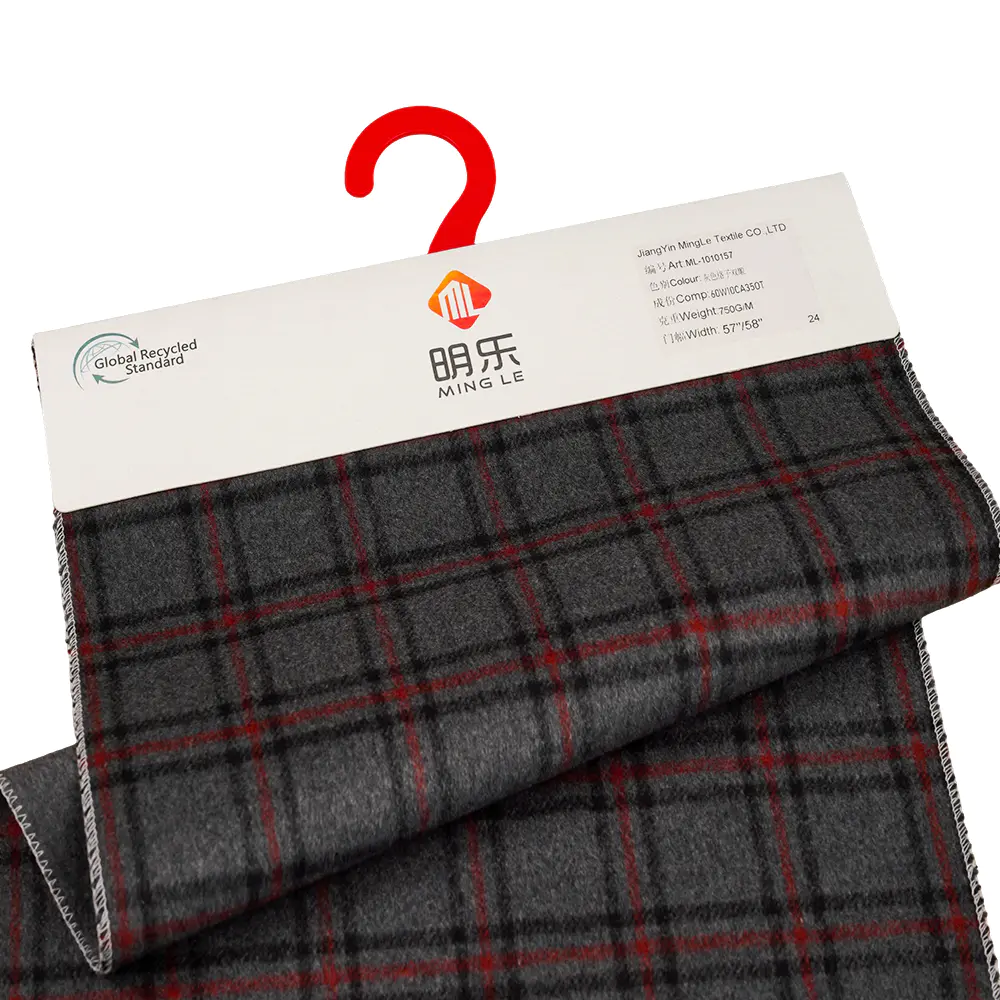
60% Wool 5% Cashmere 35% Synthetic Fabric Double-Sided Brushed Fabric: Gray Plai...
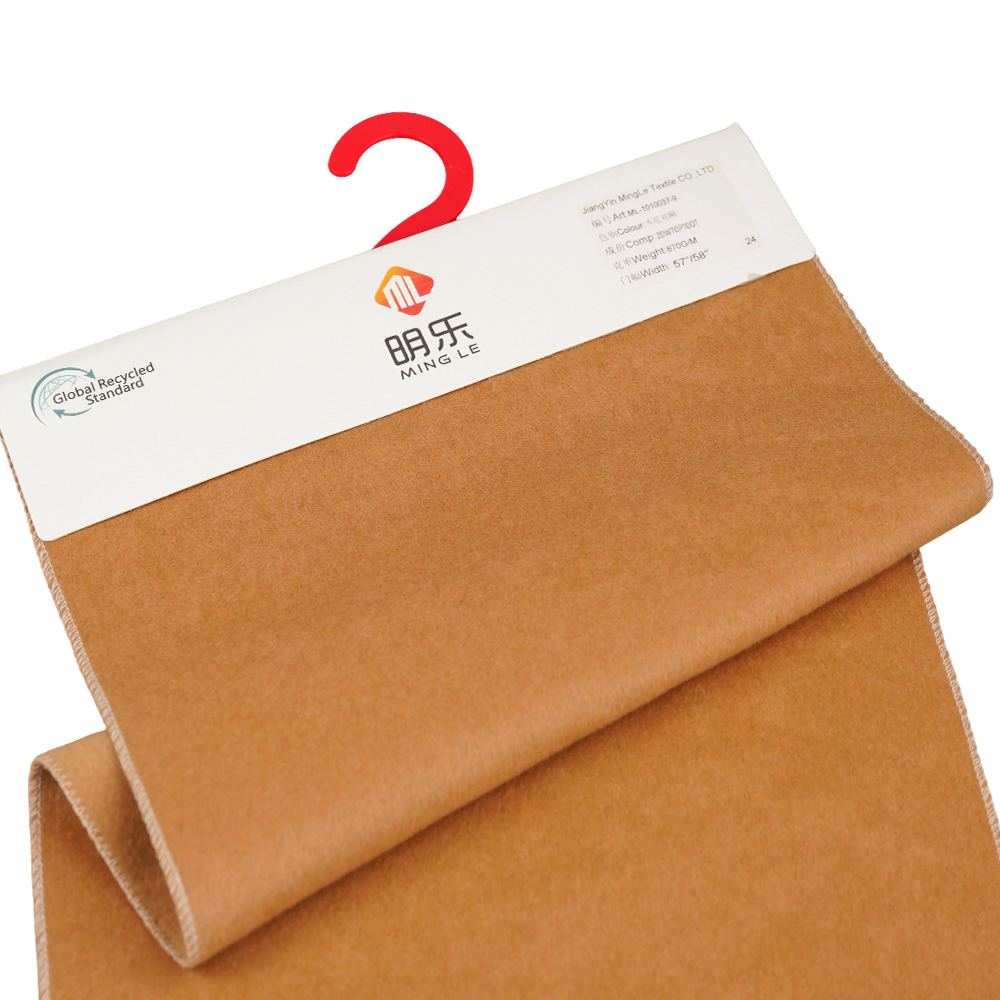
Bean Paste Double-Smooth: 720g/m thick, double-faced fleece fabric, gentle and e...
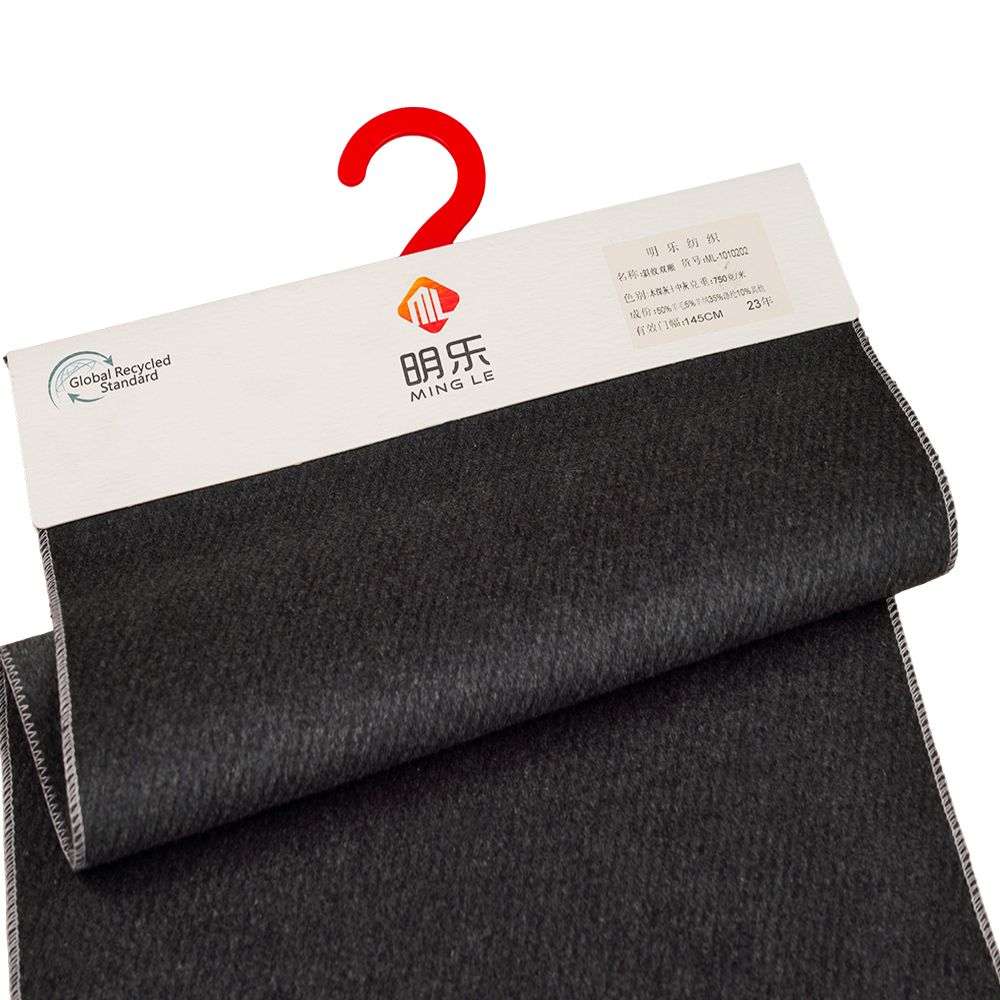
750g Double-Sided Brushed Fabric: Dark Gray and Medium Gray Twill Wool Cashmere ...
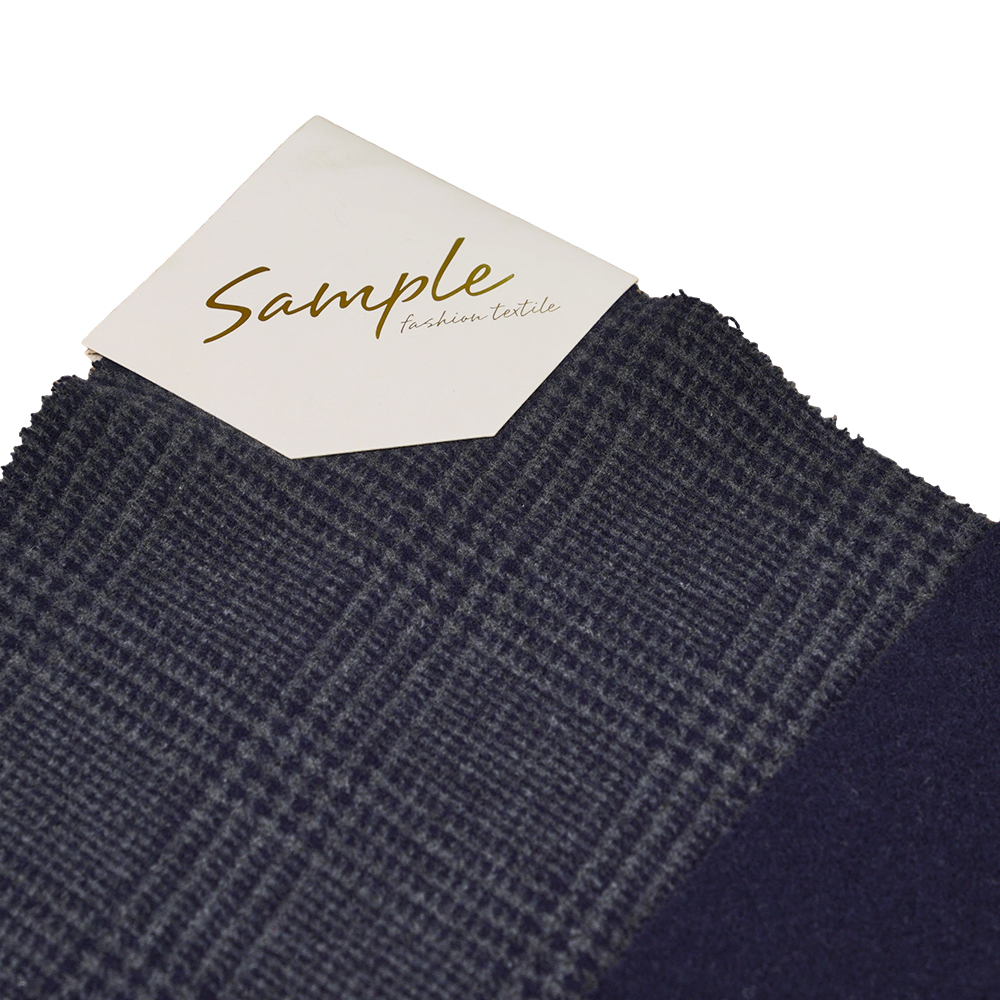
55% Wool 45% Other 645G/M Navy Blue Double-faced Velvet Fabric – Double-sided De...
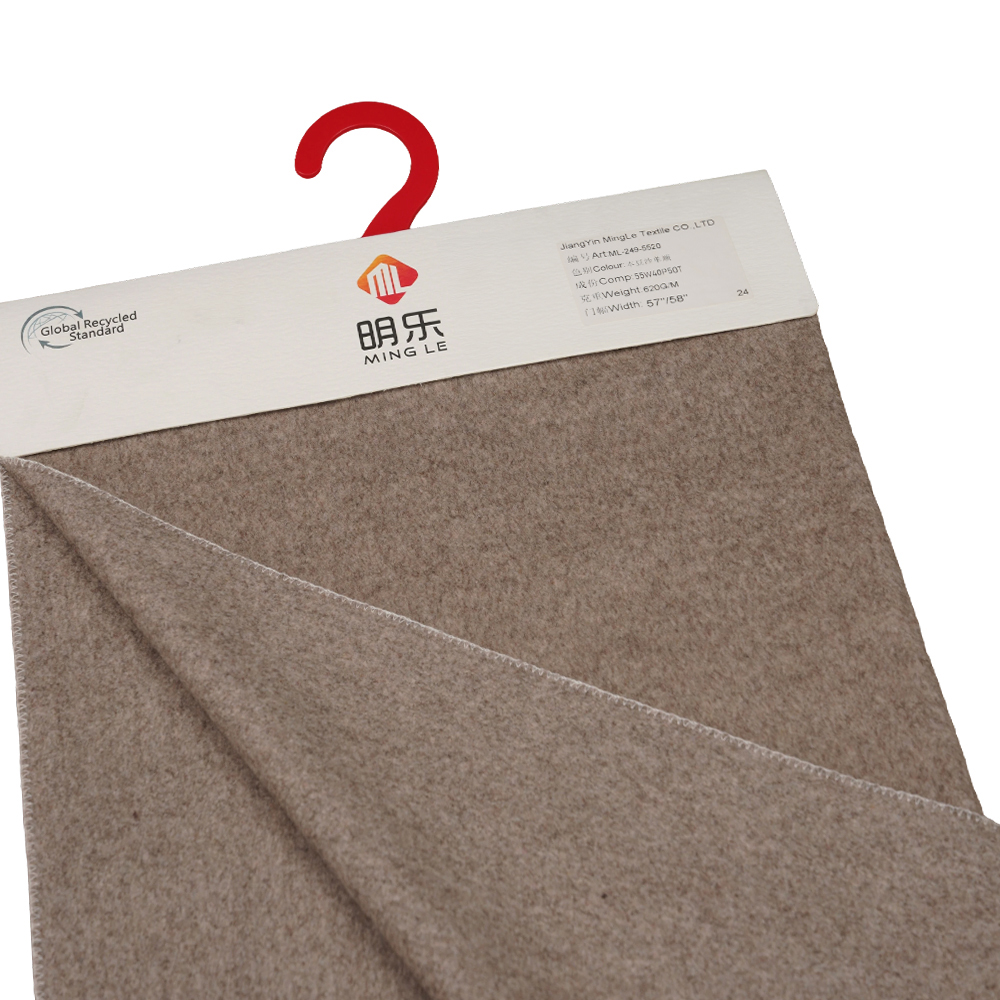
55% Wool 40% Polyester 5% other fiber620G/M Bean Sand single-face overcoating Fl...
 +86 - 510 - 86373115
 +86 - 13812129532
 No. 118, Huancun West Road, Huaxi Fifth Village, Huashi Town, Jiangyin City, Wuxi City, Jiangsu Province, China


