Product Categories
Introduction Overcoat wool fabric is a preferred material in high-end garment manufacturing due to its durability, thermal performance, and luxurious feel. B2B buyers, tailors, and textile engineers rely on its quality f...
Few textiles carry the breadth of technical performance, aesthetic versatility, and heritage market positioning that wool flannel fabric commands across the global apparel industry. From tailored suiting and premium oute...
In the global textile market, the demand for natural performance fibers continues to grow. Wool pile fabric stands out due to its unique combination of thermal insulation and moisture-wicking properties. Unlike flat wove...
Melton Wool Coating Fabric remains one of the most reliable materials for structured outerwear. Designers and wholesale buyers prefer this fabric because it delivers density, wind resistance, and long-term durability. Pr...
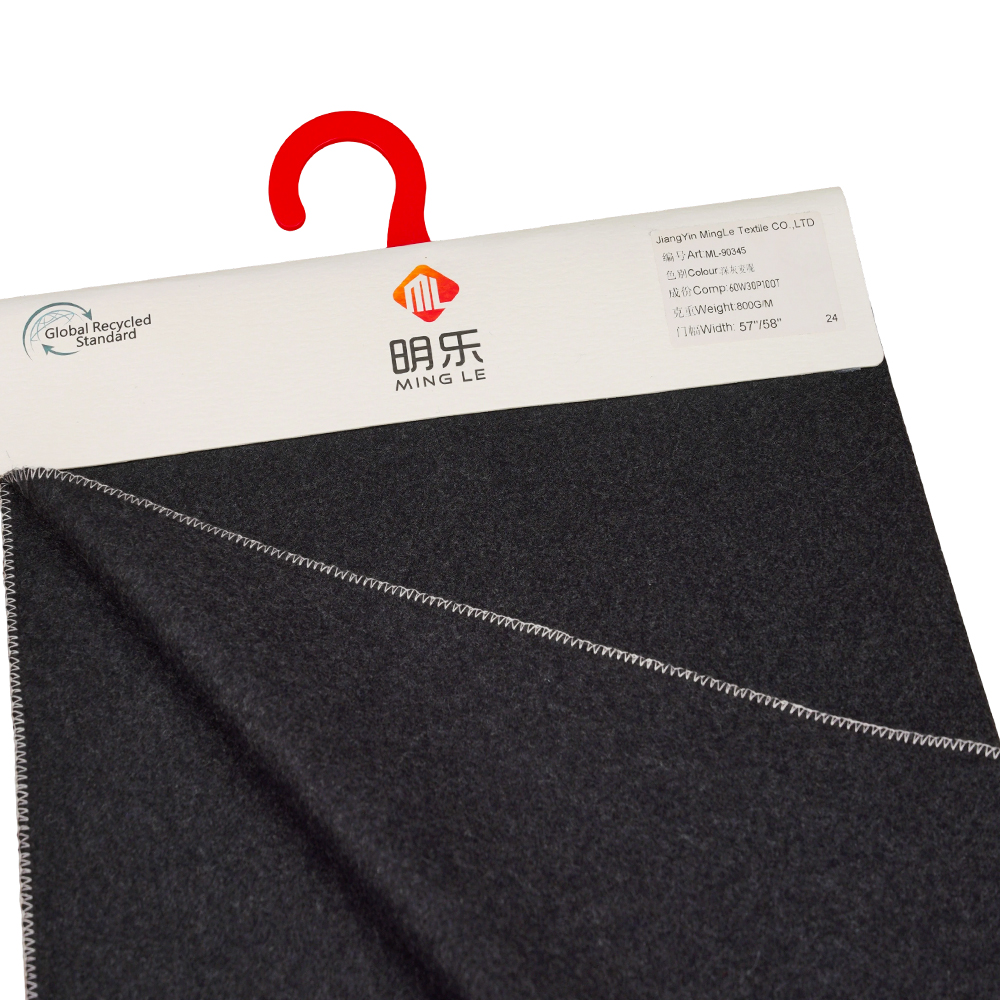
Dark Gray Woolen Fabric: 60% Wool 30% Polyester 10% other fiber 800g/m Material...
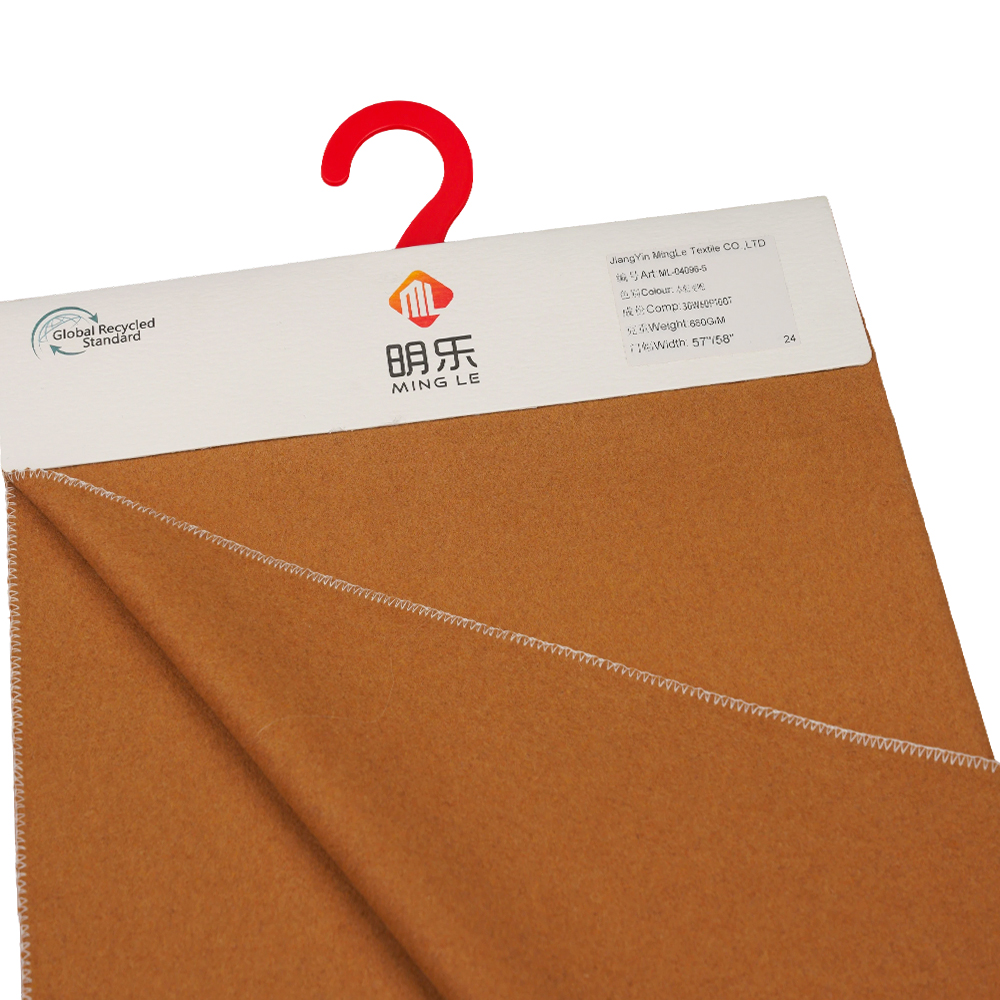
Brownish-Tan Melton Fabric: 30% Wool, 60% Polyester, 10% other fiber, 680g/m Thi...
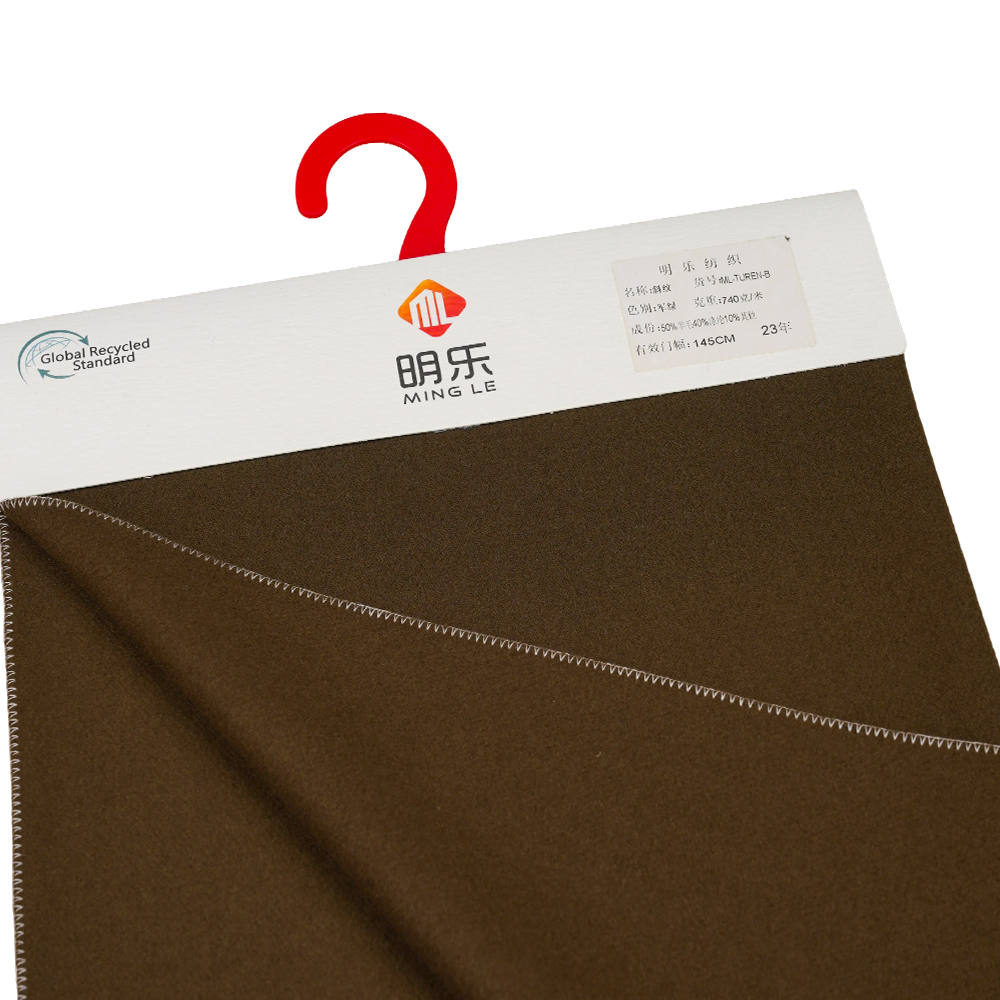
Military Green Twill Fabric: 740g Wool Blend, Suitable for Versatile UseThis mil...
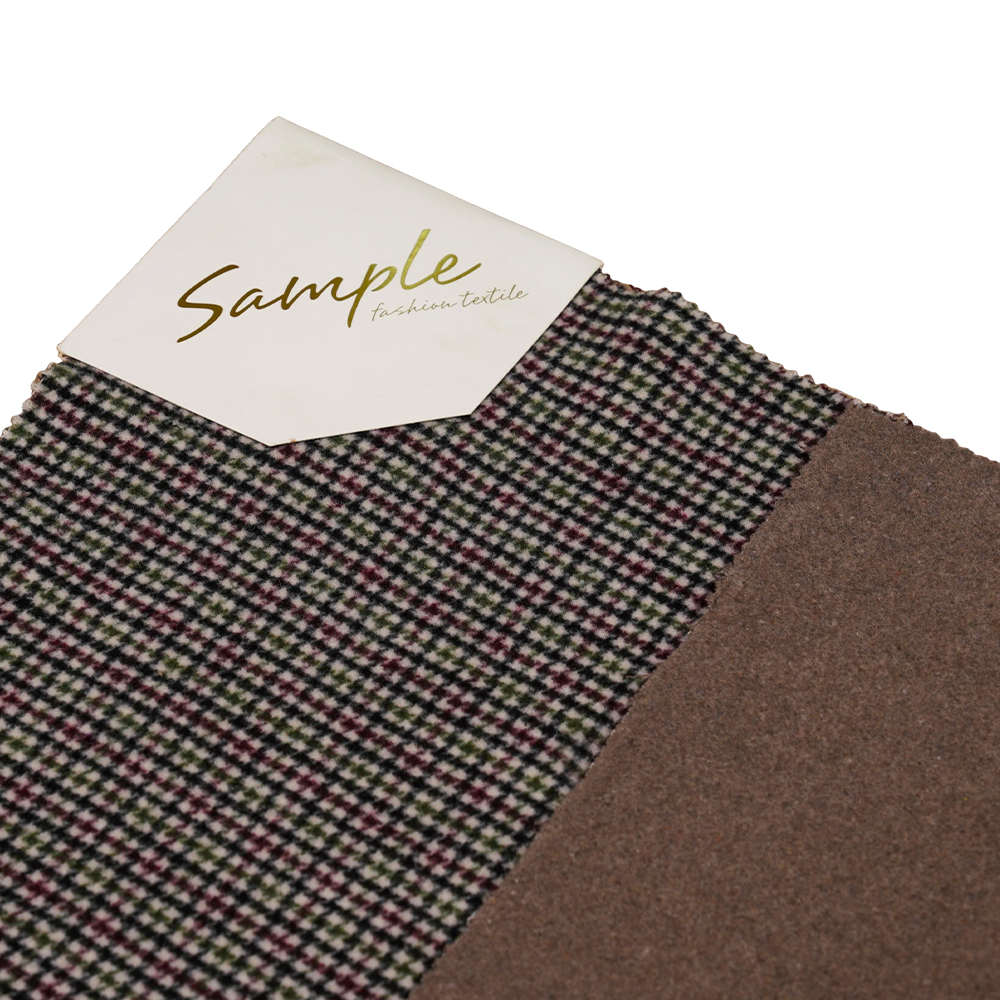
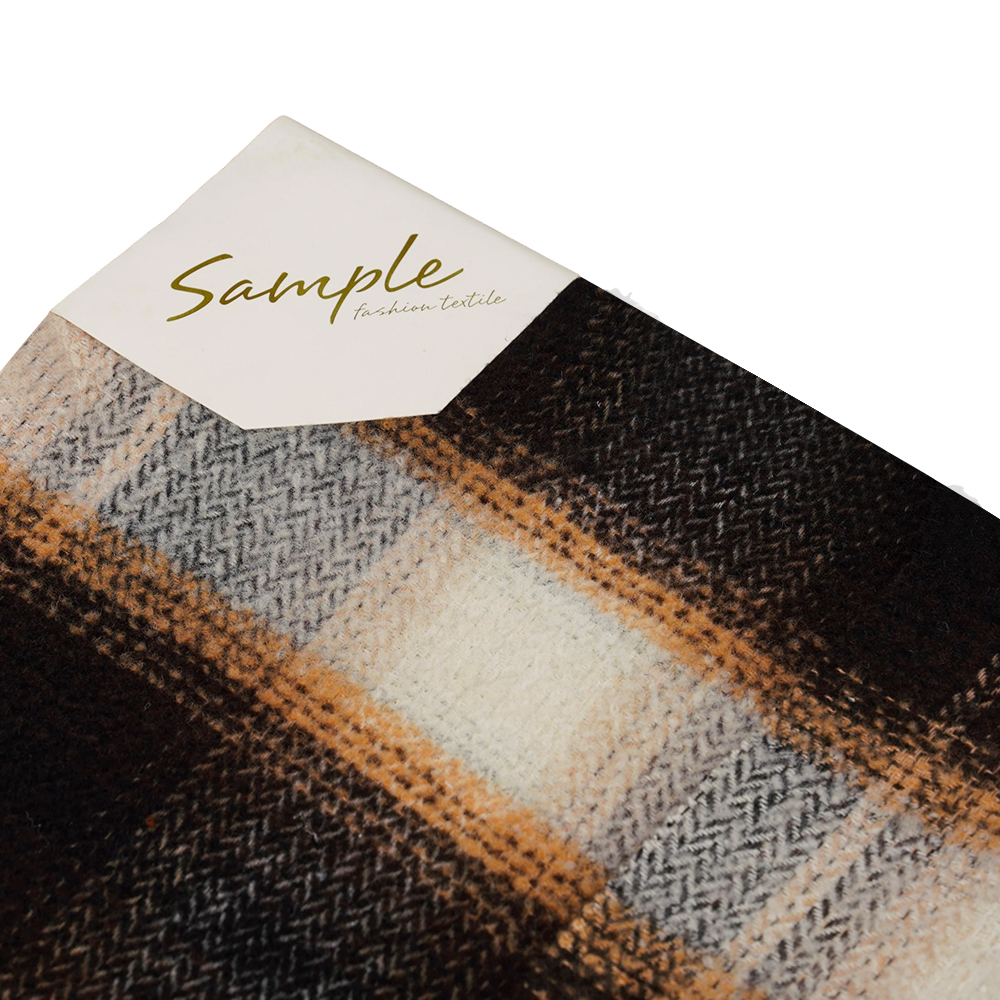
20% Wool 70% Polyester 10% other fiber 800G/M Colorful Check Double-sided Velvet...
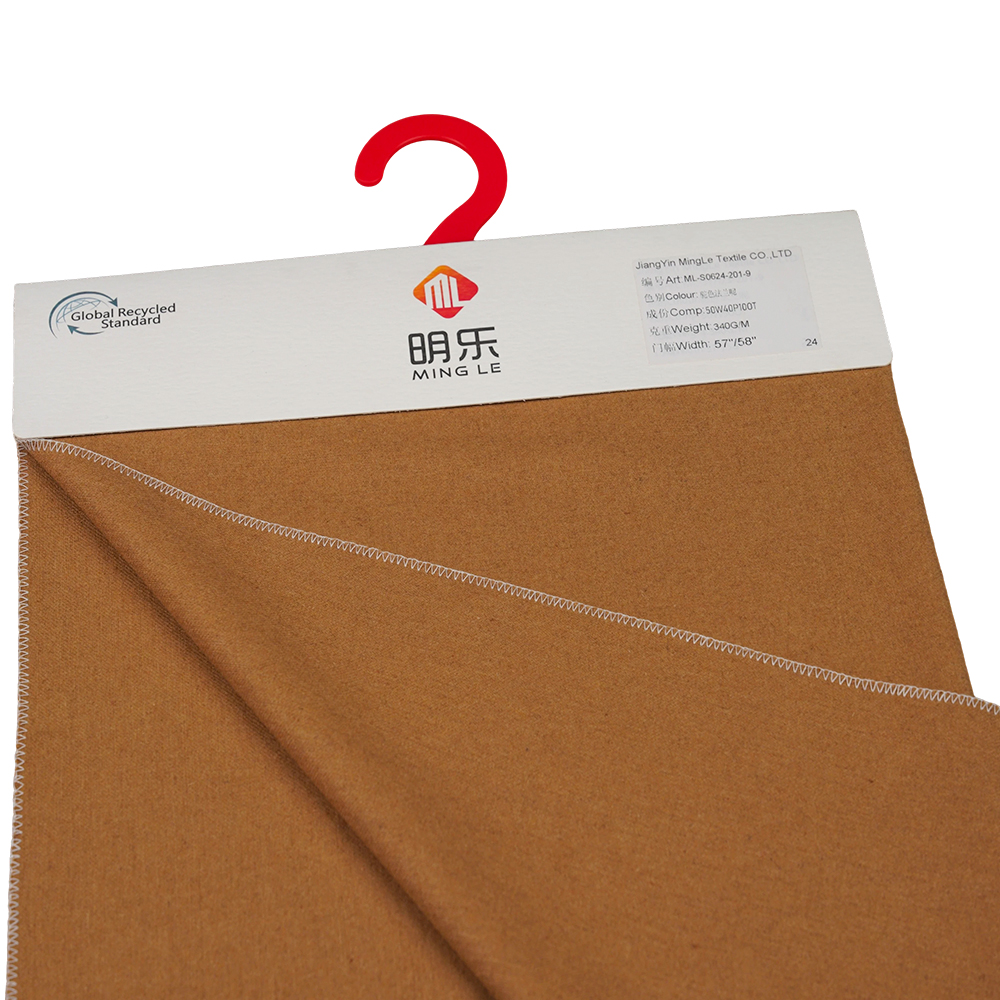
Camel Color Flannel Fabric: 50% Wool, 40% Polyester, 10% other fiber, 340 GSMThi...
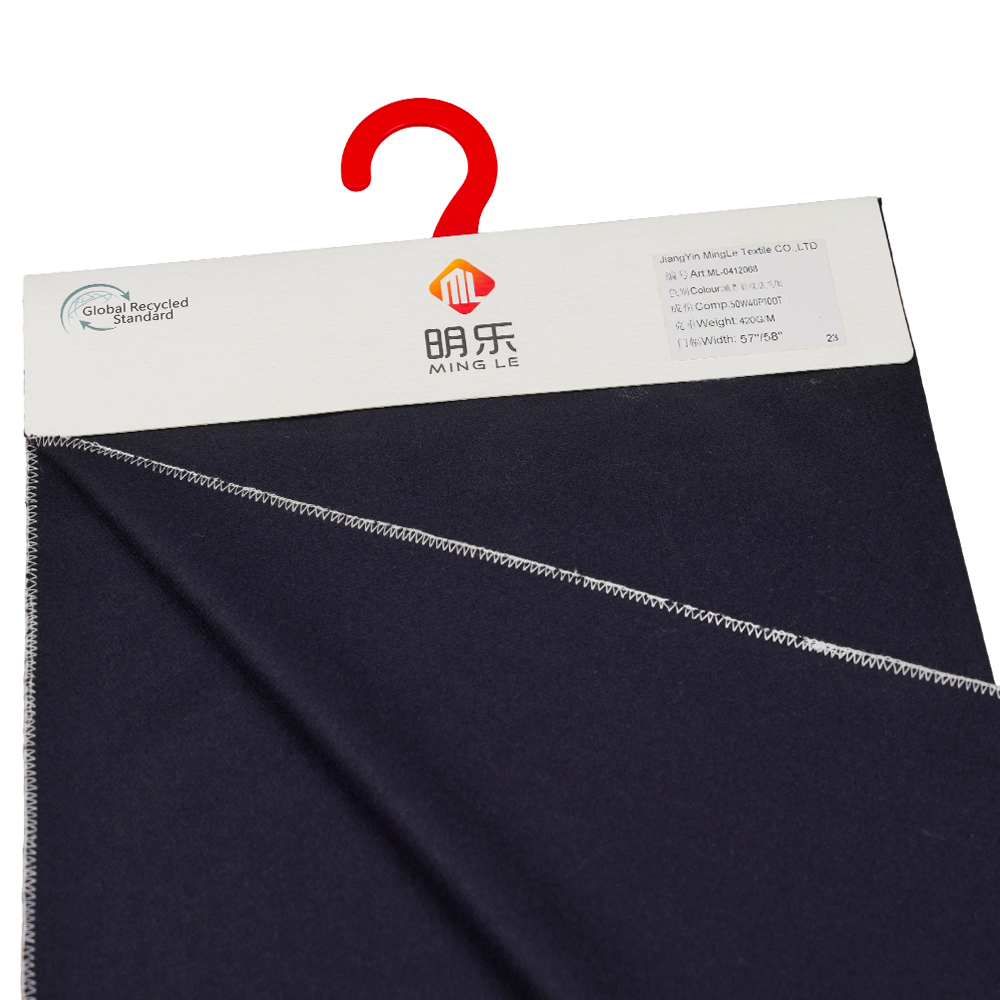
Navy Twill Flannel Fabric: 420g/m Wool Blend, Classic Twill TextureThis flannel ...
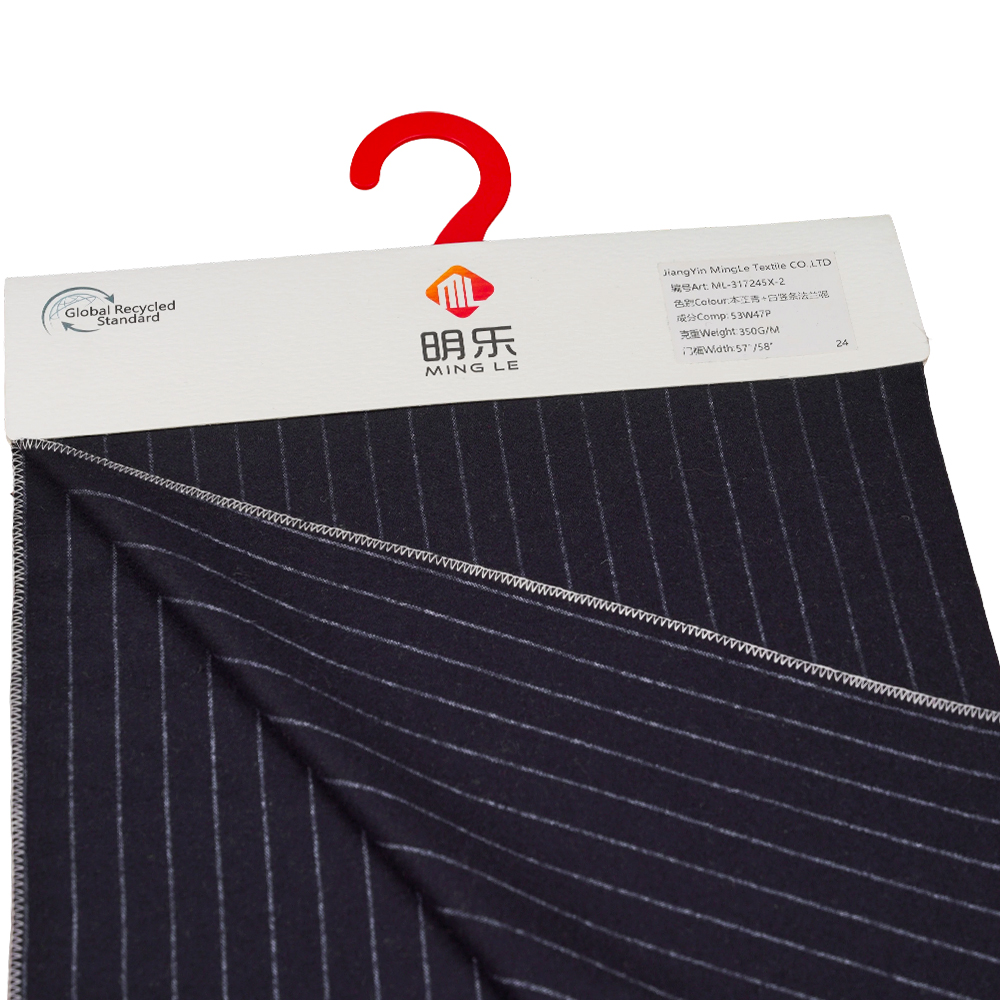
53% Wool 47% Polyester 350G/M Blue Iris + White Vertical Stripe Flannel Fabric: ...
Moreover, wool blend knit wool fabric allows designers and manufacturers to achieve specific textures, weights, and performance characteristics without compromising the inherent qualities of wool. This versatility has made it a preferred choice for both functional and aesthetic applications, from cold-weather performance wear to luxury fashion collections. Its combination of properties ensures that garments are not only functional but also retain a refined appearance after prolonged use.
The knitting structure of wool blend knit wool fabric can vary significantly. Common structures include plain knits, rib knits, and interlock knits, each providing different levels of stretch, drape, and resilience. For example, rib knits offer superior elasticity and are often used in cuffs, collars, and fitted garments. Interlock knits create a smooth, stable surface ideal for high-quality sweaters or outerwear linings. By carefully selecting fiber ratios and knitting techniques, manufacturers can tailor wool blend knit wool fabric to meet both functional and aesthetic requirements.
| Type of Knit | Common Applications | Key Characteristics |
|---|---|---|
| Plain Knit | Sweaters, scarves | Soft, lightweight, flexible |
| Rib Knit | Cuffs, collars, fitted garments | High elasticity, shape retention |
| Interlock Knit | Luxury sweaters, outerwear lining | Smooth surface, stable structure |
For professional or formal attire, wool blend knit wool fabric provides structure and drape, ensuring garments maintain their silhouette while remaining comfortable. It also enables customization in color, pattern, and texture, allowing designers to achieve precise aesthetic results. The fabric's adaptability makes it suitable for layered systems, casual wear, and high-end fashion, demonstrating its role as a foundational textile in modern wardrobe construction.
Additionally, finishing processes such as brushing, pressing, and dyeing affect the appearance and performance of wool blend knit wool fabric. Brushing enhances softness and loft, pressing stabilizes the structure, and controlled dyeing ensures colorfastness. Reliable suppliers typically provide certification or quality assurance to validate fiber origin, blend ratio, and production standards.
| Quality Factor | Impact on Fabric |
|---|---|
| Wool content | Improves warmth, softness, and breathability |
| Synthetic content | Enhances elasticity, durability, and washability |
| Knitting density | Affects stretch, drape, and resistance to deformation |
| Finishing processes | Enhances softness, color stability, and overall aesthetic |
Moreover, Mingle Textile has established integrated production lines for regenerated fibers, spinning, and weaving, reducing resource consumption and promoting cleaner production. The company's commitment to sustainability ensures that wool blend knit wool fabric not only meets performance and aesthetic standards but also aligns with environmental responsibility, making it a responsible choice for global brands.
Customizable elements include yarn type, gauge, weight, and knitting pattern. These parameters enable designers to balance warmth, flexibility, and aesthetic appeal according to end-use requirements. Such adaptability ensures that wool blend knit wool fabric can be tailored for casual, formal, or functional garments, maintaining both technical performance and design sophistication.
Drying should be done flat to avoid distortion, and garments should be stored in dry, ventilated areas to prevent moisture damage. With proper care, wool blend knit wool fabric retains its insulating properties, elasticity, and aesthetic appeal, ensuring garments remain comfortable and functional over extended periods.
Companies like Jiangyin Mingle Textile Co., Ltd. exemplify modern, sustainable production, offering customized solutions and maintaining high-quality standards. Their expertise in fabric innovation ensures that wool blend knit wool fabric is not just a material but a functional and aesthetic asset for brands worldwide.
By integrating sustainable practices, technical expertise, and design flexibility, wool blend knit wool fabric continues to meet evolving market demands while preserving the inherent benefits of natural wool. It remains a versatile, reliable, and sophisticated option for modern apparel production.
Q1: What is the typical wool content in wool blend knit wool fabric?
A: Wool content usually ranges from 50% to 80%, depending on the desired warmth, softness, and durability. Synthetic fibers complement the blend to enhance elasticity and resilience.
Q2: Can wool blend knit wool fabric be machine washed?
A: Yes, most wool blends can be machine washed on delicate cycles with mild detergents. Flat drying is recommended to prevent distortion.
Q3: How does the knitting structure affect fabric performance?
A: Rib knits offer elasticity and fit, plain knits provide softness and flexibility, and interlock knits give a smooth, stable surface. Structure influences drape, warmth, and stretch.
Q4: Is wool blend knit wool fabric environmentally friendly?
A: When produced with regenerated fibers and sustainable practices, wool blend knit wool fabric can be eco-friendly, reducing resource consumption and energy usage.
Q5: What types of garments are best suited for wool blend knit wool fabric?
A: Wool blend knits are ideal for sweaters, outerwear, scarves, hats, gloves, and other garments requiring warmth, elasticity, and durability.
 +86 - 510 - 86373115
 +86 - 13812129532
 No. 118, Huancun West Road, Huaxi Fifth Village, Huashi Town, Jiangyin City, Wuxi City, Jiangsu Province, China



 English
 中文简体
中文简体