

 English
 中文简体
中文简体News
30% Wool 70% other fiber 630G/M Camel/Brown Herringbone single-face overcoating ...

Content
Overcoat wool fabric is a specialized textile engineered for the production of heavy outerwear garments. It is characterized by its weight, warmth, durability, and drape. Unlike lighter wool fabrics used for suits or shirts, overcoat fabrics are designed to provide thermal insulation against cold weather while maintaining a structured silhouette. For fashion designers, garment manufacturers, and textile buyers, understanding the technical specifications of these fabrics—such as fiber composition, weave structure, weight, and finishing—is essential for creating high-quality, market-appropriate overcoats. This article provides a detailed technical guide to selecting and sourcing wool coating fabrics.
Wool is a natural protein fiber with inherent properties that make it ideal for winter outerwear. It has excellent insulating capacity because its crimped structure traps air. Wool is also naturally hygroscopic, meaning it can absorb moisture vapor without feeling damp, which helps regulate body temperature. Furthermore, wool fibers are durable, resilient, and have a natural resistance to wrinkling and soiling. These properties make wool the fiber of choice for high-quality, long-lasting overcoats.
The term heavy weight wool coating fabric for winter coats refers to fabrics specifically engineered for maximum warmth and structural integrity. In textile terminology, "coating" denotes a fabric suitable for coats, and "heavy weight" refers to its mass per unit area. Heavy weight wool coating fabrics typically weigh over 400 grams per square meter (gsm), and can range up to 700 gsm or more for extreme cold weather applications. This weight is achieved through a combination of factors: the use of thicker wool fibers, a dense weave or knit structure, and often a napped or brushed finish that adds bulk. The weight contributes directly to the fabric's insulating properties and its ability to hold a tailored shape. For a buyer or designer, specifying "heavy weight" ensures the fabric will perform in low temperatures and provide the substantial feel expected from a premium winter garment.
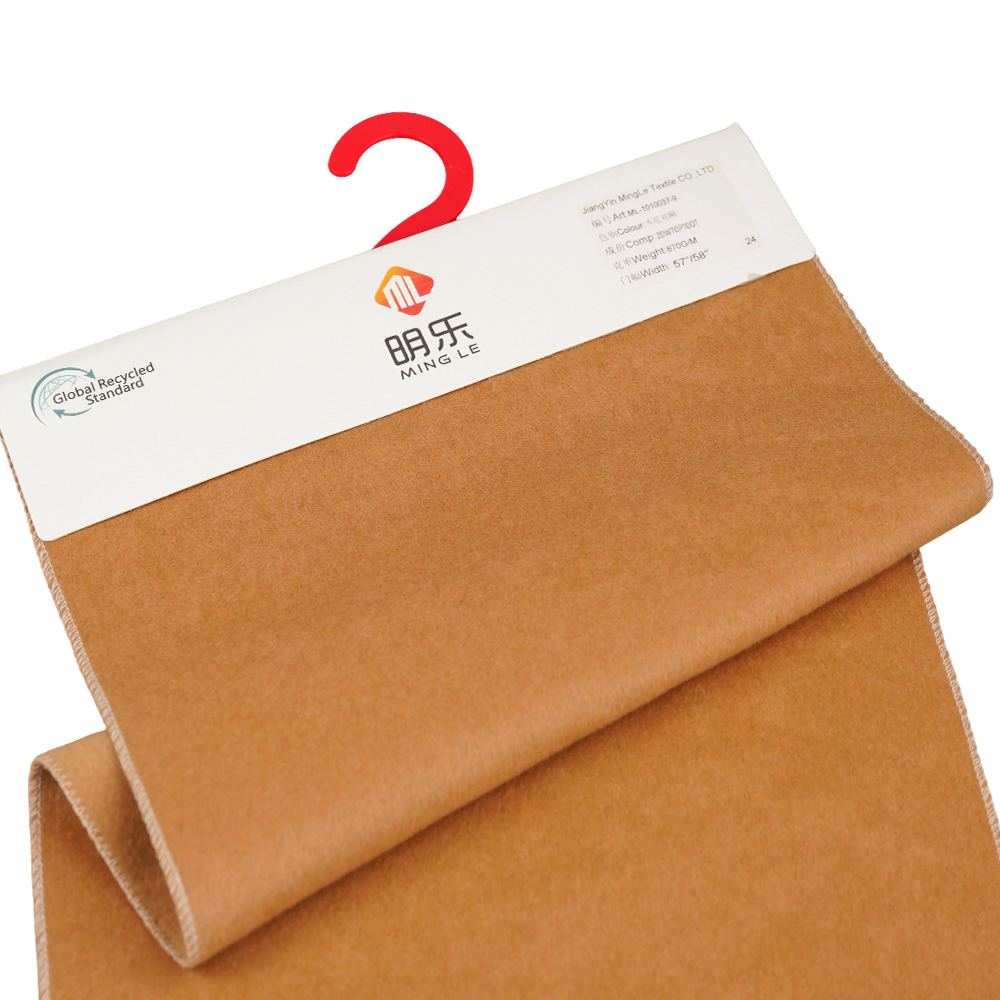
100 percent wool melton fabric for overcoats is a legendary textile known for its durability, wind resistance, and clean finish. Melton is a densely woven wool fabric, traditionally made from 100% wool. After weaving, it undergoes a rigorous finishing process called fulling or milling, which involves subjecting the fabric to moisture, heat, and mechanical action. This process causes the wool fibers to interlock and matte together, creating a fabric that is very dense, felt-like, and virtually windproof. The surface is then sheared to create a smooth, uniform nap. This construction makes Melton extremely durable and resistant to abrasion, which is why it has been the traditional choice for military and naval peacoats for centuries. Its clean finish also makes it ideal for classic overcoat styles like the Chesterfield or the pea coat. For B2B buyers, specifying "100 percent wool Melton" ensures a fabric with proven performance and a classic aesthetic.
Selecting the optimal wool fabric involves balancing aesthetics, performance, cost, and target market. The following sections explore key categories and their technical attributes.
Sourcing wool cashmere blend coating fabric wholesale is a strategic way to offer a premium product at a more accessible price point than 100% cashmere. Cashmere fibers are finer and softer than standard wool, and they add a luxurious hand feel and a subtle halo to the fabric. Blending cashmere with wool improves the fabric's softness and drape while leveraging wool's structural integrity and durability. A common blend might be 90% wool and 10% cashmere, or 80% wool and 20% cashmere. The wool provides the body and resilience, while the cashmere elevates the tactile experience. From a procurement perspective, buyers should verify the percentage of cashmere in the blend and ensure it is certified. They should also consider the fabric's weight; a cashmere blend coating for a woman's coat might be in the 380-450 gsm range, while a men's overcoat might require 450-550 gsm for sufficient structure. The table below outlines key considerations for different blend levels.
| Blend Composition | Key Benefits | Typical Applications | Price Point |
|---|---|---|---|
| 100% Wool (e.g., Melton) | Maximum durability, wind resistance, classic finish | Peacoats, military-style coats, rugged outerwear | Mid-range |
| Wool/Cashmere (e.g., 90/10) | Improved softness, luxurious hand feel, good drape | Luxury overcoats, dressy car coats | High |
| Wool/Cashmere (e.g., 70/30) | Very high softness, premium cashmere feel, excellent drape | High-end designer overcoats, lightweight luxury coats | Very High |
| Wool with Synthetics (e.g., 80/20 Nylon) | Increased durability, abrasion resistance, wrinkle resistance | Travel coats, performance outerwear | Mid-range |
Herringbone wool coating fabric by the yard is a staple for creating sophisticated, tailored overcoats with visual texture. Herringbone is a distinctive weave pattern, a variation of the twill weave, characterized by a broken "V" or zigzag pattern. This pattern is created by alternating the direction of the twill weave at regular intervals. The result is a fabric with a classic, understated elegance that adds depth and interest to a solid-colored coat. From a technical standpoint, the herringbone structure contributes to the fabric's stability and drape. The broken twill line also helps to reduce the visibility of wrinkles. For buyers purchasing by the yard, it is important to consider the pattern scale. A large-scale herringbone creates a bold, modern statement, while a small-scale herringbone results in a finer, more traditional texture. The fabric's weight and fiber composition (e.g., a wool/cashmere blend in a herringbone weave) combine to create a fabric that is both visually appealing and high-performing.
A soft wool fabric for tailored overcoats refers to fabrics that have been processed to achieve a smooth, pliable hand feel while retaining the ability to hold a sharp crease and structured shape. This combination might seem contradictory, but it is achieved through specific fiber selection and finishing techniques. The fibers used are typically finer microns, such as Merino wool, which are naturally softer. The fabric might also be a blend with a small percentage of cashmere or alpaca for added softness. The finishing process is critical. Techniques like "semi-decating" or "pressure decating" are used to set the fabric and enhance its luster and softness without crushing its character. Unlike a fabric that is simply "floppy," a truly soft but tailored fabric has what is known as "good hand" and "drape." It feels luxurious against the skin and molds easily to the body's contours, yet it has enough resilience and memory to return to its shape after being stretched or creased. This makes it ideal for precision tailoring, where the fabric must conform to the pattern's lines and hold them throughout the life of the garment.
For fashion brands and garment manufacturers seeking a reliable partner, the textile mill's expertise and production capabilities are paramount. Jiangyin Mingle Textile Co., Ltd., established in October 2006, is a dedicated manufacturer of coarse spun fabrics, specializing in the production of flannel, melton, smooth wool, various double-faced woolens, and tweed. The company's values center around sharing success with employees, growing together with clients, and maintaining a focus on professional management and industrial-scale production. After years of dedicated research and development, Mingle Textile has evolved into a specialized textile enterprise that integrates the production of recycled fibers, spinning, and weaving. Their products are exported to Japan, Korea, Europe, and the United States. Adhering to the business philosophy of "Customer First, Quality as the Foundation, and Integrity as the Core," they have consistently earned market recognition and customer trust. In response to market changes and trends, they remain market-demand oriented, continuously launching a variety of new products. Furthermore, to provide more precise services to their clients, they are capable of customizing products based on customer samples and specific needs, making them a versatile partner for B2B textile sourcing.
Choosing the perfect overcoat wool fabric requires a systematic evaluation of end-use, design intent, and budget. For extreme warmth and structure, specify a heavy weight wool coating fabric for winter coats. For a classic, durable, and wind-resistant garment, 100 percent wool melton fabric for overcoats is an unbeatable choice. To offer a touch of luxury at a manageable cost, consider wool cashmere blend coating fabric wholesale. For visual texture and timeless style, select herringbone wool coating fabric by the yard. And for a garment that combines luxurious comfort with sharp tailoring, a soft wool fabric for tailored overcoats is the ideal solution. By partnering with an experienced, vertically integrated mill like Jiangyin Mingle Textile, designers and brands can access a wide range of high-quality fabrics and the customization services needed to bring their unique visions to life.
The primary difference is weight and construction. Wool coating fabric is heavier, typically over 350-400 gsm, and is designed for outerwear. It has a denser weave or knit to provide warmth and wind resistance. Wool suiting fabric is lighter, typically 200-300 gsm, and is designed for suits and trousers. It has a more open weave for breathability and drapes differently.
The yardage required depends on the garment size, style, and the fabric's width (usually 58-60 inches for coatings). For a standard adult overcoat, you typically need between 2.5 to 3.5 yards. A double-breasted style or a coat with a large collar and flaps will require more. It is always best to order a little extra, especially if you are matching patterns like herringbone.
Double-faced wool fabric consists of two separate layers of wool fabric that are knitted or woven together, often with a joining yarn. This construction creates a coat that is beautifully finished on both the outside and the inside, eliminating the need for a separate lining. Double-faced coats are highly prized for their luxurious feel, warmth, and clean, couture-like finish.
Yes, the textile industry is increasingly adopting sustainable practices. Many mills, including Jiangyin Mingle Textile, integrate the production of recycled fibers into their processes. You can source wool coating fabrics made from recycled wool or blends with other sustainable fibers like TENCEL™ or recycled polyester, often without compromising on quality or performance.
Melton fabric is durable but requires proper care. Professional dry cleaning is the recommended method. Avoid frequent cleaning to preserve the fibers. Between cleanings, brush the coat with a soft garment brush to remove surface dirt and revive the nap. Store the coat on a wide, padded hanger to maintain its shape.
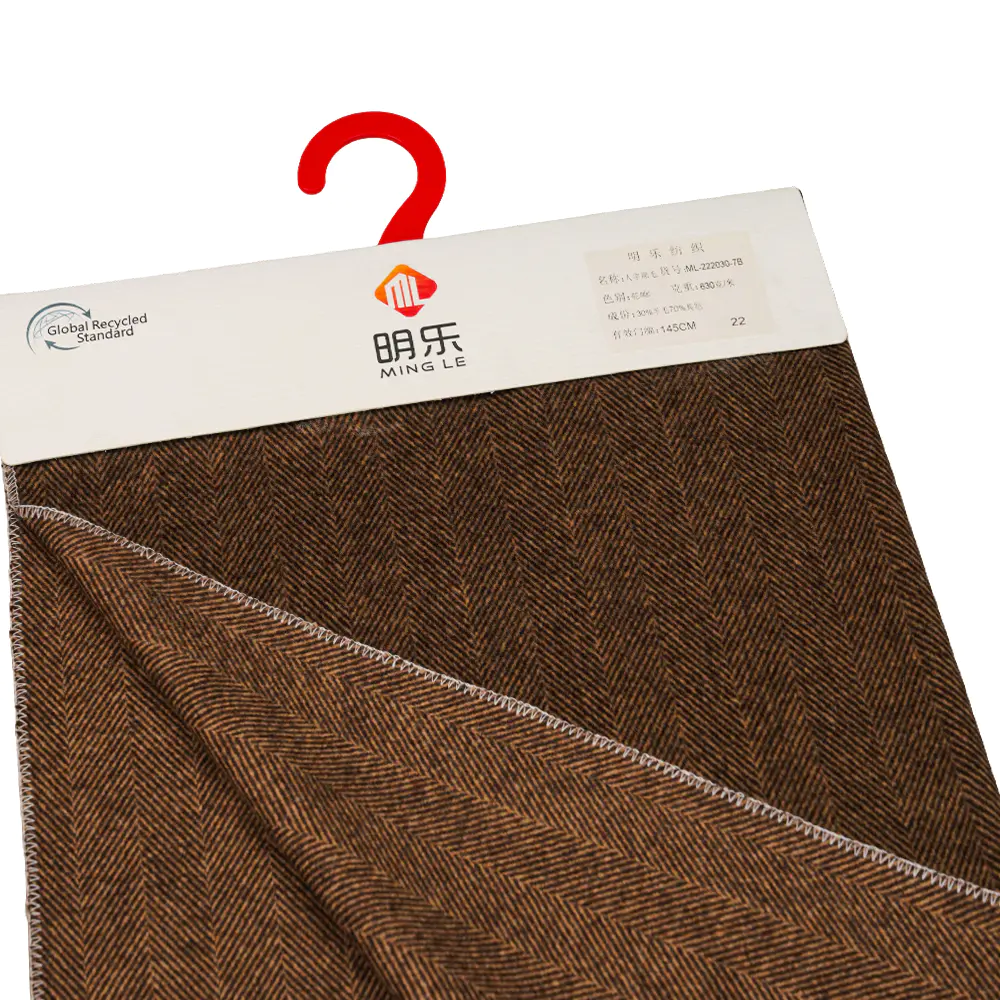
30% Wool 70% other fiber 630G/M Camel/Brown Herringbone single-face overcoating ...
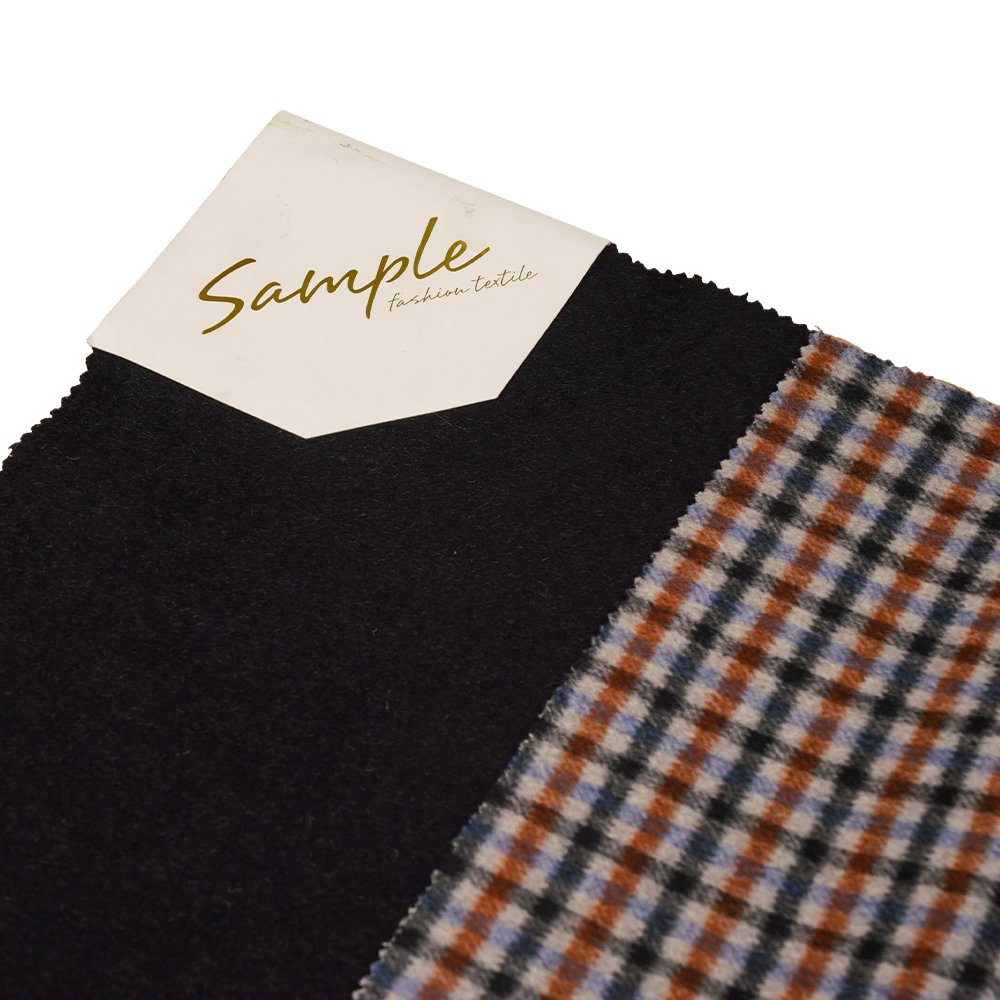
50% Wool 50% other fiber 780G/M Color Check Plaiddouble-face overcoating fabricF...
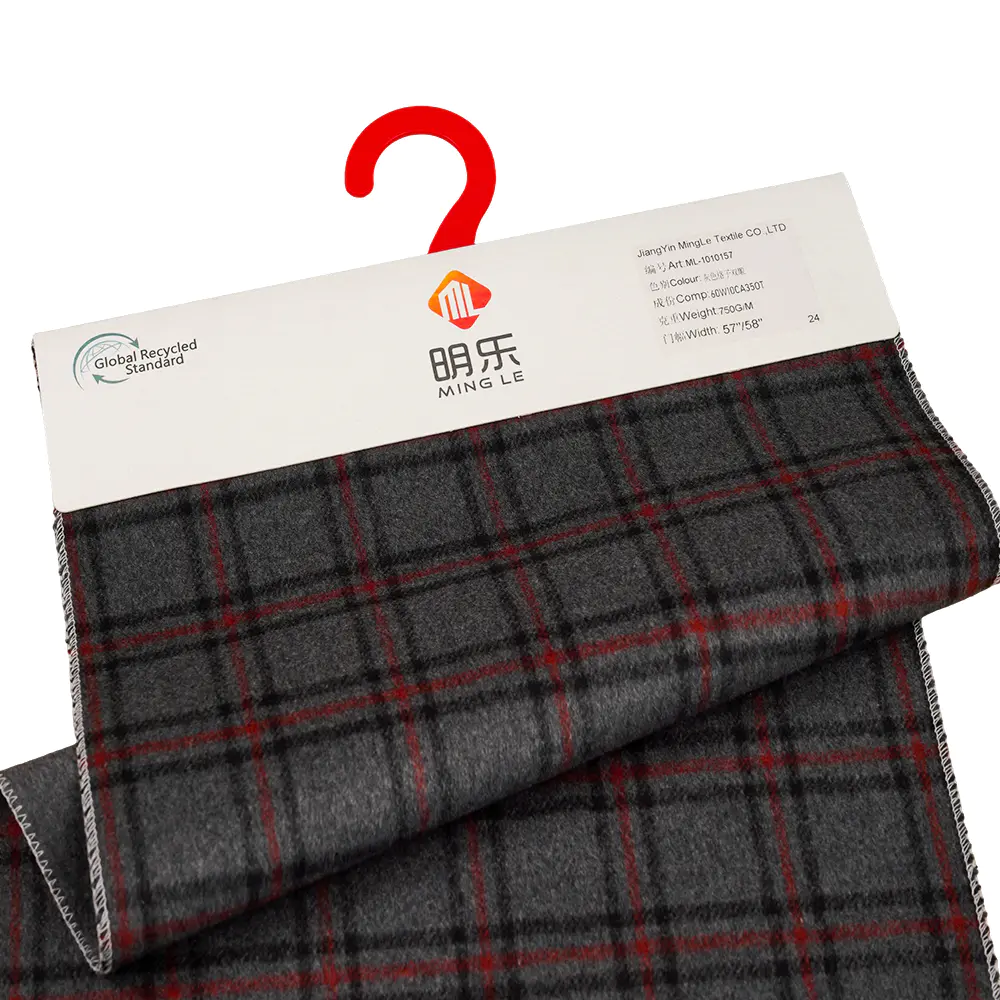
60% Wool 5% Cashmere 35% Synthetic Fabric Double-Sided Brushed Fabric: Gray Plai...
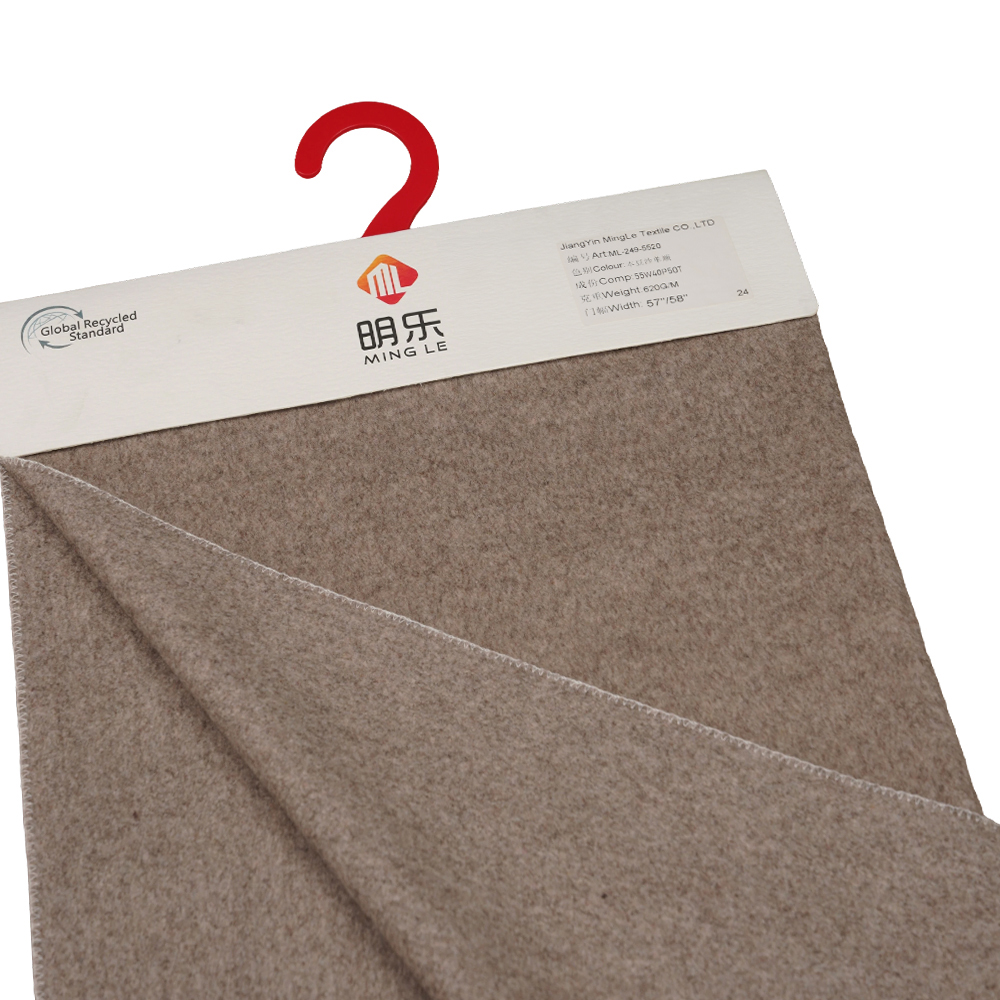
55% Wool 40% Polyester 5% other fiber620G/M Bean Sand single-face overcoating Fl...
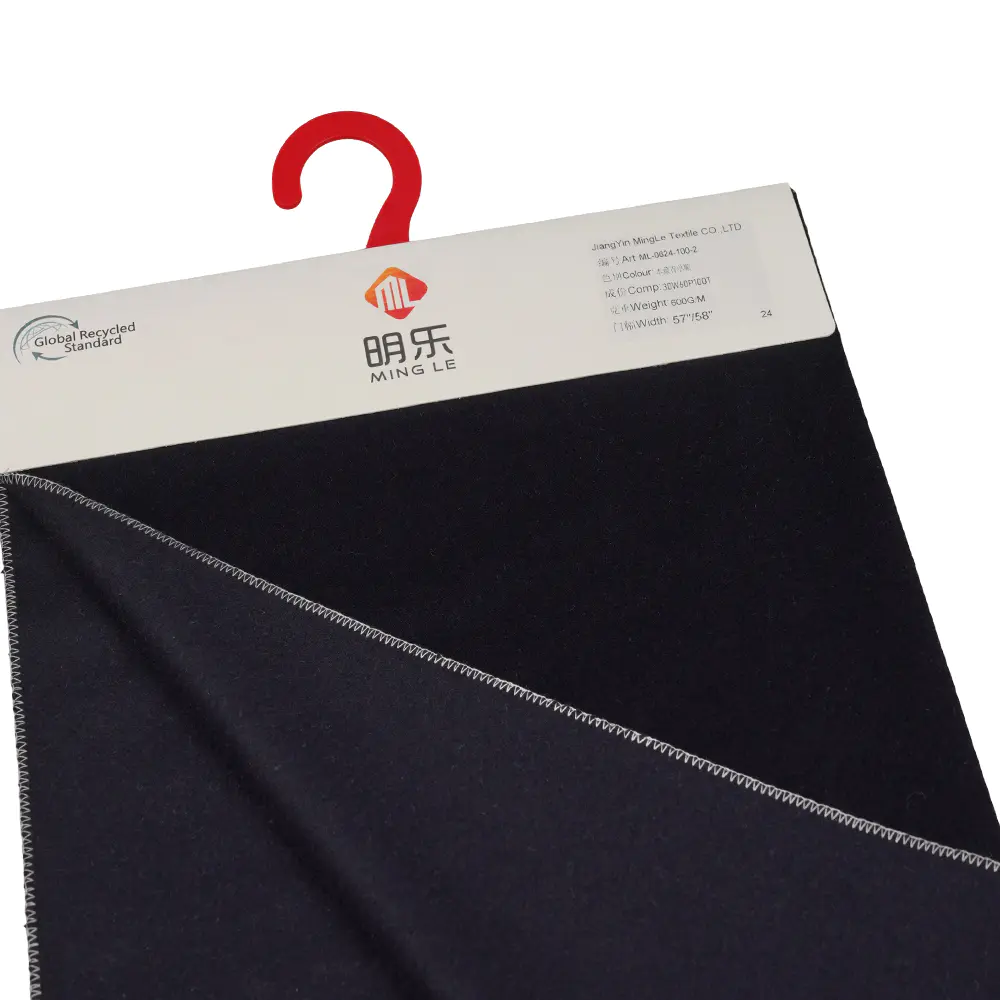
30% Wool, 60% Polyester, 10% other fiber, 600g/m Classic Navy Blue single-face o...
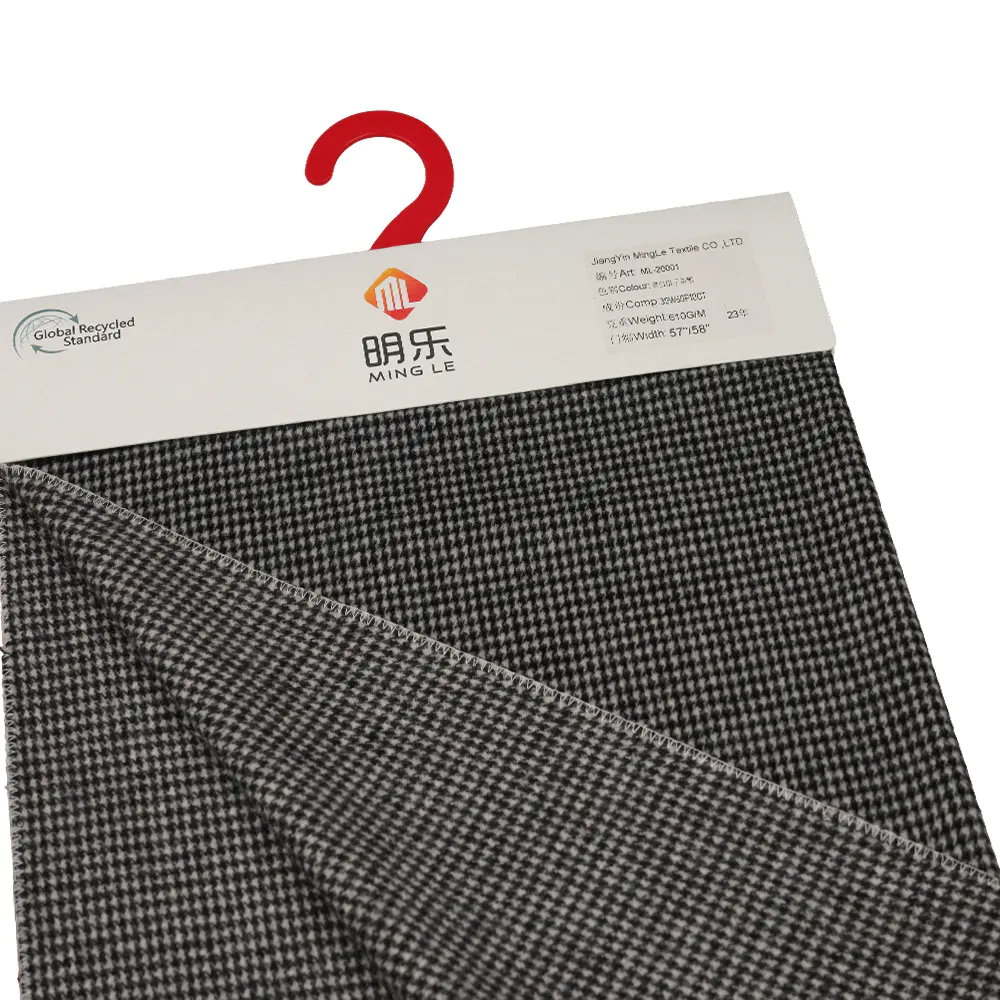
30% Wool 60% Polyester 10% other fiber610G/M Black White Plaid Single-Pile Fleec...
 +86 - 510 - 86373115
 +86 - 13812129532
 No. 118, Huancun West Road, Huaxi Fifth Village, Huashi Town, Jiangyin City, Wuxi City, Jiangsu Province, China


