

 English
 中文简体
50% Wool, 40% Polyester, 10% Other Fiber, 680G/M, Black And White, Twill Melton Fabric, ML-S0622-141
50% Wool 40% Polyester 10% other fiber680G/M Black White Twill Melton Fabric | S...

Content
A flannel cut for a winter shirt and a flannel cut for a light coat can leave the same mill in the same price band and still fail at opposite ends of the pattern room. At Jiangyin Mingle Textile Co., Ltd., flannel is milled from 300 g/m2 to 420 g/m2 with wool content running between 9% and 60%. That spread decides drape, warmth, seam stability and how a garment holds its shape after a season of wear. How to select flannel fabric for different garment designs comes down to three measurable variables in a fixed order: weight first, fiber blend second, surface structure third.
Garment category sets the flannel weight band, and every downstream choice follows from it: stitch density, needle size, interlining, fusible weight and seam allowance are all calibrated to the grams per square meter of the shell cloth.
A 320 g/m2 flannel cut to a long coat pattern collapses at the hem within a month of wear, because the cloth has neither the body nor the recovery to hold an unsupported panel. A 420 g/m2 flannel cut to a shirt produces a rigid garment that strains at the armhole and refuses to fold cleanly at the collar stand. Tolerance matters as much as nominal weight: milling and brushing move a lot by up to 5%, so a 400 g/m2 order can arrive anywhere between 380 and 420 g/m2.
| Garment type | Flannel weight | Wool content | Failure mode if mismatched |
| Tailored shirt, blouse | 280-320 g/m2 | 30-60% | Collar stand collapse, cuff fraying |
| Dress, skirt, wide trouser | 300-340 g/m2 | 30-50% | Flat drape, seam grinning |
| Overshirt, utility jacket | 340-380 g/m2 | 40-60% | Bulky armhole, seam slippage |
| Light coat, cape, poncho | 400-420 g/m2 | 50-60% | Hem sag, no thermal body |
| Loungewear, robe, wrap | 320-360 g/m2 | 9-40% | Stiff hand, surface irritation |
Two consequences follow. Order flannel against a range rather than a single number, and write the tolerance into the purchase order. Then keep the band consistent across a collection: a shirt and its matching overshirt should sit 40 to 60 g/m2 apart, which is why mills hold light flannel near 300 g/m2 and heavier shirt and jacket qualities near 340 to 380 g/m2 as separate articles rather than one generic cloth.
For the light end of shirt and dress work, a 300 g/m2 mixed flannel with 60% wool offers enough nap to read as flannel without adding bulk at the placket and cuff.
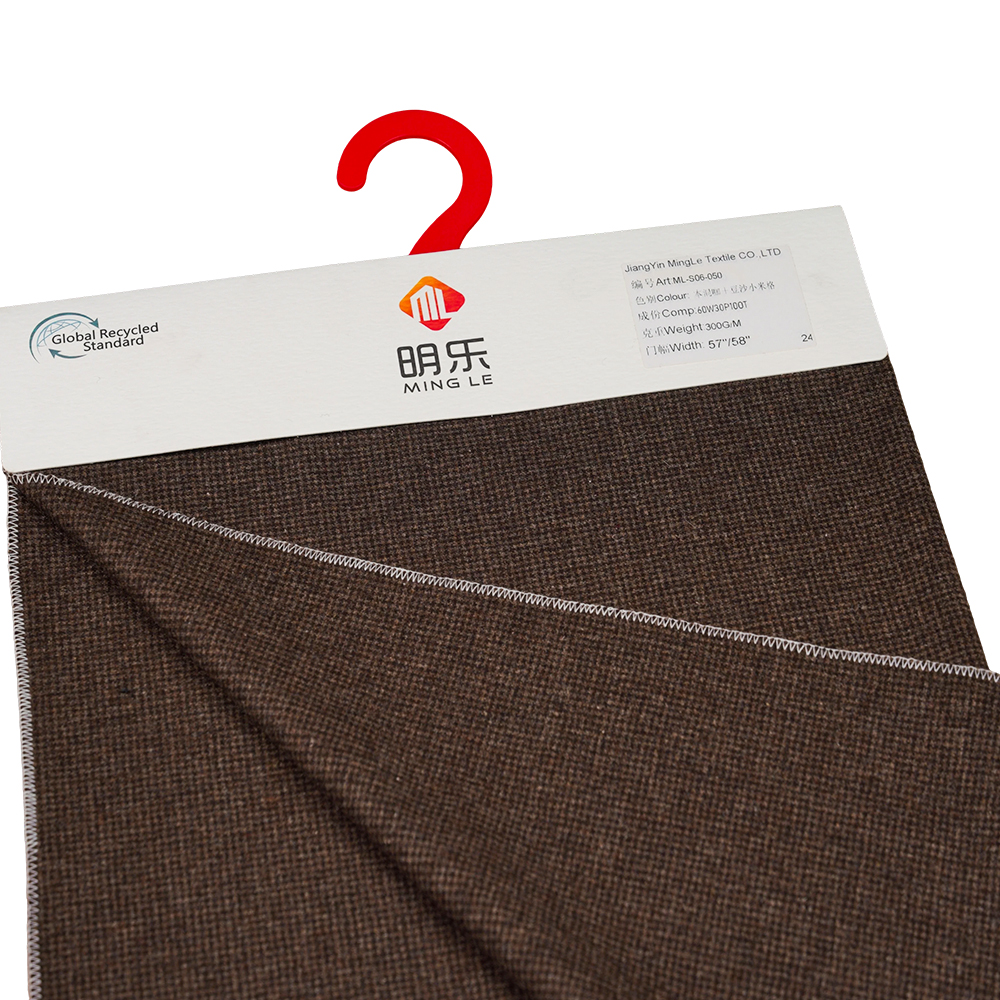 60% Wool, 30% Polyester, 10% Other Fiber, 300G/M, Mixed Coffee + Red Bean Paste Millet, Fl·A balanced wool blend provides enhanced warmth and wrinkle resistance. ·Plaid color combinations adapt to various styling needs. ·300g/m weight provides excellent dra...View Product →
Wool content in flannel is a performance dial rather than a luxury label, because it drives recovery, abrasion resistance and price per meter more than any other single variable.
A 400 g/m2 quality at 9% wool and 66% polyester holds shape well and costs the least per meter, but its brushed surface tends to pill after roughly 15 to 20 wears in garments that see friction at cuffs and hip bags. A 50% wool, 40% polyester, 10% other fiber quality at 340 to 420 g/m2 balances nap depth against durability and is the most common specification for overshirts and light coats. A 60% wool blend at 300 to 350 g/m2 delivers the softest hand and the best crease recovery, at a higher price and with dry-clean-only care.
| Blend and weight | Hand | Best fit | Watch out for |
| 9% wool / 66% polyester / 25% other, 400 g/m2 | Dry, uniform | Loungewear, budget overshirts | Surface pilling after 15-20 wears |
| 50% wool / 40% polyester / 10% other, 340-420 g/m2 | Balanced, soft nap | Shirts, overshirts, light coats | Shade drift between dye lots |
| 60% wool / 30% polyester / 10% other, 300-350 g/m2 | Soft, springy | Dresses, tailored shirts | Higher cost, dry clean only |
| 53% wool / 47% polyester, 350 g/m2 | Crisp, structured | Panelled shirts and overshirts | Stripe matching adds cutting waste |
Definition Flannel is a woven wool-blend cloth, typically 300-420 g/m2 in outerwear weights, finished with a brushed or milled surface that raises a soft nap and partially obscures the weave structure underneath. Nap depth, not fiber content alone, is what separates flannel from a plain wool coating of the same weight.
Because Mingle Textile mills its own wool-blend flannel fabrics rather than trading them, blend ratios can be adjusted per order: the same 350 g/m2 construction can move from 50% wool to 60% wool without changing the surface finish, which keeps a garment programme visually consistent across two price points.
Nap direction, pattern scale and weave structure determine how a flannel behaves on a given panel size, which is why one weight can succeed on a coat panel and fail on a shirt placket.
Pattern repeat is a design constraint, not a finishing detail. A 1 cm vertical stripe reads as a solid line on a 12 cm placket and as a graphic field on a 60 cm coat panel, and the same cloth can look like two different fabrics inside one collection.
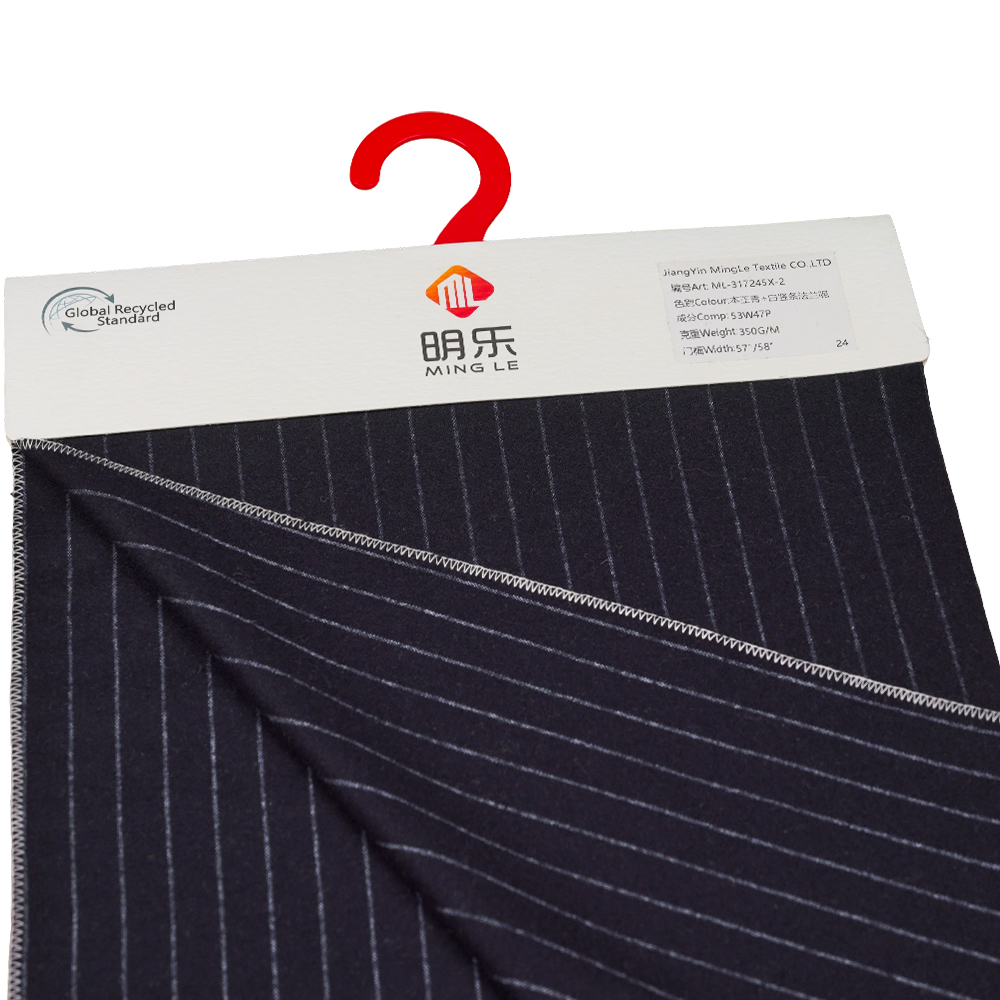 53% Wool, 47% Polyester, 350G/M, Zhiqing + White, Vertical Striped Flannel Fabric, ML-3172·Wool and polyester blend balances warmth and wrinkle resistance. ·Vertical stripe design visually elongates lines and refines the silhouette. ·Unit weight of 350G/M o...View Product →
Four garment families cover nearly all flannel demand, and each one has a preferred weight, blend and finish combination that can be specified before sampling begins.
Use 280-320 g/m2 with 30-60% wool for a true shirt, because the collar stand and cuff have to fold without bulking. Move to 340-380 g/m2 only when the garment is a boxy shirt jacket with a single patch pocket, where the extra body is an asset rather than a problem.
300-340 g/m2 in a 50/40/10 blend drapes without stiffness and presses cleanly. Avoid heavy nap finishes on bias-cut panels: the nap direction shifts visibly between the front and the back of the pattern, and the shading difference survives pressing.
400-420 g/m2 with 50-60% wool is the practical minimum for an unlined coat, because an unsupported hem on a mid-calf panel needs weight to hang. A 420 g/m2 navy melange with 50% wool and 40% polyester holds a clean edge and takes a bound finish without bulk at the seam line.
320-360 g/m2 and blends down to 9% wool keep cost per unit under control while still delivering the brushed surface customers associate with flannel. Test surface feel against bare skin before approving, since a coarse nap is the most common complaint in this category.
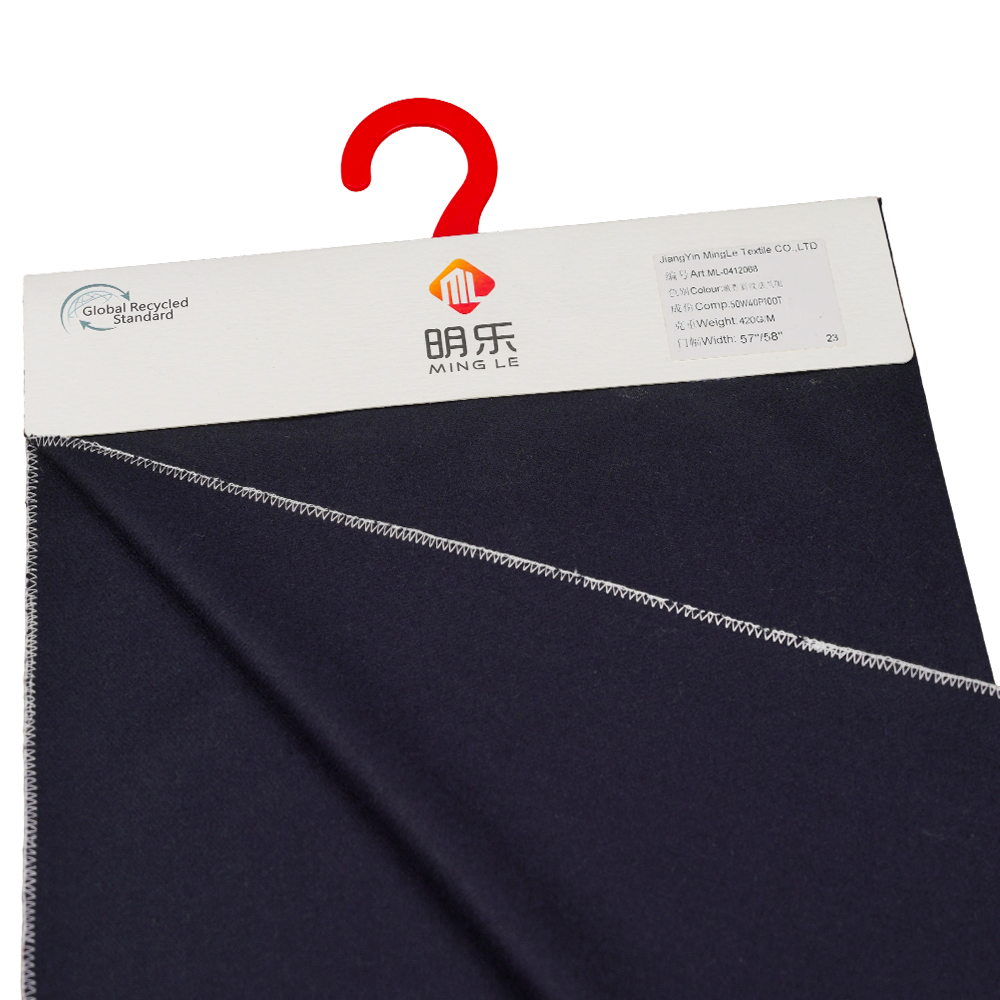 50% Wool, 40% Polyester, 10% Other Fiber, 420G/M, Navy Blue, Twill Flannel Fabric, ML-0412·Wool blend provides a balance of warmth and breathability ·Twill weaving increases fabric durability and wrinkle resistance ·Navy blue tone is easy to coordinate and ...View Product →
A five-point sampling sequence catches the expensive flannel problems while they still cost a swatch instead of a cutting run.
Bulk flannel failures almost always trace back to a specification agreed verbally. Weight band, blend ratio, nap finish, tolerance and dye-lot continuity belong on the order sheet before the first meter is milled.
The mill's technical note on what makes wool flannel fabric the right choice for serious outerwear covers finish-level differences in more depth.
280-320 g/m2 with 30-60% wool is the working range. Below 280 g/m2 the cloth loses the nap depth that reads as flannel, and above 320 g/m2 the collar stand and cuffs become difficult to fold cleanly.
Not automatically. For garments that see abrasion, a 50% wool, 40% polyester, 10% other fiber blend at 340-420 g/m2 holds its shape longer and costs less than a high-wool alternative, while a 60% wool blend wins on hand feel and crease recovery for tailored pieces.
Plus or minus 5% against the nominal figure is the normal tolerance after milling and brushing. A 400 g/m2 order should therefore be expected between 380 and 420 g/m2, and the accepted range belongs in the purchase order.
Only if the pattern is redesigned around it. A 400 g/m2 cloth that makes a convincing unlined coat will make a rigid, uncomfortable shirt, so most programmes split the fabric family across two weights instead of forcing one cloth into both roles.
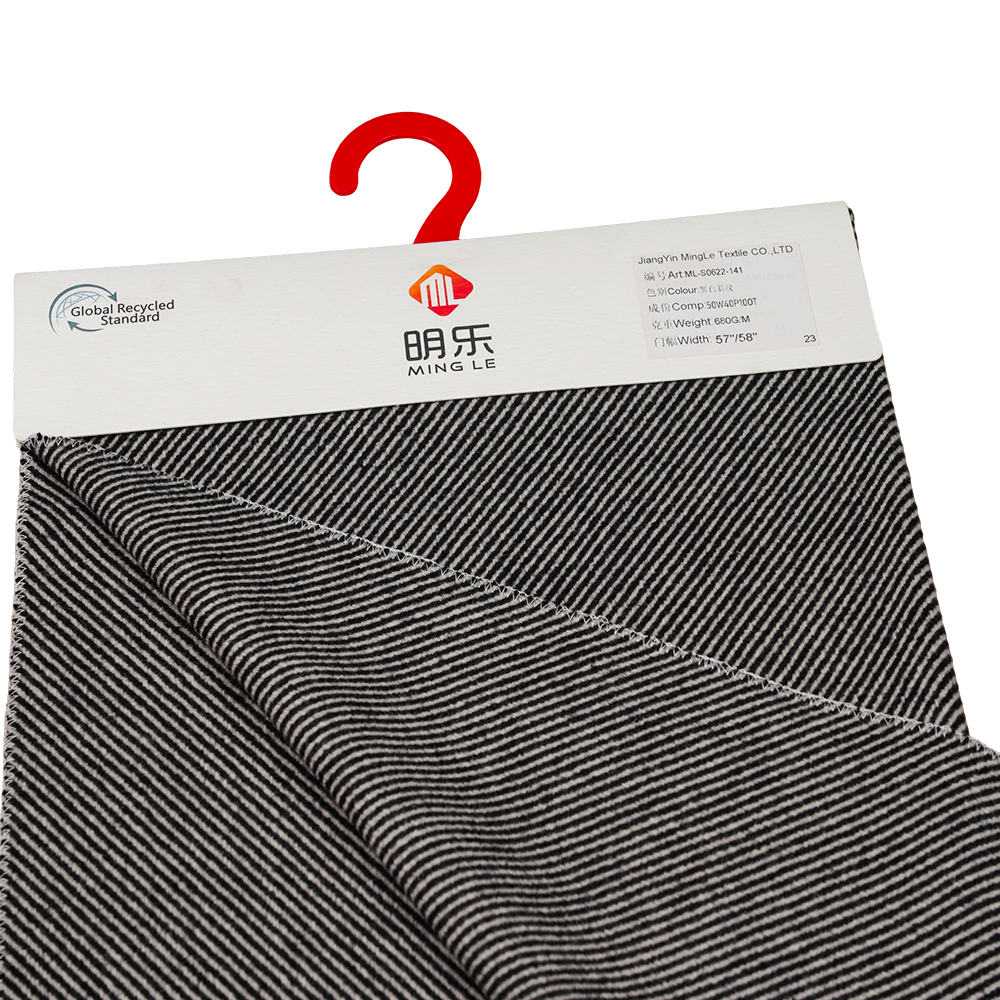
50% Wool 40% Polyester 10% other fiber680G/M Black White Twill Melton Fabric | S...
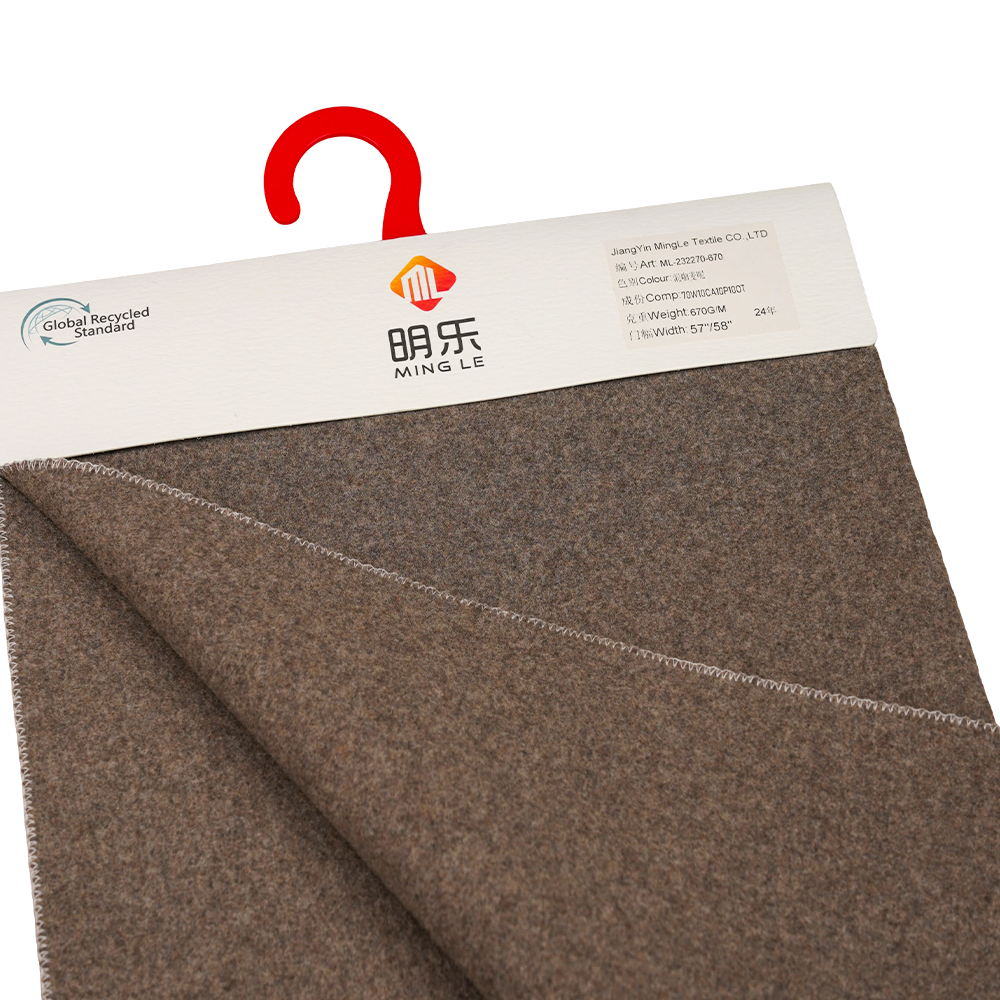
70% Wool 10% Cashmere Mixed Khaki Melton Fabric: 670g/m Earth Tone Textile Mater...
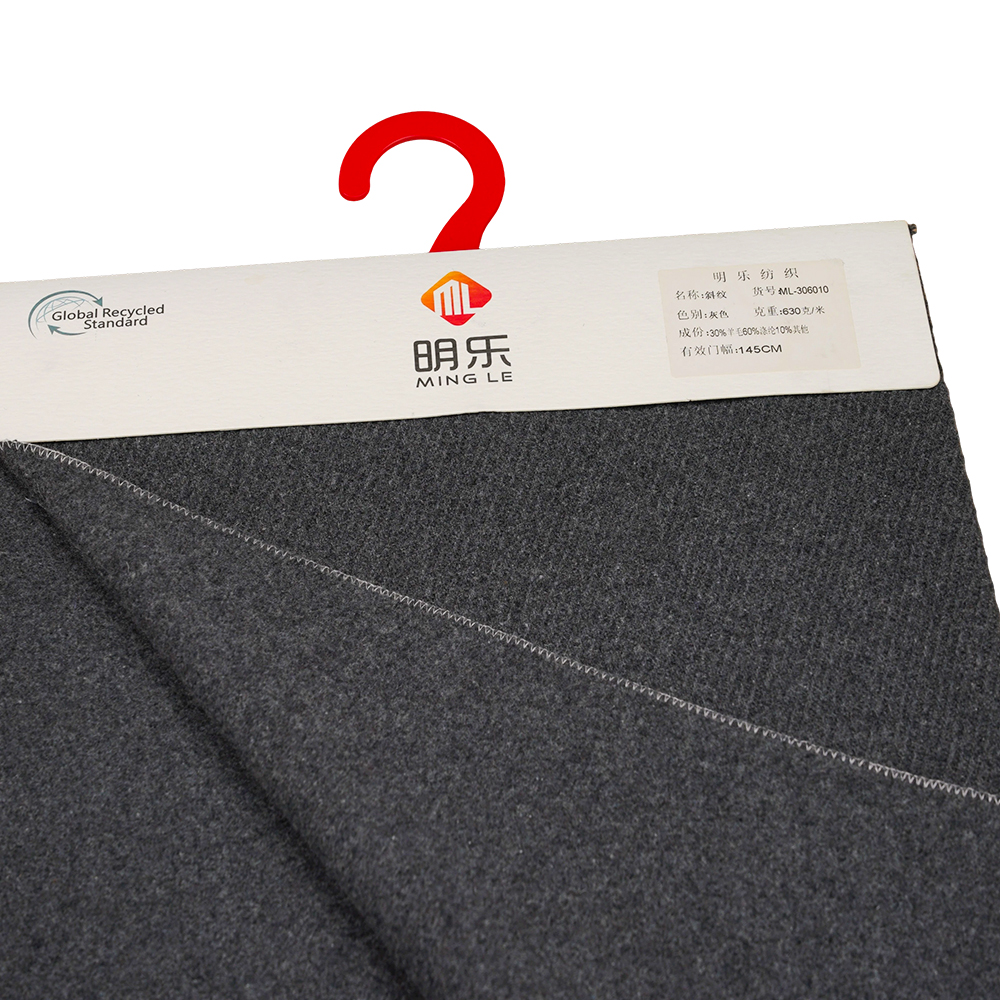
Gray Twisted Wool-Melton Fabric: 630g Weight Wool Blend for Versatile Business a...
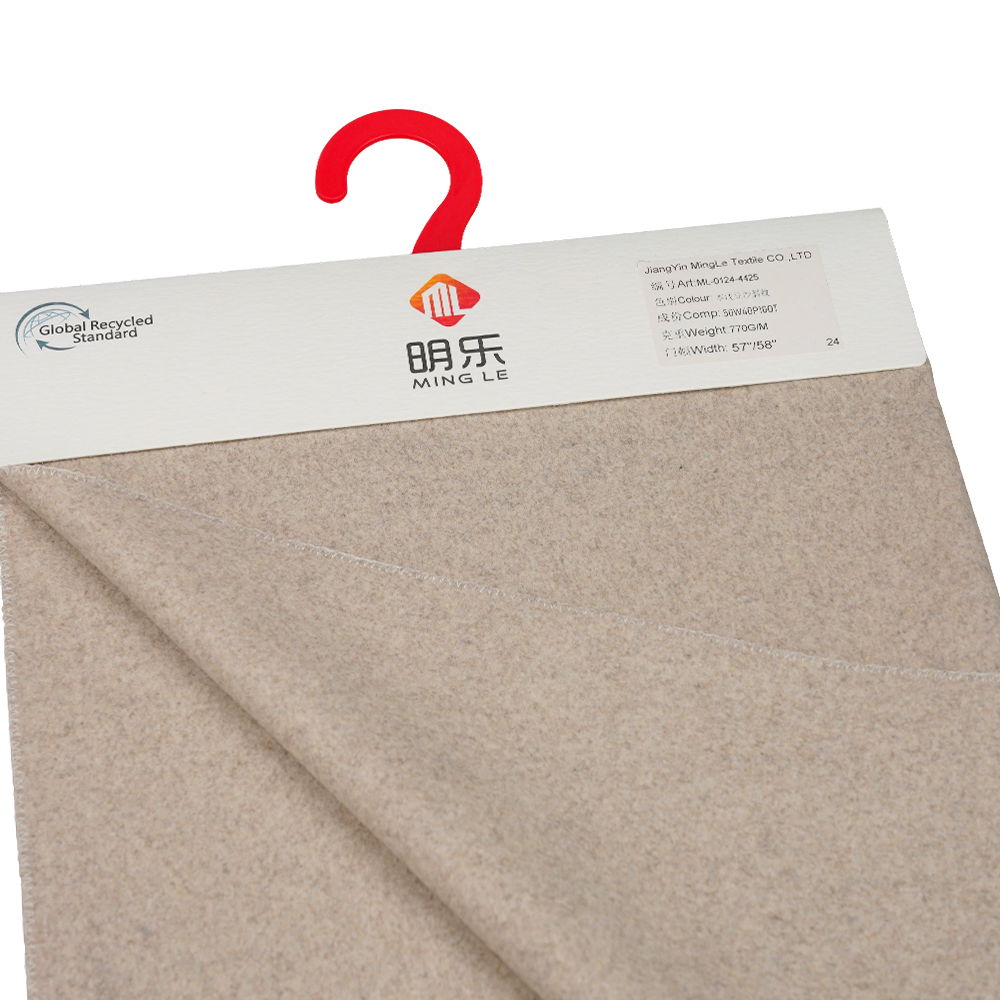
50% Wool, 40% Polyester, 10% other fiber, 770g/m Natural Light Bean Paste Twill ...
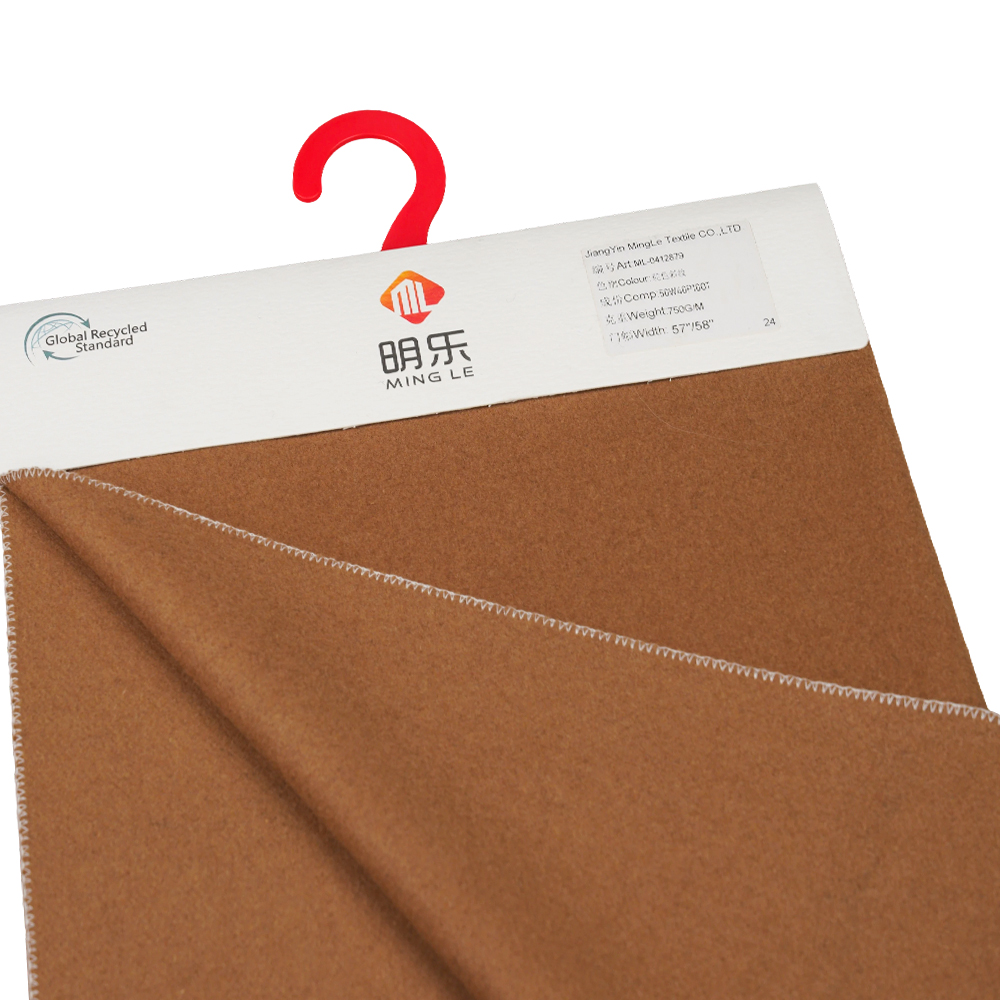
ML-0412879 Camel Twill Fabric: 730g/m 50% Wool, 50% other fiberThis ML-0412879 f...
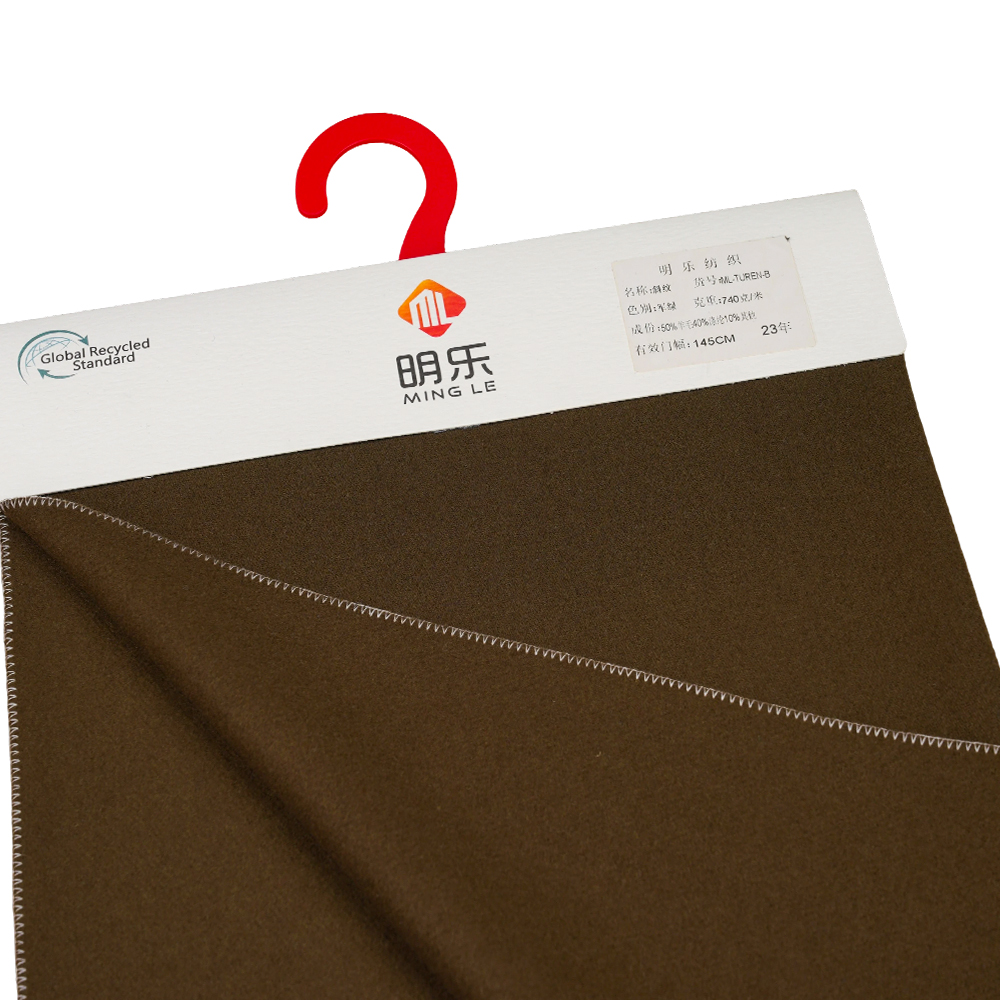
Military Green Twill Fabric: 740g Wool Blend, Suitable for Versatile UseThis mil...
 +86 - 510 - 86373115
 +86 - 13812129532
 No. 118, Huancun West Road, Huaxi Fifth Village, Huashi Town, Jiangyin City, Wuxi City, Jiangsu Province, China


