

 English
 中文简体
中文简体News
Home > News > Industry News > ML-90345 60% Wool 30% Polyester 10% Other Fiber 800G/M Dark Gray Melton Fabric: A Technical Analysis of Premium Overcoating Material

Content
In the world of premium outerwear and tailored garments, the selection of fabric is a critical decision that directly influences the final product's quality, comfort, and aesthetic appeal. Among the many options available to designers and manufacturers, wool-blend overcoating fabrics have long been favored for their warmth, structure, and timeless elegance. Within this category, the ML-90345 60% Wool, 30% Polyester, 10% Other Fiber, 800G/M, Dark Gray, Melton Fabric stands out as a sophisticated and high-performance material. This article provides a detailed technical analysis of this exceptional fabric, exploring its composition, performance characteristics, and the advantages it offers over other overcoating materials.
This comprehensive guide is intended for apparel designers, product developers, garment manufacturers, and procurement specialists who seek to understand the nuances of high-quality melton fabrics. We will delve into the science behind its fiber blend, the engineering of its dense weave, and its critical role in creating durable, warm, and stylish outerwear. Understanding these elements is essential for making an informed sourcing decision that enhances the quality and marketability of apparel lines.
The unique fiber composition of the ML-90345 is the foundation of its exceptional performance. At its core is a generous 60% wool content, which provides the fabric with its luxurious handle, superior warmth, and excellent breathability. Wool is a natural protein fiber with a complex structure that allows it to absorb and release moisture vapor, helping to regulate body temperature and keep the wearer comfortable in varying conditions. This natural fiber is also known for its resilience and ability to resist wrinkling, ensuring that garments maintain a crisp, tailored appearance throughout the day.
The 30% polyester component is equally crucial, adding strength, durability, and shape retention to the fabric. Polyester is a synthetic fiber known for its high tensile strength and resistance to stretching and shrinking. In a wool blend, polyester significantly enhances the fabric's robustness, making it more resistant to the wear and tear of daily use. The polyester content also contributes to the fabric's wrinkle resistance, ensuring that garments retain their shape and look fresh even after extended wear. Additionally, the 10% other fibers, which often include materials like nylon or viscose, further refine the fabric's performance by enhancing its overall handle, drape, or specific functional properties.
This strategic blend is a hallmark of high-quality overcoating fabrics. The wool provides the luxury and warmth, the polyester ensures durability and shape retention, and the additional fibers fine-tune the fabric's characteristics for optimal performance. The 60/30/10 ratio in the ML-90345 is meticulously balanced to provide a superior tactile experience and long-lasting wear.
The ML-90345 is a melton fabric, a term that refers to a specific type of heavy, densely woven woolen fabric. Melton is characterized by its tight weave and heavily felted surface, which gives it a smooth, compact finish that is both wind-resistant and exceptionally warm. The manufacturing process involves milling the fabric, which subjects it to heat, moisture, and mechanical pressure to interlock the wool fibers. This process creates a dense, almost felt-like structure that is the hallmark of authentic melton cloth.
The significance of the melton construction for the ML-90345 cannot be overstated. The dense weave and felted surface provide several key performance benefits. First and foremost is its superior insulation. The tight structure traps air within the fabric, creating a barrier against cold temperatures. This makes melton an ideal choice for winter coats, jackets, and other cold-weather garments. Second, the dense weave makes the fabric highly wind-resistant, protecting the wearer from chilling drafts. Finally, the felted surface gives melton a distinctive, smooth hand-feel and a professional, structured appearance that is highly valued in tailored outerwear.
The 800G/M weight of the ML-90345 is a clear indicator of its premium quality and substantial nature. This heavyweight fabric is designed for serious cold-weather protection and offers a luxurious, substantial drape that is characteristic of high-end outerwear. This weight ensures that garments made from this fabric will hang beautifully, hold their shape, and provide outstanding warmth and comfort.
To fully appreciate the value of the ML-90345, it is useful to compare it against other common materials used for overcoats and outerwear. The choice between a heavy melton, a lighter wool blend, or a synthetic fabric can significantly impact a garment's warmth, durability, and overall aesthetic.
| Feature | ML-90345 Melton (60% Wool) | Lightweight Wool Blend | Synthetic Overcoating Fabric |
|---|---|---|---|
| Warmth & Insulation | Exceptional; dense, felted weave traps heat | Moderate; lighter construction | Varies; often less breathable |
| Weight & Drape | Heavy (800G/M); substantial and structured | Light to moderate; softer drape | Varies; can be lightweight |
| Durability | High; dense weave resists wear | Moderate; can be prone to pilling | High; often very durable |
| Wind Resistance | Excellent; tight weave blocks wind | Moderate; requires lining | Varies; some are excellent |
| Aesthetic | Classic, smooth, structured | Softer, more casual | Modern, can be technical-looking |
| Breathability | Good; wool allows moisture vapor to escape | Moderate to Good | Often poor; can trap moisture |
| Best Application | Premium overcoats, military-style jackets | Light jackets, blazers | Outdoor gear, some fashion outerwear |
As the table illustrates, the ML-90345 melton fabric offers a superior combination of features for premium outerwear. While a lightweight wool blend is suitable for more moderate climates or less structured garments, it cannot match the warmth and wind resistance of a heavy melton. Synthetic fabrics, while often durable and water-resistant, may lack the breathability and classic aesthetic of a high-quality wool melton. The ML-90345 excels in its niche, delivering exceptional warmth, durability, and a timeless, elegant appearance.
The quality of a fabric like the ML-90345 is measured by several key performance indicators. These metrics provide a quantifiable assessment of its suitability for various applications. The following data highlights the fabric's core capabilities, underscoring its value in the apparel industry.
These metrics demonstrate that the ML-90345 is engineered for superior performance and longevity. Its high wool content and substantial weight ensure that it provides outstanding warmth and durability, making it a reliable investment for both manufacturers and consumers. The melton construction further enhances its protective qualities, making it an ideal choice for cold-weather garments.
The journey from raw fibers to a finished melton fabric is a complex and highly controlled process. Understanding this workflow illustrates the quality control and engineering that goes into creating a premium material like the ML-90345. This diagram outlines the step-by-step process, from fiber blending to final inspection.
Wool, polyester, and other fibers are precisely weighed and blended to achieve the 60/30/10 ratio. The blend is carded and spun into high-quality yarns.
The yarns are woven into a dense fabric. The fabric then undergoes milling—a process of heat, moisture, and pressure—to felt the surface.
The fabric is finished and sheared to achieve a smooth surface. Rigorous quality inspections check for weight, color, and uniformity.
This structured process ensures that the final product meets stringent quality standards. For a closer look at these components, you can explore the 60% Wool, 30% Polyester, 10% Other Fiber, 800G/M, Dark Gray, Melton ML-90345 options available from leading manufacturers.
The ML-90345 is a versatile fabric that lends itself to a wide range of outerwear applications. Its classic aesthetic and high-performance characteristics make it a preferred choice for many different garment types.
It is ideally suited for crafting classic overcoats and pea coats, styles that have remained staples of men's and women's fashion for generations. The fabric's weight and drape give these garments a structured, polished look that exudes quality and sophistication. It is also an excellent choice for military-style jackets, where its durability and wind resistance are key benefits. For fashion-forward designers, the dark gray color and smooth melton surface provide a refined canvas for contemporary silhouettes. The fabric's versatility ensures it can be used for both traditional and modern designs.
The versatility of this fabric is a testament to its quality. Its ability to meet the demands of diverse design aesthetics and applications makes it a trusted choice for designers and manufacturers worldwide.
Investing in a high-quality fabric like the ML-90345 is an investment in the longevity of the final garment. To ensure the fabric maintains its appearance and performance, proper care is essential. Like most premium wool blends, professional dry cleaning is the safest method to preserve the fabric's texture and color. This will prevent shrinkage and maintain the fabric's structural integrity.
For minor spots, professional spot cleaning is advised. Between wears, garments should be hung on quality, wide-shouldered hangers to allow the fabric to breathe and maintain its shape. Regularly brushing the garment with a soft clothes brush can remove surface dust and keep the melton surface looking pristine. This straightforward care, combined with the fabric's robust engineering, ensures that the garment remains a staple in the wardrobe for many years.
The ML-90345 60% Wool, 30% Polyester, 10% Other Fiber, 800G/M, Dark Gray, Melton Fabric is a meticulously engineered material that exemplifies the best of traditional textile craftsmanship. Its blend of premium natural and synthetic fibers offers an exceptional balance of luxury, durability, and practicality. The fabric's melton construction, defined by its dense weave and felted surface, provides a sophisticated foundation for creating outerwear that is both timeless and functional. Whether for a classic overcoat or a modern jacket, this fabric represents a leading choice for designers and manufacturers seeking to deliver quality, warmth, and style.
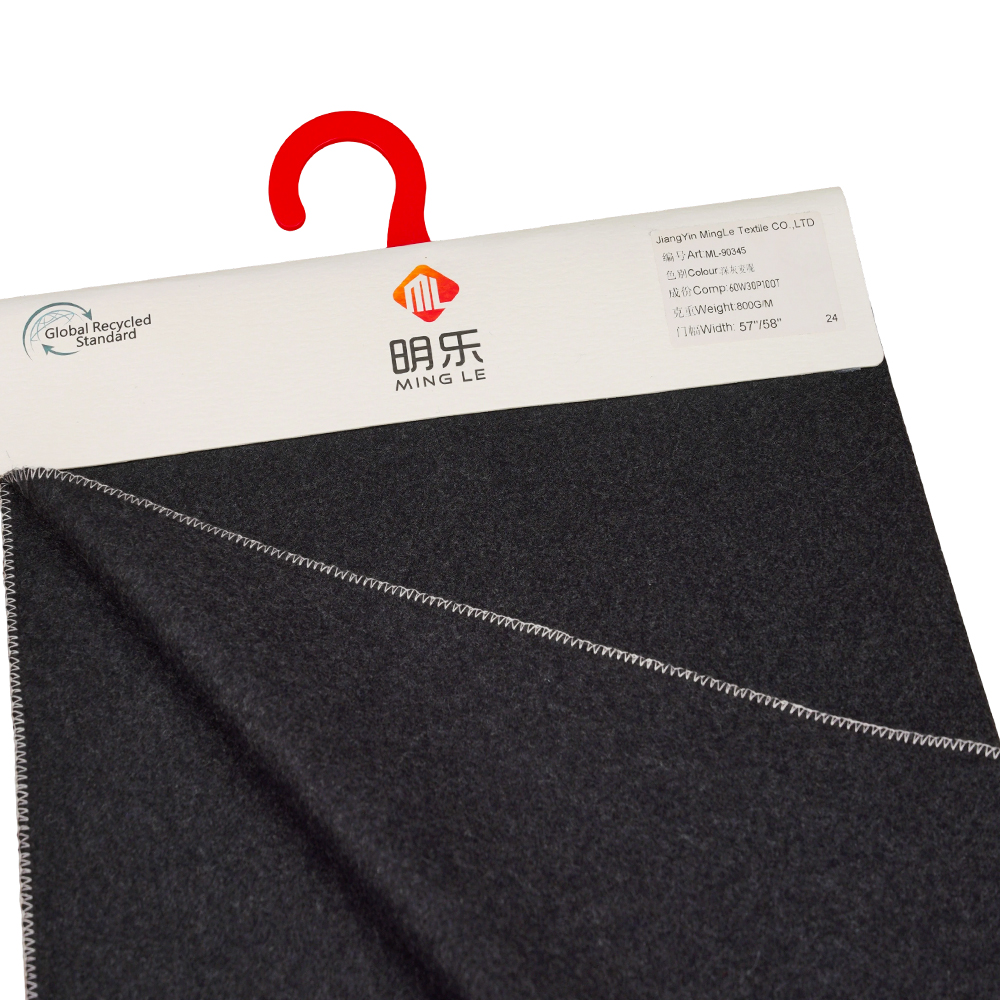
Dark Gray Woolen Fabric: 60% Wool 30% Polyester 10% other fiber 800g/m Material...
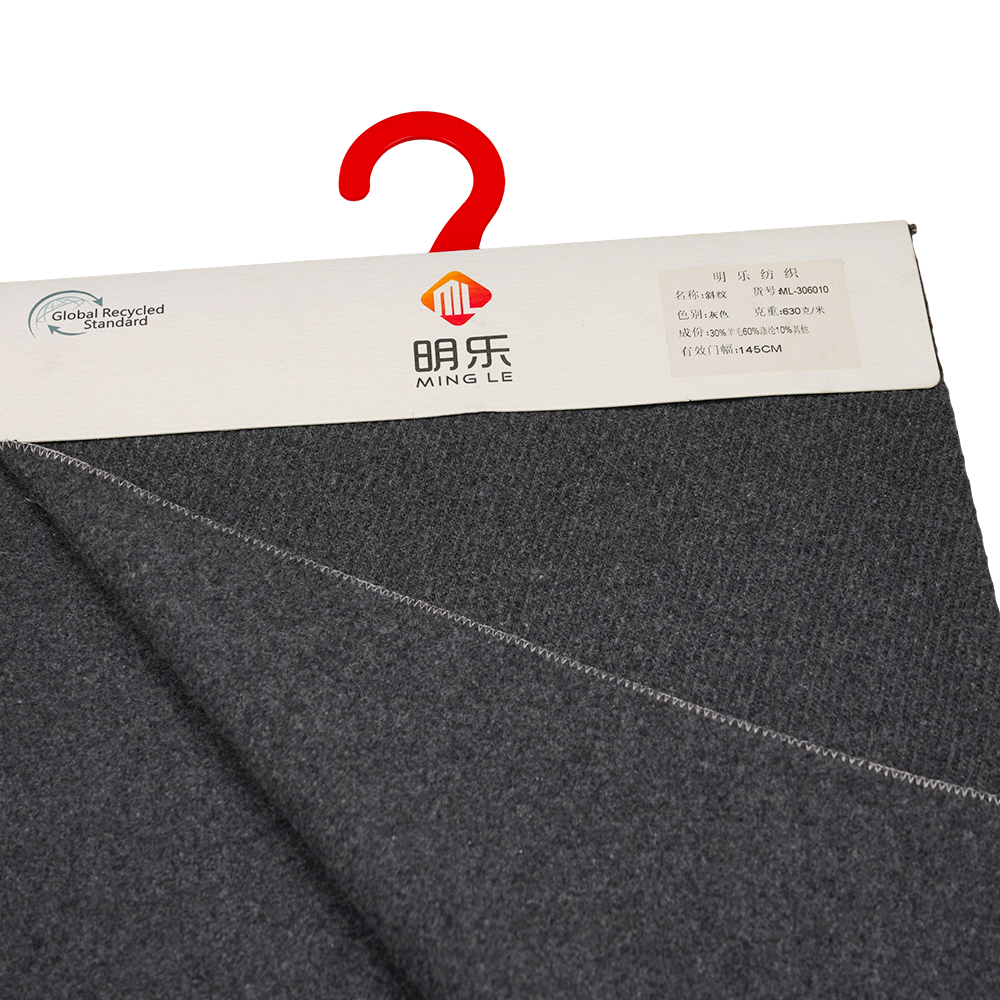
Gray Twisted Wool-Melton Fabric: 630g Weight Wool Blend for Versatile Business a...
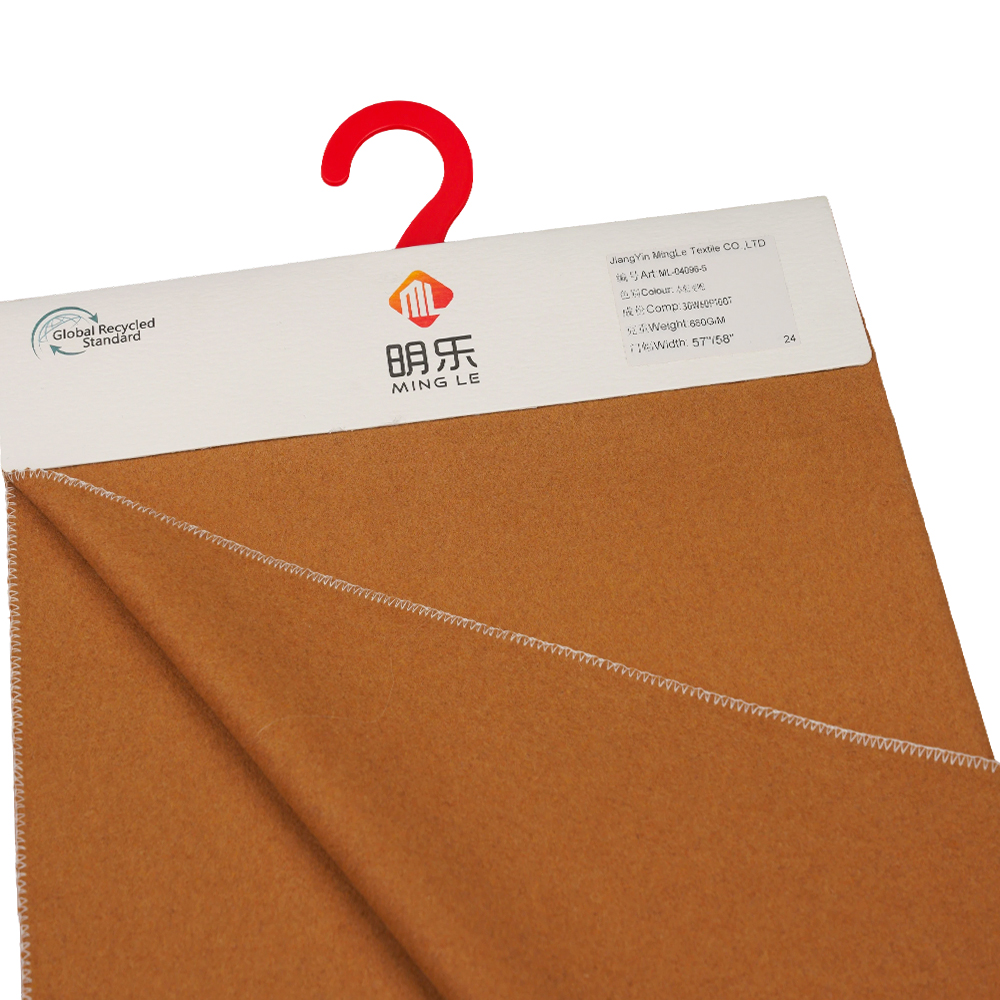
Brownish-Tan Melton Fabric: 30% Wool, 60% Polyester, 10% other fiber, 680g/m Thi...
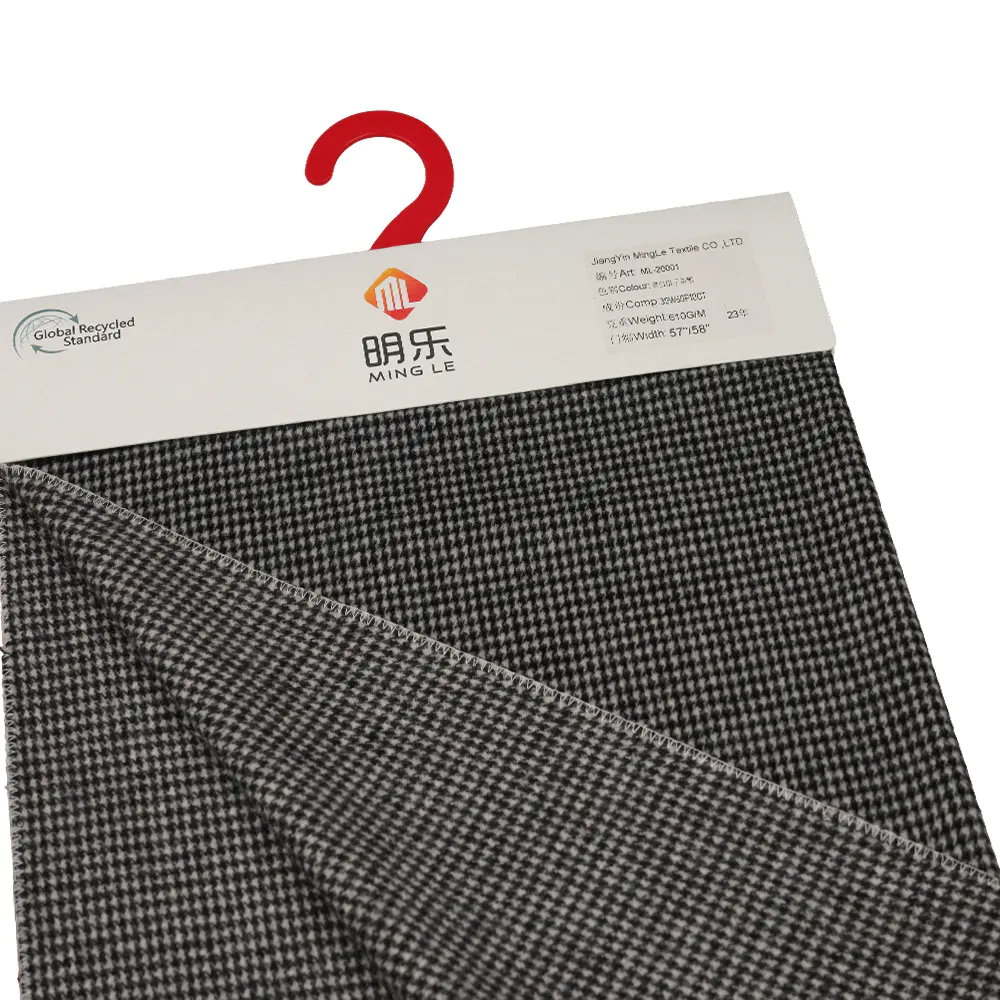
30% Wool 60% Polyester 10% other fiber610G/M Black White Plaid Single-Pile Fleec...
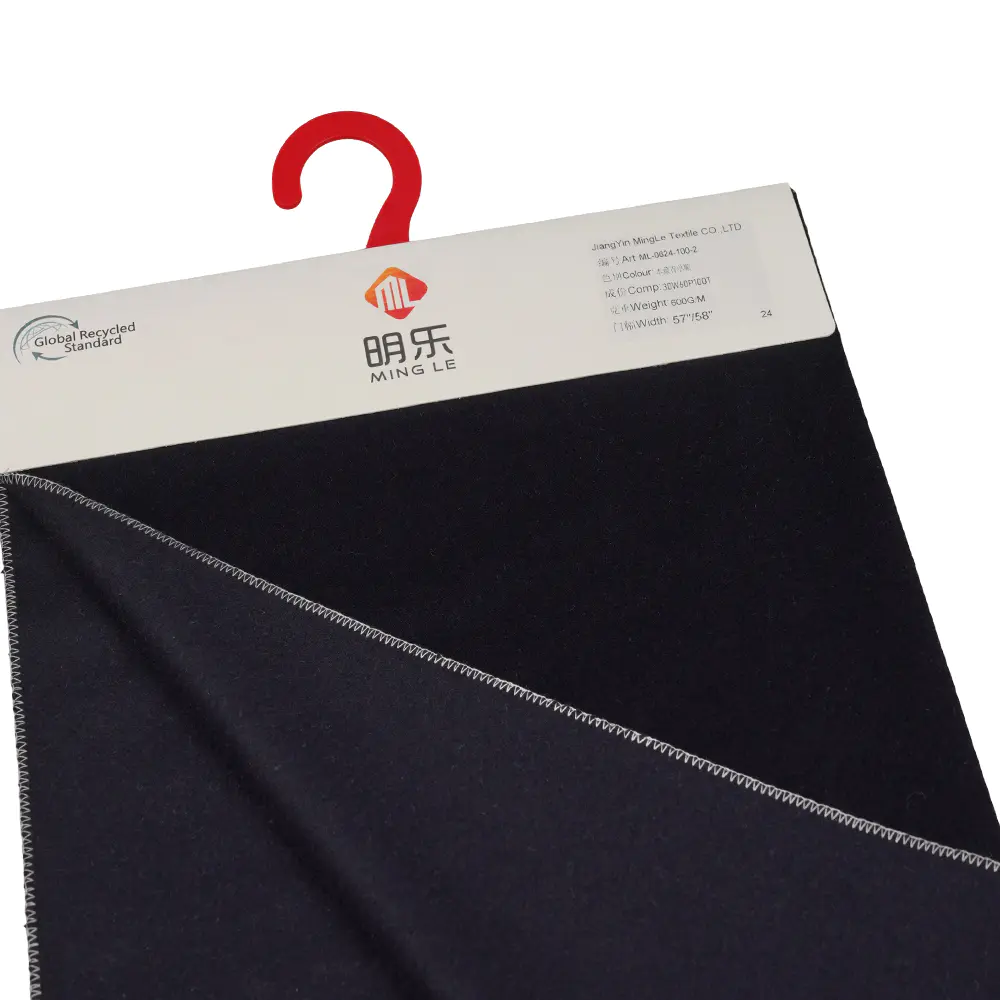
30% Wool, 60% Polyester, 10% other fiber, 600g/m Classic Navy Blue single-face o...
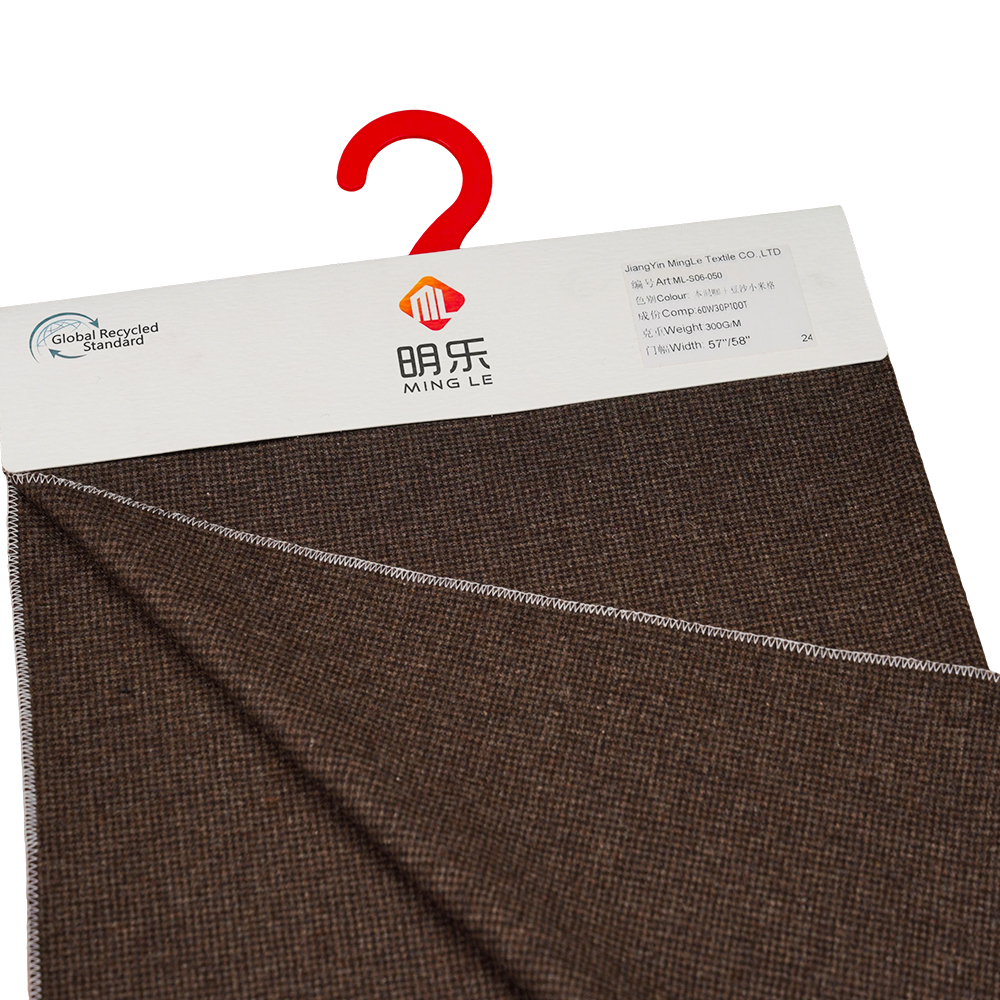
ML-S06-050 Flannel Fabric: 300g/m Wool Blend, Classic Brown CheckThis flannel f...
 +86 - 510 - 86373115
 +86 - 13812129532
 No. 118, Huancun West Road, Huaxi Fifth Village, Huashi Town, Jiangyin City, Wuxi City, Jiangsu Province, China


