

 English
 中文简体
中文简体News
Home > News > Industry News > 50% Wool 40% Polyester 680G/M Beige Crystal Wool Single-Face Overcoating: Technical Comparison, Performance Advantages, and Selection Guide for Premium Outerwear

Content
In the world of premium outerwear, fabric selection is the single most important decision that determines a garment's warmth, drape, durability, and overall aesthetic. Among the myriad of options available to designers and manufacturers, the 50% wool 40% polyester 680G/M beige crystal wool single-face overcoating has established itself as a sophisticated choice for those seeking a balance of natural luxury and technical performance. This heavyweight woven fabric combines a substantial 50% wool content for natural warmth and comfort with 40% polyester for enhanced durability, wrinkle resistance, and shape retention, while the remaining 10% consists of other performance fibers that contribute to the fabric's unique character.
At 680 grams per meter, this fabric sits firmly in the heavyweight category, making it ideal for structured overcoats, tailored jackets, and luxury outerwear that demands both presence and performance. The beige color offers a versatile, timeless neutral that serves as an excellent canvas for a wide range of design applications, from classic city coats to contemporary fashion pieces. The crystal wool single-face construction delivers a refined, smooth surface with a soft hand feel that distinguishes it from standard coating fabrics [citation:4]. For designers, product developers, and sourcing professionals, understanding the technical nuances of this fabric is essential for making informed material decisions that impact garment quality, production efficiency, and ultimately, brand reputation. For a detailed look at our specific product offerings, you can explore our 50% wool 40% polyester 680G/M beige crystal wool single-face overcoating series, which exemplifies the quality and performance discussed herein.
The performance of this overcoating fabric is rooted in its carefully engineered fiber composition. The 50% wool content provides exceptional natural insulation, as wool fibers trap air within their crimped structure, creating a thermal barrier that retains body heat while allowing moisture vapor to escape, preventing overheating and maintaining comfort in cold conditions [citation:1]. The wool also offers natural moisture absorption of up to 30% of its weight without feeling wet, contributing to the fabric's all-day comfort.
The 40% polyester component serves as the structural backbone of the fabric. Polyester fibers provide tensile strength, abrasion resistance, and dimensional stability, ensuring the garment maintains its shape and appearance over repeated wear and cleaning cycles [citation:4]. The synthetic fibers also contribute to wrinkle resistance, a critical attribute for travel and tailored garments that require a crisp appearance [citation:9]. The remaining 10% consists of other performance fibers that are strategically blended to enhance specific properties such as softness, drape, and color retention. This balanced fiber composition results in a fabric that offers the luxury of wool with the practicality of modern textile engineering [citation:7].
The exceptional performance metrics above are achieved through a carefully engineered fiber blend and weaving process. The diagram below illustrates the three-stage functional process that enables this overcoating fabric to deliver such reliable, long-term performance in premium outerwear applications.
One of the most common challenges in fabric selection is understanding the differences between various overcoating materials. While many fabrics are suitable for outerwear, the combination of high wool content, heavyweight construction, and crystal wool finish distinguishes this fabric from standard alternatives. The table below provides a clear technical comparison to guide specification [citation:11][citation:14].
| Property | 50% Wool 40% Polyester 680G/M | Standard Wool Blend Coating | Pure Polyester Overcoating | Lightweight Wool Fabric |
|---|---|---|---|---|
| Wool Content | 50% | 30-40% | 0% | 50-70% |
| Weight (G/M) | 680 | 400-550 | 300-500 | 200-400 |
| Warmth Retention | High | Moderate | Low to Moderate | Moderate |
| Wrinkle Resistance | High | Moderate | Very High | Low to Moderate |
| Breathability | High | Moderate | Low | Very High |
| Hand Feel | Soft, Crystal Wool Finish | Standard Wool Feel | Synthetic Feel | Soft, Lightweight |
| Durability | High | Moderate | Moderate to High | Low to Moderate |
| Typical Applications | Premium Overcoats, Tailored Jackets | General Outerwear, Coats | Budget Outerwear, Fashion Coats | Lightweight Jackets, Blazers |
As the table illustrates, while each fabric type has its appropriate applications, the 50% wool 40% polyester 680G/M overcoating is a preferred choice for premium outerwear where warmth, structure, and a luxury hand feel are priorities [citation:4]. Its high wool content provides superior insulation, while the polyester component ensures the garment maintains its shape and appearance over time [citation:1].
Choosing this overcoating fabric brings a host of benefits that translate directly into improved garment performance, wearer satisfaction, and brand value. These are not just design features but demonstrable advantages validated by industry standards and real-world application [citation:9][citation:11].
The versatility of this overcoating fabric ensures its suitability across a diverse range of outerwear and apparel categories. Its unique combination of warmth, structure, and premium finish makes it a material of choice for projects where quality and performance cannot be compromised [citation:4][citation:7].
| Apparel Category | Typical Applications | Key Benefit Utilized |
|---|---|---|
| Premium Overcoats | City coats, winter overcoats, luxury outerwear | Warmth, structure, premium finish |
| Tailored Jackets | Blazers, sports coats, suit jackets | Shape retention, wrinkle resistance, drape |
| Fashion Outerwear | Designer coats, runway pieces, fashion-forward designs | Aesthetics, versatility, luxury hand feel |
| Uniforms & Workwear | Corporate uniforms, professional attire, hospitality wear | Durability, professional appearance, comfort |
| Custom Tailoring | Bespoke garments, made-to-measure outerwear | Quality, customization potential, prestige |
Selecting the correct overcoating fabric for your project requires careful evaluation of several key factors. A methodical approach ensures that the chosen material meets all performance, aesthetic, and production requirements [citation:1][citation:11].
What is the benefit of 50% wool in this overcoating fabric?
The 50% wool content provides natural warmth, breathability, and moisture management. Wool fibers trap air for insulation while allowing moisture vapor to escape, ensuring comfort in a range of temperatures. The wool also contributes to the fabric's soft hand feel and luxurious appearance [citation:1].
How does the polyester component improve the fabric's performance?
The 40% polyester content provides durability, shape retention, and wrinkle resistance. The synthetic fibers ensure the garment maintains its silhouette over repeated wear and cleaning cycles, making it practical for everyday use [citation:4].
What does "680G/M" mean and why is it important?
680G/M refers to the fabric weight in grams per meter. This heavyweight construction provides superior insulation and structure, making it ideal for premium overcoats and tailored outerwear that require both warmth and a crisp silhouette [citation:11].
What is crystal wool single-face construction?
Crystal wool single-face construction refers to a finishing process that creates a refined, smooth surface with a soft, premium hand feel. This finish distinguishes the fabric from standard coating materials, offering a more luxurious appearance and tactile experience [citation:7][citation:11].
How should garments made from this fabric be cared for?
Due to the high wool content, professional dry cleaning is typically recommended to maintain the fabric's quality. Gentle hand washing in cold water with mild detergent may be possible for some garments, but this should be confirmed with the manufacturer [citation:4][citation:7].
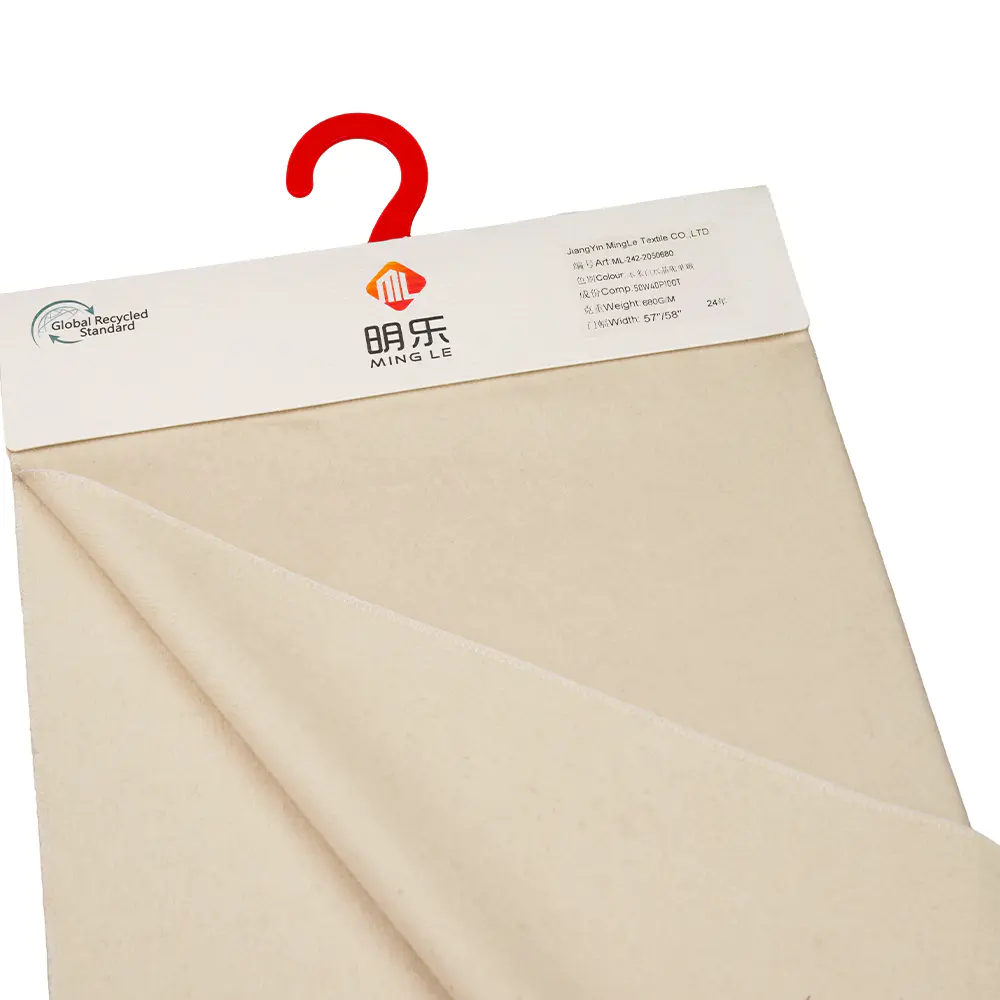
Milky White Crystal Wool single-face overcoating Fleece Fabric: 680g Weight Wool...
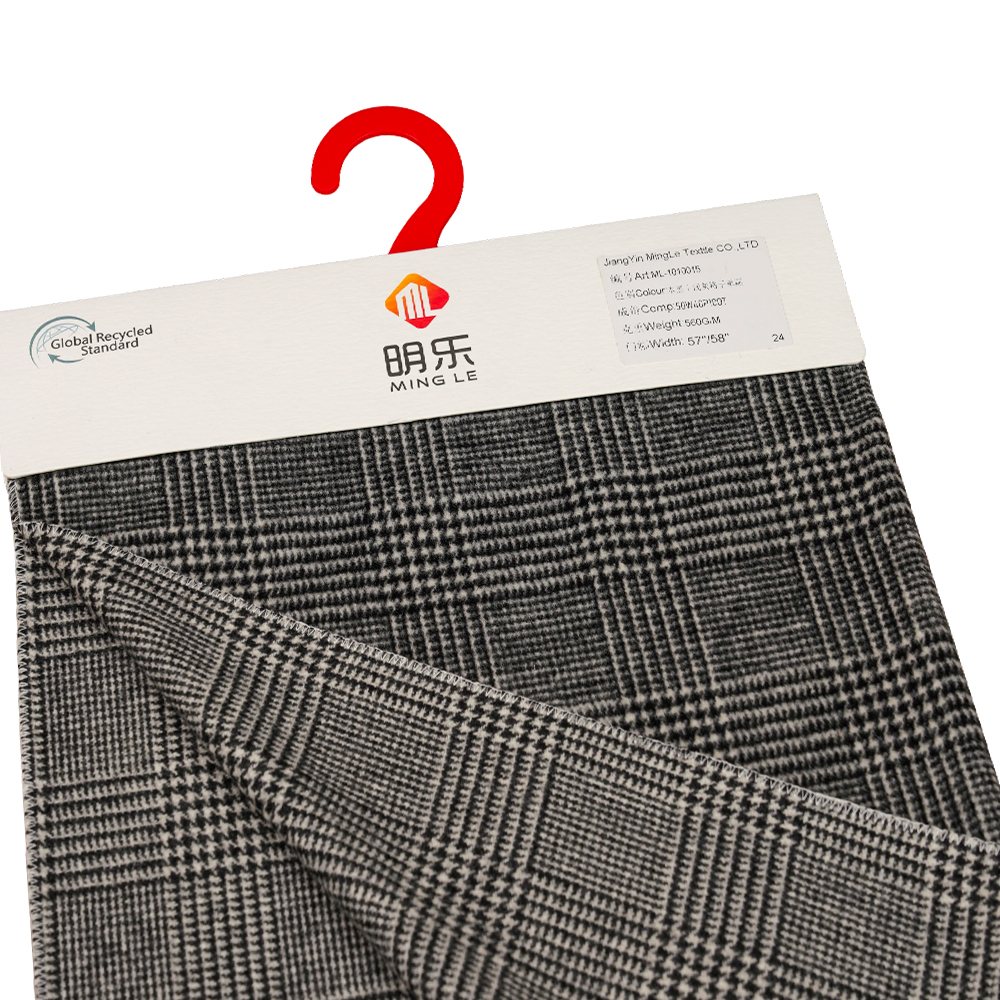
50% Wool, 40% Polyester, 10% Other Fiber, 560g/M Black + Light Gray Check Single...
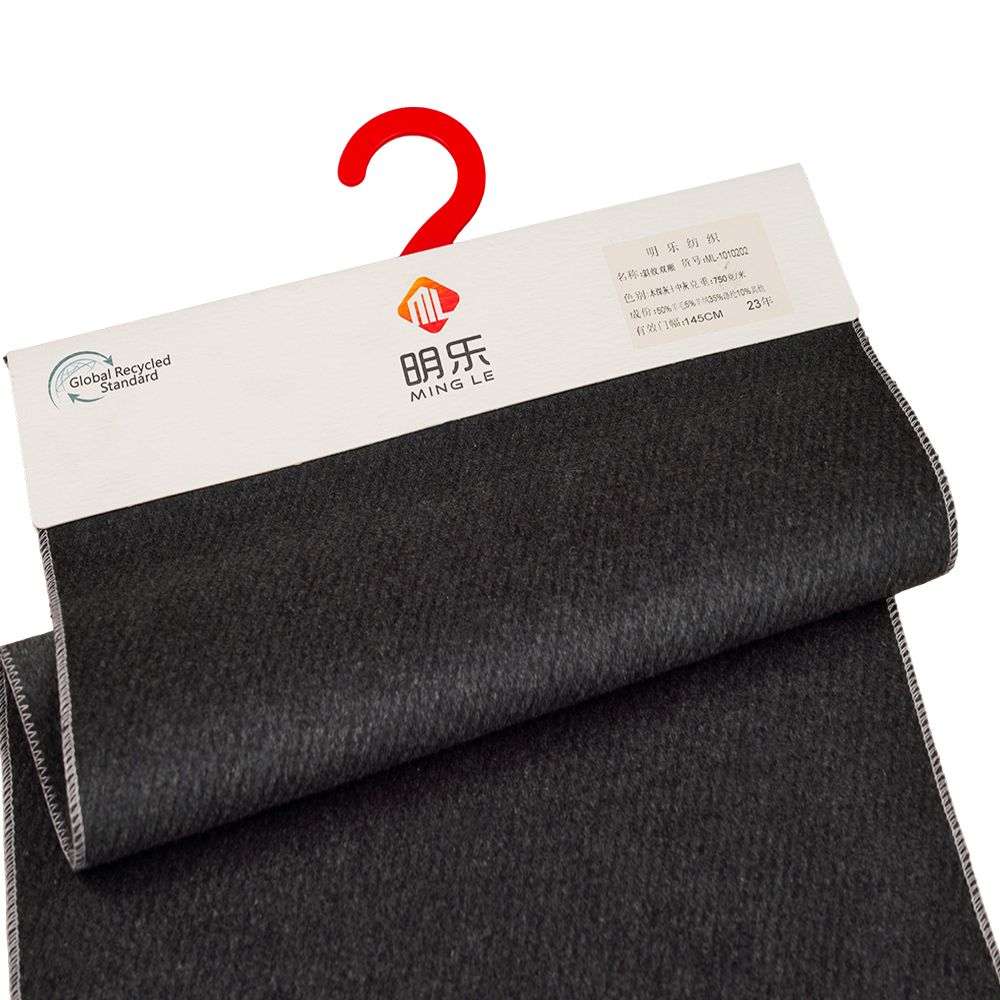
750g Double-Sided Brushed Fabric: Dark Gray and Medium Gray Twill Wool Cashmere ...
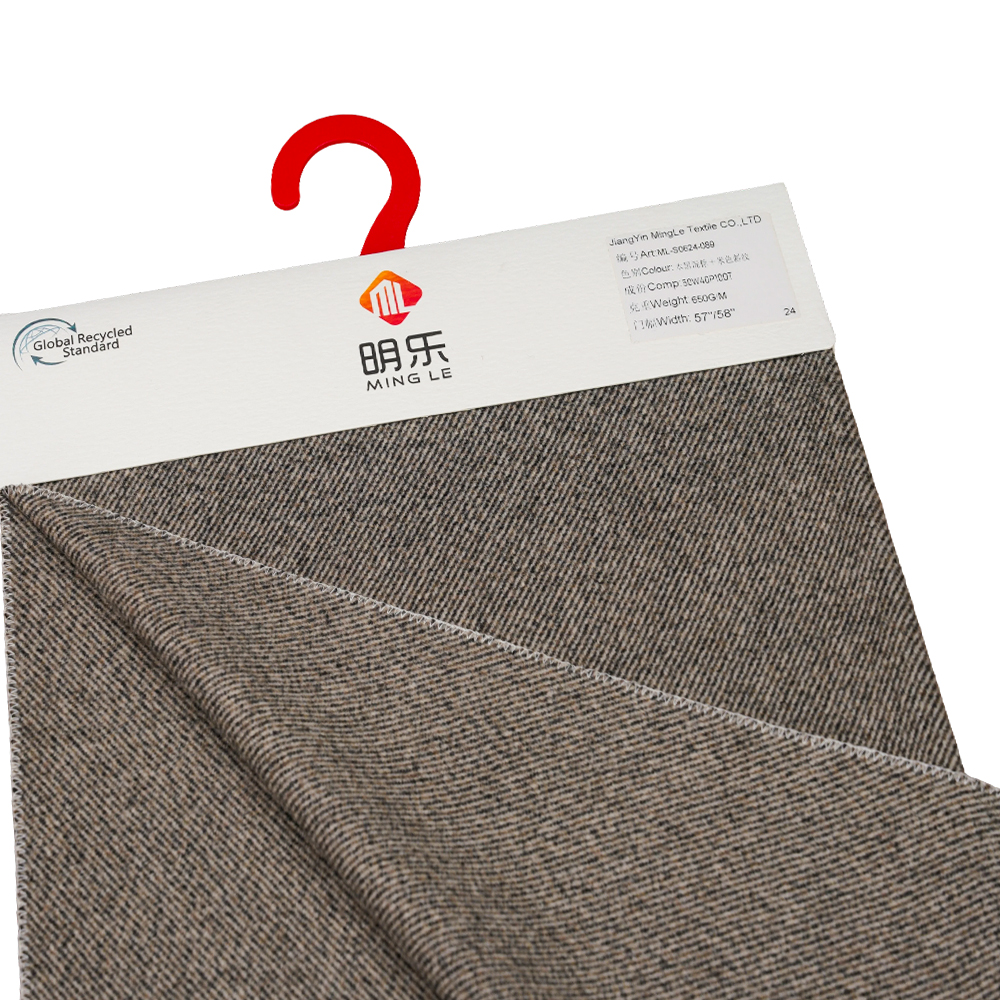
ML-S0624-089 650g/m Off-Black Blend Brown + Beige Twill Wool Fabric: Classic bla...
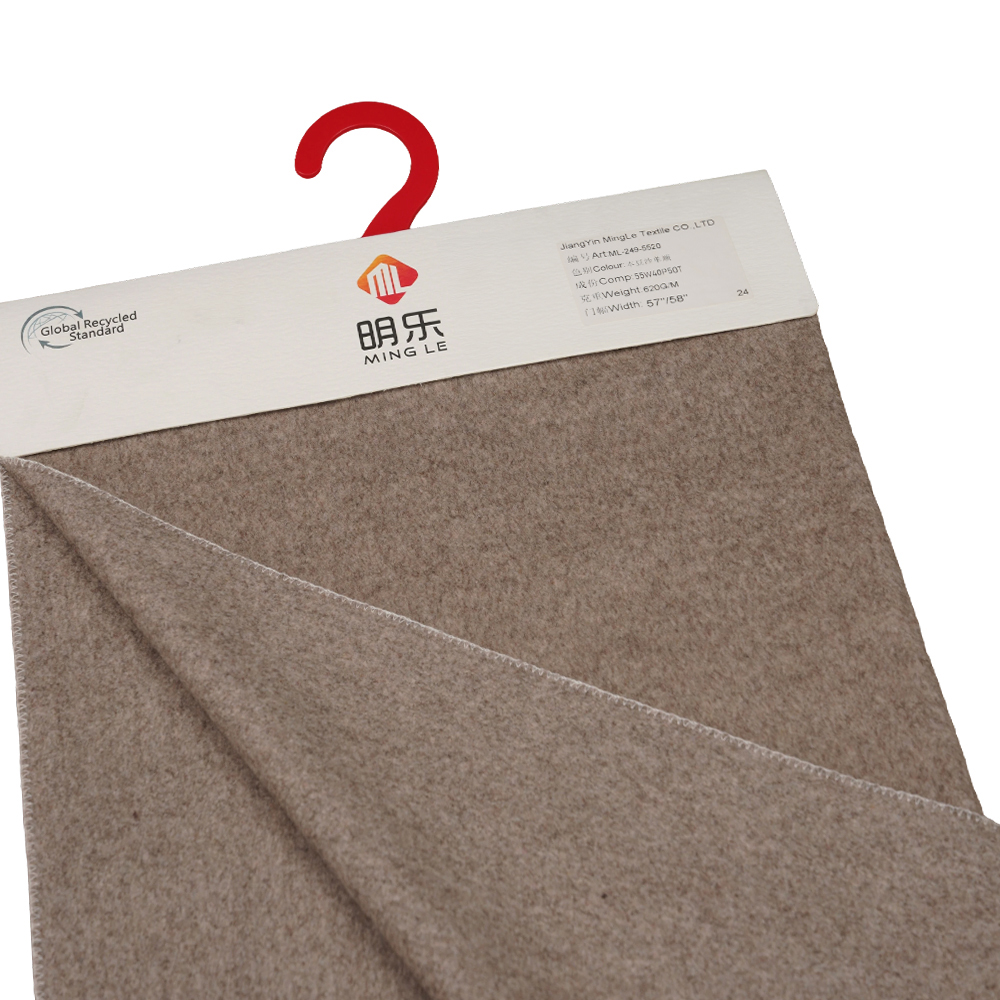
55% Wool 40% Polyester 5% other fiber620G/M Bean Sand single-face overcoating Fl...
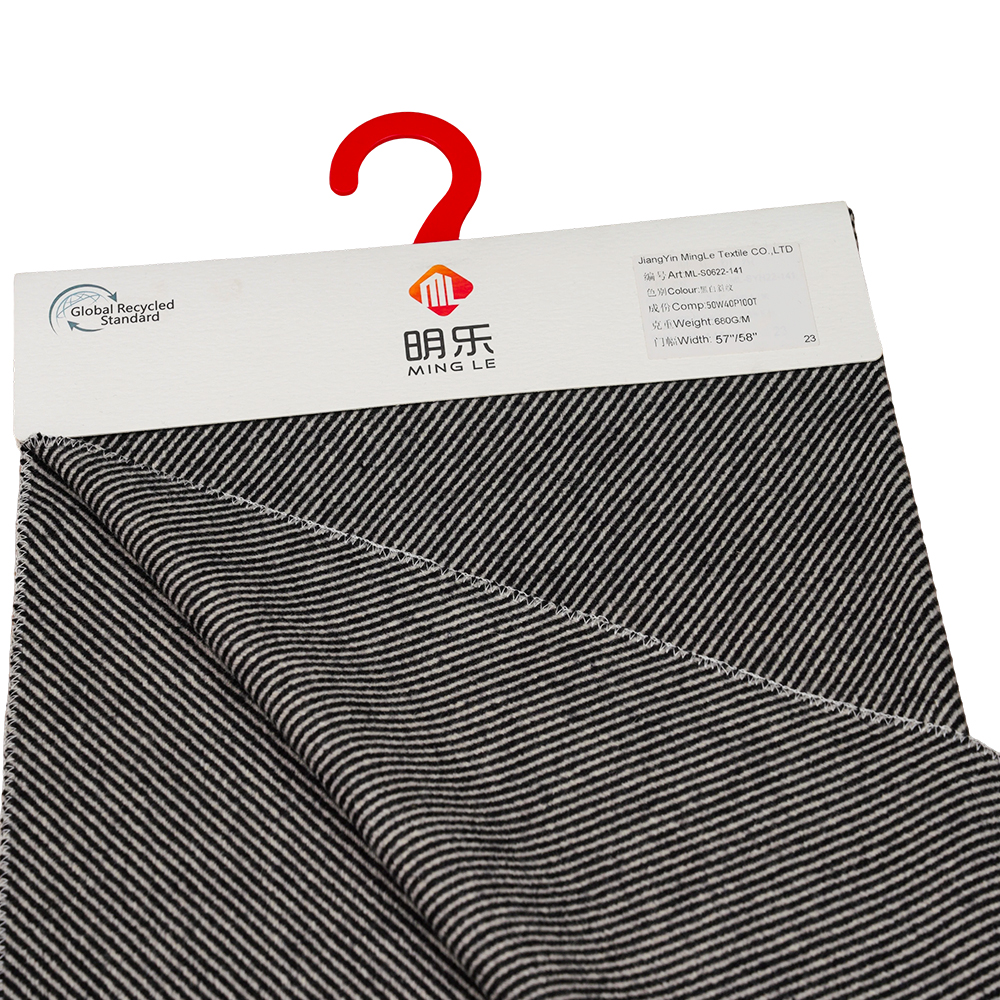
50% Wool 40% Polyester 10% other fiber680G/M Black White Twill Melton Fabric | S...
 +86 - 510 - 86373115
 +86 - 13812129532
 No. 118, Huancun West Road, Huaxi Fifth Village, Huashi Town, Jiangyin City, Wuxi City, Jiangsu Province, China


